











Mining operations significantly impact water quality through acid mine drainage (AMD) and sediment pollution, but these impacts can be effectively managed through a combination of regulatory compliance, proper spoil handling, and best management practices (BMPs) including erosion control measures, chemical treatment systems, and passive treatment technologies like limestone beds and constructed wetlands.
Mining Best Management Practices for Water Quality | Kentucky Watershed Academy
Added:Fundamentals of watershed hydrology, including how surface runoff and groundwater interact within a drainage basin.
The basic chemistry of Acid Mine Drainage (AMD), specifically how the oxidation of iron sulfide minerals (like pyrite) generates sulfuric acid.
Key water quality parameters such as pH, turbidity, dissolved oxygen, and heavy metal concentrations, and their biological impacts on aquatic ecosystems.
A general understanding of surface and underground mining methods and their associated environmental footprints.
Design and engineering of active versus passive treatment systems for acid mine drainage, such as constructed wetlands and anoxic limestone drains.
Environmental regulations and policies governing mining activities and water protection, such as the Clean Water Act and the Surface Mining Control and Reclamation Act (SMCRA).
Advanced ecological restoration techniques for legacy mine sites, focusing on soil remediation, reforestation (e.g., the Forestry Reclamation Approach), and biodiversity recovery.
The socioeconomic and long-term public health impacts of mining-related water pollution on local communities in the Appalachian region.
249 views4likes38:17Original Release: 2020-06-24
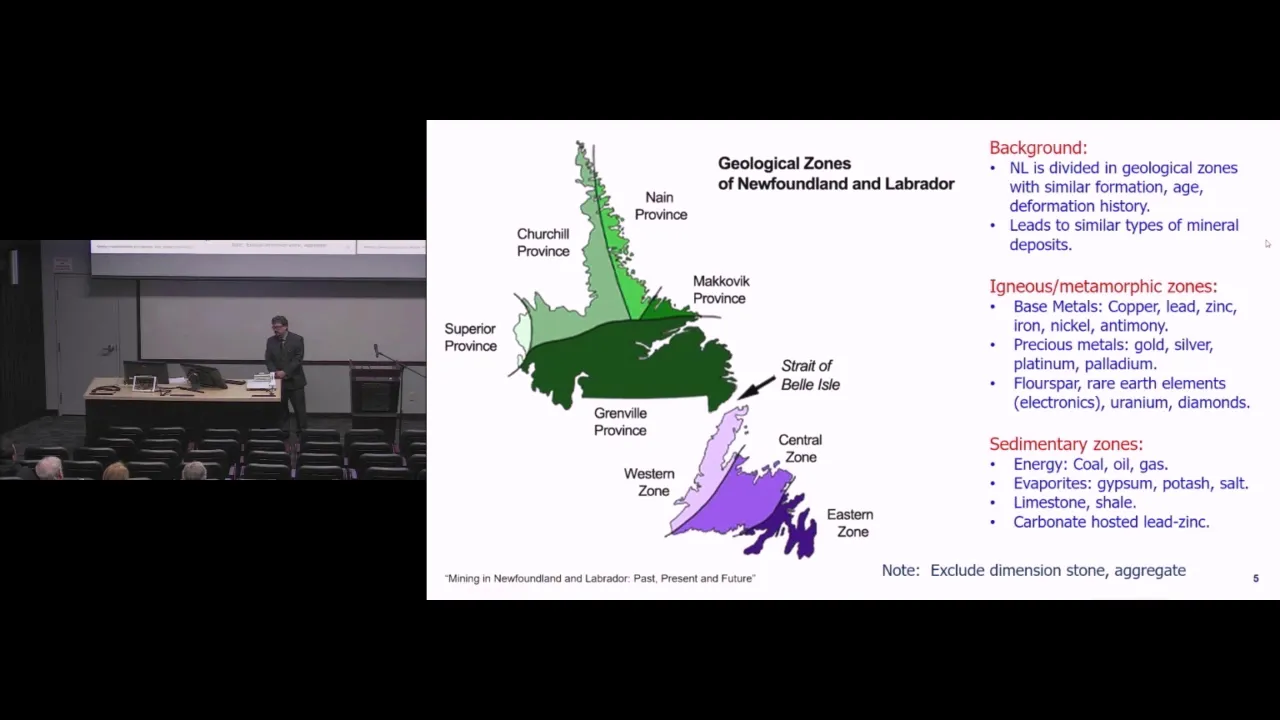
welcome to the Kentucky watershed Academy's presentation on mining best management practices for water quality the expanse of coal mining operations in the landscape can have a profound impact on water resources both within the immediate area of activity and well downstream of it it also has created large areas of flat land for development and wildlife habitat in the mountainous regions of Eastern Kentucky schools industry and airports are some of the uses that have been made on abandoned mine lands in Kentucky post mining lands have also become wetland areas for waterfowl and habitat for reintroduced native elk species resource extraction primarily coal mining is conducted in the far western and eastern regions of the state so these best management practices will be most relevant to watershed professionals in these areas there are many types of mining but the main two categories employed in Kentucky are surface mining and underground mining the mining method is largely dependent on the geology of the coal deposit surface mining is employed when the coal deposit is obviously near the surface of the land this type of mining can recover larger percentages of coal scenes and can cover broad expanses of land using a variety of large-scale equipment such as shown in this graphic the general surface mining process includes the following steps the overburden of rock and soil is broken up using explosives then removed using drag lines or ABEC or by a mechanized shovel and truck once the coal seam is exposed it is drilled fractured and mined in strips the coal is then loaded onto large trucks or conveyors to be carried away to a coal preparation plant or for direct use as part the rehabilitation and reclamation process the stored overburden and soils are replaced to approximate original land contours while mining is ongoing or soon afterwards the soils may then need to be ripped to reduce compaction before planting with grasses trees or other vegetation mining activities can have varied and long-lasting impacts on water quality drainage from mined lands can contribute high levels of metals such as iron manganese aluminum arsenic copper and lead to receiving water bodies these metals and other contaminants can raise the conductivity of the water harming aquatic life the oxidation of ferric sulfide and other substances can result in acid mine drainage with very low pH levels a low pH is harmful to aquatic life as well as other life forms that come in contact with the water sulfate is also typically associated with coal resources in Kentucky and runoff from mine sites can carry higher concentrations into waterways where it can bond with the water to form sulfuric acid further lowering this waters pH high sulfate concentrations can also cause drinking water to have a bitter taste and may have a slight laxative effect and to other animals such as cattle are sensitive to high levels of sulfate in the water and like construction and forestry operations mining typically disturbs large areas of soil and sediment that can be carried to nearby waterways this table taken from a US EPA document lists categories of mining activities with some of the expected pollutants and their sources dust total suspended solids turbidity and pH are common to most of the activities oil fuels and other chemicals are contributed by equipment and maintenance activities there are many laws that apply to coal mining activities but we will just cover a few of the more important ones that relate to water quality protection the surface mining control and reclamation act was passed in 1977 with the dual goals of promoting coal mining to provide the country with this fuel source while also minimizing the environmental impacts of the mining process smack rrah as if calm addresses erosion and control measures as they relate to hydrologic balance sediment control and water discharges in Kentucky the division of mine reclamation and enforcement is responsible for inspecting all surface and underground coal mining permits of the state to assure compliance with smack craft it's helpful to note that DMR II the division of mine reclamation and enforcement is also responsible for regulating and enforcing these laws for nul non coal mining sites in the state including limestone sand gravel shale removal and the surface effects of dredging River sand and gravel coal mining permit applications to Kentucky's Department for mining reclamation and enforcement must include a mining and reclamation plan a Clean Water Act section 404 permanent is frequently required from the US Army Corps of Engineers since it's needed for most proposed discharges of dredged or fill materials into waters of the United States and when these 404 permits are required a state issued for a 1 permit is also needed the 4:01 water quality certification program ensures that activities which require the federal 404 permit are also consistent with Kentucky's water quality standards in the case of mining the energy and environment cabinet has authorized the Department of Natural Resources to issue individual water quality certifications related to surface coal mining operations and when mining operations result in permanent stream loss a stream restoration or mitigation plan must be submitted to the division of water when the proposed disturbances include one acre or more of jurisdictional wetlands a wetlands mitigation plan is also required finally the Kentucky division of water is responsible for reviewing and issuing KP DES or Kentucky pollutant discharge elimination system permits for mining these require a BMP plan editing and its components are described in the accompanying permanent in the case of mining DMR II kentuc conducts the associated mining for the KP d s permit compliance and then notifies the division of water if there seem to be any discharged violations the Division of Water is they're responsible for investigating and enforcing the permit the 1990 kentucky surface mining law and related regulations require that mining permit applications also contain a mining and reclamation plan this plan includes sections covering topsoil handling backfilling and grading spoil disposal acid and toxic material handling surface and groundwater control and monitoring and revegetation each of these sections contains associated best management practices that the operator intends to use the terms of the mining permit must be met throughout the mining process including site preparation mining and reclamation and the five-year period of extended responsibility in 1996 Kentucky developed a guidance document for best management practices to protect water quality from mining land uses this document is stilling today and recommends a variety of structural and nonstructural practices to control pollution from related debris sediment and acid drainage a central tenant of this document states that the best way to prevent pollution of streams with debris sediment and acid drainage is to keep rainfall runoff and groundwater away from these materials or substances the BMPs that follow relate to this overriding concept woody debris results from site preparation before mining occurs clearing and grubbing refers to the removal of trees and brush from the land surface to allow equipment to access the coal layers beneath the ground the resulting debris is typically chip for mulched burned or incinerated or may be stacked in wind rows to be composted as shown in the photo on the right it should not be placed in stream beds where it will likely alternate water flow and quality the main sources of sediment and soil erosion associated with surface mining include halt and access roads areas of active mining areas being cleared for mining activities and areas in the process of reclamation as with any activity involving soil disturbance it's best to think of prevention through the use of erosion control measures this reduces threats to water quality reduces the need for more costly reclamation or restoration and prevents a valuable natural resource soil from becoming a pollutant acid mine drainage results from a process similar to that of rust forming on an iron screw when the iron is exposed to water and air it rust pyrite or fool's gold is a mineral commonly found in mines that contains iron and sulfur as ferric sulphate when it is exposed to water and air it forms the orange colored iron hydroxide as well as acidity as hydrogen ions and sulfate elevated sulphate levels are often found in acid mine drainage discharges sulfate can bond with water to form sulfuric acid or it can attach to calcium to form a gypsum sludge in these graphics depicting the AMD formation process you can first see that pyrite is buried beneath layers of stone dirt and coal until mining exposes it to air and groundwater iron hydroxide shows up as an orange sediment that coats the bottom of streams and limits light penetration into water it can smother aquatic life and destroy stream habitats acidity or a lowered pH can be toxic to aquatic organisms and may cause other metals to dissolve more readily and become available for instance clays are typically high in aluminum when clay is dissolved by this acidity from acid mine drainage it can release aluminum into the runoff water this appears as a white solid and may be visible as a coating on rocks or cloudiness in the water aluminum can also be toxic to aquatic life you this slide shows other erosion control measures that are used on mining sites and common to general construction activities from the top left we see sedimentation ponds which are water detention storage structures designed to detain storm flow these enable the removal of settleable solids from runoff and collect runoff flows for point source discharge they should be located immediately below the disturbance and out of perennial streams unless otherwise approved in a permit application channel protection including check bans men are measures used to stabilize channels against erosive forces these runoff channels can be lined with grass Rock riprap or concrete they can also be protected with check bands to reduce the velocity of stormwater runoff flows dams can be constructed of straw bales lumber or Rock however straw bales are not generally recommended due to their detent tendency to decompose and fail silt fences these are temporary sediment barriers constructed of a semi permeable fabric that has stretched between an attached to supporting post they trap sediment while allowing runoff to pass through the fence silt fences can be effective in short term erosion and sediment control especially during the construction phase of other control structures haul roads or in small drainage basins these fences need to be properly installed to prevent failure which includes placing them along the lens contours to capture flow and installing the stakes on the downhill side of the fence and burying the fabric and stakes in about eight to ten inches of dirt finally vegetative filters are temporary or permanent sediment traps of cultivated or naturally occurring vegetation these are also familiar to you as riparian zones grass filter strips and stream buffer zones they provide areas for the deposition of runoff pollutants before they reach the drainage ways in mining areas these are best employees in areas of moderate slope that receive sheet flow from storm events some mine drainage is inevitable so we'll now move on to controls that treat the runoff that does occur Kentucky's guidance states that all surface drainage from disturbed areas must pass through a sedimentation pond or a series of pond adequate measures along with ponds must be installed to meet K apdes effluent limitations specific to mine drainage treatment all strategies have two common goals neutralizing acidity and capturing and retaining metals these goals can be accomplished through chemical treatment aeration and settling procedures treatments for mine drainage must be designed to meet specific chemical and physical characteristics of the mine drainage being treated which can vary depending on the site's geology hydrology and other factors for the first step in treating discharges with a low pH the alkaline reagent used to neutralize acidity is selected based on several factors including its solubility chemical cost application requirements in maintenance needs remember this step also enables dissolved metals to precipitate and settle out treatment may be active the addition of chemicals or passive treatment while flowing through a structure most treatments are calcium or sodium base hydrated lime calcium hydroxide is the most commonly used reagent it can be applied on dry or liquid forms and is relatively inexpensive it is often used in situations where large volumes of acid mine drainage must be treated over a long period of time that means greater than 3 years crush limestone calcium carbonate is the cheapest reagent by weight but has limited solubility and lower reactivity at higher PHS since it is unable to raise the pH much above 7.5 is inadequate to assist with the precipitation of most heavy metals however passive treatment systems have successively used covered limestone drainage trenches to treat SMI drainage in an anoxic state quick lime or calcium calcium oxide is seldomly used because it forms gypsum in the neutralization process which can clog discharge pipes caustic soda offers the benefit of raising drainage pH above 10 thus fostering the precipitation of manganese a downside is that it also produces a gel like ferric hydroxide sludge soda ash is most commonly used to treat acid mine drainage that has low flow rate and low acidity it can be used in solid briquette form as well as a slurry some mined ranges are not acidic so this step can be skipped to move on to deciding how to precipitate and capture the heavy metals layer of rock and earth above the coal removed during mining commonly contain traces of iron manganese and aluminum and also contained other heavy metals that can be toxic to fish and other life if the concentration is high enough for example iron can destroy aquatic food chain the fish feed on and can clog Gill structures of fish iron manganese and aluminum are the most common metals that need to be removed from mine drainage each forms a solid precipitate with an identifying color metals may be removed by raising the pH of the water and allowing them to precipitate out as sediments or by adding chemicals to encourage precipitation like with pH neutralization the message should be selected carefully based on the metals that need to be removed in their concentrations its effectiveness availability and cost and byproducts of the reaction iron and manganese are common in groundwater and may need to be removed from solution with the addition of potassium permanganate potassium permanganate oxidizes iron and manganese into their insoluble states once these metals form solid precipitates they can be removed by settling ponds or basins sedimentation ponds accomplish the dual goals of aeration and settling of my drainage the addition of oxygen at the pond surface and the detention time worked together in a single pond or multiple ponds in succession settling is also possible in a fabricated clarifier structure or in a treatment wetland these photos show settling ponds with blueish water entering the pond and the orange colored water following an oxidation of ferric oxide methods of treatment of mine drainage include active chemical treatment or passive treatment we will talk about each of these in turn in a previous slide we discussed how various chemicals can be selected and applied to nutria as the pH and remove metals in active treatment these chemicals are stored in a storage tank and then released into an inflow pipe or a ditch which contains the polluted mine drainage at a set rate a settling pond is located below the water treatment system to slow down the flow and capture the precipitating metals active treatment systems at the drawback of being expensive due to the need to purchase chemicals and supply electricity in perpetuity therefore Passman passive treatment systems are often recommended where feasible in examining these passive treatment systems we'll begin with the constructed aerobic wetland artificial web wetlands are utilized to aerate and settle metals in my drainage the microbes in a wetland system can help further remove heavy heavy metals fixing them in the underlying soils in a insoluble state they are typically recommended in conjunction with other mine drainage treatment practices for example they can become long-term passive treatment installations that receive pre treated water from settling ponds sludge may need to be periodically dredged and removed from these wetlands the method of passively treating mine drainage is to use limestone rock to line the drainage or stream channel the limestone dissolves at the wall rock flows over it adding alkalinity and increasing the pH if the drainage contains dissolved metals they may drop out of solution with the increased pH and aeration as the water moves over the rocks the solid precipitate can armor the channels over time reducing its effectiveness when this happens the rocks can be mixed around or more limestone can be added to the channel if the channel is on a steep slope this armoring or crusting may be less likely but the treatment may be less less effective as the water moves over the limestone more quickly due to the slope in anoxic limestone beds high quality limestone is buried under a liner and soil covering to avoid the interaction of the my drainage with oxygen from atmosphere this treatment is not used with ferric ion iron or aluminum because it will clog however for ferrous iron in the manganese this treatment is effective for increasing the alkalinity of the my drainage before a settling pond drawbacks of limestone beds are that they are difficult to repair and they have a limited lifespan of about 20 years Adrina mole limestone bed is simply a pond filled with limestone that includes an under drain the limestone treats the acidic water allowing the metals to precipitate out during the bed on a weekly basis can help prolong the life of this treatment system by decreasing the amount of iron precipitate that crusts on the rocks anaerobic vertical flow system allows the drainage to pass through a series of treatment steps before the water is discharged these are also sometimes called successive alkalinity producing systems or si PE s first water flows into an artificial wetland then filters vertically down through compost layer to remove to dissolve oxygen the removal of the oxygen helps prevent iron precipitate that yellowboy our crusting from forming and coating the limestone the next step reducing its effectiveness then the mine drainage passes through an anoxic limestone layer to add alkalinity the water leaves through the under drain which typically flows into a settling pond in which the iron and other contaminants can be removed most of these treatment options options have the drawback of requiring a large amount of space which can exceed the land that's available they may also not be desirable for private property locations this has given us a brief overview of the ways to treat the mine drainage and now we'll transfer transition back over to the second major category topsoil and overburden handling topsoil and overburden handling addresses the rock and soil that lies above a coal seam it's sometimes also referred to as waste or spoil the mining guidance manual provides recommendations for multiple types of topsoil and overburden categories handling of these materials goes through many steps from the initial removal of topsoil to back filling and grading after the coal is removed and the disposal of excess or acid spoil in general overburden and top soil should be stabilized and recontoured if needed to conform to the site's topography then vegetated surface waters and stormwater runoff should be diverted around piles of these materials topsoil is the richest uppermost layer of soil and should be separated and stockpiled for later redistribution in some areas such as the mountainous Appalachian region topsoil may be less than six inches thick in these case since topsail may include the unconsolidated material beneath it to a depth of six inches ideally topsoil that is removed from an area of an advanced mining cut should be immediately distributed on land that's already mined if it must be stockpiled measures should be taken to stabilise the piles and minimize erosion for stockpiles left in place for more than 30 days the establishment of quick-growing annual or perennial vegetation is required as we've mentioned spoil refers to all overburden material that's excavated during mining operations when it can't be immediately backfilled and regraded temporary storage piles to be located on stable sites with little or no slope the piles should be located in there in areas that don't have seeps or Springs or poor drainage and located to minimize handling distances and cost additionally diversions should be created around the spoil storage sites and all storage areas should drain to a sediment pond backfilling and grading refers to the procedures that are used to replace spoil into the pit or onto the bench and grading it to approximate original on contours backfilling and grading procedures include eliminating high walls and spoil piles and dewatering at the mining pits by conducting these activities as the mining is occurring you can better ensure stability and safety of the areas minimize soil erosion and water pollution promote revegetation and restore hydrology within 30 days of back filling and rough grading the area must be final graded scarified topsoil redistributed and seeding completed extremely compacted soils often result from the use of heavy earth-moving equipment surface roughening or scarification is critical to ensuring water infiltration and root penetration on reclaimed land if possible roughening should be done on the contour to minimize erosion on steep slopes add rope those are can be driven up and down the slope to create cleat or track marks that can aid in reducing runoff soil erosion and seed loss prior to scarification line may need to be applied to soils to raise the pH to a level that's needed for establishing vegetation the identification and selective handling or burial of potentially acid or toxic forming spoil is a crucial measure to protecting surface and groundwater quality this helps prevent the formation of acid mine drainage this slide lists several ways that acid spoil can be handled including mixing that with other overburden materials burying that with these materials and treating it with limestone once all these measures are complete the usual method of disposing of excess spoil remaining is to place it in engineered earthen and rock structures known as head of hollow fills hollow fills or valley fills which are stabilized with drainage controls a sediment pond is typically installed down slope of these valley fills to collect runoff and allow settling of particulates Kentucky's division of abandoned mine lands is charged with protecting the public from health and safety problems caused by mining that occurred before 1982 these dangers may include landslides water filled pits open mine portals and dilapidated equipment and buildings AML restores these sites to a safe and environmentally stable condition through reclamation activities the AML division also admitted a bond forfeiture program before a company begins mining they are required to post a reclamation bond if the company fails to mine and reclaim the site to the standards specified in their permit the bond money may be forfeited to the state these forfeited funds are used to reclaim the site AML has also overseen a recent pilot program to distribute federal funding for reclamation of AML sites in conjunction with economic and Community Development and reuse goals you'll learn more about this program in module 5 when we hear from likely partners but you should be aware that it is a potential source of funding for watershed improvement projects that assist with the economic development goals of this pilot program we're going to end this section with a few case studies that may be of interest to you the first is in Pike County the Octavia Church AML project reclaimed a refuse area of approximately six acres it threatened the nearby Octavia Church as well as motorists on the adjacent roadway during heavy rains coal refuse washed into and blocked the roadside stream causing sediment and water to flow on to the road which increased the risk of accidents as well as increased the maintenance needs on the roadway and at downstream culverts and bridges it also caused downstream water quality impacts through the AML reclamation project an existing sediment pond was cleaned out and the dam spillway was repaired a berm along the edge of the creek and diversion ditches were lined with rock or erosion control blankets and they routed run off to the cleaned out sediment pond coal refuse was removed from the creek banks and sold at marketable value then the area was covered with topsoil to at least 2 feet deep drainage was further controlled with additional hay bales berms and diversion ditches and the whole area was revegetated another notable success story was in the Rock Creek AMD project in McCreary County acid mine drainage from coal mines had decimated aquatic life in a four mile stretch of Rock Creek the upper portion of the Creek was considered a wild and an outstanding natural resource water but the lower portion was suffering from acid mine drainage from over 40 coal mine portals and coal refuse dumps which severely impacted aquatic life this lower segment was listed on the 1993 o3d list for non-support of aquatic life and swimming best management practices installed in the Rock Creek watershed included removal of coal refuse from the stream bank areas open limestone channels and a vertical flow wetland system water in the creek was further treated for acidity with limestone sand a319 grant provided funding for the construction of the open limestone beds and the removal of coal refuse from the stream banks other funding was obtained from the Appalachian clean streams initiative Eastern Kentucky pride Kentucky AML and the USGS all of these practices decreased acid and sediment loading to the creek and enabled areas that previously could not support fish to host diverse fish populations the final project we wanted to mention is especially creative and serves as a great teaching tool for the public the 35-acre a MD and art park is located in a mined area of southwestern Pennsylvania the AMD or acid mine drainage flows into the park with a pH of 2.8 and exits at about a pH of 6.5 one section of the park is devoted to the wetland treatment cells and ponds of the AMD treatment system an accompanying litmus garden functions as a visual representation of the changing acidity of the water as the water moves through the treatment system it under goes a visual transition from the red-orange of the AMD to the blue-green color of clean water small groves of or bands of 13 native tree species were chosen for their autumn foliage colors that turned deep red around pond one engraved through orange and yellow to blue green at the end of the treatment system in pond 6 create an visual reflection of improved water quality another area called the history wetland educates about the site's previous use as a coal mine and another section is being developed as a recreation area with sports fields and a pavilion you can find much more information about this park online including funding sources and all the partners involved finally we wanted to mention this supplemental resource from the West Virginia Department of Environmental Protection it provides some helpful guidance for watershed groups who are looking for ways to proactively address mine runoff problems
Up Next
11:04
Closed Saltwater Ecosphere: Caribbean Ecosystem in a Jar
@LifeinJars
55.1K views•2025-03-29

15:54
Life in Biosphere 2: Sustainable Ecosystems & Human Survival
@TED
334.9K views•2009-06-16
14:30
Microplastics Everywhere: How Plastic Impacts Our Lives
@TEDx
100.9K views•2018-05-08
10:28
Ice Stupa Artificial Glaciers: Solving Ladakh's Water Crisis
@SonamWangchuk66
3.2M views•2015-05-03
Related Study Plans & Knowledge Roadmaps
Structured learning paths in Environmental Science
environmental-science
Ocean Noise: Cetacean Impacts & Mitigation
01Fundamentals of Underwater Acoustics
02Marine Mammal Bioacoustics
03Anthropogenic Noise: Shipping & Seismic Surveying
+ 2 more learning modules
16h5 modules
Explore Roadmap
environmental-science
Road Ecology: Corridors, Overpasses & Fencing
01Foundations of Habitat Fragmentation and Carnivore Ecology
02The Road Barrier: Ecological Impacts of Transport Infrastructure
03Principles of Ecological Corridors and Connectivity Mapping
+ 3 more learning modules
14h6 modules
Explore Roadmap
environmental-science
Ocean Acidification: Kelp Buffering & Shellfish
01Fundamentals of Ocean Chemistry & pH
02Chemical Pathways of Coastal Acidification
03Bivalve Physiology & Calcification Under Stress
+ 2 more learning modules
18h5 modules
Explore Roadmap
environmental-science
Ice Stupas: Glacial Retreat & Water Security
01Foundations of Glaciology & Mountain Hydrology
02Climate Change and Glacial Retreat Dynamics
03The Science of Ice Stupas & Artificial Glaciers
+ 2 more learning modules
14h5 modules
Explore Roadmap