







![[#EBS평생학교] 2강 초보 티 없애는 스마트폰 촬영법│박철우의 난생처음 크리에이터](https://i.ytimg.com/vi/jvtAiwYtmxw/maxresdefault.jpg)







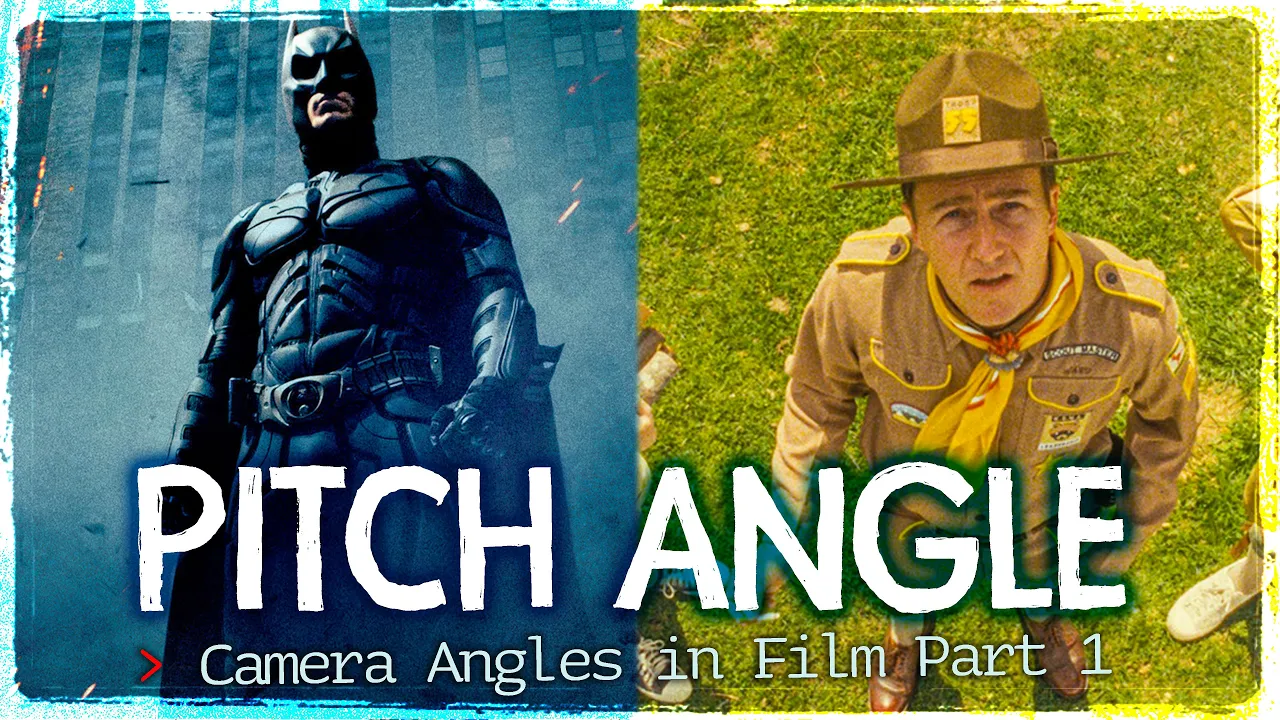


A high-angle shot is a camera technique where the camera points down at the subject, serving three primary purposes: narrative (establishing context and showing landscapes/crowds), visceral (creating vertigo and anxiety through extreme angles), and character-driven (making characters appear smaller, weaker, and more vulnerable). Filmmakers like Hitchcock use high-angle shots to signal danger and vulnerability, making audiences feel anxious and connect emotionally with characters in jeopardy.
Mastering High-Angle Shots: Cinematic Techniques for Filmmakers
Added:Understanding of basic camera placement terminology, specifically the physical difference between eye-level, low-angle, and standard high-angle shots.
Fundamentals of visual grammar, particularly how camera framing and angles can psychologically influence the audience's perception of a character's power or vulnerability.
An introduction to classic cinematography principles, including shot composition, headroom, and the rule of thirds.
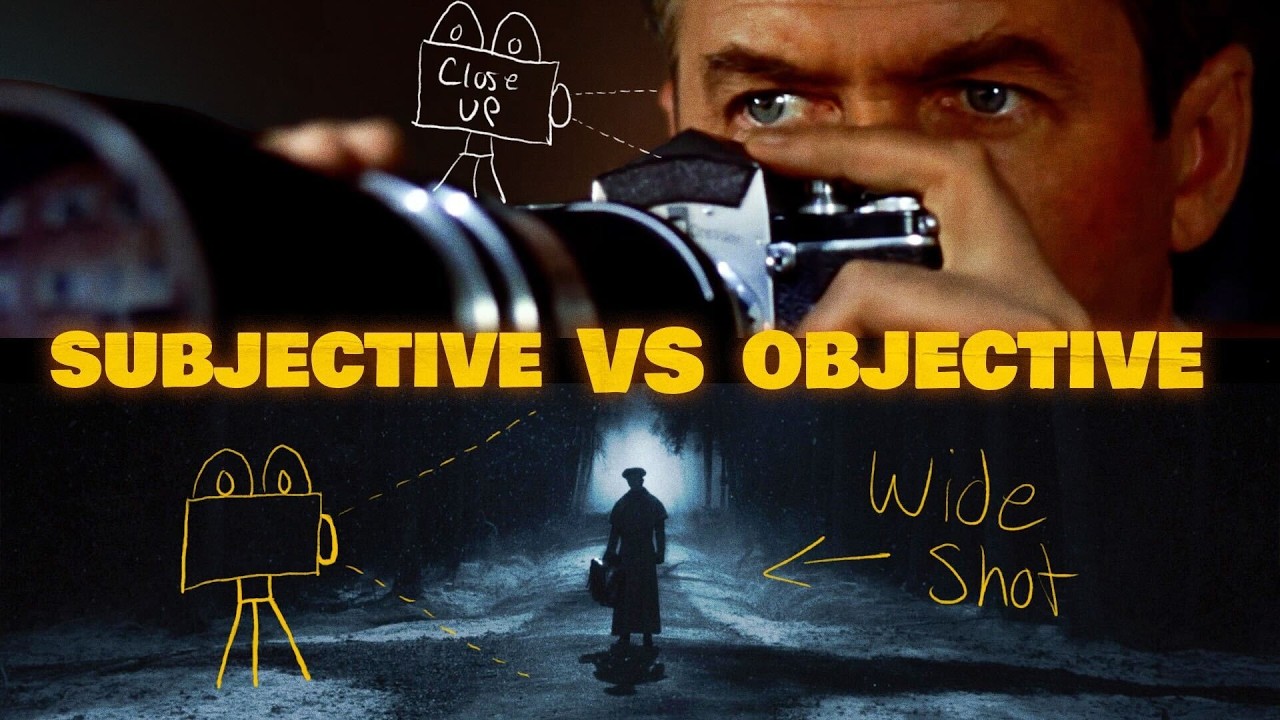
The concept of subjective versus objective camera perspective in narrative filmmaking.
Advanced camera movement techniques, such as crane, jib, and drone operations used to execute dynamic, sweeping high-angle shots.
The art of scene continuity and editing, specifically how to edit between high-angle and low-angle shots to establish dramatic power dynamics in a scene.
Creating professional storyboards and director's shot lists that strategically integrate narrative, visceral, and character-driven camera angles.
Analyzing masterclasses of director-specific case studies (e.g., Alfred Hitchcock or Stanley Kubrick) to see advanced high-angle techniques implemented in classic cinema.
219.7K views4.1Klikes5:44Original Release: 2018-10-16
Today, we're going to take a closer look at something you've probably seen a thousand times.
The High-Angle Shot.
If used right this shot will take your filmmaking literally to the next level.
So what is a high-angle shot?
A high-angle shot is a shot where the camera points down at something.
It can be subtle like this.
Or extreme like this.
It can be a tight shot or it can be very wide.
High angle shots are awesome, but I've noticed that very few filmmakers make good use of them.
Often times they're used arbitrarily, just because they kind of look cool.
But I want to take a closer look at how you can maximize their impact in your next project.
High-angle shots have three primary functions.
They can convey narrative information.
They can elicit emotional responses in the viewer.
And they can convey something about a character.
Here's a fairly common type of high-angle shot.
It's a narrative high-angle shot.
A big dramatic crane shot that sweeps over a scene.
The primary purpose here is narrative.
From above, we can see more of the world.
The shot establishes context for our scene and is most useful to show landscapes or large crowds which would be difficult to capture, if the camera were positioned too low to the ground.
The thing to remember about a narrative high-angle shot is that it's not meant to draw too much attention to itself, or evoke a strong visceral response.
It doesn't want to throw us off balance.
The angle is pretty shallow.
Meaning the camera points down only slightly.
But some high-angle shots are meant to give us a visceral thrill.
The second type of high-angle shot is the visceral high-angle.
These high-angles are designed to give you a sense of vertigo.
"Don't worry. I'm totally on top of this."
Here's a great high-angle shot from Harold Lloyd's "Safety Last."
Some people call it this a bird's-eye view or overhead shot where the camera points straight down from a high place.
A shot like this doesn't usually convey new information about the scene, but it definitely makes an emotional impact.
It makes us feel uneasy or anxious.
Check out this moment from Hitchcock's "North by Northwest."
"Listen to me. I have nothing to do with this."
Roger Thornhill runs out of the UN building and there's no one dangling for a precipice, but we're looking straight down nonetheless.
And in this scene from "Minority Report" Spielberg makes us feel much the same way.
Again, no dangling hero, but boy, is it anxiety-inducing.
These last two bird's-eye shots connect us to a third type of high-angle which often combines elements of narrative and visceral emotion.
It's the character-driven high-angle shot.
This type of high-angle shot makes a character appear smaller or weaker.
This can be both a narrative device communicating to us that the character is vulnerable.
And it can also be made visceral too, so we can connect to their vulnerability.
We feel for them, in some cases, we fear for them.
Some filmmakers use high-angle shots for very specific narrative emotional purposes.
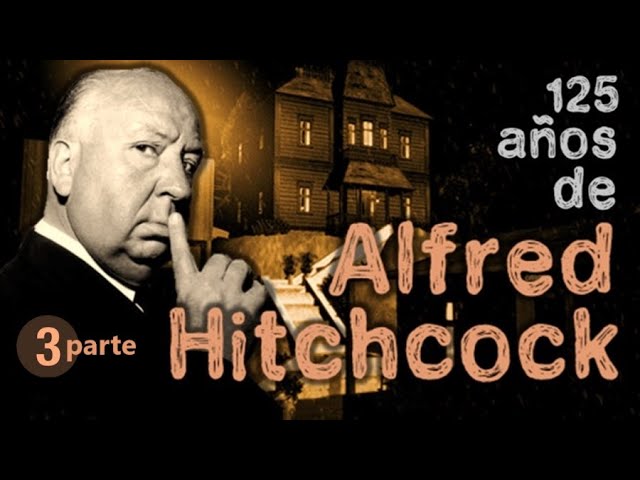
Most notable among these is Hitchcock himself.
Consistently, in Hitchcock films, when his characters are in jeopardy, he positions the camera high above them.
Again and again, the high-angle shot shows us characters who are in trouble, on the run or about to encounter mortal peril.
In a Hitchcock film, a high-angle shot always screams danger.
Even when we don't yet know there's something dangerous about to happen.
Take the opening shot of the crop duster sequence in "North by Northwest."
It's a high-angle shot, as the bus approaches, and Thornhill steps off.
Many filmmakers would have opted for something closer to the ground but not Hitchcock.
By opening the scene with a high-angle, he introduces a subtle note of danger.
And by placing his character into the shot, Hitchcock alerts us subconsciously that Roger Thornhill is in danger.
We`re prime, we`re anxious.
So even though the scene is long and methodical we are on the edge of our seats.
So if you're a filmmaker and want to make the most out of the high-angle shot, here's how it breaks down.
If you want to establish the scale of a crowd, or the layout of a landscape, use a narrative high-angle shot.
Push the camera up and keep the angle somewhat shallow.
Establish your landscape and you're done.
But if your audience needs a jolt or a thrill, if you need to inject tension vertigo, or to punch up the action, try a visceral shot, by pushing your high-angle to the extremes, extreme height or a sharp angle.
Finally, if you want to emphasize the danger to your characters and want to make weak characters seem weaker, try framing them in high-angle.
Now that you've got a good grip on high-angle shots, it's time to put them to use.
Whether you prepare your shot list with a spreadsheet pen and paper or with shot listing software like StudioBinder, give the high-angle shot some love.
And when you're ready to expand your cinematic knowledge a little more, check out our other videos.
We've got great stuff on our channel and new content coming all the time.
If you like this video, make sure you share and subscribe.
And don't forget to click the little bell icon, so that you're notified when new videos come out.
Keep your cameras rolling. And until next time.
Break a lens.
Up Next

11:09
Mise en Scene II: Space, Lighting, Color & Lenses in Film
@LauraKendallfilmteacher
162 views•2020-08-17

23:14
Visual Analysis Essay: How to Analyze Graphic Novels in College Writing
@nataliepleimann5941
1K views•2020-10-14
19:56
Andrei Tarkovsky's Filmmaking Style Explained
@StudioBinder
206K views•2025-02-03

4:00
Evolution of Darth Vader: Anakin Skywalker's Animated Journey Across Star Wars Films
@TellItAnimated
13.4M views•2019-03-30
Related Study Plans & Knowledge Roadmaps
Structured learning paths in Film Analysis
film-analysis
Sensory Cinema: Foley, Haptic Sound & Texture
01Introduction to Film Sound and Foley Artistry
02Micro-Sounds, Textures, and Extreme Amplification
03Haptic Audition and Film Phenomenology
+ 1 more learning modules
12h4 modules
Explore Roadmap
film-analysis
Breaking the Fourth Wall: Mockumentary & Satire
01The Invisible Wall: Basics of Cinematic Illusion
02Looking at the Lens: Direct Address & Character Glances
03The Mockumentary: Satire, Realism, and Complicity
+ 2 more learning modules
12h5 modules
Explore Roadmap
film-analysis
Analyzing the Long Take: Cinema, Space & Ethics
01Foundations of Film Grammar: Montage vs. The Long Take
02Choreography and Mechanics of the Simulated One-Shot
03Phenomenology of Film: Real-Time Spatial Continuity
+ 1 more learning modules
14h4 modules
Explore Roadmap
film-analysis
Anachronistic Music: Period Drama & Subversion
01Foundations of Film Sound and the 'Needle Drop'
02Traditional Authenticity vs. Revisionist History
03The Rise of the Anachronistic Soundtrack
+ 2 more learning modules
12h5 modules
Explore Roadmap