
















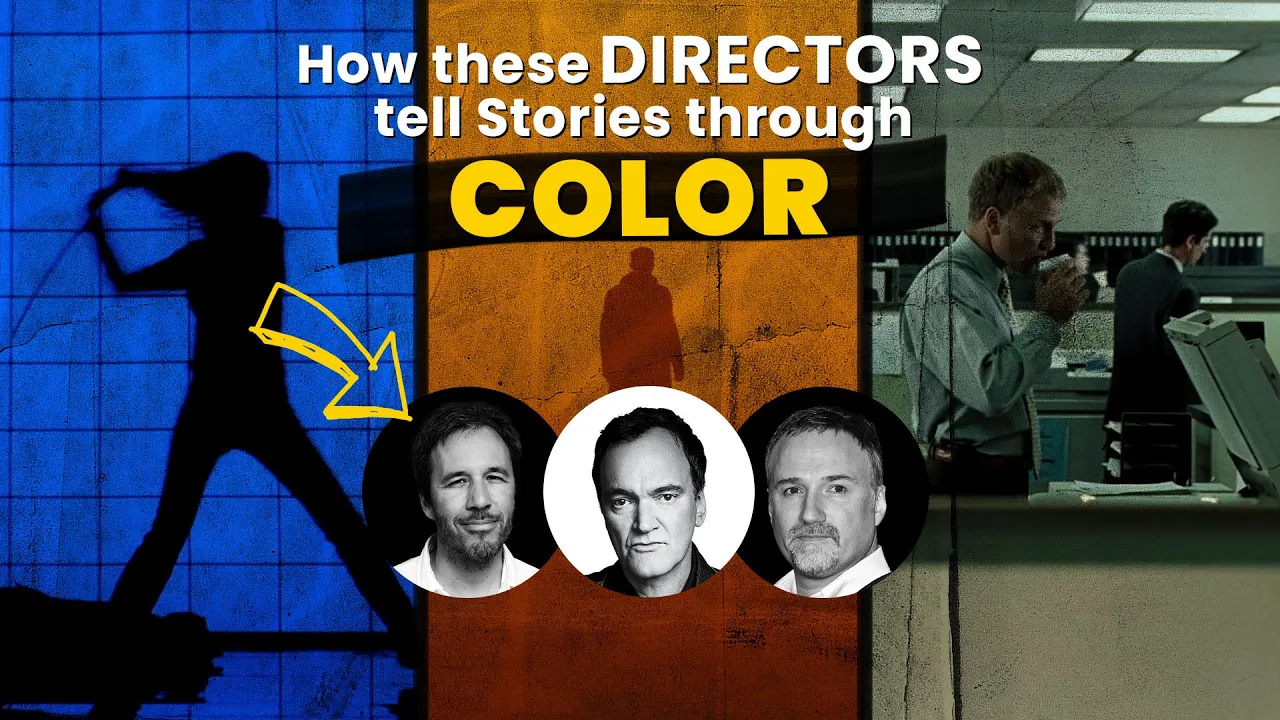

This lecture covers the five territorial positions (full frontal, quarter turn, profile, three-quarter turn, back to camera) that establish intimacy levels between subjects and viewers, along with proxemic patterns (intimate, personal, social, public) that define spatial relationships. The instructor explains how open and closed compositions control information withholding, while tight and loose framing suggest confinement or freedom. Additional elements include lighting types (available, high key, low key), color symbolism and contrast, lens selection (wide angle, telephoto, normal), film stock characteristics (fast vs. slow), and composition density (stark, moderate, highly detailed), all working together to create visual meaning in film.
Mise en Scene II: Space, Lighting, Color & Lenses in Film
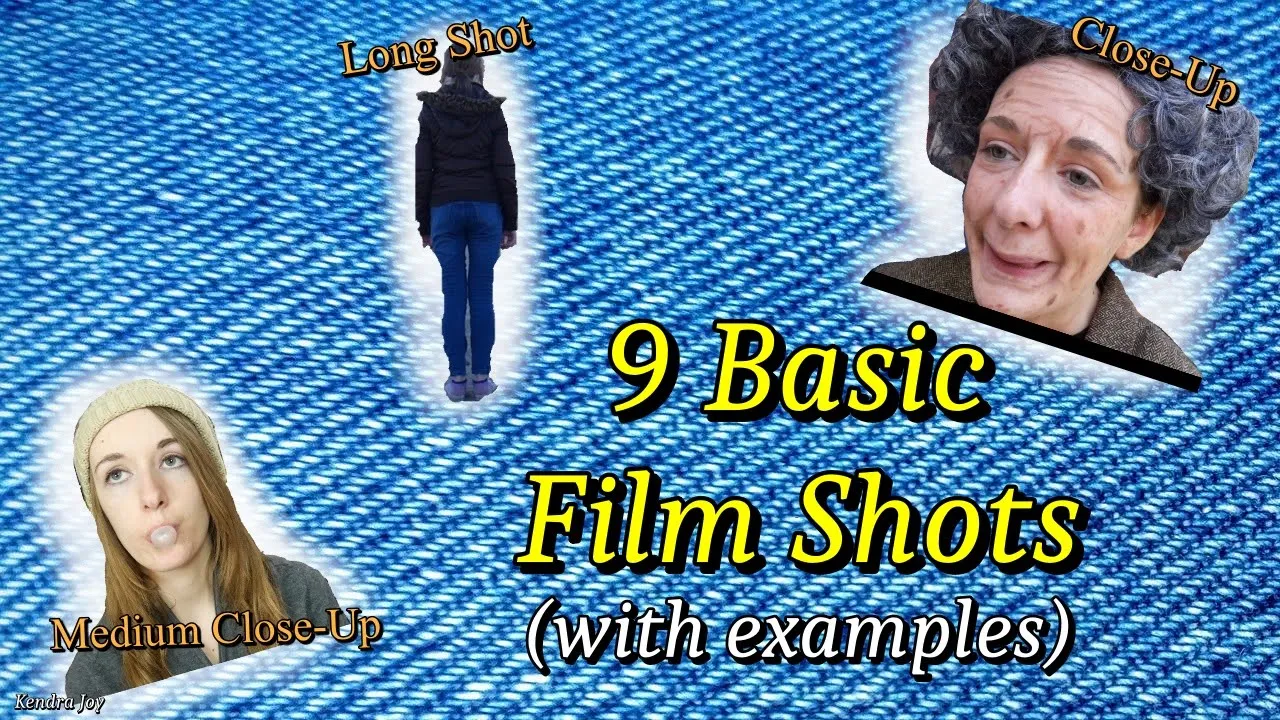
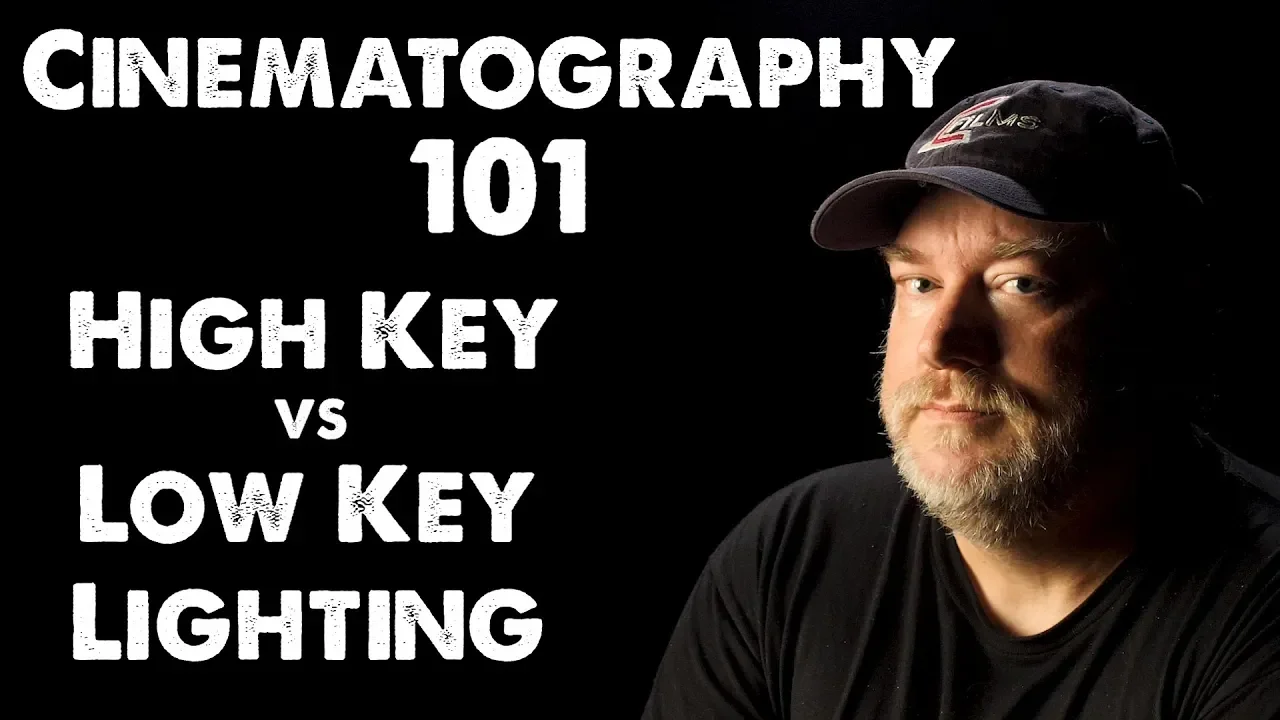
Added:misonsen part 2 view this lecture after reading chapter 2 misonsen in understanding movies review the film grammar sheet in the module on d2l to aid in the note-taking process the videos in the supplemental playlist enhance this lecture we're going to pick up where we left off with territorial space how the subjects are arranged in relation to the camera there are five positions each one sends a different message full frontal the subject faces the camera head on this is the most intimate position it is used sparingly but with maximum effect full frontal addressing the camera ferris breaks the fourth wall and talks to the camera making us a part of the show quarter turn a favored position with a high degree of intimacy while not as intimate as full frontal the viewer can still read the subject's entire face profile the character faces away from the camera left or right the sense of intimacy is cut off because the viewer can't see the subject's entire face profile 2 both subjects are in profile creating a sense of mystery and inaccessibility between them three-quarter turn the subject is turning away from the camera it's more extreme than a profile shot it's more anonymous and anti-social than the shots we've seen so far back to the camera having the subject's face away from the camera creates a sense of alienation and mystery the viewer is not able to see the subject's faces at all it establishes the least amount of intimacy proximity patterns relationships of organisms within a given space the distance between the subjects within the frame camera proximix shows the distance between the subject and the camera intimate proxemic pattern skin contact to 18 inches the closer people are to each other the greater the sense of intimacy would you feel comfortable sitting this close to someone you didn't know of course not intimate camera proxemic the distance between the subject and the camera is a close-up or an extreme close-up this puts the viewer at an intimate distance from the subject too close for comfort the intimate camera proxemic can be exploited to create an invasion of personal space unlike the previous slide freddie is too close for comfort did you know proxemic patterns exist in all cultures we tend to move closer to people we love or like when strangers stand too close to us it's intrusive and can make us feel uncomfortable next time you're in a public place observe proxemic patterns personal proximity pattern 18 inches to 4 feet reserved for friends and family can communicate a sense of closeness and camaraderie personal camera proxemic resembles a medium shot or a medium close-up social proximity pattern 4 to 12 feet the subjects in this shot are at a social distance from each other they're sharing the space without communicating a strong sense of intimacy social camera proxemic resembles a long shot the subjects are sharing the space but not interacting with each other public proxemic pattern 12 feet to 25 feet tends to be formal and detached the subjects are not interacting public camera proxemic an extreme long shot the distance between the subject and the camera prevents the viewer from connecting closely with the subject open and closed compositions also called open and closed forms refers to how much information the director includes within the frame important elements are often withheld from the viewer to create a sense of tension open form withholds important information part of the subject is cut off leaves it open to interpretation we see of the woman is upset and crying but we don't know why closed forum similar to theater everything is included everything is enclosed within the frame close form allows the mise-en-scene to communicate information to the viewer tight and loose framing the placement of subjects within the frame can suggest confinement or freedom tight framing the subject appears trapped within the frame she has little opportunity to move about freely loose framing the subject has room to move creates a sense of freedom lighting is an element of misonsen available or natural lighting is often used in realist films for a neutral presentation high key lighting is often used in musicals comedies and romantic comedies to present a bright or glamorous look low key lighting is used to create high contrast by using light and dark symbolically in color and black and white film available lighting example used to establish the realism in this composition high key lighting example often associated with classical hollywood glamour low-key lighting example areas of light and dark create a mood and a tone color can be used to create a dominant all over color color can be used symbolically color can be used to set up a contrast color can be used to draw the eye to an area of the frame dominant color can be created through a filter on the lens blue communicates visual subtext to the viewer we can see the people are blue because they're watching a movie color symbolism pink is used symbolically here the young woman on the bed is shown as juvenile and childlike the black sweater creates a sense of dominance in the subject wearing it color foil green is the dominant color red the complementary color to green is the color foil the eye is drawn to the center of the frame the color foil creates a pop of color lenses wide angle lens creates a deep depth of field communicates maximum visual subtext telephoto lens creates a shallow depth of field limits visual subtext normal lens creates a neutral composition often associated with the style of realism fast film stock works in low light conditions fast film stock is highly sensitive to light fast film stock can produce a grainy image fast film stock examples in the film barry lyndon director stanley kubrick uses fast film stock and candlelight to create photography with the grainy warmth it reflects the light quality of the victorian era the film setting slow film stock requires more elimination than fast film stock slow film stock is capable of capturing colors precisely and vividly in amelie director jean-pierre janae uses slow film stock to create bright popping color density of the composition establishes the texture of the image through how much visual information is packed into the frame there are three basic densities stark moderate and highly detailed stark a limited amount of information is in focus creating a stark composition density in this still from pulp fiction moderate the eye can easily take in all the elements without being overwhelmed remember the eye can take in seven or eight elements simultaneously we're provided with information about the subject and his location highly detailed this image is packed with visual information and texture the eye catches on all the visual texture in the frame this week's assigned film is amelie released in 2001 directed by jean-pierre jenae two choices for response questions one how is color used symbolically in homily make sure you let me know which specific colors you're analyzing and the meanings they communicate or how do proximic patterns and or territorial positions establish a connection between the viewer and the characters films featured in this lecture students are encouraged to explore these films you can take a closer look at these films in the pdf version of this lecture on d2l until next time have a productive week
Up Next

Scene Analysis: The Dark Knight Rises Film Breakdown
@shaynejamesofficial
142 views•2024-10-05

Visual Analysis Essay: How to Analyze Graphic Novels in College Writing
@nataliepleimann5941
1K views•2020-10-14
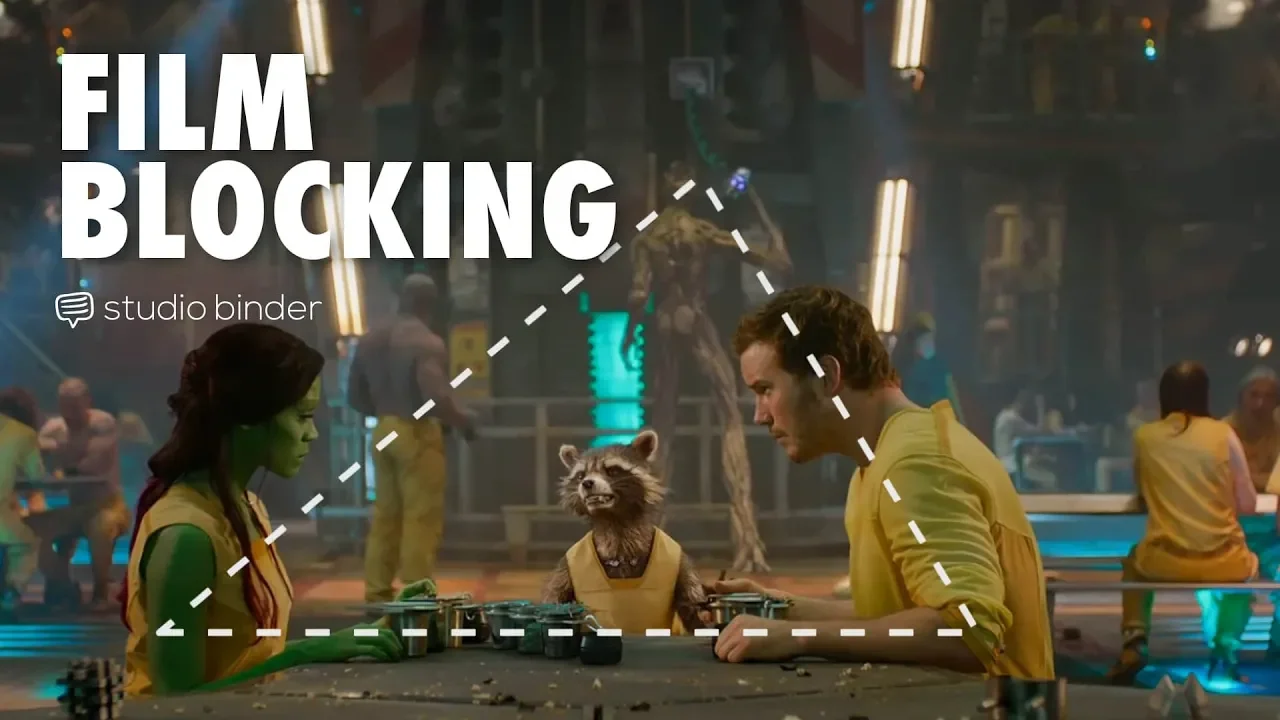
Film Blocking Techniques for Directors: Space, Shapes, Lines
@StudioBinder
1.9M views•2018-07-23

Evolution of Darth Vader: Anakin Skywalker's Animated Journey Across Star Wars Films
@TellItAnimated
13.4M views•2019-03-30
Related Study Plans & Knowledge Roadmaps
Structured learning paths in Film Analysis