


![[2021後期火5]哲学(演習) 論理学 後期第01回授業(京都大学文学部・矢田部俊介)「『論理結合子の意味とは何か』という言葉の意味は何か」](https://i.ytimg.com/vi/8So6s0J8yNc/maxresdefault.jpg)










![PHILOSOPHY - Language: Gricean Pragmatics [HD]](https://i.ytimg.com/vi_webp/we6uSVf4qss/maxresdefault.webp)






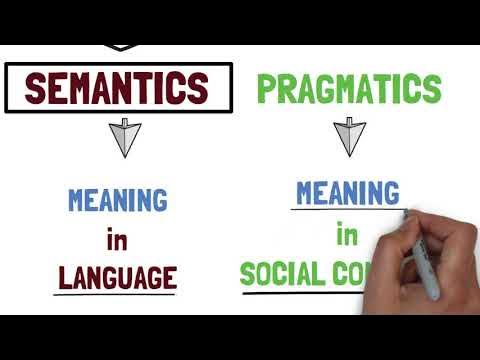
Semantics is the study of meaning in language, focusing on the relationship between linguistic expressions and their meanings, while pragmatics examines how context influences our understanding of language; semantics analyzes how words, phrases, and sentences combine to create meaning, whereas pragmatics looks at how the same word can have different meanings in different settings based on context, speaker intent, and situational factors.
Semantics vs Pragmatics: Meaning & Context in Linguistics
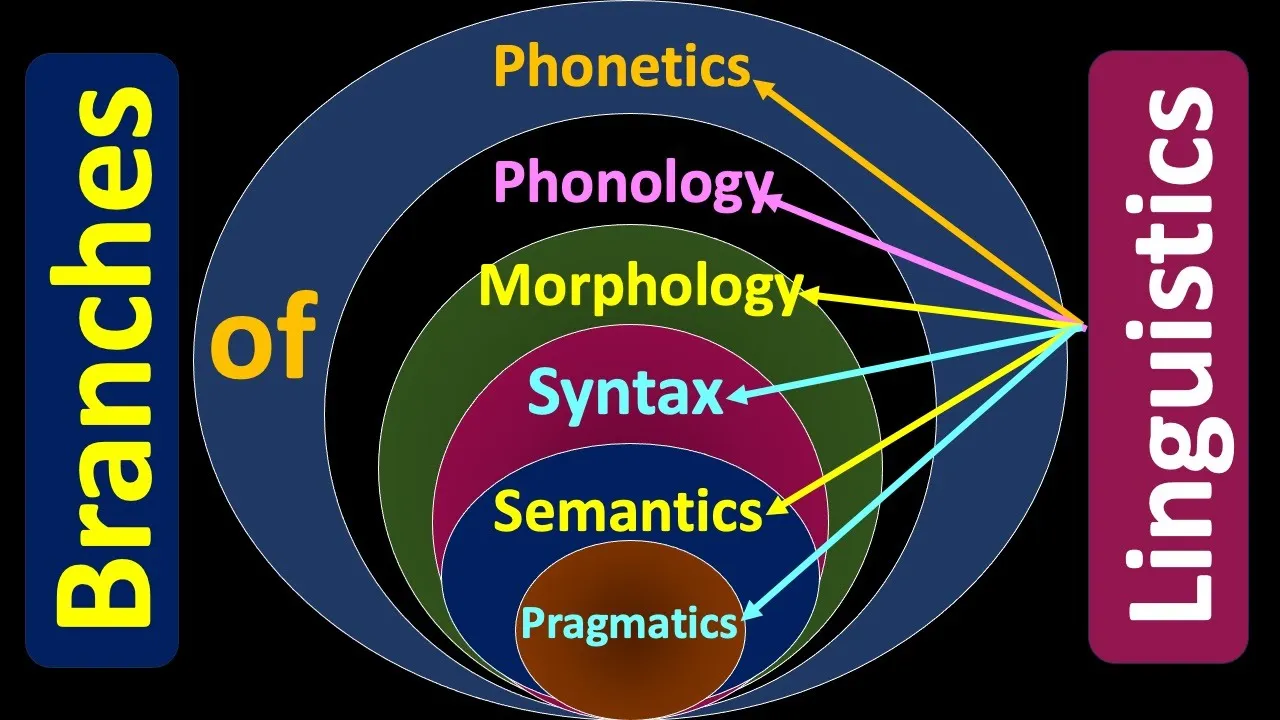
Added:Basic branches of linguistics (such as syntax, morphology, and phonology) to understand where semantics and pragmatics fit within the study of language.
The concept of literal or denotative meaning—how words independently refer to objects, actions, or concepts in the world.
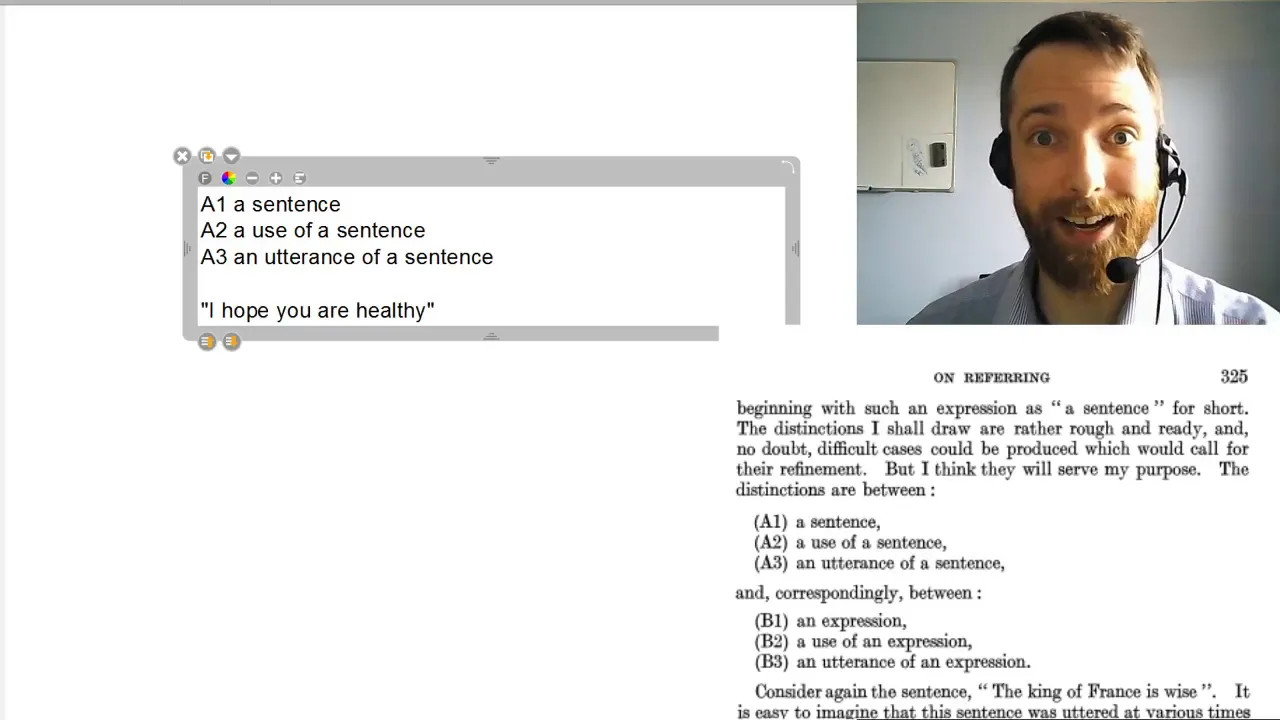
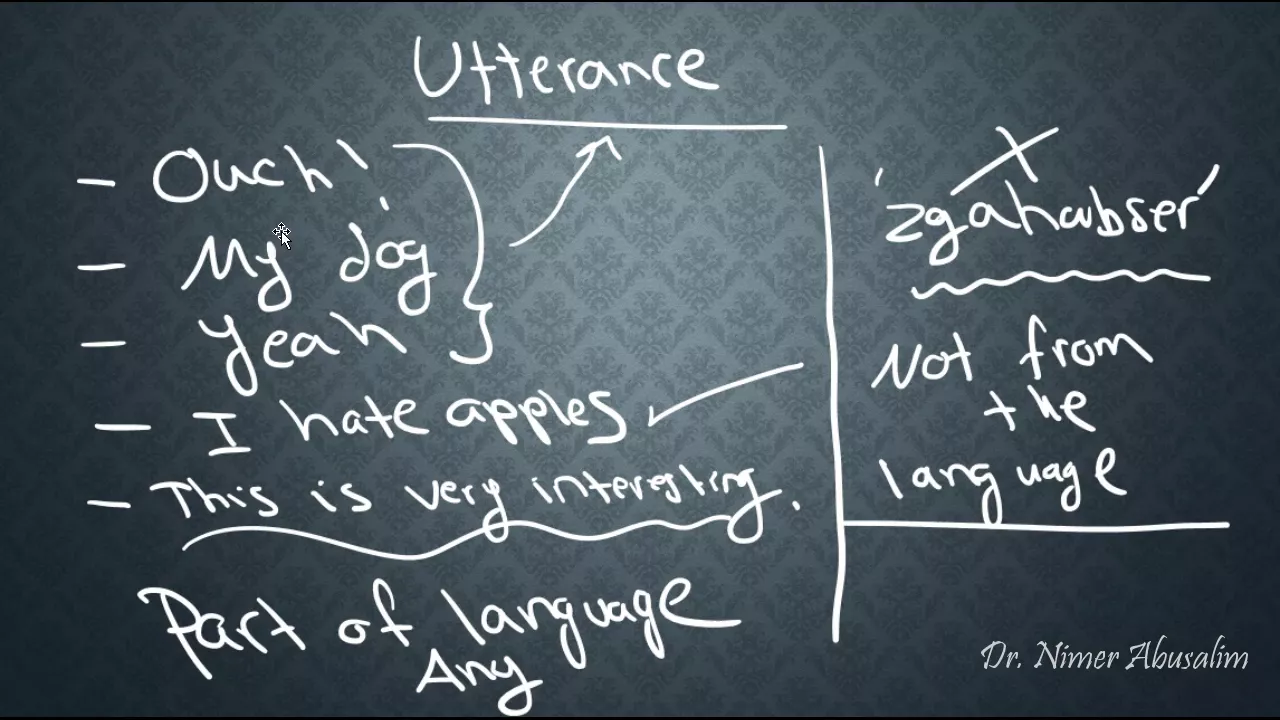
The distinction between a sentence (an abstract grammatical unit) and an utterance (a sentence spoken in a specific real-world context).
An introductory understanding of how human communication relies on shared cognitive environments and mutual assumptions.
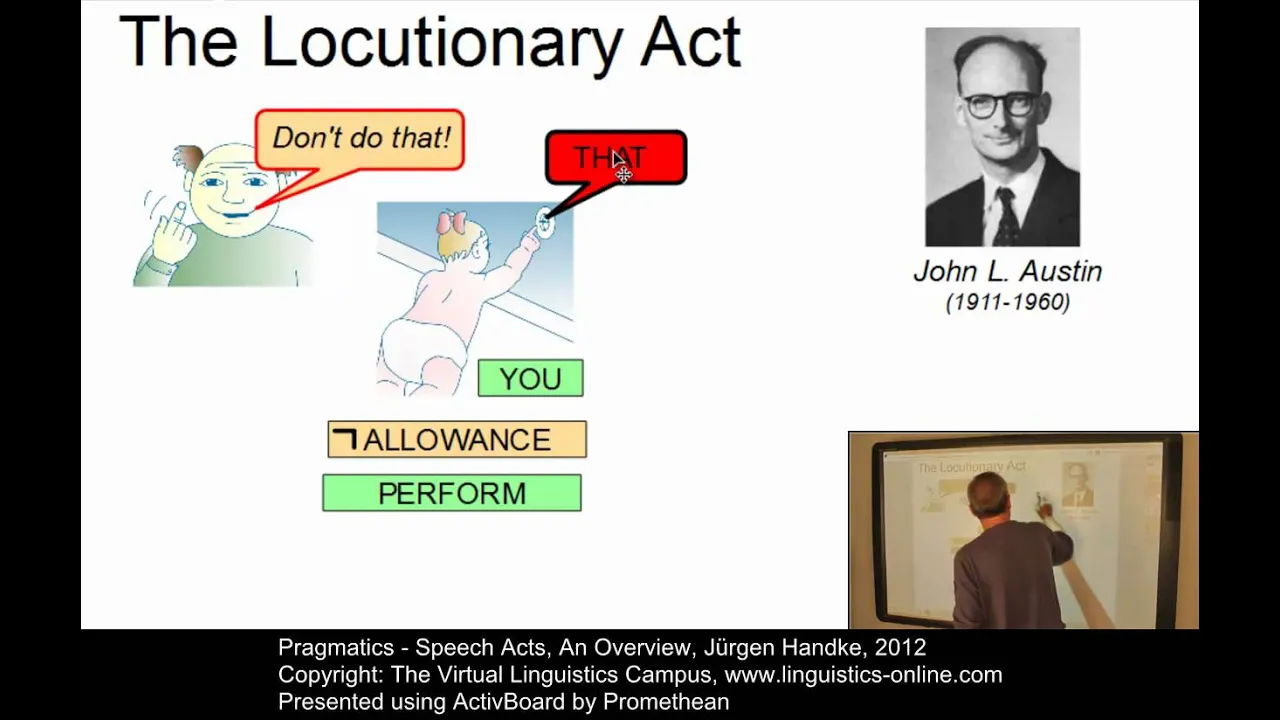
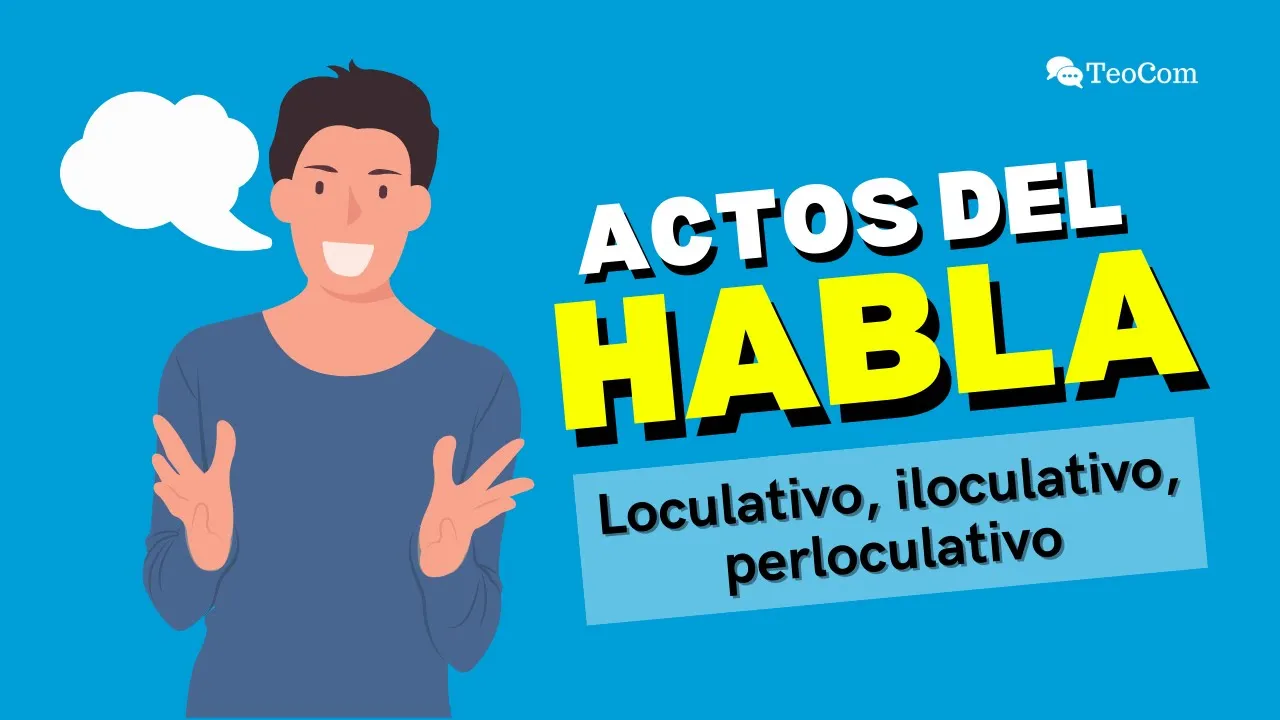
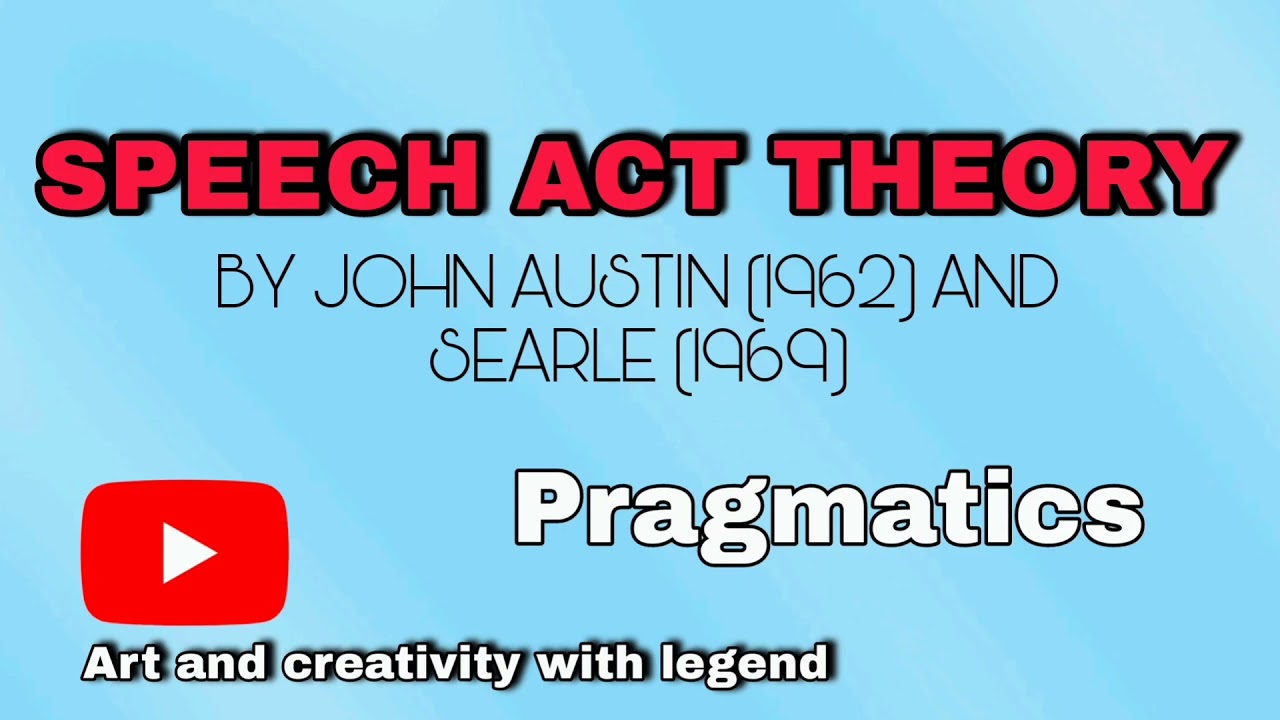
Speech Act Theory (John Austin and John Searle) to explore how speakers use language to perform actions (e.g., promising, apologizing, commanding).
Grice’s Cooperative Principle and Conversational Implicatures, which explain how listeners infer meaning that is implied rather than explicitly stated.
Deixis and indexicality, examining how words like 'here', 'there', 'this', and 'I' depend entirely on the physical and temporal context of the utterance.
Applications of semantic and pragmatic theories in Natural Language Processing (NLP) and Artificial Intelligence to help machines understand context-dependent human language.
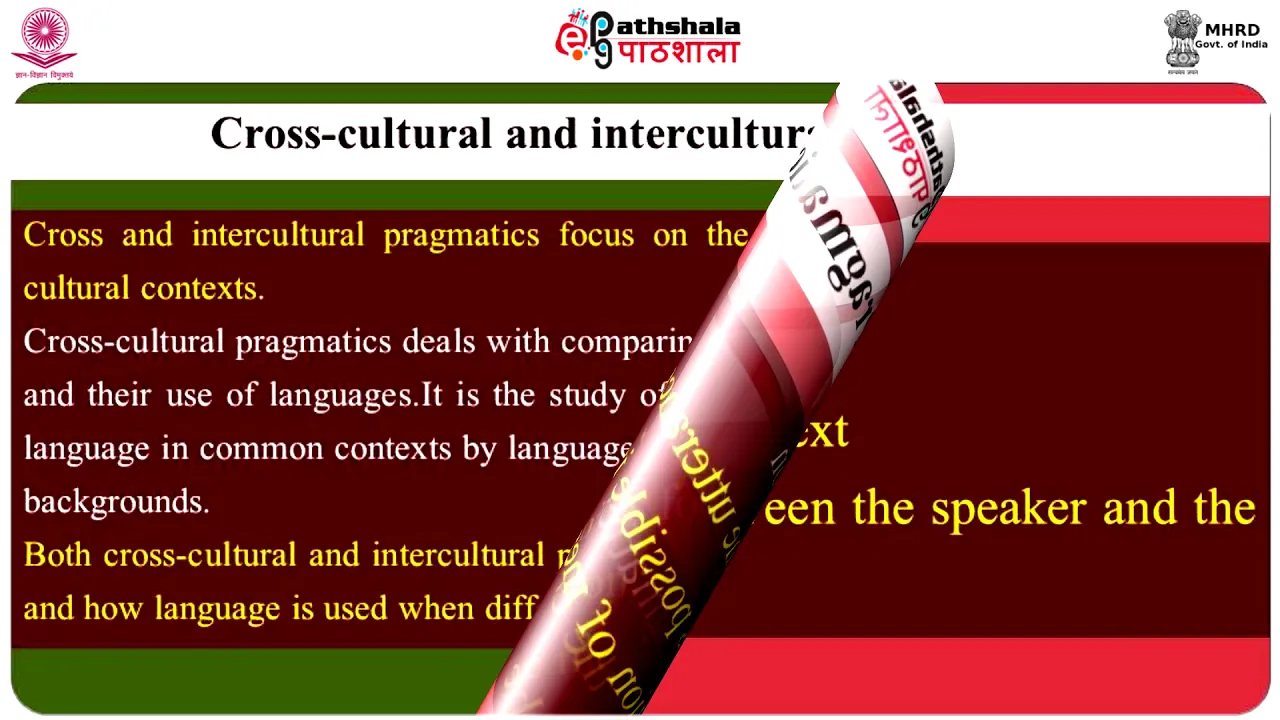
Cross-cultural pragmatics, studying how different cultures interpret conversational norms, politeness, and indirectness.
3.2K views845likes12:49Original Release: 2021-09-17
[Music] hi everyone have a great and wonderful greetings to all and we are here again in the pronunciation english language pronunciation lessons and learn english with judy and of course our topic for today is about a pragmatic and semantic yes but first and foremost of course if you're still not our subscriber don't ever forget to hit the bell button first to subscribe and also you can follow us in our facebook page pronunciation english language and also please do share our video and please do hit the like for this video anyways to continue of course our topic for today is about pragmatic and semantic yes but before we talk about our topic for today we'll just continue first our topic the last time about the terminology in linguistics yes actually terminology is a general word for the group of specialized words or meaning relating to a particular field and also the study of such terms and reuse terminology is a discipline that studies among other things the development of such uh terms and uh their interrelationship within a specialized domain and what is subject terminology english language such terminology actually is a specific praising features as a part of ao2 and means the inclusion of relevant literary and linguistic terms in other words students should not include subject terminology which any which any explanations and what is a different terminology and definition what is difference between these two yes is that terminology is the doctrine of terms a theory a theory of terms or appellations and a three ties on terms a system of specialized terms while definition is semantics a statement of the meaning of a word of a word or word grouped on a side or symbol dictionary definitions so of course we will go now in our topic about the semantics and pragmatics yes actually semantics is the study of meaning more precisely it is the study of the relation between linguistic and uh expressions and their meanings yes in a pragmatics is the study of content semantics not only concentrates on how words express meaning but also on how words phrases and sentences come together to make meaning in language so what is the difference between semantics and pragmatics again semantics is the study of meaning is more um [Music] as more precisely the study of the relation between linguistic expresses and their meanings pragmatics is the study of the context can influence can influence our understanding of linguistics linguistic uterines and what is an example what is an example of pragmatics an example of pragmatics is how the same word can have different meanings in uh different settings for example of pragmatics is the study of how people react to different symbols yes it is the branch actually it is the branch of a semantics that deals with the relationship between signs especially words and other elements of language and their users and what is an example of semantics semantics actually is the study of meaning in language it can be applied to an entire aura to a single words uh for example destination in a last stop technically mean the same mean the same thing but students of semantics analyze there are subtle shades of meaning and how do you use pragmatic in sentences pragmatic sentence example a number one is uh there were pragmatic inferences inferences the number two is a there was no pragmatic solution to the problem so how about what are the two times two types of semantics yes semantics is the study of meaning and there are two types of meaning conceptual meaning and associative meaning and what is the difference meaning uh the difference uh actually the difference between semantics in a grammar yes semantics actually is the branch semantic is the branch of language that deals that deals with meanings of words and sentences grammar is the set of rules that govern the spoken or written or written form of a language syntax and semantic are parts of grammar yes and what are semantic rules so there is a semantic rules yes semantic rules make communication possible they are rules that people have agreed on to give meaning to certain symbols and words semantic mean understanding arise when people give different meanings to the same words of praises and how does semantics affect learning the study of semantics is an important area of word meaning references senses logic inner prelocutions and e-locations excuse me educations that are i mean is that is the study of a semantics increases relation uh increases students increases students understanding era awareness um why is semantics why is semantics important for vocabulary development that is the question semantic knowledge or words in world knowledge is a key area of vocabulary vocabulary growth they are able to uh to uh understand the understand the means and difference between semantic concepts such as synonyms antonyms honor memes in a categories and what is the role of semantics in communication semantics involves the deconstruction of words signals and sentence in structure it influences our reading comprehension as well as our comprehension of other people other people's words in everyday conversation so that's all folks and that's all for now anyways if you have any questions or any um uh anything to share of course don't ever hesitate to inbox us in our facebook page pronunciation english language and also you can put a comment there in our comment section box anyways that's all and also if if you're still not our subscriber don't ever forget to hit the bell button first to subscribe and also you can follow us in our facebook page anyways also don't ever forget to share our video and please do hit the like for this video that's all for now and thank you so much have a great and a wonderful greetings to all keep safe and godbless bye bye
Up Next

5:32
Grice's Maxims: The Hidden Rules of Conversation
@TomScottGo
5.8M views•2020-05-04
36:52
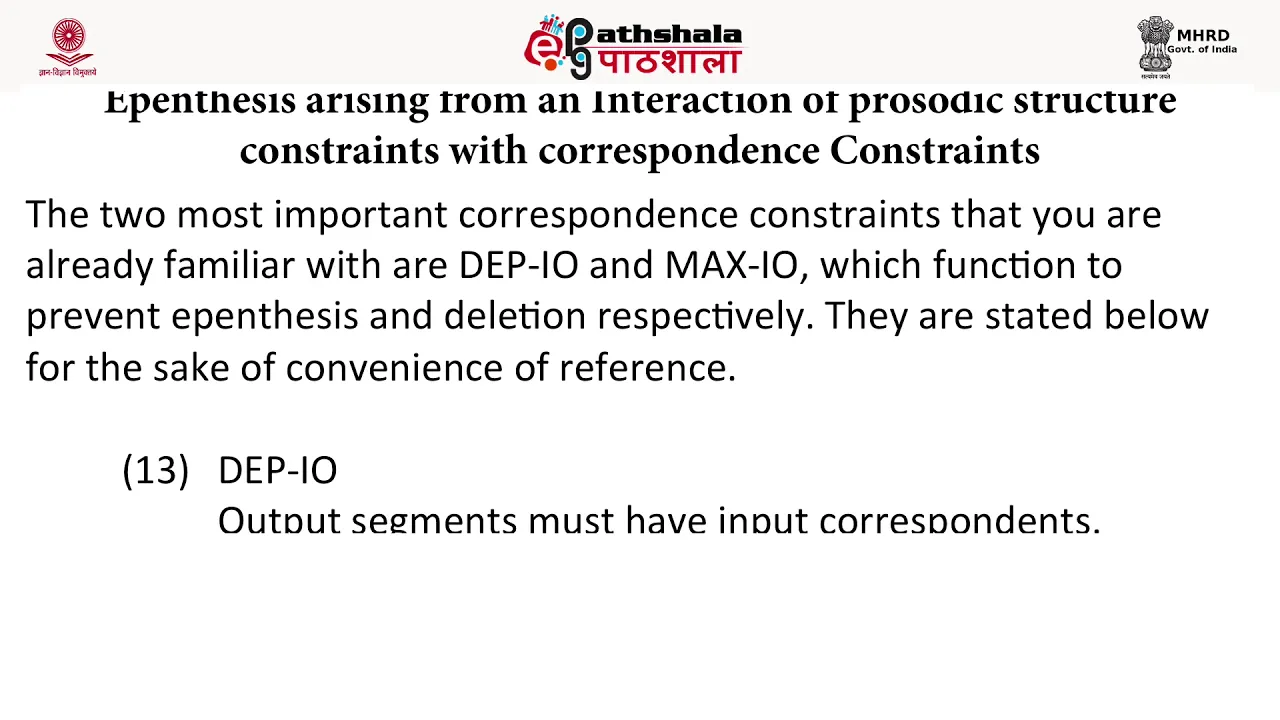
Constraint Interaction in Optimality Theory: Epenthesis & Deletion
@Vidyamitra
180 views•2018-08-20

8:59
Forensic Linguistics: How Language Solves Crimes | PBS
@pbsstoried
1M views•2024-01-25

21:32
Accent Expert Explains U.S. Regional Dialects | Part 1
@WIRED
9.3M views•2021-01-21
Related Study Plans & Knowledge Roadmaps
Structured learning paths in Linguistics
linguistics
Optimality Theory: Tableaux & Constraints
01Phonological Basics: Sounds, Syllables & Rules
02Foundations of Optimality Theory: GEN, CON, and EVAL
03The Constraint Inventory: Markedness vs. Faithfulness
+ 2 more learning modules
15h5 modules
Explore Roadmap
linguistics
Morphosyntactic Alignment: S, A & P Systems
01Foundations of Syntax: Transitivity and Arguments
02The Linguistic Variables: Mapping S, A, and P
03Nominative-Accusative Alignment
+ 3 more learning modules
12h6 modules
Explore Roadmap
linguistics
Analyzing Sign Language: Phonology & Syntax
01Foundations of Sign Language Linguistics
02Phonology: The Five Parameters of a Sign
03Morphology: Word Formation and Classifiers
+ 2 more learning modules
14h5 modules
Explore Roadmap
linguistics
Pragmatics: Speech Acts, Grice & Politeness
01Introduction to Pragmatics: Meaning in Context
02Grice’s Cooperative Principle & Implicature
03Speech Act Theory
+ 2 more learning modules
14h5 modules
Explore Roadmap