














Natural history museums have historically struggled with representing Native American cultures, often displaying artifacts without community input and perpetuating problematic stereotypes. The Field Museum of Natural History in Chicago, in partnership with the Neubauer Collegium at the University of Chicago, is addressing this issue through the Apsáalooke Women and Warriors exhibition—the first large-scale show curated by an Indigenous person—which centers on the Apsáalooke (Crow) Nation's artifacts and contemporary art, emphasizing that decolonization requires involving indigenous voices in the curation process and recognizing that these objects carry spiritual significance and ongoing cultural meaning for their communities.
How Museums Correct History via Apsaalooke Curatorship
Added:The history of colonial museology and how Western institutions historically collected, categorized, and exhibited Indigenous artifacts from an outsider perspective.
The concept of cultural sovereignty and the rights of Indigenous peoples to self-representation and ownership over their heritage.
The legislative impact of the Native American Graves Protection and Repatriation Act (NAGPRA) on American museum practices.
A basic historical and geographical understanding of the Apsáalooke (Crow) Nation of the Great Plains.
The broader global movement of 'decolonizing the museum' and how international institutions are addressing contested collections.
Practical methodologies of collaborative curation, including community-led collections management and the integration of traditional ecological knowledge.
The concept of 'visual sovereignty' and how contemporary Native American artists and curators use media to challenge historic stereotypes.
Case studies of comparative indigenous curatorial models, such as those utilized by the National Museum of the American Indian (NMAI).
939 views26likes36:09Original Release: 2020-10-12
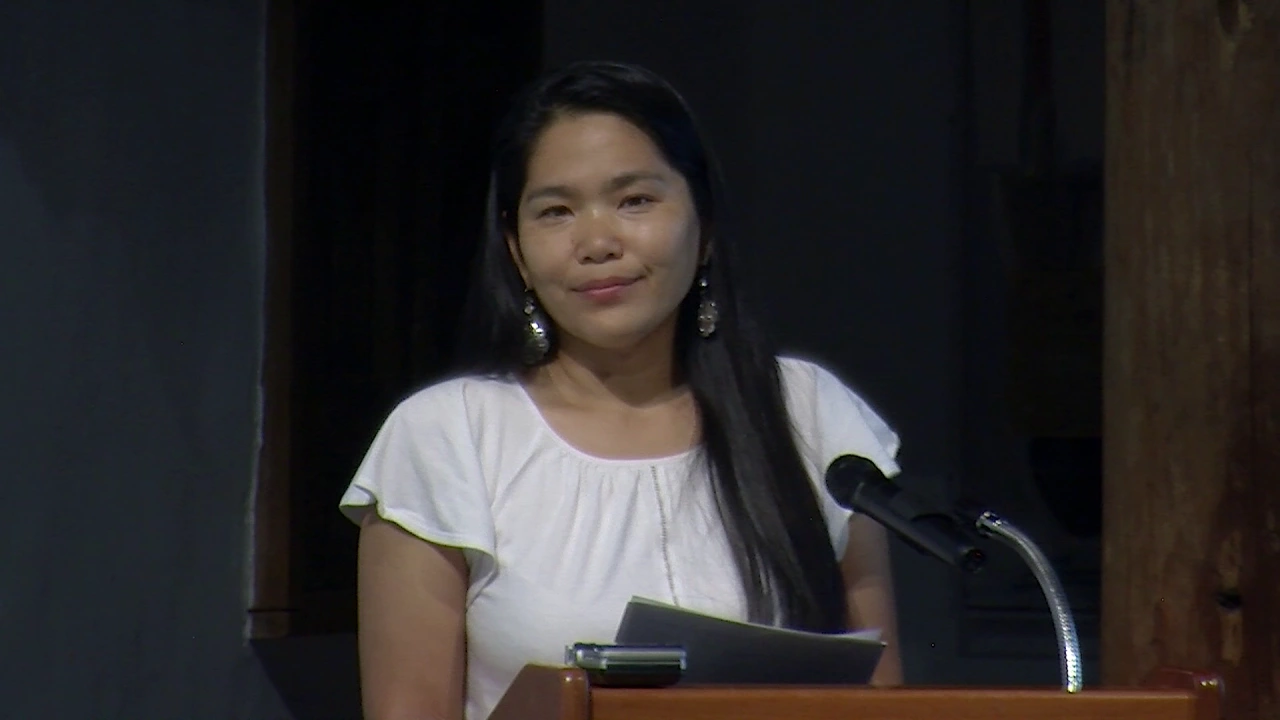
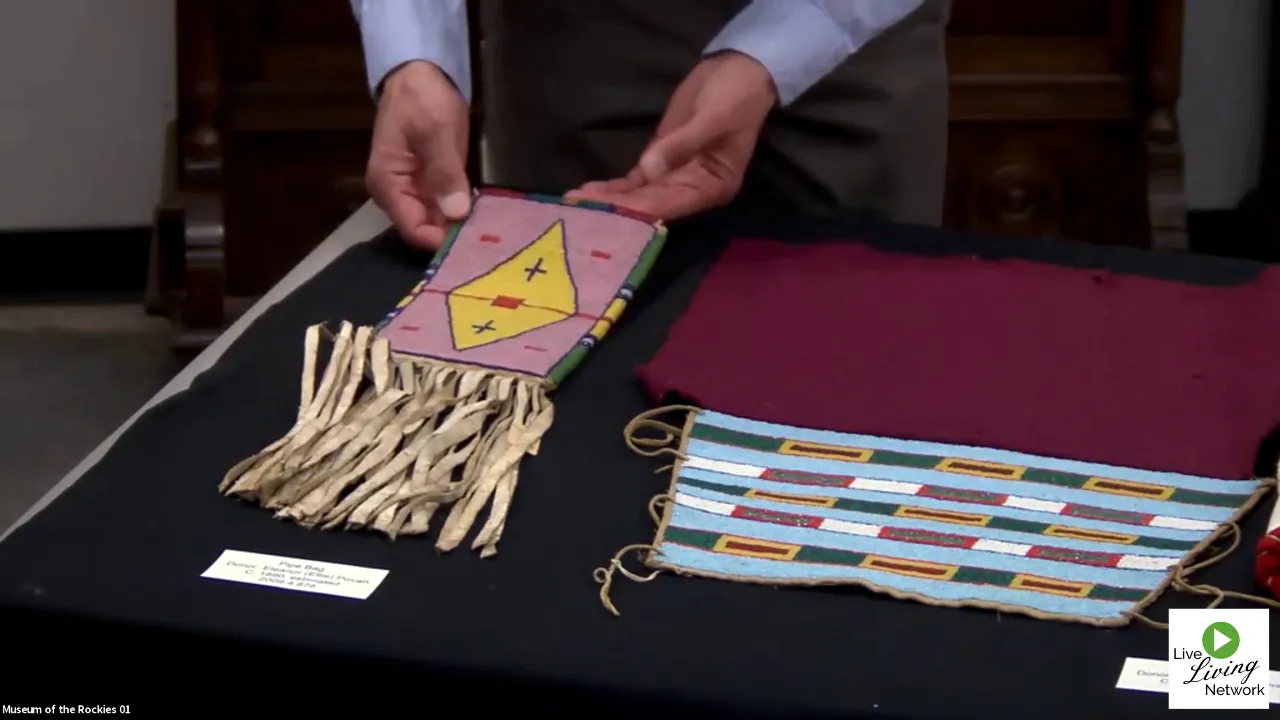
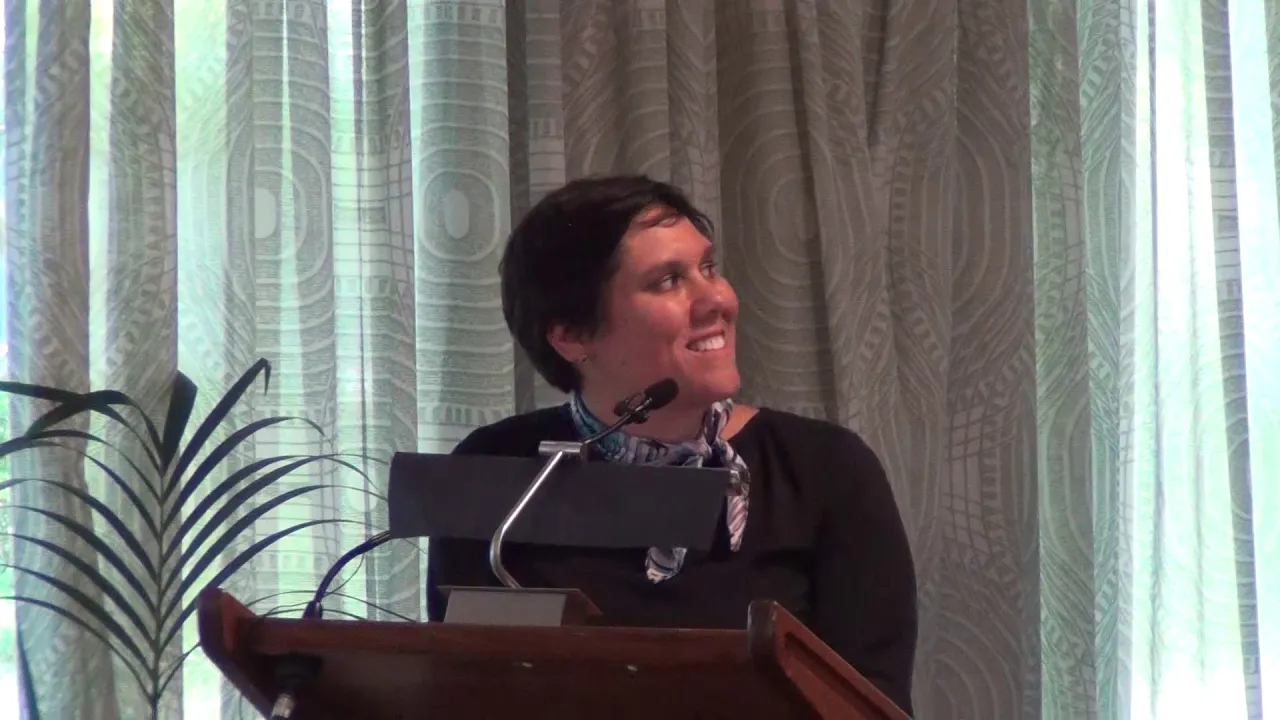
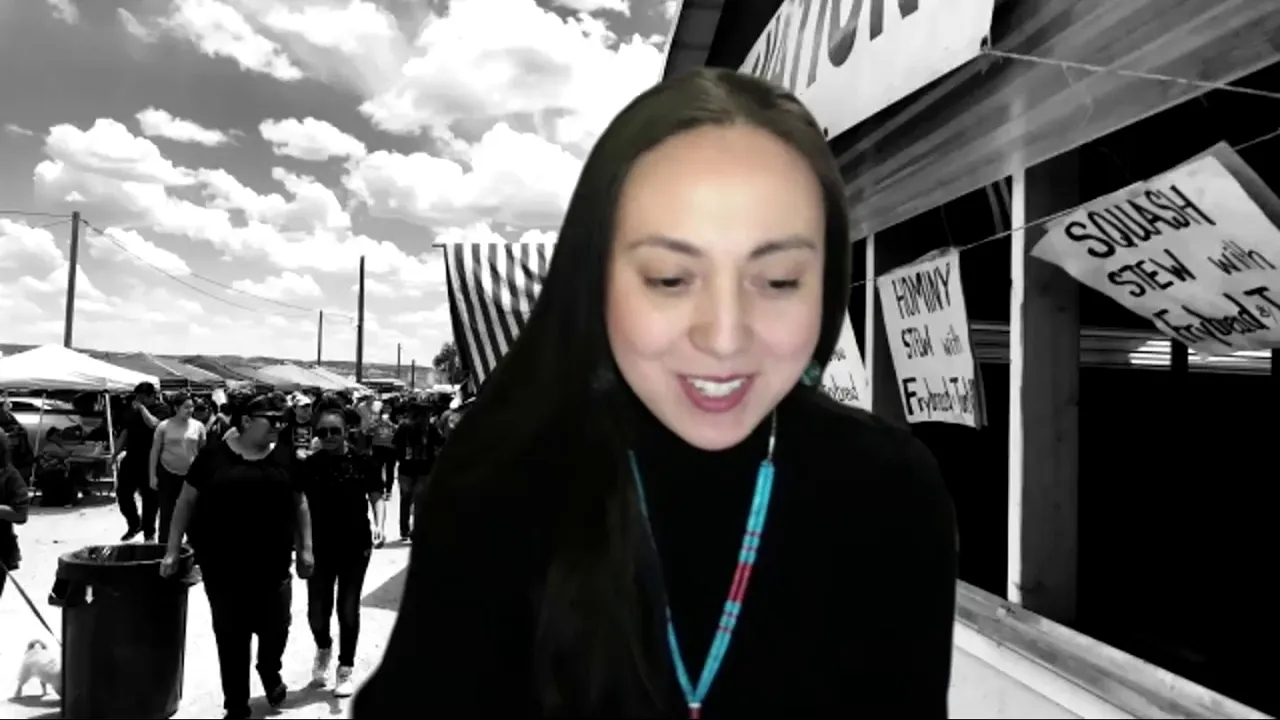
there's an unsettling experience that only particular groups of people have likely ever had walking into a natural history museum and seeing your people and your culture displayed behind a glass case displayed in ways that your people had no input in over time it has become more and more evident that our culture's manner of displaying the collections of indigenous peoples have become more and more problematic that's jonathan lear the faculty director of the new bower collegium at the university of chicago we fund collaborative research on projects where when we feel we need to bring together people from all different perspectives and realms of life and expertise to solve what we take to be very important problems facing the world today one of those important problems is one we've been ignoring for a long time the way native american people are presented in museums and whether current native populations are represented in that process lear is one of the people at the center of a project that is trying to correct the issue another is alaka wali native communities have been insisting on being at the table in making these decisions for quite a while while lee is the curator of north american anthropology at the field museum in chicago in collaboration with the collegium wali has been overhauling the field's great hall of the americas where indigenous populations are displayed that massive undertaking will be preceded by one single exhibition that embodies how to address this historical problem but this exhibition with nina is the first major show at the field museum curated by a native american curator artist nina sanders is the curator of the apsalaca women in warriors a historic exhibition at the field museum put on in collaboration with the neubauer collegium and it's important to listen to the painful experience of native communities if you want to understand how to build a new future i was planning this exhibition since i was a child when we go to school when we're in elementary school you never see anything in history books about sort of indigenous people as they see themselves or their own experiences from the university of chicago this is big brains a podcast about the pioneering research and pivotal breakthroughs that are reshaping our world on this episode we meet people trying to correct the mistakes of the past by helping create the natural history museums of the future i'm your host paul rand we start this episode with jonathan lear and the problem how did we get here and what can we do about the representation of indigenous peoples in museums the very idea of a natural history museum is an idea that was thought up in the 19th century at a time when the kinds of questioning we're now doing were just not on anybody's mind and so you know when you start to think about it now it becomes incredibly puzzling and you know for many native american peoples insulting that they're the things they made should be collected together with dinosaurs and dinosaur bones and stuffed gorillas and women are alive yes and as as my native american friends have said to me unlike the dinosaurs they can talk back um so um you know the the very idea of a natural history museum and collecting native american artifacts there was the idea that they were being consigned to history that this was going to be part of the past and that indians were going to go away and we wanted to capture you know and preserve what we thought of as a history something in the past along with the dinosaurs and so what's an issue is not only what should a a modern exhibition or a contemporary exhibition now look like but it's a much deeper question of what should a natural history museum any longer be the field museum is completely overhauling all of its indigenous people's exhibits with the explicit goal of involving indigenous voices in that process the particular exhibition by native american curator nina sanders is the first step in that process the show is called absalico women and warriors it's centering around the work of the absalica nation also known as the crow indians and and familiar with the crow nation is not new to you is it no i first went up to the reservation in 2004 and have been going there uh usually several times a year ever since and i wrote a book that came out in 2006 called radical hope ethics in the face of cultural devastation and i worked through this figure of the last sort of great chief of the crow people was a man named chief pleniku he was asked about this move on to the reservation and he said after the buffalo went away the hearts of my people fell to the ground they could not lift them up again after this nothing happened and i wrote a book about that phrase after this nothing happened i am a philosopher i am not an anthropologist i am not a sociologist but in my philosophical work i wanted to take pleniku's statement seriously and try and imagine what it would be for things to stop happening i wanted to pay him the respect of um treating him as say trying to say something true it turns out that the absalaca people the crow people began reading the book themselves and i was invited up to the reservation to talk about the book and i got about 20 30 seconds into my presentation and right in the front row one of the tribal elders just put up his hand and he said who are your people nobody had asked me that question before but thinking on my feet i said well i think the best answer is that i am jewish and then it just came into my mind that basically the same year that um this group the absalic of the crow were moving on to the reservation my family was actually escaping from eastern europe and i said that out loud that began a discussion that went on for hours it turned out that um the the people in the room were extremely interested in the jewish people for one great reason which is how is it that the jews still are here as an existing people they don't know whether they're going to be here in 50 years and somehow after the purported destruction of our culture the jewish culture you know and here we are we never got to radical hope in that discussion wow but we did a very interesting discussion it was unbelievable and the people i met that day are still my friends my last passover seder had 16 crow at the dinner table and this is the group that is coming to contribute their art to this new show at the field museum and that is i think another very historic uh step in in um in this story which is this will be the not only is this show of salaco women and warriors the first exhibition of native american artifacts that will have a curator who is herself native american it's going to be the first show in its history where their historic collection of artifacts are located in the context of the contemporary art of about 20 crow artists and writers so this is going to be an exhibition that's very forward-looking very much about the present creativity and about the forward-looking nature nature of this of the absalica people and locating their history proudly but locating it in a vision their vision of how what their past was in terms of what their present is and how they are living into the future [Music] the further work of alika wali is a historic change for the field museum in museums across the globe but historic change doesn't always of course come easy from many of my absalica friends and informants you know they have a completely different attitude towards the artifacts and it differs among the different types of artifacts but there's a question of which artifacts and to what degree are they spirited are they still alive do they have powers still and if so what is the proper care for them okay that's a huge issue and so part of the disagreement is in the very idea of what we mean to conserve these objects or take good care of them as i understand from a celica perspective part of what it is to take good care of these objects is to use them and it's to use them in appropriate ceremonies appropriate circumstances now of course using them uh in proper ways is going to mean wear and tear it will mean that they these objects likely won't be here in the way that they are currently being preserved at the museum so there's a you know it's not just that one side um cares about conservation and the other side does not it's that both sides care about conservation but they have very very different ideas of what conservation means okay so so if covington's folks can come to the field museum and see the exhibits it sounds like it'll be terrific on a number of levels but but i think the objectives and and the purpose of this hopefully doesn't just stay in the field it actually is something that that the way that you all are thinking about this there's a hope if maybe an expectation that some of the lessons learned can impact natural history museums around the world absolutely i see this as part of a conversation okay we will be part of a conversation going on around the world about how to allow cultures that are non-dominant within the larger culture to find ways of expressing their hopes their creativity their vision of themselves for everybody to see and participate in in an ongoing conversation and i do think we have taken some very significant steps in um working out how to do this well and and so having it done here was it was it a tough thing to i wouldn't put it in the past tense okay i mean you're in the middle of this as as all creative struggles are there's conflict that the creativity really emerges out of serious disagreements and i think one of the major things we do at the new bauer collegium is try to create and support a safe enough space that people think here we can sit around a table and we can have forceful disagreements but we'll be here next week or next month or next year to keep talking it through speaking of being in conversation we decided to do something a little different for this episode because of his closeness to this process and the people involved we had jonathan lear interview nina sanders and alaka wali to better understand the stories and these exhibits we'll hear from them after the break [Music] i'm bethany mclean did you ever have a moment of doubt about capitalism and whether greed's a good idea and i'm lucia zangales we have socialism for the very rich rugged individualism for the poor and this is capital isn't a podcast about what is working in capitalism first of all tell me is there some society you know that doesn't run on greed and most importantly what isn't we ought to do better by the people that get left behind i don't think we shouldn't kill the capital system in the process nina i'd like to welcome you to this conversation we're here with nina sanders who is um salica and is the curator of a joint exhibition of salica women and warriors at the field museum of natural history in the neubauer collegium at the university of chicago so you have this chance now you to be the curator of a very new way of presenting indigenous voices within the field museum of natural history tell me about the transition you've experienced like how did you take the your learning experiences and translate it into doing it the way you thought would be a good way to do it uh so i had a professor in american indian studies who said i think the best thing that you can do is ask yourself the question in your own language and then provide yourself the answer in your own language and it will provide you with clarity so when you went to the field museum what was the question you asked yourself as you were approaching this new project you can say it in apsalaca and then try and translate it for us okay okay what will your people see what were you people what would what do your people need and so in that might have to think about what is it that these objects need do they want to go home what is it that they're trying to tell us the people who created them as we believe are still very much part of the life force of these objects [Music] so tell me about the life force of these objects and also really what responsibilities you have but you think we all have to take care of these objects there's a shield collection as you know it's sort of one of the things that started this exhibition a collection of over 77 war shields that were collected in the early 1900s they were created from visions from men people who essentially were protecting their communities providing for people and protecting the land and so what these men would do is they would go out for vision they would fast they would go without eating or drinking water for days and then something would come to them whether it was the creator himself they would dream something animals would talk to them and then they would be instructed on what to do and how to create these objects to provide themselves with protection and most importantly abundance and once we were put on the reservation obviously people are starving there's poverty and they've all they all have these objects that they no longer can use because we're no longer riding our horses across the plains and so on you know enter the anthropologists and they're sort of collecting for museums all over the world and then many of them most of them ended up at the field museum i think one of the things i've learned from you is the sadness that hasn't yet been fully worked through about the separation of these objects from their families and that they've been resting sort of dormant and you know maybe unhappy in in the basement of the field museum and so it's you know one of the things i feel i've learned is that the sadness needs to be faced up to to find reconciliation you also have to um be willing to put up with some conflicts and you know going to the field museum and um putting on an exhibition is um is a real challenge because it seems to me that you're trying to transform what the museum is and turn it into a more welcoming home for the objects that are there oh absolutely it's it's painful what we're doing is you know decolonizing the institution right but what exactly is decolonizing decolonizing i think is a process that begins with mourning and we mourn privately my people we don't mourn openly so when i first experienced or encountered these shields it was like i was meeting my ancestors and i think the first initial instinct is to just you know start crying to weep and to sort of release some of that negative energy but we wait and we find those appropriate spaces we feed the water we sort of clean ourselves off we smudge ourselves with cedar and bare root and things like that so it isn't something that we do publicly and we don't talk too much about it because we believe that our words are sacred when we were created as human beings we're the only creatures that can speak and sing and pray and so we take that very seriously and from the time we're very small we're told not to cry publicly and so it's not appropriate for me to reiterate too much the suffering that came to the community from the displacement of these objects that's appropriate way to say it the removal of these objects these sacred beings actually and so i think as a community we're processing it but most importantly what we're doing is we're sort of turning that around and we're celebrating that they're still with us and so entering that space we're fortunate to have people who are incredibly open-minded who allow us to smudge in those spaces where traditionally you wouldn't be able to light anything on fire in a museum collection to put things on display with open air to surround them with sacred plants that should accompany them as they're being displayed and those sort of acts are unheard of in museums like the field like a natural history natural science museum so i think the flexibility and the open-mindedness of people makes the work easier that's not to say everybody feels the same and so it takes a lot of time to convince people who've spent a great deal of their life in you know academia who've been learning the science and caring for these objects and the way that they should be displayed how we should educate people about them it's very different you know and that's also incredibly valuable knowledge but what's missing is our narratives our perspectives right yeah you talked about narrative and uh the exhibition is called upsalica women and warriors it seems to me that one of the narratives you're trying to restore and what part of what you're trying to teach us is that the traditional narratives about the apsalaca people were distorted in ways that sort of emphasize the story of the man part of the exhibition is really trying to help re re-narrate the story yeah absolutely the people were egalitarian until assimilation methods assimilation was essentially implemented through christianity primarily and then politics and when the church came in and then the federal government came in the instruction was sort of there's no space for women in this they need to stay home right so before leadership was sort of both men and women and when the federal government came along they pushed women out and i think it we were in a time of such turmoil and identity crisis that you know we had to sort of just follow whatever it was we were instructed to do out of fear what you see what happens is you have anthropologists and ethnographers who come into the community and they're writing about warfare intertribal warfare warriors war bonnets you know things of that nature the things that you see in hollywood the stereotype but what you don't see is how women were supporting that role and why these men were in court incredible warriors and that was sort of taken from us and it sort of extended into modern day of saliga way of life and that we are we no longer have a space in politics in leadership we have a pri our community is led by primarily men and then on top of that we also have a third gender which is buddha and that's a two-spirit person and what we understand to be a person who would be part of the lgbtq community and these people were special they were sacred they're believed to sort of encompass the spirit of both genders and so they were gifted in ways that may be a person who was just one gendered didn't have and so that was something that i felt like was incredibly important to bring back and for myself i think i was planning this exhibition since i was a child and i thought to myself why don't we come together why aren't we having conversations with one another why are we so like men and women why are we so separated from each other it all sort of just came together it was as if it was meant to be because i'd spent so much time in museum collections all over the country i even saw the objects that we would display and it was as if these ancestors these objects these things that i'd seen in these other collections had touched me and spoke to me and they made this happen they opened these doors they're the things that want to be seen it seems to me that this exhibition is not only historic for the field museum but that it's an important part of a conversation that is going to go on for generations between dominant cultures and the great institutions and museums of dominant cultures and indigenous peoples as as we are stand here right now what do you think we've learned you've learned about how to do this well what what what should we take away as best we can tell at the beginning of this exhibition to a conversation about how to do this through around the world yeah this is a really good opportunity in speaking to like the dangers one of the dangers is um this is an incredible opportunity for my people the absolute but it's a little bit different in that we're sort of emphasizing and speaking to a culture that's very different from other indigenous cultures so that's one danger is this assumption that all native people are the same we come from many different backgrounds we speak different languages our world views are very different what is appropriate for absolute may not necessarily be appropriate for the net person or a hopi person or an ojibwe person and then doing that work it's it's an investment it takes time and i think in order for the world to be a better place in order for us to heal the situation that we're in like with climate change um if we can't respect one another then how can we respect the earth we all have agency whether it's as a person who runs a podcast or the director of an important non-profit or a curator or even a mother of three we all sort of have to understand that we have agency in this that we can make choices that maybe the people before us didn't decided not to and i think in many institutions it's a huge risk so part of it is that the institution itself needs to take that kind of a risk oh absolutely yes nina sanders thank you so much for spending time in terms of giving thank you for giving this time and thought and to be with us and talk these issues through and congratulations on curating this new exhibition jonathan as nina said these historic changes require an institution to take in historic risk we'll hear from the person at the field museum who's overhauling their native american exhibits after the break [Music] coronavirus is changing life as we know it on a daily basis but how will the pandemic permanently reshape our lives in the future what will our world look like five years from now covet 2025 our world in the next five years is a new video series featuring leading scholars at the university of chicago they'll discuss how coronavirus will change health care international relations education and many other aspects of our lives the series from the same team that brings to this podcast can be found on youtube with new episodes released regularly [Music] we are here now with aleka wally who is the curator of north american anthropology at the field museum of natural history alec i feel that you're living in the midst of an historical development at the field museum that really the museum is in the process of thinking itself through how to be a museum in the 21st century and the upsalica women and warriors project is right at the center of this free thinking and you're in the center of this process what's it like to be the curator of north american anthropology at the field museum at this time i came into anthropology in the 1970s i came in at a time when anthropology was questioning its very foundations as a colonial discipline and as a person you know from a background i'm from india and aware of my own positionality within the discipline i was very reluctant when i came to the field museum to even go down into the collections initially because they do represent this very traumatic history for the people whose heritage that is you know when we talk about representation who gets to represent whose voice gets heard even like if i take a tribe who speaks for that tribe is a difficult question and i started to think about well what you can't just ignore that we have this collection we're not going to give it all back there's too much and people have their own conflicted views of their own heritage what can we do how can we start to go beyond the trauma or the denial of responsibility and find a way forward to honorably provide access to the collection for the descendant communities but also you know find a way that they come to life you know as an anthropologist if you are listening to people and they're telling you something and there's a reason they're telling you something you don't have a choice because that is the truth that they bring you so when people say these beings have you know a life and need to breathe and need to be touched and handled and sung to and prayed over you know if you ignore that it's at your own peril you know the consequences are going to come one way or the other that's one thing and another is why not why not because it's so beautiful it's such a you know a wonderful way to think about what's around us i don't look at a metal spoon the same way anymore i just can't it's been a teaching experience for you exactly [Music] you said at the beginning of our conversation that you found this a complex story what's been hard about it the complexity you know it's a way of saying not everything has been easy for you and what's been hard for you you know i've come to understand native north american collection and native north american people are not in the same relationship to the field museum as every other group that we have responsibility for there has to be some more obligation to this group of people we are on their land and that has to be taken seriously people want to say well if you're gonna do this with native america do we have to do it with the so-and-so and the such-and-such and eventually yes probably but at the moment we have to really pay attention to what our responsibility is to the native community the trauma is continuing today i mean think about these issues of missing and murdered women this is happening today think about the robbing of land to put a pipeline that could leak and cause contamination this is happening today this is not some historical you know tragedy so we have to be cognizant of that and that's hard to get that message out how do you think upsilica women in warrior is helping to get that message out so this is another complexity surprise kind of thing because when we started you know showcasing with co-curators native curators i thought they're gonna wanna hit home this message of trauma and loss and what these collections mean in terms of you know stolen heritage but we found that although people want to focus some on that they more want to tell a different story which is a story of resilience and a story of beauty and joy and creativity and so upsalaga women and warriors the way nina sanders has crafted this show curated this is really um that story you know um of the redefinition of what it means to be both a woman and to be a warrior and to find joy in spite of you know the massive displacement loss and um suffering that have gone on and continue to go on and i think that's really the critical element is that we've opened a door here yeah the museum is never going to be able to close that door and they don't want to yeah in all fairness and so going forward it's you know it's going to be exciting to see how it plays out the ipsalica women in warriors exhibition is leading up to the reopening of the great hall of the americas where you're really rethinking of how these these collections are going to be exhibited and put on display how has this process of putting on the epsilica women in warriors exhibition helped you or helped the field and it's thinking through about how to um redo its great hall well i think both working on the apsala gay exhibition and being here at the neubauer has really forced us to rethink what it means to be collaborative and i think that's very critical to the new hall because you know we all say we want to be collaborative you know in some ways it becomes this normalized word but you know collaboration is never easy so i think being here at the neubauer being part of the open fields helped me think about those complexities of collaboration and relationship what does that really mean and once you're in a relationship as you know you don't just get out of it it's there forever i think that has helped us think about the renovation of that hall and learn from this experience on how to be better collaborators and acknowledge the messiness of the process you know it's not like just learning to be better it's just knowing that it's not going to be some simple you know transaction no yeah it makes a lot of sense to me i i feel the main thing i've learned in my time as a faculty director of the new bauer collegium is that you need time and people need to be together over time because it's it takes time to build up trust right and collaboration if it's not going to be just a cliche does require trust and what you among the things you need to trust i think is that the conversation will continue that even if you have a very forceful disagreement that there'll be another meeting and we'll we'll keep going and the conversation is not going to end we will continue and that seems to me from the perspective of you know looking on at different groups trying to collaborate or learn how to collaborate is um you need that kind of time to build up trust right i think that's absolutely true helicowali it's been wonderful to talk to you thank you so much thank you you can learn more about this important issue and see this historic show at the field museum of natural history and the new bower collegium on the university of chicago campus now [Music] big brains is a production of the uchicago podcast network if you like what you heard please give us a review and a rating the show is hosted by paul m rand and produced by me matt hodapp with assistance from melissaeads thanks for listening
Up Next
94:44
Decolonising Museum Practice: Brazil-Europe Dialogue
@EuropeanaEU
125 views•2025-11-28
38:41
Astrobiology Through an Anthropological Lens: Field Insights
@georgiatechastrobiology
128 views•2021-04-14
4:45
Proxemics Explained: The Study of Personal Space
@Vox
536K views•2016-07-05
10:38
Psychology of Internet Trolling and Pranks Explained
@AzzyLand
10.7M views•2017-12-20
Related Study Plans & Knowledge Roadmaps
Structured learning paths in Anthropology
anthropology
Space Anthropology: Analogs, Culture & Habitats
01Foundations of Space Anthropology & Cosmic Imaginaries
02Extreme Isolation & Micro-Societies in Orbit
03Space Analog Habitats & Earth-Based Simulations
+ 2 more learning modules
15h5 modules
Explore Roadmap
anthropology
Legal Anthropology: Customary Law & Pluralism
01Foundations of Legal Anthropology and Social Justice
02Legal Pluralism: Coexisting Legal Systems
03Customary Law and Indigenous Dispute Resolution
+ 2 more learning modules
15h5 modules
Explore Roadmap
anthropology
Global Tourism: Gaze, Authenticity & Heritage
01Introduction to the Sociology of Tourism
02The 'Tourist Gaze' (John Urry)
03Staged Authenticity in Tourism
+ 3 more learning modules
14h6 modules
Explore Roadmap
anthropology
Modern Kinship (ART, Adoption & Chosen Family)
01Foundations of Kinship and Family
02Assisted Reproductive Technologies (ART) & Relatedness
03Transnational Adoption and Global Kinship
+ 2 more learning modules
12h5 modules
Explore Roadmap