

















Decolonizing museum practices requires museums to transform from colonial institutions into spaces of negotiation, dialogue, and mutual respect, where indigenous peoples are recognized as authorities and partners rather than objects of study; this process involves continuous collaboration, indigenous authorship in publications, and understanding the interconnected relationship between indigenous peoples, their territories, and cultural heritage as a unified whole rather than separated elements.
Decolonising Museum Practice: Brazil-Europe Dialogue
Added:The history of European imperialism and colonialism in South America, specifically focusing on the Portuguese colonization of Brazil.
Fundamental concepts of museology, including how Western museums historically acquired, categorized, and exhibited non-Western cultural objects.
The definitions of cultural heritage, provenance, and patrimony, and the ethical debates surrounding the ownership of historical artifacts.
The historical and ongoing struggles of Indigenous peoples in Brazil for land rights, cultural sovereignty, and self-determination.
In-depth analysis of international legal frameworks and conventions governing cultural property, such as the 1970 UNESCO Convention.
Comparative case studies of repatriation and restitution debates globally, such as the Benin Bronzes or the Parthenon Marbles.
Practical methodologies for collaborative curating and co-stewardship between museum institutions and source communities.
The concept of 'digital repatriation' and the critical debate over whether digital access can replace physical restitution.
The critique of institutional 'decolonial aesthetics' versus structural decolonization in contemporary museum administration.
125 views4likes1:34:44Original Release: 2025-11-28
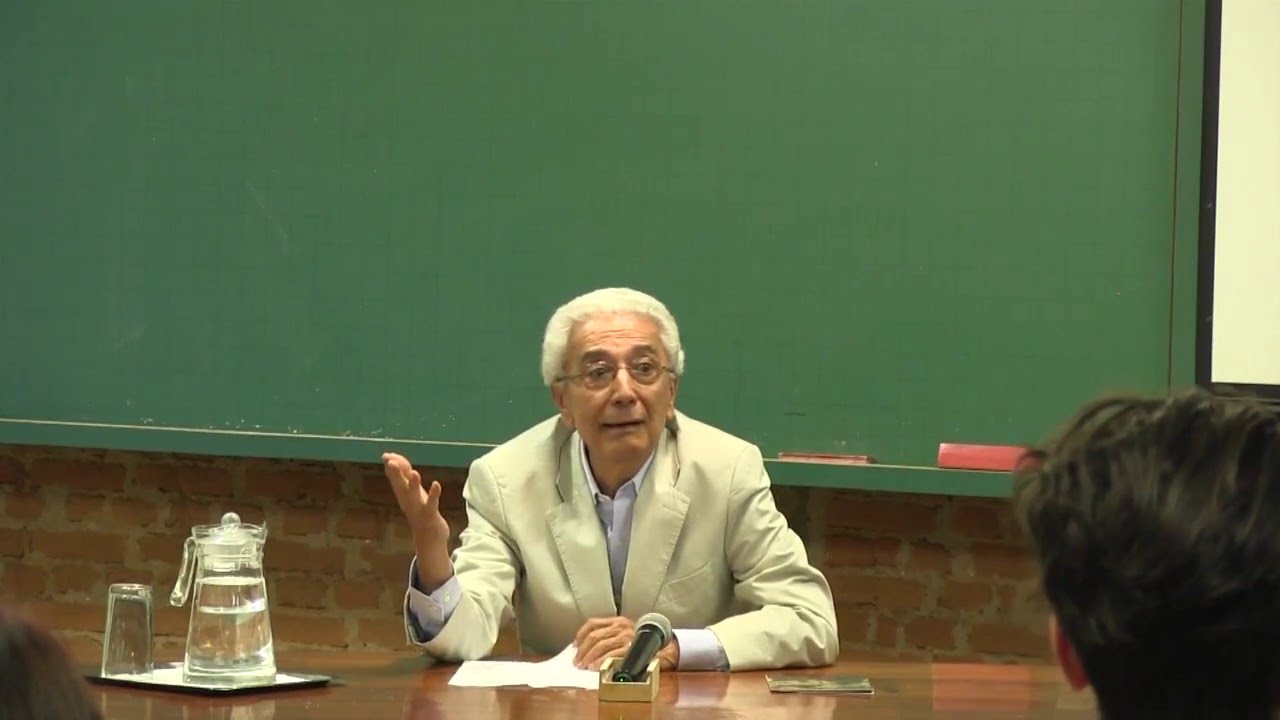
Um I'm Mariana Maruchi. I'm a member of the Europeana um management board, the European network association management board and um today I'm a member of a steering group of the communicators community. The communicators community is the organizer of today's um webinar, today's event. Um thanks to um a lady. I will give the word the floor later.
Claudia Porto from Brazil. And as many times um the ideas came pop up um usually this time during a conversation about our interest and and the way we wish uh the cultural heritage and the communications um will you know will go. Um we thought that um Europe and Brazil uh would have been our next challenge let's say uh speaking about museums and the way museums are leading with um all the pieces uh that came let's say from a colonization period. Um we are preparing something bigger for next year. So the today is um our let's say um first step of a more and wider conversation about decolonization in museums. Um so um at the end of the webinar keep in touch with the communicators community and with us because we are organizing more um events like today's. I don't want to bore you with my uh with my chat and my work because I don't want to steal time to the webinar to our wonderful and amazing speakers of today. So I will leave the floor to our amazing Claudia Porto the organizing and the ed of today's event. Claudia, thank you for organizing this from my side and the floor is yours.
>> Very well done.
Now that we are all on the right channels and before we start I just wanted to give you some housekeeping announcements here. The first one is that we have simultaneous interpretation and you can access the channels through the little globe icon. Once you click on it you will have the chance to select the channel of your preference and you can also mute the original audio in order to enhance your experience.
And if you are in your mobile instead on of your computer you have a circle with three dots and then you click on it and you go interpretation and you click on done. Once you sub channel you have to click on done. So without any further delay, good morning to all the Brazilian friends here and all the colleagues from the Americas and good afternoon and good evening to the guests from other countries who are here with us this morning or afternoon or evening. My name is Claudia Porto. I'm a miologist and I'm a consultant on uh collection management and with a focus on an incredible transforming power that museums have on society. I was elected to the board members at Europeana network association and as part of this network I'm also a member of the communicators group u as u Mariana told us in the beginning and I'm also part of the ICOM advisory board and it's a huge pleasure to welcome you all here in this uh meeting in this first webinar which is decolonizing museum practice This is a dialogue between Brazil and Europe which was organized by the communicators group from and we have been witnessing a very um through colonization practices both in research as well as in institutional practices, policies and methodologies.
And again and again we have been witnessing the um coming up of new initiatives initiatives that were actually built in a participatory fashion with the groups and communities as uh the processes should be. However, we all know that this is just the beginning and we have a long way ahead in order for us to effectively have the changes that we wish for. But we definitely hope that this conversation will help us to exchange challenges to understand the different stages of implementation of colonial approaches, digital approaches and many other initiatives.
So our intention is that this is the very very first uh of this many series of webinars that that we intend to carry out uh among many other actions that the European network will carry out with the institutions with the Brazilian Museum institutions.
And just before we uh give the floor to our speaker and mediator Isabel Berrigo, let me introduce you to our panel members. So we have here with us uh Sandra Bonitzes.
She is a master's in social anthropology by the postgraduate program at the national museum of federal university of Rio de Janeiro and she is the arts curator educator and activist of the guarani anda peoples and she is the visual arts director of fa the national foundation of arts and she was also the curator of the Brazilian art in the chatam Museum of Arts from S. Paulo, MASP and Professor Marilia Javier. She's a museumologist and a museum educator and she works in the ethnology and archaeology museum from the University of S. Paulo, USB. Since 1992 she's been in this position and since 2010 she has been dedicated to collaborative research in indigenous peoples in the center western region of the country in particular in relation with the museums and the musilization processes.
Georgia is a PhD student in cultural diplomacy and she works in Elenique Ministry of Culture and Sports as a museum and the curator of public and educational programs in the Paddics Archeological Museum. She is a fullbride scholar and also the fellow of cultural innovators and a fellow of neon um association and she's also the author of international many international papers uh in cultural management field and she has been participating as a scientific um member in many European projects and Isabelle Ber she's an expert in research communication communication communication and heritage um um Dutch department and in the project Isabelle has contributed for the development of work methodologies with communities and co-creation sections and that project has created an AI based tool in order to detect and identify and contextualize historically problematics the sensitive languages that is present on the meta data of uh heritage protected um collections and so thank you very much for your audience and I wish you a great debate and Isabelle the floor is yours.
>> Thank you very much Claudia.
>> Hi everyone and good afternoon for me it is a big pleasure to be here with you all today. Um, and I'm sure we're going to have a great conversation. Um, this is only uh the first step as Mariana and Claudia said before uh to a long and fruitful collaboration. I hope uh and I will now switch uh to Portuguese that is my model language. But I'm very happy to take any questions that you have in English. and you can ask your questions in the chat because uh at the end of the conversation we're going to address some of these questions.
Um >> so good morning, good afternoon, hello everyone once again. Thank you very much for attending the session uh today and I believe that this is a very important moment to all of us and it's really a key moment for us to deepen this conversation between Brazil and Europe with regards to uh this process of rethinking our uh museum practices and how institutions and organizations cultural heritage and um change its practices from colonialized practices towards a more diverse and that will appreciate the beauty of the peoples all over the world. In order to start this conversation, I'd like to invite Sandra Benitas who is going to tell us a little bit more about the work that you have been developing at Faki and as well how is it that you regard this relation between the indigenous peoples and the institutional practices and in particular um as we all know in particular with regards to the fact that the institutional practices can be somewhat uh limiting represent some constraints.
So please tell us who you are and what you do and your experience.
Thank you for the invitation for having me and I haven't prepared anything. I'm going to be brief and I can share certain things that I have been writing but everything is in Portuguese. Well, As I said, I am a PhD.
I have completed my doctorate in social anthropology at the National Museum at the Federal University of Rio de Janeiro. And currently I am a not museum art director. I am indigenous of the Guini people in Brazil. I talk about Brazil because we have other Guini peoples in other countries like Bolivia, Paraguay and Argentina.
And so I would just like to speak briefly about the political issues the system here develops and organizes itself. From the time I break my perception as an indigenous woman, my perception as a as the Guini people, but I also bring not specifically of the Guini people, but overall indigenous overall how we think. For example, what heritage is, what uh also what art is and what aesthetics is because art involves aesthetics and how it from aesthetics.
We need to discuss for example how we deal how they deal with these elements of the earth as I call them. And that is why also for us to debate on collections, art and on heritage.
I think it is important for us to understand the logic or the rational of the indigenous peoples overall as to how they think on their relationship with the world. And we can understand that from the cosmology of every people. that all the indigenous peoples have a relationship of affection to the earth as part of it as part of their body as part of their existence.
This is why it is in so important to bring such provocations as to how every people think about their territories, their land to their people. how you design things. It is a way of architecture or designing. It's not the architecture of an object of molding and or forging an object. It's the way we learning the way the world how we deal with the plants, with the rivers, with the birds, with all those elements of the land. It's not by chance that we understand that the land is like the uterus. That is why we call it mother earth.
>> Thank you very much. Sandra, >> you can continue.
I am bringing this provocation and I would need to hear more if somebody wants to ask and then from that I can give you some answers uh from your provocations. Perfect. Thank you very much for your introduction. I think you start bringing some questions here that are very interesting for us to think.
For example, uh this way of looking at the relationship between the body and the earth as a a single thing. There is no division. There is no separation that we usually in academia and in museums we usually see that. Thank you very much for uh bringing these first points for us to think about. as Sandra mentioned and directing to everyone. As Sandra said, if you have any questions, uh, please write them on the chat because at the end we're going to have some room for questions.
I'm now going to invite Maria to talk about her work. Marilia, I'd like you to talk a bit about the work that you've been carrying out, if I'm not mistaken, since 2010 and Salo with several indigenous people and what have you learned and continue learning in this relationship between the museum, the indigenous people and when this kind of work happens in a collaborative way.
Tell us a bit about your experience.
Good morning everyone. My greetings to uh Dr. Sandra Benites who is the indigenous person that represents us as Braz indigenous Brazil at this event.
My work is always collaborative has always been collaborative since 2010. I don't work in any other way other than with indigenous groups with a guaran of the indigenous land.
Emanuel in the Midwest of the Salo state as it's being mentioned which is actually an indigenous territory since 2010 to the present moment precisely today before joining this webinar I was addressing issues and work issues and things with my indigenous colleagues it's not a work that is never completed. We're always open up new actions, new thinks and always understanding that it is very important for us to locate where our meeting is precisely in the relationship between the indigenous people and museums that in America and Brazil perhaps in many other places in the world is a relationship that is very well historically determined by conflicts.
and many times by violence in the uh acquisition of such collections that are in museums. So we try to understand this relationship and change this relationship from a succession of projects, joint projects that will be very objective and practical with a lot of debate and with great objectivity and practice especially on what brings visibility to the indigenous peoples through museums. It is also important to say that this work is based on dialogue but especially dialogue seeking a transformation and the main points I would say or values are respect and a relationship of trust. Those projects take place from where I work which is the museum of archaeology and ethnology of the university of s Paulo. Sometimes we have the initiatives taking place in the museum with all these three groups taking part in the work processes and they come to the museum. So they move from their territories to our museum. My and the opposite also happens. But only going to indigenous land can we actually get to know their realities and also understand better understand their political agendas and claims. To sum up now I would say three actions.
There are many projects carried out repeatedly and I can highlight and gather them in three axes. First a is the curating of exhibitions in museums also collaborating with indigenous museums in those territories curating collections.
Those collections are formed in those territories I've mentioned Manui and Ku in the Midwest of Salo state and inquisi more. We are acting with publications in which the indigenous and their groups and indigenous authorities come in as authors since they don't want museums to speak for themselves. So we open up those musological structures so that they can speak for themselves be it through exhibitions or leaving their statements or their records in collections to the present and also through publications. I don't know if we can share the images.
>> There are three images. Is there just for illustration actually? Can somebody share Marilia's images? I think she had some photos.
Could could you? Yes. Thank you.
>> That's it.
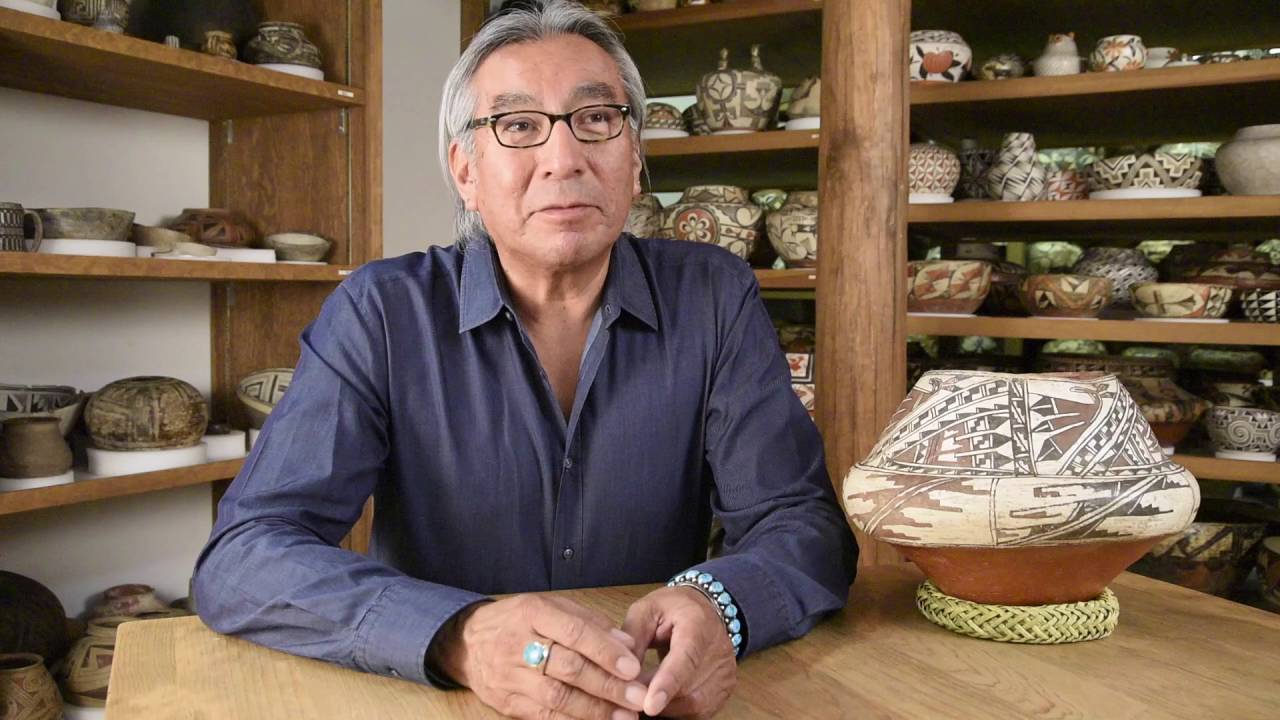
>> Well, this illustrates the work of re-qualifying collection. This is young of the village of the recqualification recqualification of an archaeological item and it is a time when he was presenting an archaeological item. He shows his body, his identity with the same graphisman, you know, in this uh ceramics or earthen wear of uh many centuries ago that is the same as he has on his arm. The next one, please.
So this photo to me is the most powerful one since the question is what we have learned with the indigenous people. This is a very strong synthesis but very complete of a learning that we have had at my our museum. I personally which is understanding the museum as a sacred place and the exhibition as a sacred place. Just as my partner, my indigenous partners, they take off their shoes to go into a sacred hut or into the forest. They do the same thing before coming into our warehouse and our museum exhibition.
This is a very symbolic summary. I you know it's difficult for me to talk about it of how much I've learned not only with dialogue and exchange and understanding increasingly more this indigenous reality their philosophies but especially how we can learn from a simple gesture that is not as simple as it may seem. This is it I'd like that's all I wanted to present. We have another image because I think it's most important to have the debate. Thank you, Maria.
I just like to stress actually two points that I think are very important in your brief introduction one which is the aspect of respect. I think the last image illustrates it very well. How you know the relationship we have with res regarding respect and respecting others and beliefs and respecting differences and how much we can learn in this process of dialogue of collaboration with other communities or indigenous people or people that are outside the museum or outside the cultural center. This is a twoway road or process. Uh we learn, we teach and we change and we also bring changes. And the other point that I felt was very relevant in your speech. We can discuss this further on which is this point that new museum also goes to the place in your case it goes towards the indigenous peoples. It's not only bringing people in uh communities, indigenous people into the museum, but the museum also follows this direction of going towards them >> again and uh very briefly switch back to English because the next person I wanted to invite to this conversation is uh Georgia. Uh so George just uh keeping this this brief uh introduction uh from the perspective of your work at Europeana and at the Ministry of Culture and Archaeological Museum of Patras, what kind of experiences related to the colonization practices have you faced in your work?
>> Hello Isabel. Thank you for the introduction. Hello everybody. Thank you for being here. Thank you for the invitation. H I was really an honor to be among all of you and share our museum passion h our passion for cultural heritage but mostly our main passion is human human being and this is what is all about. I was um from the introductions from uh Marilia and Sandra H pointed out the architectural triangle. I call it like the DNA mission of our museums of our cultural heritage institutions to transform to build the so-called citizen of the world to build trust to build respect. It was really nice the example that Marilia showed us with uh inside the door and with this graphismo and how this uh elements of our common cultural heritage can be can be a different process through narratives through collaborative uh curatorial programs and projects and uh I'm thrilled to serve share all of this with you and have this powerful introduction for our participants. So building the so-called citizen of the world we have uh as we say culture in Europeana is our common ground is how also Sandra mentioned is the elements is the uter that we uh build our this DNA with elements that um have this inclusive but als not only inclusive, transformative, soft power as we call it in culture of diplomacy.
So representing here as a MC member of um Europeana and member of the steering committee of FA of education and we have this collaboration with communicators as Mariana mentioned before and Claudia we in our first I will start with our work in Europeana that we share more than 55 million digitized objects to share this um this philosophy of our common ground of uh and we provide resources. We provide projects and material and exhibitions, digitized exhibitions that uh we serve this um uh this uh this philosophy for all educators not only in Europe but outside like this um collaboration now we have with you with Brazil. And uh through my work as a practitioner and uh in the in my museum which is also an archaeological one from Greece h under the authority of ministry of culture. We have uh I have created collaboratory projects through different narratives through different story tales and different h educational engagement not only because we talk we're not all not only for students for all kind of audience and we adjust and engage our audience in different ways.
erh related to the objects the archaeological objects or with modern art as well. I will later on I will give you a specific examples because we have also a really powerful case study with the repatriation of three objects from a university museum from college museum from Matlada to our uh to the minister of culture in Greece and we hosted the exhibition stolen past lost future and through this initiative this um international National Curatoria project. We had the opportunity to start a bigger uh a bigger project, let's say, a bigger educational network about museums as agents of change. Museums as agents of cultural diplomacy. Not typical, nonformal, but the one the power that transforms, shapes the global identity with respect with and building trust and cohesion as we will see in our next uh uh follow their conversation today. So I'm delighted to hear your questions to put the framework of this uh uh discussion with all there are parti with all our participants uh and um and build the a new model maybe of an agile as we say like a more flexible uh way to communicate with indigenous people with other people other nations s other countries and point out our common ground as human beings as the well-being because my first background is from the school of Athens philosophy has mentioned that politis is the Greek word for culture pol is the city and the center human human which we call it in our Greek language oanthropos.
Thank you.
>> Perfect. Thank you, Georgia. And um I think this this is actually a very interesting point to think about the the how important the museum or the the cultural heritage organization, how important they are informing or opening this space for citizens to work and to collaborate and to have this to find or rediscover this common ground, right?
because I think uh we sometimes we see in such different ways or we have different uh point of views and instead of trying to find the common space what we share we are just repeatedly saying oh I don't agree or this is this doesn't work so we we're going to come back to these questions I'm I'm really curious about >> and it was yes Isabelle and this of you the and Marilia and Sandra and you and Claudia the holistic approach the this that we have to share centered in our central philosophy which is human which is pol as a holistic a bigger approach of all museum profession of all cultural professions I would say >> yeah sure uh and we will come back to the discussion because I'm also uh very curious about the the concept of cultural diplomacy. Then I think you're going to say a little bit more when you say about this specific work.
>> Um >> great back to Portuguese. Thank you once again very very much to all of you for sharing your experiences and it's indeed marvelous to listen to those different experiences and it's amazing how you know at the end of the day it all boils down to uh the attempt to promote some change and as I you know listen to what you said and what you shared that also made me think of those discuss discussions that I'm part as member of the icon the decolonization group from ICOM and we have been working together in the last three years you know discussing trying to find commonalities and what can be done in terms of the decolonization and one of the main points that is recurrent here is the fact that the decolonization means different things in different places, right? So, it's totally related to the context in which we address the colonization and that basically means that we do not have a single discussion that is capable of just you know embracing all the different experiences and specificities of that specific context. And um just giving a couple of steps back in in that project that Claudia mentioned in the beginning of her talk which is the debias we reached the same type of conclusion that we do not have a cookbook recipe. We do not have a single format which is good for everybody. The one size fits all but we rather need to adapt ourselves.
Right? And one thing, one of the things that we really discussed in depth was up to what extent the group with which you are in contact, the group with which you are conversing and working with has the specificities and is aware of the specificities that are important for that work to happen. So the Debas project involved the development of a digital tool which is an AI digital tool and as Claudia said herself, this tool identifies some derogatory words and attributes historical context to those words. However, we have worked on this process of creating the whole vocabularium, the whole uh um syllabus, you know, to be part of of this tool with many different communities. So, from Surinami descendants from in the Netherlands, Congalles in Belgium and members from the LGBTQ plus both in Italy and in the UK and some other representatives from the Jewish community in Germany.
And what we realized throughout this whole process is that working in a participatory manner and in a collaborative manner and trying to find this, you know, common ground between museums and cultural institutions and the community needs takes time. It's something that is not going to happen at the blink of an eye.
it it's time consuming because you need to build trust because you need to build the dialogue you need to make room for the dialogue to happen and to listen above all to what people have to say and at the same time you know within institutions you have to work and pave the way in such a way that the result of this collaborative work can be embraced and integrated and embedded into the institution and At this point I think it is uh important for us to again give the floor to Merilia because I would like to hear from you Marilia a little bit of your experience on how the you know indigenous people's members have been regarding this work in collaboration with the museums or what are the feedbacks that you have received? How do these people see the work of the museums? vis to you know this uh recognition and what is their point of view if you could please you know just tell us a little bit more about the work that you've been doing.
>> Well, you see Isabelle.
>> Of course, I'm going to report to you what I've experienced and what I've learned. I think this is very important for me to say right from the outset to uh give you the answer. So, I'm not a representative. I'm not their proxis, right? I am obviously just giving you my perspective as a member of this work and the endeavor and guani from the ku indigenous series.
So they are the ones who are the interlocutors of this institutional work but they are the active um you know subjects of this process and the one thing that I have learned is that each participant of this work of course I mean this involves many different people in different situations and contexts and they are authorities within this process.
they are considered the main voice you know within this project and within the museum. So when we sit over a table either at the m or at their village I mean it's a you know a dialogue between authorities I'm an authority we have archaeologists we have the institutional directors who are authorities the miologists are authority authorities the chieftains the the indigenous uh professors and the wise men and they are all there taking part as um you know people with propriety to speak from you know their people and based on the work that I've been uh developing of course I am within uh specific institution university uh miology I'm a public servant within a public institution which It's also uh u you know um profit uh nonprofit uh and and the objective the main objective here is to serve society and in our case in particular those three indigenous groups of course we have colleagues who are working close to other groups in other projects so I'm just reporting you from our perspective from what I have been doing so it's really important that we realize that this structure here to serve society. So we run exhibitions together. We do uh reskilling or upskilling of collections together and we organize uh shared cataloges. Uh so in other words the information the narratives that are brought they are not illustrations they are considered knowledge they are narrative which are curatorial. In other words, they are contributions for our documental system.
And so and and this is goes far beyond only you know that notes online uh uh records that so it's knowledge you know that is in whole not as you know correctors but rather in whole and last but not least we have the communications. So we also organize additions through the my authorship that is indigenous also you know everyone organized. So as to the return this collaborative process very frankly so I feel that I I feel I don't owe anything you know like uh you know something to return because the process is so well integrated it's so daytoday so constant that everybody knows what is going on and what happened at some point because we stop because sometimes for a reason that is financial because time you know we are few people so I think it is very important to have this to be close to everyone and to and especially to know why do I know there is an impact there because they want to continue to be the main indicator they call upon me they want it they propose they provoke me positively speaking to me this is it the process It is not this work that has a beginning, middle and ending. It has a beginning, the middle and we go back to the beginning and we continue working.
So we have this indicator. So they call me, they want it, they propose because I am not I always do this. I always call them. I always provoke them you know I propose things because especially that they do this with all the freedom because you know my is theirs as well.
So this is it. Thank you Maria. I think this point well this collaborative work as you put it quite well should not be a project in which you have you know beginning middle and ending but this continuous process of beginning developing of course you're going to have some results but from those uh outcomes you have a new beginning that actually it is very important to be able to create and strengthen the relationship between cultural institutions and the external groups with whom we are working.
I'd like to ask Sandra now, Sandra, bringing your viewpoint as a person that is part of the Guini people and at the same time your in this context of uh academia and now you are PhD.
What is it like to you? And how do you see this relationship between the collaborative work of indigenous peoples with museums or other cultural institutions regarding traditions and cultures and at the same time the demands but also limitations of museums. Could you talk to us a bit about this please?
Well, also I'm going to talk about from the viewpoint of my curating practice and my relationship with the museum in which I carry out projects. The first point which is a great challenge because I am an indigenous person. It doesn't mean that there won't be conflict between museum and myself. I am I act as a mediator.
I'm not just a curator. I'm a mediator but I'm also a translator. It's a translation because it's the vision of the world that I have to try to translate for the institution and this institution many times even trying to translate in the way that the community would like to bring it. For example, there is also negotiation and this negotiation it can be very complex and it depends a lot on the context that Maria has already mentioned. We have a lot of this thing of the context because there are some communities that have a more effective relationship with their communities.
Well, there are there is no conflict. We know that in Brazil today many indigenous are identified as trespassers, invaders and so we have this conflict with the territory and in this sense it is very difficult negotiation because many times we want to bring something that is a reality a narrative which is the reality from the reality from the conflict and many times the museum doesn't want to accept to receive. So when we say well we want to bring this cosmology this viewpoint that is more cosmological we must be careful with this as well because there may be even a some reinforcement of stereotypes and other things and this because it is not actually like that. That's why it is important to have a museum as a place of negotiation all the time. The museum is a space to educate, to inform and also of mediation because I believe the museum has this role in this sense of also informing other institutions because the museum is a a place that is very important but it's also very vulnerableized you know turned vulnerable if it does not receive or welcome other viewpoints. It could become something that is it would reinforce actually the erasure you know of the indigenous people today. So I always do from this curating practices.
I have several curating projects and what come to me are many questions and I have to negotiate and actually bring this from the knowledge. For example, when we when it comes to an object in certain regions, we produce them together to think about contemporary art together.
What is contemporary art? The community will produce that time for that place specifically according to the context they are experiencing and that many times actually is not uh acknowledged recognized as art and then we have this issue of authorship uh copyrights.
How are you going to reward this knowledge that is being taken to the museum? Of course, not everything uh well you are turned into an object an object not everything is an object but actually strengthening the community in your own territory to continue with that knowledge as for example I've mentioned the knowledge of my guani people it is a constant process that is never ending as for example a ritual our people. You know, we have baptism ritual of harvesting stages of a person's life of a group of children of the elderly and all of this relationship as I mentioned in the beginning this whole ritual process depends on the river. It depends on the plants on the animals on the environment of nature where it exists to continue to be guani.
What is it to be guarani? You're being able to deal with those plants, with that river, with those animals that are around. As for example, when we take u the bark or the shell of a plant to make chi, to make a remedy, we ask for permission. We hold a ritual to ask for permission uh to those plants. What if that plant is no longer there? How can we practice that? You see, so the practice is essential. So the dayto-day practice is not we can actually conduct something that is imaginary of a work to take to the museum. But this dayto-day practice is impossible for you to take to a museum as an object. It you must build there uh you must build a policy. You must have actions to strengthen the community. And then there is another question. Okay. Oh, and what what's in it for the museum? There is always this question, what does the museum gain with that? So I also have this difficulty.
What is democracy?
What is diversity?
What is the role of the museum? What is the role of artists? I discussed today a lot art artists and museums because there are three characters that are very important. The museum, the artist, the individual. Art that is collective. That is the object that today has an instrument of debate as to how we can carry and transport this object to the museum and from the museum to the community. And how can we do that in the form of debate of a project as a way of strengthening the community? Strengthening the community doesn't mean that we necessarily need to take knowledge from one community to the museum or the museum to move and how to move and what the role is. I think this is the great challenge for us today when we talk about decolonizing.
Sure.
you touched a very important point which is the museum or the cultural space as the space of negotiation as Melia brought up before when she spoke. It's not only what the museum needs but what are the demands of the indigenous people? What are the demands of those social groups that are represented within the museum that actually are have never had a space or a voice to be able to speak to be self-represented to be present there. So I think this point of the museum as a space of negotiation as a space that will have to discuss things that are happening currently and many times there doesn't have a direct connection to the collections that they have there in their archive. But that is part of what the museum represents. The role of the museum of this space in which the museum still is an institution that is respected that people uh look for to be able to learn to learn more about certain things where a researcher goes.
uh all of these things are part of things that are in conflict but there are part of the work of the museum I'm going to switch back to English because I wanted to invite Georgia to come to this conversation um and I know Georgia that one of the projects that you have been working you touch upon this uh in your first um introduction um and you said very brief ly about the cultural diplomacy. I said that I was curious about that. So I'm coming back into this. Um how how do you think this concept can help cultural organizations to rethink their own practices and uh the collaborative work that we do and I would be very happy to hear also like the kind of experience that you have through this project or even other projects that you want to present. Thank you.
Thank you Isabelle. Thank you Sandra Marilia. Because as Sandra mentioned informed the cultural diplomat actor negotiation, we curators and people who do public engagement programs and we engage social groups, vulnerable groups, indigenous not international audience. We are the mediators. we start a different narrative and Sandra mentioned it really and pointed out it like we don't have this only this role to to transfer a message. We need to share a global narrative. We need to speak for difficult also issues not only the easy ones or the ones that object oriented we must focus as we say all miologist and I come through it's new definition of our museum we have to be participatory inclusive but democracy democracy philosophy policy has changed to all museum professionals and this is how we engage and build trust with all audiences is it's really important. It's not a rhetorical it's not a philosophical theory but we do it h in practice.
10 years ago in 2014 we started with um a collaborative project in my museum human chain we call it a human chain uh programs that we engage different audience and u during and we we got outside our walls. We found uh through research with difficult um sometimes not so easy but difficult collaborations outside our walls especially for an archaeological museum. We went to inside to educate um people with um we say vulnerable groups even in prisoners in special uh we say not we call it in a different way in vulnerable groups that reacted in a really powerful way. One of this uh one of a time actually it's a process. You don't do it just for a year. It's now almost 10 years that we are focusing on those human chain project. And um one year ago we had a group from um a refugee team from UN that uh was engaged in a project and one of the people one of of men said it felt like home and he came from Egypt. He came from Africa from a different culture. But in our collection we have because my city city of Patras is was an international port through 2,000 uh years ago. So h sold the mosaic floors. He saw the mosaic floors and with motives and um different elements that meant for him. It was his culture and uh we he shared with us. It was really a powerful moment that he wants to come every day and he felt like home. It was something incredible to hear and uh so this is how you build trust. You tell different narratives but we you have to see the future and the future is not AI it's CI it's something we measure I also from my research research on academic project we have to focus on cultural intelligence no artificial and this is this is what we have to point out CI not AI for a global narrative for building trust, peace and these things that only human can serve through museum collections.
That's that's great, Georgia. Thank you for bringing that. Uh I love the the CI and I hope more people can adopt instead of adopting AI everywhere we should adopt more the CI as >> this is what our world needs our nation's people we this is I think for me it's really important it's crucial and it's a momentum for our here in this uh um in this um uh shared round table to point out and bring out to our participants and all researchers, professionals, educators, everyone with a holistic approach.
>> Yes, >> thank you.
>> Yeah, thank you. Um, >> great. Well, we we actually do have quite a few questions here uh on the chat box from our participants and so we are going to get back because I think that the new technologies and the digital world in which we are all you know very much um involved with it's important for us to acknowledge. But before we get into that discussion, let me ask one question from Gabriella deav.
She is from the Mai from UFPR. And this is actually to you Sandra.
The question is, could you tell us a little bit more about the relation between body collection and land or territory?
I'm not saying it's going to be that easy, you know, but I can try I can try to maybe give you an example just recently and and by way of that I was about to um you know bring some material to show to you but it I mean our time was was too short so I decided not to you know put it in a presentation or anything but let me report to you just recently we had an exhibit it here in called art and resistance uh indigenous resistance.
So what I did was I called all the artists and we sort of orchestrated you know that that movement and the narrative as Georgia said which was an interesting thing. This is and and we've always touched the narrative. The body is part of the narrative. The cosmology is is a body. So So the cosmology is about it. narrative is about it and and and based on your origin, your you know world vision is going to direct your perceptions on the communities for instance the kilolas or the maroon communities or indigenous communities or they they are going to have this self- conual if you will you know based on that on those beliefs on set of beliefs.
So that's why whenever we bring narrative and cosmology and Georgia touched a lot on the narrative it's a body the body in itself you know and and in this question when we connect body territory and art an important thing comes into play uh which is the art craft and and in our situation in particular and we have a group of women you know in house and uh which is the capital of the state of Amazon and they they call it they are carpets they call it tupest and and they do graphic patterns and they do it with the straw and it's it's a local fiber that they collect and prepare and dry in order to have it um born and and it's a mix of you know ethnic groups. So they have a specific knowledge on what is the moon stage that they have to harvest the raw material that fiber the that leaf which is obviously the raw material that is going to produce those to pass those carpets.
So and and and there we can see that connection you see that cosmology and and you base you and it's based on that ancestral knowledge that um those activities happen. So with that we are able to see and regard that work of art as a body. So that's the very reason why we you know from an indigenous communities it's hard for us to say what is to preserve you know the environment or do conservation action.
So it's not a matter of removing people, you know, to preserve a specific area or to preserve a species. You have to learn how to deal, how to manage, how to take good care of and how to ask for the proper permission. So it's like our body and that's why we are going to you know deal and acknowledge that as a body and pretty much as ours and it's a body that you are a part of. You are one of the elements that comprise your very flesh, your breath, your elements, the matter is connected. So it's the matter and the story behind the matter, the narrative that has that ancestral knowledge that is going to obviously dictate many things including health. So it's a whole set of elements that are sewn together.
So it's about the ways of living, the ways of being, arts, aesthetics. So for instance, aesthetics that's that's what aesthetics is to us.
It's not a physical body of the individual, but the aesthetics involves knowing how to deal with our surroundings. What is the aesthetics of the Guini tribe for instance? And the Guini people since very early age they learn how to harvest a specific species, how to ask for permission to hunt, how to ask for permission for uh the uh spirit of the water to allow them into a specific water body. So this is all interconnected. I'm not sure whether I made myself understood but this is how I see things and this is based on the research I developed. That's basically what I could say as an answer to your question.
>> Thank you very much Sandra. No, I think you've just addressed beautifully that that question from Gabriella.
Now the one you know um follow-up question that I think might be pertinent is that your explanation gives us a pretty good idea of that territorial body collection and the heritage and the way materializes the way this is expressed as a home. So my my question is in that sense of whether at any point in this relation between indigenous peoples and in your case in particular the Guini people that you mentioned and the institutions and the museum.
What were the conflicts that you observed that you had to forego something to give in a bit to you know budge here and there? So if you could give us a more practical example of this relationship and the and which is really a space.
>> Well, thank you. So Isabelle when I I did my first experience as a curator for the uh museum of art of Rio de Janeiro when I first uh talked to to the community what we did was the following and and by the way it's not something that is personal it's not me defining what has to be done no it's I have to first be able to listen and to interact with them, propose the the project within the limits and the constraints and then and to obviously talk in terms of you know very practical elements like the value for instance so that they understand that we are not only going there or you know just getting knowledge and bringing to the museum. And sometimes this is something that doesn't have a feedback, doesn't have a return neither from the financial perspective nor from the social perspective.
This is very recurring as I mentioned in the beginning and so what happens and they said okay I'm going to do it. So >> well since the community that we had asked well we had you know reached them to carry out the project and they told us yes that they were going to make an item an artifact to take to the museum but then you know some yeah some not everyone they started reproducing that same artifact that was in the museum but this I as a curator an indigenous person. I had to pay attention to be able to negotiate with my relatives.
Well, I don't think this is what we should take. I think this I cannot tell the community because they will not tell me, you know, well, you can take it because it will represent a stereotype.
I cannot tell them that. And then I had to go and explain to them in a different way so that they could actually understand what we actually need to bring to the museum. And when we started organizing things to bring other things, they started the community, the Pat community. They were occupying the inra dur which is a town near Rio Janeiro and Parachi. And we told them well we want to speak in the space of the museum and we want to talk about our struggle for the territory for the land and for our we are going through discrimination racism. We're going through violence acts in the space that we are occupying and this is where the question is. It's not that we're going to uh receive or welcome and say okay we're going not going to tell them that the museum will resolve or solve everything. It's not that the museum had to seek another partnership that deals with for example with the issues uh territory is talking about the funi which is the Brazilian foundation of the indigenous people that you know talk about democation of land and then the team tried to make this connection with this community. It's not that we have resolved the issues. We of course we talked about the importance of the territory and they started bringing these their struggle through videos and they talked about the party the importance of the land the territory to them having a river near a community and we brought that in a video as a video to the museum. But the other part that they demanded from us, we had to actually set up a partnership with other people to be able to uh communicate with them. So those conflict and many times well many times the museum says well I hear things well this is the work of an anthropologist as if the museum did not have as if you know conflict is not art. You know what is it? It's there's a confusion or a misunderstanding. We must have a team. We curators must have a team that is that dialogues very much that listens. We must have a team. It's very important that we should dialogue.
I lost her Sandra to understand the root causes.
So, >> I'm sorry I'm interrupting, but you were mute.
So your last phrase, >> oh goodness me. Well, sorry I just, you know, muted my mic. Sorry.
>> I know. I was just saying that the team, the team is very important because we work for curators and those teams. Well, with these teams, we have several teams.
We curators, researchers and there are many other people that could seek those partners to make this connection. It's not that we have to take on this responsibility but actually the bridge bridge with other partners.
So this conflict is recurring.
I have several other conflicts that I've had in the museum is to value you know regarding the toothpick and how much is so we going to be much stricter you know there's this art of you know this question of art and art cars and the disappeared they were simply you know they got lost on a plane And we're going to see this. We're going to go after the plane and the company safety and every time we classify.
So they're going to say we're going to actually charge as a workplace. And this all these details are very important. The value, you know, if it's been misled or if it got lost. And I'm going to say no, it's not an object of mobile that I have to change for another one. And I said no, it is the amount the there's history, narrative, it's has its territory. It has its wisdom. It's science. I'm not going to lose it.
Curating or curatorship is something that is filled with conflicts. Uh as an indigenous person, this is very complex.
This is the struggle I carry wherever I go. It is a bit it is tiring, exhausting, but this is what we have been doing as curators. Sure. You know, and there are several things and you know, sure it's an example.
I don't know if there's been a slight problem uh with the translation. Were you able to hear there was dual sound entries? I think I think one of the main points uh now that you raise Sandra, it's the figure of the mediator. the mediator that will translate the conversations from one side to the other.
>> The various parts and how important it is to have the various partnerships that will take place on all sides that help and that contribute for the work to be carried out before well our time is almost up. I could be here forever talking with you, Georgia. I'm going to turn over to you. Let me just uh share a message before I turn over to you because just to be able to remind everyone taking part that we have a small survey at the end when you leave the call.
Well, we have a brief survey that we'd like to kindly ask all of you to fill it out so that we can improve our activities. Georgia, is there anything that you would like to add?
>> Yes, Isabelle. Thank you. H because we talked about research and participatory methodology and approaches. I would like to uh to interact a little bit with our participants and have a small comment that and a good museum practice from from my uh museum that comes from relies on this uh that we talk the discrimination the religious one and uh I would like to say that now and we change the timeline.
So we use now we have 2026 uh 25 sorry went to the future 2025 E a D or C E I don't know the academic ones maybe they know the term the new term we don't use a dus we use see common era, a common ground apart from religious territories and everything. We have uh adjust this to our timeline. our museums, the academic communities also h instead of ad because we are now in a big geopolitical conflict with religious with different and I think it's totally relative to the one mentioned and to close this holistic approach of our common uh ground or global citizen the respect of the others and how in practice We share and abandoned those things. See common era some museums don't and some countries depends but has started now to be used instead of ad.
I would like to finish and wrap up with this.
>> Thank you. I I sent I have put on the chat my email address anyone's uh because they some of the audience and the participants wanted to share.
>> Yeah, thank you. Thank you George. Um let me switch back to Portuguese.
We have other questions that have been sent to the chat, but we have five minutes to go on our conversation.
And what am I going to do? I'm going to ask a general question that is not directed to any of you, but actually to all of you, Marilia, Georgia, and Sandra. And I'd like you to comment very briefly uh that I would like to do and just to say that Julia Claudia and Josephine the question that have been asked on the chat that have not been answered here I'm going to forward those questions to all the speakers so that they can be answered And I believe that everyone from Europeana can afterwards along with the video can actually send the question the answers to those questions that have not been addressed today. My final question that I'd like you to reflect upon is on this process.
This is a conversation that is an initial conversation that all of us expect to have future unfoldings and developments. So I'd like you to briefly make some final remarks as to how do you see the future the future of this process we're just starting now that is so long ahead and how do you see the future of this relationship between museums cultural institutions or cultural heritage institutions with the world not specifically speaking of indigenous peoples or other groups or local communities.
What is how can this transformation take place? How can we contribute for this to happen and how this contribution between Brazil and Europe?
How can it help in this process? Mic is open. I don't know who would like to speak first. Just to keep a brief answer, please. Thank you.
Marilia, you may start.
>> Well, my final words with this question that is so important, I'd like to answer in the following way from my work.
What I have learned with my indigenous partners is that the museum is the extension of their territories and not the opposite. To me this is very important. This larger social space of which the museum is part. It is an example. We can expand that but we understand it.
We understand what the museum is. I'm not talking about definition. I'm talking about practice materially. What is the museum and how can actually the museum do in its specificity not the mixing up with other sectors or institutions what is the actual place of the museum still answering the question I'd like to say that the place of the museum may be delimited but it is a space that is flexible above all because you know ties face or you know not do not favor us. We cannot have those locks making the museum that is in centered and enclosed in itself. So I'd like to say it is a place where a lot of ideas live together many things. Sandra put it very well as to how this happens to have the indigenous participation. I'd like to remind all of you here with us is that the museum is a place of conflict of disputes of disagreements and somebody can say this is horrible. No, this is our work. So those that work with democracy and dialogue have to learn how to deal with conflict that are part of my institution as well. It's not that the indigenous bring the conflict. The conflict is within mine and other institutions. So we have disputes and conflicts in between different fields of knowledge, disagreements, all of this because we are a plural society. Diversity exists.
The differences exist. And this is a space for voices and different visions.
This is why our museums are contradictory as a characteristic. I don't want to change that. I just want to understand contradictions. I interested in understanding contradictions. But actually despite of all of that, we have negotiations and agreements. And actually in the negotiations and agreements is where our future lies. Answering your question and there is a very specific place in the specificity of museums which is called election management policy. So our task in the future is to make this respect and this trust to have an concrete expression regarding what we are, what we do and especially how we do it within this immense political game in which the museum is inserted.
It is the present future of negotiations and agreements and this should be expressed in the policy of collection management. Thank you. Greetings.
So I'd like to invite Sandra if you would like to say your final remarks Sandra please so that we can wrap up our conversation.
>> Well yes indeed. Um I think that the museum is a place where we are able to amalgamate the understanding and the you know listening and the understanding of what is to preserve nature for instance.
So because people have different ways of you know doing the same thing preserving it but we have at the end of the day it's the very same animal. So that is something that should be that uh um consideration and that understanding should be there in order for people to um gather and talk about which is also related to the territory to the land to the flora for instance and and also to preserve the the land itself and and of course conflicts are quite natural because you know we are dealing with diversity. We are humans and humankind is our nature very diverse. So, and the trap that we have to be mindful of is to have the museum trying to focus on the specificities of each one of them. This is something that uh the cultures themselves uh have to preserve. But the museum has to you know uh consolidate itself as a common point as a commonality as a common area that welcomes everybody that is democratic that will welcome because we are diverse. We are plural as Morelia said that so well. So the museum would never be able to focus on the differences on the specificities but rather on the commonalities and also try to think from the aesthetics you know concepts because we sometimes we fail to admire others because we think that they are not beautiful they are not this or that but in reality it's not an an adaptation. We have to just you know basically try to be uh and and and be sensitive to you know the the wind and that sway you know and sometimes we will will not fit and it's okay if we don't fit but it's not something that we have to you know uh force and try to impose and this is something that we have to be really um mindful of the We know that there are conflicts are there and we try we have to be able to preserve the dialogue be able to listen to others and to admire how the different uh cultures and peoples prepare their food uh and and deal with one another. And so we have to be able to admire one another and we we consume too much food and and apparel and so on. But and we have to be able to admire those differences and it's really fundamental for us to be more harmonious in our coexistence here and even with the ones which are not alike us. Yeah.
Thank you very much Sandra Georgia.
>> Some final remarks.
>> Yes, just short speaking and coming from Greece from Athens where democracy started founded and policy from the work police which is a human a group of human that hold the power. This is the soft power of culture of museum to transfer uh the world to build the trust and through as Sandra and Marilia said through knowledge through collaboration through h just listening the others and trying to get all these uh key characteristics to uh embedded them to put it in your collections in your programs and you encourage all your projects international or national and transparency and then set the policy framework. It's really important and for collections and for programs and for the engagement and build trust with all audience as h as the citizen of the world. Thank you.
>> Thank you Georgia.
Thank you, Georgia. Yeah. Well, you see, I'm a bit speechless, but we we've actually uh bit, you know, beyond our time, but I think I we can't finish without saying that it was a huge pleasure, you know, for me to be here with you and I really am looking forward to other moments like this when we can sit down and, you know, engage in this dialogue. And let me just highlight two things that we saw and in that was a commonality which was respect and dialogue and how much those two elements are of the essence are absolutely essential to that work towards the future and that we hope it's better than the one we have now. So Claudia let me so that you can close this wonderful conversation session that we had the chance to run today. Thank you very much once again to all of you.
I just meant to reinforce our gratitude.
Thank you very much to all of you. We've had something like a hundred people um watching us. Thank you to the speakers. Let me just u give you two quick reminders. As Isabelle mentioned, we want to um foster new actions in following year here at the Rubiana, not only with Brazil, but with other Portuguese-speaking countries. So, this is a very important uh very important step towards the future and all the ones who are interested, they can be part of the Europeana network that currently gathers more than 5,000 people. the uh link um it's on the form and on the uh chat box.
So you can click on it and you can register and take a look at the form.
And thank you very much once
Up Next

4:10
Estimating Age at Death from Skeletal Remains: 6 Methods
@DeathScience
2.7K views•2021-04-22
38:41
Astrobiology Through an Anthropological Lens: Field Insights
@georgiatechastrobiology
128 views•2021-04-14
4:45
Proxemics Explained: The Study of Personal Space
@Vox
536K views•2016-07-05
10:38
Psychology of Internet Trolling and Pranks Explained
@AzzyLand
10.7M views•2017-12-20
Related Study Plans & Knowledge Roadmaps
Structured learning paths in Anthropology
anthropology
Space Anthropology: Analogs, Culture & Habitats
01Foundations of Space Anthropology & Cosmic Imaginaries
02Extreme Isolation & Micro-Societies in Orbit
03Space Analog Habitats & Earth-Based Simulations
+ 2 more learning modules
15h5 modules
Explore Roadmap
anthropology
Legal Anthropology: Customary Law & Pluralism
01Foundations of Legal Anthropology and Social Justice
02Legal Pluralism: Coexisting Legal Systems
03Customary Law and Indigenous Dispute Resolution
+ 2 more learning modules
15h5 modules
Explore Roadmap
anthropology
Global Tourism: Gaze, Authenticity & Heritage
01Introduction to the Sociology of Tourism
02The 'Tourist Gaze' (John Urry)
03Staged Authenticity in Tourism
+ 3 more learning modules
14h6 modules
Explore Roadmap
anthropology
Modern Kinship (ART, Adoption & Chosen Family)
01Foundations of Kinship and Family
02Assisted Reproductive Technologies (ART) & Relatedness
03Transnational Adoption and Global Kinship
+ 2 more learning modules
12h5 modules
Explore Roadmap