










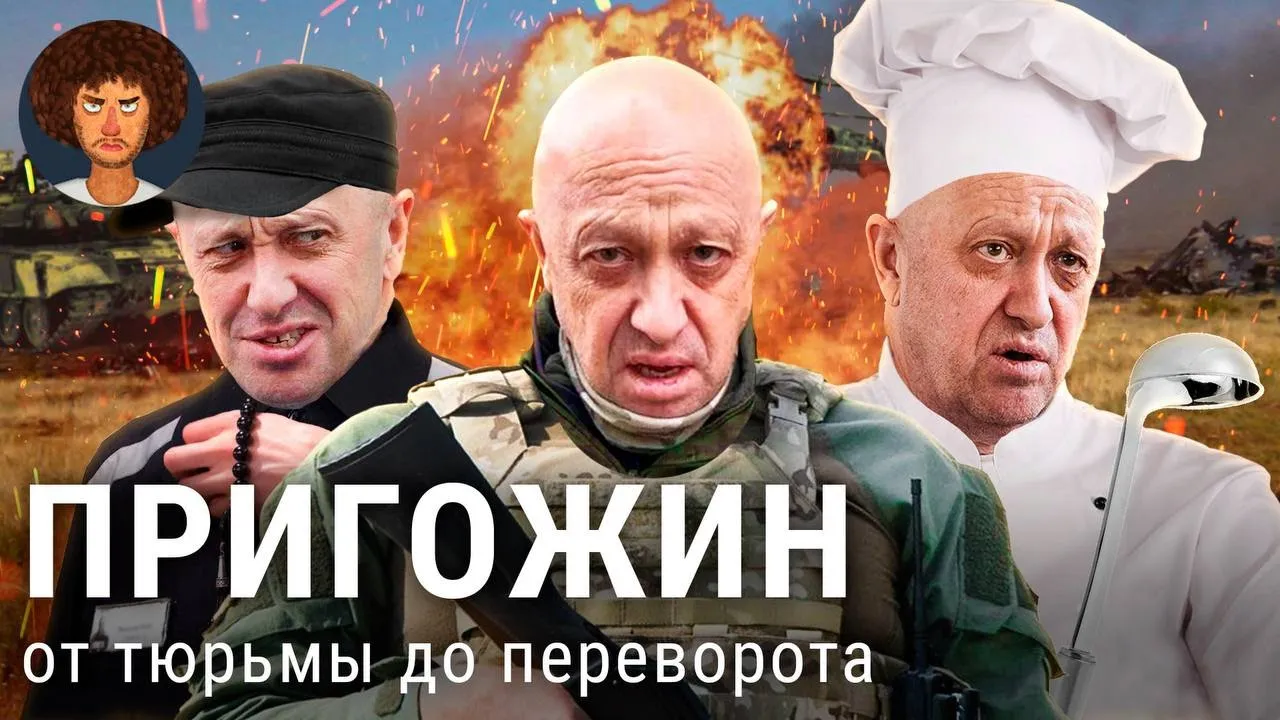











The Wagner Group mutiny in Russia (June 2023) represents a critical case study in the dangers of privatized military forces and the risks of internal power struggles within nuclear-armed states. Led by Yevgeny Prigozhin, this private mercenary force declared insurrection against Russian military leadership, marching toward Moscow with approximately 25,000 troops. The mutiny stemmed from accumulated grievances over the Russia-Ukraine war, particularly the Battle of Bakhmut where Wagner forces achieved significant success but felt marginalized by the Russian Ministry of Defense. This event demonstrates how private military contractors, when bred and supported by state actors, can develop sufficient autonomy and capability to challenge central authority, creating existential threats to national stability. The incident also highlights the broader phenomenon of privatization of warfare, where states increasingly rely on non-state actors for military operations, potentially undermining their own strategic control and creating conditions for internal fragmentation.
UPSC Current Affairs Analysis: The Hindu Newspaper 25 June 2023
Added:hello everyone a very good morning and welcome to baiju's exam prep welcome to the Daily Hindu news analysis so let's begin by first taking a look at the topics we are going to discuss today I have chosen three important articles from page number one and 14 we shall have a detailed discussion on these important topics and we shall take up few important prelims related articles as well so before we begin why don't you support us by pressing the like button share your comments and don't forget to subscribe to our Channel and also as soon as the session ends we have a quiz on our telegram channel on these topics so do subscribe to the telegram Channel as well so you can practice all these questions so let's begin with the discussion by looking at the first article from the front page of the daily Edition this article refers to an unprecedented development in geopolitics that took place yesterday I'm sure many of you would have been aware of this development which happened in Russia where apparently an armed group attempted a mutiny almost triggering a civil war like condition in Russia now this was something that was Unthinkable in a country like Russia and these developments which have happened they are directly linked to the Russia Ukraine war and the internal tensions that have been boiling in Russia since the Ukraine War began so let's understand the context let's understand what really happened what were the developments why is this unprecedented and also let's talk about the implications of this event because of course India also is closely watching these developments in Russia these developments even though they've been contained as of yesterday it still presents a major risk and a major threat for the region and for Global geopolitics so let's understand this topic in detail just uh a few hours back around 40 to 50 hours back a private mercenary group called The Wagner Group which is a private militia based out of Russia threatened to topple the Russian military leadership and announced a rebellion against the Russian military command the chief of this mercenary Force which is a private Army essentially he gave a open statement he released a video on the official telegram channel of this group claiming that Russia has been pushed into chaos due to corruption and bureaucracy and he gave a call for his private Army to March towards Moscow to Target the military leadership of Russia he was specifically mentioning the ministry of Defense in the Russian armed forces and the Russian military leadership in the Kremlin he wouldn't mention the name of the Russian president but the target was clearly Russia's military leadership and this private militia started marching towards Moscow triggering alarm and tensions in Russia and around the world and according to the Wagner group they even apparently claimed and captured a couple of cities in southern Russia especially rostov which is the headquarters of the Russian Southern military command which controls all the operations in Crimea and Ukraine was claimed to have been taken over by the Wagner group this is a key military Center for Russian military operations targeted at Ukraine especially in Southern and Eastern parts of Ukraine so this screen military command was apparently taken over by the Wagner group the Wagner Chief himself walked into the military headquarters here and from here around thousand kilometers North would be Moscow and a convoy of Wagner operators private operators they started marching towards Bosco this triggered reports of an insurrection of a violent rebellion and a mutiny by the Wagner group and immediately counter measures were taken in Moscow to protect the capital as the call was given against the Russian leadership and the government itself account to terrorist regime was imposed in Moscow where the city wrote leading up to the city were dug up to prevent any convoys from entering and Russian Armed Forces tried targeting the Convoy of the private militia which was headed towards Moscow according to the Wagner chief his troops had reached almost 200 kilometers within the range of Moscow Russian airstrikes and artillery strikes were also reported against the Convoy which was marching towards Moscow but before things could escalate and possibly turn into a civil war like condition things have been brought back to normalcy by working out a deal with the Wagner group the neighboring country of Russia Belarus which is a very very close Ally of Russia has mediated between the Russian leadership and the Wagner chief the president of Belarus lukashenko who's very very close to Russian President Putin has worked out a temporary deal following which Wagner group has recalled this Rebellion this act of insurrection and he has said that they don't want any further Bloodshed and they have called off the so-called mutiny and according to reports the Wagner Chief who now faces the risk of being targeted by the Russian government in the Russian Security Forces he's likely to be given shelter in Belarus as part of the deal that has been worked out so this unprecedented situation which came up in Russia in the last one and a half to two days represents a very serious challenge to the hold of Russian President Putin his hold on power in itself has come under question Russia's actions in Ukraine also come under greater risk and this has much wider implications for the world itself so in this context we should understand more about this private mercenary Force called the Wagner group in fact if you guys remember if you've been attending our sessions we have spoken about this mercenary group since almost one year or even more than that in various sessions we have repeatedly covered the ability operations of the Wagner group and its atrocities which has been coveted in Africa and other parts of the world just a couple of months ago in fact we carried out a detailed analysis of privatization of armed forces where both U.S and Russia have raised these private mercenaries and they use them on their behalf so if you specifically look at the Wagner group it has a very interesting history behind it this private militia is headed by Eugenie pregosin you can see him in this image over here Eugenie pregosin is the leader of the Wagner group and he's also referred to as the chef or Putin's chef is someone who belongs to the Russian oligarchy he belongs to the elite and the rich sections of the Russian oligarchy and he's someone who has been very very close personally to Russian President Putin since at least 1990s back in 90s and early 2000s he was a caterer he was catering to all the top events and parties taking place in the Kremlin and other events hosted by the Russian government all the catering contracts would be given to his catering firm thus he got the nickname as Putin's chef so as Eugenie pragosan became closer to Putin and Rose to prominence within Russia's Elite circles he started funding and backing a private militia which had taken root in 2014.
by 2014 in Russia a private mercenary group had been formed when Russia annexed the Crimean Peninsula when Russia Ukraine tensions began in 2014.
right a Russian military officer Lieutenant Colonel by the name Dimitri utkid he would lead a private mercenary force and assist Russian forces in capturing Crimea so since then this private Army was named as the Wagner group ner was the call sign of utkin that was his military call sign so after his military call sign this group was named and later it was funded by Eugenie pragosa he became the patron of this private mercenary force and since then it has gained a lot of notoriety and it has been alleged for committing lot of human rights violations around the world Russian armed forces and Russian intelligence agencies especially Russian svr which is the foreign Intelligence Agency of Russia and even the gru the Russian military intelligence both have often used Wagner group to act on Russia's behalf instead of State actors leading military operations they have taken the help of such non-state actors to lead these military operations in many conflict zones in the world so Russian intelligence agencies and Russian armed forces have often used the Wagner group as a proxy on behalf of the Russian state one of the major actions that Wagner group carried out was in Syria in the Syrian Civil War to protect the government of Bashar al-assad and to counter the rise of Islamic State Wagner group mercenaries played a key role along with Russian intelligence and Russian Armed Forces in Syria the Wagner group mercenaries were accused of committing very gross and serious human right violations this private mercenary force is largely made up of former Special Forces and covert operators of Russian agencies and Russian Armed Forces but recently since the group was running out of Manpower following the Ukraine war it has enlisted the civilians as well in Russia retired officers even farmers and those who are in jails especially those who are serving prison term they've all been roped into this outfit and they are paid a a decent pay to fight these private Wars on behalf of the Wagner group in the last six to seven years it has become notorious in Africa Wagner mercenaries have fought along with several African dictators and have been accused of committing mass human rights violations in Libya in Sudan in Mali in fact across North Africa and parts of central Africa in Central African Republic in Mozambique where Islamic State Rose to prominence in all these countries where there has been a rise in jihadists and terrorist activities dictators African dictators they have often used the help of Russian mercenaries from Wagner group so Wagner group has deployed thousands of soldiers in these conflict hit countries of Africa to fight terrorism and in the name of fighting terrorism they have fought along with dictators and committed very serious human rights violations in countries like Central African Republic and Sudan Wagner group has even shown commercial interests it has tried to get hold of diamond mines and oil fields in return for helping the dictators in their military and counter-terrorist operations the Wagner group has essentially become a deadly force known for using large-scale violence and it has emerged as a a very controversial mercenary outfit in fact even U.S has raised such private mercenary forces we had outfits like the black water of U.S which was a private mercenary group now it's known by a different name it was working for the CIA and the U.S armed forces acting as a private militia acting on behalf of U.S state agencies and conducting military operations as a private business so privatization of warfare in itself has become very controversial in the last few years because of what Russia and U.S have done these private mercenaries have not risen overnight they've been backed and supported by the state agencies and now Russia has learned the lesson as to what happens when you breed such monsters in fact many experts are calling this Russia's Pakistan moment everyone was expecting Pakistan to implode like this as Pakistan has bred terrorist outfits as part of its geopolitics and it's always been feared that Terror groups might someday seize control of the Pakistani state so something similar was about to happen in Russia if not entirely true at least the possibility was very real yesterday Wagner group because of the differences it had developed with Russian leadership declared a mutiny and carried out an armed Insurrection threatening to bring down the Russian government and potentially triggering a possible Civil War in the country right so this is the reason why it's being said that this is Russia's Pakistan moment as Russian Armed Forces intelligence agencies they have bred Wagner group Russian President Putin has personally backed such private mercenaries who have been fighting for Russia pushing Russian interests in the Ukraine war which began last year Wagner group has played a critical role in the conflict in backing up Russian forces and in fighting key battles Wagner group has been crucial in Ukraine so after having worked together for so many years suddenly differences have come up between the Wagner leadership and the Russian military leadership causing this Mutiny within Russia the Wagner chief after he declared this insurrection he claimed that his forces they captured the key military command at rostov which is a city with one million population in southern Russia this is where Russia's Southern military command is located which leads operations focused on Crimea and Eastern Ukraine Russia has already captured and annexed Crimea in 2014.
and from the south and east over here it has been leading the military operations against Ukraine in eastern Ukraine so Wagner group has been playing a critical role here it has been fighting along with Russian forces targeting Ukraine but this sudden turn of events was quite unprecedented and after declaring this Mutiny Wagner forces they started marching along this highway which you can see in the map all the way towards Moscow immediately emergency measures were declared in Moscow and counter-terrorist regime was put in place essentially martial law like Provisions were implemented where almost a lockdown like condition was imposed and Russian forces surrounded the city the capital to protect any possible incursion from the Wagner forces this was a reminder of World War era like conflict where massive land-based conflicts were fought roads leading to Moscow were dug up destroyed trying to prevent the march of the Convoy of the Wagner troops and Russian forces even launched airstrikes and artillery strikes on the convoys all along this route but Wagner group claimed to make progress it claimed that they reached as close as 200 kilometers within the reach of Moscow so when these events were happening in the last 48 hours tensions were extremely high the region and especially around the world European powers in U.S they were closely watching these developments in fact U.S armed forces and intelligence agencies have closely watched these divisions develop over the last few months as these tensions came up with a possible Civil War like condition in Russia that would be a nightmare as Russia is one of the world's largest nuclear weapon States this could potentially push President Putin who's already on the back foot on several issues to take up more aggressive measures with regard to Ukraine and with the potential of a possible nuclear scenario as well so many European countries and even the US they went into very high state of operational Readiness to prepare for any eventuality depending on what might happen within Russia after one and a half years of destroying Ukraine now Russia was basically imploding inside because of all the atrocities and the violence that the Russian state had promoted in the last few years so now if you examine the causes what led to this Rift how comes a group which was so close to Russian leadership which was groomed by Russian president how could such a group declare such a mutiny how could this pose such a big threat right that is something we should understand the Wagner group claims to have around 25 000 well-armed and well-trained soldiers in its private militia as I told you many of the soldiers who are part of this private mercenary force their former Special Forces operators former Russian soldiers and former Russian intelligence operatives but since recently Wagner group required more manpower in the Ukraine war it had lost a lot of men it has enlisted those who are in jails and Russian civilians and retired people from Russia as well from Russian cities and it has increased its strength and it is quite well-funded well-armed and well skilled and well trained as well it's not an any ordinary mercenary Force it's a well-trained Well groomed outfit which can deliver a significant blow if they decide to do something so as the Wagner group declared this Insurrection against Russia it triggered very serious tensions Russian president even declared this as a treason as a backstabbing act by the Wagner chief he declared him as a traitor and imposed emergency measures in Moscow to protect the capital but fortunately things were resolved before it could escalate now the reason why these differences have come up is because it has something to do with the divisions which have been created between the private mercenary force and the Russian Armed Forces in the in the Ukraine war there was one deadly battle which was fought the Battle of bhagmud is a key City in Ukraine in eastern Ukraine and here a brutal battle was fought lasting several months almost a year between Ukraine and Russia both sides made it a symbolic priority to ensure that they gain control of bhagput Russia made it a top priority deployed massive troops it was mainly the Wagner Group which brought thousands of troops to bhagmud to fight the battle and capture this key industrial city for Ukraine it was a matter of pride a matter of strategic necessity as well Ukraine also deployed maximum number of troops and resources here to fight this battle and retain bhagpur this battle has been noted as one of the most brutal and most violent battles in recent times it's been again compared with the brutal conflicts happening during the world wars thousands and thousands of soldiers have been killed on both the sides the death count runs as high as 70 to 80 000.
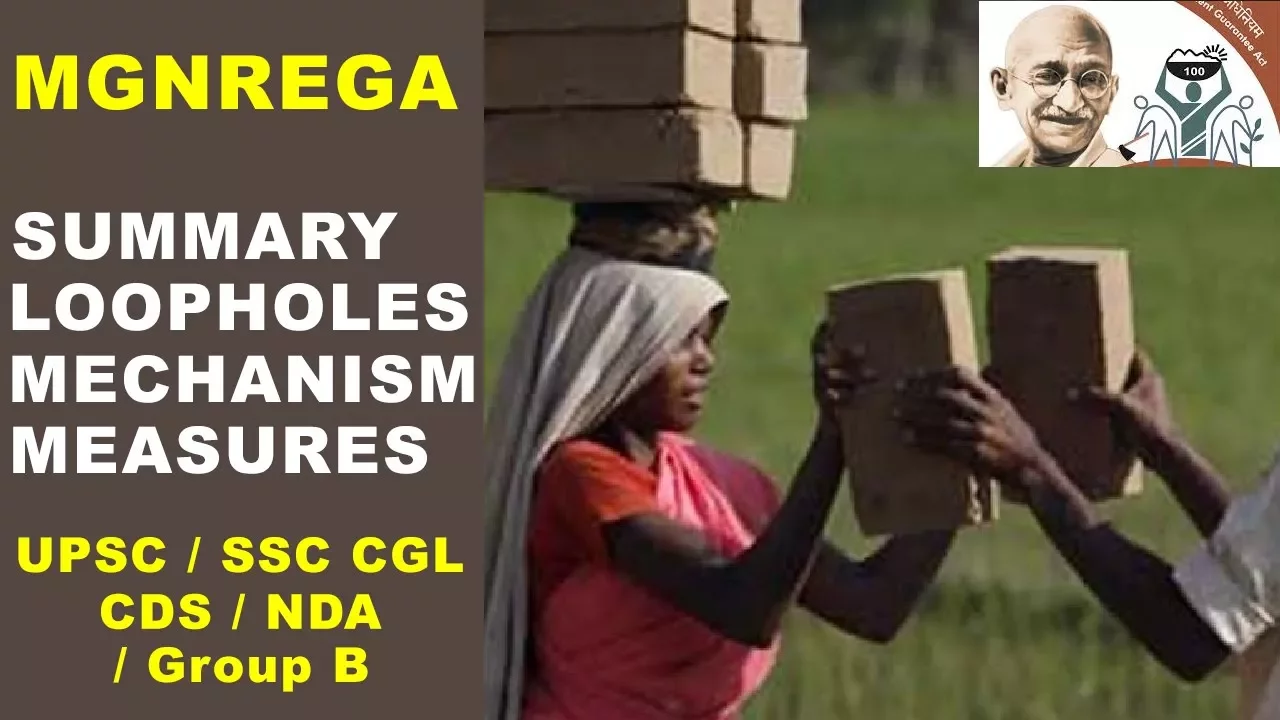
after this massive bloodshed finally Russia captured bhagput recently claimed Victory just last month and Wagner group essentially was credited with the success because it was essentially Wagner group's mercenaries who fought the Battle of badmouth against Ukraine and finally captured it as well last month so this has increased the political ambitions of the chief of Wagner that is Eugenie precaution day by day he has become politically ambitious he has been showing political interests he has been criticizing Russia's Ministry of defense for its poor tactics and poor strategy because as you know Russia has suffered a lot of defeats as well in Ukraine Russian forces have been pushed back from Kiev from South and Eastern Ukraine in several places like kershon and in other parts of Ukraine Russian forces have retreated Ukraine has managed to resist and push back the Russian invasion and these losses and defeats have been blamed on Russia's military leadership and Russia's armed forces and the ineffectiveness of the ministry of Defense whereas Wagner group saw a success in this legendary battle in this deadly brutal battle at bhagpot so this led hugely pragosan to become more politically ambitious and he started openly targeting Russia's Ministry of defense and he accused Russia's military leadership of corruption and being ineffective and for breeding chaos in the country so his attack was mainly not just against Putin of course indirectly he was questioning Putin's leadership as well but his direct assault and attack was on Russia's military leadership the failure of the Russian military leaders their strategies and tactics because Russia has also suffered tremendous losses both men equipment and even the cost has been escalating many have described this as pure chaos within Russia's leadership so in the middle of this chaos which has emerged in the in as a result of the war Wagner Chief has tried to project himself as a as a potential political figure someone who could restore balance back in Russia so the statements he made were very controversial in the last few months he had openly criticized the Russian Ministry of defense and the Russian armed forces and blamed them for the losses in Ukraine so following this there was a strike a rocket attack which happened two days ago against the camps of Wagner group in eastern Ukraine the military camps have walked our group were attacked by Rockets where many many soldiers of Wagner group were killed according to Eugenie precaution and he blamed this attack on Russian military leadership we are not in a position to verify this whether it's true or not in fact there are unconfirmed media reports regarding this so what the Wagner Chief has said two days ago is that these deadly rocket attacks which killed hundreds of soldiers of Wagner group was carried out by Russian forces themselves since Eugenie pragosan has been targeting Russian forces criticizing them blaming them apparently the divisions and the differences which have come up between them led to Russian forces to launch these attacks against Wagner forces so that is when Eugenie pragosan declared this Insurrection Insurrection is an act it's an extremist Act of disobeying Authority and challenging Authority which could usually turn violent that is what we call as an interaction it's a violent disobeyer of authority for example the Iranian Revolution of 1979 was an insurrection the recent attack on U.S capital following the presidential elections by right-wing extremists who are supporting Donald Trump they try to disrupt the electoral process that attack was a Act of insurrection similarly in Brazil right-wing extremists of supporters of former Brazilian president right they try to disrupt the electoral process and engaged in violence they tried disrupting the electoral process and challenged the Democratic process of the country so even that was an act of violent Insurrection in Brazil so this event which potentially could have triggered a Civil War in Russia has been equated with an Insurrection essentially it's an internal Mutiny where a Russian private mercenary Russian armed group declared this internal war against the Russian military leadership his reason was the chief the chief's reason was that Russian forces had carried out this rocket attack killing hundreds of Wagner soldiers and now he wanted retaliation he wanted Revenge he said that Russia had become corrupt Russia had become a corrupt state with four ineffective leadership under Putin and he challenged the military leadership and he said the military leadership has to be removed and he bought started marching towards Moscow with more than 25 000 soldiers to back him and he called it the march of Justice the usage of his words are very very important because he does not look at this as a mutiny or a coup many were calling this as a coup but precaution was not looking at this as a co-attempt he called it a March of Justice which is a word used when someone is leading a Justified Revolution right so as pragosan declared the so-called March of Justice immediately Putin retaliated he declared this as an act of treason he called it a armed Mutiny and an act of backstabbing and he declared all of them as traitors he declared hugely precaution the Wagner soldiers as traitors and said massive force will be used to crush this Rebellion so things were getting very heated up in Russia but fortunately with the intervention of Belarus the Belarusian president a deal has been worked out for the time being now the question is where does this leave Russia what does this tell about Russia how does it affect India and the world that is something we'll understand and close this article now as I told you put in label this as an act of treason as a mutiny which was against the country he called it an act of treason by traitors and he said he would crush the armed uprising Putin is someone who has never taken lightly his opponents and his critics even civilian protesters political leaders have been targeted by the Putin Administration anyone who has challenged Putin openly countered him have either been jailed or even assassinated right Russian agencies have have a deadly reputation of hunting down the critics of the leader there have been instances where even after several years in foreign countries assassinations have been conducted to eliminate any kind of opposition to put them in its 20 plus years of leadership as president and also as prime minister for many years he had never faced any such kind of challenge this has to be the biggest internal security situation Russia has dealt with in the last 30 years of its existence since the collapse of Soviet Union without a doubt what happened yesterday is the biggest internal security threat Russia has ever faced so it's highly unlikely that Putin is going to spare or pardon usually precaution for what he has done if you go by the president said right Russia is likely to crush wabner group but for the time being it's being said that the Warner Chief will be given Asylum he can take shelter in Belarus Belarus has broken the deal and also the fact is sure needs walked her soldiers Russia itself has suffered our attrition where Russian troops have lost their morale to fight there is a shortage of supplies shortage of men and Equipment Russia also has been struggling in this war Russian forces have been struggling so without the support of Wagner soldiers Russia might find it difficult to continue the war in Ukraine so it's very interesting to watch out for what happens next whether Putin or Russian leadership will Target Eugenie pragosan and the Wagner group for this Insurrection or will they allow this to pass through will they just pardon this incident because they also need the help of Wagner group to continue the war in Ukraine right so that is a a very big question and this is what countries are watching for the U.S especially the United States and all the European powers essentially the NATO allies when these events unfolded they switched to their highest stage of operational Readiness to prepare for any eventuality because if there was a potential regime change because of a possible Civil War the question of control over Russian nuclear weapons would have always been an alarming situation so U.S and European countries have been closely watching the developments at some point they would have wished that Putin remains in control because anything other than that could be even more dangerous but the other possibility was that Putin who has already been cornered he's already been seen as old who's unwell who is a liability right now for Russian leadership often there is opinion coming up within Russian leadership in the Kremlin that Putin is someone who's become unstable he's sick he's falling ill he's not able to take the right decisions he's pushed Russia into a disastrous War so there are questions about his leadership his authority and control over power right even though the West would like to see Putin go they wouldn't have seen like to see a civil war erupt in a country which has one of the largest stockpiles of nuclear weapons but now that this threat has gone Western countries might they might try to capitalize on this opportunity they might try to further widen the divisions within the Russian military leadership and the Russian oligarchy because the Russian oligarchy representing the industrialist the rich the elite even they have been unhappy with the war there have been at least some sections have been unhappy with Putin because of the war the economic sanctions have hurt their businesses their profits their economic interests would like to see the war come to an end so sanctions can be lifted thus protecting their business and economic interests within the military leadership as well there have been questions raised over Putin's ability to lead the country so these divisions have been emerging in the last few months and this poses new challenges to put in now if Putin is pushed into a corner in such a scenario a leader who has been insecure who's feeling unstable might resort to very dangerous games that could potentially create more challenges and problems Putin has not dared or he's not stepped away from mentioning the nuclear world in the context of the Ukraine war so if the right buttons are pushed if Putin feels cornered right there could be a possible um unjustified retaliation or some kind of uh Mega retaliation to establish his authority and likely the retaliation will be against Ukraine right so this is one possibility where things if they were to deteriorate further if divisions were to further be created within the political military leadership and if Russian oligarchy is divided as well potentially there could be a situation where Putin feels cornered he feels his authority is under question and that is when unstable leaders are likely to make very big mistakes and wrong decisions this could involve escalation of the war against Ukraine or potentially reaching a nuclear threshold as well just to establish the authority of the leader or it would go the other way right the opponents could topple the regime and it might very well Mark the end of Putin's leadership as well all the chaos and Sensibility will continue and the war between between Russia and Ukraine will also continue to track so any of these possibilities are likely to happen so this has very serious consequences for Europe for the whole Eurasia region for Indian interests and for the global interests right so Ukraine captured this opportunity as well Ukraine was more than happy when Russia's infighting began Ukraine forces tried retaking some of the areas because Russia and Wagner group lost the focus on eastern Ukraine many troops were removed as well so Ukraine has tried recapturing some lost areas in eastern Ukraine and it feels that Russia might collapse internally right that would be a best case scenario for Ukraine or else as I told you the war might continue it might drag with all the internal divisions with uncertainty or if Putin feels cornered and if he feels threatened he might even resort to something very dangerous which could be potentially disastrous for the entire region right so that is the reason why the world and India as well are keeping a close watch on these events U.S and European countries especially have closely monitored these events in fact U.S was aware of these divisions within Russian leadership from many months Their Fear was neither Putin being pushed and going better with his decisions or or Putin being replaced by someone else who's more even even more radical and extremist that is something they had been concerned about but now they will see an opportunity Western countries might see this as an opportunity to break Russia to push for a regime change they might step up the support for Ukraine and you might even they might extend covert support within Russia to try to destabilize the regime internally so this instability is not good news for the region and definitely not good for Indian interests according to reports India's Prime Minister Modi was briefed about these events as it was happening while the Primus was flying back from U.S to Egypt right on his flight from U.S to Egypt Prime Minister Modi has been briefed about these events by Indian officials and India has not given official statement as of now because India is a very close friend of Russia we look at ourselves as a close friend and parthor of Putin as well our support firmly remains with Russian President Putin we have major economic interests as we have procured lot of oil from Russia in the last one and a half years right we have helped Russia bypass the sanctions we have sustained the Russian economy by being the biggest one of the biggest purchases of Russian oil and gas we have even risked our ties with Western countries to protect the ties with Russia so going forward it would be very challenging for India all these events creates even more challenges right the very question on Putin's leadership the internal problems in Russia will directly have an impact on India Russia relations as well now India has not given any official statement we are simply watching the developments closely and India will comment maybe sometime later but one thing is clear India's support will remain firmly with Putin and the Russian current Russian leadership all right so this is still a developing story right of course as of now Wagner group has agreed to end the so-called Insurrection it's either the chief has said they don't want any Bloodshed and they have agreed to turn back they've made a u-turn and the troops have headed back and this was because of a deal that was broke out by Belarus right so we need to wait and watch how things will develop in the coming days they'll be very very crucial so we will cover them again if there are important developments but it is something you should be familiar with as far as international relations are concerned it's one of the biggest developments honestly to have happened in the last few years if the Mutiny had progressed if a civil war like condition had broken out trust me it would have been the biggest development of the century but fortunately things have been stopped as of now and hopefully things should come back to some kind of normalcy and hopefully we should see some end to the Russia Ukraine war as well right so let's stop the discussion over there and get into the next article next we have an article which focuses on the implementation of the manrega scheme and the problems that have been created by the aadhar based payment system see the government of India has made other base payment system mandatory for manrega jobs to be provided in mandrega payments to be extended all right aadhar which is a unique identification number has played a key role in enabling digital payments other linked bank account payments for the government to run and Implement various government schemes ever since the DVT scheme was launched the direct benefit transfer scheme was launched the bank accounts of beneficiaries have been synced with their other numbers so that this provides for efficiency in transferring the benefits the cash benefits it also minimizes the leakages chances of corruption and makes this Cayman program more efficient by directly reaching the targeted beneficiaries definitely there are many advantages or many Pros to using other based Payment Systems as it brings more efficiency in the implementation of government schemes and programs right we've seen the results as well with regard to few pension and scholarship programs aadhar linked bank account payments have been very efficient it has provided for quick transfer of money to the targeted beneficiaries right and it has also minimized any corruption any leakage it has brought efficiency into government schemes and it has optimized the government expenditure as well definitely there are a lot of pros and advantages as well but one concern has come up because in a scheme like manrega which is a very huge implication for the rural economy and for the socio-economic status in the rural areas even small issues with aadhar system with the other card with the name uh or the other details related to the bank account and the other ID even a small discrepancy has led to denial of job and denial of payments under manrega this has emerged as the biggest drawback now the government has made this mandatory to continue with madriga work and to kind of continue receiving manrega payments it's mandatory for the beneficiaries to seat their bank accounts with their other ID complete the kyc norms and only then they will be able to receive the payments as you know manrega is one of the world's largest employment guarantee scheme that guarantees 100 days of manual paid labor for the rural Workforce which is looking for employment this employment guarantee scheme has put some extra money in the hands of the rural uh community in the hands of the farmers especially and it has become a huge boost for Rural demand which has supported the Indian economy in the last couple of decades economy but the problem is with people getting fake job cards or local officials and politicians colluding together forming a Nexus creating fake job cards and cornering all the money to themselves there has been groundable corruption which has affected the efficiency and implementation of manrega so the introduction of aadhar based Payment Systems making it mandatory was seen as a good governance move because by linking other verified accounts with the bunrika workers it would be ensured that the right beneficiaries are getting the benefits whereas it would ensure that there would be no leakage or diversion of funds so government has made it mandatory but on the ground there are practical challenges coming up according to this article the article is looking at a particular case in Odessa it's like a case study all right that's why I'm highlighting this issue because there could be a Mains question in governance asking you to talk about either manrega or other base payment systems so you should know that there are many advantages definitely yes by linking a bank accounts with other and linking that with payments from government schemes definitely it brings efficiency reduces wastage tackles corruption no doubt those are the advantages but there are practical problems on the ground which can become very serious disadvantages the Practical problem is that even a single letter mismatch between the name of the person on the job card of the manrega job card and the bank account and the other card a single letter difference or even a slight discrepancy has led to complete stoppage of payments in fact fresh work has been denied as well to several people in rural areas seeking manrega work even though they have a job card just because the name exactly doesn't match uh the name in the other card or in the bank account they've been denied work they've been denied new job cards and payments have been completely stopped right so even slight discrepancies are leading to this complete disruption of payments thereby affecting the implementation of the scheme itself according to the article around five core job card holders have been removed from the list as the government has determined that these are the fake job cards but many are saying that these were not fake but because of a small mismatch in the names and in other details of other and the job card their names have been removed as fake job cards so this is a practical challenge in the ground when implementing such a large and ambitious schemes because be it in the other system or be it while seeding the bank account or be it while getting a job card done lot of typing errors typographical errors might happen right these are clinical errors where the wrong name is typed or the spelling is wrong the age or gender is entered wrongly so because of such wrong entries in the system right which is completely avoidable with the right protocol it is affecting the people the beneficiaries because they are not able to get employment or they're not able to receive payments for the work they've already done right so this is a challenge for governance a challenge for the administrators to solve right they need to come out with Solutions of the grassroot to tackle these discrepancies the beneficiary should not suffer for the typographical errors which have happened while making these documents right recently the government also had informed that yes other based Payment Systems is mandatory for manrega payments but the government said there will be two options to provide payments under onerega one option is through other base payment system for those who have been able to enable their bank accounts link their bank accounts with other base Payment Systems they will start receiving payments through the other base payment system but where discrepancies are present where practical challenges are there on the ground local officials were urged to ensure that payments will continue payment should not get disrupted it should continue through the national automatic Clearing House which is a payment Gateway created by the national payments Corporation of India all right for the time being these alternate payments will have to continue that's what the government had notified local officials have to take the action if there are such discrepancies where typing errors are there and because of that if beneficiaries are being denied payment then instead of using other base payment system for the cash transfer they should use the Nach platform the automatic Clearing House which has been set up by the national payments Corporation to ensure that payments continue without any disruption without affecting the beneficiaries but this is not being implemented on the ground even though government has made a provision for this at the grassroot the second option is not being implemented so those whose accounts are not matching with the other details right they have been denied payments thereby affecting the implementation of the scheme itself got it so this is something you should understand with regard to challenges that come up in the field of governance and administration now let's look at the next article the third article from page number 14.
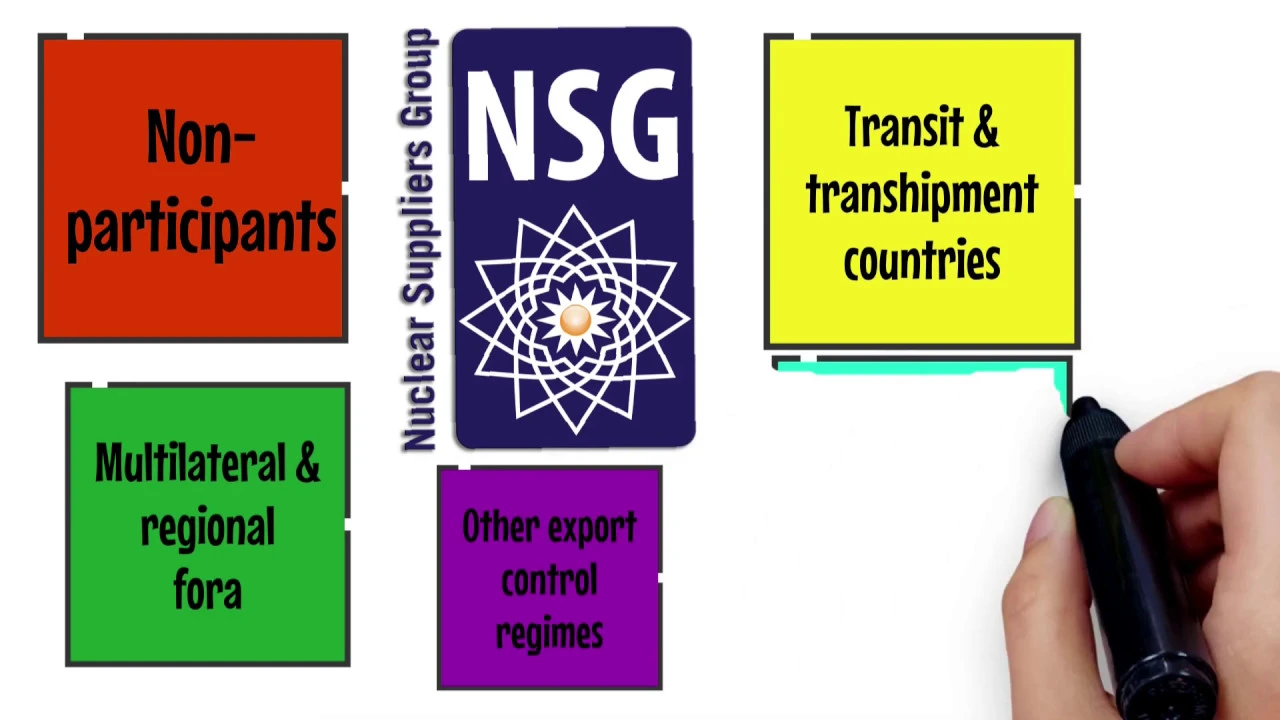
this is related to a very important nuclear deal that has been signed between China and Pakistan recently China Pakistan have announced a nuclear deal with regard to the chashma Nuclear Power Plant which is the biggest nuclear power plant of Pakistan as you know Pakistan is currently going through a massive economic crisis its economy is on the brink of collapse there is a massive energy and power crisis as well right because Pakistan is not able to import oil gas and coal it has run out of foreign exchange it has run out of essential supplies there is massive electricity electricity shortage in the country so Pakistan has been desperately trying to solve these issues to prop its economy back while trying to solve the energy problem right so if you look at Pakistan's energy infrastructure it has few major thermal power plants and core based power plants apart from these power plants which are not feasible for Pakistan right now it has invested in few clean renewable forms of energy as well including two major nuclear plants at chashma and Karachi you can see them in the map here right now for Pakistan is no longer feasible to run and operate its thermal and coal-based power plants because coal Imports oil gas Imports are expensive Pakistan is not able to afford these Imports hence it's not a viable option for Pakistan right now to generate electricity through through thermal plants and coal-based plants so with the help of China which has been an all-weather friend of Pakistan Pakistan has focused more on nuclear energy to solve its energy problem China has funded this initiative as part of its belt and Road initiative China has taken up major nuclear power projects as part of the controversial China Pakistan economic corridor right China Pakistan economic Corridor is a key component of the belt and Road initiative of China so as part of this initiative China has invested heavily in Pakistan's nuclear sector two nuclear plants have come up one at Karachi where two reactors have been installed by China in the past few years and at chashma there are four nuclear reactors already operating apart from this recently just a few days back China Pakistan signed a new deal to install two new reactors at chashma China has committed two more nuclear reactors at the chashma nuclear plant to scale up Pakistan's nuclear infrastructure to solve the energy problem while reducing its dependency on oil gas and coal now the question here is does the deal violate the provisions of nuclear suppliers group that is the question which the article is Raising on one hand you have to understand the close collaboration between China and Pakistan right how China is trying to help Pakistan and its economy and its energy sector this is a strategic partnership it's like india-us nuclear deal right it's something like that it's on that that scale China is bringing the funds and the technology and the nuclear material and the reactor to support Pakistan's economy and generate electricity in the country now the question is will the deal violate international law have China Pakistan followed the due Norms as laid out under international law because see according to nuclear suppliers group or NSG which is an exports control regime it's like Sport control regime it mainly regulates nuclear Commerce is that clear there are 48 member countries in NSG and only the members can engage in nuclear Commerce that is in the export import of nuclear material nuclear technology only the 48 NSG members can engage in nuclear trade in nuclear powers for everyone else it is prohibited those exports are prohibited now the condition to become a NSG member is that the country should have signed the non-proliferation treaty if a country has to join NSG and import nuclear material and nuclear reactors from another country it should have signed npt and then seek NSG membership or else energy membership is not provided now China has often equated the deal with India U.S nuclear deal China says India got a preferential treatment from the U.S why because India has never signed npt India has said we will never sign non-proliferation treaty because it is discriminatory according to the treaty there are only five nuclear weapon states that is the P5 countries the five permanent members only U.S China Russia U.S UK and France only these five permanent members of UNSC are allowed to retain their nuclear weapons whereas everyone else will have to shut down their nuclear weapons program so since 19 late 1960s 19 and early 1970s India has rejected the non-proliferation treaty along with Pakistan India Pakistan and even Israel these three countries in particular they have boycotted npt they've said will never sign npt because they want to retain the option of developing nuclear weapons and retaining a nuclear stockpile so without signing npt it's impossible to become a member of NSG but India got an exemption thanks to the US thanks to the india-us relations that started flourishing and the historic nuclear deal signed in 2004-2005.
the United States promised an exemption for India the U.S and India work together they implemented several safeguards according to iaea standards only when India followed all these measures did we get a NSG exemption and that is what allows India to trade in the nuclear sector with other countries India is eligible for nuclear Commerce even though we are not a member of NSG we have tried becoming a member but guess who is blocking India's entry it is our dear neighbor China has been blocking India's entry into NSG to weaken our nuclear Ambitions and it has tried equating India with Pakistan even though Pakistan has had a rogue nuclear program whereas India has been strongly committed to nuclear non-proliferation so India's clean track record in the nuclear domain was recognized by U.S and every other country so everyone else is supporting India's entry into NSG without signing npt because we followed many safeguards as part of the India U.S nuclear deal we accepted all the IA EA safeguard 2008.
8 we signed all the necessary iaea agreements on nuclear safety and we also separated our civilian nuclear reactors from military nuclear reactors we accepted all the safety standards of iaea we opened up for international scrutiny as well and separated our civilian nuclear facilities from military facilities and civilian facilities have been opened for iaea inspections the international atomic energy agency can send its stream of inspectors to frequently inspect our civilian nuclear facilities to ensure that the basic safety standards and security measures are being followed Pakistan has never followed any of these safeguards or standards it has not shown to the world that it's a responsible nuclear power it doesn't even have a nuclear doctor in place it has show not shown any kind of responsibility to have transparency in its nuclear program it hasn't adopted iaea safeguards it hasn't separated a civilian and Military reactors it hasn't allowed iaea inspections to happen without doing any of that China Pakistan are claiming that their nuclear deal is similar to india-us nuclear deal this is a wrong comparison they are making according to the article India U.S nuclear deal has Global validity because India has put that effort to follow the global nuclear safety standards we have adopted the iaea standards by citing the safeguards agreement we have implemented the provisions allowed for iaea inspections plus we have our track record our incredible track record of having a clean nuclear program there's not been a single case of nuclear proliferation from India right it's because of this India got the support of almost every other country including countries like Japan which are historically opposed to countries which don't sign npt right today all the energy members are supporting India's entry to nuclear suppliers group but China has been blocking India's entry by equating India with Pakistan now China has gone ahead and signed these nuclear deals with Pakistan even though it's in the civilian domain right even though it's in the civilian domain it is a breach of international law it's breaching the provisions of nuclear suppliers group and non-proliferation treaty right it is equating the deal with India U.S nuclear deal but that's a wrong comparison because India has put the efforts to implement all the safeguards to follow the global standards that is why we got an NSG exemption it was never given to Pakistan right so this is the point the writer is trying to make China Pakistan nuclear deal cannot be compared with India U.S nuclear D China Pakistan are failing in their International obligations as they are not abiding by the safety standards and the Safeguard measures is that clear so that is what you should understand from this article now we come to the last part of today's discussion we'll look at few small articles and quickly go to them one by one trying to pick up some important points for your prelims and maybe even for your means we have an article on page number four related to art and culture this article refers to the efforts of Tamil Nadu State Police and the CID Department to retrieve stolen antique Idols from Chola era temples as you know hundreds and hundreds of idols and other Antiquities have been stolen from India by various Smugglers and organized criminal cartels and have sold it for a very big price in the black markets which eventually reach art galleries museums and the houses of big collectors in Europe and U.S usually the stolen Antiquities from countries like India which are which are invaluable you can't put a price on it honestly this would be centuries old dating back to ancient medieval times and there would be key artifacts historical artifacts but because of you local miscreants and Smugglers who work with them they collude to steal from Indian temples and historical sites they even destroy some of the historical sites right they steal the artifacts especially Idols which has a huge value in the black market this is a type of organized crime where Smugglers are involved they will take such Idols out of India sell it in the black market for a very big price they will legitimize this as well and eventually it is sold to auction houses it is sold to popular art galleries museums it is even bought by very rich art collectors in the developed Western countries in fact many lost Antiquities and Idols of India have been found in some of the most popular museums and art galleries of U.S and Europe is that clear so we have a active program going on initiative in India to try and bring back these Antiquities they belong to India it's part of India's Rich cultural heritage so there are many ngos and voluntary groups working in this domain and the government also is making its own effort including the state governments recently for example Maharashtra government has announced to bring back a sword which is in London which was found in London which belongs to chatrapati Maharaja shivaji right Tamil Nadu State Police also have initiated a a move to bring back around 16 precious Idols belonging to Chola era temples which have been found in museums and art galleries of the US so this brings us to the topic of Antiquities and art treasuries Act India has a dedicated law to deal with stolen Antiquities the topic is all the more important because during the recent visit of private samodi to U.S India us have agreed to return more than 100 Indian Antiquities it was announced just couple of days ago that American authorities and U.S museums and art galleries will work with India's archaeological survey to return around 100 Antiquities that belong to India that belong to our ancient and medieval past Prime Minister Modi thanked the US for this gesture as it marks a return of India's cultural heritage back to the country so in this context you should know more about the Antiquities and our Treasures act which came into force in the year 1976.
according to the ACT it is not lawful for any person other than the central government or authority agency authorized by the central government to export any Antiquity or art treasure which means any such transfer of antiquity item is illegal it is branded as smuggling as organized criminal activity only the government of India or someone who has been authorized on behalf of the government only they can export Antiquities from India antibody trade is allowed it's not entirely prohibited Antiquity trade is allowed as long as it is approved and regulated by the government any other form of antiquity trade is illegal it is smuggling it is organized crime so the government will act against such people they will be punished as well according to the law an archaeological Survey of India is a nodal Authority to Grant such licenses for Antiquity trade the ASI plays a critical role in identifying such lost Antiquities it will work with historians and state departments State archaeological departments and State Police and other security agencies to track down these Antiquities and bring them back to India when it comes to the global Norms there is a UNESCO Convention as well which supports and enables the transfer of Antiquities back to the home country UNESCO has a convention called the 1970 convention on the means of prohibiting and preventing the illicit import export and transfer of ownership of cultural property thanks to this UNESCO convention and also because of few UNSC resolutions which were adopted to protect cultural heritage in Conflict zones it has been made possible under international law to claim the Antiquities back and countries are obligated to return them as part of the bilateral Arrangements so when it comes to the return of Antiquities into India there are three categories the law identifies three categories first we have Antiquities that were stolen from India before independence in the British P era that is before 1947.
these Antiquities are harder to return it's very tough to get back these Antiquities as they were stolen from India in the pre-independence days all right so India cannot entirely claim jurisdiction and authority over here and through our bilateral relations countries may not be entirely willing to track down these Antiquities and return them back to India that's the first category which is harder to procure and get them back second and third category is something we are focusing on Antiquities that have been stolen from 1947 to 1976.
which is the second category this is when we didn't have a law protecting the Antiquities in India then the Antiquities and art pressures Act was enacted which came into force in 1976.
so third category is Antiquities stolen from India after 1976 after the ACT came into Force under these categories we can work with friendly governments invoke the provisions of UNESCO convention claim ownership and provide evidence for that and bilaterally we can get them back UNESCO convention supports that the second third category of Antiquities right if they are protected under law which is now currently in India we have a law protecting that by citing UNESCO Provisions we can work with the other country provide them proof and evidence to show that it belongs to our history our cultural past and the other country will be happy to transfer them back to India we have made many such attempts with U.S and European countries recently as I told you the sword of chatrapati shivaji Maharaja was procured from the Maharashtra state government many such initiatives are taken by ngos and other civil society groups as well with the support of archaeological Survey of India with regard to Antiquities and especially stolen Antiquities next we have an article on page number eight that refers to the problem of man animal conflict which has been escalating in the western gods particularly with regard to the gentle Giants that is the elephants the Indian elephants of late Indian elephants have captured headlines several elephants have gone on a rampage targeting agricultural fields and shops essentially they are looking for sources of food and also they could be driven by a hormonal surge as well so there have been many cases where these solitary elephants have gone on a rampage in Karnataka in Tamil Nadu and Kerala right in the nilgiri biosphere Reserve which includes the bandipurta National Park nagarhole National Park module National Park also the why not wildlife sanctuary and in other parts of Kerala and Tamil Nadu as well which is part of western ghats there have been many incidents where elephants have gone Rogue they have raided nearby plantations and crop Fields they've attacked few towns and shops as well they're essentially hunting for food right of course it's not the fault of the animal itself it is we humans who have entered their habitat destroyed the habitat pushing the animals into the open so these incidents of man animal conflict have gone up and one solution to this which has been used by the authorities is to capture these Rogue elephants and relocate them relocation has become a preferred option they trap these elephants they trap them and they try to relocate them to a different Habitat to keep them away as far as possible from Human amputation but according to the article such relocation is actually more harmful to the elephants authorities are thinking by capturing and relocating them back into the wild they're helping the elephants and the people but in reality they're actually causing more harm according to this article recently you might have heard about a very popular elephant from Kerala called arikompan known for its rage known for its love of rice it would raid rice fields as it used to like eating rice and it would destroy the crops and it was quite violent as well so it was named as a recombine and it was recently captured and relocated problem is when they are relocated elephants they lose their sense of belongingness elephants are very very smart creatures they associate with their habitat they remember the layout of the land suddenly if you transport them to a new place they get Disturbed they come at a lot of stress they may not be familiar with the geography there are cases where elephants have been injured very seriously and killed as well just because they were relocated recently there was a case in mudumulai where a elephant was relocated to a new place it wasn't familiar and it entered a hazardous region slipped and fell and lost its life there have been cases where elephants have been relocated in bandipur and other parts of the western ghats as well but because of the stress they become even more violent they've come back to the human habitations attacked Villages and nearby towns and raided crop Fields again so man animal conflict has essentially continued and animals are repeatedly caught and relocated so solution is not this according to the writer the writer is saying we should come up with better methods for example in elephant corridors in the known elephant corridors government has to discourage the farmers from growing certain palatable crops see elephants being very smart and they're they're quite cognitive and intuitive right they are driven by a very unique choice of food they like certain food items like sugar sugarcane for example banana then Jackfruit and rice these are paratable crops for Elephants they love these kind of food and they would do anything to get hold of them so in elephant corridors government can incentivize the farmers to not grow the palatable crops instead grow the non-peritable crops like lime tea coffee from there they don't really consume these crops so in the elephant corridors one suggestion being suggested by environmentalists is that instead of blindly capturing and relocating the elephants and creating a crisis all over again and also putting the animal under distress it's better to encourage the farmers to grow non-paratable crops in the elephant corridors that is one solution plus few negative disincentives have to be created negative reinforcement basically there are many non-lethal methods of discouraging an elephant from entering human habitation for example electrical fencing with a mild electrical charge is very effective it will not risk the life of the animal but it creates a deterrent it's a reinforcement it's a negative reinforcement to the animal not to enter these areas there are many other methods using uh sound loud sound through speakers or through firecrackers digging trenches right so there are many negative reinforcements which will change the behavior of the elephant and elephants will realize that I shouldn't go here this is a dangerous place let me not enter so negative reinforcements actually work and they're quite effective in managing man animal conflict situations that is what the writer is suggesting here instead of relocation which is not giving the desired results plus animals are getting killed they're putting being put under distress instead these methods are more efficient and he's suggesting this to be followed by the authorities since mad animal conflict is a very big concern it's a very important topic for prelims and also for mains next page number nine it refers to the landmark signed between India and U.S during prime minister modi's visit to the U.S India has signed a deal to procure 31 Advanced mq-9b Reaper drones you can see the Reaper drone in the image over here which is on display it's one of the most sophisticated Advanced drones built by the US by a defense manufacturer known as general atomics The Reaper drone the MQ-9 series Reaper drone it has seen action in many conflict zones in Afghanistan in Iraq Syria Yemen in East Africa in many conflict zones U.S forces have used the Reaper drone for intelligence gathering and also for armed Precision strikes in counter-terrorist operations India which has been interested in these drones had procured two of the reaper drones on lease for the Indian Navy on a trial basis in 2020 around three years back we had signed a contract with General atomics and three two Reaper drones had been procured on lease now India has convinced you the platform it has successfully performed intelligence gathering across indo-pacific Indian Navy has flown the two Reaper drones for more than ten thousand kilometers ten thousand flying hours so now we are entering into a bigger contract to procure 31 of these drones 15 of them will be for the Navy primarily for maritime surveillance and reconnaissance eight will each will be distributed to the RB and the Indian Air Force so 31 in total it's a direct government to government deal where we'll procure the drones from General atomics so here India is trying to push for some indigenous component since we are focusing on Building self sufficiency self-reliance to make India Earth maneuver in the defense sector we want the indigenous component in the Drone to go up India is pushing the company to agree for 15 to 20 indigenization where the Drone could be assembled in India General atomics might transfer technology and it would be assembled in India and few components of the Drone could be produced in India by Indian producers at least 50 20 of the components if they come up within the Indian industry it will strengthen our domestic defense industry and increase indigenization India also has proposed that mro facilities maintenance repair and overhaul basically the servicing facilities for the drones should also be based out of India so it will create a domestic indigenous component it will build our skills in operating and maintaining these drones but General atomics has said maybe eight to nine percent indigenization is possible not more than that but India is trying to push for 15 to 20 percent of indigenous content so that is what you should understand from this article know what the reaper drones are from whom India is procuring it what is the advantage why is it used and how India is pushing for defense indigenization by increasing the indigenous component in the reaper drones right next moving on to the last article for today on page number 11 we have an article referring to the new art regulations art stands for assisted reproductive technology regulations of 2023 it refers to assisted fertility assisted reproductive Technologies where parents were not able to Bear children on their own right due to infertility and other reasons they are given alternate options of conception and it is enabled and regulated through this law so there will be donors who donate the gamete right they donate the male donors donate the sperm female donors donate the oocyte so the donors gamete is then used for Fertilization in vitro fertilization and implanted uh into the designing couple so that they could be assisted in there in their family planning so to regulate this whole sector we have art regulations the assisted reproductive technology regulations act and this has been modified and amended recently some new regulations have been brought in the government has said the new regulations are meant to promote safety to ensure the mother is safe to ensure the donors are safe no one is misused and exploited but critics are saying that these regulations are so strict that it might hamper the donors from donating the gamete it will hamper the doctors from finding the right donors and matching them with the couples thereby creating shortages which could increase the prices art techniques are already very very expensive not everyone can afford assisted reproductive Technologies right but many parents who are craving food to have a child of their own will get ready to pay the cost but with this regulation the cost is likely to increase it is likely to become even more expensive because of the strict regulations the government is bringing out for example under the new regulations restrictions are being placed or the number of times a donor can donate the gamete a male or female donor who's donating sperm or oocyte respectively the number of donations they can they can make is being restricted because of the Restriction there will be a shortage of donors the regulations are also saying that an oocyte donor should be a person who is married at least once in their lives and should have at least one living child of her own with a child of minimum three years of age this is a very very hard condition to meet finding such a right donor could become even more difficult for the art industry thereby shooting up the prices of the technology itself in the name of safety and preventing exploitation of the donors and the parents many such strict regulations are being introduced under the new guidelines but critics are pointing out this could have a negative effect it could increase the cost of treatment it will limit the opportunities available for for couples and it could affect the whole assisted reproductive industry itself right that is what you should be familiar with the couple of new regulations why it is being criticized why the government has brought it out and why it is facing criticism so with this I would like to bring my discussion to an end please take up the mains questions for your answer Writing Practice we have covered the detailed discussion so I expect you to write the answers and post them in the answer writing portal for which link is given in the description box also head to our telegram Channel we have a quiz on these topics take up those questions for your practice and the link for telegram Channel also can be found in the description box of this video so that's it from my side hope you guys like the session do let me know in the comments I'll see you tomorrow till then take care
Up Next

Nonviolent Resistance Strategies for Defending Communities
@ColbertLateShow
159.7K views•2026-01-23

BRICS Pay and de-dollarization: A New Financial Order Emerges? | 55 chars
@DannyHaiphongYT
164.6K views•2024-10-22
Government Surveillance Methods: 10 Ways You May Be Watched
@BeAmazed
1.6M views•2017-04-09
Explaining the Saudi-Iranian Proxy Conflict in the Middle East
@Vox
18.2M views•2017-07-17
Related Study Plans & Knowledge Roadmaps
Structured learning paths in Political Science