

















![트럼프의 경고, “부정선거 심각”…한국 괜찮나 / 중국인에게 투표권 준 민주당…찬성하십니까? - 양일국 박사의 세계는 우리는 [이것이 뉴스다]](https://i.ytimg.com/vi/rq2yl8T-MMw/maxresdefault.jpg)




Nonviolent resistance is a powerful form of collective action where ordinary people coordinate tactics like protests, boycotts, strikes, walkouts, and mutual aid to disrupt injustice and liberate themselves from oppression without the threat or use of violence; when authoritarian regimes label peaceful protesters as violent or terrorists, this actually strengthens the resistance movement because disciplined nonviolent action exposes state violence and makes repression backfire, as demonstrated in historical movements like the Civil Rights Movement where peaceful discipline revealed the cruelty of state repression.
Nonviolent Resistance Strategies for Defending Communities
Added:Understanding the core definition and philosophy of nonviolent direct action versus passive pacifism.
Basic knowledge of authoritarian governance structures and how state power is maintained through compliance.
Gene Sharp's theory of power, which posits that political power relies on the cooperation and obedience of the populace.
Familiarity with historical examples of mass mobilization, such as the Indian Independence Movement or the US Civil Rights Movement.
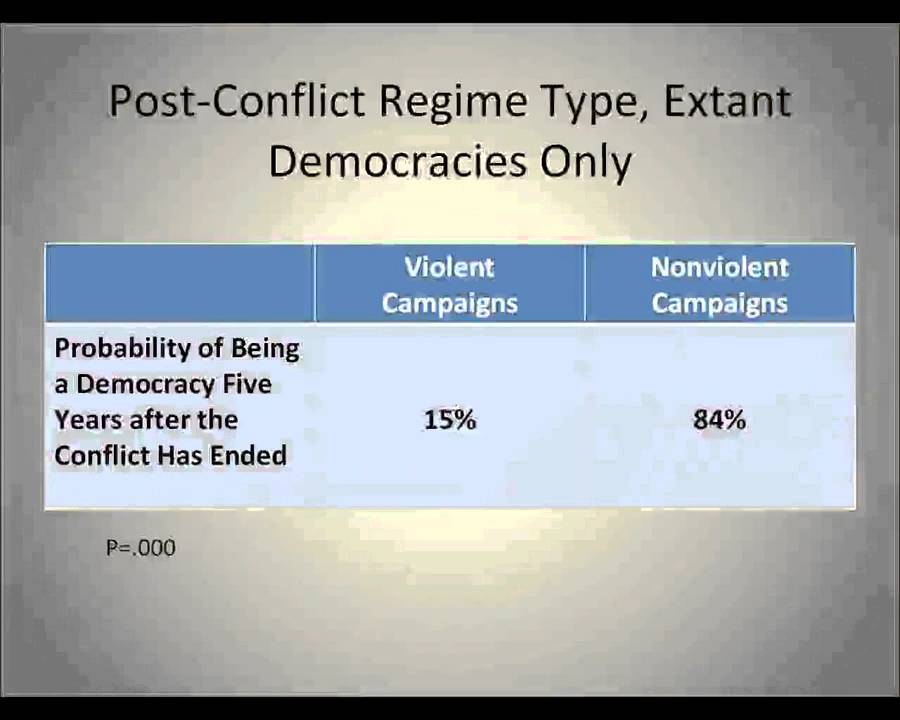
In-depth analysis of the empirical findings in 'Why Civil Resistance Works' by Erica Chenoweth and Maria J. Stephan.
Advanced strategic planning for social movements, including sequencing tactics and managing regime backlashes (the 'backfire' effect).
The role of digital organizing, cybersecurity, and countering state-sponsored disinformation in modern civil resistance.
The challenges of post-movement democratic transition and institutional design after successfully challenging authoritarian rule.
159.7K views5.3Klikes6:20Original Release: 2026-01-23
♪ ♪ >> Stephen: HEY, EVERYBODY. WELCOME BACK. LADIES AND GENTLEMEN, MY NEXT GUEST TONIGHT IS A SCHOLAR OF NONVIOLENT RESISTANCE WHO HAS WORKED WITH MOVEMENTS ALL AROUND THE WORLD AND IS THE CO-AUTHOR OF THE BOOK, "WHY CIVIL RESISTANCE WORKS." PLEASE WELCOME DR. MARIA J. STEPHAN. ♪ ♪ [CHEERS AND APPLAUSE] DOCTOR, THANKS SO MUCH FOR BEING HERE. I HAVE WANTED TO TALK TO SOMEONE AND I'M SO GLAD IT'S YOU, ABOUT THE IDEA OF NONVIOLENT RESISTANCE BECAUSE I KNEW AT SOME POINT DURING THE SECOND TIME THERE WOULD BE A REBIRTH OF OME SORT OF RESISTANT MOVEMENT TO THE OVERREACHES OF THE TRUMP ADMINISTRATION I DO KNOW PEOPLE ARE HUNGRY FOR TOOLS, WAYS TO DO THIS, ETHICAL WAYS THAT FIT WITH OUR OWN MORALS. NONVIOLENT RESISTANCE COULD DEFINITELY BE ONE OF THOSE WAYS. PEOPLE WILL RESIST AUTHORITARIANISM. LET'S TALK ABOUT THE WAYS PEOPLE CAN RESIST. YOU SPENT DECADES STUDYING NONVIOLENT RESISTANCE TO AUTHORITARIANISM. WHY IS IT THE WAY TO GO? >> Dr. Stephan: STEPHEN, THANK YOU FOR HAVING ME ON THE SHOW. WHAT A NECESSARY TIME TO BE TALKING ABOUT NONVIOLENCE AND NONVIOLENT RESISTANCE. [CHEERS AND APPLAUSE] AND YES, AND WE ARE SEEING NONVIOLENT RESISTANCE BLOSSOMING ALL ACROSS THIS COUNTRY. I AM ESPECIALLY THINKING OF MINNEAPOLIS RIGHT NOW AND MINNESOTA. THE PROFOUNDLY COURAGEOUS, TENACIOUS, DEEPLY LOVING WAYS THAT COMMUNITIES ARE ORGANIZING, PROTESTING, PROTECTING THEIR NEIGHBORS ALL USING NONVIOLENT RESISTANCE. >> Stephen: HOW WOULD YOU DEFINE NONVIOLENT RESISTANCE? >> Dr. Stephan: NONVIOLENT RESISTANCE IS A POWERFUL FORM OF COLLECTIVE ACTION. IT'S WHERE ORDINARY PEOPLE COORDINATE A RANGE OF DIFFERENT TACTICS: PROTESTS, BOYCOTTS, STRIKES, WALKOUTS, MUTUAL AID, TO DISRUPT INJUSTICE AND LIBERATE THEMSELVES FROM OPPRESSION. IT'S A WAY FROM FIGHTING BACK WITHOUT THE THREAT OR USE OF VIOLENCE. >> Stephen: WHAT CAN PEOPLE DO RIGHT NOW? WHAT IS A SIMPLE TOOL PEOPLE CAN USE? >> Dr. Stephan: YOU KNOW, I'VE GOT IN MY POCKET HERE A WHISTLE. WHAT PEOPLE ARE DOING IS THEY ARE ORGANIZING NEIGHBORHOOD GROUPS. THERE TAKING KNOW YOUR RIGHTS TRAININGS, KNOWING HOW TO INTERVENE AND ONE OF THOSE WAYS IS BLOWING A WHISTLE TO LET THEIR NEIGHBORS KNOW THAT I.C.E.
IS THERE AND THEY ARE THERE TO STAND WITH THEM AND TO DEFEND THEM. >> Stephen: CAN I GIVE IT -- >> Dr. Stephan: TAKE A TRY.
[BLOWING WHISTLE] >> Stephen: IT'S NOT ONLY A GOOD WARNING BUT IT'S ALSO CHEERFUL. I FEEL LIKE THOMAS THE TANK ENGINE HAS JOINED THE RESISTANCE. LET'S TALK ABOUT THINGS LIKE A GENERAL STRIKE. HAS AMERICA -- IT'S A VERY EUROPEAN THING TO DO TO HAVE A GENERAL STRIKE. HAS AMERICA EVER ENGAGED IN A GENERAL STRIKE QUESTIONNAIRE WE ARE NOT SHOWING UP FOR WORK TOMORROW? >> Dr. Stephan: WE'VE NEVER HAD A GENERAL STRIKE THAT I CAN SAY WHAT'S HAPPENING THIS FRIDAY ON JANUARY 23RD, THERE IS A I.C.E. OUT OF MINNESOTA DAY OF ACTION, A SHUTDOWN DAY WHERE PEOPLE WILL BE STAYING HOME FROM WORK. THEY WON'T BE GOING TO SCHOOL. THEY WILL BE REFUSING TO PARTICIPATE IN ECONOMIC ACTIVITY. [APPLAUSE] AND THEY ARE CALLING ON AMERICANS ACROSS THE COUNTRY TO SHOW SOLIDARITY. >> Stephen: ONE OF THE PROBLEMS WITH MINNESOTA RIGHT NOW IS TO HAVE PEOPLE LIKE KRISTI NOEM OR PEOPLE HEADING UP I.C.E., SAYING THAT IT'S NOT NONVIOLENT RESISTANCE. THEY ARE SAYING SOMEONE LIKE RENEE GOOD WAS ACTUALLY A THREAT TO THOSE PEOPLE OR THAT FILMING AN I.C.E.
AGENT OR THEY ARE SAYING DOCUMENTING, WHICH IS PERFECTLY LEGAL IS A FORM OF THREAT AND THEREFORE IT JUSTIFIES USE WHAT THEY SAY IS VIOLENCE AND RETURNED TO THE THREAT OF VIOLENCE FROM THESE PEOPLE. WHAT DO YOU DO WHEN YOU ARE NONVIOLENT ACTION IS PERCEIVED OF OR CALLED VIOLENT BY THE PEOPLE WHO CAN USE VIOLENCE AGAINST YOU? >> Dr. Stephan: YEAH, DECLARING PEACEFUL PROTESTERS VIOLENT OR DOMESTIC TERRORIST OR OUTSIDE AGITATORS IS WHAT AUTOCRATS ALL AROUND THE WORLD DO. THAT IS THEIR PLAYBOOK. IS TO MAKE PEOPLE FEARFUL AND TO TRY TO UNDERMINE THE LEGITIMACY OF PROTESTERS.
THAT'S THEIR GAME. AND SO WHAT ARE WE SEEING IN MINNEAPOLIS RIGHT NOW? WHAT DID WE SEE IN OUR HISTORY IN THIS COUNTRY?
THINK ABOUT THE CIVIL RIGHTS MOVEMENT. PROFOUND STATE VIOLENCE USED AGAINST PROTESTERS. THEY PREPARED, THEY TRAINED, THEY ROLE-PLAYED, THEY ORGANIZED ALL TO MAKE THAT POLITICAL VIOLENCE BACKFIRE. THINK OF SELMA. THE PEACEFUL MARCH. PEACEFUL DISCIPLINE PROTESTERS CONFRONTED THE DOGS, THE HOSES, THE RESPONSE, IT REVEALED THE CRUELTY. WHEN THE DISCIPLINE PROTESTERS WERE FACED WITH THIS FORM OF VIOLENCE. AND SO THAT'S HOW DISCIPLINE NONVIOLENT RESISTANCE CAN MAKE STATE VIOLENCE, REPRESSION BACKFIRE. AND THEY KNOW THIS.
THEY KNOW THAT NONVIOLENT RESISTANCE IS SOMETHING THEY CAN'T HANDLE. SO THEY'LL DO ANYTHING IN THEIR POWER TO UNDERMINE THE LEGITIMACY OF THESE PROTESTERS, TO CALL THEM DOMESTIC TERRORISTS, TO FOAM AND VIOLENCE SO THAT THEY CAN JUSTIFY CRACKDOWNS. PEOPLE ARE NOT TAKING THE BAIT, THEY ARE PREPARED, THEY ARE DISCIPLINED, THEY ARE TRAINED. IT IS STICKING IN MY HEAD, A QUOTE FROM REBECCA GOOD, THE WIDOW OF RENEE GOOD, WHO SAID THEY SHOW UP WITH GUNS, WE SHOW UP WITH WHISTLES. >> Stephen: WE HAVE TO TAKE A QUICK BREAK. WE'LL BE RIGHT BACK WITH MORE MARIA STEPHAN, EVERYBODY.
Up Next

46:49
Understanding Civil Resistance: Strategies, Power, and Nonviolent Action
@NonviolentConflict
1.6K views•2010-12-30

24:30
BRICS Pay and de-dollarization: A New Financial Order Emerges? | 55 chars
@DannyHaiphongYT
164.6K views•2024-10-22
7:33
Government Surveillance Methods: 10 Ways You May Be Watched
@BeAmazed
1.6M views•2017-04-09
10:19
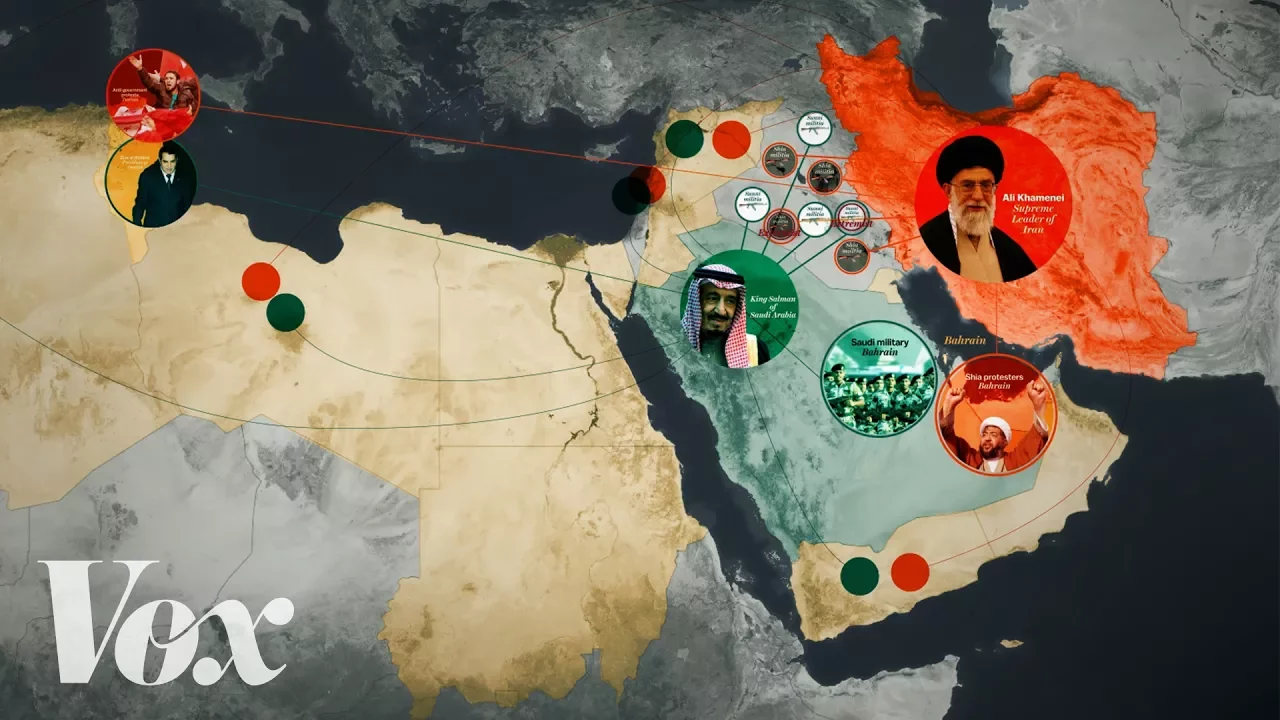
Explaining the Saudi-Iranian Proxy Conflict in the Middle East
@Vox
18.2M views•2017-07-17
Related Study Plans & Knowledge Roadmaps
Structured learning paths in Political Science
political-science
Economic Statecraft: Sanctions & Chokepoints
01Foundations of Geoeconomics and Economic Statecraft
02The Mechanics of Weaponized Interdependence
03International Sanctions: Types, Implementation, and Efficacy
+ 2 more learning modules
12h5 modules
Explore Roadmap
political-science
Central Bank Independence: Politics & Policy
01Foundations of Central Banking and Monetary Policy
02The Time Inconsistency Problem & Inflation Bias
03The Delegation Model and Designing Independence
+ 2 more learning modules
12h5 modules
Explore Roadmap
political-science
Consociationalism: Power-Sharing & Stability
01Democratic Dilemmas in Divided Societies
02Introduction to Consociational Democracy
03The Four Pillars of Consociational Design
+ 2 more learning modules
12h5 modules
Explore Roadmap
political-science
Rebel Governance: Legitimacy, Economy & State
01Foundations of Rebel Governance and Statehood
02Establishing Political Legitimacy and the Rebel Social Contract
03Wartime Economies and Rebel Resource Management
+ 2 more learning modules
14h5 modules
Explore Roadmap