
















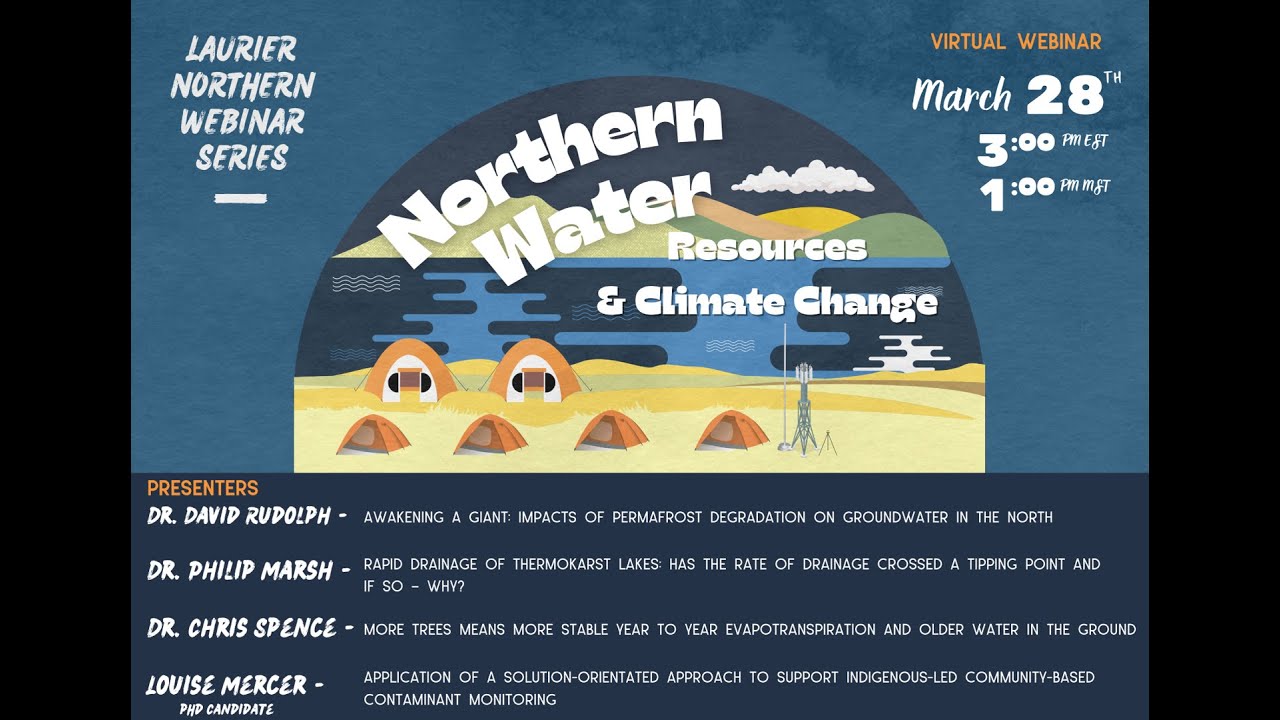

Co-management is a collaborative governance model where Indigenous peoples and governments jointly manage natural resources through shared decision-making, combining traditional ecological knowledge with scientific research to ensure sustainable use of fisheries and wildlife for present and future generations.
Co-Management of Wildlife & Fisheries in Nunatsiavut: Roles & Activities Explained
Added:Understanding the concept of 'co-management' (collaborative management) in environmental policy and natural resource governance.
Basic knowledge of Nunatsiavut's geography, history as an Inuit self-governing region in Labrador, Canada, and the significance of land claims agreements.
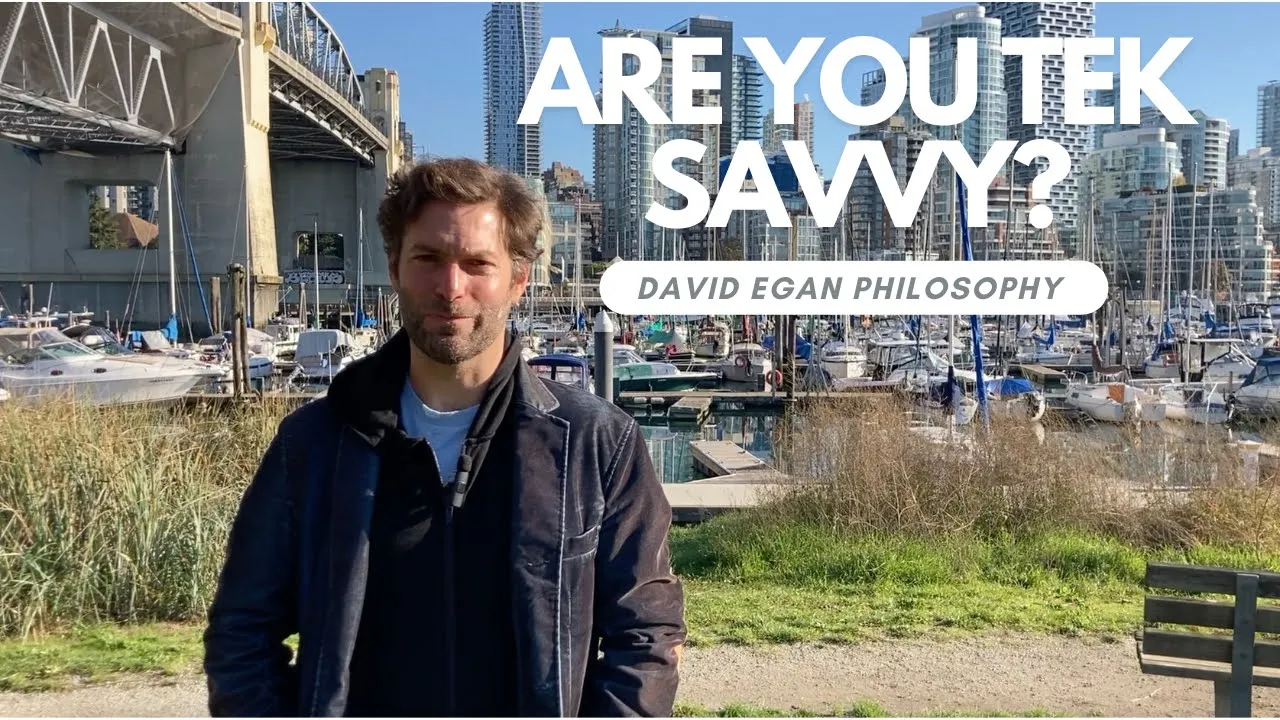
The distinction and integration of Traditional Ecological Knowledge (TEK) / Indigenous Knowledge with Western scientific research methodology.
Fundamental principles of wildlife conservation, fisheries science, and ecosystem-based management.
Analyzing specific operational case studies and decision-making processes of the Torngat Joint Fisheries Board and the Torngat Wildlife and Plants Co-Management Board.
Comparative analysis of co-management models across different global and Arctic jurisdictions, such as Nunavut, Alaska, and Greenland.
Exploring the legal and policy frameworks of Indigenous resource rights under national laws and international declarations like UNDRIP.
Studying the impact of climate change on sub-Arctic ecosystems and how co-management frameworks adapt to rapidly shifting wildlife migration and fish populations.
Developing methodologies for community-led ecological monitoring and participatory research design in northern Indigenous communities.
417 views7likes6:33Original Release: 2017-12-21
[Music] new Nazi loot our beautiful land is an area of land and coastal waters in northern Labrador about the size of Nova Scotia after 25 years of research negotiation dedication and hard work in 2005 new Nazi who became the first of the Inuit regions in Canada to achieve self-government the Labrador Inuit entered into a land claims agreement for li LCA with the Government of Canada and the government of Newfoundland and Labrador to formally share knowledge and resources a process known as cool management for fisheries plants and wildlife the Labrador Inuit land claims agreement establishes two Co management boards these boards make decisions and recommendations to help take care of new Nazi boots resources now and for future generations both boards are made up of appointees named by the new Nazi Hood government the government of canada and the government of Newfoundland and Labrador the appointees pick an independent chairperson to lead their discussions the term cat joint fisheries board or the Fisheries Board makes recommendations on the conservation and management of Fisheries this includes recommending quotas or changes to fishing seasons for areas to ensure these recommendations are informed and relevant the Fisheries Board leads research to build shared understandings of the ocean both the species within it and the people who make their livelihood from it a good example of this process comes from the snow crab fishery snow crab has emerged as a valuable source of food and employment and new Nazi boot the Fisheries board relies on fish harvesters knowledge to learn firsthand about the health of our snow crab resource important signs that indicate increase or decline in the snow crab population are noticed on the water first information like numbers of young crab the condition of their bodies and how difficult or easy the fishing is from year to year all help the Fisheries Board understand the changing aspects of the fishery the harvesters also take part in the fishery boards tagging program to estimate how many crabs there are and if they are migrating to help get a more precise idea of the condition of the snow crab fisheries the Fisheries Board conducts snow crab surveys each year the results of which give an idea of the total amount of crab on our grounds in late fall the fisheries board brings the people who participate in the fishery together with scientists managers and government at the annual nanatsu loop fisheries workshop participants are invited to share information they gathered over the season many of the important decisions for the fishery will come out of the discussions here and will form the recommendations made by the Fisheries Board to the Minister of Fisheries and Oceans the torn gap Wildlife and plants Co management board or Wildlife Management Board makes decisions on harvest levels for animals like polar bear and moose and makes recommendations to the Minister of Environment and climate change on harvest levels for caribou and migratory birds for polar bear the wildlife management board has been working with people across new not seafood people who know the polar bear best to better understand their behavior their health and their diet this traditional knowledge guides the planning of aerial surveys and together they build toward a clearer vision of the big picture people of nanatsu food have had a special relationship with caribou for thousands of years hunting and sharing continues to bring families together in new not savute by connecting elders and youth caribou connect us to our culture our communities and our ancestors the board recognizes these values and therefore caribou are a priority for the torn gap wildlife and plants coal management board how many are there where do they go how have these things changed through time why the board is working to find answers through discussion with traditional knowledge holders and through scientific research like the aerial survey and their traditional knowledge study of the torn Gap Mountains caribou herd all of the research and consultation that the boards lead are used to make decisions about conservation use and management of new Nazi boots Natural Resources the wildlife board increased the polar bear quota from six to twelve established a moose hunt in new nazi boot and has recommended conservation tools for george river caribou the Fisheries Board used the recommendation process to increase new Nazi food share of the shrimp quota assists of the new Nazi loot government in acquiring an important in short turbid quota and recommended safeguards to take care of the snow crab fishery managing wildlife and fisheries is not just a matter of knowing how many polar bears that are or how many fish managing these resources is a matter of making choices how many polar bear would you like there to be how many fish how many can a healthy ecosystem support how many can be harvested sustainably the torn gap Wildlife and plants Co management board and the torn got joint fisheries board are working to answer these important questions but we can't do it by ourselves we need your help if you have a research question let's try to answer it if you have information about Wildlife and Fisheries let's build new understandings if you have ideas about how resources should be managed let's develop a plan co-management is about teamwork so let's work together to manage and preserve our beautiful land [Music] you [Music]
Up Next
20:02
Meritocracy in Education: Myth or Reality?
@Vox
2.2M views•2021-04-02

24:30
BRICS Pay and de-dollarization: A New Financial Order Emerges? | 55 chars
@DannyHaiphongYT
164.6K views•2024-10-22
7:33
Government Surveillance Methods: 10 Ways You May Be Watched
@BeAmazed
1.6M views•2017-04-09
10:19
Explaining the Saudi-Iranian Proxy Conflict in the Middle East
@Vox
18.2M views•2017-07-17
Related Study Plans & Knowledge Roadmaps
Structured learning paths in Political Science
political-science
Economic Statecraft: Sanctions & Chokepoints
01Foundations of Geoeconomics and Economic Statecraft
02The Mechanics of Weaponized Interdependence
03International Sanctions: Types, Implementation, and Efficacy
+ 2 more learning modules
12h5 modules
Explore Roadmap
political-science
Central Bank Independence: Politics & Policy
01Foundations of Central Banking and Monetary Policy
02The Time Inconsistency Problem & Inflation Bias
03The Delegation Model and Designing Independence
+ 2 more learning modules
12h5 modules
Explore Roadmap
political-science
Consociationalism: Power-Sharing & Stability
01Democratic Dilemmas in Divided Societies
02Introduction to Consociational Democracy
03The Four Pillars of Consociational Design
+ 2 more learning modules
12h5 modules
Explore Roadmap
political-science
Rebel Governance: Legitimacy, Economy & State
01Foundations of Rebel Governance and Statehood
02Establishing Political Legitimacy and the Rebel Social Contract
03Wartime Economies and Rebel Resource Management
+ 2 more learning modules
14h5 modules
Explore Roadmap