Toxicology is the scientific study of how substances interact with living organisms, examining where chemicals go in the body, what they do, and how they leave, with the goal of understanding and preventing harm from chemical exposure while recognizing that our bodies require certain chemicals to function properly but can be disrupted by excessive or insufficient amounts of harmful substances.
Toxicology Explained: How Chemicals Affect Your Body
Added:Deep Dive
Basic human anatomy and physiology, particularly the role of excretory and metabolic organs like the liver and kidneys.
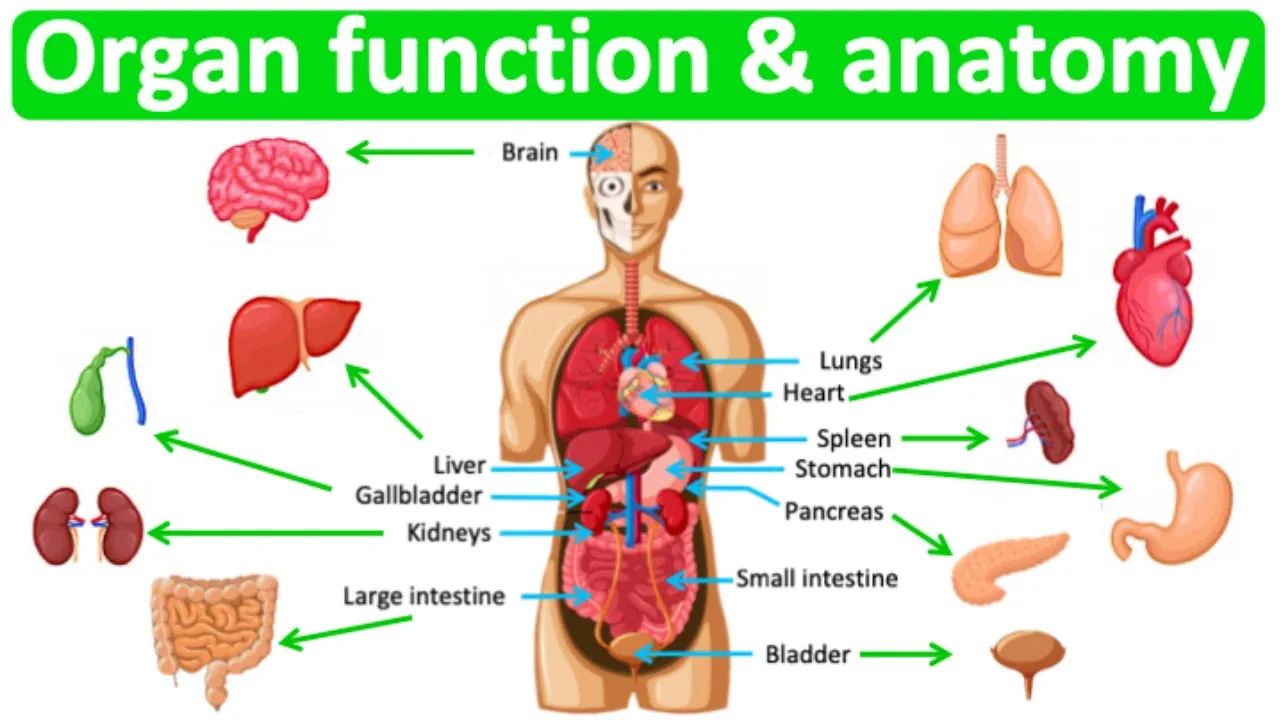
Major organ functions & anatomy 👫| Quick & easy learning video
2.1M
The liver processes blood contents, breaking down nutrients (fats, carbs, vitamins, minerals) and storing excess for later use. It detoxifies harmful substances, produces plasma proteins and clotting factors, generates cholesterol, and creates bile stored in the gallbladder for fat digestion. The spleen filters blood, removing old/damaged cells and fighting infections with white blood cells. Kidneys filter blood through millions of nephrons, excreting waste and excess fluid as urine while regulating water balance and secreting hormones for red blood cell production and blood pressure.
Click to watch →

1.7-HOMEOSTATIC FUNCTIONS OF LIVER ||CHAPTER 1-HOMEOSTASIS || SECOND YEAR BIO
77.5K
Excretion is the removal of unwanted metabolic byproducts including excess water, nitrogenous waste, and harmful substances. The body has three main excretory organs: kidneys (primary), liver (assists in processing nitrogenous waste), and skin (minor role through sweating). The liver, located in the upper right abdomen beneath the diaphragm, is the largest gland and serves as a metabolic center. It regulates blood glucose by storing glycogen and releasing glucose through glycogenolysis. When glycogen is depleted, the liver converts amino acids into glucose through gluconeogenesis. The liver also produces essential plasma proteins (albumin, fibrinogen, globulins) and performs deamination, removing amino groups from amino acids to form ammonia.
Click to watch →
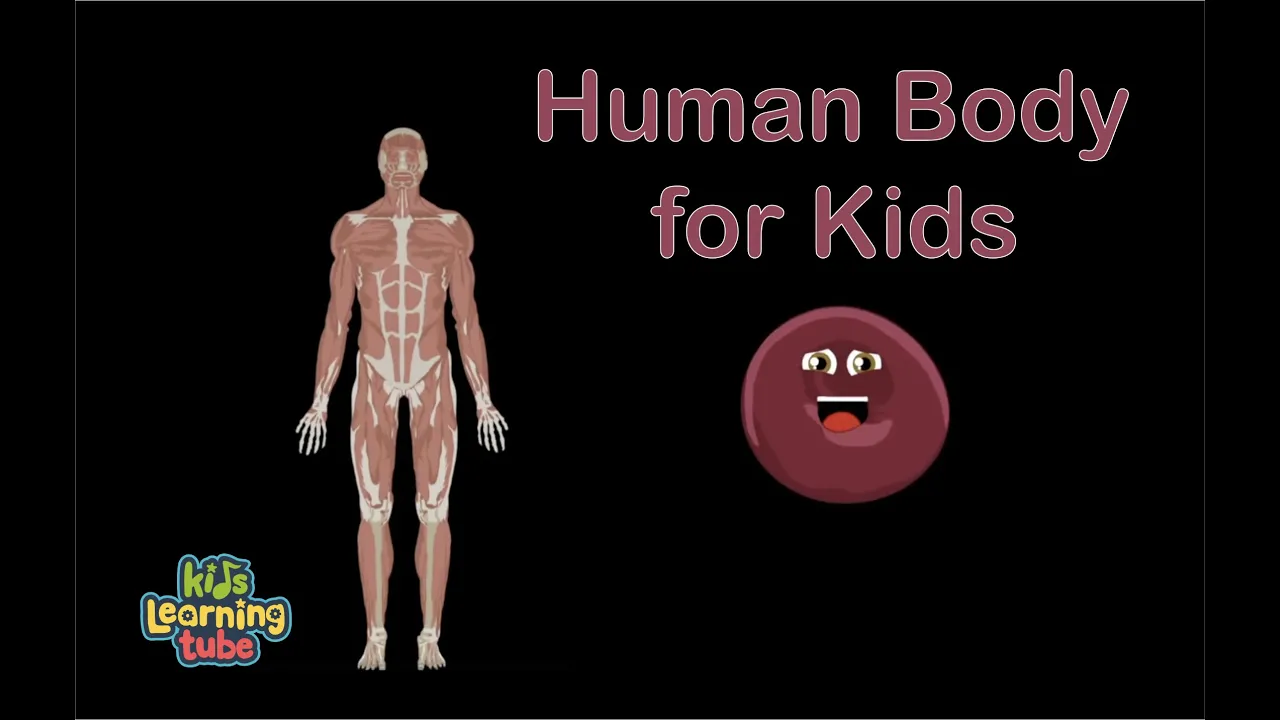
Human Body /Anatomy Song /Human Body Systems
3.3M
Liver: largest organ performing over 500 functions simultaneously, produces bile for fat digestion, filters toxins, stores 10% of blood supply, regenerates to full size, converts carbs to glucose for energy. Gallbladder: stores bile from liver, releases through common bile duct when food enters duodenum. Pancreas: 6-inch organ behind stomach, produces digestive enzymes (exocrine) and hormones insulin/glucagon (endocrine) to regulate blood sugar. Kidneys: bean-shaped organs filtering blood; each contains ~1 million nephrons; blood enters via renal arteries from aorta, filtered through nephrons, waste travels to renal pelvis → ureters → bladder → elimination; produce hormones for red blood cell production and regulate body fluids/nutrients.
Click to watch →

Class - 7 | Science Excretory System | Railway ALP Tech. JE & Group D विराट Batch | Neeraj Sir
624.9K
Excretion is the process by which the body eliminates waste materials produced during metabolism. The excretory system consists of multiple organs working together to remove waste. Key excretory organs include the lungs (eliminate carbon dioxide), skin (eliminates sweat), liver (converts ammonia to urea), and kidneys (filter blood and produce urine). All organisms produce nitrogenous waste from protein metabolism. Three forms exist: (1) Ammonia - highly toxic, requires abundant water, excreted by aquatic organisms like fish (ammonotelic), (2) Urea - moderately toxic, requires moderate water, excreted by mammals and amphibians (ureotelic), (3) Uric acid - least toxic, excreted as semi-solid paste with minimal water, used by insects, reptiles, and birds (uricotelic). The human excretory system consists of four main organs: (1) Kidneys - filter blood and produce urine, located in the abdominal cavity on either side of the spine, (2) Ureters - transport urine from kidneys to bladder, (3) Bladder - stores urine (capacity 500-600ml), (4) Urethra - eliminates urine from the body. Each kidney weighs 120-170 grams, has a bean-like shape, and measures 10-12 cm in length, 5-7 cm in width, and 2-3 cm in thickness. The functional unit of the kidney is the nephron, which filters blood and forms urine. The primary function of the kidneys is to filter blood and remove waste products, maintaining blood composition and overall body health.
Click to watch →

💤Science For Sleep💤'The Human Body'💤Bedtime Story For Grown Ups💤Sleep Story
63K
The body's excretory and metabolic systems work in harmonious coordination to maintain balance and eliminate waste. The large intestine is shorter than the small intestine (about 1.5 meters) but wider, bolder, and more dramatic. The large intestine has several parts: the cecum (welcoming hall where the small intestine hands off goods), ascending colon (marching everything upward like a dramatic elevator ride), transverse colon (the horizontal runway strutting from right to left, soaking up water and electrolytes), descending colon (the slow descent), sigmoid colon (curvy, classy, preparing for release), rectum (the stage, the spotlight, the final scene), and anus (the velvet curtain, the grand exit). The large intestine's job isn't digestion—that's old news. Its role is reclamation, extraction, restoration. It absorbs water, electrolytes, and vitamins like B7 (biotin) and vitamin K. It's the Marie Condo of the gut, asking 'Does this spark nutritional joy?' and if not, wrapping it up in dignity and preparing it for final exit. It's the mistress of letting go. The colon is a host to trillions of bacteria known as the gut microbiome—a bustling metropolis of tiny tenants who work, ferment, break down fiber, and produce gases. It's a city, a garden, a quiet bubbling factory. It's alive. When it's done, it transforms waste into something solid, compact, and ready to leave. The large intestine is deeply connected to emotions—ever had a gut feeling, nervous tummy, or stress poop situation? That's the enteric nervous system—the second brain embedded in the walls of the intestines. It senses, responds, and feels. When anxious, it tightens; when relaxed, it flows; when grieving, it slows; when joyful, it rejoices. It's in sync with the soul. Every movement through its halls is a reminder that something no longer serves us. It doesn't rush, panic, or hold on forever—it waits until everything is ready, until the moment is right, then lets it all go in one gentle push. A sigh of relief, a moment of clarity. It teaches that release timed and chosen is an act of self-love. The liver doesn't ask for attention, sparkle on posters, or get poetic love songs—but it is everything. Nestled quietly beneath the right rib cage, it weighs about 1.5 kg, roughly the size of a football. It's the largest solid organ in the body. It doesn't beat or breathe but never rests. It's a master chemist, silent healer, golden goddess with a passion for multitasking and zero time for drama. The liver is organized like a five-star lab and spa retreat rolled into one—made up of lobes, lobules, and over 100,000 tiny hexagonal units, each a busy little workstation. It gets 25% of blood flow every minute—blood practically sprints to the liver like 'Hey girl, help me out.' It does every time without a single eye roll. The liver's most iconic role is detoxification—when we eat, drink, or inhale anything sketchy (alcohol, meds, chemicals, that mystery burrito at 2 a.m.), the liver filters out toxins using enzymes like cytochrome P450, breaking them down into safer compounds. It's also the queen of glucose control—when blood sugar's high, it stores excess as glycogen; when low, it breaks it back down and releases it. It runs the pantry of the body. The liver produces bile—a glamorous yellow-green digestive juice that helps emulsify fats, breaking them into smaller droplets so the intestine can absorb them. It sends bile to the gallbladder for storage. When we eat that cheesy slice of pizza, bile is released like a spicy backup dancer. The liver also helps regulate insulin, manage cholesterol, and balance fat. The liver can regenerate like full-on grow back. If we lose 70% of it, it can rebuild itself. It's the only internal organ with this level of regeneration—Wolverine could never. It heals not just us but itself. No one writes love songs to the liver, but it should—because it's always working, cleaning up our messes, balancing hormones, storing vitamins, fighting off infections, and keeping blood pure. It doesn't complain—it just keeps going. Even when tired, when we forget it, when we're one drink too deep and dancing like a goblin, it's still there, loving us, protecting us. Every great kingdom has its guardians—our body is no exception. Hidden in the shadowed curve of the lower back, where spine meets softness and ribs tiptoe into rest, live two quiet sentinels. They do not thump, breathe, or glow on medical drama shows, but they are always there behind the scenes, filtering the tides of blood like sacred river spirits. These are the kidneys—twin bean-shaped beauties, elegant, tireless, pure. Inside each kidney is a galaxy—not metaphorically, actually. Each kidney contains about 1 million nephrons. A nephron is a magical noodle made of science and empathy, made up of two main parts: the glomerulus (a tangled knot of microscopic capillaries where blood enters and is filtered) and the renal tubule (where reabsorption happens). Blood enters and the glomerulus whispers, 'Let's see what you've got.' It filters plasma, letting through water, electrolytes, urea, amino acids, and glucose—but not red blood cells (too big) or proteins. The renal tubule then reabsorbs what we actually need: water, glucose, amino acids. Urea goes to the pee pile. Every milliliter is examined with obsessive precision. This isn't just filtration—it's discernment, alchemy. The kidneys are in constant communication with the blood. Too much salt—they remove it. Too little water—they hold on to it. Too much potassium—they flush it. Too many margaritas—they'll try. Through this balance, they manage blood pressure via renin and aldosterone. Electrolytes like sodium, calcium, potassium, chloride, fluid levels, and acid-base balance (pH) are all monitored. They are internal peacekeepers, little monks in bean form. The kidneys are also part-time endocrine queens. Erythropoietin (EPO) is produced when oxygen levels dip, stimulating red blood cell production—literally helping us breathe better by nudging the bone marrow. Calcitriol is the active form of vitamin D, converted by the kidneys to allow calcium absorption and keep bones strong. They're bone moms, blood whisperers, doing the most with zero credit. Once filtered, urine is gently ushered down the ureters to the bladder. This isn't a dump—it's an escort service. Smooth muscle contractions called peristalsis move the fluid downward, like a VIP guest being shown to their room by velvet rope staff. The kidneys filter around 50 gallons of blood a day and produce one to two liters of urine all while we scroll YouTube or nap with our mouth open. In many traditions, the kidneys are believed to hold fear and courage—they're considered the seat of ancestral energy, deep will to live, quiet strength. In Chinese medicine, they're the
Click to watch →
Deep Dive
Fundamental chemistry principles, including molecular structures, chemical bonding, and the difference between organic and inorganic compounds.

Third year of secondary school || Organic Chemistery || E 02 || Dr Sherif Khaled
3.8K
This comprehensive section covers the 10 key differences between organic and inorganic compounds: (1) Solubility - organic compounds are insoluble in water but soluble in organic solvents like benzene, while inorganic compounds are soluble in water; (2) Melting/boiling points - organic compounds have low melting/boiling points (like wax), while inorganic compounds like water have high melting/boiling points; (3) Combustibility - organic compounds are combustible and produce water and carbon dioxide when burned, while most inorganic compounds are non-combustible; (4) Odor - organic compounds typically have characteristic odors, while inorganic compounds like water have no odor; (5) Electrical conductivity - organic compounds are poor conductors because they are not ionizable, while inorganic compounds are good conductors; (6) Chemical composition - organic compounds contain carbon as their basic skeleton, while inorganic compounds may contain carbon but are not classified as organic; (7) Bonding - organic compounds contain only covalent bonds, while inorganic compounds contain both covalent and ionic bonds; (8) Reaction rate - organic compounds undergo slow reactions between large molecules, while inorganic compounds undergo fast reactions between ions; (9) Polymerization - organic compounds can undergo polymerization (small molecules joining to form larger compounds), while inorganic compounds cannot; (10) Isomerism - organic compounds can have the same molecular formula but different structural formulas, resulting in different properties. The section also covers molecular formulas, structural formulas, valency of common atoms (H=1, C=4, N=3, O=2, halogens=1), and molecular models.
Click to watch →

1 SAATTE Organik Kimya HIZLI TEKRAR
131.4K
Organic compounds are carbon-based compounds derived from living organisms, while inorganic compounds are mineral-based. Organic compounds generally have slow, multi-step reactions requiring high energy, low melting/boiling points, characteristic odors, and are flammable. They typically have covalent bonds. Inorganic compounds have faster, single-step reactions requiring less energy, higher melting/boiling points, and are generally not flammable. They typically have ionic bonds. The vast number of organic compounds compared to inorganic compounds is due to carbon's unique ability to form single, double, and triple bonds, allowing multiple carbon atoms to connect in various configurations.
Click to watch →
01⚗️ | Curso Completo de Química Orgánica | AcademiaPack🧬
127K
Inorganic chemistry studies all elements and their structures, while organic chemistry focuses on carbon compounds with hydrogen, oxygen, and nitrogen. Inorganic compounds use ionic bonds between metals; organic compounds use covalent bonds between non-metals. Inorganic compounds are stable; organic compounds decompose easily. Ionic compounds dissolve in polar solvents and conduct electricity; covalent compounds dissolve in non-polar solvents and don't conduct. Inorganic compounds have simple structures with low molecular weight; organic compounds have complex branched structures with high molecular weight. Isomerism is common in organic chemistry but rare in inorganic. Inorganic reactions are rapid and violent; organic reactions are slow.
Click to watch →

Начинаем учить органическую химию | ЕГЭ
12.2K
Organic compounds have been used since ancient times, including wine (ethanol from fermentation), indigo dye, soap, petroleum, natural rubber, and sugar. Organic chemistry is defined as the chemistry of carbon compounds, with carbon being the essential element. Carbon atoms have unique properties: they bond with each other to form chains and structures, and can form single, double, and triple bonds with other elements like oxygen and nitrogen. Organic compounds primarily consist of carbon, hydrogen, oxygen, nitrogen, sulfur, phosphorus, and halogens, while inorganic compounds can contain any element from the periodic table. Organic compounds are primarily of molecular structure, while most inorganic compounds have ionic or metallic structure. Most organic compounds are combustible, while most inorganic compounds are not. Organic chemistry forms the basis of living nature (plants, animals, bacteria), while inorganic chemistry deals with non-living matter. There is no absolute boundary between organic and inorganic compounds in nature, as they can interconvert through processes like photosynthesis and combustion. Alexander Butlerov developed the theory of organic compound structure, explaining that atoms arrange in specific sequences according to valence. Carbon atoms always have a valence of 4, forming exactly four bonds. Isomerism is a phenomenon where compounds have the same chemical composition but different molecular structures and properties. In organic chemistry, molecular structure determines properties, and properties can help determine structure. Organic compounds are classified into three main groups: hydrocarbons (containing only carbon and hydrogen), oxygen-containing compounds, and nitrogen-containing compounds. Hydrocarbons are further classified as saturated (single bonds only) or unsaturated (double or triple bonds). Cyclic hydrocarbons have closed ring structures, while aromatic hydrocarbons like benzene have particularly stable ring structures with delocalized electrons. Organic compounds (except hydrocarbons) consist of a hydrocarbon radical and a functional group that determines the compound's class and properties. Important functional groups include hydroxyl (-OH) for alcohols, nitro (-NO2) for nitro compounds, carboxyl (-COOH) for carboxylic acids, and amino (-NH2) for amines.
Click to watch →

Organik kimyo. Krish 1-qisim
184
Organic chemistry studies carbon-containing compounds formed with hydrogen, oxygen, nitrogen, sulfur, phosphorus, and halogens. Organic compounds must contain carbon; substances without carbon are inorganic. Some carbon-containing compounds like carbon dioxide, carbonic acid, and carbon disulfide are classified as inorganic. Allotropes of carbon (diamond, graphite) are also inorganic. The term 'organic chemistry' was coined by Berzelius. Organic compounds differ from inorganic compounds in six ways: (1) predominantly covalent bonding vs. ionic/metallic bonds; (2) molecular crystal lattices vs. atomic/metallic/ionic lattices; (3) lower melting/boiling points; (4) flammability; (5) slower reactions; (6) mostly non-electrolytes. Isomerism is a key feature where compounds with the same molecular formula can have different structures.
Click to watch →
Deep Dive
Cell biology basics, specifically how cell membranes regulate the entry and exit of foreign substances.

Cell Chapter MCQs | Class 11 Biology | Top 30 Questions for Board & NEET 2025 || Pritiojha
173
The cell membrane (plasma membrane) regulates the entry and exit of substances into and out of the cell. It is selectively permeable, allowing some substances to pass through while blocking others. This selective permeability is essential for maintaining cellular homeostasis.
Click to watch →
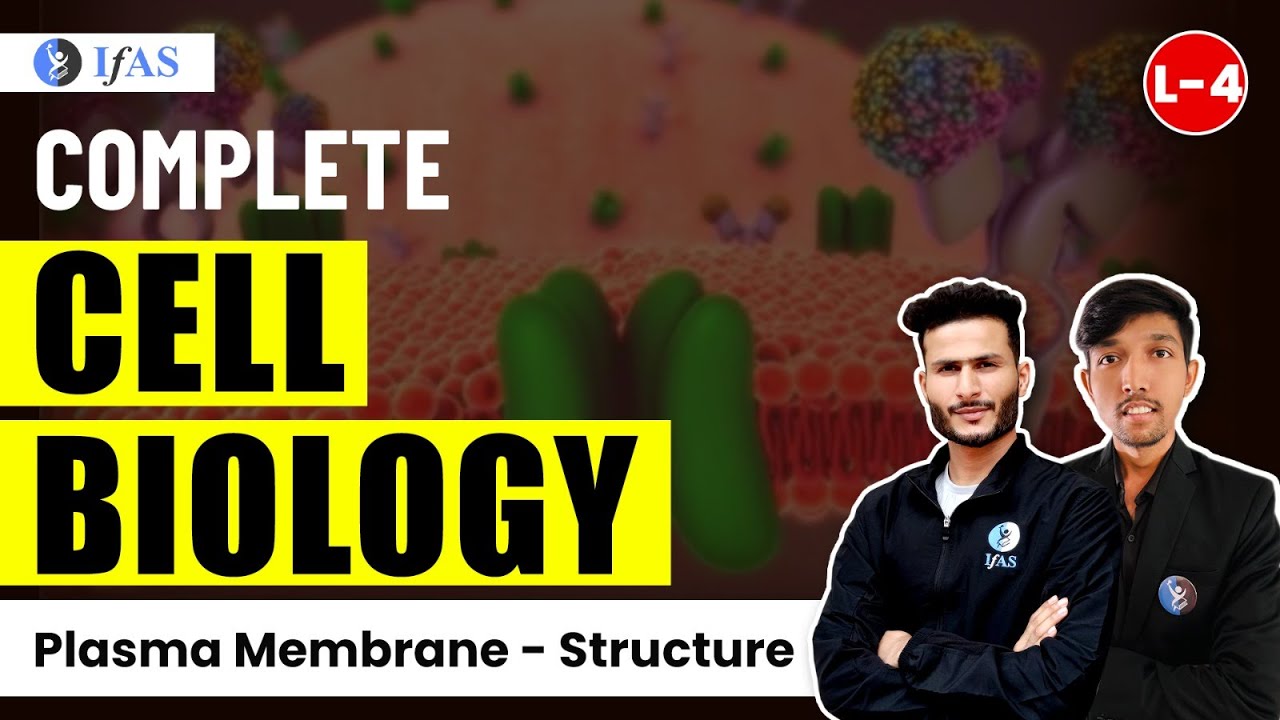
Cell Biology for IIT JAM / GAT B / CUET PG - Plasma Membrane - Structure | L4 | IFAS
8.7K
The plasma membrane regulates the entry and exit of substances into and out of the cell. This regulation occurs through selective permeability and specialized transport mechanisms, ensuring that only appropriate molecules can cross the membrane at any given time.
Click to watch →

Top 100 Mcqs on Cell Membrane. (Part: 02)
133
The cell membrane controls entry and exit of substances, serving as a selective barrier that maintains cellular homeostasis by regulating what passes through.
Click to watch →

Railway Group D 2026 | RRB Group D Science Cell Class | by Neeraj Mam
14.2K
Cell membrane (plasma membrane) regulates the entry and exit of molecules into and out of the cell. It acts as a selective barrier that allows certain substances to pass while preventing others from entering or leaving the cell.
Click to watch →

🔥 BCECE 2026 Biology | Nursing / Paramedical Entrance | Complete Preparation
365
The cell membrane controls the entry and exit of substances into and out of the cell. It acts as a gatekeeper, allowing some substances to pass while blocking others.
Click to watch →
Deep Dive
The mathematical concept of concentration and dosage, such as understanding ratios like parts-per-million (ppm) and mass-to-volume measurements.

Unidades físicas de concentración, peso a peso, peso a volumen, partes por millón.
152.9K
Parts per million (ppm) is used for extremely dilute solutions where percentages yield impractically small values. It represents parts of solute per million parts of solution. Two types exist: mass/mass (mg solute per kg solution) and mass/volume (mg solute per liter of solution). For mass/volume ppm: (mass of solute in mg / volume of solution in L) × 1000. For example, with 4mg fluorine in 500mL water: convert to 0.5L, then (4/0.5) × 1000 = 8 ppm.
Click to watch →

D 109 Test 4, Day 19, concentration calculations, dilution, osmosis CC
160
Volume/volume percent is used for alcohol solutions (e.g., 70% rubbing alcohol means 70 mL alcohol per 100 mL solution). Percent concentrations serve as conversion factors in dimensional analysis. Drug dosing often uses mass/mass concentration (e.g., 0.5 mg/kg). To calculate doses, convert weight to kilograms first, then apply the concentration. Parts per million (ppm) measures very small concentrations, similar to percent but multiplied by one million. For example, 26 ppm means 26 grams per 1 million grams. The units must be consistent (mass/mass or volume/volume).
Click to watch →
Solution (विलयन) Part-3 | Chemistry #18 | For Lab Assistant |Dr. Mahendra Singh Sir |Utkarsh Classes
110.2K
Parts Per Million (PPM) is a concentration unit used for extremely dilute solutions where the amount of solute is very small compared to the solvent. It represents the number of parts of solute per million parts of solution. PPM is essential in three main fields: pharmaceuticals (measuring drug components in milligrams), environmental pollution (measuring atmospheric pollutants like CO2 and SO2), and water quality standards (measuring chloride, fluoride, copper, nitrate, BOD, COD, and DO). The formula for PPM can be expressed as mass/mass, mass/volume, or volume/volume, with mass-based formulas preferred as they are temperature-independent. One PPM equals 1 mg/L, facilitating conversion between concentration units.
Click to watch →

Concentration & Concentration Terms by Sumant Sir | Class 12th Chemistry | Chapter 1 | CHSE Odisha
2.2K
Mass by volume percentage expresses concentration as grams of solute per 100ml of solution, calculated as: Mass/Volume Percent = (Mass of Solute in grams / Volume of Solution in ml) × 100. For example, 20g of H2SO4 in 500ml solution gives 4% mass/volume. Parts per million (PPM) is used for very dilute solutions, calculated as: PPM = (Mass of Solute / Mass of Solution) × 10^6. PPM is commonly used for measuring pollutants like carbon monoxide or sulfur dioxide in air or water.
Click to watch →
![PARTES por MILLÓN [Explicación Fácil]](https://i.ytimg.com/vi_webp/-yKONk8Owog/maxresdefault.webp)
PARTES por MILLÓN [Explicación Fácil]
4.1K
Parts per million (ppm) measures concentration as substance units per million total units. For solids and liquids, ppm = (mass of solute / mass of solution) × 1,000,000. For gases, ppm = (volume of solute / total volume) × 1,000,000. Examples: 8.5 ppm mercury in fish means 8.5 kg per million kg; 5 ppm CO2 in air means 5 liters per million liters. Converting units is essential: 20 mg = 2 × 10^-5 kg, and 5 m³ water = 5,000 kg (since 1 m³ = 1,000 L and 1 L water = 1 kg).
Click to watch →
Prerequisite Knowledge
- Concept 01Basic human anatomy and physiology, particularly the role of excretory and metabolic organs like the liver and kidneys.
- Concept 02Fundamental chemistry principles, including molecular structures, chemical bonding, and the difference between organic and inorganic compounds.
- Concept 03Cell biology basics, specifically how cell membranes regulate the entry and exit of foreign substances.
- Concept 04The mathematical concept of concentration and dosage, such as understanding ratios like parts-per-million (ppm) and mass-to-volume measurements.
Subsequent Learning
- Step 01The principles of Pharmacokinetics and Pharmacodynamics, specifically ADME (Absorption, Distribution, Metabolism, and Excretion).
- Step 02Regulatory toxicology and risk assessment, including how agencies like the EPA and FDA calculate safety margins, reference doses, and LD50 values.
- Step 03Environmental toxicology and ecotoxicology, exploring bioaccumulation, biomagnification, and the impact of pollutants on ecosystems.
- Step 04Clinical and forensic toxicology, detailing how toxic substances are diagnosed, treated, and chemically identified in biological samples for legal or medical purposes.
Chemical Balance
Toxicology's Role
Chemical Balance
0:00Playing Section
- 1
Life requires managing exposure to both natural and synthetic chemicals.
- 2
Internal balance is essential; disruption can lead to health problems.
The Endocrine Disruption Hypothesis and Non-Monotonic Dose-Responses
Traditional toxicology is anchored in the Paracelsian paradigm that 'the dose makes the poison,' assuming that risk decreases predictably as chemical exposure declines. However, research into endocrine-disrupting chemicals (EDCs) challenges this foundational belief through the concept of non-monotonic dose-response curves (NMDRCs). This phenomenon demonstrates that some chemicals can cause severe adverse biological effects at extremely low doses (similar to natural hormone levels), while exhibiting different or even negligible effects at much higher doses. Critics of conventional toxicology argue that standard safety testing—which relies on testing high doses and extrapolating downward to find 'safe' thresholds—fails to capture these low-dose effects. Furthermore, opponents advocate for the precautionary principle, arguing that traditional risk assessment underestimates the dangers of cumulative 'cocktail effects' of multiple daily chemical exposures, particularly during sensitive developmental windows like pregnancy and infancy.
Deep Dive
The principles of Pharmacokinetics and Pharmacodynamics, specifically ADME (Absorption, Distribution, Metabolism, and Excretion).
KDT Pharmacology Chapter 2 and 3 | Pharmacokinetics - ADME
104
Pharmacokinetics is the quantitative study of drug movement through and out of the body, abbreviated as ADME (Absorption, Distribution, Metabolism, Excretion). This field focuses on what the body does to the drug, in contrast to pharmacodynamics which studies what the drug does to the body. Pharmacokinetics serves as the connective tissue linking the total amount of drug administered to the concentration at the site of action, determining whether a medication works, how long it lasts, and what dose should be prescribed. The journey begins with absorption, where drugs move from their dosage form into general circulation.
Click to watch →
Pharmacokinetics: Absorption, Distribution, Metabolism & Excretion
122.3K
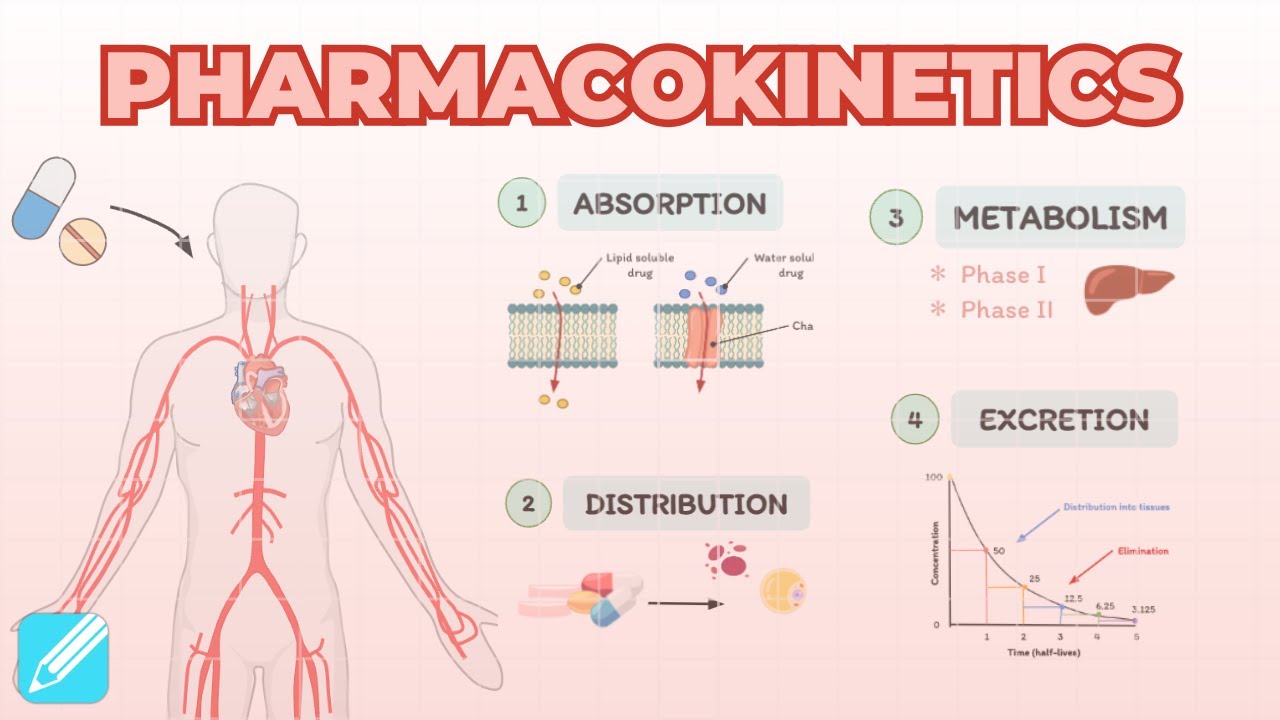
Pharmacokinetics describes how the body processes drugs through four interconnected phases: Absorption (entry into circulation via routes like oral, IV, or transdermal), Distribution (spread to tissues influenced by membrane permeability and protein binding), Metabolism (conversion to metabolites in Phase I via oxidation/reduction and Phase II via conjugation), and Excretion (elimination primarily through kidneys). Key concepts include bioavailability (fraction of dose reaching systemic circulation), first-pass effect (metabolism reducing oral drug availability), volume of distribution (relating drug amount to plasma concentration), and elimination kinetics (zero-order vs first-order elimination determining half-life and steady-state achievement).
Click to watch →

Pharmacokinetics 1 - Introduction
1.1M
The acronym ADME represents the four essential elements of pharmacokinetics: Absorption (how the drug enters the body), Distribution (where the drug goes within the body), Metabolism (how the body chemically modifies the drug), and Excretion (how the body eliminates the drug). These four processes must be considered when analyzing the pharmacokinetics of any drug.
Click to watch →

Intro to Pharmacology & Drug Drills
143
Pharmacokinetics describes what the body does to drugs through four key processes: Absorption (entry into systemic circulation), Distribution (spread throughout body and protein binding), Metabolism (chemical modification by enzymes creating active or inactive metabolites), and Excretion (removal from body). These ADME principles determine drug concentration at the site of action, with the goal of achieving the right amount to produce intended effects without causing harm or being ineffective.
Click to watch →

General Pharmacology (Part-1) For 2nd Year MBBS by Dr. Ankit Kumar | Essential Batch
153.4K
This comprehensive introduction covers the foundational concepts of pharmacology. The course is divided into General Pharmacology (covering fundamental concepts exclusive to pharmacology like pharmacokinetics and pharmacodynamics) and Systemic Pharmacology (dealing with specific body systems). General Pharmacology is further divided into three parts: Pharmacokinetics (what the body does to drugs), Pharmacodynamics (what drugs do to the body), and topics related to drugs including how drugs are made, clinical trials, types of drugs, side effects, and adverse drug reactions. Pharmacokinetics is also known as ADME study, which stands for Absorption, Distribution, Metabolism, and Excretion. Absorption is the process by which a drug crosses cellular barriers to reach systemic circulation. Distribution is how the drug moves from the heart to various organs. Metabolism converts drugs into water-soluble forms so they can be excreted. Excretion removes drugs from the body. Metabolism and excretion together are called elimination. Three primary pharmacokinetic parameters are: Bioavailability (BA) - how much drug enters the blood, Volume of Distribution (VD) - distribution parameter, and Clearance (CL) - power of the body to eliminate a drug. These three parameters are used to calculate other pharmacokinetic parameters like loading dose, maintenance dose, and half-life.
Click to watch →
Deep Dive
Regulatory toxicology and risk assessment, including how agencies like the EPA and FDA calculate safety margins, reference doses, and LD50 values.

アリエナイ夜の授業
23.2K
Toxicology measures drug safety using three key dose metrics: (1) ED50 (Effective Dose 50) - the dose that produces the desired therapeutic effect in 50% of the population; (2) TD50 (Toxic Dose 50) - the dose that causes toxic effects (side effects) in 50% of the population; (3) LD50 (Lethal Dose 50) - the dose that causes death in 50% of the population. For aspirin, approximately 3.5g (10 tablets) causes stomach pain in about half of people (TD50), while doses around 10g or more can be fatal (LD50). The therapeutic index is the ratio between TD50 and ED50 - a wide therapeutic index indicates a safer drug. An ideal drug has a wide therapeutic index, meaning the effective dose is far below the toxic dose, creating a safety margin where the drug works effectively without causing harmful side effects.
Click to watch →

NCF Dr Rima Laibow Codex Alimentarius and the Nazi Agenda 21 depoulation plan
81K
Risk assessment determines safety margins by first finding the dose that kills 50% of test animals (LD50), then extrapolating to humans. Researchers then determine the maximum dose showing no discernible impact on animals and divide this by 100 to establish safety margins. Codex applies this methodology to nutrients, resulting in extremely low upper limits. The ratified vitamin and mineral guideline includes only 18 nutrients (excluding CoQ10, glucosamine, and chondroitin sulfate) with tiny doses determined to have no effect on humans.
Click to watch →
M3I MoDRN Toxicology Dose Response
66.8K
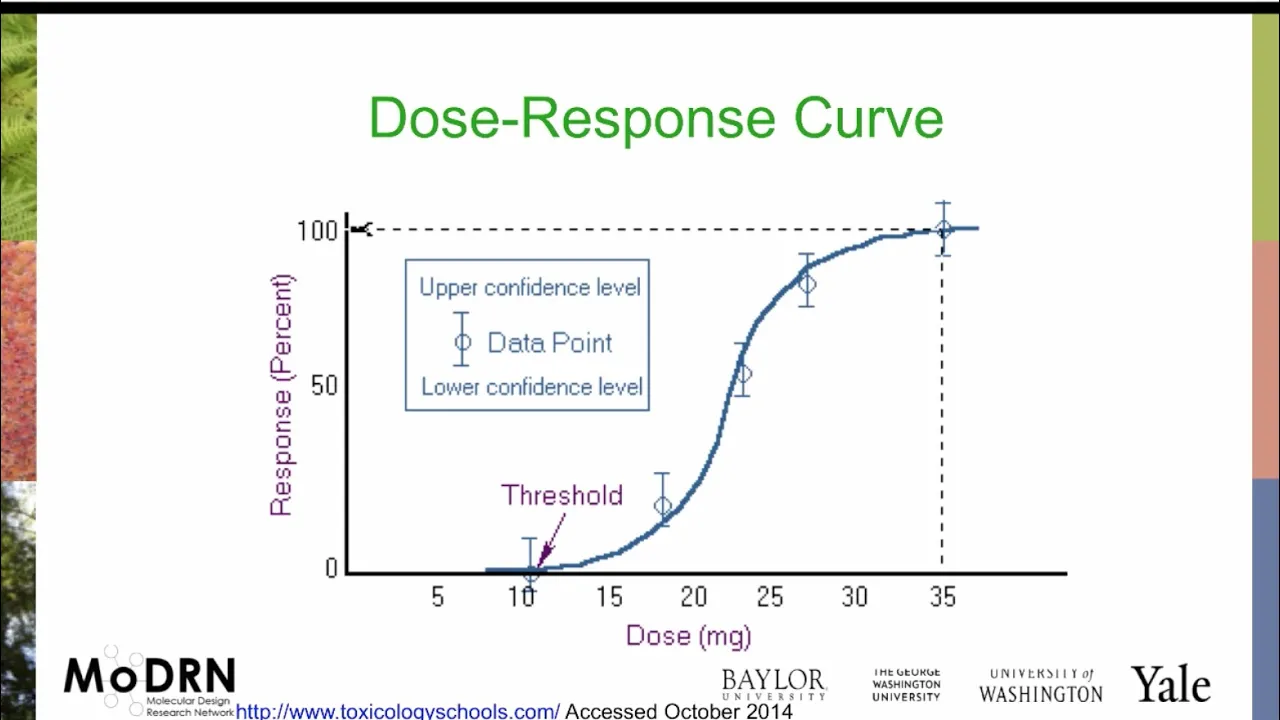
Dose-response curves are fundamental tools in toxicology that establish causality between chemical exposure and observed effects by plotting percentage response against dose levels; they determine the lowest dose at which effects occur (threshold), the slope indicating injury accumulation rate, and enable comparison of substance toxicity (e.g., LD50 values showing ethyl alcohol at 10,000 mg/kg versus nicotine at 1 mg/kg); regulatory standards use NOAEL (No Observed Adverse Effect Level) and LOAEL (Lowest Observed Adverse Effect Level) data points, divided by uncertainty factors (typically 10-10,000) to calculate reference doses for acceptable exposure levels.
Click to watch →
MCQs Toxicology #pharmacology #zp_aarogysevka_bharti #pharmacy
169
This section covers methods for assessing chemical toxicity and safety. LD50 is the dose at which 50% of test animals die, calculated from dose-response curves. Effective dose (ED50) is the dose producing response in 50% of test animals. Therapeutic index equals LD50/ED50, with higher values indicating safer drugs. The margin of safety formula is TD1/ED99. Selective toxicity depends on transport differences, biochemical differences between cells, and cytological differences between male and female neurons, but not plant versus animal cell differences. Regulatory toxicology protects public health primarily through controlled laboratory animal studies before human trials. NOAEL represents the highest dose with no observed adverse effects.
Click to watch →

عملي أدوية- الجلسة الأولى: تطوير دواء جديد
239
The LD50 calculation uses the formula: LD50 = D - (Σ(a × b) / N), where D is the dose that killed all animals, a is the dose interval, b is the average number of deaths between consecutive doses, and N is the average number of animals per dose group. This method allows calculation without testing many animals. The LD50 value differs between species and administration routes, which is important for predicting human toxicity.
Click to watch →
Deep Dive
Environmental toxicology and ecotoxicology, exploring bioaccumulation, biomagnification, and the impact of pollutants on ecosystems.

Functions of an Ecosystem (Chapter - 2) | Environment & Ecology | In English | UPSC | GetintoIAS
106.6K
Bioaccumulation is the increase in pollutant concentration within a single organism or trophic level. Biomagnification describes how pollutant concentrations increase progressively through food chains. For biomagnification to occur, pollutants must be long-lived, mobile, fat-soluble, and biologically active. Non-degradable pollutants like plastics enter ecosystems and accumulate through trophic levels, reaching dangerous concentrations in top carnivores despite starting from low environmental concentrations.
Click to watch →

Our Environment in One Shot: FULL CHAPTER || Warrior 2026 || Class 10 Science Chapter 13
1.2M
Bioaccumulation is the accumulation of toxic substances in an organism's body over time. Biomagnification is the increase in toxin concentration as substances move up the food chain. Non-biodegradable chemicals like DDT, mercury, and pesticides accumulate in organisms and become more concentrated at higher trophic levels. Top predators (including humans) have the highest toxin concentration. This phenomenon occurs because toxins are not broken down and accumulate in body tissues. The 10% energy transfer law applies to toxins as well, meaning they become increasingly concentrated at each trophic level.
Click to watch →

L4: Bioaccumulation, Biomagnification and Biotic Interaction | Environment | Intense Prelims League
37.7K
Persistent Organic Pollutants (POPs) are toxic substances that cannot be degraded by natural processes. They are water-insoluble but dissolve in lipids, accumulating in fatty tissues. Bioaccumulation occurs when toxins build up within a single organism over time. Biomagnification describes how toxin concentration increases exponentially as organisms move up the food chain—from phytoplankton to small fish to larger fish to top predators. Examples include mercury and DDT, which biomagnify through aquatic food chains, reaching dangerous concentrations in apex predators.
Click to watch →
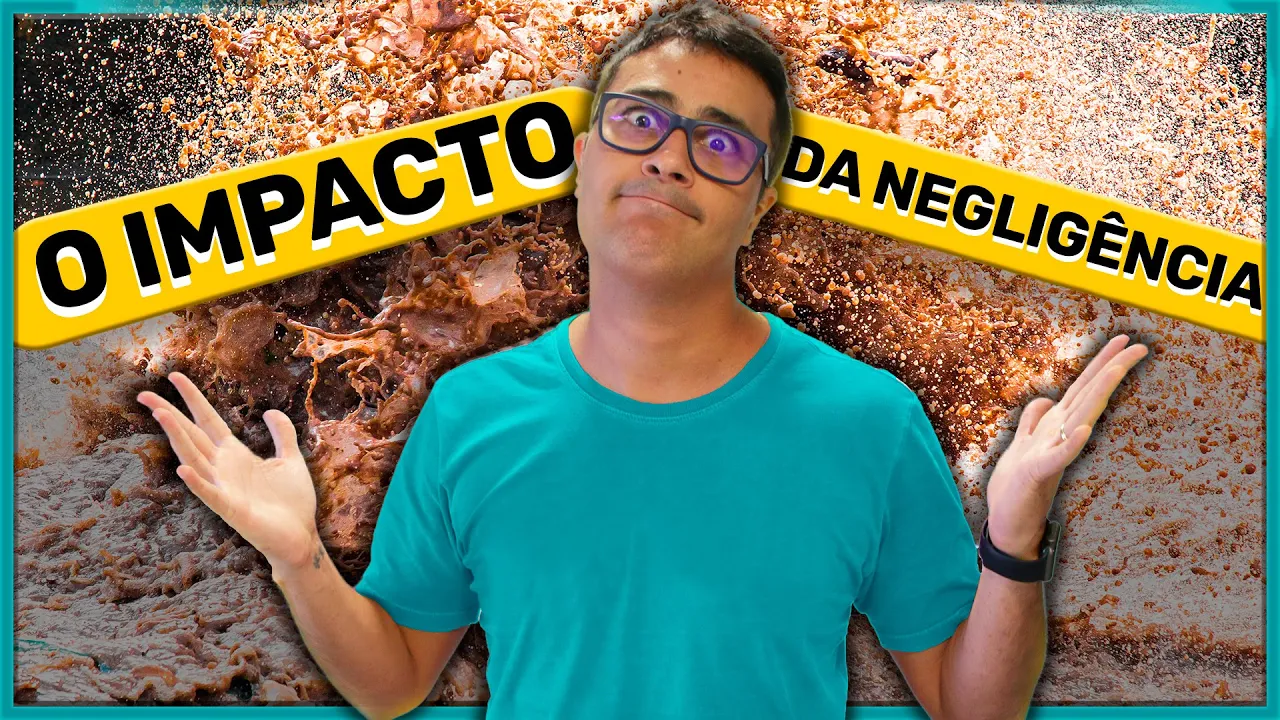
BIOACUMULAÇÃO e MAGNIFICAÇÃO TRÓFICA em Brumadinho e Mariana
72.5K
Bioaccumulation is the process by which organisms absorb and retain toxic substances like heavy metals in their tissues, while biomagnification is the progressive increase in toxin concentration as it moves up the food chain, meaning organisms at higher trophic levels accumulate greater amounts of toxins. The Mariana and Brumadinho dam disasters in Brazil released massive amounts of contaminated mud containing heavy metals (lead, arsenic, chromium) into rivers, which were absorbed by organisms like phytoplankton, then passed to snails, fish, and ultimately to humans at the top of the food chain, creating long-term health risks for local populations.
Click to watch →

LTR Prelims Preparation | Environmental Issues & Concerns | One Shot Video | Adda247 Odia
17.5K
This segment explains bioaccumulation (substance accumulation in organisms) and biomagnification (increasing concentration at higher trophic levels). Toxic substances like mercury and DDT accumulate in organisms and become more concentrated up the food chain. This process poses serious risks to top predators and humans who consume them. Understanding these concepts is essential for environmental toxicology.
Click to watch →
Deep Dive
Clinical and forensic toxicology, detailing how toxic substances are diagnosed, treated, and chemically identified in biological samples for legal or medical purposes.

حالتين، نفس اليوم، نفس الوقت، نفس السبب .. ليش ؟ | كريستي وهيلدا 📍
1.3M
This segment covers forensic analysis and toxicology in criminal investigations. It demonstrates: (1) collecting biological samples from bodies, (2) analyzing samples in laboratories, (3) identifying substances present in the body, (4) determining the cause of death, and (5) documenting findings for legal proceedings. The segment specifically covers toxicology: (1) testing for drugs and poisons, (2) identifying specific substances, (3) determining the dosage, and (4) establishing the relationship between substances and death. It also covers how forensic evidence is used to build cases and establish criminal liability, including how investigators may find evidence that initially appears to be something else but is later identified as contraband or dangerous substances.
Click to watch →

Medicina Letal | Los Nuevos Detectives | Crimen e Investigación
1M
Forensic toxicologists use multiple methods to identify unknown poisons. In this case, the supervisor at the Arizona Department of Health Public Health analyzed samples from the refrigerator, coffee maker, sugar container, whisky bottle, and teapot. The poison was identified as a white powder with rapid effect. The toxicologist narrowed the possibilities to arsenic, strychnine, and cyanide, then used various tests to confirm the identity. Spectrophotometry measured how the substance absorbed ultraviolet light, eliminating strychnine. A commercial cyanide detection kit produced a red color reaction, and gas chromatography with mass spectrometry confirmed the results. The substance was dissolved in acid, and if cyanide was present, it would form hydrogen cyanide gas. Elemental analysis using X-ray fluorescence identified potassium, confirming potassium cyanide. Suspect identification involved correlating evidence including the purchase of cyanide, the threatening letters written by the suspect, surveillance showing him near the office, and the security card evidence.
Click to watch →

Mistress Reveals CHILLING Details While On The Stand | James Craig Day 6 Recap
66.9K
Poison control calls are routed to nearest centers where specialists handle routine cases, with doctors called for serious situations. Hospitals maintain direct toxicology lines. Cyanide causes acute decompensation - rapid physical decline. It's an electron transport chain inhibitor that shuts down cellular energy production in mitochondria. Regular hospital labs don't test for cyanide; specialized testing is required. Hydroxocobalamin is the antidote that binds cyanide, allowing cells to resume energy production. Timing is critical - every minute counts. Arsenic causes GI distress, vomiting, headaches, confusion, and cardiovascular effects. Tetrahydrocannabinol (in eye drops) depresses the CNS, causing sedation, coma, and potential death. Mixing multiple toxins increases toxicity and makes diagnosis/treatment harder. Medical records only document what hospitals record - private conversations about self-harm don't appear.
Click to watch →

След. 2497 серия. Мирный | Криминальные сериалы
532.4K
Forensic toxicology uses chemical analysis to determine cause of death and identify toxic substances. In this investigation, three bodies were found in a river, and toxicological analysis revealed poisoning by hydrofluoric acid (HF) vapors. The analysis showed acute pulmonary edema, liver and kidney damage, and calcium fluoride precipitate in tissues. This demonstrates how forensic scientists use chemical analysis of biological samples to identify specific toxic agents and their effects on human physiology.
Click to watch →

TAKE OVER : New Action Movie 2025 | Jason Statham | Full Movie | 4K Ultra #actionmovies
5.8M
This segment illustrates forensic toxicology procedures for analyzing unknown substances in biological samples. The narrative depicts collection of tissue samples, laboratory analysis using specialized equipment, and interpretation of chemical test results. It demonstrates how forensic scientists identify and quantify substances in body tissues to determine their role in causing illness or death. The segment shows the scientific rigor required to establish definitive conclusions about substance involvement in medical cases.
Click to watch →
Chemical Balance
Toxicology's Role
Chemical Balance
0:00- 1
Life requires managing exposure to both natural and synthetic chemicals.
- 2
Internal balance is essential; disruption can lead to health problems.
The Endocrine Disruption Hypothesis and Non-Monotonic Dose-Responses
Traditional toxicology is anchored in the Paracelsian paradigm that 'the dose makes the poison,' assuming that risk decreases predictably as chemical exposure declines. However, research into endocrine-disrupting chemicals (EDCs) challenges this foundational belief through the concept of non-monotonic dose-response curves (NMDRCs). This phenomenon demonstrates that some chemicals can cause severe adverse biological effects at extremely low doses (similar to natural hormone levels), while exhibiting different or even negligible effects at much higher doses. Critics of conventional toxicology argue that standard safety testing—which relies on testing high doses and extrapolating downward to find 'safe' thresholds—fails to capture these low-dose effects. Furthermore, opponents advocate for the precautionary principle, arguing that traditional risk assessment underestimates the dangers of cumulative 'cocktail effects' of multiple daily chemical exposures, particularly during sensitive developmental windows like pregnancy and infancy.
Basic human anatomy and physiology, particularly the role of excretory and metabolic organs like the liver and kidneys.
Fundamental chemistry principles, including molecular structures, chemical bonding, and the difference between organic and inorganic compounds.
Cell biology basics, specifically how cell membranes regulate the entry and exit of foreign substances.
The mathematical concept of concentration and dosage, such as understanding ratios like parts-per-million (ppm) and mass-to-volume measurements.
The principles of Pharmacokinetics and Pharmacodynamics, specifically ADME (Absorption, Distribution, Metabolism, and Excretion).
Regulatory toxicology and risk assessment, including how agencies like the EPA and FDA calculate safety margins, reference doses, and LD50 values.
Environmental toxicology and ecotoxicology, exploring bioaccumulation, biomagnification, and the impact of pollutants on ecosystems.
Clinical and forensic toxicology, detailing how toxic substances are diagnosed, treated, and chemically identified in biological samples for legal or medical purposes.
57.7K views495likes3:06@riskbitesOriginal Release: 2015-03-10
Think about it.
The fact that you're alive and watching this video, really is quite amazing. Every minute of every day, you're being exposed to potentially lethal chemicals.
And I'm not just talking about the man-made stuff here.
Oxygen water, carbon dioxide, the chemicals that are in your food... get too much at them inside you, and you have a problem.
To make matters worse, our bodies are constantly making and using incredibly potent chemicals, as they go about their daily business, Our cells and organs are in a constant frenzy of activity, as vital but potentially lethal chemicals are inhaled, ingested, created, process, and eventually got rid of. Of course, this is the very essence what it is to be alive.
Cut out the chemicals in the seemingly crazy-mad processes that they're part of, and you'd be, well, dead!
To stay alive and thrive, our bodies pull off an incredible balancing act between making use of the stuff we breathe, and eat and are otherwise exposed to, and making sure it doesn't kill us.The trouble is, it's a balancing act that can too easily be disrupted.
Too much or too little have something and the whole system begins to get out of whack!
Because of this, staying healthy sometimes takes more than good intentions over what we put into our bodies, and what we don't. It depends on knowing something about the science of how substances interact with our bodies and potentially cause harm.
And this is where toxicology comes in.
Toxicologists study what happens to stuff when it gets into your body; where it goes, what it does, and how it leaves. They investigate the harm that can be caused when too much or too little stuff interferes with your internal balance.
And they helped devise ways to avoid harm, or to fight back when things get messed up.
Not to put too fine a point on it, but toxicologists are the "Sherlocks" at the Health world, using science and evidence to understand and protect our bodies, down to the very DNA that makes us what we are. Toxicologists know that we can't escape from potentially harmful chemicals. We need them to remain healthy, and to ensure the environment we live in is safe and good for us.
But they also know that if enough of the wrong stuff gets to the wrong place at the wrong time, things can get messed up fast.
As a result this is a powerful science, because it gives us the key to staying alive and thriving, in a world that could otherwise be an awfully dangerous place.
So whether you're wondering if your shampoo is as good for your body as it is for your hair.
Or you're concerned about what's in your veggie burger and fries.
Or even if you're trying to work out how much chocolate a reasonable person can eat.
A toxicologist might just turn out to be your best friend.
Subtitles by the Amara.org community
Up Next

14:45
Ethylene Glycol Poisoning: A Case Study in High Anion Gap Metabolic Acidosis
@chubbyemu
2.2M views•2020-07-20
50:12
Bacterial Communication: Quorum Sensing and Biofilm Formation Explained
@JHUAAP
12.6K views•2011-06-28

5:35
Enteric Nervous System Explained: The Gut's Brain | Neurobiology Lecture
@alumniu6029
438 views•2018-09-12
7:08
Bacteriophages: Earth's Deadliest Killers and Future Antibiotics
@kurzgesagt
34.6M views•2018-05-13
Related Study Plans & Knowledge Roadmaps
Structured learning paths in Biology
biology
RNAi: Biogenesis, RISC & Gene Silencing
01Molecular Biology Foundations: DNA to Protein
02Introduction to RNA Interference (RNAi)
03Molecular Biogenesis of miRNA and siRNA
+ 2 more learning modules
10h5 modules
Explore Roadmap
biology
Mycorrhizae: Signaling, Biophysics & Ecology
01Foundations of Mycorrhizal Symbiosis
02Molecular Signaling and Root Colonization
03Biophysics and Bioenergetics of Nutrient Exchange
+ 1 more learning modules
11h4 modules
Explore Roadmap
biology
Circadian Clocks: TTFL, SCN & Periphery
01Foundations of Molecular Biology & Gene Expression
02Introduction to Chronobiology and Actograms
03The Core TTFL: Molecular Architecture of the Clock
+ 3 more learning modules
14h6 modules
Explore Roadmap
biology
Population Genetics: Math, Drift & Selection
01Genetic & Probability Foundations
02The Hardy-Weinberg Principle and Baseline Models
03Mathematical Modeling of Natural Selection
+ 3 more learning modules
18h6 modules
Explore Roadmap