















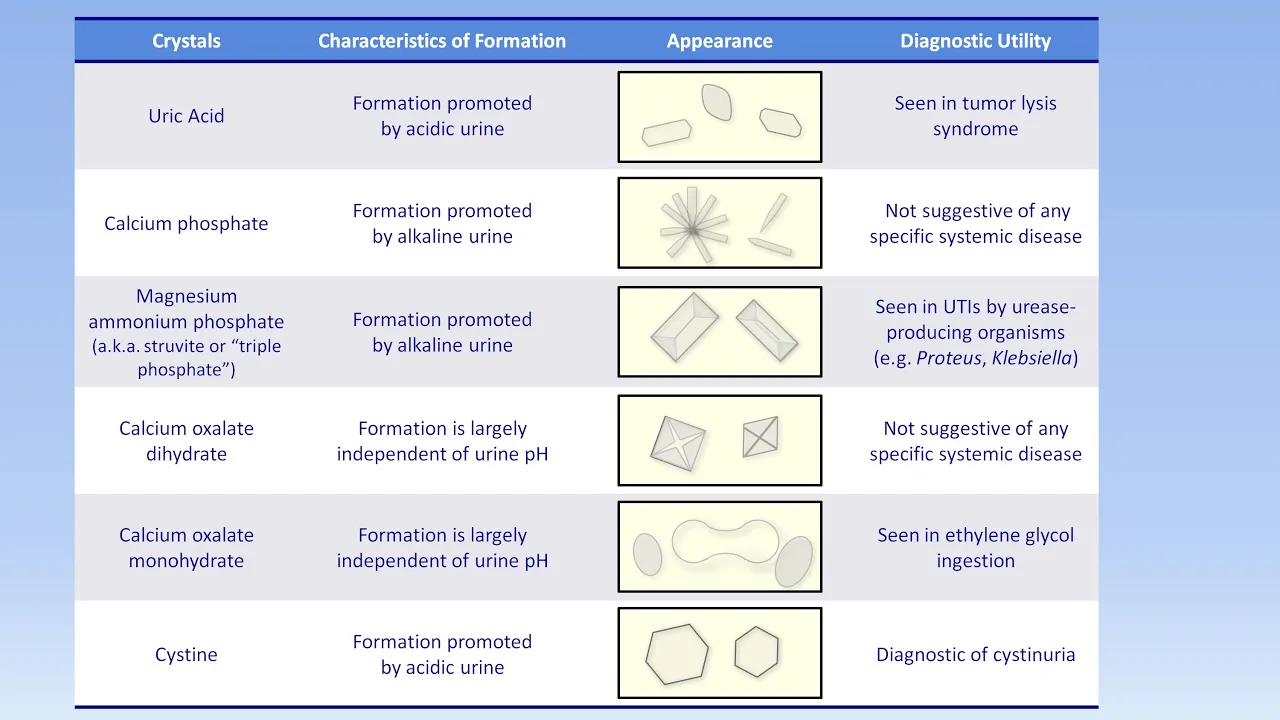
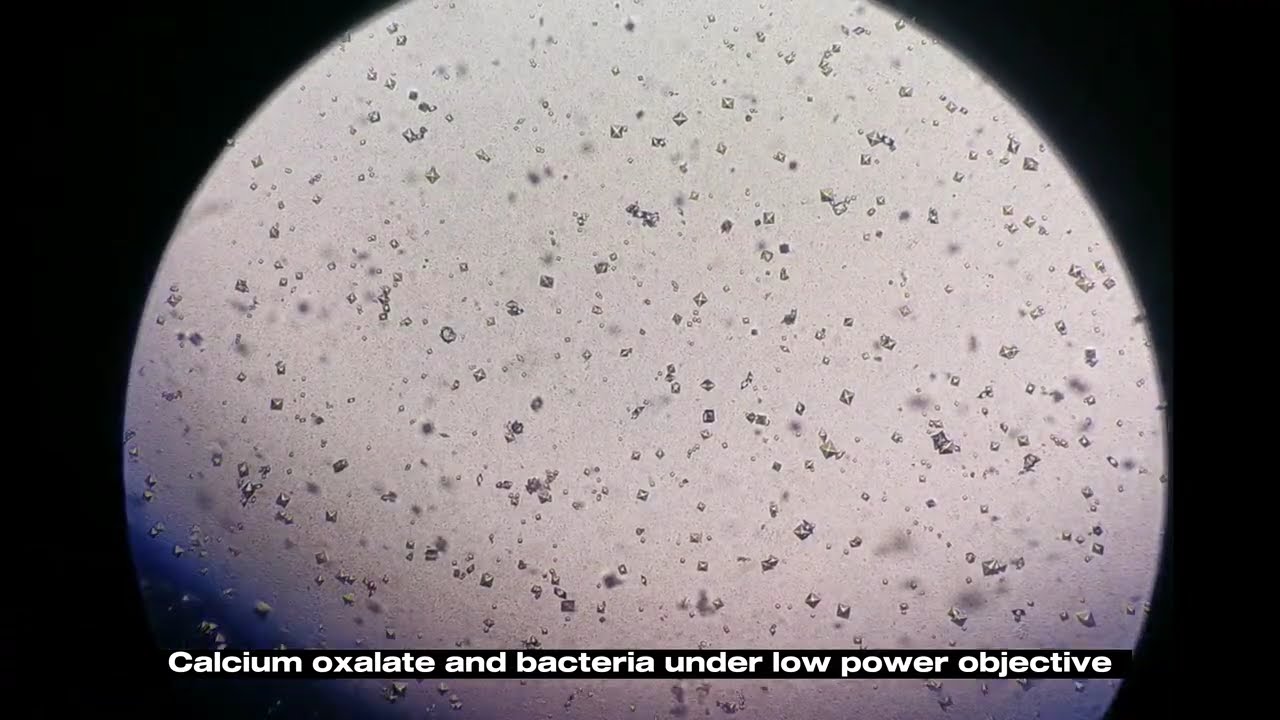




Ethylene glycol, commonly found in antifreeze, is metabolized in the liver into toxic compounds including glycolic acid, glyoxylic acid, and oxalic acid, which are negatively charged anions that cause high anion gap metabolic acidosis; these metabolites bind with calcium to form insoluble calcium oxalate crystals that accumulate in kidney tubules, causing severe kidney damage and potentially requiring dialysis, especially when treatment is delayed beyond 2 days.
Ethylene Glycol Poisoning: A Case Study in High Anion Gap Metabolic Acidosis
Added:Fundamentals of acid-base physiology, including the bicarbonate buffer system and normal arterial blood gas (ABG) values.
The concept and calculation of the serum Anion Gap to differentiate types of metabolic acidosis.
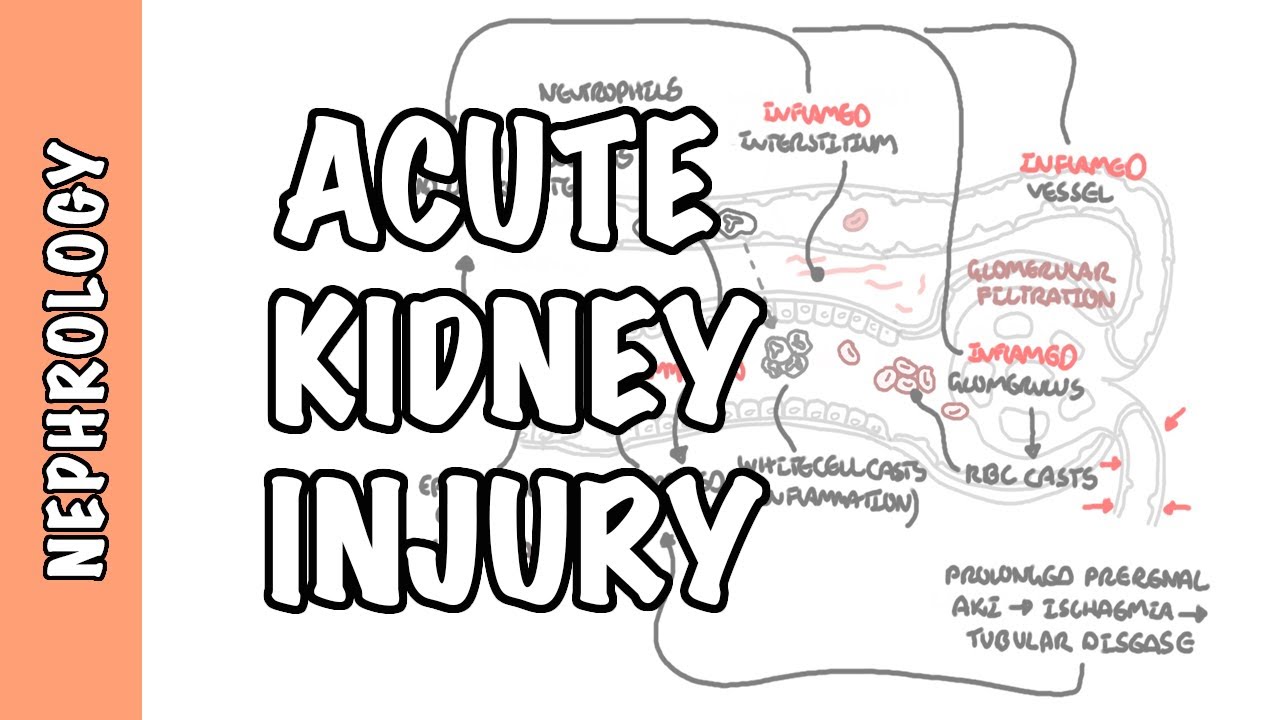
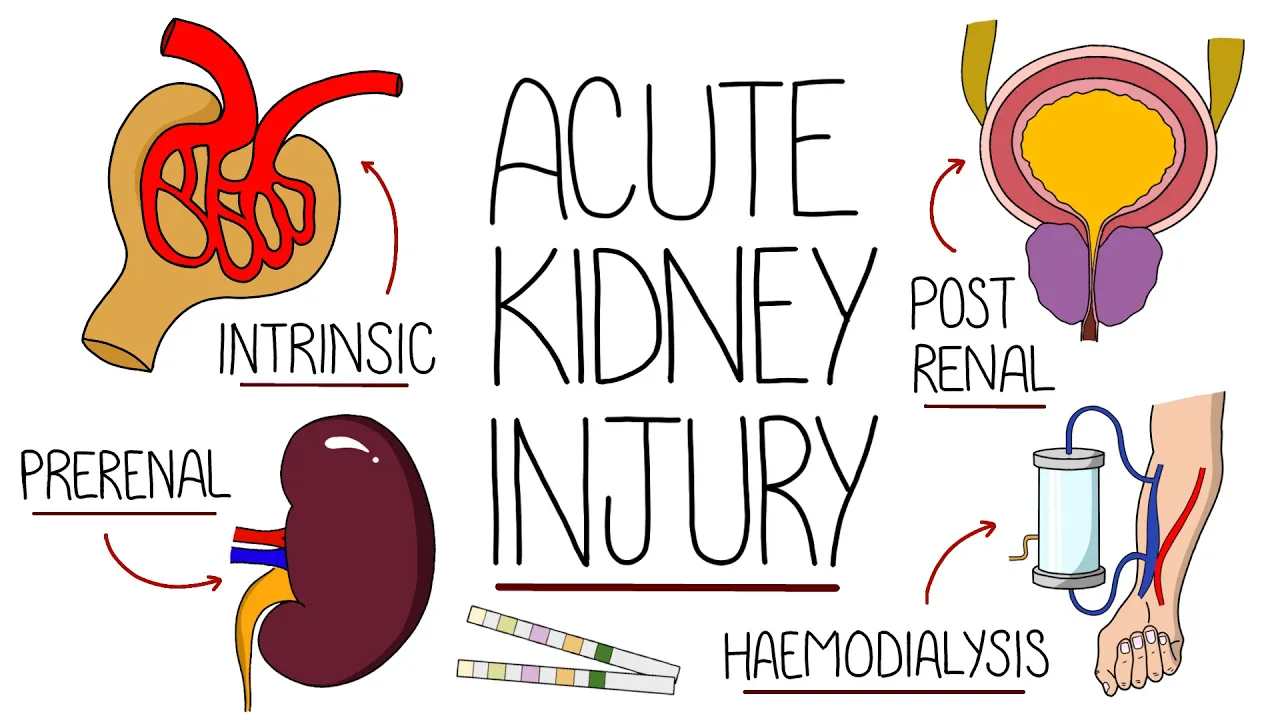
Basic renal physiology, specifically glomerular filtration and the clinical definition of Acute Kidney Injury (AKI).
The metabolic pathway of alcohols in the liver, specifically the roles of the enzymes alcohol dehydrogenase (ADH) and aldehyde dehydrogenase (ALDH).
The clinical utility and calculation of the Osmolar Gap to screen for toxic alcohol ingestions.
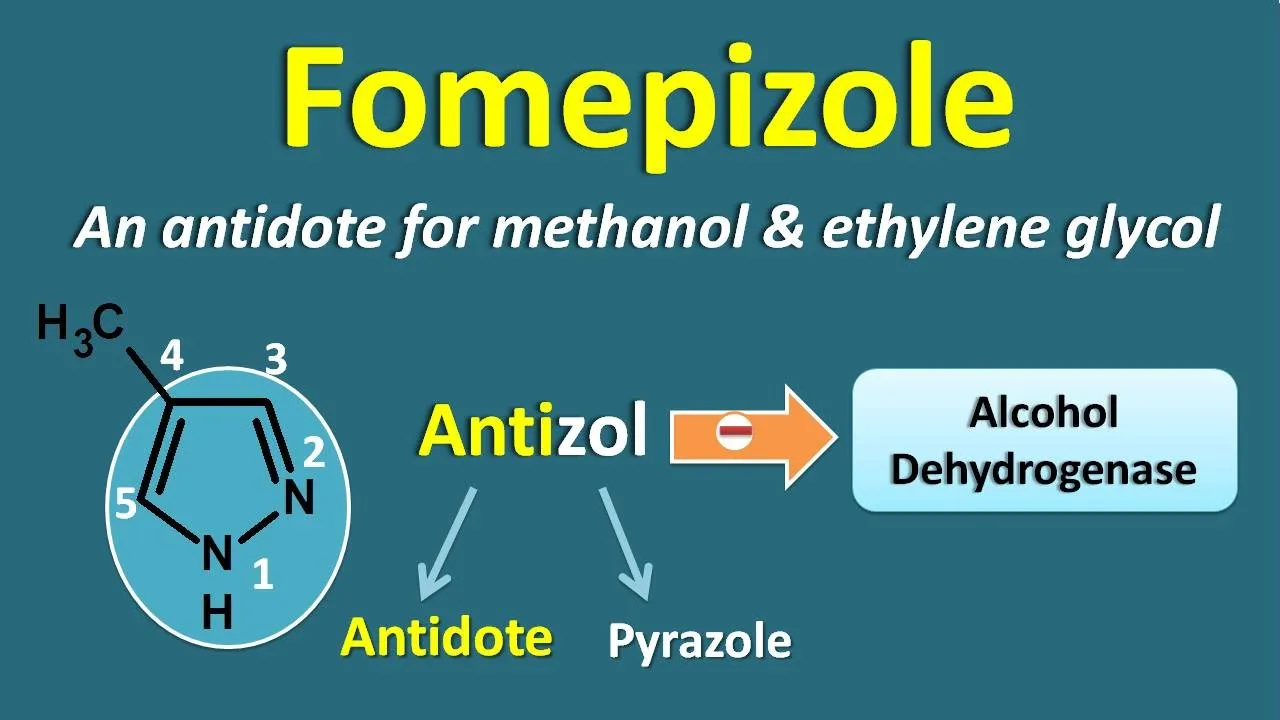
Targeted pharmacotherapy for ethylene glycol poisoning, focusing on the competitive inhibition mechanisms of Fomepizole and intravenous ethanol.
Microscopic urinalysis techniques for detecting calcium oxalate monohydrate and dihydrate crystals, which are pathognomonic for ethylene glycol ingestion.
Indications and protocols for emergent hemodialysis in toxicological emergencies to clear parent compounds and toxic metabolites.
2.2M views68.6Klikes14:45Original Release: 2020-07-20
A Dad Mistakenly Drank A Snow Globe At Bedtime.
This Is What Happened To His Kidneys.
BB is a 39 year old man, presenting to the emergency room, unconscious.
His son Jeff, tells the admitting nurse that he had found his dad on the floor in the same position two days earlier, and didn’t think anything was wrong.
You see, BB was a dad who was 10 years sober.
Before he had a family, he had a problem with drink that spiraled out of control.
He had an alcohol dependence where he needed to chug a fifth every morning, just to feel normal.
Everything mellowed out when his first son was born, and he was able to clean up.
About 18 months ago, BB got divorced.
He would lose his house.
He would lose his money.
A campaign was started to get him fired from his job, because friends of his now ex-wife found out he said bad things on his social media back in 2004.
With most things lost, BB moved into a small house.
He started drinking again a little.
Then it became a lot.
And then, it became the only thing he did everyday.
One night, while liquor stores were closed because of a recent curfew and while his son was staying with him, BB ran out of alcohol.
He knew he was going to go into withdrawal.
He knew he was going to get sick, as he started shaking.
Several hours pass.
He couldn’t stop sweating.
But then he started hearing voices.
He couldn’t drown them out.
He looked around and saw a snowglobe twinkle in his eyes.
It was a homemade craft he made while 3D printing a few years back.
He opened it up, and put it up to his mouth.
And immediately after one shotting the snow globe, BB could feel his stomach churning.
His sides would hurt, periodically.
He was too preoccupied with the voices in his mind to have his own thoughts.
He could see little elves dancing on the floor.
He walked in on Jeff playing video games and slurred out the words, Are Ya Winning Son?
Before closing the door without an answer.
As he struggles, BB collapses, and starts rolling around.
His son, saw his dad on the floor.
Pops is sleeping in weird places he thought.
And at least 2 days pass before Jeff realized that something was wrong as he finds his dad unconscious in the same position as he was in 2 days ago.
Jeff calls for 911, and BB’s brought to the emergency room where we are now.
At examination, BB was tachypnic.
Tachy meaning fast and pnea referring to breath.
His breathing rate was fast, just like his heart rate.
And his blood pressure was high.
BB couldn’t tell the doctors that he drank a snow globe because of his mental status.
But there’s a few clues to what could be happening at the moment.
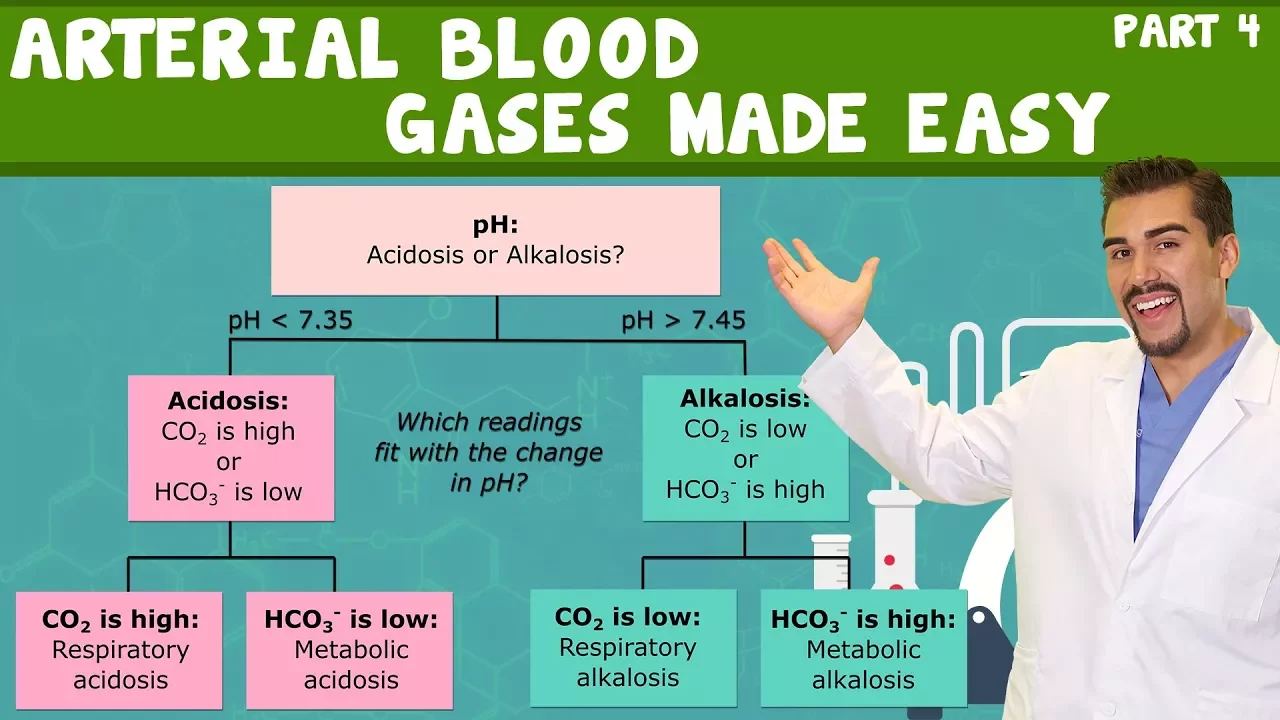
A blood test finds that BB has high anion gap, metabolic acidosis.
Acid being any chemical that donates a hydrogen ion.
Metabolic meaning that something is happening in his body that’s either making those acids, or preventing his body from getting rid of them.
And high anion gap meaning that the body is producing or holding onto large amounts of negatively charged chemicals called anions.
But if the body water is supposed to be electrically neutral, Meaning there should be equal number of positive and negative charge Then what does it mean if there is a high anion gap?
Well, there’s a bit of human physiology to be known here.
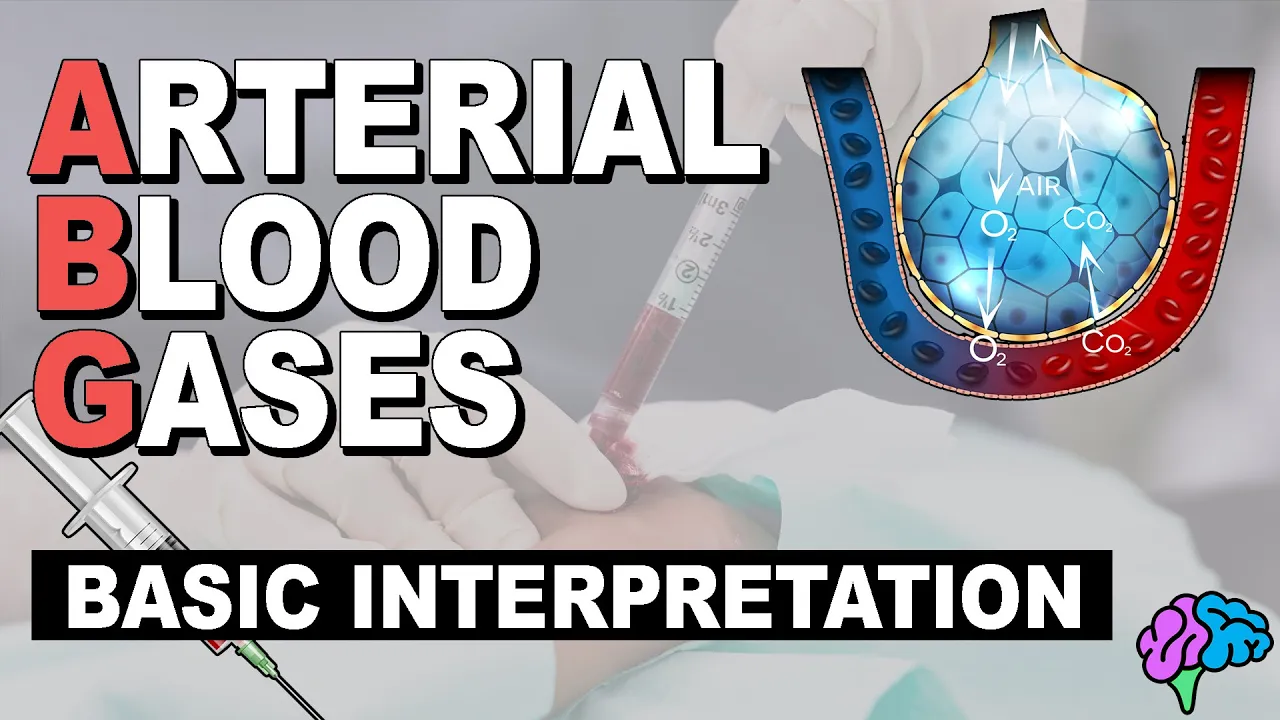
When we breathe air in and out, we’re exchanging oxygen from the air we breathe in, for carbon dioxide breathed out.
When you take quick and deep breaths repeatedly, you become light headed within seconds.
We can say this is quickly losing carbon dioxide because you’re increasing your breathing rate out.
When you hold in your breath you start to feel a burning in your chest, and eventually your body forces you to breathe again.
Both of these are centered around carbon dioxide, bringing us back to the term, acidosis.
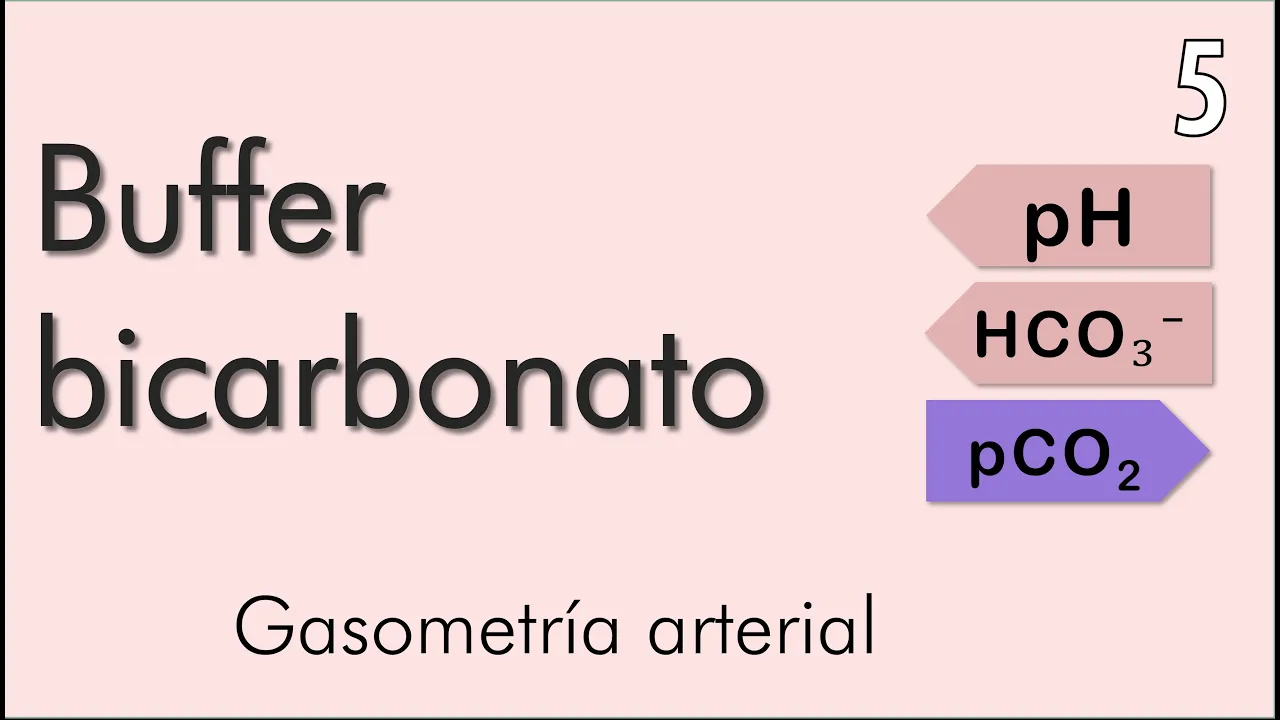
When carbon dioxide is dissolved in water, it lives in equilibrium as carbonic acid.
But in the body, this is a mix of hydrogen ion which is acid, and bicarbonate, which is a base and one half of this baking soda.
So this explains where acid comes from, and because bicarbonate is negatively charged, it’s an anion, bringing us back to anion gap.
If body water is supposed to have the same number of positive and negative charge, but human breathing is tied to negatively charged bicarbonate, then where are the positive charges?
Well, we know humans need sodium to survive.
Salt is sodium chloride.
Sodium commands the flow of water meaning wherever it is, water will flow towards it.
And sodium is positively charged, so in the body water, sodium is most of the positive charge.
And if we’re eating salt, then chloride is the other negative charge.
All three of these, are easy and quick to measure.
So, If we add everything up, and subtract the positive sodium from the negative chloride, and negative bicarbonate from our breathing, it should be close to zero because the body water is electrically neutral.
But it’s not.
In healthy people, there’s always a difference, meaning there’s more negative charges that aren’t so easy to measure.
There’s proteins floating around in the blood, and those have a negative charge.
When muscles contract, they give off lactic acid, which is a waste product and can exist as lactate, and that’s negatively charged too.
And when the cells metabolize or breakdown chemicals in their normal activity, they give off other negative anions too.
This gap has a normal value in healthy people, but when it’s high, it means that the body is either making extra anions, or it can’t get rid of enough of them, bringing us back to BB.
The blood test finds that not only is inflammation high in his body, but also that BB’s kidneys are failing.
A waste product called creatinine, which is made by the muscles, is usually cleared by the kidneys.
If its levels in the blood are high, it means that the kidneys aren’t clearing it.
And in BB’s blood, the levels were high.
If BB’s kidneys aren’t clearing this creatinine, then what else are they not clearing?
Anions.
And if the body water needs to be electrically neutral, then having extra anions floating around, means something needs to happen.
The body can’t just make more sodium to add a positive charge, so that’s out.
The kidneys can also clear chloride, but we already know that BB’s kidneys are failing, so that’s out too.
But how about bicarbonate?
If bicarb exists in equilibrium as acid and carbon dioxide, then creating more carbon dioxide would eliminate bicarbonate, removing some negative charge.
And that extra carbon dioxide would be breathed out, which explains why BB’s breathing rate is high, to blow off extra carbon dioxide, and to make room for extra anions that his kidneys can’t waste because they’re failing.
The medical team passed a catheter to pull out some of BB’s urine.
He hadn’t urinated since presenting to the emergency room.
Actually, hadn’t urinated for at least the last 2 days.
And in those samples they didn’t just find urine, they also found blood.
Meaning that not only is he in kidney failure, but something terrible is happening to his kidneys on top of the failure.
An ultrasound was done to see what’s going on, but it didn’t show anything abnormal.
A CT scan was done on his abdomen, and it looked like he might have an infection, in his kidneys, which could explain the inflammation found in his blood test.
He’s started on dialysis.
Over the next few days, doctors do more tests.
BB would be intermittently agitated and confused.
He was started on antibiotics for the possible infection and he receives care for his symptoms.
But it wasn’t enough.
On day 6 of hospital admission, BB is still ill, but he’s coherent enough to tell doctors about a snowglobe that he MIGHT HAVE consumed.
He doesn’t remember much about it, or how long ago it happened.
And as this was brought up, his son pulled up the picture that he took of him on the floor, where they find an empty snowglobe in his hand.
They had to know what they were looking for to find it.
At this point, results returned for small samples of his kidneys that were taken earlier and looked at under a microscope.
And doctors found tiny little crystals had formed inside, on top of dead kidney tissue and white blood cells.
All of this explaining what’s happening to BB, and why it was already too late for him when he presented to the emergency room.
Most snowglobes are just made of water, but some can contain a chemical called ethylene glycol.
Given that this snowglobe was a homemade craft, it could have had any kind of chemical floating around in any amount.
Most people know ethylene glycol as the active chemical in antifreeze, that stops car engines from freezing in the winter.
The name glycol, refers to the two alcohol groups on the molecule.
When speaking casually, “alcohol” refers to the stuff we drink for fun.
We can almost call “alcohol” a slang term because it really refers to the chemical named ethanol.
Ethanol has one oxygen bound to one hydrogen, which in chemistry, is called an alcohol group.
Animals evolved to process ethanol.
It’s naturally found in things like fermented fruits.
In humans, you drink the liquor, it goes through your stomach, into your intestines and then absorbs in to your liver, where ethanol is broken down twice.
The first time it becomes acetaldehyde, and this conversion happens quickly.
When acetaldehyde builds up, you can become flushed, explaining why some people turn red when they drink.
Acetaldehyde is partly responsible for hangovers too.
But then, acetaldehyde is broken a second time into acetate, which is one half of vinegar.
All of this is done to make ethanol more water soluble, meaning it can more easily dissolve in water so it can collect in the urine and be removed by the kidneys.
More oxygens on a chemical, means more interaction with water, which is made of oxygen and hydrogen.
The problem with ethylene glycol is that it has two alcohol groups.
Ethylene glycol is broken down the first time to glycoaldehyde.
Then a second time to glycolic acid.
Which can exist as glycolate, which has a negative charge.
But it’s not done here.
It goes through the liver again to become glyoxylic acid, which can exist as glyoxylate, which has a negative charge.
And then it’s broken down again to oxalic acid, which can exist as oxalate, which has a negative charge.
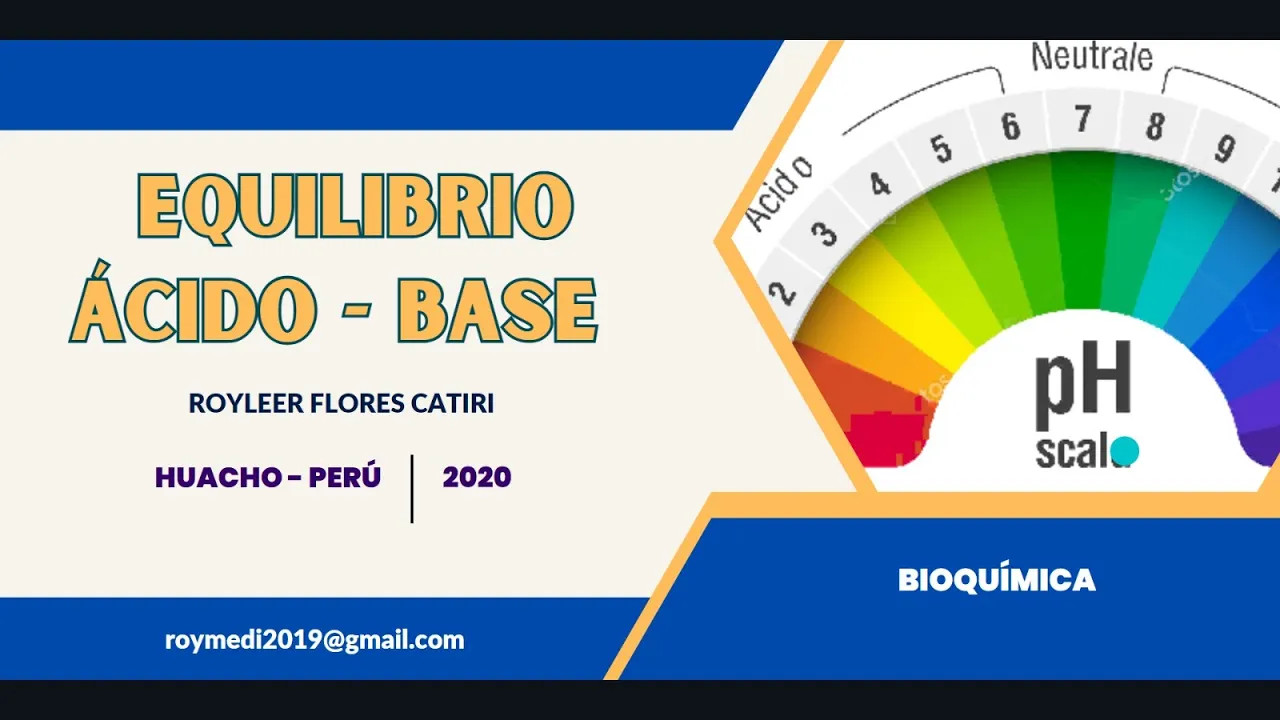
The interesting thing about acids in the body, is that it’s measured in pH, which is the concentration of hydrogen ion in the blood.
But if you calculate it, you’ll find that the concentration of hydrogen is many millions of times less than sodium.
If the amount is so small, then why would this measure have such an impact on how we treat patients like BB?
Why would we call it acidosis if actual acid levels are so small in the body?
I talk about this in detail on my Heme Review channel, video link in the description below.
Metabolic Acidosis is the body making acids through metabolism.
And do you remember the definition of acid?
It’s a chemical that gives hydrogen ion.
Glycolic acid, Glyoxylic acid and Oxalic acid can all give off hydrogen ion.
Then they become negatively charged, so they contribute to high anion gap.
And if additional anions are being created from drinking a snowglobe, then the body eliminates bicarbonate by shifting it to carbon dioxide in the body water so it can be breathed out.
But bicarbonate is a base, and less base means more acid, meaning that when he presented to the emergency room, it may not have been his kidney failure not removing anions causing his high anion gap metabolic acidosis, but that his body was actually making anions.
But how did this cause kidney failure?
If the body, wants to get rid of this negative oxalate, it can’t break it down any more.
But it could put positive ions to neutralize it in the blood.
We already know there’s a lot of sodium floating around so that could do the trick, and that wouldn’t cause any problems.
There’s also some potassium floating around too and that can neutralize it, so that’s not a problem either.
But how about calcium?
Calcium is needed to signal muscle contractions.
It’s stored in the bones.
It floats around in the blood too, not in huge amounts, but it’s there.
And calcium has a tendency to form solids.
That’s why we say things can become calcified, that is a hardened mass develops, partly because of calcium.
So when calcium oxalate is created, it immediately forms a solid crystal that cannot dissolve in water.
As these crystals continue to float around in BB’s body, they get caught up in his kidneys.
White blood cells are unsure of what these new crystals are.
They eat some of them thinking that they’re bacteria or an outside invader.
But these crystals aren’t meant to be eaten.
Wrong signals are sent, as the cells die in a way that sends signals to the rest of the immune system to react.
Thinking that something is wrong, his immune system starts to go in to his kidneys to attack.
More crystals begin to collect in the tubules and destroy the tissue as his kidneys start to fail.
Then as the tubules are ripped apart by crystals and inflammation, blood starts going into the urine.
And that’s why the antibiotics didn’t work because there wasn’t bacteria around, there was calcium oxalate crystals from BB drinking ethylene glycol in a snowglobe.
Because BB presented to the emergency room at least 2 days after he drank the snow globe, much of the kidney damage that has happened is not reversible.
While it’s correct that the kidney failure could have caused his high anion gap acidosis, knowing that he drank ethylene glycol would have given everyone more context to what was causing it.
Had he come in earlier, and the doctors knew quickly what he drank, then the cure would have been to stop the liver from breaking down ethylene glycol.
But how would that be done? by giving him ethanol.
You see, the enzymes that break down alcohols in the liver bind strongly to ethanol.
Ethylene glycol, if it’s not broken down, won’t cause damage in the body by itself.
It’s when it’s broken down and then bound to calcium, that that damage is done.
Ethanol is competitive for this breakdown, meaning when it is present with ethylene glycol in the blood, ethanol gets broken down first.
This buys time for the body to eliminate ethylene glycol as is, without breaking it down because liver is too pre-occupied with breaking down ethanol instead.
There’s also a medicine that can be used to inhibit the breakdown, that would have been a better use case given he was in alcohol withdrawal, but it can be hard to get in hospitals for many reasons.
The inhibition wasn’t done in time.
BB’s kidneys are damaged.
He will likely need dialysis for the foreseeable future.
It took him 10 weeks to start to be able to walk again because it looked like the calcium oxalate caused nerve damage as well, more in my Heme Review Video here.
And as he was moved into a “sober house” after his discharge from the hospital, BB was to start a recovery.
Thanks so much for watching.
Take care of yourself.
And be well.
Up Next
4:44
ATP Structure and Hydrolysis: Cellular Energy Release Explained
@hussainbiology
80.9K views•2018-02-18
50:12
Bacterial Communication: Quorum Sensing and Biofilm Formation Explained
@JHUAAP
12.6K views•2011-06-28

5:35
Enteric Nervous System Explained: The Gut's Brain | Neurobiology Lecture
@alumniu6029
438 views•2018-09-12

7:08
Bacteriophages: Earth's Deadliest Killers and Future Antibiotics
@kurzgesagt
34.6M views•2018-05-13
Related Study Plans & Knowledge Roadmaps
Structured learning paths in Biology
biology
RNAi: Biogenesis, RISC & Gene Silencing
01Molecular Biology Foundations: DNA to Protein
02Introduction to RNA Interference (RNAi)
03Molecular Biogenesis of miRNA and siRNA
+ 2 more learning modules
10h5 modules
Explore Roadmap
biology
Mycorrhizae: Signaling, Biophysics & Ecology
01Foundations of Mycorrhizal Symbiosis
02Molecular Signaling and Root Colonization
03Biophysics and Bioenergetics of Nutrient Exchange
+ 1 more learning modules
11h4 modules
Explore Roadmap
biology
Circadian Clocks: TTFL, SCN & Periphery
01Foundations of Molecular Biology & Gene Expression
02Introduction to Chronobiology and Actograms
03The Core TTFL: Molecular Architecture of the Clock
+ 3 more learning modules
14h6 modules
Explore Roadmap
biology
Population Genetics: Math, Drift & Selection
01Genetic & Probability Foundations
02The Hardy-Weinberg Principle and Baseline Models
03Mathematical Modeling of Natural Selection
+ 3 more learning modules
18h6 modules
Explore Roadmap