





![슬픈 애니메이션 피아노 모음 [Playlist] 공부할때듣는음악 / 눈물나는노래](https://i.ytimg.com/vi/nhgm9pryBsY/maxresdefault.jpg)








Harmonics are integer multiples of a sound's fundamental frequency that combine to create its unique timbre; in sound synthesis, harmonic animation involves dynamically changing the relative volumes of these component harmonics using techniques such as filter cutoff modulation (which removes higher harmonics as cutoff decreases) and pulse width modulation (which selectively emphasizes or eliminates specific harmonics based on duty cycle), allowing synthesists to sculpt and animate the character of sounds over time.
Harmonic Animation: Understanding Synthesizer Harmonics
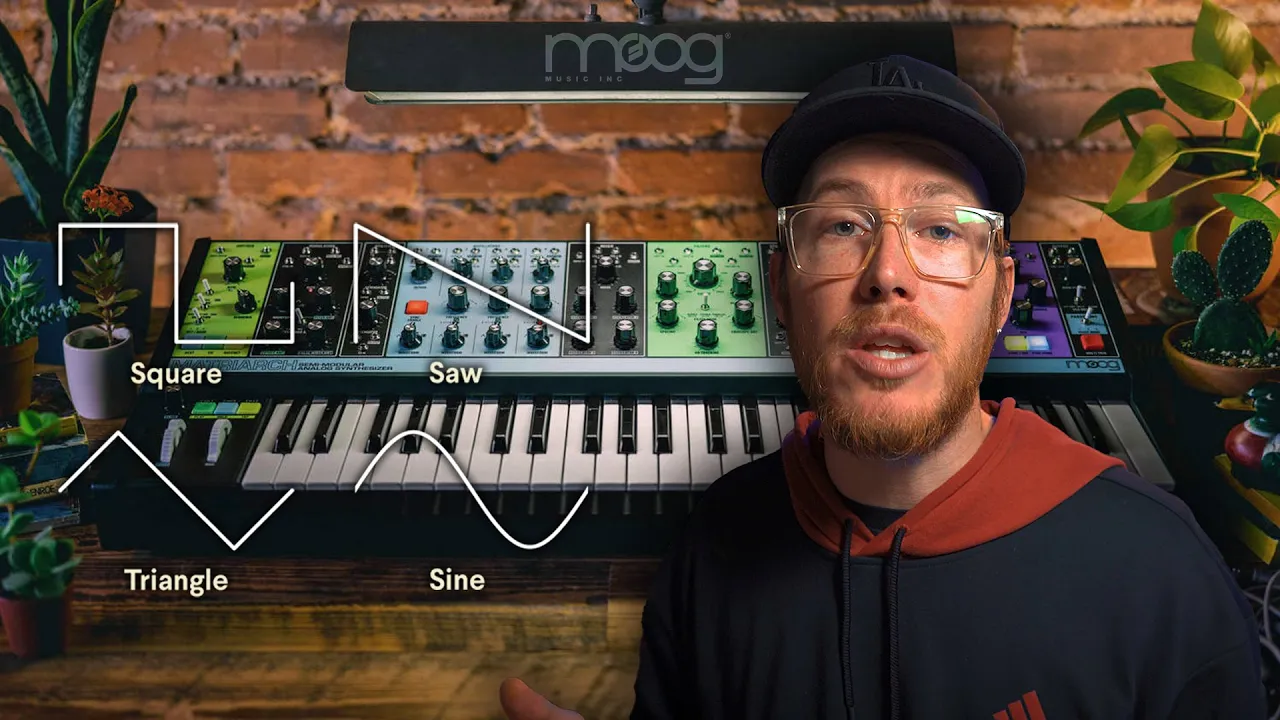
Added:Basic Waveform Geometry: Familiarity with standard synthesizer waveforms (sine, triangle, saw, and square waves) and their baseline sonic characteristics.
Fundamentals of Sound and Pitch: Understanding how frequency determines pitch and the concept of the fundamental frequency.
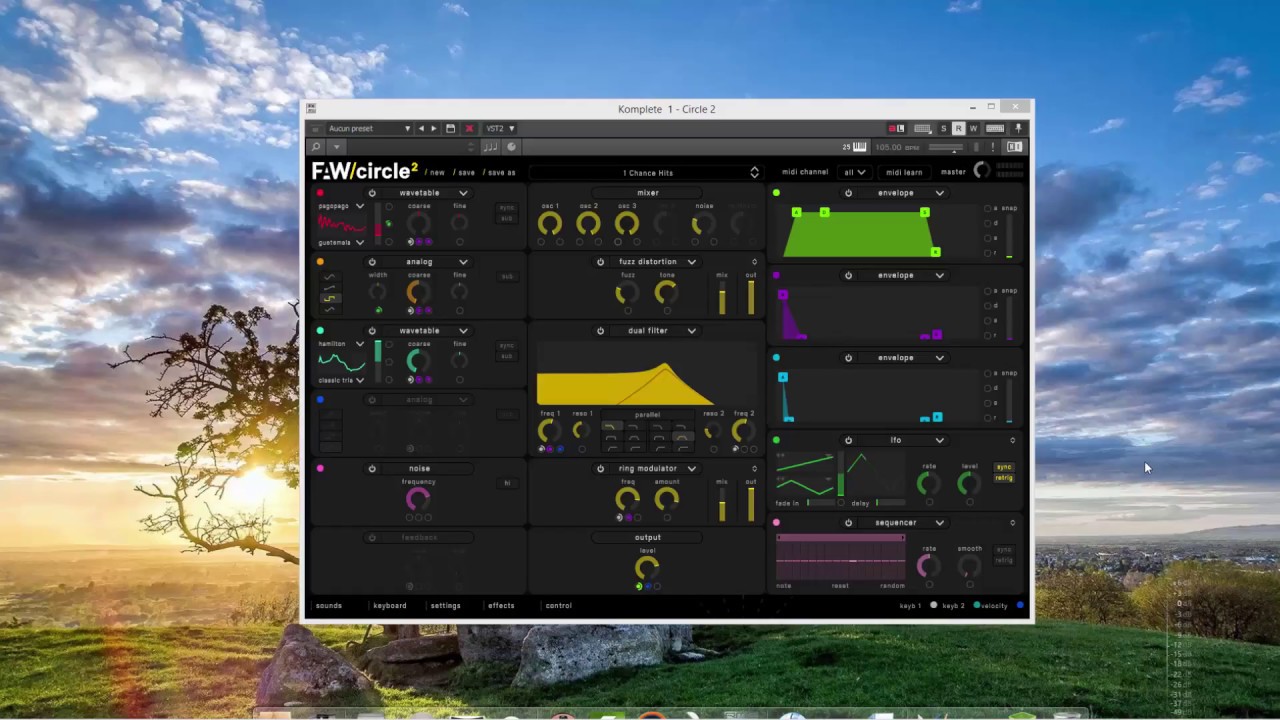
Subtractive Synthesizer Architecture: Basic knowledge of the standard synthesizer signal flow, specifically the relationship between oscillators and filters.
The Concept of Timbre: Comprehending what 'tone color' or timbre is and how it differentiates sounds of the same pitch and loudness.
Modulation Techniques (LFO and Envelopes): Learning how to automate filters and pulse width using Low-Frequency Oscillators and Envelope Generators to create evolving sounds.
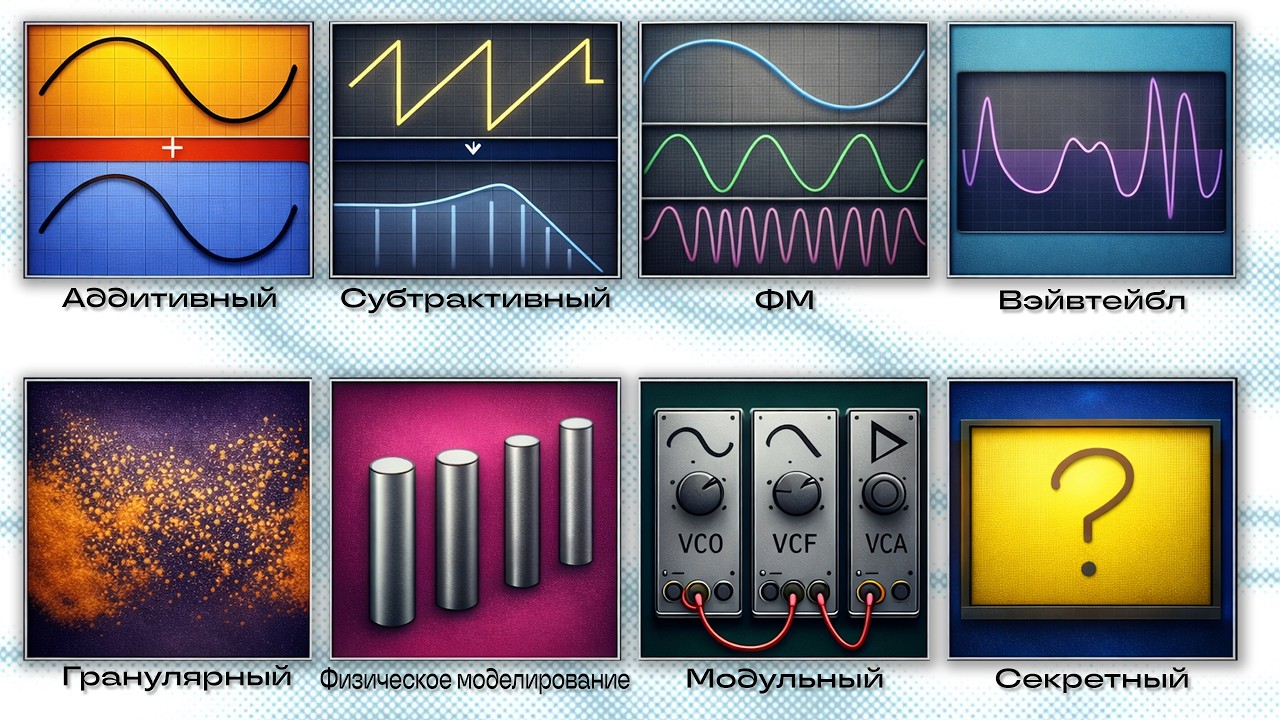
Advanced Synthesis Typologies: Exploring additive, wavetable, and frequency modulation (FM) synthesis to manipulate harmonics beyond subtractive methods.
Practical Sound Design: Applying knowledge of harmonics and pulse width modulation (PWM) to program classic patches like synthesized brass, strings, and dynamic pads.
Harmonic Distortion and Waveshaping: Investigating how saturation, clipping, and wavefolding introduce new harmonics to a synthesized signal.
743 views23likes6:15Original Release: 2022-01-04
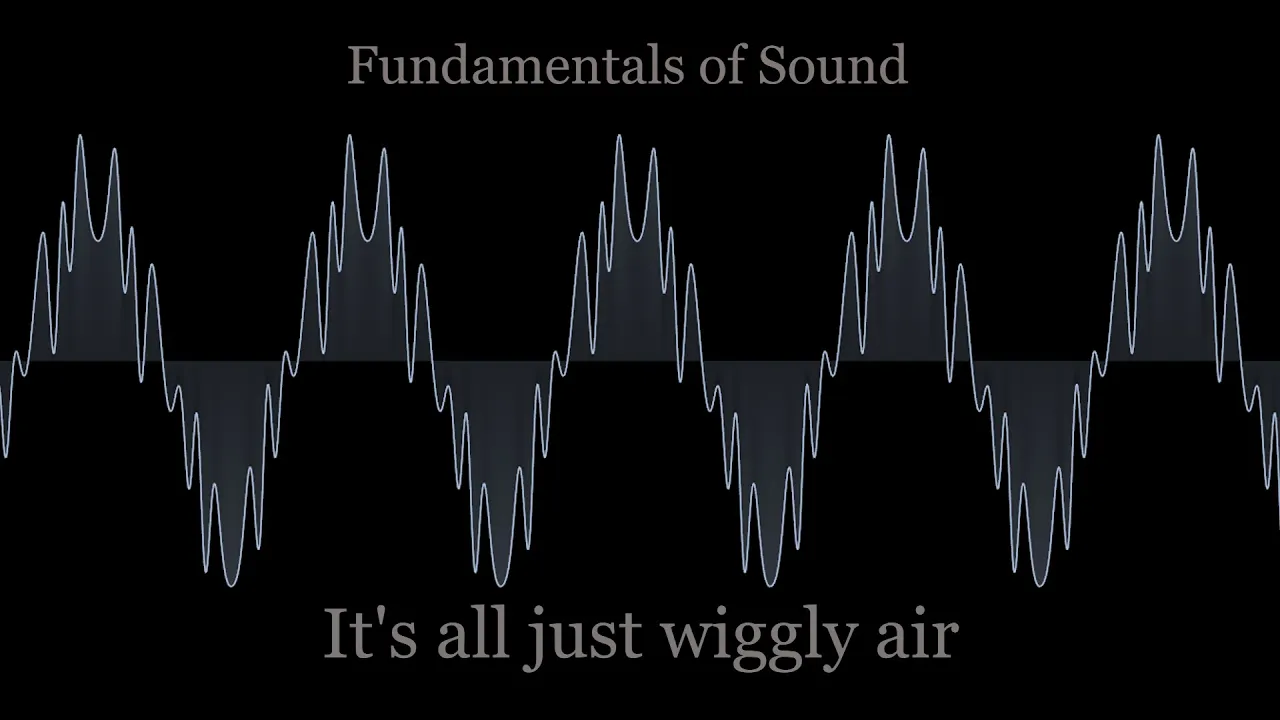
timbre is the combination of qualities of a sound that distinguishes it from other sounds of the same pitch and volume if melody is the essence of music timbre is the essence of synthesis explore with me some of the many ways to bring your synth timbres to life welcome to harmonic animation hello and welcome to this introduction to what i call harmonic animation this video series will explore the use of synthesis techniques to animate the relative volumes of individual harmonics or overtones from a sound source such as a voltage-controlled oscillator or vco so what are harmonics and why would we want to animate them when we hear a single note from a sound source the pitch we identify is the pitch of the fundamental frequency for an a440 that fundamental frequency is 440 hertz this is the first harmonic if the sound source is producing a pure sine wave there are no additional harmonics let's listen to the sine wave it's a very pure tone and it has only the fundamental frequency no overtones more complex waves have additional overtones that combine to make the sound or timbre a sawtooth wave contains overtones harmonics which are integer multiples of the fundamental frequency if our fundamental frequency is 100 hertz then the second harmonic is twice the frequency of the fundamental or 200 hertz the third harmonic three times 300 hertz you get the drift let's listen to a sawtooth wave you can see that it's very bright and it's full of harmonics and overtones this series will show ways to change the volumes of the component harmonics of the sound source such as a vco let's look at two of these methods in subtractive synthesis a mini moog an rf2600 the most typical method of changing the mix of harmonics is with a filter if we decrease the filter cut off we're going to decrease the harmonics that we hear let's listen to that so let's go back to our sawtooth wave and reduce the cutoff frequency [Music] you can hear it getting duller and brighter now if we increase the resonance or emphasis we accentuate the harmonics around that cutoff frequency if we do a filter sweep with a high resonant setting it's easy to hear the individual harmonics so we're going to turn up the resonance turn down the cutoff frequency bring back our sawtooth wave and listen as you can hear the individual harmonics fundamental [Music] so what are some other ways of changing the mix of harmonics we'll start with a pulse wave a square wave is a pulse wave with a 50 percent duty cycle the voltage is high for 50 percent of the time or one half of the period of the pulse note the one half one over two in the square wave the second harmonic is missing or very low in volume in fact a fifty percent duty cycle pulse wave a square wave has all of the even harmonics missing or diminished the second the fourth the sixth let's listen to what that sounds like it's got a very hollow sound to it interestingly if we make the pulse duty cycle one third of the period instead of one half every third harmonic will be missing or diminished for a quarter pulse you guessed it every fourth harmonic is missing and so forth knowing this let's listen to what happens when we control the pulse width with a low frequency oscillator and lfo here's the pulse width modulation that electronically changes this pulse width knob [Music] and you can hear the harmonics fading in in and out as the width of the pulse changes what we're hearing is another example of harmonic animation so in this series we'll be looking at different control voltage inputs in addition to filter cut off and pulse width modulation we'll also be looking at a variety of controllers to generate the control voltages that are animating the harmonics along the way we'll make it musical thanks for watching so
Up Next
2:44
Exporting Microtonal Tuning Files with Scala: A Practical Guide
@Sevish
20.1K views•2016-09-17

12:54
Triumph of Orthodoxy Icon: Byzantine Art & History Explained
@BenCallan
2.1K views•2024-08-06

9:49
FastAPI vs Flask vs Django: Choosing the Right Python Web Framework
@TechWithTim
302.5K views•2024-05-26

1:42
Game of Thrones Opening Credits: A Cinematic Analysis
@gameofthrones
46.3M views•2011-04-18
Related Study Plans & Knowledge Roadmaps
Structured learning paths in General & Interdisciplinary Studies
general-studies
Elevator Engineering: History, Physics & Cities
01From Hoists to Safety Brakes: The Dawn of Vertical Lift
02Hydraulic vs. Traction: The Engineering Physics of Elevators
03Modern Speed, Safety, and Algorithms
+ 2 more learning modules
12h5 modules
Explore Roadmap
general-studies
Rubber: Material Science, History & Geopolitics
01Origins of Natural Rubber & Mesoamerican History
02The Chemistry of Natural Rubber & Vulcanization
03The Geopolitics of the Rubber Boom & Colonization
+ 2 more learning modules
12h5 modules
Explore Roadmap
general-studies
Containerization: Evolution, Logistics & Trade
01Ancient Trade & Bulk Cargo: Amphorae to Barrels
02The Industrial Revolution & Cardboard Packaging
03The Containerization Revolution: Malcom McLean
+ 2 more learning modules
12h5 modules
Explore Roadmap
general-studies
Textile Tech: Evolution, Labor & Global Impact
01Pre-Industrial Textiles: Handloom & Cottage Industry
02Mechanization: The Spinning Jenny to the Power Loom
03The Factory System & Global Labor Transformation
+ 2 more learning modules
10h5 modules
Explore Roadmap