






















An inverted index is a fundamental data structure in information retrieval systems that maps each term to a list of documents containing that term (called a postings list), enabling efficient search operations; it exploits the sparsity of the term-document matrix by storing terms in a dictionary with pointers to sorted postings lists, which are constructed through tokenization, normalization, and consolidation of document tokens.
Inverted Index Explained | Information Retrieval | Stanford NLP
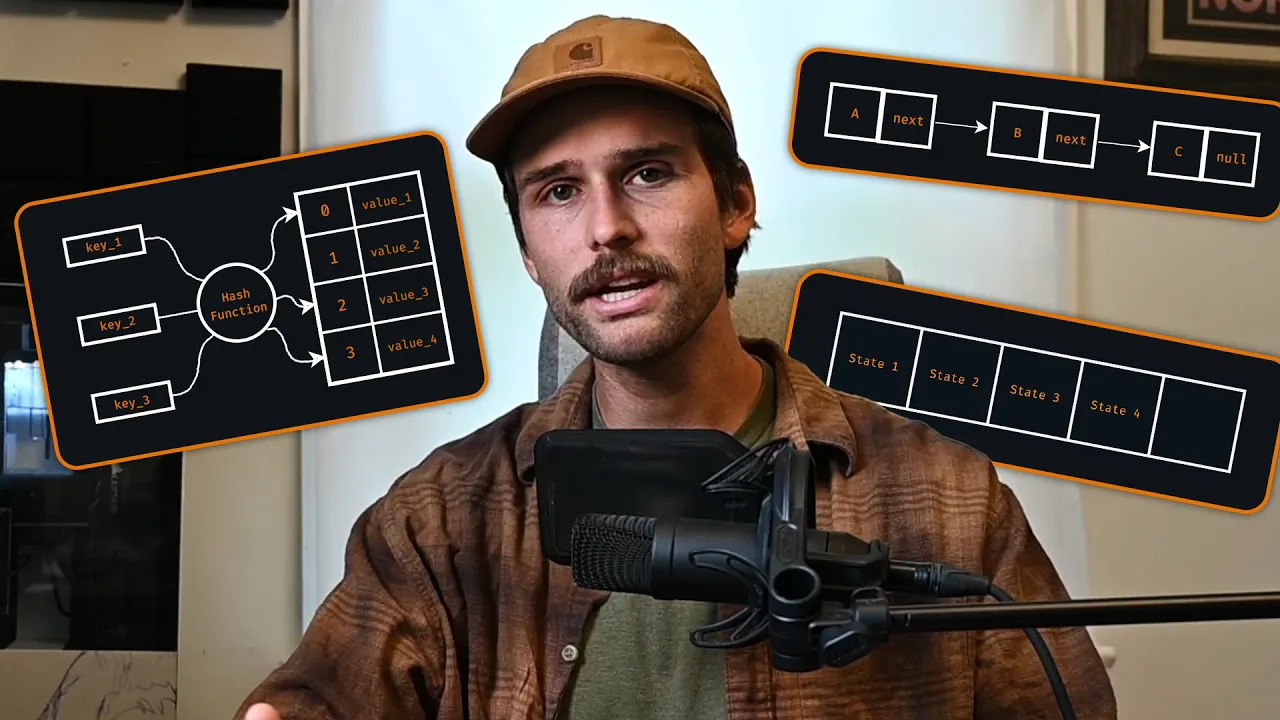
Added:Basic data structures, specifically arrays, linked lists, and hash maps, which are foundational to understanding postings lists.
Fundamental concept of a document, a collection of documents (corpus), and how text is tokenized into individual terms.
The difference between linear scanning (grep-like search) and indexed search in terms of computational complexity (Big O notation).
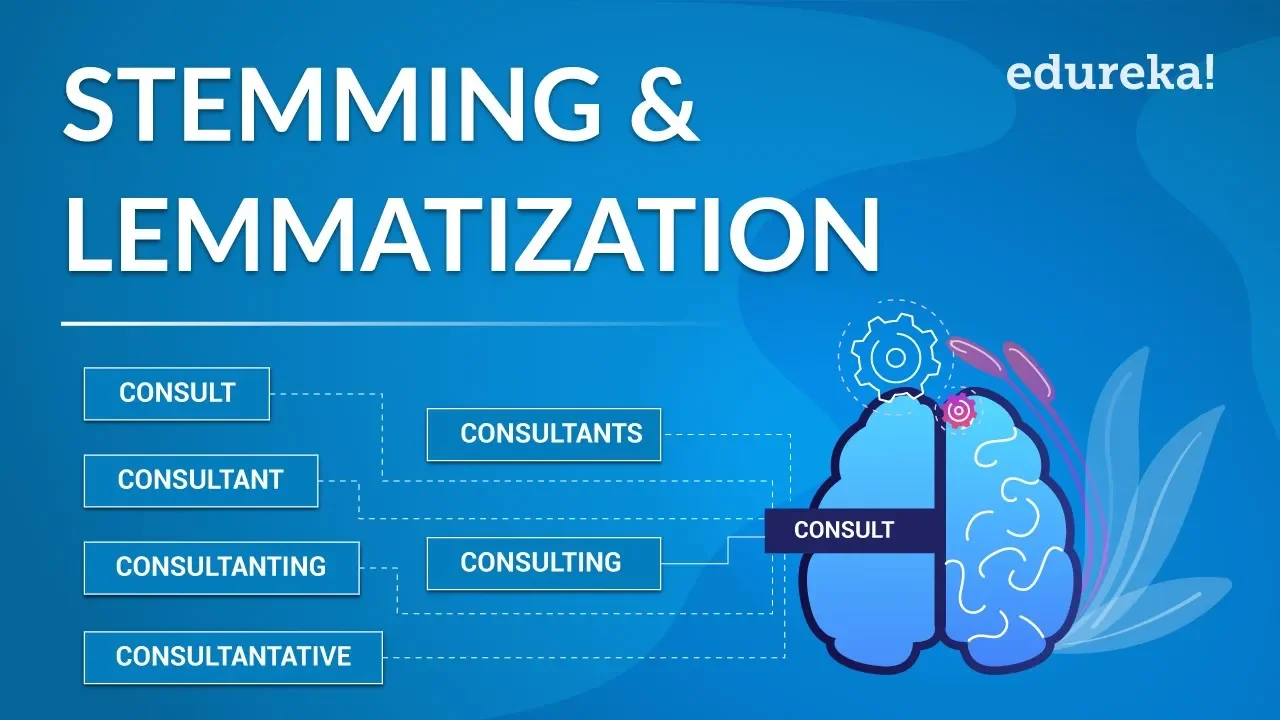
Basic text normalization techniques, such as stemming, lemmatization, and lowercasing, which define the vocabulary of an index.
Boolean retrieval mechanics, including efficient posting list intersection and query optimization algorithms (e.g., sorting by document frequency).
Index compression techniques, such as delta (gap) encoding, Variable Byte encoding, and Gamma coding, to fit large indexes in memory.
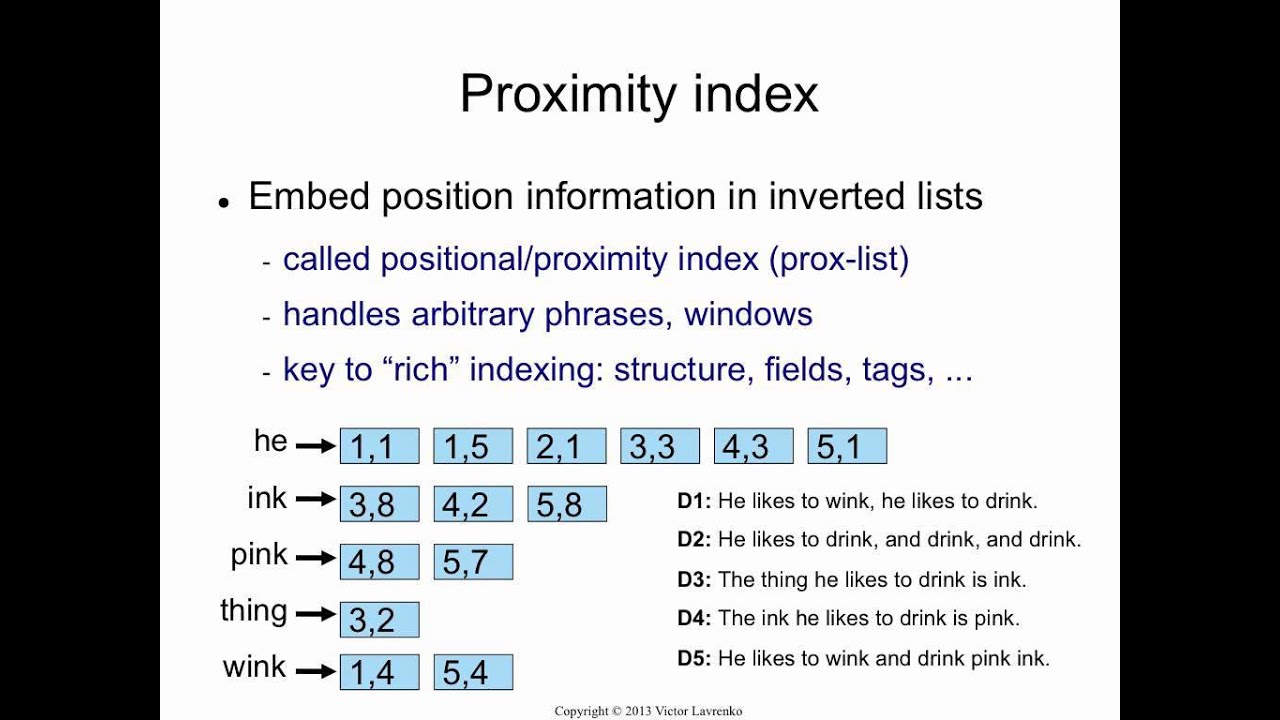
Positional indexes and biword indexes to support phrase queries and proximity search.
Scoring and ranking models, such as TF-IDF and BM25, which utilize term frequency and document frequency stored in the inverted index.
Distributed indexing architectures (e.g., MapReduce, Elasticsearch) used to scale search engines to web-scale document collections.
44.3K views630likes10:43Original Release: 2016-08-24
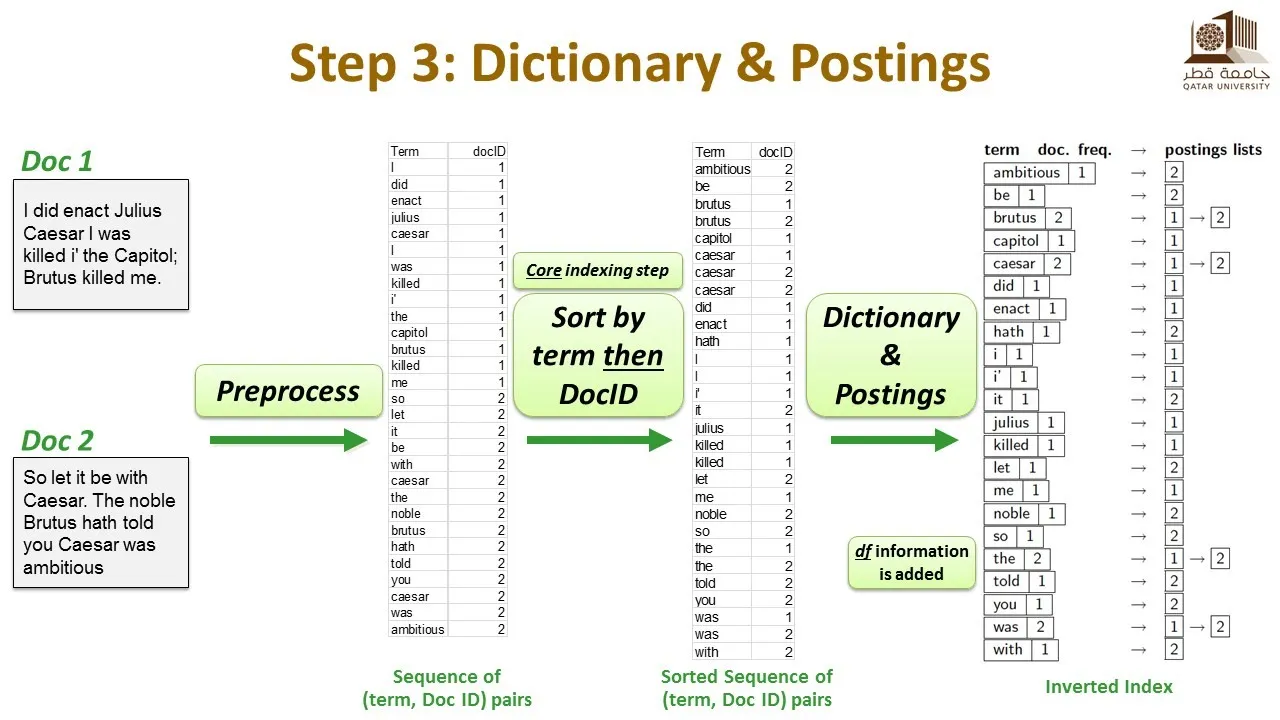
hello again in this segment we're going to talk about the inverted index and how it's constructed an inverted index is the key data structure that underlies all modern information retrieval systems from systems running on a single laptop to those running in the biggest commercial search engines an inverted index is a data structure that exploits the sparity of the term document Matrix that we talked about in the preceding segment and allows for very in sorry and allows for very efficient retrieval it's essentially without peer as the data structure used in information retrieval systems so let me go through what's in an inverted index so for each term each word we must store a list of all the documents that contain the word let's identify each document by a dock ID which is just a document serial number so you can think of us starting with the first document called one then 2 3 Etc and then the question is what data structure should we use I mean one idea might be to use fixed arrays like the vectors that are in the term document Matrix but that's very inefficient because while for some words they'll appear in a lot of documents other words will appear in very few documents moreover there are perhaps other problems if we think about a dynamic index where some documents are added later on that then we have or documents are changed then we'll have difficult things in adjusting our Vector sizes for these reasons one way or another we need to use variable size lists to store the documents on which a word occurs and in standard information retrieval terminology these lists are called postings lists postings lists traditionally were usually stored on dis though that may not be the case for now for big search Eng engines and if you're storing postings lists on dis the right way to store them is as one continuous run of postings because that gives the most efficient method of then being able to load them off disk back into memory when you're interested in the postings for a particular word in memory u a postings list can be represented as a data structure like a link list or variable lengths arrays with some obvious tradeoffs in the size versus the ease of insertion so the data structure that we end up with for invert index is like the one that I'm showing here so we have the terms that are in any of our documents and then for each term we've got then got a pointer to a postings list that is then giving the different documents which are described by their document ID in which it occurs okay so one occurrence of a a Word document pair is referred to as a posting and the sum of all of the postings list are then referred to as the postings and so overall then we have the parts of on the left hand side we have the dictionary and then on the right hand side we have the postings and these and a property of the postings is that they're sorted by document ID and very soon now we'll explain why That's essential so these two data structures that dictionary and the postings have somewhat different statuses because in global size the dictionary is relatively small but it's normally essential that it's in memory whereas the postings are large but at least for something like a small scale Enterprise search engine these will normally be stored on disk let me move now to how an inverted index is Con constructed so the starting off point is we have a bunch of documents to be indexed and each of those documents we'll think of as being a sequence of characters we'll assume that we've already dealt with perhaps by someone else's software conversion from PDF and Microsoft Word documents and things like that so then we're going to go through first some pre-processing steps so we need a tokenizer that turns the document into a sequence of word tokens which are the basic units of index in but we often don't index exactly the words that contained in the document there might be various linguistic modules then in some way modify the tokens to put them into some kind of canonical form so for instance here we're saying that for friends here it's being both lowercased and is being stemmed to remove the S plural ending okay so then it's those modified tokens which will be fed to the indexer which is the thing that that builds the inverted index that I was just talking about so here's the inverted index and it's this step here of the indexer that is the main thing that I want to talk about but let me first just briefly mention those initial stages of text processing so in just a fraction more detail the things that happen in those initial stages is firstly tokenization that's just how we decide to cut the character sequence into word tokens and there are various issues there there are punctuation that come up against words how to treat possessives hyphenated terms and all that kind of stuff um that we can talk about in more detail um then normalization is this issue that while certain things like USA with and without the dots you probably want to treat as the same term and map both the text and the query terms to the same form so that they will match you might want to do other kinds of mapping such as stemming so that authorize and authorization are both being mapped to the same stem so that they straightforwardly match an a query and finally you may not want to index at all the most common words traditionally many search engines have left out very common words like the are to and of from the indexing it's not clear that in the modern world when our amount of storage is so vast that that's such a good idea because there are queries that you might like to do such as for the song to be or not to be where you really need the stop words and it turns out that with modern indexes it's not that inefficient to store them okay now let's go through in detail how the indexer goes from the sequence of perhaps normalized tokens to building an inverted index so for this example we're assuming we have two documents doc one and Doc two here so there are a key sequence of steps that we go through so our input is that we have the sequence of tokens of the first document in the order that they come in the text and the sequence of Doc tokens of the second document in the order in which they come in the text so the first step is that we do a sort and we sort as the primary key by the terms putting them in alphabetical order so here we have this alphabetical list of terms and if we have the same term appearing in multiple documents we do a secondary sort by the document ID so the word Caesar appears twice once in document ID 1 and twice in document ID 2 and we're sorting it secondarily by document ID and so that's a core and expensive indexing step once we've got that far what we then do is essentially a consolidation of what we found over here on the right so we take that here it is again and multiple entries in a single document are merg so that's the two instances of Caesar and they're just treated as one and then we also merge all instances of a particular term and so then we re represent that as over here so we say we have the diction re-entry Caesar we record its total frequency in the collection I'll come back to that a bit later and then we build for it the postings list which is the list of documents in which it occurs and straightforwardly because of a consequence of our sort in the previous step that this postings list is itself going to be sorted by the document ID so I'm thinking about the size of an inverted index we can think from in about where do we pay in storage so we pay some amount for the list of terms and their accounts but the number of terms will be relatively modest now example beforehand there are 500,000 terms we pay for a pointer to that identifies where the postings lists are but again that's of the order of 500,000 things and then we pay for the actual postings list themselves and these postings lists are by far the biggest part but even then they're bounded by the size of the number of tokens in the collection so an examp in our example before of the million documents of of average length a th000 words we still less than 1 billion items there and so storage is manageable so when we actually building an efficient IR system implementation we think further about these questions we think about how can we make the index as efficient as possible for retrieval and how can we minimize the storage on both sides of this both on this side and this side in terms of various sorts of compression we're not going to get into the details of that now but what I hope you can start to see is that the inverted index um gives an efficient basis on which to do retrieval operations and that's something that we'll talk about in more detail in the next segment but at any rate now you know the underlying data structure it's really not that complex that underlies all modern information retrieval systems
Up Next

17:20
Inverted Index Construction: From Sparse Matrices to Scalable IR Storage
@MentorsnetOrg
28.8K views•2011-05-29

87:26
Introduction to Secure Multiparty Computation with Yehuda Lindell
@fhe_org
7.7K views•2021-02-04

4:55
HTTP Requests Explained: GET, POST, PUT, DELETE
@codecademy
103.1K views•2021-10-07

19:25
Enigma Machine Mechanics: WWII Encryption Explained
@JaredOwen
13.2M views•2021-12-11
Related Study Plans & Knowledge Roadmaps
Structured learning paths in Computer Science
computer-science
Container Runtimes: Namespaces, Cgroups & Go
01Linux Systems & Go Programming Foundations
02The Core of Isolation: Chroot and Filesystems
03Linux Namespaces: Process Isolation
+ 3 more learning modules
32h6 modules
Explore Roadmap
computer-science
Building a CHIP-8 Emulator: Rust & CPU Basics
01Computer Architecture Foundations (Bits & Bytes)
02Rust Programming for Systems Development
03CHIP-8 Virtual Hardware Specifications
+ 2 more learning modules
32h5 modules
Explore Roadmap
computer-science
Building BitTorrent: Go, P2P & Concurrency
01Go Fundamentals & Concurrency
02Networking Foundations & P2P Architecture
03Bencode Parsing & Torrent Metadata
+ 3 more learning modules
26h6 modules
Explore Roadmap
computer-science
Actor Models (C++ Concurrency & Lock-Free)
01C++ Multi-Threading Foundations
02Thread Pools and Task Scheduling
03Atomics and Lock-Free Queue Design
+ 3 more learning modules
45h6 modules
Explore Roadmap