



















Government contracting success requires finding a specific niche, building strong relationships with contracting officers, and following a structured process taught by experienced mentors; this approach enables even new businesses to win multiple contracts quickly and scale their operations effectively.
Selling to the Government Without Proposals: DLA Strategies
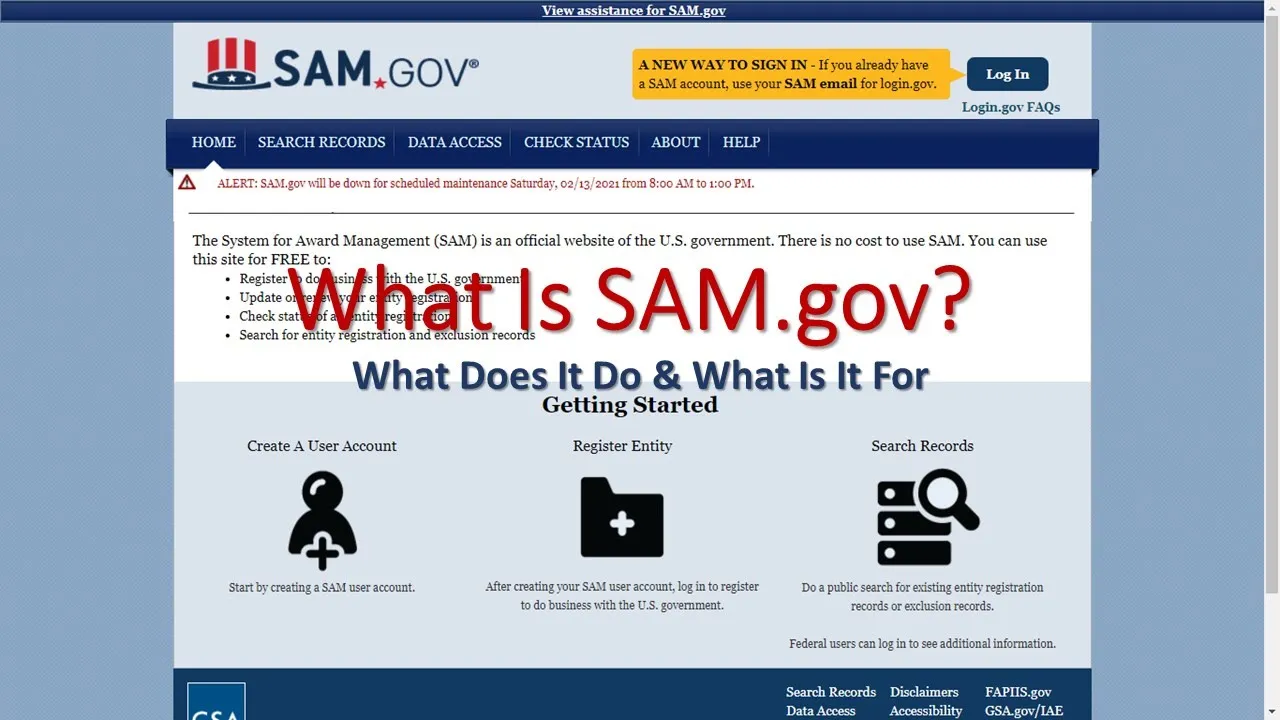
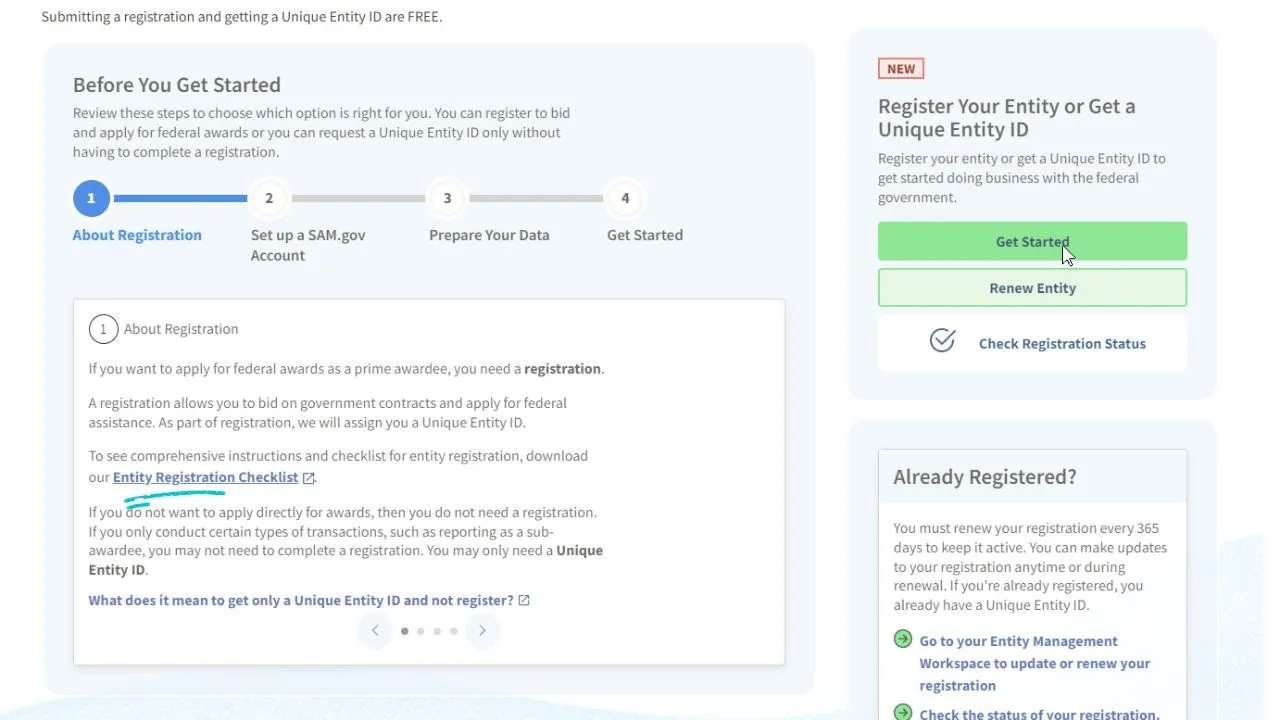
Added:Understanding of basic government contracting terminology and frameworks, such as the Federal Acquisition Regulation (FAR) and SAM.gov registration.
An overview of the Defense Logistics Agency (DLA) and its specific role in logistics, supply chain, and materiel procurement for the Department of Defense (DoD).
Familiarity with standard government procurement methods, including Request for Proposals (RFPs) and Request for Quotes (RFQs), to contrast with non-traditional methods.
Awareness of small business socio-economic classifications (e.g., 8(a), HUBZone, SDVOSB) and how they impact set-aside opportunities.
In-depth study of Simplified Acquisition Procedures (SAP) and micro-purchase thresholds as practical mechanisms for proposal-free government sales.
Exploration of Other Transaction Authorities (OTAs) and Commercial Solutions Openings (CSOs) as alternative, non-traditional procurement pathways for startups.
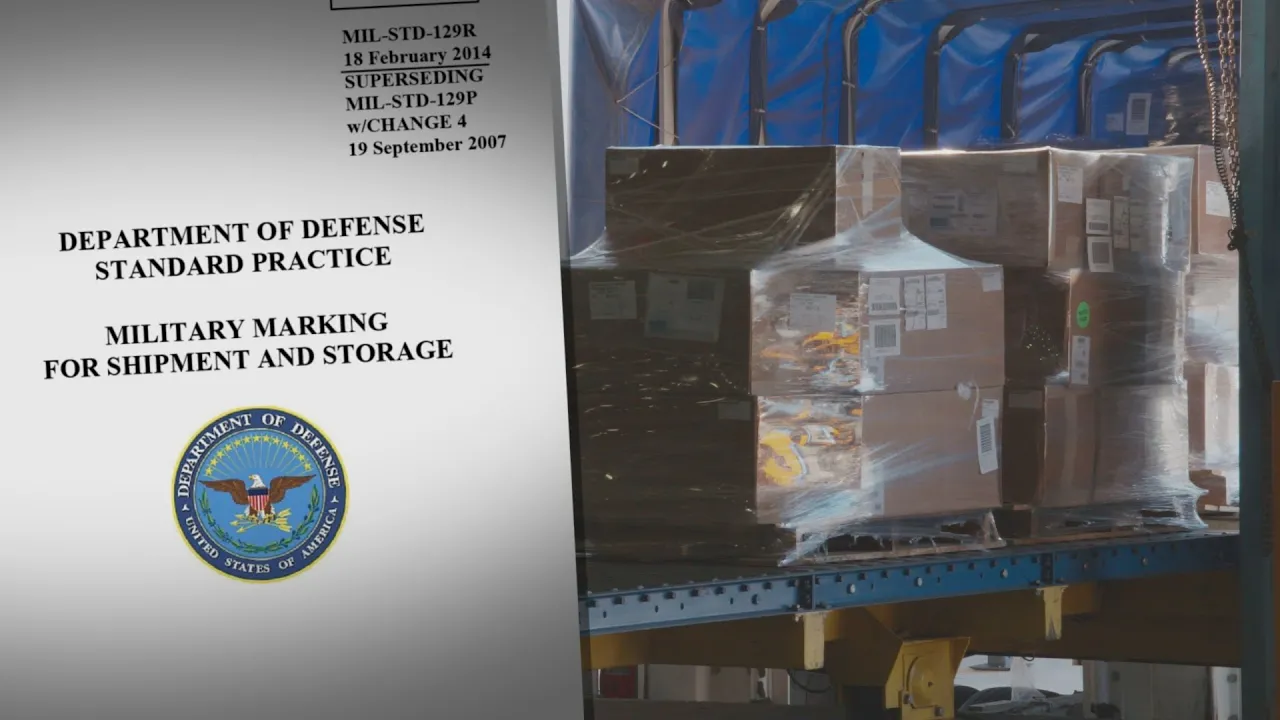
Understanding military packaging standards, Defense Logistics Management Standards (DLMS), and quality assurance requirements for physical delivery to DLA depots.
Implementation of Department of Defense cybersecurity compliance frameworks, such as the Cybersecurity Maturity Model Certification (CMMC), necessary for ongoing contract fulfillment.
13K views656likes1:53:58Original Release: 2023-12-20
all right hello hello hello welcome everybody to today's live stream and we have some special guests on tonight I know a lot of people are anticipating this particular show and so again we want to welcome our guests and treat them nicely right uh some people are new to being on a live session so be nice and as always before we get started go ahead and introduce yourselves and tell us who you are where you're from let us know you are out there so that when we're talking and asking questions we know our audience before I get started I want to just show you what's our panel going to be like today before we start jumping into some questions so Dave why don't you take away introduce yourself and all the people that we have up here on stage awesome thank you so much so my name is Da kave I'm the founder uh and creative director of namat LLC which is a Consulting and educational firm teaching companies how to do business with the defense Logistics agency and specifically utilizing the dibs platform so these are four of the some of the most successful companies that we've worked with in fiscal year 2023 we worked with uh just over 60 companies 63 to be exact and these four they each accomplish something uh very unique in their in their own way so uh on the bottom right of the screen we have Yasmin elme she's a woman-owned business and she secured her ID she secured an idiq contract with the defense Logistics agency prior to working um with me and that is a a feat all in of itself um and she's you know continuously delivered with other agencies as well and then we have Rico teer and uh Rico he he did something very special he won five contracts within eight week or yeah within eight weeks of working um with us which is unprecedented we haven't seen anybody do that um ever and then we've got uh Mr Richard Jones who when we started working together um he had around 30 government contracts with with d and he's since doubled that number so now he's up to 60 um and he's well into the six figures Mark and then U if you notice uh there's somebody on the panel with the same last name as me uh that is my mother and she's the president of two lions Aerospace LC which is the company that I was working for um prior to switching remotely and uh it about three and a half years two lions Aerospace has done about 133.5 million dollar um in Revenue so uh that's a little bit about all of the accomplishments of all of the panelists uh that we have with us here today right and so the format we're going to go through ask a couple questions to each panelist talk about their experiences and then uh we'll bring them up one at a time is that fa all right all right so let's get started so first up is Miss Yasmin so we're going to be breaking the ice with um Yasmin so as I mentioned before Yasmin you had won your your first idiq prior to reaching out to us um and a lot of people know about idiqs but they kind of don't know about da and and how they work together could you kind of talk us through um your thought process and then what tangible actions you took to secure your first idiq um yes ston um I'm actually a member of govcon Giants group with Eric so I would say um my first step in securing this contract was taking his method of reaching out to the um purchasing agents um you know doing my research you know building relationships not just going ahead and bidding on what I see is available on sam.gov so I kind of took that strategy and I found an opportunity that um basically there was just one firm that was bidding on it since 2003 um I did see that they had a um idiq they bid on in 2001 and I was just you know reached out to the Contracting officer asked if it was up for recompete um and from there just formed a relationship and I think that was my biggest takeaway from um Eric's course is building relationships will take you much further than just bidding on every opportunity that you see um and from that initial point of contact with that CEO she let me know hey this idiq is not up for recompete but I'm working on another purchase um and if you're interested I'll keep you along and let you know when it's published she did do that of December of 2022 um she published it on sam.gov um it was like a onewe turnaround time I submitted the paperwork and basically from there um from January till March she was just vetting me um just like your mom said um you know asking for every single piece of documentation you know because I did not have um any past performance with the D or the federal government all of my past performance prior to that was on the um commercial side and the state and local side so she just kind of put me through the ringer but I stick through um and in March that's when she awarded me and I actually was introduced to you on um one of Eric's sessions that we have um with our group on Tuesdays you came on with your mother and you were discussing the D and packaging and things of that nature and I was like hey this is the guy I need to talk to and you know you kind of helped me through all the stages of um you know Eric always says like the real work starts after you win the contract and I can honestly say that like it was so much to take in in such a short amount of time but um thankfully between the course and your help I was able to you know get those first couple of delivery orders out also like being in compliance with the D setting up all of my vendor accounts um it was really a Journey but you know the fact that I was able to secure idiq with no federal P performance you know it did teach me a lesson that building relationships will really take you further than just going out and just submitting on everything that you see so really quickly could you talk about kind of the difference between an idiq and your experience versus like a regular bid like kind of talk about how they were placing orders over the course of you know the lifetime of the contract so my first um Three Delivery orders all came at the the same time um and what I learned about idiqs is that hey you're gonna have this amount of work for this amount of years but how they the da places their orders is a little different than other agencies they have a forecast on their website but it doesn't necessarily correlate to how many delivery orders you will get um I actually attended the da clothing and textile um joint Advance briefing um last month in Philly and this was one of the conversations that they had with a lot of the vendors you know they were complaining that how can we budget out you know our staff and our raw materials and everything if we don't know how many delivery orders we will get and what I noticed in this um especially in the past month is that maybe them trying to close out the calendar year they just pushed a lot of delivery orders through so it puts vendors in a very tough place because it's now I have to deliver in two weeks or three weeks or whatever timetable that they give me and that's where it's very important to speak to your CEO to see like hey can they push the delivery dates out you know but the D um they are aware that this is an issue that vendors are facing not knowing you know you can't really prepare how many delivery orders you'll get so I would say it's very important to speak with your CEO be very transparent um see if they can get a forecast for you because you can literally go two to three months with no delivery orders and then boom you know you have back-to-back delivery orders so you know you have to have supplies on hand and if it's you know something that you're actually manufacturing then that you know raw material and labor comes into play so I would say being transparent with your CEO and seeing if they can even give you a short forecast so you can kind of plan ahead for your orders um that would really help and if you can't get your orders out in time they do work with you and they can make modifications and push out the delivery dates for you so it doesn't affect your um Spurs score because late delivery orders does affect your score um down the line but I would say from every person that I've speak spoken with at da whether it's cos's whether it's setting up um my vssm accounts you know every every vendor account um I don't know how to say platform has a help desk everyone's willing to help you that's one thing I can say you know don't be intimidated don't be scared um of the DL sometimes their paperwork can be more intimidating than other agencies but once you get that part down packed you know it's kind of smooth selling from there I would say just about building a relationship with your CE being able to once you're in it's like you're in like once you pretty much run that Gauntlet of of paperwork and then you pretty much show them hey you know I'm willing to stick it out then they become you know very uh receptive to working with you and they like working with with it's almost like they're they're almost like determining like what are you made of you know before I I give you this contract right are you somebody that's willing to you know read the fine print and and you know do the work that they're asking send out you know those faxes and those those emails so thank you so much for that um that was awesome greatly appreciate that insight into idiqs idiqs are a great way to kind of give your your business some sustainable Revenue over the course of of the contract and these contracts could be anywhere from one year to five years to even 10 years long so they're a great way to kind of uh give yourself you know some sustainable business um so next up on the panel we have have uh Rico teamer and U like I said Roo accomplished something that I have I haven't seen um ever in my time um doing business with with d uh he won five contracts within eight weeks now um before we get into uh discussing with uh Rico about his accomplishments Yasmin mentioned a Spurs score and a a Spurs score is a supplier performance risk system score and it's essentially a grade that da gives you uh when you do business with um with them and it can be impacted by things like your ability to deliver on time your ability to give the proper material um how well you package the material and then other factors so just a little piece of insight there so um Rico you accomplished something that is very rarely seen could you kind of talk about what was the largest contributing factor um for you to winning five contracts within eight weeks um um well I also am a member of govcon Giants and um I was also in uh one of the Tuesday um classes or showups and they mentioned mentioned you somebody was talking about you so um I reached out to you of course and I had been trying to win a contract uh failing with the D for like a year and a half but I mean once once once I got with you in uh the mentorship to basically show me and guide me through and translate uh the contracts and show me what to look for and uh somebody had told me just to go for small business uh contracts and then you told me to go for everything and this and then actually told me what to go for and how to find your Niche and um it's based mentorship man I mean because it's it's it's on right now on the W I'm trying it for a year and a half bumping my head I get with you and then you give me a process it's streamlined and uh day two I told you you was Mr Miyagi and me and I I felt like it was going to work and and I just kept with the process over and over and over and over and it was no doubt in my mind that I was going to win one but then a pipeline built and then I won one that's for ability I hit you up and then you told me hey here you go here it goes it's going it's just going to keep going after this and that's what happened awesome awesome so let's kind of talk about you know the difference in effort between you know winning your your first contract versus like you know your third fourth and and Fifth and kind of like um a pipeline like kind of how how was that for you in terms of like you know okay submitting submitting a whole bunch of bids and then you know kind of the effort level between what they were asking for and then how quickly they were awarding them what was that like for you but once you once you start and you you you get an idea of uh what they're actually asking for and what you can actually provide you start stop throwing you know trying to stick everything in the W and you start going after what you can actually provide and and and and uh what they want and then you you read the contracts a little bit better so I kind of could look at stuff and said okay I can do this this is a crazy I in as you would say and um it just as you just keep going it's it's like you like learning a new like math equation it gets easier and easier and easier and you can see things that you couldn't see from the first one to the third fourth and fifth and eighth one it's just it gets better and better and better and then you make you make mistakes of course because I made a couple mistakes as you know and you talk about like the you mentioned how you know you were kind of finding a niche and then you were you know reading you were kind of reading the writing on the wall kind of figuring out okay you know this is like a good you know group of products for for me to work with could you kind of talk about you know the difference that that made and then like some of the things that you were evaluating when you like hey um you know this might be a good fit for me or you know I should move on from from this well um you sometimes you can find things where you can get uh prices the same day and then sometimes you have to reach out to people and it takes a day or two or or maybe in a week because you have to keep going back and forth so once you find something that you can actually when you emailing people and they respond quick right and you don't and you know that these people going to respond quick is a as opposed to somebody that may not respond as as quick and and then that way you can beid on more stuff my problem was I wouldn't be it enough but then I didn't think I could be as much as you T as you taught me you know and once I got that down uh it just all fell in place I got you so kind of determining that's that's something I lot people don't talk about is kind of determining okay how quickly can you get quotes back um to be able to submit bids on on these these Contra or these solicitations I should say and I know that you know Eric has essentially laid out the Bible for a lot of you guys on how to write proposals and and how to generate you know your your success with other aspects of the government but when you're doing business with d you use their online platform dibs and it can I mean Rico how quickly would you say you were able to submit bids like one minute three minut minutes five minutes to submit a bid how quickly would you say that that took probably about two minutes a bid if I can get my if I can get my quotes I mean my prices down yep yep so yeah doing business with daa is is a bit different than um other government agencies because the proposal writing is different and you can submit you know 20 bids a day one one of you know my co-workers he was submitting the most I've ever seen in the day was 47 bids right so you could if it takes you two minutes a day to submit a bid um you can kind of Base your Niche based on how quickly people respond to you if you get quotes same day you can call somebody and then turn around and it's basically like you've already you know submitted a a proposal so that's one aspect of Da that makes doing business with them uh a bit unique so thank you so much for that um Rico and um next we have Vanessa on the panel before we do that you want to talk about the link that you have up here yep yep so um in the chat Eric actually just sent a link and it's actually a LinkedIn post and what the post contains is actually a holiday special that um myself and my team are running so from now until December 1st we will be running discounts on the recorded version of our of our boot camp ignore to award and our Government Contracting success bundle and then additionally um everybody who attends today and then stays all the way until the end we will actually be putting up I'll be putting a promo code in the chat um for our next live uh our next live boot camp it's actually going to be February 2nd to February 5th it's three days long and it's normally $799 to register for all three days but um it is going to be only uh $6.99 to register so everybody that's currently in now stay all the way till the end so I'll put the promo code in at the end um and that promo code will be good all the way until Friday so for our live boot camp you've got uh until Friday to register for the promo code and then for all of our other sales that's going to be going all the way up until midnight on uh January 1 of 2024 all right so what I just did for you because you had a super long link I've shortened it so it's gocon eric.com day awesome thank you so we'll make it shorter for everybody because that LinkedIn link was very long so if you guys put gocon eric.com Dy that'll take you to his LinkedIn uh the link that was shared in there my apology I see in the chat I did I guess I mentioned December 1 that link is good until um January yeah January January 1 um and then again for the live boot camp uh discount promo code if you stay till the end that one is good until midnight of this Friday all right can I just check and it works so we're good awesome right Perfect all right so I'll leave that on the screen for everybody uh just so you guys know also by the way while we're here um hit the like button if you haven't already done that I see we've got 105 people watching so let us know by the way if you haven't already told us who you are where you're from post that in the chat as well all right Who coming up next who you want me to bring up next uh Vanessa please all right here we are smile you're on camera so uh this is um somebody who I worked with every day during my tenure at two lines Aerospace we banged our heads against the wall for um all of three years kind of figuring out doing business with with d and um in three and a half years the company has done what's the what's the big number so I looked we did 16 uh six million 16 okay we were I was going to say 13 but now it's 16.6 million so add add another 3.1 um to that since the last time that we that we spoke and um based on you know your three and a half years could you kind of tell us what was the largest contract that you've that you've seen or the most recent big one that you that you've gotten well uh as we were speaking earlier we actually have two of these I had forgotten about that so we got one a while back for $430,000 and then today we got another big one similarly uh for $465,000 and those are not uh you know yes Eric we have to celebrate all the wins you know we celebrate the win that let me tell you this is a win everyone knows the story everyone knows the story about our very first contract which was $690 I'll never forget it I I mentioned it at at the conference and obviously Damon knows and so when I consider that we started our con our first you know our first uh Endeavor and our first journey with go with DA for $600 and then today we got a contract for 465,000 like wow what what a difference three and a half years makes right so that's where we are today awesome awesome so now that we know that the number is 16.1 million and I mean I'm assuming now that the number is probably close to like 500 um contracts with with da could you kind of talk to us about quality assurance and kind of what goes into maintaining like the Integrity of of an operation um when doing business with da definitely uh you know doing business with the government it's a red tape procedure right and the government is very risk adverse so when you are buying something and you're turning around and reselling it to the government you need to dot your eyes and cross your tees you need to do your due diligence and vet your vendors um we had a situation a while back where products from China entered the supply chain and it shut down literally all of these weapon systems all of these fighter jets that can't remember if it was the Air Force or the Army we're using because the these chips from China had entered the supply chain through a regular us supplier unbeknownst to them and this shut down this whole entire military operation so that's how risky these things are and they you know they trickle all the way back down to you in your kitchen buying these items online so we are ISO certified you don't necessarily have to be ISO certified but it is a process it's a quality assurance process which a lot of big manufacturers use and um oops sorry guys my laptop here it's a process that a lot of um big manufacturers use to make sure that their supply chain is properly vetted so you want to have a process where you verify your vendors check their websites check their phone numbers make sure that you know everything seems legit uh make sure that the product that they're supplying to you is in fact the product that da is asking for right there's a lot of fakes and frauds and counter a counterfeit mitigation process um available so and these things are all available on certainly hire a consultant but if you don't want to do that at the beginning or don't have the funds you can do your own research uh there's several websites um in fact da offers webinars on how to um mitigate counterfeit um products from entering the supply chain uh what kind of process and procedures you should be doing to make sure that your products are you know of high quality and this is even for commercial products right we sell critical safety items because we sell to air you know spare parts for aircraft fighter jets and [Music] and uh oh what's her uh oh I think she she froze on the internet I don't know if you guys can see me still no I can't see you but we can uh hear you now so what we'll do we can you guys hear me H you're still frozen we can hear you but you're Frozen my okay I see you all but for some reason it dropped I don't know what happened there um so I was I was saying the quality assurance say that again yeah okay we see you now looks like you're good yeah now you're good I'm good I'm back yeah you're back you're good all right technical difficulties The Show Must Go On so I was as I was saying whether it's commercial items that you're buying for D troop support textiles clothing or whether even it's something that's going into a missile and F you know 15 or C130 whatever the case may be do your due diligence make sure you're bring from a proper source that they're reputable they've been online you know they've been in business for a while there's checklists that you can fill out and processes that you have to document ultimately you work with um dcma which is the quality assurance sort of branch of D and usually you'll get ready as you as your volume picks up they'll assign you a rep to start coming in and checking on your quality assurance processes so you want to be prepared they're also very helpful you can ask them questions and they can guide you through some of the processes awesome thank you so much for shedding some some light on that and um when she was mentioning those webinars about quality assurance all those can be found on the da homepage um so if you literally just type in da.gov you can find um a lot of a lot of those those webinars and um checklist checklist checklist checklist um always you know rely on on your checklist in aviation it'll save your life in Government Contracting checklist will will save your business so that was one thing that she mentioned and you always want to make sure that you're also documenting all the conversations that you're having any email correspondence that you have with any vendor any email Corr respondents that you have with somebody from da you want to make sure you're you're print PDF in those um anytime you request a quote from somebody that you spoke to over the phone always just email them and then say hey per our phone conversation you know can you you know provide me with the pricing and availability um for this so thank you so much for shedding some light on quality assurance and kind of what goes into maintaining um the Integrity of you know an operation um of that size uh up next we have Richard Jones do you want someone has a question fora says to grow from zero to 16 million in three and a half years how has the team grown and what are the critical roles to Foster that growth we could take it now or you want to go up to next person Let's do let's do Richard and then we'll go back and then you broke up a little bit Eric what was the second part of the question how uh it says to grow from zero so you can think about this when we put you down it says to grow from Z to 16 million in three and a half years how has your team grown and what are the critical roles to Foster that growth so we'll take that up after the next guest yeah all right all right so I want to do we'll go through like each round of guests and then every after every round we'll ask um some some questions and Eric you had mentioned you wanted to um celebrate all the wins and I noticed that bunme um is is in the chat and congratulations to bunme um he's won three contracts um for about $20,000 um after working with so major major congratulations to BU out in uh Chicago super proud of him um and what he's building over there I know I saw him in the in the chat um bu me from Chicago there he is congratulations to to bun me I'm super proud of of him and uh to see everything he's accomplished after working with us up next we have Mr Richard Jones Richard is somebody who I consider a close friend of mine um he's he's come to the office office and we've we've sat and we've kind of just really discussed some of the intricacies of of Da and we you know text each other and we talk um frequently so um he's somebody that I I consider a good friend of mine and uh Richard when we first met he had about 30 da contracts um and now he's at about 60 contracts now Richard um I know you had mentioned um prior to us you know getting um on the on the show that you had gotten a large contract could you share um just the ballpark you don't have to say the exact number but just the ballpark of you know what that big fish was well well I'll say it now I mean after having um Mrs C up here talk about 400,000 I mean I might as well throw it out there but uh we just got a couple of days ago a 43,000 purchase order and I guess that was like H uh welcome back to dibs because they had kind of they had kind of stopped my momentum because they shut us down for like two months thr that out there but uh we they let us in and we picked it right back up and then that same 43,000 they gave us they turned back around on Friday this Friday just pass and sent me a ifb so we're gonna go ahead and do that for that same to kind of manage that NSN so we're gonna grab that and get that like a idiq with that for five years hopefully it's two years guaranteed with three option good stuff baby congratulations good stuff good stuff yeah so you pretty much doubled um your contracts over the course of the year which is like insane insane insane growth um that's like on that's pretty much I mean it's your fir it's your first year and like that's pretty much you're well on Pace to you know where where two lions Aerospace is especially for you know 40K you might even be you know ahead of where they were um in their in their first year so one of the things that I want to ask you about is you know you scaled your company quite fast um how did you go about you know picking contracts that have you know um that are essentially bigger ticket right to increase your Revenue because that's a big jump to go from you know you've got 30 underneath your belt and then you double to 60 and now you're doing $40,000 contracts what are some of the things that you looked at when examining solicitations on on da that kind of led to that growth so to be quite honest Damon uh what we did today is instead of uh looking at D at first you know we were all over the place as well you know just just going after everything going after grabbing after every straw and then I said you know what I got to get this thing under control and I got to Niche down and I was like let me find a niche and I got off of D and went and found niches that I had already have private uh or civilian experience in in my background as you know I'm Army and Aviation like yourself avionics and I said hey let me find people to partner with and then that's when we went back to Da once we had those suppliers and we was able to go after that big fish you know and uh what we did and one of the things just to give up a give a few nuggets the people in the chat everybody in the community is we do the lwh hand fruit strategy so what we do is we pick up a few crumbs and that that works both ways you know if you as you know Dave so I'm getting these little lwh hanging fruit contracts in D so I'm getting P performance because P performance like my first contract was uh I want to say like $794 as well but we've done contracts as low as $8 and as big now as $40,000 and we got a couple of $250k ID IQs uh what we was doing what we would do is we would go after some low hanging fruit opportunities in da with with uh uh with with a certain uh industry or certain product line and then once we we're able to go after the bigger once we see something big pop up now we can go back to our supplier and say Hey you know give us the best price you can get let's work together you know we don't I'm not gonna give all my secrets up but we kind of have we kind of have a buying history if you already have a buying history even if you bought the little small things they they're willing to work with you because they know you're going to spend money and that way we kind of get the good price and to nail down these bigger opportunities and uh DL so that's awesome awesome so that's one of the things that you know we're going to we're going to touch on um a little bit later on but um just to kind of highlight and payback off of what Richard said um you know you really wanna it's it's it's you gotta understand that doing business with da is a double-edged sword right because you've got to have relationships with not just da and building up your past performance but he mentioned you know even if it's a smaller transaction right with your distributor or vendor after you've conducted business with them you know one two three times when it comes time for that you know big fish that you see or that big contract you can go back to them and you can say hey you know I've already spent five 10 grand with you can you you know help me facilitate a transaction for you know 43 Grand or something like that so kind of understanding that the lwh hanging fruit isn't really low hanging fruit it's kind of like you're playing the long game um and you're really setting yourself up to kind of you know deliver on those bigger contracts with those same manufacturers um and Richard one thing I want to ask you about because you've you're kind of a testament to kind of hanging in there right um D they they have been cracking down on like a lot of Fraud and they've been freezing accounts and and people that get started or they're not active or whatever the case may be could you kind of you know shed a little bit of light on you know what that process was like for you of of getting your account locked and then getting it unlocked and then you know them still awarding contracts and then you you know dealing with that as a business owner if you could shed some light on that oh yeah absolutely so you know we got hit with a lockout uh and you know at first it was just like we got to validate businesses because it has been a lot of fraudulent a lot of scamming things like that now the real reason we got was it was a IP violation and you had actually told me about that you like don't do it but the funny thing the damage had already been done I had already been in Dubai uh to bring in the New Year and you know we were bidding and of course they kind of came back and backtracked and kind of got us up step out of there but we were still you know during the time of being locked out that's why I tell people you know common sense told me I said hey D they didn't always have the internet and dla been around since the 60s I believe so I was like they had to do the thing manually at one point in time so we still were able to get contact information from from buyers and contract officers and reach out to them and then they were still da is so big they were still emailing us for traceability and you know for opportunities you know asking for quote extensions and we would just correspond email uh F out a few of those standard form 18s the old fashioned way printed out sign it with a wet setting here send it in and we were still getting awarded we were still uh getting putting pars through and everything like that it's more challenging but you know that's why it's best to familiarize yourself with the process so that you're able to still conduct your business even when they do something like locking you out you know temporarily because uh like we work a lot with land and Maritime and Troop support uh and uh land and Maritime is actually the agency that that actually handles it and one of the managers didn't even know about it he was like what are you talking about by your dibs account is locked he was like you need to go and dibs and do I was like you guys locked so I had to send him the letter and he was like okay I'm going to look into this but it was you know it's it's more than one way to skin a cat and that's why and just just to be a little off topic I want to give all um you a shout out Eric coffee Eric you put the battery in my back I am gonna get into your group I wanted to come to your thing in October but I had to travel so I could make it but uh you put the battery in my back you know a few years ago when I was working overseas in Iraq you know that's how I sted up upon Guff KH uh Damon uh definitely D I had another uh consultant Miss Michelle Brown She you and her for da like my two mentors and Eric like I said you kind of started my party so I am gonna jump into that group uh and I do plan to uh be a sponsor in 2024 ater thing but I told you I want to I wanted to be bigger I want to be in the seven figures so I got you all right I appreciate it but uh back back on course uh Damon uh yeah just like I said for anybody that's listening don't just think okay they lock out account we just gonna sit on the sidelines you know this is the thing and that's to be honest with you that's one of the reason why I reached out to you because you like I said we were at 30 plus Awards when I found you but I had already followed your story and uh I had actually the first interview you did on Eric coffey's Channel I watched that and then the next day and I I was I don't believe in like luck or anything like that or coincidence but I had another consultant I'm not going to say that name reach out to my company and was claiming success off of your your two lines and everything like that and I was like you know what let me reach out to Damon I just watched this interview you know and I'm glad I did that just to keep that to kill that subject but uh I wanted to learn how to scale this business as you know like watching you uh the way y'all run your operation and coming down and see how you were able to scale it um to grow to grow more faster and that's that's what we kind of that's one of the biggest things you've helped us with you know from the new surplus from how to manage other people bidd and just the operations and things like that so I really appreciate that and I just want to give you your flowers you know you're way younger than me but very wise man I you know I'm glad I met you when I did thank you thank you appreciate that um so we'll we'll start taking questions so if you guys have any questions um in the chat you could drop you could drop them in in the chat um and I'll just take this one that dropped really quickly and then Vanessa will take the one that William had um so I believe it's Tuda they said can you explain to everyone issues with using a VPN and the D so um D their user interface is dibs the defense Logistics internet bidboard system and it is a government website right and on the that government website they have things called Tech docs and C folders and those are essentially blueprints um for you know various items and and things like that so it's it's very imperative that the only people that are accessing these documents are people that are State Side so you are not allowed to um utilize a VPN or log on to uh hibs outside of the the country or um you run the risk of you know getting your account Frozen or you know suffering penalties or having to fill out paperwork so that's a little bit um about that before we get into more questions um let's talk about a fun subject right so before we jumped online we were talking about where everybody's going and traveling over the holidays so Richard you mentioned you got locked out and you mentioned I think I don't think people caught that where you were at and so what are your plans for the holiday all right so that's thanks for asking Eric yeah we got locked out because I used uh dibs in Dubai to bring in uh 2023 and they came and got me back in October for that so I'm actually I'm actually going to email now now cck quick dis Scrambler you can email the terms and conditions uh monitor because I'm flying to Toronto Canada tomorrow and I'm gonna be up there for for the rest of this week and then I'm coming back to Miami and then I'm flying off to Dubai but if they tell me no or they don't respond I'm just not going to use it so all right my team in the state should still be using it but i w use I'm not getting locked out again anybody else has any fun trips yeah been plan anybody any want to share I'm traveling to Dubai as well and your story made me so scared I will not be logging on to dibs at all to um Ghana after that um to bring in the new year so I actually brought in New Year's last year Mexico City so I was in Mexico City for New Year last year I just came back from Singapore uh I actually wish I had plan to be there for New Year's because I can't imagine what that'd be like in sign for for New Year's but I didn't schedule that way but I kind of wish I would been there for New Year so anybody else I'll go watch the ball drop in uh New York I'm gonna go visit some friends in in Brooklyn so I've never seen the ball so that's what I'll you know what I wanted to do that but I heard the bathroom situation is really bad so oh it's it's crowded like you've got to do it or you got to do way before you get yeah I'm not gonna be upset that you're you won't be with us for the holidays Damon because you have uh officially grown into your own man now um we're going to Tennessee we travel all over the world pretty much all year long and so during the holidays we try to stay put but um my husband's parents are celebrating their 50th wedding anniversary and so we rented a cabin in the woods in Tennessee in the winter and that's where we're going to be for New Year's so that'll be interesting and mysteriously Damon's not gonna be there so go figure Damon has responsibilities to Delta Airlines now and last year I spent New Year's backpacking through Western Europe so that they're like used to it now don't let her like fool you there you go that's right that's right all right cool all right you know I like to humanize things because we talk about work so much I want to add the human element so people can see that we also have a good time on top of all this stuff and by the way I mean look at the people on this panel right so if this is not enough inspiration for you guys I don't know what else you guys need because hearing their stories and their Journeys and everyone is still relatively new uh da I don't know people know how old you are I don't know if you disclose that information to people I'm I'm 21 I turned 21 in July okay there you go he's 21 so uh I mean again and you've been working with your mom's company for I started working in Government Contracting when I was 18 and then I started my Consulting and educational company at 19 there you go so I just want to share that with everyone so again if you're not hopeful after this if you're not inspired if you're not motivated I don't know what else it's going to take for you to get out here um so seeing young people reflection of the world right on stage winning contracts and being successful I think is a testament to all the hard work that people like myself and others are out there doing like Michelle as well so with that said uh if you haven't already hit the like button I see 146 people watching make sure to hit like button I've had had a chance to plug that in uh we do have again I'm dropping the link on here for uh where's it at hold on I'll put it back on stage again follow this link goon eric.com and that's going to take you to his LinkedIn post and what can they find there Dave so on my LinkedIn post you will actually be able to see the holiday sale that we are going to be running um from today all the way until January 1st so again we're doing um a discount on our the recorded version of our live boot camp so it's about uh just over 20 hours of of content takes you from A to Z if you've never done business with the defense Logistics agency if you don't even understand what Government Contracting is um we break it down for you all the way to you know utilizing dibs how to read a solicitation how to find a niche how to pick products we've got you know the f a phone call script like literally what I say on the phone when I'm asking for quotes all the way to how to package ship and inspect like I literally took two packages in the warehouse and set the camera up and showed you guys you know how to assure your your quality assurance and how to do inspections and all the documents and things that you need so um there's a discount on on the recorded version of that course and then there's also our Government Contracting success bundle which includes um not just that course but a lot of our other webinars and then case studies with other companies and and just a whole bunch of other good stuff in there about how to do business with da and then again anybody that's in here right now if you stay all the way Until the End um I'm going to be dropping up a promo code and it's going to be a discount for the live version of my 3-day boot camp on how to do business with the defense Logistics agency and that will be hosted February 2nd to February 5th um and it's normally $799 for all three days but it's going to be um $6.99 uh to register for that and um I'm actually gonna just drop a uh Eric I I don't know if I can chat in in the chat so if I can send a link you can drop something in the chat oh okay cool all right so yeah I'm gonna actually drop a link So for anybody um who's interested in registering for that boot camp but they have any questions about it or they want to speak to me or my team or they have any questions about doing business with D um I'm going to drop a link tree and that way you can um get some info on on doing business with us um but uh I know William had a question um for Vanessa about scaling and then I see there's some other questions in the chat um that we can run through here all right what was the exact question all right the question was here oh I see it right here to grow from they go from zero to 16 million how has the team grown and why are they right right how has the team grown and what are the critical roles to Foster that growth so before I answer that question William I just want to point out something um you know two liines Aerospace is is is a is 10 years old we started doing commercial Aviation so we had some past performance in the commercial world but we knew nothing about government bidding until um my husband started working with with Eric and so that's how we pivoted into the go world and I just have to say I look at she's breaking up she's saying some thir of the time that it took us to get to where we are you know Damon started working at the company when he was 17 I'm sorry you were cutting you were cutting out could you start over sorry can you guys hear me I feel like I'm always losing some internet connection here so bizarre am I lost again no you're here you're you're present you're back oh my God this is crazy every time I start talking so as I was saying uh what I was mentioning is that you know Damon started he was a kid out of high school or you know in high school and um we struggled guys we struggled we hit our head against the wall we spent thousands and thousands of dollars on so-called Consultants who just dra tged us on and really did not provide the right information and just took our money and and then you know we we struggled for I mean it was obviously during covid but it was a tough time and when I look at what you guys are accomplishing in six months in you know five contracts in eight weeks I mean it took months it took months uh you know $600 to to today till right now as we speak we had a contract yesterday for I don't know I think it was $800 I mean we we do it all there's nothing we don't do um but I just want to you know Kudos and Shout out because you guys are so much further ahead than we were three years ago and I'm so glad that Damon took what we learned and what we struggled with packaged it and is turning around and giving back and you know making it so much simpler and easier and you know allowing so many more people to to benefit from that so I just wanted to to touch on that William I'm sorry um but I thought it was really important that I shout out everybody because I'm impressed I'm unbelievably impressed now as far as growing our team that's exactly what it was it started with three of us in the office maybe four maximum and we had a uh structure where we had some people bidding and when you know the first thing that we did was just bid we figured okay we'll just bid and see what happens and like Eric says the real work starts you know asmin mentioned it the real work starts when you receive that contract you have to fulfill it right you have to find these parts you have to learn how to package them you have to read your contract understand when it's due and how it needs to look I remember we've got our first contract we didn't buy the part for like two months whereas today we get a contract we buy the part tomorrow but we didn't even know what the heck we were doing so it was three of us just kind of fumbling along and today uh we're up to 12 employees and we've rearranged our structure because we we we outsourced some of our bidding with some of our manufacturers and we have people who are in-house processing so we currently have um two people who process all they do is once we get the contract they babysit it right they process and manage the contract from receipt all the way to delivery from beginning to end one of the things that we also learned and I should have known this i' been in business before is we cross train virtually everyone so everybody at the firm knows how to bid everyone knows how to answer or a reval and provide traceability everyone knows how to go into dibs and make changes everyone knows how to speak to a buyer everyone knows how to receive a contract read over it process it submit a par receive the parts inv voice package I've cross trained everybody from the administrative assistant all the way to our warehouse guide and we did that because we were in Morocco last year and our shipping guy left us hanging high and dry and we had thousands of pieces and dollars worth of merchandise in our warehouse that wasn't moving because no one knew how to do it and the mistake we had made is to just Silo these positions so if you want to grow in scale William you want to look at the positions and look at the process of bidding receiving inspecting packaging and shipping and then organizing your team on how you want you know how you want them to do that each person is specialize we have people at the beginning we have people at the middle and we have people at the end but everyone knows how to do everybody's job so that today somebody's out we keep going awesome thank you so much for that there's actually a question that um Marlin um published and I believe it gasm and you would be best suited to answer it um and shout out to Marlon he's a client of ours that we're we're working with so great to see him Marlin's question is good evening when is a company able to get an idiq after a few thousands or a few Millions um well that's an easy answer um it could be your first contract My First Federal contract was idiq I did not have any past performance um you know the co gave me a chance um I gave her all of my commercial and um state and local past performance and she evaluated me from that point awesome awesome so um question for Rico from Veronica so another easy quick one do you does one need to register their business at da to be able to to bid or are they posted um in Sam so Rico could you just uh knock this one out yeah you have to register with the D well Sam and the D I mean so Sam is pretty much the Godfather of Government Contracting so everything gets shown in I don't want to say everything a lot of stuff gets shown in in Sam but there are some some soul Source contracts that don't get posted and some stuff with bases and things like that um but a lot of the stuff that everything that you'll see in da is posted on on Sam Sam is the Godfather and then D has some stuff and then Pros which is the Air Force and then Nico which is the Navy um those are their their bidboard that stuff gets posted in Sam but you got to register with Sam first then get a cage code then put your cage code in on dibs and register with d and then they'll send you some information and then you have to verify with a postcard that you're a brick-and-mortar shop to do business with with dibs which I teach you how to do um in my boot camp that I'll be hosting on February 2nd to the 5th so hope to see you there Veronica um Richard a great question for you because I know you're very good at this so bunme says I have discovered a lot of obsolete Parts what is the best way to navigate this should we move on or do more research oh definitely do more research definitely do more research if it's obsolescence if you're talking about obsolescent Parts uh you know that's and that's one of the reason why I came to you day for the uh the new surplus stuff if that's if that's what uh bunny is talking about uh I would definitely do more research into that and just to give you a quick promotion this might be something if a bun me hasn't gotten into your new surplus this would be a good time to get into that um as what obsolesence what we do so if it's something that you know if it has a tech doc of course you can try to find someone that can replicate it that's the simplest way or uh find someone that's holding that Surplus stock and kind of get that and that's where you get your margins and your markups at if that was the question uh just wanted to that's that's how I interpreted it yeah I think that was a that was a solid uh answer to it so I'm not sure with um I'm not sure there's a there's a link that's not that I wanted to send in for uh da mentorship but it's not working so I'm going to put my website um link on on there but um somebody asked what is your experience with um po financing so um Vanessa I think you can take that one because we've been gunshy31 absolutely as you remember Damon when we first started you know you start with whatever financing you have eidl money or personal credit cards savings whatever you can come up with the beauty with dealing with the government is you're going to get paid right so if you buy a part on your credit card and you send out you ship it and invoice which I don't know if many of you know this I'm sure day has told you that you can call Da as soon as they receive it and ask them to expedite your payment and instead of waiting 30 days you can get paid in 10 to 15 days right so if you're going to buy it on your credit card then by all means do that right it's a lot easier it's faster it's quick but as you grow as we did we literally went in 2022 we were at 800,000 I remember this like it was yesterday we had about 800,000 in the pipeline and we developed a relationship with a manufacturer rep and and you know the rest is history and we blew up and everything happened all at once and I remember literally saying oh my God where am I going to get this money we had gotten a $250,000 uh award and we had no money I was like this is last August guys and I was like holy cow and so um through some mutual connections we ended up working with a financing company who does um government contract financing and it's great because they understand Government Contracting the CEO is a is a vet and so and he had a business and he knew you know he understands what people need to run that kind of business and cash flow needs and that sort of thing so we got together with them and uh based on our past performance and our tax returns and all that we were able to obtain a line of credit that is a trigger that you want to pull once you've decided that this is this is it this is your bread and butter this is your full-time job this is your full operation and you're going to need cash flow right and so then because the interest is not low uh as a means to an end we went ahead and you know took this line of credit because we needed it we didn't have a choice and as Damon mentioned we used to be afraid to bid on on certain items because if the solicitation was 80 90 100,000 and we didn't feel like we had the funds then we were like and so we would put a huge margin crazy I in it and you know keep our fingers crossed but sometimes we'd win and now we have to come up with $60,000 and that was you know nerve-wracking so it feels great to have a line of credit I don't have to worry anymore today I just pull I draw the funds I buy the part I submit my invoice two weeks later I get paid the line of credit gets paid down and rinse and repeat but again it's expensive and that is something you have to determine for your business based on where you are what your growth plans are what your volume is and you know whether or not it meets your needs financially so um one last question for you know every everybody here because I know this the answer to this question is going to be different for everybody and then we'll move on to the next round of questions what is the average profit range per contract ballpark for for you guys um and kind of what's that sweet spot that's kind of led to you guys' success so um Rico we could start with with you what was what was that number what was that ballpark for you right now it's like 10 to 15% 10 to 15% and was that adjusted did you start with that um did you increase that you know decrease it does it depend on the item uh depends on the item but um I just started at 10 and just slowly build up and see what I can do awesome awesome Yasmin what what are you looking at in terms of like possible profit margin or like ballpark um so just like Rico it kind of depends on the item um I would say for my idiq um some of the items are manufactured so I'm able to save a lot of money I'm looking at profit margins of 50 60% but um with other agencies products where I have to go to a OEM I'm looking more at like 20% oh 15 to 20% Nice Nice and Richard uh what is that looking like for you I know sometimes man you've got some you've got some crazy ones you send me some that I'm like oh you're you're like doubling your money on on these so what does that look like for you yeah so to be quite honest like I said we've had some paper thin ones where we've been down to like 7% but we've had ones we've been over 100% profit and uh that depends on the market and that depends on the item now you know we have a commercial side as well in which we buy a lot of our products and wholesale with that we're getting larger uh profit margins like this uh this 43k one we got we took a sweet we a sweet profit almost 10K in profit um off of off of uh 43,000 po so you know I haven't done a percentage math on that I'm not a math s off top of my head but we uh that that depends so we don't have like a set Mar like hey it's gonna be 15% every time no and that's why like like like Miss K Mrs kav said like that's why that's what we started doing training everybody and that's one of the most important things like hey don't just slap a 10% on this and leave you left 90% of profit off of that so we uh definitely look at each opportunity individually to determine the profit on that opportunity awesome and for Vanessa I I know the answer to this question but kind of what is the profit margin now and then kind of briefly discuss like the process or kind of the evolution of determining like a a margin in your case well I mean Richard hit the nail on the head it's not a blanket uh percentage there's a window though there's a space that you want to live in because you got to pay your bills right so you have to have a minimum if you're bidding everything at 3% well pack up and leave you know you're not going to be able to pay your bills so there's a bottom you know a floor that you don't want to hit but you know sometimes you're looking at a part particularly new surplus if you're not going as Yasmin mentioned if you're not going to an oem and dealing with a manufacturer and you're buying old Surplus you can do 20 30% margins because that's all that's left on the market right that's whatever leftover Surplus that the government is looking for those obsolete parts that someone was mentioning you have a little bit more leeway on those profit margins what we've done our strategy for one Silo of our business has been to go straight to manufacturers so we've developed relationships with probably two to three hundred manufacturers who have a very targeted item that they sell to D at a very specific price and so because of of the relationship that we have because we're hubzone and because we're women owned they come to us they give us a very you know here's the price oftentimes you know our window is minimal as to what we can put we can tack on that because da knows what the price is the manufacturer knows what it is they've all sort of agreed and we have a minimal window of what we can do to get our profit but you know what we're doing what we're not doing in in profit we're doing in volume right that's how we can go to 16 million because we found that sweet spot you know some stuff is at seven or eight percent some stuff is 18 19 20% new surplus sometimes it's 100% uh the key is to find you know your balance and you know we have enough steady volume at the 7even eight n% that pays our bills and then we have our salespeople grappling and looking for 50 60% margin items that now gives us the higher um profit so it's all over the map awesome awesome so thank you for for that and then these next set of questions we'll start with Mr Rico teamer um and before we get into that um so Richard and Vanessa they had mentioned new surplus material so um if you didn't know the governmenta buys everything based on forecast based on what they think they're going to need three months six months 12 months out and often times um they might buy too much of that or they might not use up as much of material as they had intended so to recoup their cost they will actually sell that material back to the public via an auction right and then um different companies can go to these auctions and then purchase that material and then um you know hold that inventory and then sell it back to D at a premium once they issue um solicitations on it so it's a very very Niche thing but I do teach people um how to do it in our um Government Contracting success bundle which is also on sale which you can find um online and again um please stay all the way till the end of the live so that way we can um I can give you guys all the con the discount promo code um for the boot camp that we will be doing February 2nd to February 5th Mr Rico teamer you are up so uh I would like to ask two two questions for you so for companies that are kind of looking to replicate your your track record and I say that lightly because it's never what you've done has never been done before I haven't seen it done in the space what would you recommend for companies that are kind of looking to replicate that frequency um of kind of winning contracts in an in an early span um get a mentor listen to to what your Mentor says and do exactly what he says and and and Trust in the process there is a process know that it's it's it's funny because looking back um hindsight is 2020 but I mean all through life we all has H have had mentors teaching us over and over you know teaching you how to tie your shoes you how to ride a ride a bike and why wouldn't you go to to somebody who knows exactly what you're trying to do and just listen to them and and do exactly what they say and Trust in the process so that's my number one thing because like I said I fumbled for over a year and once like it didn't take long for me to sit down and listen to you and really know that that okay I needed this and this is going to work so I had faith in it and I just ran with it and like Richard and everybody on here said you go after to if you go after to low hanging fruit you you know if you don't have $100 million you don't go after $100 million contracts you go after $25 like Damon always says they they the government buys everything you can I sold a a chain for that was 10 inches so go after what you can do you know what I mean and just and just keep doing that and build off of that so but to answer your question man you you have I mean I for me get a mentor okay awesome awesome um and what would you say was your biggest challenge or learning curve while doing business with D um I would say putting myself out there um me I'm by Nature I'm a sh person like if you was to meet me outside of here I wouldn't say two words to you I mean you you be sitting there and You' be talking I just listen to you you know but and I hear Eric say that all the time you have to put yourself out there don't be afraid and call these people if you have a question because like y'all said they they answer the phones they answer emails they really do they really do they have a uh system where you can after you win an award the post award I mean just just put yourself out there don't be afraid you don't if you don't know something you don't know what you know you know what you don't know right so you have to learn from something from somebody and these people they are people who want to get their job done so they want you to succeed in getting them item so reach out to him awesome yeah that's a that's a good point um you know a lot of and I think that's a challenge that a lot of new companies share startups that are one man shows share is kind of not knowing hey you got to make phone calls and send emails and if you are you know a bit more introverted you know maybe you're going to have to do some interpersonal stuff because at the end of the day these are all these are you know people as well and like you said they want to get their job done and they want to buy the item or they want to procure the item and they they will purchase everything um and you know 51% of these contracts with d they either go unbid or they only have one bidder and D issues five to 10,000 new contracts or solicitations a week with an average of 7,000 a week and Contracting officers have anywhere from 150 to 250 contracts on their desk at one time so they cannot know everything about every item and they can't babysit every single solicitation so sometimes as as firms it's our job to reach out to them like Rico you know mentioned and you know make a phone call or send an email and let them know hey I'm working on getting this for you um I just don't understand you know this piece of fine print in the contract could you uh you know elaborate on this for me so I think that was you know a great thing that you touched on because sometimes people think oh I sent the bid and I submitted it and that is what it is um but you know there's a lot of following up involved and there's a lot of Correspondence a lot of back and forth with you know not just da but also your manufacturers and Distributors as well so thank you so much for that uh we greatly appreciate that um the next one is for Miss Yasmin so you have a very very unique relationship with all of your Contracting officers and and procurement officers like and when I say you have a very unique one um you have found a way to get them to be very honest with you and and be straight up with you and say Hey listen I didn't even know that I had to get this you know get this paperwork filled out for you and relationships are key as Eric always says so could you kind of talk about what are some of the steps that you that you took um in terms of fostering that kind of relationship with people on the government side um it was a bit of a journey um because sometimes they're not as friendly at first but um with a little bit of work they kind of warm up to you but I was really blessed with a great CEO and also um her boss her name is Monique henin she actually just retired from the D command she was with them for 16 years um she was the chief of strategic sourcing so I would say she was kind of the person that brought me in um once I the day I got my award they wanted to set up a pre-award conference with me basically like hey you know you have this contract are you prepared are you do you need help um she even told me to reach out to her if I needed help on setting up my Vim soft W um and she could connect me with somebody so I have a lot to think to um just based on um Miss henkins and how much she brought me in because she knew I was a newer firm um and she actually invited me out to Philly um to the DA joint briefing um out there and she introduced me to my new two two CEOs that I would be working with and we all had a meeting um we even exchange like you know personal cell phone numbers you know it's I think I was kind of intimidated by the whole world the whole um word Co you know we think they're regular people you know you can have an honest conversation with them sometimes you don't realize how much more we know than they know there's a lot of things that they're learning like they you know there was a there was something in my contract that was new to all of the three CEOs that I worked with and even to this day it's a learning curve for them so like when I came to the meeting you know I was prepared with all these questions and they didn't even have all the answers and I believe that let me know you know not to be afraid to put myself out there ask the questions I need and these are just you know regular people like me you know they're just on the other side but they are willing to help you you know um I think also acknowledging that some of them are very overworked and underpaid so sometimes if they don't respond to you immediately you know just be more patient and diligent with that but always keeping a chain of communication going I feel like that's what really helped me Foster those relationships with them and also miss henkins just being a blessing and like kind of holding my hand through the process because she did not have to do that and she did mention at the conference um you know there is a dying um manufacturing base in America um you know there's a lot of companies a lot of nsns that certain companies were making and then after the founders die there's nobody to replace them you know and there's certain items that they've been trying to source for years you know so that's why they're always um welcoming to newer companies newer vendors um I would say the da gets a for being very intimidating but everyone that I've met so far has been very welcoming awesome awesome so I think you know a couple of the takeaways from that are one you know keeping an open chain of of communication with them two understand that at the end of the day you know everybody thinks it's you know it's a big you know government entity and they're you know super rude or or you know they're you know government people like it's like everybody that you deal with you know at the DMV when you know you got to go get your license renewed but you know at the end of the day they're human beings they you know like to sit down on Sundays and watch football just like anybody else they want to go to their daughters you know dance recital or their kids soccer game or they want to go to happy hour after they get off work just like everybody else so kind of understanding that you know they're human beings on the other side of it I think that really reduces some of the intimidation factor and then you know one of the key things that Yasmin said I think the most important takeaway is sometimes you will know more about the item that you are procuring than the person does that's doing the buying they have so many things on their desk that they're you know working it's not feasible or realistic to expect them to know everything about you know like for instance in Rico's case using a 10-inch chain or you know I know Richard he sells all kinds of stuff like uh certain kinds of Hardware there's no way that somebody who's responsible for you know a 100 to 200 contracts can know everything about that one monitor or about you know that one garment that Yasmin is selling so kind of saying of understanding going into it knowing hey you know I'm very knowledgeable about this let me kind of earn their trust by showing them I've done my market research I understand the product I understand um the item so thank you so much for for that Yasmin um Richard this next one is for you and it's kind of like a a two-part question so you had experience prior to this as an Amazon reseller um and I know that you also successfully figured out packaging so kind of the first part of the question is could you talk about how your experience as a successful Amazon reseller contributed to your da success and then could you talk about how you made packaging manageable because I know that that's something um that a lot of people are you know very wary of oh yeah absolutely so with the Amazon like I said that's our commercial side we uh starting out as a small company we wanted to be as Innovative as as as possible you know I you know I started out as a oneman band and I got a handful of employees now and assistant I don't like to use the term employees because we're a team so I was like you know what let's see what we can uh Outsource and um we actually have a local packaging company that we do SUB out someone to work with and the reason why is because everybody that knows about business is what you call opportunity cost so we're doing all our packaging we're not bidding or we're not sourcing products to make more profit so I got so what I did uh is I trained this company on how to do millspec packaging but uh as far as the Amazon uh one of the key nuggets I dropping here is I read I came across an article uh about a couple of years ago about how uh I guess Amazon they were selling to the government at first and uh pretty much some small businesses sued because Amazon's a large company so what Amazon did is they pivoted and they made it possible for small businesses to sell to the government and register and you know like we're in sdbb so we got that on our profile sdbb our minority business black own business so you know let me see some of the Cs that the government's buying that I could sell on Amazon that also has a good commercial what are CS for people that don't know yes yes commercial off the shelf items and anybody that's starting da in the comments that don't have a lot of money this is the best strategy to get in get started you know um it's the most cost effective however so we we started we started going after commercial items that had a good commercial Market as well as a government Market because on the Amazon side it's not just the federal government state local school prison systems everybody like that you can tell we can go when we look at our chart of sales we can see who's the business versus the uh commercial customers to see what we're doing uh as far as with government procurement and then that way kind of alleviates the packaging because since we're doing fulfillment by Amazon we're able to just send that product in package it up now of course we got to prep it to go so we did have to learn some packaging how to prep to send the inventory to them but whoever buys it they handle that now it's it's a Feebas structure but us buying and bulk from our suppliers and Distributors and man some we have direct Partnerships with a few large uh manufacturers that people probably know the names of uh so we're getting the best pricing you can get on the market and we're making profit that way um now to tap into your uh packaging now it's no secret I was in the Army so I was Aviation we did supplies we uh you know I did three tours of Duty and we would have to pack up stuff and ship it back home you know you can't leave everything in the desert so even in the military they go by milster 2073 so that's that yeah so I had learn it there and then uh when I was working as a for a large Prime in uh Iraq I was in a remote location where I didn't have a logistician so not only as me covering the aircraft and the uh what we call aircraft survivability uh equipment when I had to ship out equipment that was UNS servable uh assets I had to prep and package that with the according to mil standard 273 as well to ship it out so that's so I I kind of had a head start start within that and uh so I was like you know what this isn't that hard you know everybody just sees when you when you look at that prep for the delivery now I tell people hey look at stuff that's as uh 3951 uh d39 51 in the beginning because pretty much you get that and slap a label on it and you're good to go but if you see that mil standard 2073 you know just uh da packaging um they have a lot of resources where you can kind of find with those codes and you know just kind of Follow That code and eventually they get the hang of it you you'll realize that certain things oh that's just you know na that's just some bubble wrap you know yeah hey that's just some plastic film you know things like that you know we just dropping a few nuggets for y'all in the comments who's taking the time to watch but uh what I've done like I said to kind of streamline that is I found the commercial company that wasn't that was a Amazon so my packaging firm they were just Amazon prep because I used the milspec company that's in the local area in South Florida and we kind of got our head beat just um they charge too much you you won't make money if you use this for in my op not at all yeah not at all they're they're price gouging so what I did and and also I don't want certain people that's in it to know to know my suppliers you know you know because everybody doesn't ship blank shipments which means some of my suppliers I say hey take my invoice and send it to me electronically and ship my packages some people say he that's too much we we putting the inbox in the in invoice in the box right and if you're using these millspec companies they may have a buddy or somebody that that's that they may giving your prices up and everything like that so we do is we use someone that doesn't have anything they don't even have a cage code and I said it's easier to train them how to do millspec packaging and they're a lot cheaper and they're a lot closer down here in Miami you know and we're we're doing it that way awesome awesome so um I think kind of some of the takeaways from that are one packaging isn't as menacing as it's made out to be there are courses that you know the government has on Military packaging a lot of the stuff it's a fancy code but it's really just like hey put this in bubble wrapper put this in in a plastic bag or something like that and then you know if you have experience you know selling with Amazon or any other kind of commercial product sales really doing business and providing products to Da that experience translates over um very very well so um I think those are some of the takeaways from that and um just plug in kind of you know my my team and and the course we do have um uh a packaging guide and and things like that and that's we have a whole day dedicated to that we have um a about 11 hours of of content just on packaging um and kind of walking you guys through that so that'll that's something that's included in our Government Contracting success bundle and whatever version of our course and then anybody like I know in Bun's case bunme has had a lot of success and our next session will be you know solely focusing on on packaging and things like that so that's an that's an area that um we focus a lot on because at one point in two lines airospace when uh our shipping and pack packaging guy left when we were on our family trip in Morocco and we came back it was me going back and and staying there late at night to do you know the packaging and making sure that those things got out on time so um that's something that we're pretty well versed in um so this last question will be um for Vanessa and then we'll take the rest of the time for questions um so I know that some people have or everybody pretty much on this panel has has mentioned it but we haven't talked about it um you know in in depth could you kind of talk about what are pars post award request and then you know how can they be utilized or when might you need one um in in doing business with dla so a post award request is essentially the main way if not the only way that you can communicate with d once you've been awarded the contract so prior to award you can speak to your contract officer as asmin mentioned um you know there assigned to the solicitation you have questions you have those types of things you can email them go back and forth uh in my experience once it's been awarded it's gone from their desk even though their name is on it as the signing officer they will tell you that everything has to go through a par which is essentially a portal on dibs where you submit a question there's categories there's drop downs it'll say oh is this a question about a technical variation right maybe you're supplying this part but now now it's going to be made with copper instead of I don't know bronze I'm just saying making something up and so you need a a tech variation or hey I didn't get paid could be as simple as you know we submitted this invoice it's showing pending uh what's going on why isn't it paid or I need to deviate and ship this to this location rather than this location or there's a mistake in this contract you guys said you know we were going to deliver in 80 Days but my bid clearly says we were going to deliver in 100 50 days so I need a modification so it's essentially how you communicate with da post award they'll a lot of times we've tried to bypass the system because we'll we'll email the Contracting officer we'll email somebody and say hey real quick and if they're nice they might be like oh you need to do this but in my experience 99% of the time they'll say you need to submit a par you need to submit a par go put in a par so we just tend to go in we put the Pars in they tell you that that depending on the the category of the par they have 30 to 90 days to respond so that's kind of scary um usually for payments they'll respond within a couple of days weeks they're pretty fast when it comes to paying you that I have to say that about the government uh when it come when you when you drop down and say have a payment issue somebody's calling you back fairly quickly but there's certain things for example if you say hey I'm going to be late I need to deliver this contract late yeah you could be late and about the time they get back to your part you would have received the part packaged it and shipped it and then they would have you know by the time they get back to you you're like dude I'm done it's done it's it's gone already forget it you know um so it is a little frustrating dealing with pars but understand that it is the main source of communication with your with da once you've had you've received your award and you need to do something modify the other thing you'll hear the terminology you'll hear mods modifications anytime you need to make a change on your contract could be simple we have one today where um we were going to ship it but our vendor was happy to ship it on our behalf which means it saves us the cost of having it brought over to us I don't know hundred bucks to have it shipped to two lions and then from two lions put it in vssm and then have it shipped to the government right so he says I'll do it for you guys no problem I ship to Da all the time but now I need to go in put in a par ask them to to change the ship from address toity Chang in the contract so that it can upload to vssm and blah blah blah so that's that's a par and for people that don't know what VSM is vssm is the vendor shipment module so as soon as you win a contract Your da will upload that into there and then you can log in and that's where you'll oversee like all of your shipping stuff and you'll get your labels printed out and and things like that so thank you guys so much for all of those so now there's for answering my question so now there's um a couple questions um that I see are in the chat here so are they are they goals that dibs have to meet so I'm assuming he's inquiring um Good Vibes uni is inquiring about um uh like quotas and and things like that so um Richard is a veteran they do have certain quotas that they need to meet for better own small businesses um Yasmin is a Yasmin and Vanessa run women-owned businesses so they do have quotas that they need to meet for those and then Rico mentioned that he um was searching for contracts via the small business set aside on dib so there are quarters that they have to meet um with with each of those kind of demographics and then um two lines aerospac is in a hub Zone Hub zone stands for historically underutilized business Zone um so if your company is in loc is located in one of those areas geographically you also do qualify for another set aside that the government does have a quota um to meet um so Richard I think you could answer this question so it's from donise so are costs packaging just securing the inside and labeling the appropriate box nise uh absolutely not uh one thing you need to do is when you get a contract is section B is a section called prep for delivery and it's going to tell you how the packaging uh is supposed to be uh just like reverting back to what Vanessa said uh you can have you may uh have to do a par because you may have bid something that had packaging one way and then you received a contract uh funny story my first contract it was uh commercial packaging which is d39 51 and the quantity unit pack the Q was incorrect I had only sold two bolts but they had a q of 10 which means they were expecting 10 bolts in one bag and I had to have them fix in and like Vanessa said I restart to the contract officer and do a par so I did a par but uh no so just um and could you explain what Q oops could you explain what Q means for people that are unfamiliar yes I can Q up is quantity per unit pack so uh one of the things about familiarizing yourself with packaging is uh depending on what you're selling if you're selling something that's you know an individual item it may be one per pack or if it's Hardware like small Hardware like washers or nuts or things like that where you may have a pack of a 100 or a pack of 10 or you may be selling something something that's a sheet which is a sheet or you may be selling something that's a container and it may say a pint or anything like that a liquid volume could be um like a roll of qut or something like that and the roll can say RL and then above it on the in section B of the contract the roll can be five feet it could be 10 feet 100 feet um it could be like um it could be a Garb or something like that it could be inches of like Fabric in in yasmin's case it could be inches like inches of chains that um Rico re like in Rico's instance um I want to piggyback on that real quick because this is where we've gotten B so most of the time what happens is the manufacturer will send you something in packages of a 100 or 200 or you know 500 right so you get these big bags of little tiny bolts nuts screws whatever it is and you're like okay great and then you come to the crazy realization that the government wants one bolt in one heat sealed bag with one la and so you sold 10,000 of these and you made $1,000 and you're super excited and then all of a sudden you realize it's going to take you three months to individually package q1 every single washer so note to self if you're going to bid a thousand of whatever consider the labor and time cost of manually putting each one of these in a bag heat sealing each bag labeling each bag one at a time we have won right now for 16,000 pieces we've been at it for four months and this is me yes and this is with me recruiting my mom and my kids and everybody I'm like you want to make some money you want to make some money this weekend okay here I'll pay you $10 an hour I need you to put these in these bags and but listen it adds up and my little thousand profit now is gone my not 13-year-old probably made all that money from just the packaging so pay ATT attention if you're bidding a TH or 2,000 pieces and you look down and it says q1 estimate how long it's going to take to package each of these package individually label and ship those off and it will add a lot more to your bid price that's a good question you people contexts why they would want one individually packaged I'll I'll take this so sometimes when you bid on a contract it might be going to one destination but a contract could be then awarded and then it could be like foreign military sales and um let's say like for instance it's 10,000 screws right so maybe um 5,000 of those 10,000 screws are going to go to like Abu Dhabi and then like the other another 3,000 is go to is gonna go to like Bahrain or like Berlin or something like that and then like 2,000 will go to like San Diego right so they might purchase it all for one place and then it'll be split up and sent to different places after you send it to the depot the other thing to Richard might definitely be able to answer that because I asked the same question at da one time I was like you guys this is ridiculous who's gonna want to put one of these per guy and they said these aircraft mechanics these people out in the field they need to walk into the depot and grab one they don't need to open a box pull five out drag it over and lose inventory they need to grab one bag of how one screw and go do their job and its efficiency and it's faster for them is what they told me make perfect sense Richard you'll have to piggyback and tell me that's true Vanessa I was going to tap in and say I know it's frustrating on your end but I did aircraft maintenance in Afghanistan Iraq and the last thing you want to do is get a bag full of five washers and bust that thing open when it's like 130 degrees out and four of them fall and now we're just wasting material so that's that that is absolutely correct you know I rather you just drop one and drop 10 you know so why grab what you need you know yeah just grab what you need so it's efficient for you guys it's painful for us abely so um there's a couple a couple thing two questions here that I can I can take so Mariam Timberlake asked for a beginner how do you overcome the minimum qualification and Licensing needs for a bid So based off of the experience that I've seen from companies that we've worked with you don't the only things that you really need to submit a bid is you really only need to be have a cage code and then um get registered on on dibs which you can do on their website for free but other than that you don't need to be you know registered as a you could be a small business or a woman own business you don't even need to be registered as one though to submit a bid um you don't need to be ISO or JCP certified um in all of our courses we kind of discuss okay here's kind of how you vet solicitations and avoid ones that have requirements um and like we said there's about 7,000 that an average of 7,000 solicitations that get posted every single week so out of those 7,000 solicitations there's a c there's more than you know a couple there's a couple hundred probably a couple thousand um that don't you know require anything that you can bid on that are pretty you know low that don't require any qualifications um and then the next question is from the process what is the monthly operation and overhead cost um I.E soft Ware platforms Etc so this is a a varied question so depending on the extent of your operation um it can be you know anywhere from zero dollars all the way to you know a couple hundred or a couple thousand dollars um I know when we started working with Rico we pretty much correct me if I'm wrong Rico but I mean we did everything for like zero dollars like we talked about you know how to get set up for free and how to use like free softwares um and then um yeah so we talk about you know how to get set up for free and then if you have $500 or $1,000 um in in our course we kind of discuss you know different Alternatives that you have um I know Richard was utilizing Zoho which I personally love but it didn't work for us anymore um at two lines Aerospace I know we use a software um called absite so you could be paying you know Zer a month $30 a month or you could be paying a couple thousand dollars a month it just depends on the extent of your business but if you're just starting out I mean you can get started for you know pretty pretty cheap um do you need upfront Capital to fund the deal um if you win the contract from Tony Greer um I would strongly recommend that or have business credit because you do have to buy the parts unless you can get them on net 30 um so the government will um the government or I'm I'm sorry uh your distributor will give you the material and then you'll have 30 days to pay it and then you can tell the government um you can submit a request for fast pay to get paid earlier so that way you can in turn take the government's money and then turn around and and pay your distributor um so that does work however I will say to getting at 30 though you typically have to have conducted some kind of business with these distributors or manufacturers for them to trust you to float you um this this material um I believe this is it this is a question that um Yasmin can address because I know that this was something that she had asked me so from Nia will height it says my award reads Q will be as specified in the contract SL purchase order however I have questions to clarify do I reach out to r or can I call the CEO um I would say just depends on you know the chain of communication your CEO has been giving you um I would say I've never done a part before um my CEOs are very transparent about you know just reaching out to them on certain questions so I believe it's a case by casee um scenario you can try to call first um sometimes their their office phone numbers go straight to voicemail so you do have to have their personal phone numbers or their emails um but I would say just try to reach out and call and if not maybe then do a par awesome thank you for that I do want to say somebody commented this like the video if you found that any of this information was insightful or inspiring or something like that Eric works really really hard I mean this man just got back from a trip and he's he's working his team works really really hard um and then for everybody you know to get for us to coordinate everybody's schedules wasn't easy we had this planned um for a couple months so um if you gain any kind of insight from this or you got any nuggets any Gems or you just enjoyed it please drop a drop a like um so yeah that greatly you know helps helps Eric um and uh yeah share this with anybody if if you found it insightful um another question from Tony Greer and this will be the last question um then I'll put up the uh I'll put up the um gocon Giants promo code and then um if you guys I I don't know if Eric wants to keep going but I'll hang around and answer any questions but um I'm G to drop the promo code after this one um followup question could I get funding from the bank using the winning contract docs yes you can this is actually something that I do teach people and I talk about um but a lot of people kind of have it backwards right you go talk to the Govern they think oh you talk to the government after you won the contract it's really the opposite you need to go talk to them prior and you need to say Hey listen I'm bidding on government contracts doing business with this aspect of the government these are the average contract sizes that I'm working on this is what I can expect my margin to be this is probably how long it'll take to fulfill this order here's my credit score or here's my business credit or here's my co-signer what kind of financing do you think I could get for you know a project of this magnitude and you kind of go you know upfront and you before you've even done anything you should be having that conversation and developing that relationship with with the bank right um and one of the bargaining chps that I always say is listen it's the federal government and a contract is a legally binding agreement from the federal government to deposit that money into your account and the federal government will always pay the day the federal government stops paying we have way way bigger problems um on our hands so um that is kind of how you go about that now um the promo code for anybody who wants to register um for our um 3-day boot camp in February it uh if you go on our website and register um for it and you put in the word govcon Giants all caps no spaces um you will get $100 off the registration for the boot camp and that um code is good for um all the way up until Friday at midnight and if you have any questions um I know Eric sent a couple links on how to get in touch with me he's linked my LinkedIn um there's a link tree that's linked as well and then um my my website so if you have any questions do you want to discuss anything uh or anything about doing da you can reach out to me can you remind them of what the link on your LinkedIn page takes them to for the new people that just came on because we have you know when we do these lives we have people falling off and then people coming on so ah okay 40 50 people that came on since we first talked about your LinkedIn page and what do they received there awesome yeah so on my LinkedIn page there's uh it's a it takes you to a link which details our holiday special that we will be running from today all the way until midnight on January 1st and that includes a discount on our um two of our courses so we have a recorded version of our course it's uh just over 20 hours of content and it teaches you how to go from doing business with da if you don't know anything about the federal government all the way to bidding on contracts packaging shipping invoicing picking products um Etc um and that we have a recorded version and then we'll be doing a three-day live boot camp where I'll be teaching that live um and uh you can use that promo code that I just dropped in the chat um and that'll give you a $100 discount to attend the three-day boot camp and then we also have our Government Contracting success bundle which includes all of our webinars um case studies and um like informational documents packaging guides phone calls scripts all that good stuff um and that's discounted as well and that will be running from uh today all the way to midnight on January 1 all right good uh so before I guess you let your people off does anybody want to say some parting words Richard you want to say some parting words I always like to do this because you know especially before you go on your nice trip you know what do you want to share people and talk to them uh spot huh Eric look man listen I you know i' like to let people know that we are real right definitely here and talk all this this uh gocon word speak and you know acronym and stuff but then people forget that were actual people right so I think a lot of times uh what I found is people don't identify with me so it's great to have you guys up here uh with different backgrounds diverse experiences and so uh I just want to let people know that we're real like you could touch us can shake our hands you know um we're not so far removed from where like the people are listening on the other side are right and I'm sure you were watching and you know Rico was watching Yas was watching I know you know and you guys were like man this is so far like and now you're the people on stage sharing this information right yeah absolutely so you know I mean I just want to say that because I was that same guy right on the background doing this stuff and then I had a platform and I built it up and then people like oh my gosh and I'm like really I'm just regular like if you if you come to Del R you might PMP it to me somewhere you will see him on the ab in Del florid Vanessa Mike took me out to Dan the first time and I've bumped in the day a couple times so if you come to Del Beach you likely see me somewhere in the app okay I'm G pull up all right just pull up well out hard to find me in Del Beach he is out there you will see him sou Miami so I ain't too far from you um now everybody I just want to thank everybody for watching and the opportunity to be on the platform and like Eric said uh I started I found Eric coffee when I was still working in Iraq and I was like okay I can't stay out here forever and I never thought that I would actually be on the platform today speaking about my experience and um so it is for real um anybody that's on the fence or running into the wall uh you definitely need to get a mentor there's lots of resources you got two great mentors right here on this platform that offer consulting services that can help you um don't don't be reluctant if you really want to do this you need to find out what the professionals doing because I I did the PTAC route and the PTAC will teach you how to get set up but they will not teach you how to win my PTAC uh she's a great she's in South Florida made sure I'm in compliance but she didn't even know what D was and she was actually a Contracting officer so just just to put that in perspective for everyone that's like oh I don't want to spend the money I don't want to you know whatever it's the best investment I've I've made that money back a thousand times just you know so everybody just uh keep working keep grinding I had a great time happy holidays and let's got let's let's let's go carry on strong into 2024 that's all by the way the Dolphins are winning so you know we all winning right now I'm a Carolina Panthers fan so I'm gonna get out here on that Miami though you in Miami so you go look you know I'm sure you see more Dolphins gear outfits hats shoes every absolutely absolutely all right good stuff yes asmin well thank you so much everybody for joining in tonight um my parting words is to trust the process um Government Contracting was introduced to me a long time ago but um once I was kind of having a difficult path uh my mother actually introduced me to Eric coffee and covc con Giants in the pandemic um and I would just join on every week and just watch you know I was watching People's success stories not really speaking up you know kind of intimidated by the whole process but I just kept going you know you have to have tough skin um I know Government Contracting is labeled as this get-rich quick scheme it's not you know you have to put in a lot of work you have to be diligent doors will close on you but it does not mean that you can't keep pushing forward and I want to give a huge thank you to my govcon family because once I did get my award I I have people to reach out to you know Evette Collins Tony you know we pour into each other um we ask ask each other questions you know and that is the biggest takeaway from the gcom family for me you know having mentors having people that are going through the same issues as you um so I would definitely say um find a mentor and Trust the process and happy holidays to everybody happy holiday go um I'm I guess I'll piggy back I mean I want everybody to know let everybody know that uh we don't know each other but we all have the same thing to say about having a mentor and the network trust the process you know when when one person has has an opinion that's just that's just what it is his opinion but two three people saying the same thing who don't know each other is true what they say is facts so if you're really really really serious about this join a network get a mentor trust the process and everything will be all right and and and just keep whacking at it and I promise you our do is going to open and y'all have a happy holiday thank you all right Vanessa I get to go last maybe um or your son's last we that's right that's right got it's his show tonight you know it's his show Absolutely and Y me I was quiet y'all saw me be quiet people say AR don't know to be quiet I sat quiet the whole time okay trust me I sat quiet so everyone's dream is to have their child surpass them and he's well on his way so um for that we are extremely grateful uh what I would simply say to anybody looking at doing this or contemplating this or in it right now struggling is um you know two things obviously persistency and consistency right you just you got to stick it out and that's that's not rocket science that's life in general right anything you want in life you just keep going and if you don't quit eventually it will spin it will you know work itself out so that's a given um whether you're an entrepreneur whether you're doing this on the side whether you know you're on a diet whether you want to run a marathon whether you want to become a millionaire whether you just want to make an extra thousand dollars it's persistence and consistency stick it out it will work and the last piece that I want to add is relationships you know day and I were talking about this earlier and you know we sort of going over the questions and asking ourselves you know what what do we really think this boils down to and it's ultimately we've heard the theme over and over Yasmin talks about you know her CE and somebody finding her and helping her and and just and her sticking it out and calling and talking to them and everyone here is talking to Eric and saying thank you for everything you've provided and and mentorship is you know hey day you you help me with this and the relationship aspect of everything is what's going to get you success whether it's your CEO whether it's your Mentor whether it's following up on the phone with your vendor whether it's following up on the phone with your client whether it's calling Da constantly whether it's asking somebody at govcon to help you whether it's calling Eric or day or even me or whoever it's all about relationships and as Eric says making people human right they're working they're tired they have families they're busy you get on the phone with somebody and they're a little grumpy you know what something may have happened we don't know you know um but it doesn't matter if you consider that everyone's a person and you can talk to them and feel for them and have comp passion and have some sort of relationship eventually that will turn into something it would help you in your success and your business so persist be consistent and build relationships all right he close us up uh if I could give one takeaway I would say perspective um you want to have perspective you want to have um gratitude like for the opportunities that we have in in front of us as you know people um I was I was talking to somebody the other day and he was from Qatar and he said oh I want to start a business but it's so hard right like you have to to to start a business in Qatar you have to get um like so many permits and stuff from the government but we live in you know a time and a country where you can go on the internet and from you know the comfort of your home and a laptop you know we're we're blessed with the opportunity um to do this and then you know like Rel relationships you can you can make relationships and rub shoulders with the right people um that can help you finance a contract or it can you know put you in touch with a bank or something like that so um perspective and and gratitude are two things that um you really want to carry with you in this journey and they'll they'll take you far and they'll hold you down because there will be points where you will be working 14 15 16 hour days and you will not be making any money and you will the only thing that will be moving you is you know the faith of a mustard seed and kind of just holding out hope that the work you put in will you know come to fruition um the very first time I met Eric I told him I read his book four times I knew it like the back of of my hand that was my close out story oh you say it I share so you didn't know I was gonna say it goad I didn't know I didn't know you I wrot his first book I read his first book when I was 17 I literally was it was I graduated high school during Co and I'm reading his books I'm like I got to figure this out I got to figure this out and there's the information is out there all I can do is like just soak it in control what I can control and then I read his I read his books I read both of his books and I was watching his YouTube videos and then one day he came to the office and then I met up and I like oh dang this guy's like sitting right next to me we're eating rice and beans together and I didn't I didn't know that you know three years down the line I would be you know in this position with him and being fortunate enough to speak at his um event so thank you so much Eric again for the opportunity the stuff that you've done um for you know not just you know me but also my team as well like now I'm able to help people put food on on the table um outside of the companies that I that I work with I'm I'm able to you know help support some other people and you know give somebody a Christmas bonus like that you know blows my mind and you know youve really helped accelerate that process so um thank you so much greatly appreciate it oh you're welcome I was gonna say that about him but he yes when I went to this office and met him for the first time um and we all sat around the table yes and they spoke and I was up to introduce myself he wanted to introduce me and say the story and his mom like look be quiet let Eric like no no let me tell a story so I just want to say that because a lot of times when people think um you know sometimes they think that we got lucky or some kind of way clearly he had already put in the work and he was willing to show that to me from the first time that we met he like let me tell his story because I read his book four times and so he wanted to tell my story and even though his mom and dad told him be quiet he still insisted on say let me see if I got it right and so he introduced me before I introduced myself and yes he got it right he knew uh my challenges and my shortcomings and where I had made you know uh bumps in my journey along this path and so it was it just said to me that speaks volumes about the person and where they're headed and so you can see and people when they already put that kind of commitment before even meeting you into something that they're going to go places and so uh I would say that all of you out here right um as you see uh even yasman and Rico like they learned about him through some of the stuff that we had done because right we're always seeking out people that are better than us that are specialists in certain areas and then we're bringing that to the table for folks and so uh we've done that in different aspects of business and we'll continue doing that for folks so again um if this is your jam and this is what you want to do then you're in the right place and you've got the right guy and so for other people that want to go into other areas we've got other experts across different various fields and we're bring out even more people and I will say I got the biggest compliment yesterday from a stranger uh Randy and I on a phone call and uh with this really super high level guy that trains people at like locked and um the top defense contractors he teaches a program called solution engineering right and so he teaches all the big defense contractors Boe these guys how to do their bids for the contracts and he said to me that uh what we were doing because the industry most of the people that are professionals are 70 plus years old right and so they that all that intelligence is going away and that even the Contracting Community is doing a disservice to the government because they don't know how to do business either right so none of this is being happening none of the mentorship is happening and so the fact that we're training people at scale he likened us to U the business plan for FedEx so when I don't know if you know the FedEx story but when the guy who wrote the business plan for FedEx wanted to challenge like the post office and so again saying the PAC is limited the SBA is limited all these people are limited and we're doing this at high levels at scale for people that's reflective of America and so again this ripple effect is going to continue to grow I have two of my other students that are now teaching courses outside of day uh Stephanie's teaching courses Shea Parker's teaching courses and they all started here as well so very proud of all the people so I'm happy to be able to continue keep pushing the needle forward and getting more people that look like us into the space and uh let's go kick butt in 2024 all right so listen I'm gonna sign off because I'm hungry because he right I only ate once today so I ain't standing on no more y'all don't got two hours of but that's enough so anybody else questions you guys have all information you know how to reach us it's going to be in the chat so I'll see y'all next time thank you everybody have a safe holiday safe travels and love everybody out here and I love all you guys out here on YouTube be good thanks byebye everybody
Up Next

4:46
How the Shipping Container Revolutionized Global Trade
@TEDEd
619.7K views•2012-03-12
66:41
Web3 Social Decentralization: Farcaster Co-Founder on Crypto Social Networks
@levychain
1.5K views•2022-10-18

15:23
Decoy Effect: How Pricing Psychology Influences Consumer Spending
@bobinvestsUS
90K views•2026-01-05

17:30
The Planned Obsolescence of Light Bulbs and Tech
@veritasium
25.3M views•2021-03-26
Related Study Plans & Knowledge Roadmaps
Structured learning paths in Business
business
CPG Retail Strategy: Pitching & Trade Spend
01Foundations of the CPG and Grocery Ecosystem
02Retail Math and Designing the Pitch
03Securing Shelf Space & Category Reviews
+ 2 more learning modules
12h5 modules
Explore Roadmap
business
Pop-Up Retail: Strategy, Design & Execution
01Introduction to Pop-Up Retail & Strategic Goal Setting
02Budgeting, Site Selection, and Legal Essentials
03Experiential Retail Design & Visual Merchandising
+ 2 more learning modules
15h5 modules
Explore Roadmap
business
Reg CF: Startup Funding, Marketing & Launch
01Introduction to Equity Crowdfunding & Reg CF
02Platform Selection & Legal Preparation
03Crafting High-Converting Campaign Assets
+ 2 more learning modules
14h5 modules
Explore Roadmap
business
Productized Services: Scaling Solo Freelance
01Foundations of Productized Services
02Packaging and Scope Definition
03Pricing and Subscription Models
+ 2 more learning modules
15h5 modules
Explore Roadmap