












![[#유퀴즈온더블럭] (100분) 다시 돌이킬 수 없는 죽음을 매일 마주하는 직업을 가진 사람들… 삶과 죽음, 인생에 대해 생각이 많아진 유재석 | #나중에또볼동영상](https://i.ytimg.com/vi/GEC4eYU2I4s/maxresdefault.jpg)




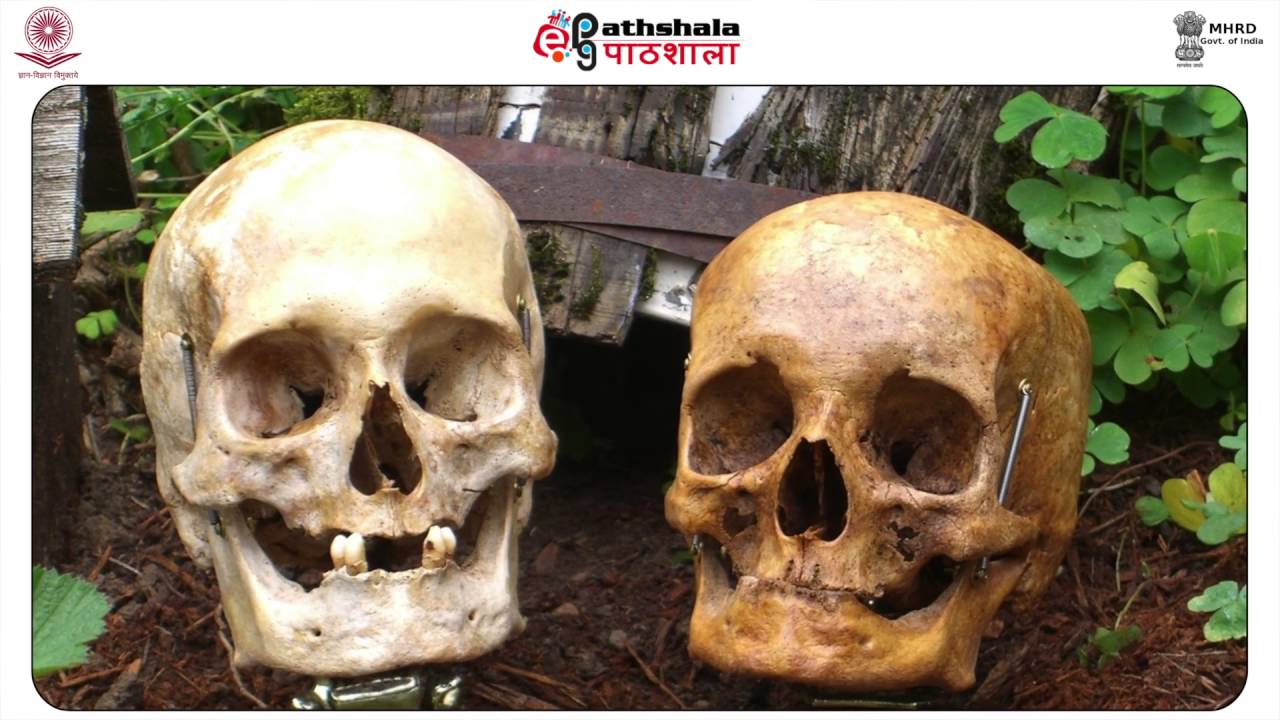


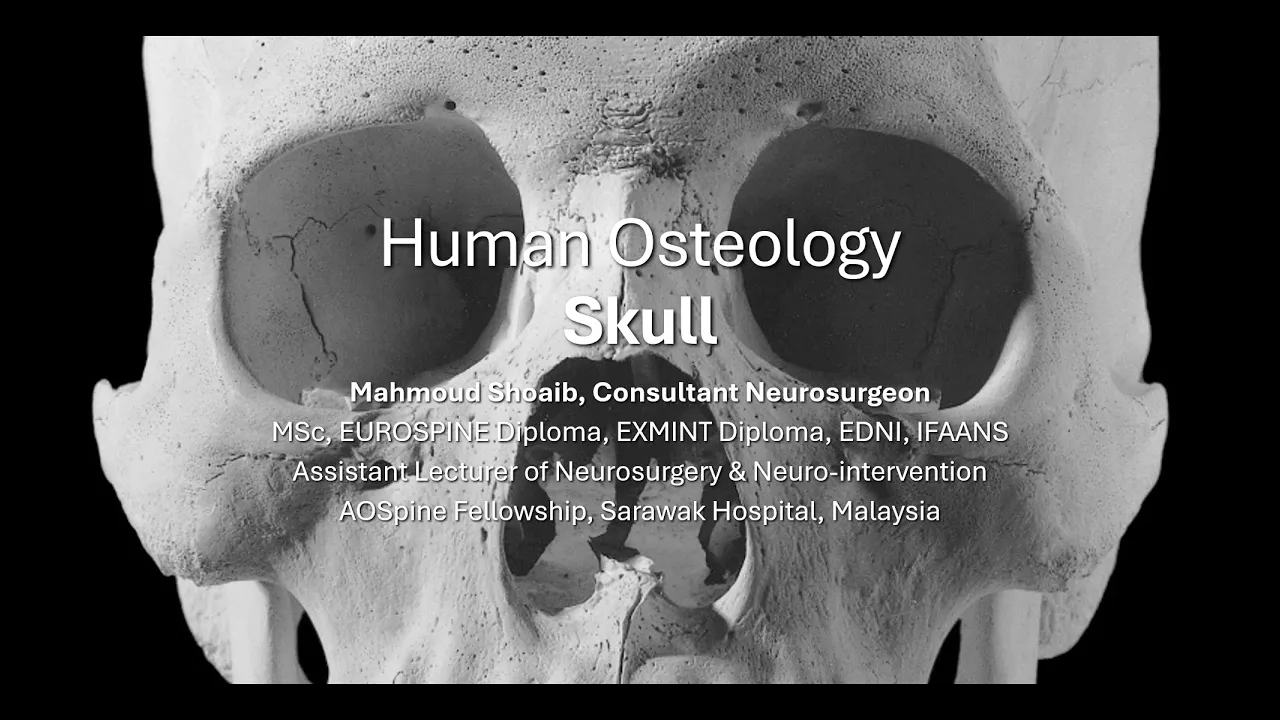
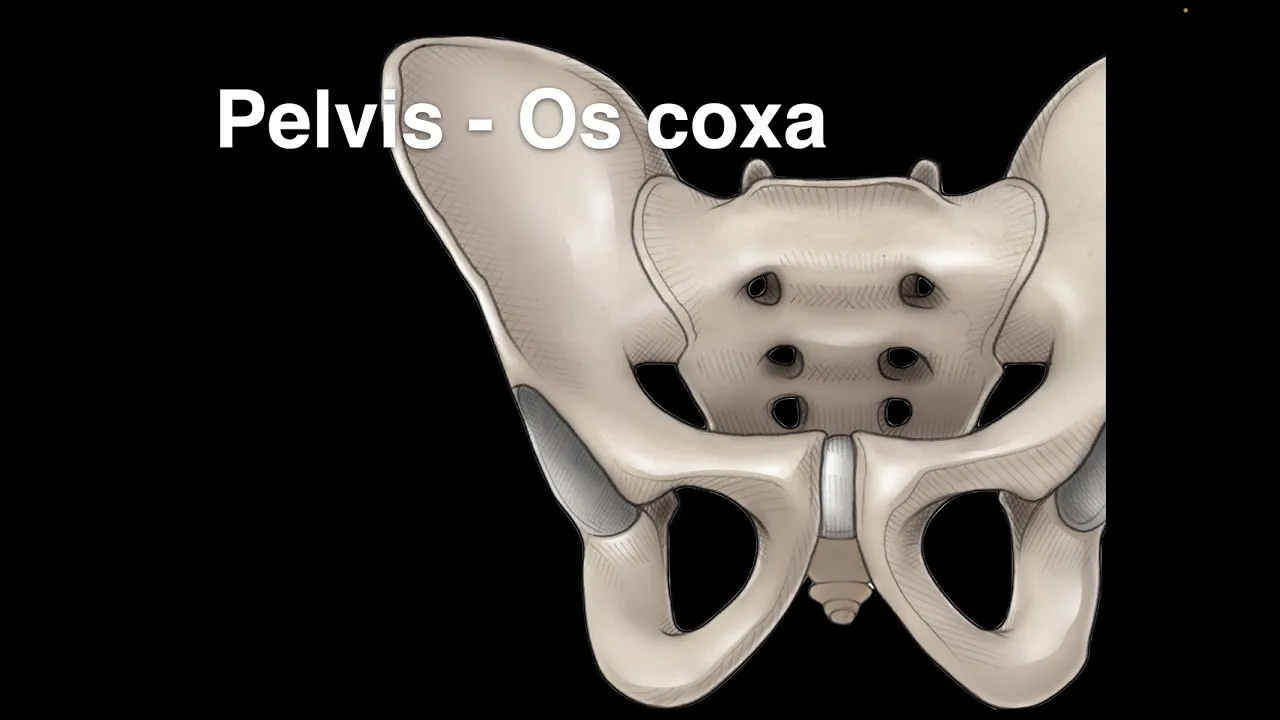
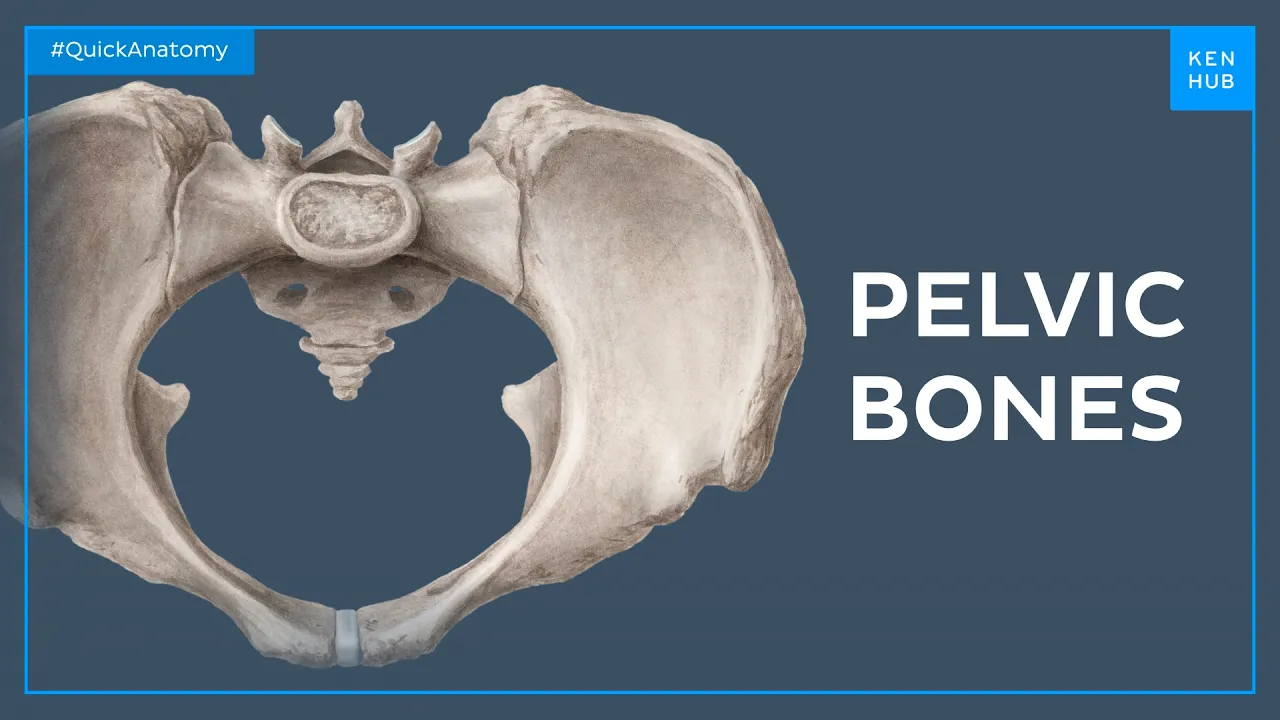
Forensic anthropology practical sessions involve four key identification methods: sex determination from pelvic bones using characteristics like sub-pubic angle and greater sciatic notch, age estimation from pubic symphysis using the six-phase Brooks method, ancestry identification from skulls by comparing features such as nasal bridge width, palate shape, and dental characteristics across Asian, Caucasian, and African populations, and stature estimation from long bones (femur, tibia, humerus, fibula, ulna, radius) using measurement formulas with standard deviations.
Forensic Anthropology Lab: Sex, Age, Ancestry & Stature Estimation
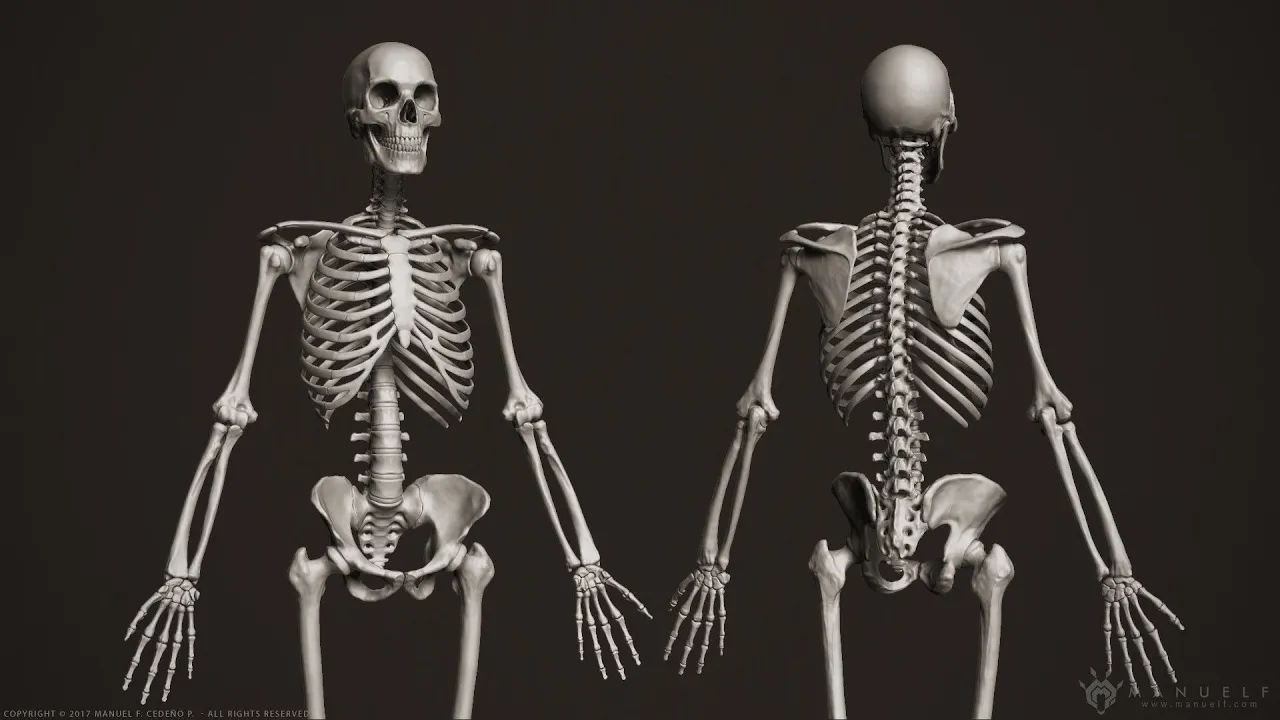
Added:Basic human osteology, including the names, locations, and anatomical landmarks of major bones such as the pelvis, skull, and long bones.
The concept of biological sexual dimorphism and how hormonal and evolutionary factors differentiate male and female skeletal structures.
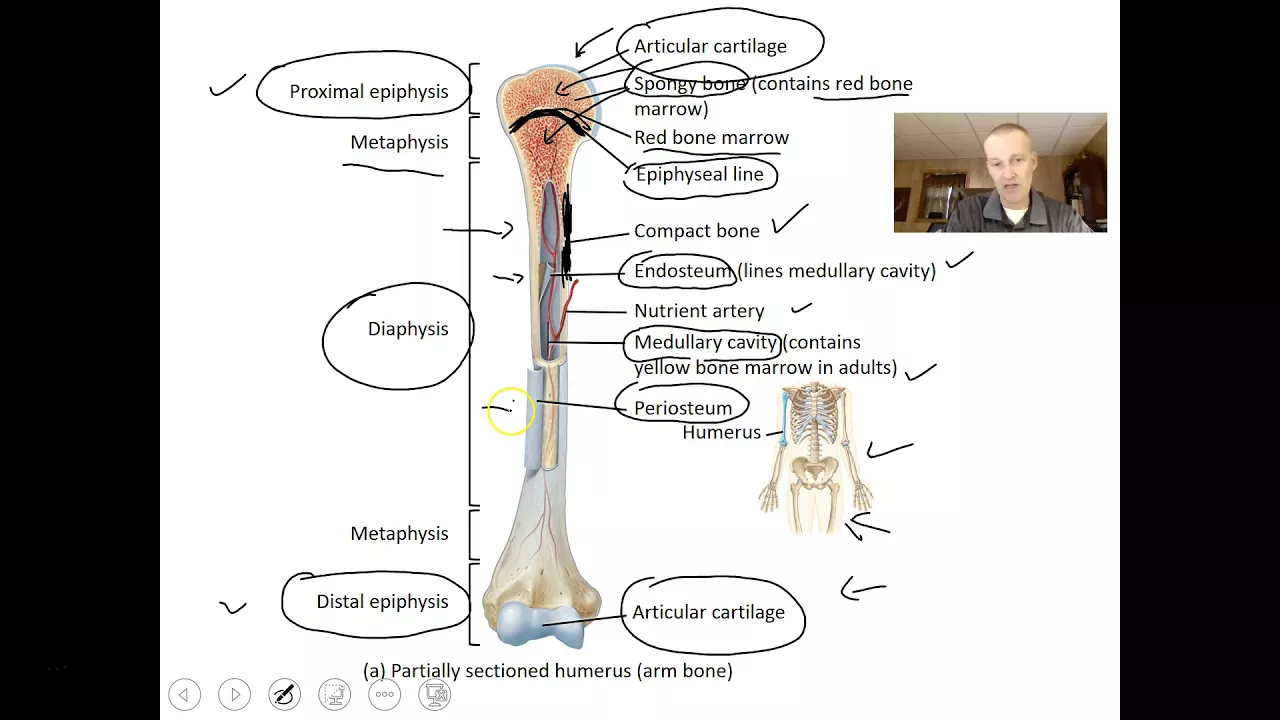
The fundamentals of skeletal growth, development, and remodeling, specifically how bones ossify and fuse at different life stages.
An introduction to anthropometry, including the use of basic measurement tools like calipers and osteometric boards.
Skeletal pathology and trauma analysis to identify signs of disease, occupational stress, and antemortem, perimortem, or postmortem fractures.
Forensic taphonomy, studying how environmental factors, soil acidity, and scavengers affect human remains and alter the postmortem interval (PMI).
Forensic odontology, utilizing dental development, wear patterns, and dental records for precise age estimation and personal identification.
Advanced statistical software and databases in anthropology, such as FORDISC, used for ancestral and stature classification.
The legal framework of forensic anthropology, including maintaining the chain of custody, writing official skeletal reports, and serving as an expert witness.
425 views4likes22:32Original Release: 2020-10-29
[Music] first of all i would like to welcome you to the laboratory of bioanthropology and paleoanthropology at this moment i will give you guidance about the practical sessions of forensic anthropology during the coffee 19th pandemic the practical sessions will be done few online students have to obey the rules one student have to watch the tutorial video of the practical guidance two students have to attend the practical sessions via online and schedule for each group and the last one student have to write a report of the practical work individually and then submit it in gamble then how do the ways of the practical work first students are given a tutorial instruction regarding the materials the instrument and the procedures two students in small group are doing the practical systems for online meeting as scheduled with the guidance of an instructor three students work individually to observe the materials to identify the right race sex and age and then student will measure the long bones and estimate the structure and last one students have to write and submit reports what will students do then there are four tasks in these practical sessions first student will determine the sex of a pelvic bone second student will determine the age of pubic synthesis cost three students have to identify the rays of our ancestry of this cause and the last one student will estimate the strategy of individuals from long bones we'll start each materials now first determine the sex using the pelvic bones well these are pelvic bones these are two kinds of pelvic bones belongs to male and female can you identify which one is males which one is females right my left hand is belong to male pelvic bones and my right hand is female pelvic bones now how could you identify males and females how to differentiate between male and females i will show you some characteristics of males and female bones first i try to combine the pelvic bones so these pelvic bones here the same basic surface is pretty big in front here both these pelvic bones are belong to male pelvic bones you can see on the pubic area the pubic symphysis and also the sub-pubic angle or sub-pubic arc which is narrow in males and wider in females i will show you one by one well this is love um pelvic bones of males some parts of these pelvic bones can differences between can be differentiated between males and females such as this one this is the greater sciatic notch the glitter sciatic notch of male pelvic bone is narrow it's deep and narrow if compared to the female ones this belongs to female and my right hand is female the critter sciatic notch here is wider and slower and the other part is the ilium the ilium is flared in female and it's narrower in males then the obturator foramen the acetabulum which usually is cello and a female and also in the auricular surface female usually has a characteristic of the existence of preauricular sulcus here the pre-articular circles which is very obvious in these bones and also the partition plate perturbation piece is inside of the symphysis previous in the internal side of the synthesis movies is the partition piece okay there are some others of the characteristics of the uh pelvic bones that can uh that difference between males and females that you will observe more detail in the picture in the uh practical systems now move on to the next steps is determine the age of pubic synthesis cast this is the cast we use the case brooks methods in this case blocks methods it consists of six phases and each phases have its characteristics starting form number one of first steps this is a pubic synthesis phase one of the case brooks method it's characterized with the completely rich surface it belonged to about 15 to 23 years old it's in the early a very early stage the surface is completely rich with no nodules no bevelings no symphysal rim no lipping then the second phase of the surcase brooks method or circabu circus brooks phase is characterized with synth ossified nodules some characteristic that is obvious is uh some characteristics that are obvious are ossified nodules which is very obvious here and then the dorsal plate ii formed and the print ventral beveling start to appear the third one or the third phase of the success brooks method is characterized with the frontal rampart the frontal rampart here exists in the superior and imperial parts of the synthesis superiors and the inferiors and also in this stage there is no symphysial rim and no leaping axis the fourth phase of this method is characterized with oval outlet the oval outline here uh is very clear that the face of the synthesis is smoother the face of the synthesis is smoother the oval outline almost complete there's also no synthesis rim and no lipping here the next one or the fifth phase of the uh this method is characterized with symphyseal rim so uh the symphyseal ring is a identified with the marked symphyseal ring here in the margin there's also a torso margin lift the dorsal margin leave here and the frontal machines is irregularly ripped in the ventral is irregular and in the dorsal uh it slipped and it's off very obvious the last phase is the last phase is the uh the sixth phase of the success is characterized with erratic ossifications in this phase um the ossifications is not regular and most of them are eroded there's also regular leaping and uh in the feneral border it's uh so to be broken yeah and using this uh this cast you compare with the symphysis pubic in the original bones and then you identify uh in which phase of these bones according to the success methods and determine or estimate the age of these individuals don't forget to also include the estimations or different define the sex of this of the bones now we move forward to the removing to the next um task number three is identified the race or the ancestry of the skulls we use three human races they are asean and then uh caucasian or european origins and negrit or african origins so based on the characteristics that observe in all parts that you can observe you can compare the characteristics of the three skulls so which part that we can use to uh define or to differentiate the characteristics i will give you an example from this discounts this curve belongs to asean origins or mongolia first we can observe for instance the orbits what is the shape of the orbits and then the nose part of the uh part of the nose or the nozzle and then also the palata the palatum here and also the mandible let's have a look uh give you another an example of the sum of the parts for instance the nusselt bridge nasal bridge of the uh asean usually is medium european island is narrow it's the northwest and and um african origin this way is the widest then the nasal aperture here nasal aperture here usually aseans have a medium a narrow in calcasian or european origins and wider in the most widespread is in african origins you can also see the nasal spine the nasal spine here of the surface is appear or axis in european and non-nasal spine observed in african origins also at the base of the nozzle which is called with nasal seal the nasal seal is characterized in asean italy is single and sharp also in european but in african origin it's a double and gutter this is not also here then we can observe the shape of the palata palatum the palatal art the dental arc here which is parabolic in european and u-shaped in the in the african origins like this yeah this is the same or hyperbole and nero and asean and then we can also observe the shape of the palatal sutures at the palatal suture here especially in the transverse transverse parallel suture here and asean origins or mongolia it usually is not straight it's trade in the occasion or in african origins the other one you can also see the dental the teeth the tooth or the teeth the teeth especially in tissue intensity of uh mongolian monolid or asean origins usually have several shapes but it's blade in european origins and in african origins those about the teeth well you can also observe as many others characteristics that uh you can observe and then compare between the three uh skulls from the three uh races right now we will moving to the next tasks which is the identifications or estimations of stature of individual using the long bones here some of long bones of human lung bones that we can use to estimate the stature first what bones is this it's right this is female bones this is love femur bones and then with bones good this is tibia this is humerus [Music] fibular ulna and radius bones all of these bones we can use to estimate the long bones individually or combinations of between these bones it can be usually two bones then how to do the uh estimations will we will measure the long bone first and then use the formula to estimate uh to calculate the estimations of the height using this table so these tables shows the formula to estimate height of individual this column is constant that you have to multiply with the length of the bones length of one or two bone summary of the two of two bones and then plus with the third column the third column here the value state here used to be added with the uh lung of the bond multiply with the first column and the last column the values are about the standard definition so we do not do anything we do not do anything with this number just add with plus minus of these values because it is the standard deviations now i will show you how to take the measurements of the long bones well the long bones we use is the maximum lung of the brain the maximum length is uh the most maximum distance between the most outer parts of the distals between the distal and the proximal proximal parts of the bones how to take the measurements is like this well i will show you how to perform the measurements first put the long bones on the hot and smooth surface yeah and then using a long sliding caliper you see long sliding caliper put the pointer at the maximum distance of the most outer parts of the bones like this and then read the scale here for instance in this measurement it is 44 centimeters here yeah this is an example of how to measure the uh femur in the other bones such as tbl tibia similar the distance of the most outer part of the bones like this and then read the scale 36.1 and then take the sliding caliper off well after you got uh the measurements of the bones it can be one or two for the two bones again we can use this table for two boots we can use for example femur and fibula or femur and tibia make a summary of the blog of the bones and then multiply with the first constants add with in the third values in the third columns so that's all then you will get the estimations of the individual stature well these are all the practice practical seasons then students have to make a report based on the observations of uh the four thoughts and then uh submit the reports and all students should work uh by individually well this the end of the uh information uh about the practical seasons thank you for the attentions and see you in the practical seasons salaam alaikum muramatullah [Music] you
Up Next
49:54
Iron Age Human Sacrifice: Bound Bog Burials Explained
@UnearthedHistoryChannel
213.4K views•2025-05-13

38:41
Astrobiology Through an Anthropological Lens: Field Insights
@georgiatechastrobiology
128 views•2021-04-14
4:45
Proxemics Explained: The Study of Personal Space
@Vox
536K views•2016-07-05
10:38
Psychology of Internet Trolling and Pranks Explained
@AzzyLand
10.7M views•2017-12-20
Related Study Plans & Knowledge Roadmaps
Structured learning paths in Anthropology
anthropology
Space Anthropology: Analogs, Culture & Habitats
01Foundations of Space Anthropology & Cosmic Imaginaries
02Extreme Isolation & Micro-Societies in Orbit
03Space Analog Habitats & Earth-Based Simulations
+ 2 more learning modules
15h5 modules
Explore Roadmap
anthropology
Legal Anthropology: Customary Law & Pluralism
01Foundations of Legal Anthropology and Social Justice
02Legal Pluralism: Coexisting Legal Systems
03Customary Law and Indigenous Dispute Resolution
+ 2 more learning modules
15h5 modules
Explore Roadmap
anthropology
Global Tourism: Gaze, Authenticity & Heritage
01Introduction to the Sociology of Tourism
02The 'Tourist Gaze' (John Urry)
03Staged Authenticity in Tourism
+ 3 more learning modules
14h6 modules
Explore Roadmap
anthropology
Modern Kinship (ART, Adoption & Chosen Family)
01Foundations of Kinship and Family
02Assisted Reproductive Technologies (ART) & Relatedness
03Transnational Adoption and Global Kinship
+ 2 more learning modules
12h5 modules
Explore Roadmap