









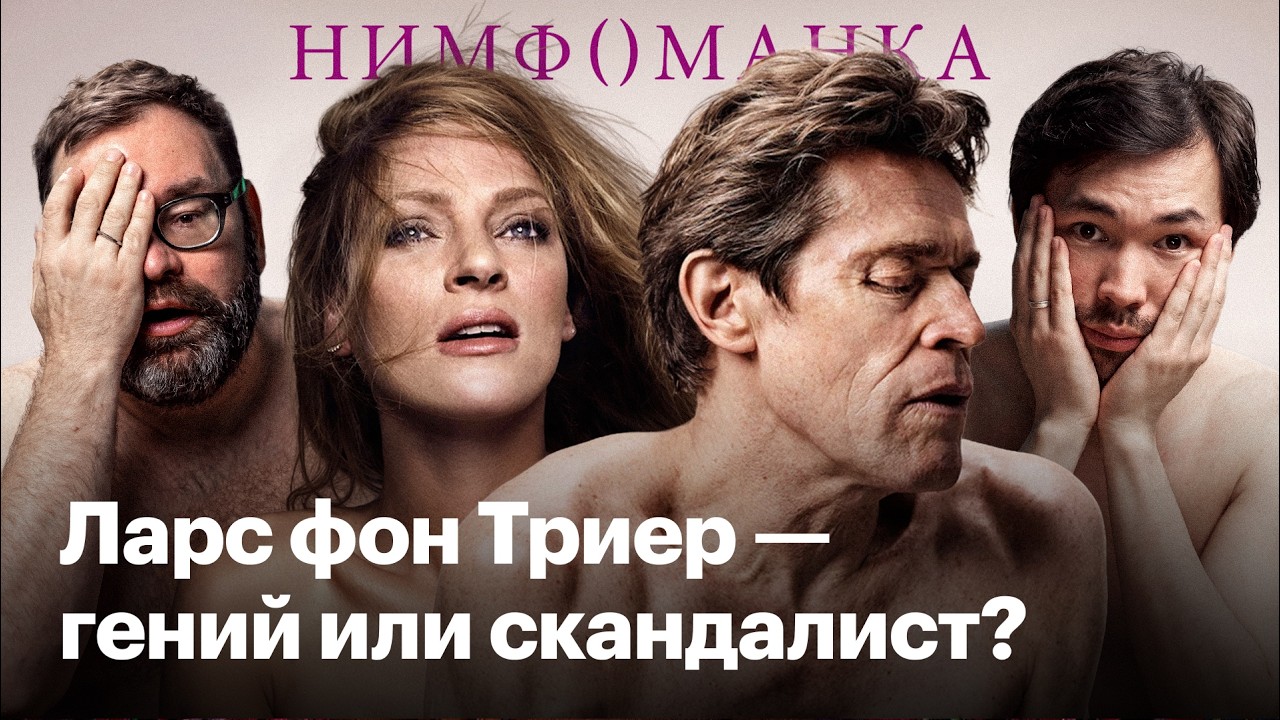




Kirsten Dunst, born in 1982 in New Jersey, has maintained an exceptional career spanning over 35 years, beginning with her debut in Woody Allen's 'New York Stories' at age 3 and achieving breakthrough success with 'Interview with the Vampire' (1994), where she stole scenes from A-listers including Brad Pitt. Despite being frequently overlooked as 'just the girl from Bring It On,' Dunst has demonstrated remarkable versatility across genres—from blockbusters like the Spider-Man trilogy to indie darlings like 'Eternal Sunshine of the Spotless Mind' and 'The Virgin Suicides.' Her ability to deliver compelling performances in both major studio productions and smaller projects, combined with her willingness to take on challenging roles like Lars von Trier's 'Melancholia' (which earned her a Cannes Best Actress award), illustrates how sustained artistic integrity and genuine talent can overcome industry undervaluation.
Kirsten Dunst's Career Trajectory: From Child Star to Acclaimed Actress
Added:i want you to hit me as hard as you can [Applause] you like that god bless you everybody i'll see you in january but till then from all of us live from new york it's saturday night she is underrated hollywood royalty who got to keep her head attached kirsten dunst has worked with some of the most groundbreaking filmmakers of all time bringing us thought-provoking cinema that can move and disturb our souls she is also responsible for some of the most fun times i've ever had at the movies watching her swing with a superhero or fight off animals from a board game kirsten dunst brought it on which has made her much much more than just the girl from bring it on and miss kirsten dunst actually shares that opinion in a 2019 interview with entertainment weekly kirsten dunst said that she doesn't feel like she gets the respect that she deserves for her career saying that many people look down upon her as quote just the girl from bring it on and you know what she's right kirsten is a talented actress who has excelled in blockbusters and indies alike from silly rom-coms to lars von traer kirsten can do it all but lately it does feel like we haven't seen her in a while but is that even true like what the [ __ ] has she been up to and and how the [ __ ] did she get there and why the [ __ ] is kirsten dunst so kirsten dunsty there's so much to tell yeah yeah so bottom line what the [ __ ] happened to kirsten dunst but to truly understand what the [ __ ] happened to kirsten dunst we must start at the beginning and the beginning began when she was born on her birthday 1982 point pleasant new jersey kirsten dunst would make her big screen debut in a film by woody allen in new york stories it's an anthology film the following year she would appear in a movie that everybody kind of seems to hate everybody who's seen it the bonfire of the vanities in 1990 she would then pop up in an episode of star trek the next generation episode titled dark page which is the seventh episode of the seventh season her true breakout role came in 1994 in the anne rice adaptation interview with a vampire and this this right here is one of the greatest child performances ever she is literally surrounded by a-listers and steals every single freaking scene from all of these guys [Music] and not only did she steal scenes she stole a kiss from a adult brad pitt and little kirsten thought it was gross she thought brad had cooties because she was 10 years old and yeah i don't i don't know why why did they have to do that that's just what why don't moving on and the film was a mega hit pulling in 224 million dollars off a 60 million dollar budget the film received so so reviews yet little kirsten dunst's performance was always singled out by many critics as being one of the better aspects of the film with roger ebert the guy with the thumbs saying that her performance is one of the creepier aspects of the movie and in this case that's positive the golden globes agreed as kirsten dunst was nominated for best supporting actress and she won best breakout artist at the mtv movie awards she got one of them popcorn statues [Music] following her breakthrough turn an interview with a vampire kirsten dunst would appear in another literary adaptation in the oscar-nominated film little women i don't know they're not that little i think this should have been called regular sized women when casting for the role of the quick witted youngsta several future prominent actresses read for the role including natalie portman rhys witherspoon thora birch and christina ricci but the director gillian anderson said that kirsten dunst blew all of those other regular-sized women out of the water reviews at the time were very good some saying it was the best adaptation of the material ever calling it surprisingly sharp and intelligent the film had an 18 million dollar budget but would pull in over 50 million dollars during the 1994 christmas season dunst would be nominated for and win several critics awards for her work in this film such as most promising newcomer and best supporting actress you'll be sorry for this joe march dunst would next appear opposite legendary robin williams in jumanji not the one with the rock the real jumanji the film is ranked as one of the 100 best family films ever made but it drew middle of the road reviews but that didn't stop those holiday moviegoers from making the film a worldwide hit with over 262 million dollars of a 65 million dollar budget and yeah i'm like an original jumanji fan like i like read the book where i looked at the pictures and my mom read me the book and i love this movie and kirsten dunst she does a wonderful job and kind of carries the film and she does a great job at not being that annoying which is really hard for a child star sometimes like sometimes hollywood doesn't know what to do with an intelligent child character so they just make them annoying same with a child character who is sad and depressed sometimes they can be very one dimensional and yeah like i said very annoying but her character at least at the time felt very real to me and her and the rest of that ensemble cast does a great job taking you along on this adventure this wild ride it's such a ridiculous concept animals coming out of a board game but somehow it works as her star continued to rise kirsten dunst would appear in smaller projects such as the cbs school break special episode titled children remember the holocaust in 1995 along with the miniseries the siege at ruby ridge and something with nick nolte called mother night let's not forget the guest appearance on touched by an angel episode 10 season 3 oh and the modern revival of the outer limits episode 14 season three she would then land a six-episode arc on er playing a troubled teen who makes george clooney realize that some people just can't be saved following that she would appear in gun an anthology series from master filmmaker robert altman then in 1997 disney tested the waters at adapting their theme park rides into movies with the wonderful world of disney's presentation of the tower of terror starring steve guttenberg and kirsten dunst and personally tower of terror is one of my favorite rides at disney world not just for the gnarly drop but for the story that surrounds it and i absolutely love the twilight zone so so it's like they created it for me you know and this movie came out at the perfect time for me 1997.
i was a young child around halloween who wanted to watch something scary but not too scary and this was perfect tower of terror i haven't watched it since 1997 and i probably shouldn't but i remember it being wonderful because it was on the wonderful world of disney then came anastasia kirsten dunst would lend her vocals to this film playing young anastasia but she didn't do any of the singing but who cares and yeah i know i've said this before but you know a lot of people back in the 90s would get confused and for obvious reasons would think that anastasia was a disney princess but no she was a fox but now you know since disney ate fox anastasia is technically a disney princess now so kirsten dunst is a disney princess congratulations if you care then came the oscar-nominated satire wag the dog where she would have a small yet memorable role as a young wannabe starlet who thinks she's landed the role of a lifetime but she can't tell anybody about it because the movie is about the government making a fake war with the help of hollywood what they would never do that the film earned solid reviews and it made people who know about politics go here i get it and it pulled in a respectable 64 million dollars dunst would kick off the year 1998 by providing the english dub voice for kiki in that anime movie kiki's delivery service and she appeared in the tv movie 15 and pregnant then she would star in one of my favorite movies in 1998 at least small soldiers it's like toy story meets gremlins kirsten dunst did a wonderful job as the unattainable perfect cool girl next door and director joe dante said that the film was originally meant to be a more edgy film for teenagers but of course sponsor tie-in started pouring in and he was ordered from on high to soften the tone a bit to make the movie more suitable for kids so they could sell some toys and i actually bought those toys and i still have chip hazard and i'm pretty sure the batteries still work like the voice of tommy lee jones is still trapped in there joe dante tried his best but the mandate came down a bit too late which resulted in a mixed bag of darker material aimed at teens and adults and lighter fare meant for kids so it was kind of unbalanced to some i don't think that like i think the movie's perfect because i'm still stuck in 1998. the visual effects are fantastic and it's just so fun and kirsten she gets the tone she gets the vibe of this movie and she really really carries it again just like with jumanji she keeps it grounded yet keeps it fun and believable and keeps the story you know progressing and her character kinda grows the movie did a decent box office pulling in 87.5 million off a 40 million dollar budget and yeah it's just fun if you didn't like it the first time give it another chance she was in something called true heart in 1999 and also in 1999 kirsten dunst would appear in the now classic cult film drop dead gorgeous are you in this cult and yeah a lot of people didn't really get this movie when it came out but now everybody loves it it was way ahead of its time it was too funny well kirsten dunst is age appropriate for this film denise richards was actually 29 playing a 17 year old and yeah it's just really upsetting that people didn't get the dark humor of this until years later the film was a bomb pulling in 10 million off a 15 million dollar budget also in 1999 she was in a film called the devil's arithmetic she would earn much praise for this and a young artist award nomination for best performance by a leading young actress in a tv movie and she portrays a young woman who doesn't really care about the holocaust she's like holocaust lame and then she gets sent back in time to the holocaust and realizes that it's something she should care about [Applause] [Music] also in that year 1999 which is one of the greatest years ever for movies ever dunst would appear in the virgin suicides directed by sophia coppola she would receive a young star award nomination for best young actress in a motion picture in sophia coppola's debut film entertainment weekly ranks this film as number 39 on the list of the 50 best high school movies ever sophia coppola auditioned many actresses for the role but had a gut choice after seeing dunst audition she was perfect for the role dunst who was 16 at the time she was cast of the film was very nervous about the role because this would be the first mature more adult even though she's a teen character and she wasn't exactly sure how to play that and this was such a large role the whole film relied on her but kirsten dunst said that when she sat down with sophia coppola to discuss the role she instantly felt at ease knowing that coppola could handle the material in a delicate way and if you don't know what the material is well the movie's called the virgin suicide so you know think about it while some critics found the material too discomforting most people appreciated the film for its realistic and truthful portrayal of disaffected youth [Music] also she made the movie dick and of course this is a comedy about the watergate scandal with tricky dick nixon the marketing for this watergate comedy focused on the teenage characters downplaying the political aspects of the film to appeal to teenage girls tricking them into seeing a movie about tricky dick that's so tricky this backfired as the film opened in 12th place at the box office eventually only making 6 million dollars however it did receive some critical praise many enjoying the satire and of course everybody said that kirsten dunst was great then she would venture into the world of the music video dunst would appear as a passenger on a subway falling in love with the lead singer of savage garden because who couldn't in that video i knew i loved you which gives me flashbacks to middle school dances oh my god then came the new millennium the year 2000 and dust would appear in the third installment of the crow franchise the crow salvation does anyone even remember this one after appearing in the direct-to-video movie lucky town dunst would bring it on in the hit bring it on she would be nominated for several awards including the blockbuster entertainment award for favorite actress comedy choice actress at the teen choice awards and best performance by a leading young actress in a feature film from the young artists awards yet again dunst was playing an age-appropriate role as a teenage cheerleader while co-star gabriella union was actually 27 years old playing a 17 year old so yeah kirsten dunst was great at playing teenage characters because she was a real teenager dealing with real teenage drama in her real life and i guess she brought that to the screen which is why she's so authentic and that movie bring it on well it held the top spot at the u.s weekend box office for three weeks in a row and it made a solid 68.3 million dollars in the states the united states bring it on had a majority of positive reviews many finding the film highly entertaining because it is many of those critics specifically pointed out kirsten dunst's performance as the high point of the film saying that she is a terrific comedic actress with great expressive range and she really is she's not just like a one-dimensional teenage cheerleader character in this one like she she has like in depth roger ebert the guy with the thumbs referred to bring it on as the citizen kane of cheerleader movies and yeah this is more than just a silly teen flick bring it on actually is full of clever moments and it has a wonderful style and i feel that in another time in another place this could have been a john hughes film kirsten dunst would close out the year 2000 with a movie called deeply playing a character named silly judging from the reviews it's an apt title for the over the top drama deeply the year 2001 would see kirsten dunst appear in four films get over it which featured kirsten's on-screen singing debut and this is another early 2016 comedy that is actually more clever than it deserves to be it's one of those modern day shakespeare adaptations with teens this one's the midsummer night's dream then there was crazy slash beautiful and this was originally meant to be an r rated tale of teenage love but then they realized that teenagers wouldn't be able to see it so they made it pg-13 the movie opened ninth place at the box office kirsten dunst said that she took on the role because she was sick of playing sweet roles she wanted to show that she had range and yeah you do then she was in something called lover's prayer then came the cat's meow from director peter bogdanovich he cast kirsten dunst because she had a quote-unquote period face she looked great in period clothing and had wonderful instincts the film the cat's meow would receive solid reviews but didn't make that much money at the box office have you slept with him no have you a lot of superhero movies have come in the last 20 years but only one has the true distinction of being the true catalyst of the current superhero world that we are living in and that movie is sam raimi's spider-man some say that x-men truly laid the groundwork but spider-man was the first genuine out of the gate summer blockbuster superhero movie to come along after the genre had suffered a near cataclysmic defeat with batman and robin spider-man even has the distinction of being the first film to use the now iconic page flipping marvel studio logo in this movie spider-man was the first to ever have an opening weekend of over 100 million dollars kirsten dunst originally decided to audition for the role of mary jane after learning that toby maguire had been cast and with his acting background she figured that the movie would have more of an independent feel it had that toby mcguire cred kirsten dunst said that she hates when girls scream in movies and she was sick of hearing her own scream but she's probably the best damsel in distress ever of all time maybe definitely one of the best movie kisses of all time [Music] spider-man ranks as dunce's highest grossing north american box office pulling in over million dollars with an additional 418 million internationally for a very respectable 821 million worldwide critics fell in love with the web slinger calling it a blockbuster with heart and it truly was still holds up to this day and there's been a lot of spider-man and there have been a lot of mary janes out there but kirsten dunst will always come to my mind when they say mary jane that and other things [Music] then there was the year 2003 where kirsten dunst would take a year off from the blockbuster filmmaking thing and make a couple smaller films such as the billy bob thorton movie levity that critics seem to hate calling itself important and heavy-handed then she would appear alongside julia roberts in the film mona lisa smile and this movie somehow cost 65 million dollars 25 million went to julia roberts this would go on to make 141 million dollars worldwide yet those pesky critics called it dull unpredictable then dunst would appear in one of the trippiest movies ever made and one of the greatest film titles of all time that film was titled eternal sunshine of the spotless mind this movie was written by charlie kaufman and got him a oscar and was directed by michelle gondry who allowed the actors to improvise a lot in that scene where the hulk and kirsten dunst dance around in their underwear over jim carrey well that was completely improvised basically mark ruffalo and kirsten dunst were playing whose line is it anyway on top of jim carrey the film has gone on to be considered one of the best films of the 2000s and was featured on many top 10 lists that year making a respectable 74 million dollars off a 20 million dollar budget then she would get stuck in toby maguire's web again returning as everybody's favorite redhead mary jane in spider-man 2. this is a film that many consider to be one of the best superhero movies ever made if not the best superhero movie ever made and this film has gone on to be called one of the best sequels to be ever made also as well too it's just one of those perfect summer movies when we used to have perfect summer movies the film would make 780 million buckaroos and dunst would be nominated for an empire award the best actress dunst would finish out the year of 2004 opposite vision in the romantic tennis comedy wimbledon the actors had a hard time looking like professional athletes so with the help of some movie magic many of the shots feature a digital tennis ball look at those balls the film had mixed reviews with many calling it bland but a lot of people gave praise to the chemistry between dunst and paul bettany 2005 would only see one film added to the kirsten dunst filmography it's a lesser cameron crow film elizabethtown opposite legolas ashton kutcher was originally cast but kirsten dunst and ashton had no chemistry so ashton was replaced with orlando bloom which was kind of like getting punked and this film is okay it has its moments of course kirsten dunst is good none of the flaws in this movie are her fault it's just kind of an underdeveloped story but it was a financial disappointment only making 52 million dollars of a 45 million budget then in 2016 came what i think is an amazing film one of sophia coppola's best dunst would play marie antoinette in a film cleverly titled marie antoinette and yeah director sophia coppola does an amazing job with this team up with kirsten dunst together they bring this like candy shop punk rock vibe to this period piece i don't know i think it's kind of cool and original so much color so much style so much flair so much hair the film's cons premiere garnered both loud applause and booze from french journalists some of them were triggered and offended by the film not being too critical of that particular regime but getting booed at cairns is almost like a compliment nowadays [Applause] but yeah this movie did kind of rub people the wrong way because they have like american accents and and speak in a very modern energy but that's the freaking point of the movie is for us modern day people to relate to these people and show that we're all you know connected no matter what time period we're living in the human condition and the drama still the same and there's an awesome soundtrack that just you know it just it just takes this type of movie somewhere that is never been before marie antoinette give it another chance kirsten dunst would return for the final time to the role of mary jane watson in the third entry in sam raimi's spider-man saga spider-man 3. sam raimi said that he was extremely disappointed in how this film turned out and yeah i was also extremely disappointed too but once again kirsten dunst is fine like she didn't do anything wrong in this one the film would at least be financially successful but it was so bad that the money didn't matter and even though this is the worst reviewed of the three sam raimi spider-man movies it's still certified fresh on that website that has tomatoes that are rotten.com if you care about tomatoes and most of the criticism was focused on the film simply trying to shove too much into one movie then in 2007 kirsten dunst would step behind the camera for the first time to direct a short film called welcome starring winona ryder and john hawks the film was a 16 minute horror story about moving into a new house with unexpected occupants [Music] it was part of the youtube real moments contest and kirsten dunst seems to have a talented eye behind the camera she's not just an actress guy she's a director all-around artist dunst would next be seen starring alongside simon pegg jeff bridges jillian anderson and megan fox and the big screen adaptation of the 2001 best-selling memoir how to lose friends and alienate people the writer of the memoir toby young was banned from the set for being a nuisance to the cast and crew even going so far to talk smack to the producer about kirsten's performance which she overheard so yeah i guess he lost friends and alienated people on the set of the movie how to lose friends and alienate people based on his book how to lose friends and alienate people way to go bub the film received universally negative reviews from the critics who found the film to have no sharp satirical edge and was merely focused on the slapstick comedy this movie had a 28 million dollar budget and only made 19 million back then came a movie called akiyabara princess in 2009 kirsten dunst would appear in this mick g directed short film for the pop life art in the material world exhibition at london's tate modern museum art then in 2010 dunst would appear opposite ryan gosling in the unsettling true crime film all good things about a man suspected of killing his wife kirsten dunst actually said that this is her favorite performance of her own but critics were torn on this one saying that the acting was impeccable and the true crime aspect of the story was intriguing yet they were frustrated by the cliches and the ambiguity of the story then in 2010 there was a movie called bastard and with this one dunst would again step behind the camera to direct it's a short film that would play at tribeca and cans and it was nominated for best narrative short at the tribeca film festival congratulations director dunst she would then appear in the star-studded beastie boys music video make some noise and she would appear in the rem music video 4 we all go back to where we belong dunst would finish out the year 2011 by starring in her most controversial film yet lars von traer's melancholia this film was screened in competition at the cannes film festival and dunst would win best actress at that film festival wow way to go kirsten [Music] the u.s national society of film critics named this film the best film of 2011 and awarded kirsten dunst as best actress as well she would also be nominated for the australian academy award for best international actress and she would win an alliance of women film journalist award for best depiction of nudity sexuality or seduction critics found that this film played more straightforward than other lars von trier movies and everybody was in absolute awe of kirsten dunst's performance it's truly like soul shattering she plays a woman who is struggling with mental illness and depression while a huge [ __ ] asteroid is heading to destroy the earth it's a dark and gritty down-to-earth apocalyptic nightmare and yeah this right here this is one of those movies that if you are in it you're probably gonna go a little crazy you know cause lars von traer who has a reputation of kind of abusing his actresses in order to get these types of performances out but kirsten dunst says that he's kind of a sweet guy despite all of his uh controversies the film would make 17 million dollars off a three million dollar budget so that's pretty good considering it's a lars von traer film but yeah just the fact that she can work with lars von traer and like survive shows that she's a true cinematic warrior then in the apocalyptic year of 2012 dunst would appear in three vastly different projects one was called bachelorette which apparently is just like the worst thing ever and a movie based on jack kerouac's on the road a book that has been said to be like impossible to adapt for the screen and uh yeah it kind of is but they did their best job and apparently there's a longer cut out there that was screened at cans and it was nominated for the palm door but we only got the shorter version released in theaters which received mixed reviews a lot of those beatniks they didn't feel like the movie captured the energy of the source novel but everybody was praising the performances and yeah i'm a jack kerouac fan i thought it was fine then there was a movie called upside down i remember this one being advertised and i was like what it's a real movie it's a 3d romantic sci-fi film about like two worlds that are like right next to each other and they're like upside down or something i don't know it was it was weird she had a little cameo as herself in the bling ring sofia coppola movie and another little cameo in anchorman too she then had a guest appearance and did some funny stuff on portlandia 2014 she was in a movie called the two faces of january a tale of intrigue and murder reviews were solid for this thriller many comparing it to the works of hitchcock but it was dumped on video on demand oh my god you're right really then in 2015 came fargo not the movie the show which is freaking awesome dunst would appear in the second season of the highly acclaimed fx series fargo based on the coen brothers movie of course she plays a bored housewife in minnesota whose life goes into a tail spin when she hits a guy with a car and she's absolutely amazing in this this is one of her best performances ever and those critics they agree with me they praised her performance for this one winning the critics choice award for best actress in a movie slash miniseries and being nominated for the golden globe award for best actress in a miniseries if you care about the golden globes and the prime time emmy award for outstanding lead actress in a limited series or movie if you care about the prime time emmy awards and while filming this series dunst and co-star jesse plemons met and fell in love they're currently married with two kids that's right fellas jessie plemmons married and got kirsten dunst pregnant twice congratulations jesse i'm sure you like i hope you you guys you're happy together he ran out into the road hon what was i supposed to do in 2016 dunst would take on supporting roles in two very well received projects one was an amazing movie called midnight special it's a solid sci-fi flick about a kid with special powers and the cult that's after him and yeah once again another stellar performance critics found the film to be ambitious with wonderful performances from everyone involved kirsten dunst was one of those people who was involved but it was kind of disappointing at the box office only making like 6 million dollars but this movie about a cult is growing a cult following check it out midnight special it's very special dunst would next be seen in the oscar-nominated film hidden figures this movie right here would be one of the most profitable movies of 2016 pulling in 236 million worldwide off a 25 million dollar budget you go girls and hidden figures received mostly unanimous praise for telling a story that history seems to have forgotten so because of this movie these figures are no longer hidden gay kirsten dunst along with the rest of the cast would win the outstanding performance by a cast in a motion picture award from the screen actors guild sag excuse me we're gonna need a lot of manpower to program that beast i can't do it alone my gals are ready they can do the work she would reunite with her friend and frequent collaborator sophia coppola with the civil war set film the beguiled and this movie right here would win best director at the cannes film festival way to go sophia the movie made about 26 million dollars worldwide that's uh okay i guess and critics found the film to have great storytelling with strong performances from the cast and you know what i'm going to say it right here sophia coppola and kirsten dunst it's one of the greatest cinematic teams ever every time they are together good stuff happens on the silver screen i'm just saying then there was something called wood shock which was a film that was specifically written for kirsten dunst she had been personal friends with the director for years and that friendship allowed her to give a completely unfiltered performance because she felt that she had an emotional safety net with her filmmaker friend kirsten dunst actually subjected herself to dream experiments to tap into the subconscious and truly inhabit the character's state of mind kirsten is dedicated she's willing to literally push her mind to the limits to bring us these amazing performances but the film only made like 43 thousand dollars by 2018 kirsten dunst seemed to slow down a little bit to focus on her new family totally understandable so yeah that's what the [ __ ] happened to her she had some babies get over it but that didn't mean she completely gave up on her craft no she continued making stuff she would turn up on drunk history playing agatha christie season 5 episode 7 and the next year 2019 dunst would executive produce and star in the showtime dark comedy series called on becoming a god in central florida it's a great title this series received many positive reviews calling it a clever and absurd satire that will make you want to buy anything kirsten dunst is selling dunst would again be nominated for the critics choice award for best actress in a comedy series as well as the golden globe award for best actress in television series musical or comedy because for some reason they make musical sing comedies coexist the series was renewed for a second season but then they decided to shut the whole [ __ ] world down so yeah coronavirus canceled this one sorry and in the year 2020 there was a hank the cow dog podcast kirsten dunst and her husband jesse plymons provided their voices for it and speaking of dogs there's another dog project in the works this one's called the power of the dog this is lined up to be released on netflix later in 2021 that's this year that's the current year oh my god you guys and this one is also co-starring her husband jessie plemmons so yeah power of the dog coming to netflix so she's doing some stuff so what the [ __ ] happened to kirsten dunst she started when she was 3 and has basically been killing it ever since she is an incredibly smart actress who picks roles that forgo the status quo to varying success but she always gives it her all her mind her body her soul and more if there is more even if the movie doesn't work dunst is usually the one thing in the film that does work she's the bright spot of anything she's in most actresses who have been in the industry as long as she has will tend to go down the easy paycheck direct video route but dunst has maintained a level of quality by picking interesting stories to make even if that means stepping aside to a supporting character she's consistently making good stuff she's a woman who found love and started a family with jessie plymon's way to go jessie and that has brought her attention to much more important things because guess what guys yeah movies are important but there are more important things yet when she does come back to the screen both big and small she knocks it out of the park every time and she's been doing that for 35 years and she's only 39.
[Music] kirsten dunst is one of those performers that no matter what she's in she's great just a natural she's so good at acting that sometimes you don't even notice how good she is if that makes sense hitting you right in the heart you may not even notice it until you're just consumed by her acting greatness so when you see kirsten dunst you look at that and you say yeah that's how it's done never trying to chew up the scenery never trying to steal a scene even though she often does she always makes the right choices for her character and a lot of people are talking out there and saying that she is not getting the respect she deserves r-e-s-p-c-t is that how you spell it so yeah i think now is the time for us to kind of take a step back and really look at the artist that is kirsten dunst and i just want to say thanks thanks for all the great performances and thanks for all the great movies and thanks for all the the great times and and um thanks for taking jessie plemons off the market so yeah nobody should give a [ __ ] about what the [ __ ] happened to kirsten dunst because she's doing just fine thank you for watching our show if you like what you see please subscribe to our joe blow videos channel tell your friends who like this sort of content and turn on the bell to receive notifications for all of our latest videos we're an independent company and we appreciate all your support you
Up Next
P!nk 'What About Us' Cover by Duomo | Bridgerton S2
@positionmusic
266.3K views•2022-04-21

Walking in the City: Urban Rituals and the Flâneur in Contemporary India
@PSBTIndia
1.9K views•2016-08-02

FastAPI vs Flask vs Django: Choosing the Right Python Web Framework
@TechWithTim
302.5K views•2024-05-26

Game of Thrones Opening Credits: A Cinematic Analysis
@gameofthrones
46.3M views•2011-04-18
Related Study Plans & Knowledge Roadmaps
Structured learning paths in General & Interdisciplinary Studies