This video features Duomo's cover of P!nk's 'What About Us?' used in Episode 206 of Netflix's Bridgerton Season 2, showcasing the show's use of contemporary music to enhance its narrative and emotional storytelling.
P!nk 'What About Us' Cover by Duomo | Bridgerton S2
Added:Deep Dive
The concept of musical arrangement and how a song's genre can be transformed (e.g., from contemporary synth-pop to classical orchestral music).

抜錨(フルオーケストラ×聖歌隊Ver.)ナナホシ管弦楽団 feat. 巡音ルカ(AI COVER)
114K
This video demonstrates how AI technology can transform contemporary vocal music into a classical orchestral symphony by combining full orchestra, choir, and AI-generated vocals, elevating modern melodies into timeless classical compositions through sophisticated musical arrangement.
Click to watch →
![Alphaville - Sounds Like A Melody (Symphonic Version 2022) [Official Music Video] | Eternally Yours](https://i.ytimg.com/vi_webp/rhAEfXcT9k8/maxresdefault.webp)
Alphaville - Sounds Like A Melody (Symphonic Version 2022) [Official Music Video] | Eternally Yours
731.7K
This video demonstrates how classic synth-pop songs can be reimagined through symphonic orchestration, as Alphaville's 'Sounds Like A Melody' is performed with the German Film Orchestra Babelsberg, transforming the original electronic sound into a grand orchestral arrangement while maintaining the song's emotional core.
Click to watch →

Muse - Simulation Theory FIRST REACTION (Deluxe Tracks)
23.5K
This segment demonstrates how musical arrangements can be fundamentally transformed through instrumentation changes. The original 'Algorithm' features a crescendo-based structure with synth elements, while the alternate reality version replaces synths with orchestral instruments like horns, creating a more cinematic and epic sound. Similarly, 'Thought Contagion' is reimagined with a UCLA marching band arrangement, introducing brass and percussion in a traditional marching band style. These transformations show how the same core musical structure can yield dramatically different emotional impacts when the instrumental palette changes. The stripped-back acoustic versions further demonstrate how removing production elements can create more intimate and haunting musical experiences.
Click to watch →

Vanessa Mdee - BTS Never Ever (Re-imagined) ft. Frederic Gassita & The London Symphony Orchestra
12.8K
This video demonstrates how a contemporary pop song can be re-imagined through orchestral arrangement, featuring a collaboration between Tanzanian singer Vanessa Mdee, French producer Frederic Gassita, and The London Symphony Orchestra, showing how classical instrumentation can transform modern pop music into a grand, legendary sound.
Click to watch →

きゅうくらりん オーケストラアレンジ【可不/いよわ】
1.5M
This video presents an orchestral arrangement of the Vocaloid song 'きゅうくらりん' (Kyukurarin) by composer いよわ (Iyowa), arranged by Crazy7. The arrangement transforms the original electronic Vocaloid track into a classical orchestral piece, demonstrating how popular music can be reimagined through orchestral instrumentation.
Click to watch →
Deep Dive
The basic composition of a chamber ensemble or string quartet, including the traditional roles of violins, violas, and cellos.
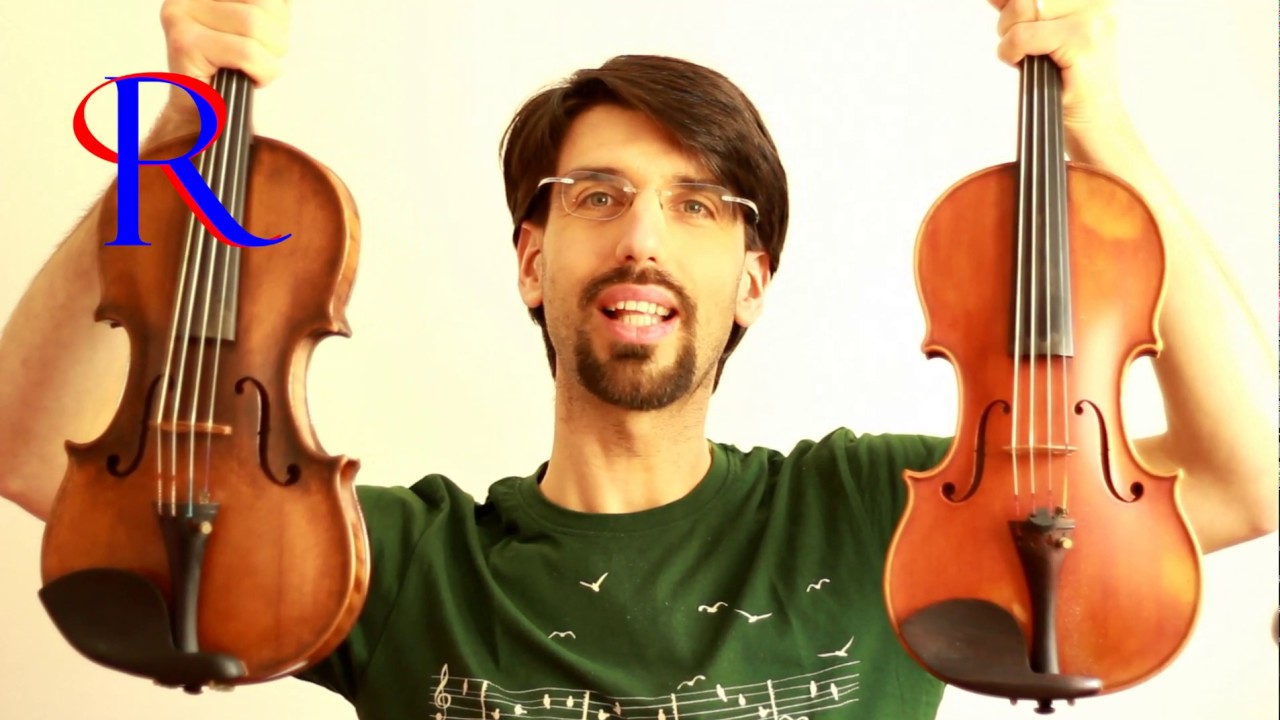
Cos'è un quartetto d'archi?
1.3K
A string quartet consists of four string instruments with distinct roles: two violins (first violin plays melodic, acute parts; second violin provides accompaniment), one viola (larger than violin with deeper sound in alto clef), and one violoncello (cello, played between legs, producing the lowest pitch). The double bass, though larger and lower-pitched, has no place in traditional quartets. Research shows the standard formation (two violins, one viola, one cello) dominates with 2,842 published scores, while alternatives have far fewer works. This formation emerged from historical commissions where nobles requested music for private performances among friends who played these instruments.
Click to watch →
![[Full] 나의 두 번째 교과서 - 음악 4강 실내악, 작은 공간을 채우는 선율의 대화](https://i.ytimg.com/vi_webp/o1qm2LAvftA/maxresdefault.webp)
[Full] 나의 두 번째 교과서 - 음악 4강 실내악, 작은 공간을 채우는 선율의 대화
44.5K
A string quartet (현악 사중주) is a chamber music ensemble consisting of four musicians: two violins, one viola, and one cello. This is the most common and traditional configuration for string quartets. The four instruments work together in a collaborative manner, with each instrument contributing to the musical conversation.
Click to watch →

Beethoven: String Quartet No. 7 in F major, Op. 59, No. 1
28K
A string quartet consists of four instruments: two violins, one viola, and one cello. In the performance shown, Jonathan Schwarz and Amelie Wallner play violins, Mayu Konoe plays viola, and Lukas Schwarz plays cello. Each instrument has a specific role in the ensemble: violins often carry the melody, viola provides harmonic support and middle-range tones, and cello provides bass foundation and lower harmonies.
Click to watch →

How To Program Realistic Sounding Strings: PART 1 - Chamber
231.7K
This comprehensive guide covers realistic string programming for film, TV, and game composers. A string quartet consists of first violin, second violin, viola, and cello, with a quintet adding bass. The setup remains consistent regardless of player count (five to fifty). The pitch hierarchy follows: first violins highest, then second violins, violas, cellos, and basses. Chamber music refers to small to medium ensembles (up to eight first violins), not a specific style. The minimum realistic ensemble is three violins, three violas, three cellos, and three basses—three players sound like a section while two sound like individuals. Realistic programming requires a DAW with sampler instrument and essential hardware: 88-note weighted keyboard and fader controller. Four controllers manage dynamics: Volume, Expression, Modulation, and Vibrato. String articulations function like vowel sounds: Normal, Muted, Piano, and Short/Pizzicato. Two writing methods exist: Block chords (easier for non-theorists) and Voice-by-voice (superior results). The tango patch produces a flute-like tone with soft coral quality. A common orchestration technique is writing basses and cellos to play an octave lower than written pitch. Harmonics can be created by transposing notes up an octave while keeping expression information. Apply expression automation to create shape over entire pieces. When blending sections, delete automation from certain parts and re-record to create richer textures. The goal is to blur lines between sections while maintaining musical coherence.
Click to watch →
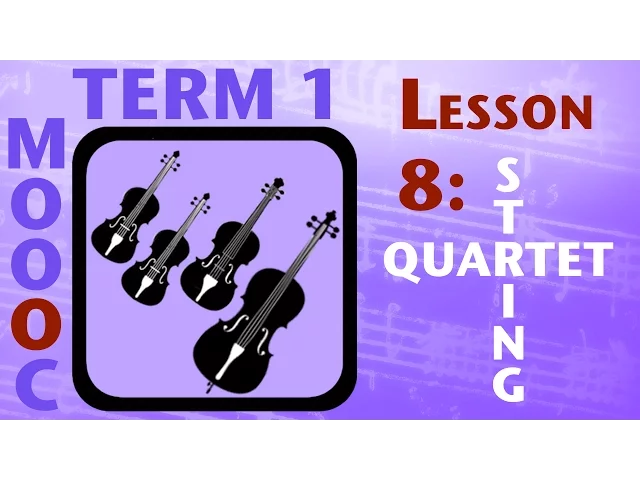
MOOOC T1 Lesson 8: String Quartet
34K
In string quartet scoring, the three instruments of the violin family have inherent roles that apply across most ensemble configurations. The cello typically covers the bassline, the violin tends to lead, and the viola provides a middle voice. Adding a second violin creates a natural balance between the two darker, huskier lower strings and two brighter, higher-pitched companions. This balance makes four-part harmonies more natural and independent in character.
Click to watch →
Deep Dive
The role of music supervision in television and film, particularly how background music is selected to mirror character emotions and narrative beats.

Fame Music Supervisor Interview Maureen Crowe
219
Music supervision evolved from a simple credit to a defined art and science. The role expanded as contemporary music became integrated into storytelling, beginning in the 1960s with films like Easy Rider. Key films like Miami Vice, Urban Cowboy, and Footloose established music supervisors as distinct professionals. Television work served as intensive training, where supervisors learned to quickly match songs to emotional story beats. Music must serve specific narrative functions—answering questions about what the song does for the story, coming from the character's world, and fulfilling emotional needs. Effective music supervision requires extensive research and homework to understand project needs and ensure songs fit appropriately.
Click to watch →
How Hollywood Uses Guitar (With Bad Robot Productions)
79.6K
Music supervision is a key role in film and television production that involves two main responsibilities: (1) finding and licensing existing recordings, songs, and needle drops for use in projects, and (2) overseeing the creation of original music for soundtracks. This includes working with composers to produce music for features, video games, or television pilots, as well as collaborating with artists on original songs that appear within shows.
Click to watch →
Top Music Supervisor REVEALS How Movie and TV Directors REALLY Choose The Songs !
32.8K
Music supervisors serve as emotional translators between visual content and musical accompaniment. Their core responsibility involves interpreting director and showrunner visions to identify which scenes require ambient soundscape enhancement versus lyrical storytelling moments. The decision to employ established artists versus new artists depends entirely on context: major films and comedic moments benefit from audience recognition that amplifies emotional impact, while character-driven TV montages thrive with undiscovered artists whose music feels newly discovered alongside narrative progression. This nuanced understanding of emotional storytelling distinguishes successful music supervision.
Click to watch →
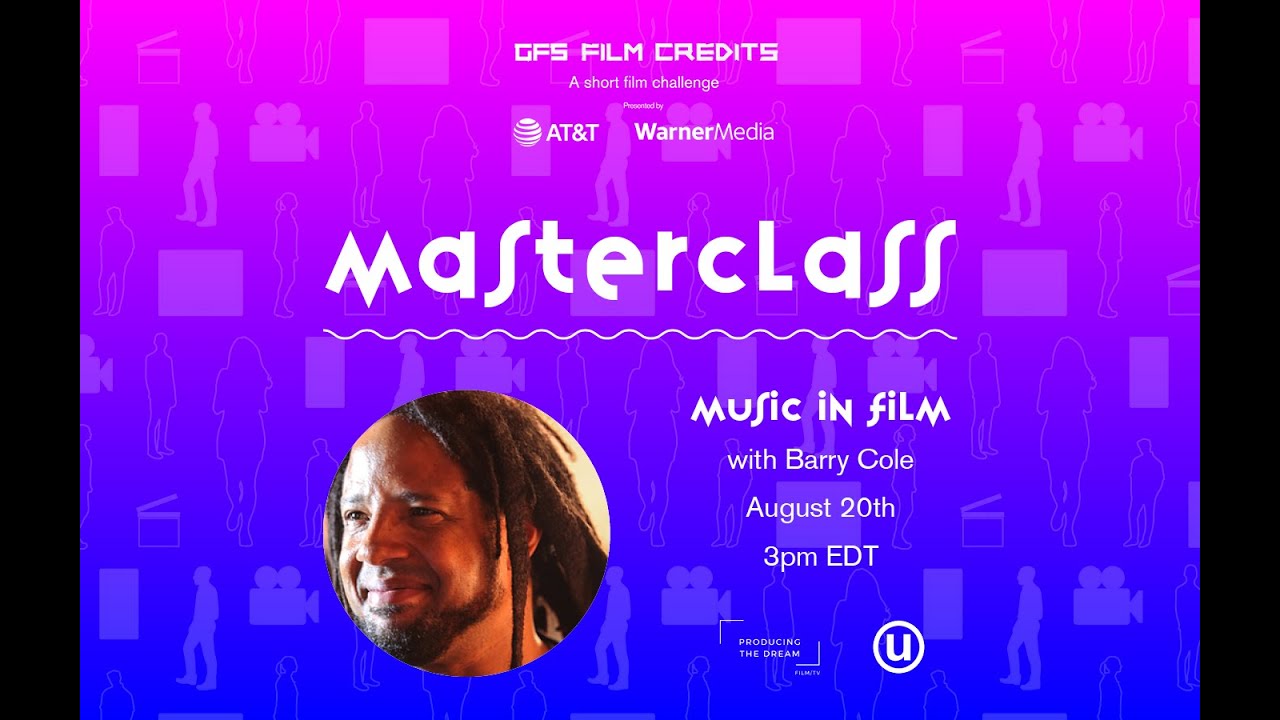
Music in Film w Barry Cole | Ghetto Film School Film Credits
212
Beyond business negotiations, music supervisors serve creative functions including: identifying period-appropriate music based on script settings, creating character themes (like Sweetness's theme in 'Roll Bounce'), and ensuring music supports narrative tone. Supervisors help directors understand what kind of music each scene needs—whether song, score, or environmental music—to drive the story effectively.
Click to watch →
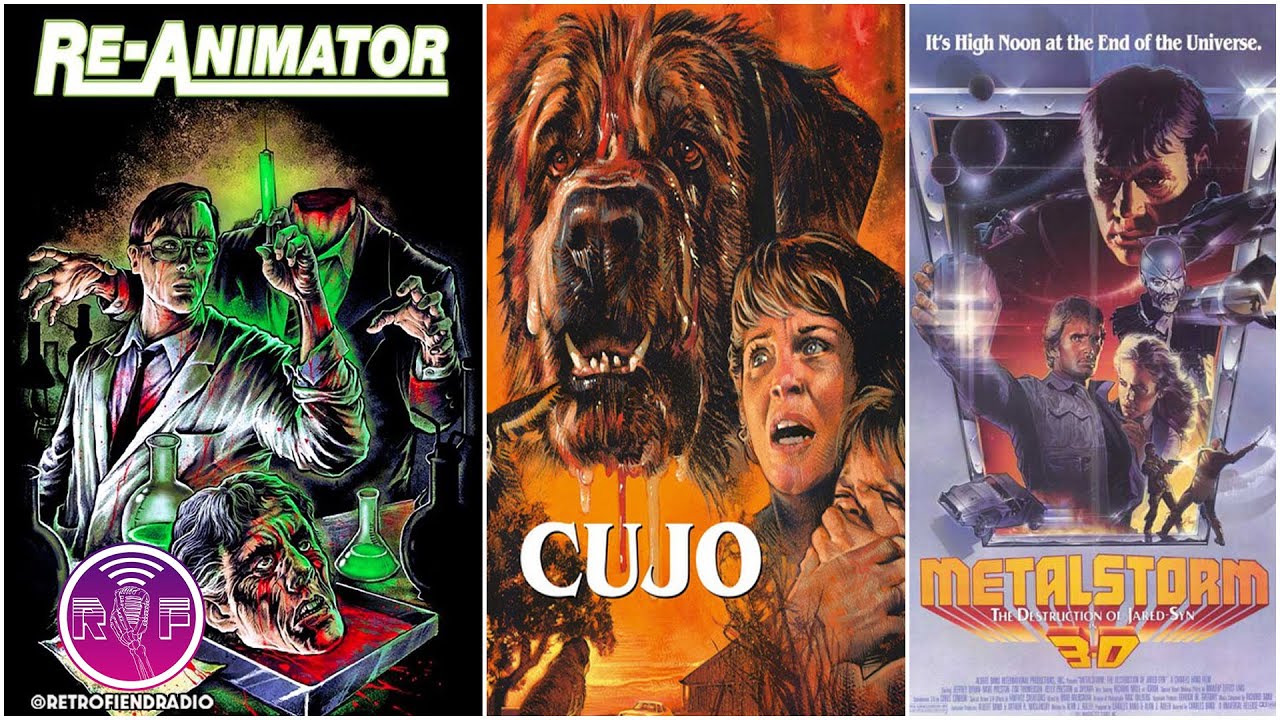
Don Perry Produced the Music: Empire International Pictures & Beyond (2022)
156
Music supervision involves more than selecting music; it requires understanding how music enhances or detracts from a scene. The music supervisor's role evolved from Andy Belling, who asked Don Perry to supervise sessions after Perry had done music records with him. Perry's first music supervisor job was in 1969 with Don Murray and David Nelson. Working with talented composers like Richard Band, the supervisor's role became easier because the composers had so many great ideas. Music in film serves as an emotional storytelling tool that should blend in and create the feeling of the film. When music works well, viewers forget about it entirely. However, when producers specifically request music to make a point—such as in horror scenes or romantic montages—that becomes an exciting challenge. In horror films, music acts as a warning system, telling viewers something bad is going to happen. The famous shower scene in 'Psycho' demonstrates how music alone can create tension without any sound effects.
Click to watch →
Deep Dive
The artistic application of anachronism in historical fiction, specifically how modern music is used in period pieces to make historical settings relatable to contemporary audiences.
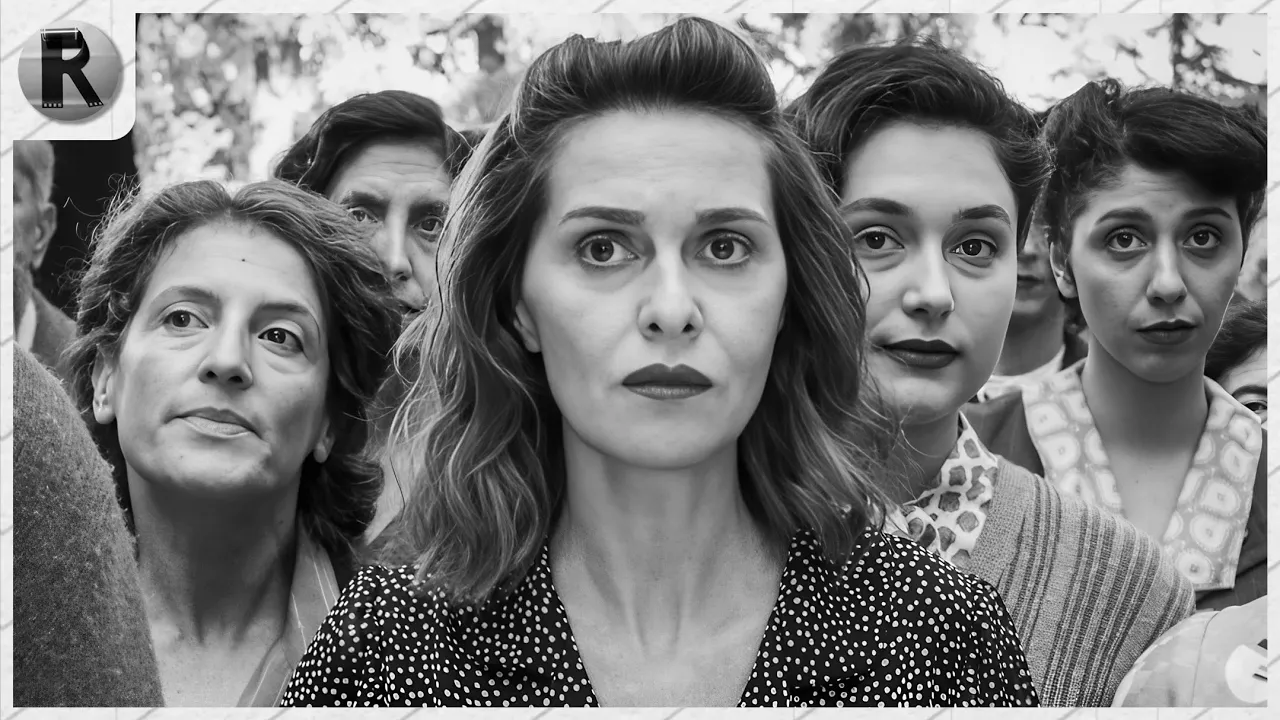
La Più Grande "TRUFFA" del Cinema Italiano
55.9K
The director uses contemporary music (anachronism) not for stylistic effect but for political urgency. When the audience hears modern music in a 1946 Roman slum setting, their brain experiences a 'crash' because it breaks the expected temporal distance. If only period music were used, the audience would think 'Poor Delia, what terrible times those were.' Contemporary music instead screams that the dynamics between Delia and Ivano are not history but a recurring chronicle. The dance macabre between Delia and Ivano hasn't ended in 1946—it has only changed its musical accompaniment.
Click to watch →

House of Guinness Failed… But the Music Saved It
5.8K
Anachronistic music choices—playing contemporary songs in period dramas—can paradoxically create greater authenticity than strict historical accuracy. When Irish contemporary artists like Fontaine DC, Kneecap, and Lankum are featured in a show set in 1868 Ireland, their modern voices actually capture the authentic spirit of Irish culture better than period-appropriate music would. This occurs because these artists embody the living, evolving nature of Irish identity rather than presenting a static historical caricature. The anacronism becomes more real than false realism itself, as the music comes from Irish perspectives that understand the cultural nuances the show's writers cannot replicate.
Click to watch →

Everything Wrong With The Great Gatsby (2013)
2M
Period films must maintain strict historical accuracy in multiple dimensions including setting, costume, music, and social context. The video criticizes The Great Gatsby (2013) for numerous anachronisms: using Jay-Z's music in 1922 Manhattan, depicting psychiatric hospital visits with ties, and portraying conversations between wealthy white people that wouldn't have occurred in the 1920s. These errors disrupt immersion and demonstrate how modern elements can undermine period authenticity.
Click to watch →

Los 5 errores históricos de 'Los Bridgerton'
2K
Bridgerton's soundtrack features contemporary songs like Ariana Grande's 'Thank U, Next' and Taylor Swift's 'Wildest Dreams' performed by a string quartet, completely anachronistic to the Regency period when classical music by Beethoven, Mozart, and Schubert dominated social events. This deliberate choice connects with modern audiences while creating visual-sonic contrast. The series exemplifies how historical fiction prioritizes entertainment over accuracy. While visually impressive, such productions should not be taken as historical sources. However, the curiosity they spark can motivate authentic historical research, which often proves even more fascinating than the fiction itself.
Click to watch →

Why is music in fiction intentionally anachronistic? #Composer #FilmMusic #Soundtrack #MusicTheory
10.2K
Fictional media intentionally uses anachronistic music because entertainment and profitability take precedence over historical accuracy; this convention has been established since the Jazz age, where creators prioritize audience expectations and commercial success over authentic period music, as demonstrated by examples like The Barber of Seville using Italian opera music despite being set in Spain.
Click to watch →
Prerequisite Knowledge
- Concept 01The concept of musical arrangement and how a song's genre can be transformed (e.g., from contemporary synth-pop to classical orchestral music).
- Concept 02The basic composition of a chamber ensemble or string quartet, including the traditional roles of violins, violas, and cellos.
- Concept 03The role of music supervision in television and film, particularly how background music is selected to mirror character emotions and narrative beats.
- Concept 04The artistic application of anachronism in historical fiction, specifically how modern music is used in period pieces to make historical settings relatable to contemporary audiences.
Subsequent Learning
- Step 01Advanced music orchestration techniques, specifically focusing on how to translate vocal lines, percussion, and electronic synth pads into string instrumentation.
- Step 02The history and cultural impact of the 'classical crossover' genre, analyzing how classical training intersects with commercial pop music.
- Step 03The study of musical semiotics, evaluating how the underlying lyrical themes of the original song (P!nk's 'What About Us') serve as subtext for the specific scene in Bridgerton.
- Step 04The business of music licensing and synchronization (sync rights), understanding how artists and arrangers secure permissions and royalties for TV soundtracks.
Core Insight
Key Point
Final Thought
Core Insight
3:02Playing Section
- 1
Discusses foundational concept shaping the main topic.
- 2
Highlights key principle without promotional or introductory content.
- 3
Connects directly to central theme with practical relevance.
Critique of Pop Anachronism and Commercialization in Period Dramas
Critics and musicologists argue that using modern pop songs rearranged as classical covers in period dramas like Bridgerton undermines historical authenticity and artistic immersion. This practice, often termed "pop anachronism," is criticized for prioritizing commercial accessibility and viral trendiness over genuine historical representation. Detractors argue that replacing period-appropriate music with contemporary hits can break the suspension of disbelief. Furthermore, some critics suggest that relying on the pre-existing emotional associations of famous pop songs serves as an artistic shortcut, replacing original, nuanced scoring with familiar hooks to manipulate audience emotion rather than letting the narrative drive the scene organically.
Deep Dive
Advanced music orchestration techniques, specifically focusing on how to translate vocal lines, percussion, and electronic synth pads into string instrumentation.

How To Program Strings (A Definitive Masterclass)
97.5K
Effective string programming treats each line as a distinct voice rather than chord blocks. Individual melodic lines that are memorable and well-crafted translate best to samples. The harmonic series maintains across the range, allowing one note to sing while others support. Contrapuntal writing—intertwining independent lines—creates complex orchestral textures. This approach honors the historical connection between vocal music and orchestration.
Click to watch →
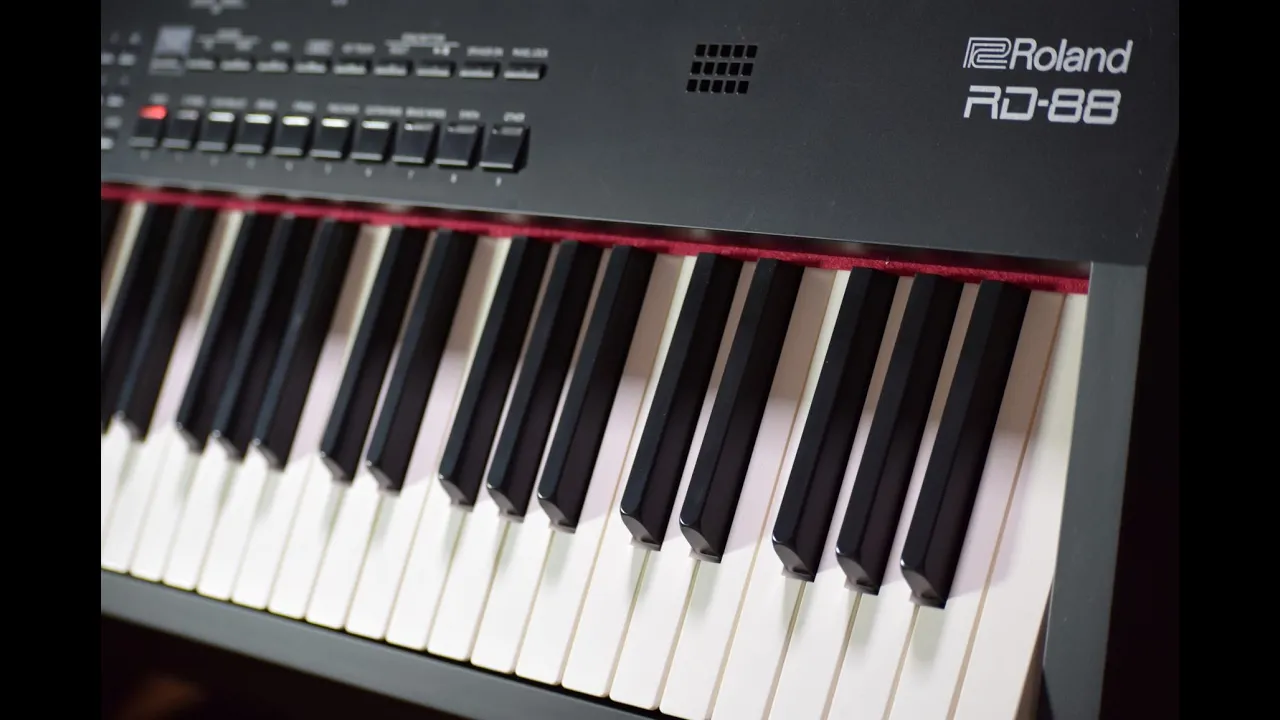
Roland RD-88 - Comprehensive Overview / Review / Demo
71.2K
The RD-88 provides extensive percussion and string options spanning numerous categories. Percussion includes acoustic and electronic drum kits, while string categories encompass solo strings, ensemble strings, orchestra, film layers, full orchestra, and string-winds combinations. Woodwind coverage includes flute (breathy variants), recorder, whistle, and oboe with echo effects. The synth section offers comprehensive leads and pads for electronic music production. Unique features include a dedicated scat singing category with vocal effect variations. The effects section contains environmental sounds (seashore, rain, thunder, wind, stream, horse gallop, bird calls, telephone, helicopter) that pitch-shift with played notes. This comprehensive library enables musicians to find appropriate sounds for virtually any musical style, from classical to contemporary productions.
Click to watch →
How To Make Samples Sound Authentic
41.2K
This section demonstrates advanced orchestration techniques using Spitfire Symphonic Strings and Eric Whitacre choir patches. Key techniques include spreading choir voices across bass, alto, and soprano registers for full harmonic texture, doubling choir with strings for enhanced depth, using tree and ambience mics for lush low-end, and layering long harmonics with consort patches for mystical tension. The presenter then explores hybrid sound design, demonstrating layering piano samples with harp and brush-stroke effects for soft textures, adding wave table synthesis for unique electronic tones, and using exotic instruments like Chinese bamboo flutes and panpipes for cultural authenticity. Sub-bass enhancement techniques are shown to increase physical impact. The section emphasizes balancing acoustic foundations with electronic processing while maintaining cohesive musical architecture.
Click to watch →

STRING BEATS in Logic Pro 🎻🔥🥁 with All Stock Plugins!
43.5K
Mastering string arrangement requires attention to rhythmic variation, harmonic spacing, and dynamic expression. Apply advanced articulations like trills for ornamental flourishes and forte piano for dramatic dynamic contrast. Alternate note lengths using staccato/sustain patterns to create rhythmic interest rather than uniform phrasing. Manage part arrangement carefully to avoid collisions—arrange harmonies at appropriate intervals (thirds, sixths) and transpose sections when necessary. These techniques transform static harmonies into dynamic, expressive string sections that add sophistication to electronic productions.
Click to watch →
How to make FANTASY ORCHESTRAL MUSIC | FL Studio 21 Tutorial
107.9K
Advanced orchestration involves counter melody writing where secondary melodic lines complement the main theme through variation rather than direct imitation. Layering techniques such as adding guitar pads for atmosphere, octaves below bass notes, and tonal instruments fill low frequencies. Percussion placement, including snare drums and triangles, adds rhythmic drive. These techniques demonstrate how professional orchestral arrangements achieve depth and complexity through careful instrumental layering and counterpoint.
Click to watch →
Deep Dive
The history and cultural impact of the 'classical crossover' genre, analyzing how classical training intersects with commercial pop music.

PlayBranson Interviews Marcus Collins with the Texas Tenors!
4.4K
Classical crossover is a music genre that uses classical training and foundation but presents pieces across multiple genres including pop, Broadway, country, holiday, and gospel music. This approach allows performers to appeal to a wider audience by combining classical technique with accessible musical styles.
Click to watch →

Classical Crossover New Releases Chat with Nadia Eide, Elly Kace and Leah Barniville
290
Classical crossover is a genre that combines classical music with popular elements to make classical music more modern and accessible. Artists in this genre aim to inject new ideas and sounds rather than simply replicating what has been done before. Successful artists take well-known songs and reimagine them as cinematic, epic pieces that connect emotionally with audiences. Classical training provides a strong foundation that enables singers to perform across multiple genres, developing vocal control and musical understanding that transfer to various styles. Artists often begin with classical training and then explore musical theater, pop, and other styles. The genre bridges classical and contemporary audiences by making classical music feel hip and accessible to younger generations who may feel intimidated by traditional classical music. Artists should select songs they genuinely love and feel connected to, rather than choosing based on external expectations. When releasing music, artists are releasing pieces of themselves, and listeners will lose trust if the music doesn't feel authentic. Artists should only release music they would genuinely enjoy listening to themselves.
Click to watch →

What is classical crossover?
4.9K
Classical crossover is a musical genre that blends elements from classical and popular music, offering performers creative freedom to experiment by adding classical elements like orchestration to pop songs, giving classical pieces contemporary feels, collaborating across genres, or transforming instrumental works into vocal ones, with no restrictions on which genres can be combined as long as classical elements are incorporated.
Click to watch →

Ellen Williams (Welsh classical singer). Don't forget to subscribe to my channel.
5.3K
Classical crossover is a genre that combines classical vocal technique with popular music repertoire. Performers use their classical training and voice but apply it to contemporary songs rather than traditional opera pieces. The key distinction is that performers do not need to project sound as forcefully since they sing with microphones, allowing for a less operatic style while maintaining classical vocal quality.
Click to watch →
No. 1 Billboard artist Nathan Pacheco returning to eastern Idaho for Christmas concert
1.7K
Classical crossover is a musical genre that combines elements of classical music with contemporary pop, folk, and other modern styles. This genre features the technical strengths of classical training, such as powerful high notes and vocal control, while maintaining accessibility similar to mainstream radio music. Artists in this genre can perform complex classical pieces while also delivering songs that appeal to general audiences who may not typically listen to opera or classical music.
Click to watch →
Deep Dive
The study of musical semiotics, evaluating how the underlying lyrical themes of the original song (P!nk's 'What About Us') serve as subtext for the specific scene in Bridgerton.
![Duomo - "What About Us" [P!nk Cover] (Official Audio) [Used in Bridgerton S2!]](https://i.ytimg.com/vi/xaXqxrQN2jw/maxresdefault.jpg)
Duomo - "What About Us" [P!nk Cover] (Official Audio) [Used in Bridgerton S2!]
584.1K
This video features Duomo's cover of P!nk's 'What About Us,' which was used in Episode 6 of Netflix's Bridgerton Season 2, demonstrating how contemporary music is integrated into period drama productions to enhance emotional storytelling.
Click to watch →

P!nk - What About Us (Lyrics)
323.3K
This video presents the lyrics of P!nk's song 'What About Us,' which explores themes of betrayal, broken trust, and the feeling of being abandoned by someone who promised to provide answers and support. The song uses metaphors like 'searchlights' and 'rockets' to describe people who can see in the dark and reach for stars, while also addressing how those same people 'sold us down the river.' The recurring refrain 'What about us?' emphasizes the emotional impact of broken promises and the importance of mutual trust in relationships.
Click to watch →
JPOLND - The End |"Bridgerton" Song | (Official Lyric Video) | Daphne and Simon
2.1K
This video presents JPOLND's 'The End,' an official Bridgerton series song featuring romantic lyrics about intimate connection between characters Daphne and Simon, with repetitive phrases like 'keep your breath on me' and 'keep your touch on my skin' emphasizing themes of devotion and emotional intimacy.
Click to watch →

I Was Betrayed on Lifesteal World
22.7K
The final trivia question to join the 'nice boys' is about which Maroon 5 song gets a classical makeover in the period drama Bridgerton. The player guesses 'Memories' and is correct, gaining entry into the group. The player notes they had watched Bridgerton and therefore knew the answer.
Click to watch →

Бриджертоны, 3 сезон: что скрыли авторы сериала?
7.7K
The Bridgerton series is adapted from Julia Quinn's books set in 18th century England, following eight Bridgerton siblings finding love. The series features Lady Whistledown, who publishes scandalous gossip. A distinctive feature is the use of contemporary popular songs reimagined in classical style, such as Pitbull's 'Give Me Everything' during a carriage scene and Taylor Swift's 'You Belong With Me' for the first dance as husband and wife. The creators deliberately select songs that reflect character relationships, as these characters have coexisted for years, representing relationships that developed gradually.
Click to watch →
Deep Dive
The business of music licensing and synchronization (sync rights), understanding how artists and arrangers secure permissions and royalties for TV soundtracks.
Sync Agent Breaks Down TV, Film, Advertising Music Licensing
7.3K
Sync licensing is the process of placing songs on TV shows, movies, video games, and commercials. Sync agencies like Low Profile represent artists and labels without owning the music, taking a 25% commission on placements. For original songs, fees split 50/50 between master and publishing sides. The Most Favored Nations clause ensures fair pricing. Understanding rights ownership is essential because sync licensing requires clearing permissions from all rights owners on both sides. The 2023 film strikes caused industry slowdowns, affecting TV and film placements while advertising remained relatively consistent.
Click to watch →
How Music Makes It Into Commercials, Movies & On TV aka Sync Licensing
1.5K
Sync licensing is the legal process where production companies pay rights holders (artists, labels, or publishers) for the right to synchronize pre-existing music with visual media like TV shows, movies, and commercials; unlike audio-only releases, sync licensing requires obtaining additional rights through a license agreement, which differs fundamentally from work-for-hire scores created specifically for productions.
Click to watch →

Sync Licensing For Beginners
10.6K
Sync licensing (synchronization licensing) is the process of licensing music for use in visual media such as TV shows, films, and commercials, where music supervisors select music that matches specific creative briefs and send it to music production libraries for placement; music production libraries act as intermediaries between artists and supervisors, offering various models including exclusive and non-exclusive arrangements with different royalty splits and master rights implications, and while sync licensing can generate passive income through ongoing royalties, it requires understanding the business side, key players like music supervisors and PROs (Performance Rights Organizations), and the distinction between master rights and publishing rights before pursuing placements.
Click to watch →

The Recorded Music Industry, EXPLAINED
3.3K
Sync licensing allows synchronization of music with visual media (films, TV, ads) through direct negotiations between production companies and right owners (publishers/labels), with fees ranging from hundreds of thousands to millions. Sync fees depend on production budgets and music prominence. Unlike other royalties, sync doesn't require collection societies. Masters vary in value due to uniqueness, while compositions remain identical across recordings. Royalty distribution follows agreed percentages: labels pay artists ~10% of wholesale price for masters; publishers split mechanical payments with writers. Advances represent upfront payments that recoup against future royalties.
Click to watch →

Sync Licensing Company Explains How Music Gets Placed
15K
Sync licensing agencies like Bank Robber Music represent independent labels and artists, pitching their music to music supervisors for placement in TV shows, movies, and commercials. The process involves creating playlists in response to briefs (requests describing the mood, genre, and context needed), clearing both master and publishing rights, and negotiating fees that have declined significantly in recent years (from $10K to $5K for standard TV placements). Agencies typically take a 25% commission on upfront sync fees, and artists should work with agencies that understand their specific needs rather than trying to pitch themselves directly to supervisors. Success requires understanding the industry's specialized language, maintaining quality music, and being proactive in pitching while also being responsive to briefs.
Click to watch →
Core Insight
Key Point
Final Thought
Core Insight
3:02- 1
Discusses foundational concept shaping the main topic.
- 2
Highlights key principle without promotional or introductory content.
- 3
Connects directly to central theme with practical relevance.
Critique of Pop Anachronism and Commercialization in Period Dramas
Critics and musicologists argue that using modern pop songs rearranged as classical covers in period dramas like Bridgerton undermines historical authenticity and artistic immersion. This practice, often termed "pop anachronism," is criticized for prioritizing commercial accessibility and viral trendiness over genuine historical representation. Detractors argue that replacing period-appropriate music with contemporary hits can break the suspension of disbelief. Furthermore, some critics suggest that relying on the pre-existing emotional associations of famous pop songs serves as an artistic shortcut, replacing original, nuanced scoring with familiar hooks to manipulate audience emotion rather than letting the narrative drive the scene organically.
The concept of musical arrangement and how a song's genre can be transformed (e.g., from contemporary synth-pop to classical orchestral music).
The basic composition of a chamber ensemble or string quartet, including the traditional roles of violins, violas, and cellos.
The role of music supervision in television and film, particularly how background music is selected to mirror character emotions and narrative beats.
The artistic application of anachronism in historical fiction, specifically how modern music is used in period pieces to make historical settings relatable to contemporary audiences.
Advanced music orchestration techniques, specifically focusing on how to translate vocal lines, percussion, and electronic synth pads into string instrumentation.
The history and cultural impact of the 'classical crossover' genre, analyzing how classical training intersects with commercial pop music.
The study of musical semiotics, evaluating how the underlying lyrical themes of the original song (P!nk's 'What About Us') serve as subtext for the specific scene in Bridgerton.
The business of music licensing and synchronization (sync rights), understanding how artists and arrangers secure permissions and royalties for TV soundtracks.
266.3K views2.3Klikes4:53@positionmusicOriginal Release: 2022-04-21
[Music] so [Music] so [Music] [Applause] [Music] [Applause] [Music] [Applause] [Music] foreign [Music] [Laughter] [Music] [Music] [Applause] [Music] oh [Music] [Applause] [Music] you
Up Next
3:55
Analyzing Media Influence: Ashton Kutcher & Mila Kunis Discuss 'Bridgerton'
@AccessHollywood
454.5K views•2021-02-01

12:54
Triumph of Orthodoxy Icon: Byzantine Art & History Explained
@BenCallan
2.1K views•2024-08-06

9:49
FastAPI vs Flask vs Django: Choosing the Right Python Web Framework
@TechWithTim
302.5K views•2024-05-26

1:42
Game of Thrones Opening Credits: A Cinematic Analysis
@gameofthrones
46.3M views•2011-04-18
Related Study Plans & Knowledge Roadmaps
Structured learning paths in General & Interdisciplinary Studies
general-studies
Elevator Engineering: History, Physics & Cities
01From Hoists to Safety Brakes: The Dawn of Vertical Lift
02Hydraulic vs. Traction: The Engineering Physics of Elevators
03Modern Speed, Safety, and Algorithms
+ 2 more learning modules
12h5 modules
Explore Roadmap
general-studies
Rubber: Material Science, History & Geopolitics
01Origins of Natural Rubber & Mesoamerican History
02The Chemistry of Natural Rubber & Vulcanization
03The Geopolitics of the Rubber Boom & Colonization
+ 2 more learning modules
12h5 modules
Explore Roadmap
general-studies
Containerization: Evolution, Logistics & Trade
01Ancient Trade & Bulk Cargo: Amphorae to Barrels
02The Industrial Revolution & Cardboard Packaging
03The Containerization Revolution: Malcom McLean
+ 2 more learning modules
12h5 modules
Explore Roadmap
general-studies
Textile Tech: Evolution, Labor & Global Impact
01Pre-Industrial Textiles: Handloom & Cottage Industry
02Mechanization: The Spinning Jenny to the Power Loom
03The Factory System & Global Labor Transformation
+ 2 more learning modules
10h5 modules
Explore Roadmap