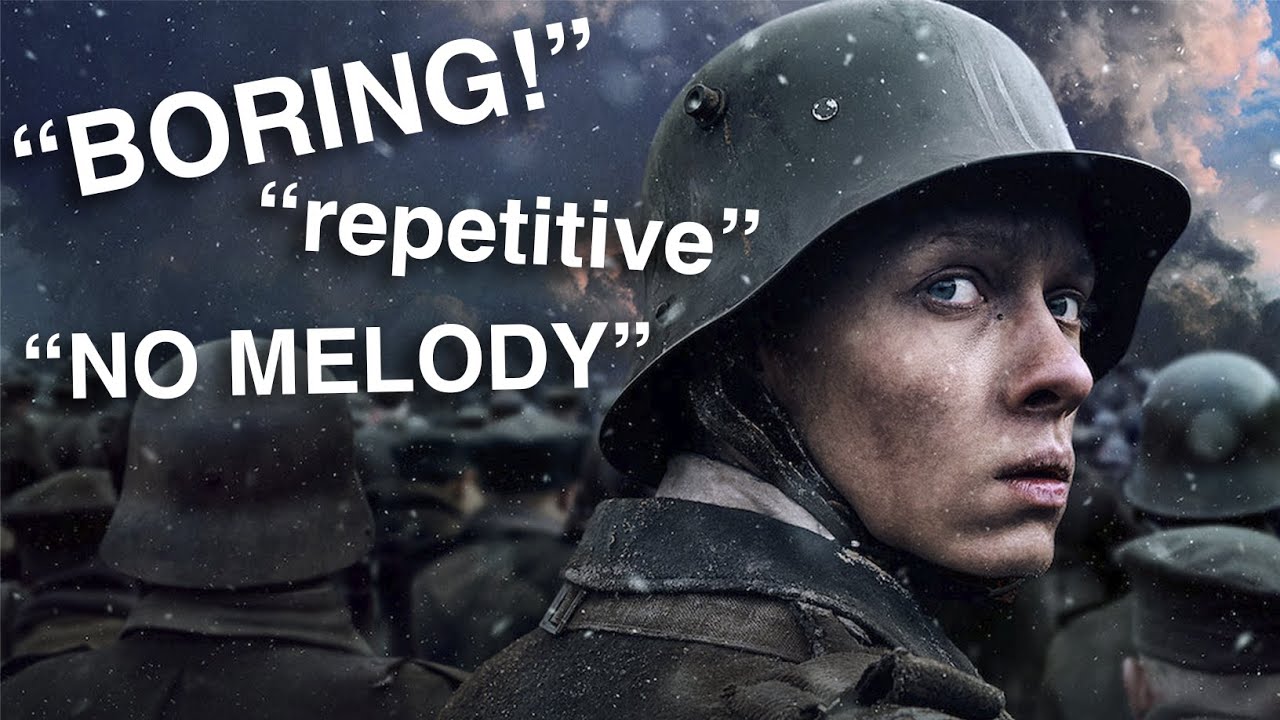

![Film Scoring Class ศิลปากร [Spotting Session & Basic Principles]](https://i.ytimg.com/vi/jpaOI0klu70/sddefault.jpg?sqp=-oaymwEmCIAFEOAD8quKqQMa8AEB-AHUBoAC4AOKAgwIABABGGUgXihZMA8=&rs=AOn4CLBWPY9AmVsLiXRhrr3-HOQbp4VCiw)

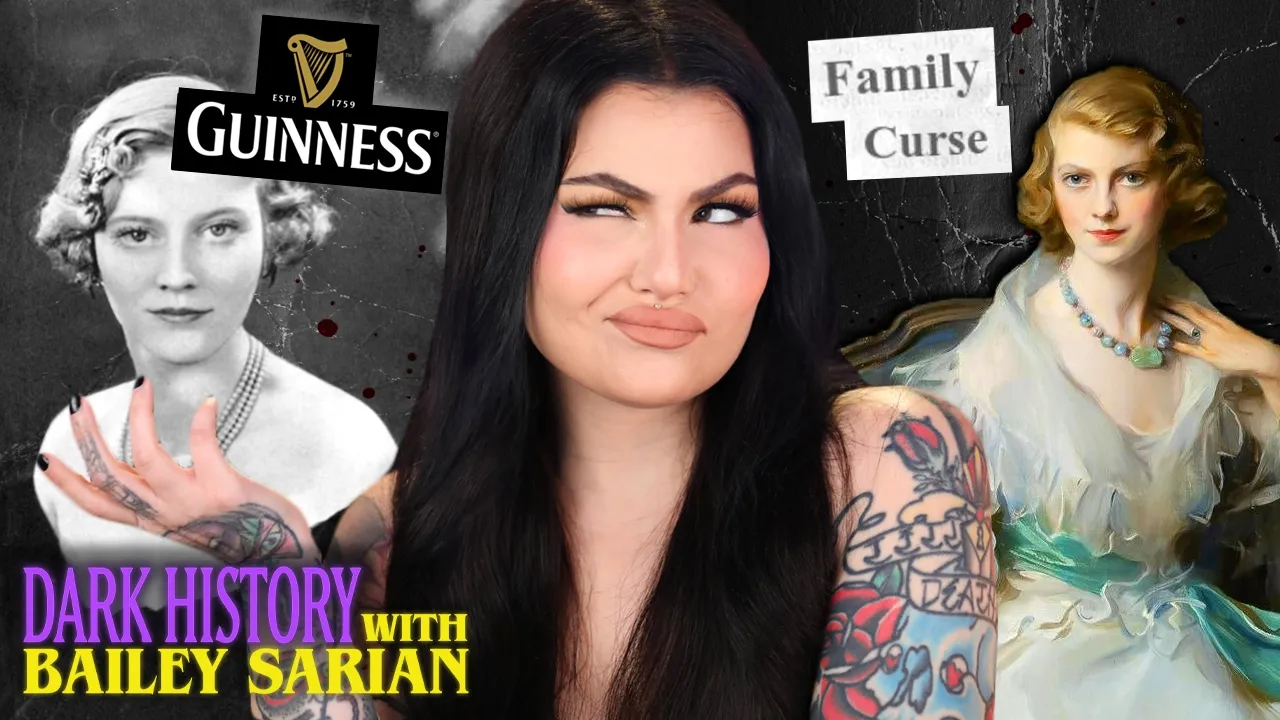


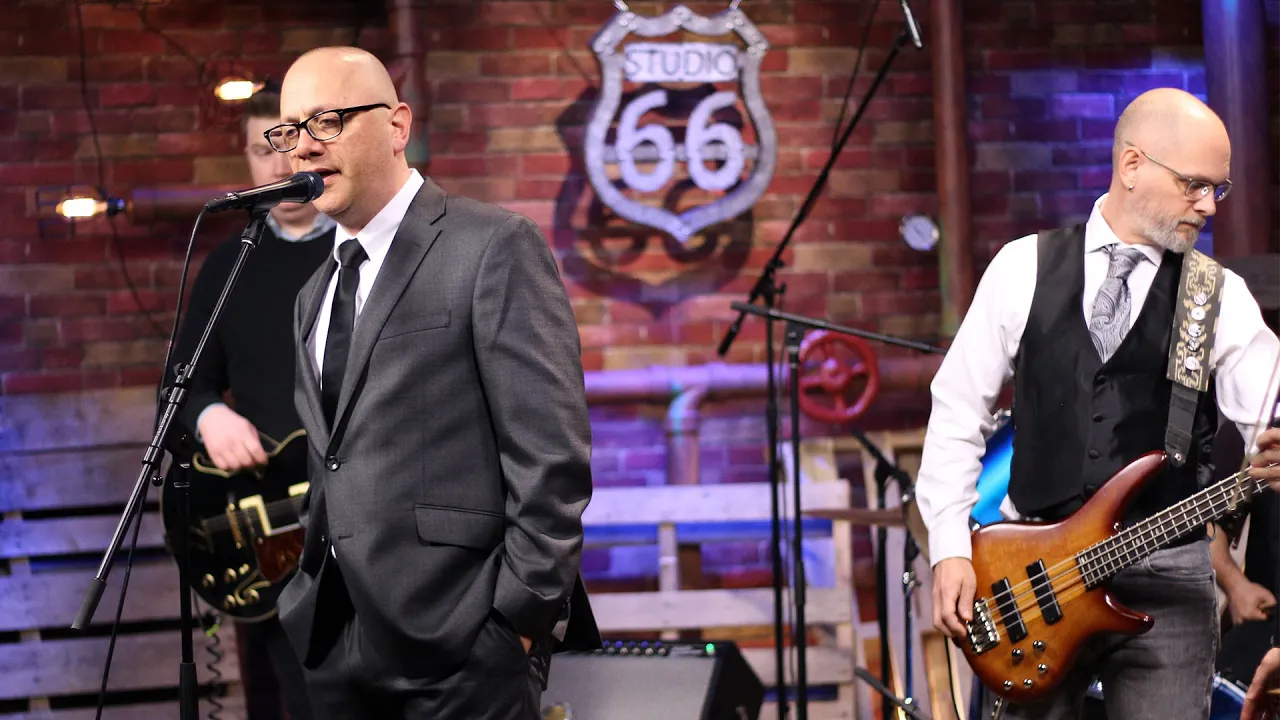






















In historical period dramas, contemporary music can provide more authentic cultural representation than the visual narrative itself; when Netflix's House of Guinness failed to authentically portray 19th-century Ireland through its drama, the soundtrack featuring modern Irish artists like Fontaines D.C., Kneecap, Lankum, Lisa O'Neill, and The Mary Wallopers successfully captured the rebellious poetry and complex identity of Irish culture, demonstrating that anachronistic musical choices can serve as powerful cultural reclamation that dismantles stereotypes the visual storytelling cannot achieve.
Does House of Guinness Soundtrack Outshine Its Story?
Added:Basic principles of film and television scoring, specifically how music is used to establish atmosphere, cultural identity, and emotional resonance.
An overview of late 19th-century Irish social history, including the socio-economic influence of the Guinness dynasty and Anglo-Irish relations.
The characteristics of traditional Irish music and how themes of rebellion, resilience, and community are historically embedded within its instrumentation and lyrics.
Fundamentals of narrative theory, particularly the definition of narrative clichés, tropes, and formulaic character arcs in historical dramas.
Advanced studies in music supervision, examining how curators select and license soundtracks to subvert or enhance period-piece settings.
Ethnomusicological analysis of how national heritage is represented, authenticated, or commodified in global streaming media.
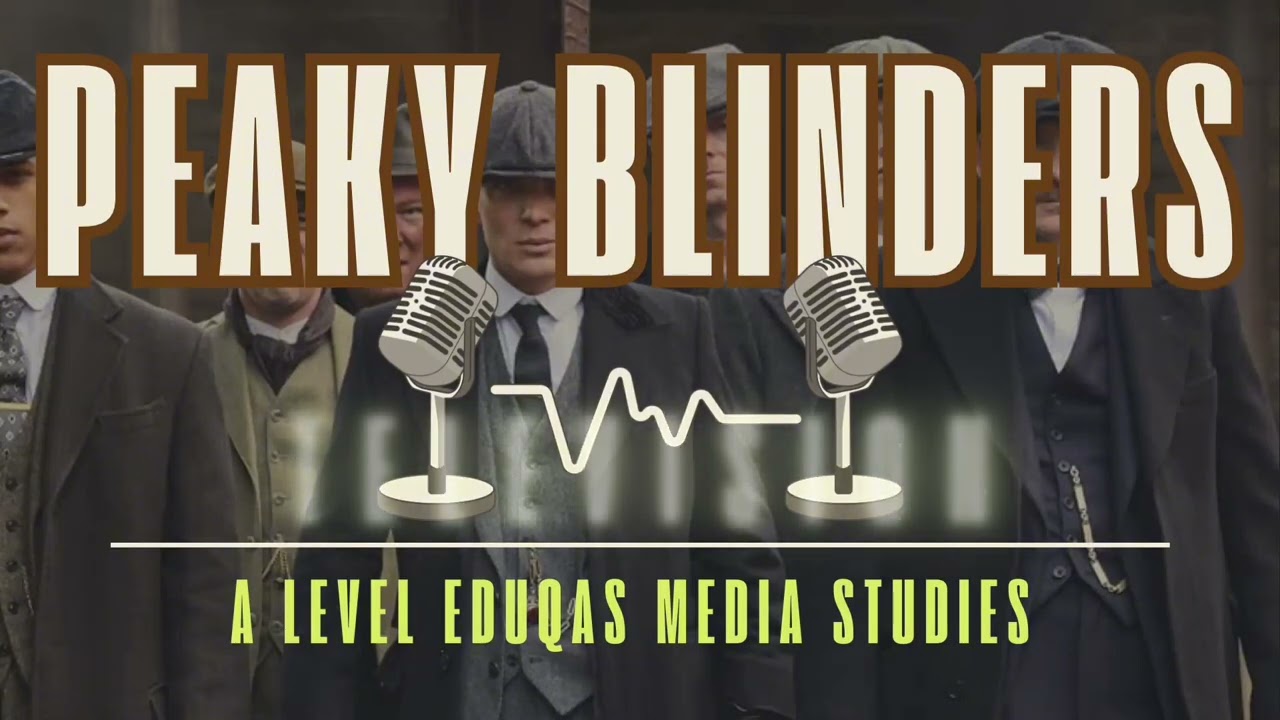
Comparative analysis of other historical dramas (such as 'Peaky Blinders' or 'The Knick') that successfully use anachronistic or highly stylized soundtracks to elevate their storytelling.
An investigation into the collaborative division of labor in television production, exploring why screenwriting and sound design can sometimes diverge in quality.
5.8K views113likes17:13Original Release: 2025-10-04
[Music] Hello and welcome to Last Mix Tape. My name is Steven White and on this week's show, we turn our lens to House of Guinness and how it soundtrack upstages the show itself. But first, [Music] When the empire is declaring its worth, it does so on such a huge scale that even hundreds of years later, it's still impressive. London is an impressive city to be in because they took money from everywhere.
>> Yeah. Ireland, how do we get to express our joy and our accomplishments and our laments?
And we do that through storytelling and music.
And I think that's because you they don't cost anything.
Not my words, but the words of Irish comedian Tommy Tieran. Why, dear listener, and indeed, dear viewer, were we listening to Tommy at the top of this week's show? Well, this week I thought we delve into Netflix new show House of Guinness and how the soundtrack captures the authenticity of Irish culture where the show falls to tired cliches. Now, at the top of this week's show, I do want to say that I am Irish, but I am not Ireland. So, this is entirely from my perspective and that there are film reviewers and TV reviewers who are far more suited to talking about the actual running of the show itself and the production and the acting and everything like that. This week we're going to talk about how the soundtrack overshadows the very show itself and how it captures Irish culture better than the show ever can. That being said, let's delve in.
[Music] There are certain moments in Irish life when the cultural mirror is held up to us and what stares back is not our own reflection, but instead a caricature.
Netflix House of Guinness is one such moment. A grand production steeped in glossy period sets and brooding stairs, but stripped from the marrow of Irish experience. For many critics here, it plays less like a drama and more like a masquerade. The Guardians review didn't pull its punches, calling the depiction of Fenian characters as feral leprechauns, and the Irish Times accused it of mistaking costume for character.
These are the indictments of a show that tries to summon up the weight of history but ends up lost in biche as it reaches for something between the smoky lamp streets of peaky blinders and a sensual costume drama of a Bridgetgerton. For all its candle lit rooms and sweeping camera pans, it reduces Ireland to a backdrop of cliches, never delving any deeper. And the timing makes this failure all the more glaring. The show is set in 1868, only two decades removed from the great famine when Ireland was still haunted by hunger, loss, and exile. A country caught between landlord rule and the undercurrent of rebellion.
Its very identity shifting under the shadow of empire. It was an age when the seeds of modern Ireland were sown. Yet, what do we see on screen? Not a nation wrestling with trauma and survival, but the kind of Gothic pageantry where the story of Ireland is softened into digestible spectacle and the complexities of British occupation are a mere afterthought. The great irony is this. At the very moment Ireland was brimming with voices demanding to be heard, House of Guinness silences them, offering instead a need for simile of Irishness for export. In doing so, it mistakes spectacle for truth. And this perhaps is its most damning flaw.
But then the music comes in and suddenly the ground beneath the show shifts.
Because if the drama cannot find the pulse of Ireland, the soundtrack certainly does. And it does so by not retreating into safe nostalgia, but by giving the stage to Ireland's most vital contemporary voices using the same anacronistic needle drop approach of Peaky Blinders, but through an Irish context. The lineup is striking.
Fontaine DC, kneecap, Lancam, Lee O'Neal, the Merry Wallpopers. These are not decorative choices. These are the very voices shaping cultural reclaimation of Irish music today. A movement that refuses to let tradition be reduced to cliche. Fontaine CC with their jagged poetry of Dublin streets raw, unvarnished, restless, lankum, heavy with the weight of history. Their songs a durge and a battlecry in equal measure, rising the fog and mist of Dublin through the very cracks of the streets itself. Lisa O'Neal, timeless and haunting, a voice that could belong to 1868 or 2025, carrying grief and grace in the same breath. and the Merry Wallopers body ungovernable reminding us that rebellion is not only solemn but joyous drunken and alive in the crowd together these artists do something the show itself cannot they speak of Ireland's fractured poetic defiant and unafraid past through a modern lens their presence on the soundtrack collapses time placing the struggles of the 19th century Ireland sidebyside with the cultural revolution happening in our own time where the show traffics in stereotypes the soundtrack reveals multiplicity inhabiting the feel of 19th century Ireland in the 21st. This playlist is a counterpoint to the show's staginess. In its very anacronism, the soundtrack finds authenticity, becoming the truest voice within House of Guinness, where the show exaggerates or condenses the Irish as broad caricatures. The soundtrack dispels the character entirely. These artists embody modern Irishness in all its defiance, melancholy, and wit. Not a fantasy version of the past, but a living culture that refuses to be flattened.
This is the sharpest contradiction of all. House of Guinness indulges in patty wackery. Those broad strokes of Irishness that critics have rightly condemned. Yet, its soundtrack features artists whose entire project is dismantling that very caricature.
Before we get into it, I do want to give the show props. Um, mostly because of sync, man. Because of absolute sync.
It's an absolute triumph of sync. It is the the sink on this show is fantastic.
The money being not going to. So, it's not just bands like Fontaine's, kneecap, and Lankan that are being highlighted on the show.
It's also bands like Murder Capital, Yard, I Dream, I Dream, Rockstrong, Gillab Band, Chieftains, and Tin Lizzy are also on the soundtrack. And I think these are great choices, including actually The Stunning, who I saw have to put out a video about their track Brewing Up a Storm, which has been an Irish classic, which has gone in rotation many times over since its release. And these are all incredibly strong choices, and they speak to what I'm talking about. And the thing that really struck me is that all these different artists, some are from the modern time right now, 2025. As I say, Chieftains and Tizzy are further back.
Um, The Sunning would bring up a storm somewhere along the middle. Um, all of these artists speak to the modern Irish experience in contrast to that of um, House of Guinness. And they do do that thing that I think the show was reaching for, which is those needle drops that were in uh, Pey Blinders. The problem with that is twofold. One is that the a lot of the needle drops, one of the main ones that people know obviously is Nick Cave um, with Red Right Hand. Um, Nick Cave is not from Birmingham. Um, this is, you know, they kind of use it in a modern context kind of a feel, a mood.
And I think the Irish songs do get that.
The problem is is when you play with Irish history, something that as an Irish person, I think a lot of Irish people are rightfully quite protective of, especially when it's been written uh by Steven Knight, who I think is a great writer and I I loved um Pey Binders, and I'm also going to say I know Killian Murphy, Irish actor playing a Birmingham gangster in that show. But when it's written from a British perspective, or very the very least from a British person, there is going to be that kind of protection. And I think they're we're on the right track with the kind of the mood board that is the music. I think all of those bands um fit that. You know, you can see how the murder capital or any of these bands would have been played. I believe the fontaines actually were on Piggy Blinders. You can feel that that what's that's what the show is going for. The truth is sometimes that anacronism can be more real than false realism itself. And I think that's where the show really shows this up. The sound of the music because it's coming from a lot of Irish voices. It's coming from an Irish perspective, all different types of Irish perspectives. I think that it shows that the show itself is not in and of itself an authentic Irish perspective. And I think that's what feels to me quite wrong when you listen to the music and if you just listen to the soundtrack itself. And I would say that if you're a a viewer who's not from Ireland, you're not familiar with lot a lot of these acts. I think that's really cool that if you get to find these artists through this soundtrack, I think that's a really positive thing. But I think that it's important to know that I believe that those music and those artists speak about the Irish experience far better than the show ever can. As I say, it's set in a time that is a contentious one. It's it's quite an important period in Irish history. As I say, it's between the the Great Famine and and the War of Independence, East Rising. It's it it sits almost in the middle of all of that and the the great cultural upheaval and change. It doesn't do much to speak of British occupation of how um the Irish are caricatured by Britain and that's obviously another kind of hurting point to this. It's very interesting actually. I saw recently that Irish YouTuber um Super Eye Patchwolf um put out a video on one of his channels speaking about how strange it is to be Irish. I think he was speaking about the origin of his name and he was speaking about the stranges of being Irish and a lot about British oppression and he was showing these cartoons from Punch magazine which would have been um of the time they would have spoken about home rule and they would have been very much um contemporary to to what the show is in a lot of ways and just how we were viewed. So I think maybe I'll link that in in below so you can have a kind of a watch of that and see the kind of historical aspect of this and and how this as an Irish person would you would find it jarring as I say that emotional truth of the music um being juxtaposed by the false realism of the show itself. Furthermore, I think it's the show dressing itself when it suits itself into kind of the politics of the time. And again, you know, when you look at and I want to like say like I think the people who made this show, um, obviously Stephen Knight and Pey Blinders crew and all the actors and everything, I think they are honest to god trying their best for this. I think it is let down massively by its writing.
Um, but I think and that's again I'm not a TV review or a film critic. This is how I felt watching it. It just and anyone I kind of asked on a kind of a you know a box pop kind of feel to it like what did they think of the show?
This is kind of what I got from a lot of Irish people was I watched maybe two episodes of it I couldn't watch anymore.
I think it's that discomfort and I think the music really plays into it. I think the music itself captures something that to me what the show could have been um for all it's trying to you know wrap itself up with like the Fenian movement and all of this stuff and it completely missing the point of a lot of these things highlighted by the artists themselves. And I think that's the interesting thing that what's happening at the moment in Irish music is that there is a modern contemporary re-examination of what it means to be Irish or what it means to make Irish music. I covered this in one of my shows um a couple of months back um on show was the name of the episode. I'll link it down below as well. And we're speaking about how the Irish perspective through a modern lens has changed. It's changed through the lens of um Irish people reclaiming traditional music.
It's changed through immigrants coming into the country making amazing music themselves. And we're talking about Denise Chila which is where the name of the show comes from her using the word unshot in one of our songs incredibly powerful. We have God Knows who just released an album very recently too. His perspective on music and what he did with us and Gano family. Um all of these things have changed and they've been integrated into the Irish Irish experience. So there's this modernization of Ireland itself and also kind of the hearkening back to that NA um super Eye Patch Wolf video of reclaiming the Irish identity, reclaiming the Irish what you know how we've been caricatured in television and how we've been caricatured in movies.
You're Irish. You've definitely seen more than enough um movies and TV shows where Irish uh people are depicted by Americans. Um, the devil's own is one uh with Brad Pitt doing a terrible Irish accent and I think what was the name of the movie with Mickey Ror and he plays an IRA man. I it wasn't Oh, I can't remember it. A prayer before dying.
Maybe that was the one. H also terrible.
You know, when you lived through the '90s like I did, you would have seen a lot of these kind of movies about IRA people and Northern Ireland and all this kind of true different perspectives. And I think that was the other thing quite interesting to be jumping around. But I I thought about this like other shows that set against an Irish backdrop that really captured. I think Derry Girls is probably the best example of really doing it well where itself is set against the backdrop of Northern Ireland, set against the backdrop of the of the troubles and itself is a comedy in in broadstrokes. Um and it but it captures some of the comedy in the tragedy in the in the situation that they're in. It doesn't shy away from the realities of the world around it. It embraces it and it conveys it through.
Now, obviously, House of Guinness is further back and it's dealing with a bunch of toss. The Guinnesses. Um, let's be honest. Um, I don't think I'm I'm going to shock anyone here by saying the Guinnesses were rich. They were. Um, so I think that's where the show really falls to us. And I think as well when it compares to what they did with um Pey Blinders and again with the anacronistic needle drops, those felt contemporary and real to Britain, especially when it's coming from Birmingham, workingass town um in the Midlands where factories and all the smoke and the the coal and everything. You can see why they would have picked the Guinness factories themselves. I walk through them every every once in a while on my way home sometimes and uh they are magnificent and um they are really a hearken back to an old time and I think that's for me that's where these two things contrast indeed those Irish voices coming and shouting out like I suppose Nikcap would get your Brits out in moments like that it it speaks to something that is real and it speaks to something that is great but it also feels like ah the show never reaches it and that the music itself captures it far far [Music] Soundtracks are often treated as decoration, something to color the mood, to sit politely in the background. But in House of Guinness, the soundtrack is not background at all. It is the foreground. It is the counterpoint. It is resistance. And it is what the show could have been. And in doing so, it achieves something the show itself cannot. Authenticity. Because here's the paradox. The show indulges in caricature, but the music dismantles it.
The drama gives us feral leprechauns and broad strokes, while the soundtrack gives us artists whose entire purpose is reclamation. Lankham turning the quaint into the devastating kneecap ridiculing stereotypes through irreverence and rage. Lisa O'Neal reminding us of the haunting dignity of Irish song. The Mary Walpers taking the folk sing along out of kit and putting it back into rebellion by curating voices like Fontaine's DC, Ncap, Lan, Lisa O'Neal, and the Mary Walipers. The soundtrack taps into the cultural revolution already underway in Ireland. A movement where folk and trad are not relics but living, breathing languages, defiant, humorous, and griefstricken. These artists carry forward the same rebellious spirit that 19th century Ireland knew well. The same battle between landlord and tenant, colonizer and colonized, despair and endurance.
What the show misses in the chase for Ireland's peaky blinders is that true Irish storytelling does not need borrowed archetypes. It needs a voice that speaks of our time now through the lens of the past. And that is precisely what the soundtrack offers. A chorus of Irish identity unfiltered and unapologetic. These aren't background textures. They're cultural interventions. They prove that the Irish identity is not a costume or an accent to be performed, but a living course that refuses simplification. So yes, the House of Guinness may fail in its spectacle, but in its music, it accidentally stumbles into Ireland's beating heart. And if you listen closely, you will hear what the show itself cannot say. Ireland does not perform its history. It sings it.
And so goes, and there it went. Netflix House of Guinness. Does the soundtrack exceed the show or does the show exceed the soundtrack? What did you think? Did you watch it? Could you last the entirety of the of the series? Did you embrace it? Did you think the soundtrack was better? What did you think of the show itself? What you think of the music? If you're somebody who is not from Ireland and you found some of these acts and some of these bands, great bands uh through the soundtrack itself, please let me know in the comments below. And as always, thank you for watching Last Mix Safe and I'll see you next week.
I want to also say is that in this oppression, in this robbery and murder, we sang sad songs, but we also came up with the fastest, happiest traditional music. So even though you're being beaten, part of the spirit is going, "Dance, just dance.
[Music]
Up Next

9:10
Speech Act Theory: Austin & Searle's Pragmatics Explained
@AnasTariq
36.6K views•2021-09-18

12:54
Triumph of Orthodoxy Icon: Byzantine Art & History Explained
@BenCallan
2.1K views•2024-08-06

9:49
FastAPI vs Flask vs Django: Choosing the Right Python Web Framework
@TechWithTim
302.5K views•2024-05-26

1:42
Game of Thrones Opening Credits: A Cinematic Analysis
@gameofthrones
46.3M views•2011-04-18
Related Study Plans & Knowledge Roadmaps
Structured learning paths in General & Interdisciplinary Studies
general-studies
Elevator Engineering: History, Physics & Cities
01From Hoists to Safety Brakes: The Dawn of Vertical Lift
02Hydraulic vs. Traction: The Engineering Physics of Elevators
03Modern Speed, Safety, and Algorithms
+ 2 more learning modules
12h5 modules
Explore Roadmap
general-studies
Rubber: Material Science, History & Geopolitics
01Origins of Natural Rubber & Mesoamerican History
02The Chemistry of Natural Rubber & Vulcanization
03The Geopolitics of the Rubber Boom & Colonization
+ 2 more learning modules
12h5 modules
Explore Roadmap
general-studies
Containerization: Evolution, Logistics & Trade
01Ancient Trade & Bulk Cargo: Amphorae to Barrels
02The Industrial Revolution & Cardboard Packaging
03The Containerization Revolution: Malcom McLean
+ 2 more learning modules
12h5 modules
Explore Roadmap
general-studies
Textile Tech: Evolution, Labor & Global Impact
01Pre-Industrial Textiles: Handloom & Cottage Industry
02Mechanization: The Spinning Jenny to the Power Loom
03The Factory System & Global Labor Transformation
+ 2 more learning modules
10h5 modules
Explore Roadmap