






![LA TEORÍA DE LA CARGA COGNITIVA. [Juan Fernández]](https://i.ytimg.com/vi/UfpIj1x3upo/maxresdefault.jpg)











![evil mr beast be like - Bits and Banter [07/23/2025]](https://i.ytimg.com/vi/ilbihIjU1rI/maxresdefault.jpg)



The human brain has limited capacity to process information, and technology-induced multitasking fragments attention through competing bottom-up (stimulus-driven) and top-down (goal-directed) attentional systems, leading to cognitive interference, increased anxiety, and reduced productivity; however, neuroplasticity allows targeted attention training through practices like meditation and strategic technology use to improve cognitive function.
The Distracted Mind: Neuroscience of Attention & Technology
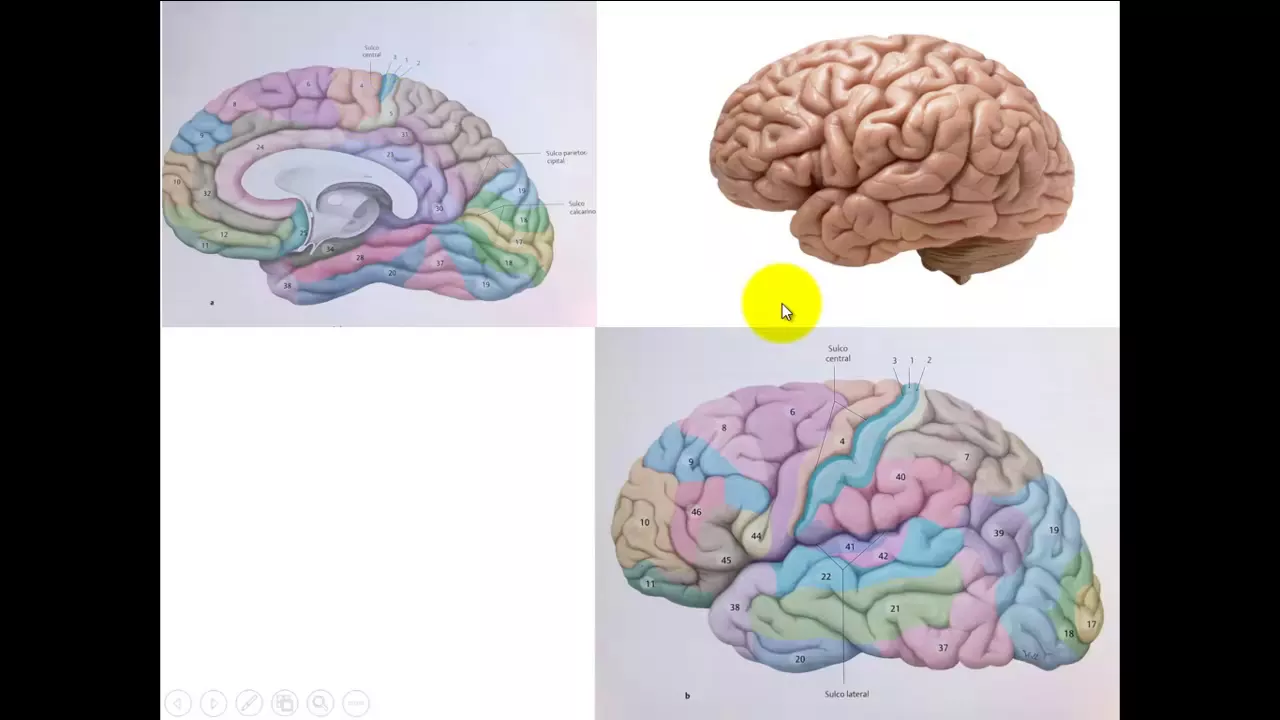
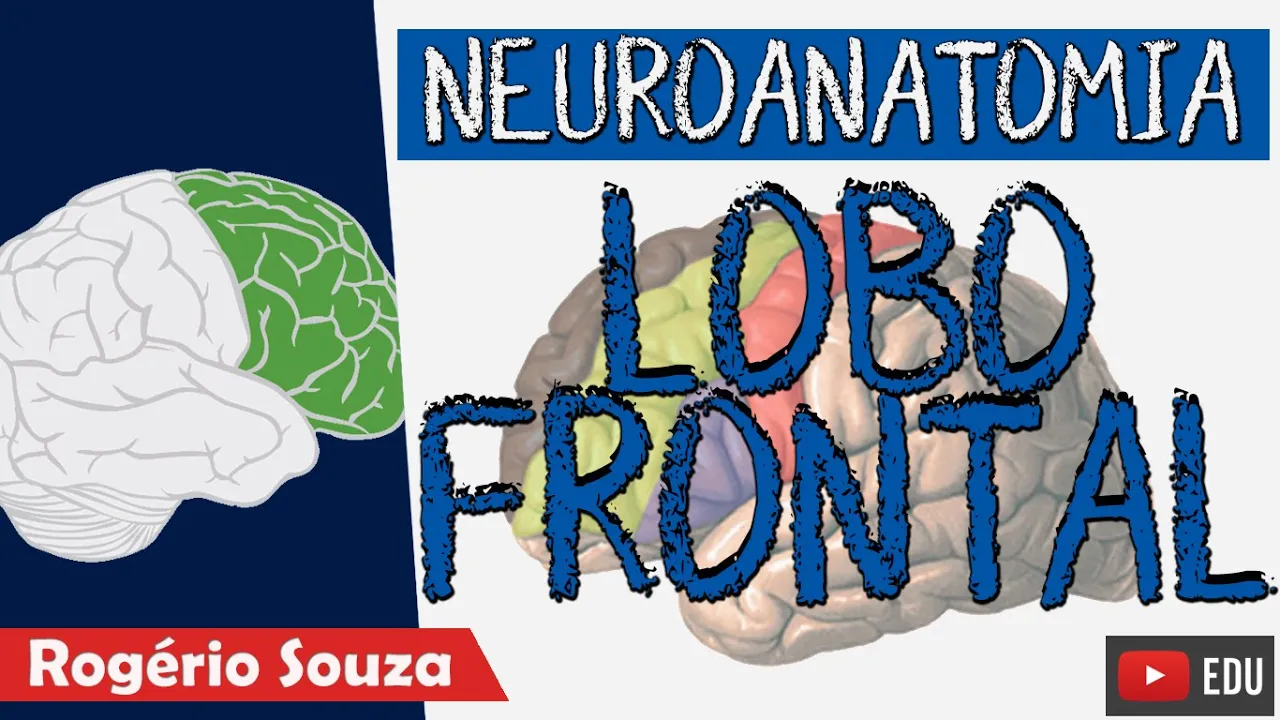
Added:Basic neuroanatomy of executive function, specifically the role of the prefrontal cortex in goal-directed behavior and decision-making.
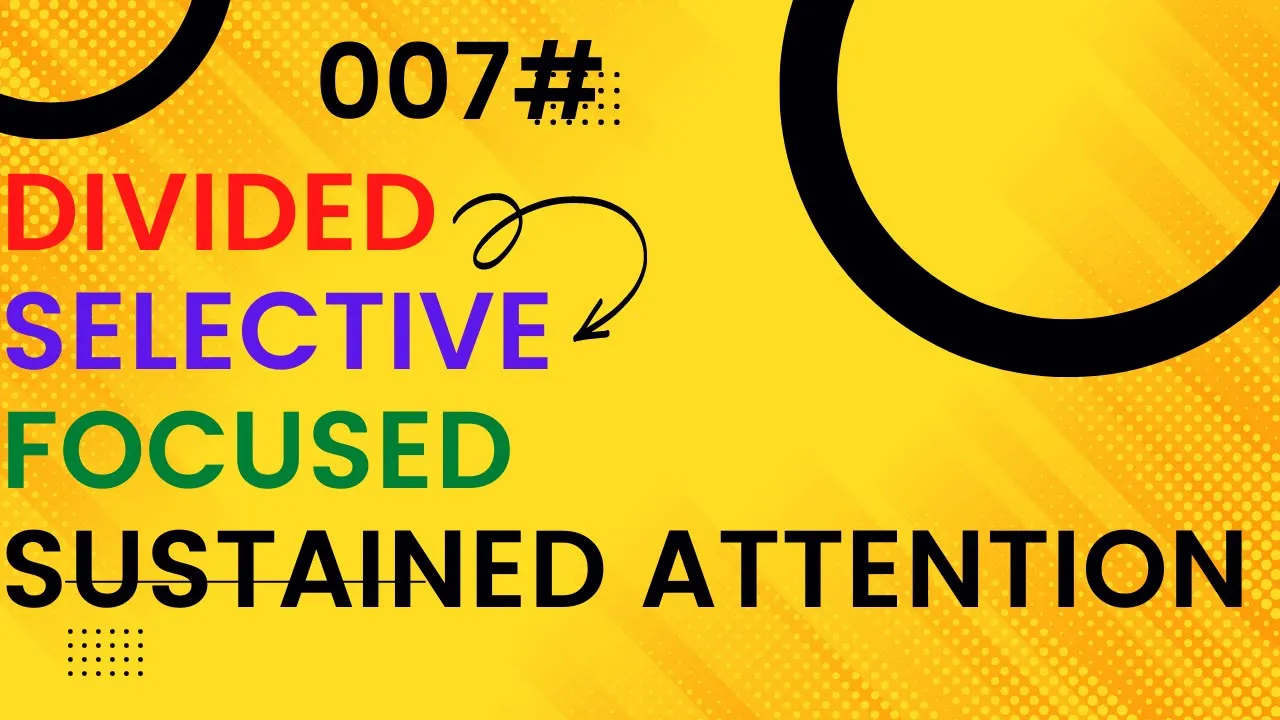
The psychological distinction between selective, sustained, and divided attention, and why 'multitasking' is scientifically understood as rapid task-switching.
Cognitive Load Theory and the biological limitations of human working memory capacity.
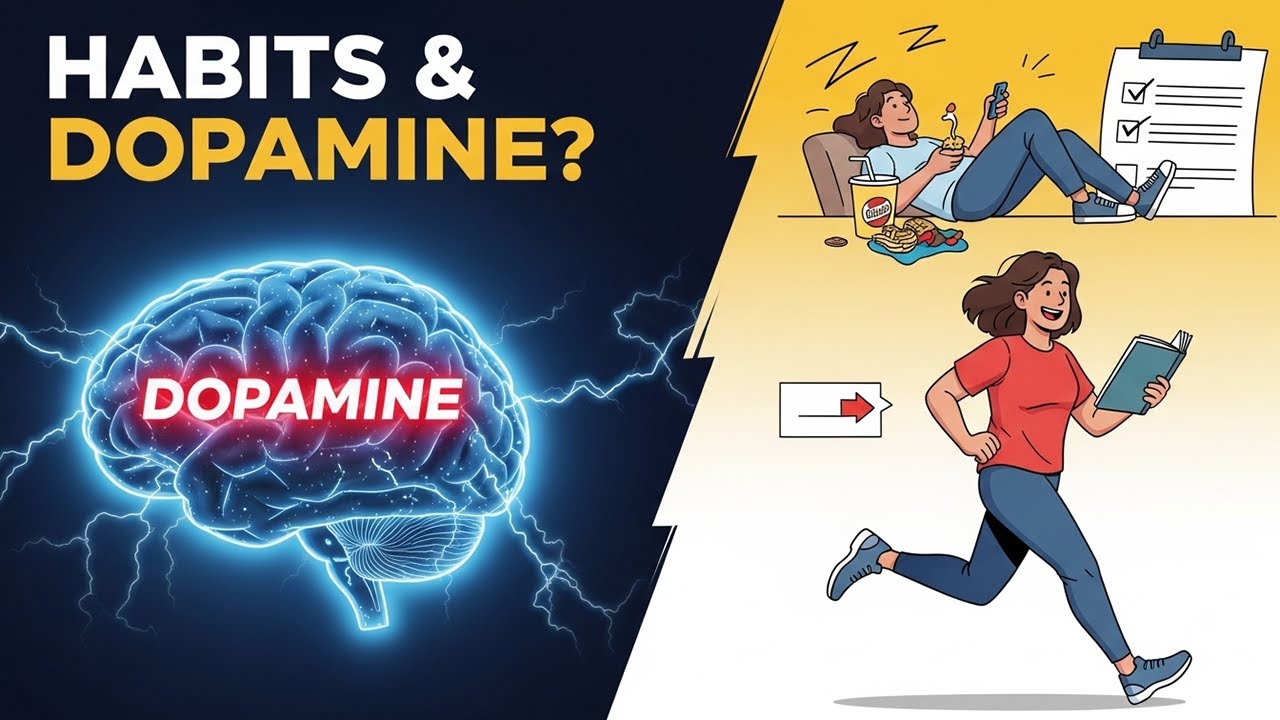
The fundamentals of the brain's reward system, particularly how dopamine pathways drive habit loops and responses to digital notifications.
The concept of neuroplasticity and how long-term exposure to high-distraction digital environments can structurally and functionally alter brain pathways.
The development and clinical application of Digital Therapeutics (DTx), such as FDA-approved video games designed to treat ADHD and cognitive decline.
The ethics and mechanics of the 'Attention Economy', specifically how persuasive design and behavioral engineering are used to capture user engagement.
Practical methodologies for digital minimalism and cognitive training, including Mindfulness-Based Cognitive Therapy (MBCT) and attention-restoration theory.
104.5K views1.9Klikes44:00Original Release: 2020-11-28
[Music] [Music] welcome to the making sense podcast this is sam harris i am here with adam gazzali adam thanks for joining me my pleasure thanks for having me so uh you are a neuroscientist with many diverse interests and several irons in the fire maybe you can summarize what you're doing now professionally sure so i've had a sort of strange career a fun fun adventure i'm i'm trained as a md and a phd my phd is a neuroscience i'm a i'm a neurologist and i'm a professor at university of california san francisco where i direct efforts at a research center that i started called neuroscape and what we do is look at the sort of interface between technologies and neuroscience and and health and then i also have started a couple of companies along the way and including a venture fund all in the same general goal of trying to help improve the function of our brains and frequently through the use of technology and you also wrote the book the distracted mind which covers a lot of ground that i think we're going to want to revisit here because this is just such a fascinating moment where we're seeing the evidence all around us that our technology is it's always a two-edged sword but it just seems in the information space especially so at the moment so i mean obviously we would not want to give up our connectivity and our access to the the totality of human knowledge which has been delivered by the internet and smartphones and the rest of what we've got here but it's so clearly fragmenting our lives and it seems rewiring our brains into just different expectations of reward different habit patterns i mean we're all on a somewhere on a spectrum of pathology and we know that there's no bright line between having a normal mind and a normal brain and having a condition like obsessive compulsive disorder or narcissism i mean it's just these are these we're talking about bell curves and gradients not bright lines here but it does feel like our our use of technology you know actively and and passively is pushing us in odd direction so i think we'll we'll get into this and then talk about how technology might also be a remedy for all that ails us here let's start with information i mean you point out in your book that we are information seeking creatures how do you think about our relationship to information no well yeah you know it's it's interesting you write a book and you try to make it timely obviously and as as you know books take a long time until they eventually come out and you're always in danger of it not being relevant anymore by the time it gets into people's hands and um if anything i've seen it become more relevant as you just referred to and i think the covid pandemic that we're experiencing now is is showing a lot of the fragmentation in our minds and the stressors caused by technology and it really comes down to information that's a great starting point you know we we take in information and that's what allows us to interact in this world and we were evolutionarily sort of well suited to do this this is how we survive we avoid threats and seek out nutrients and mates and this is how the brain evolved to allow us to fluidly dynamically interact with the world and that advances our survival and the brains that we have now are the product of that and uh you know they're quite quite adept at dealing with complex information and helping us react both reflexively as well as through decision making but what i i think is clear now probably to many listeners just through their own experience and certainly through data that we don't have unlimited capacity to process information and if the system is overloaded due to all sorts of types of interference that we can talk about there will be consequences and those consequences are really broad and people see them feel them in different ways and they manifest in people's lives in quite complex manners but that's sort of the the crux of that story that information is key to how we survive and thrive but there's a breaking point and there's all sorts of consequences yeah you use this phrase at various points in the book information foraging drawing an analogy between you know how animals will will forage for food and there's a you know there are a few curves based on data in terms of just kind of the opportunity costs and the switching costs of exploiting an area for food and then deciding to you know based on instinct in the case of an animal to move to a new area looking for food and we exhibit a similar pattern in the way we self-interrupt and attempt to multitask you know you're you're on the phone with someone and then you decide to check your email or your slack channel in the middle of that call surreptitiously not realizing that you're essentially losing 30 iq points for the purposes of that conversation every time you do that and we do this everywhere i mean there's this maybe we can just talk about the limits of cognition here and the the actual effects of multitasking i mean obviously multitasking is possible in certain cases because people can listen to a podcast or listen to an audiobook and also successfully drive a car or or even do work that doesn't require the same kind of linguistic cognition you can you can draw you could practice graphic design or something probably without any degradation in your skills but for so many other tasks there is a zero-sum contest between things that we attend to so how do you think about multitasking at this moment what do we know about it scientifically yeah so you know the term is confusing and complicates what's already a very complex landscape of the brain and behavior and the reason why is because if you think about you know multitasking just doing lots of tasks at the same time it's something that we're all familiar with and we feel like we're really pretty good at um and it's also most people feel sort of pleasure in multitasking that it's something fun and more fun than single tasking and so we're we're constantly drawn to it and it feels natural and you sort of feel that you could get better at it and the the reason the term is complex because it's a from a behavioral point of view sure we multitask all the time but what's implicit in it that creates the confusion is that sometimes we use that term to mean like parallel processing that you're you're you know from you know borrowing from the the computer terminology and signal processing literature that you're literally parallel processing these two tasks and that they're getting equal processing power and so you're truly multitasking in that way and when you look at the brain we've done these studies in our in our center at ucsf where we'll have someone in a scanner we've done it with eg they have more than one demand on their attention and we'll see that fragmentation occur not just in their performance which is quite obvious for pretty much anyone but we'll see it even nearly that there's really a switching between the networks that are involved in accomplishing either of those tasks independently and that you can't really multitask in that true sense of parallel processing to things that are demanding your attention now if you can offload it and it becomes reflexive and becomes a skill that doesn't require attention then you can do more than one thing but the minute that changes that's when the conflict and the interference occurs so just to you know say just to go back to your example of listening to a podcast and driving a car sure that could work and it does work most of the time because driving is often very reflexive and you're pulling in a lot of bottom-up information from the environment making reflexive decisions without your top-down attention and so that allows you to focus your attention on listening to the podcast and digesting it and understanding it but then something happens on the road and something unexpected and something that demands your attention and that is the point of interference and conflict because now your attention has to move from the podcast back to the road it may not get there fast enough and and then this is where you feel that that weight and suffer the you know in this example incredibly detrimental consequences of not being able to truly drive and listen to that podcast with all of your resources devoted to both of them equally so i recommend that people pull over to the side of the road if they're in danger of missing or subsequent sentences here you've got to have your priorities straight so it used two phrases there that are terms of jargon in not just neuroscience but cognitive science and engineering generally bottom up and top down how do you think about those and and there it strikes me that there's a pretty clear asymmetry in terms of of the bandwidth in those pathways yeah let's break that down a bit it's sort of core to this discussion about information processing and the brain and those terms are used in a lot of different fields and they're not so different in the context here in cognitive neuroscience and cognitive science and that the way i think about is from the perspective of attention i think about most of these things from that perspective i find it's really useful so attention is an incredibly broad concept and a complex one that would take us an hour to tease apart all the subtleties but one way of thinking about it is in two categories one is bottom-up attention and the other is top-down attention and bottom-up attention is when your limited resources because we have those limitations and both top down and bottom up have limitations that are limited mental resources are being drawn or being activated by the environmental stimuli itself so a loud sound a flash of light your name something that's very important or salient to you is going to demand your attention and pull your resources towards it very rapidly um and this is obviously a strong survival advantage if you don't have great bottom up you're likely to get eaten pretty fast and so that's bottom-up attention so it's a very ancient part of our attentional system that was uh really you know critical for our survival on all animal survival and then there's top-down attention by that i mean the goal-directed attention it's when you make a decision a conscious decision based on interpreting information from either the external environment or your internal environment about where your attention is directed and so you you can be you know attending to something like this podcast right now and you have every goal to absorb all this information and your attention may get pulled away by a bottom-up force and so we're constantly managing these two draws on our our overall sort of capacity of where we put our resources both the bottom up and the top down and if you pay attention to it you'll see it every day all day at every every moment is that you know these two attentional forces are constantly playing playing a tug of war and so how do you think about this experience we all have of self-interrupting that may be a phrase you actually use in the book i don't recall but it it's this experience that you you know it's all too familiar it's now practically unconscious all the time of you're paying attention to something you know you're doing work at your computer say and then you decide to check your email obviously the technology is playing a massive role here in terms of notifications if you're if you're receiving texts or you're receiving notifications well then then it's being driven by the machines themselves but even without that we just often experience this degradation in our ability to sustain attention for the task at hand and we decide to probably reward as the right framework to think about it and we we seek this dopamine hit by switching our attention to something else and we're almost never very aware of the switching costs there just how much time is lost reorienting to the thing you were doing when you do come back what do we know about this whole process yeah i mean it was you said it perfectly we we can be our attention our top down attention our goal directed focus can be interfered with that interference kind of can occur on many levels it can occur from external stimulation so sort of the bottom up things we're talking about i would say if your phone vibrates in your pocket or you hear a ping on your computer that's like a perfect example of a bottom-up source of attention and technology companies certainly are aware of that at least at some level that you can pull attention with that and so you know that's one that we're very aware of but you um you could create interference internally too and so there may be internal distractions eternal bottom-up information like an aching joint or your back just sort of nudges you or your stomach rumbles and so those would be like almost like physiological bottom-up stimuli they're coming from your own body but they're knocking on on your brain and saying hey uh i need some attention over here and then they could be much more complicated than that and occur not sort of in a bottom-up way but just that you have now for some reason decided um and it could be subconscious or it could be conscious to divert your attention from your original goal and that may be to something external as well so maybe i think that i could listen to this podcast and also bang out a quick email right now or it may be directed internally right so i'm gonna listen to this but also think about what i'm gonna have for dinner tonight and so we're constantly fragmenting our limited you know attentional focus with both external and internal distractions and multiple tasks and there's a cost for this like you said whether that cost is something apparent to you or not it is there it has been well documented both neurally and and behaviorally yeah so there's a there's obviously a cost in terms of the time lost in having to remind yourself where you were in the original task right i mean people don't really keep track of that well but they yeah the the the research suggests that you do lose a lot of time every time you switch but there's also it seems to me there's a kind of emotional cost to all of this and it's it's somewhat paradoxical because i think the urge to multitask is often born of this this internal sense of time poverty that many of us feel and there's kind of a feeling of urgency that comes with just a sense that we don't have enough time to do everything we we need to do or want to do and so you know hence it it seems like a brilliant idea to be doing two things or more at once and we really want to feel that we can do that and so i guess so there's a there's probably a reward component to it but also just a an anxiety component and one way to break this up is that these internal and external factors here we have the our internal states like boredom anxiety stress feeling of urgency and this is you know driving us in this direction and then the the the external factors which is just the technology itself that's designed to game us in a way i mean so so many of these platforms that we engage their entire business model is based on maximizing the the capture of our attention and uh you know that's not new but it's really been weaponized to an unusual degree by our technology now so maybe let's take the internal side of this first what is this doing to our emotional lives and and how do you how do you see it as derivative of very common states of mind like anxiety and and boredom yeah i mean you summarized it absolutely perfectly that that's how i i think about it exactly that there are two forces in internal and an external force that drives us to shift our attention all the time whether it's multitasking or just being distracted by by external or internal stimuli and you know just to tie this in with something we talked about a little bit of of foraging you know in the in the book i i really spent a lot of time developing this which really is a hypothesis that we're foraging for information in the way that other animals forage for food and there's a theory that's used actually it's a mathematical approach to help understand and actually predict quantitatively of how long an animal will forage in a particular patch like a squirrel in a tree before moving to another one and it could be actually predicted to really a high degree of accuracy and they also have two forces that are driving them to make that decision so there's a cost-benefit ratio going on of how long you stay in your patch versus how hard it is to get to another patch right so if you've depleted 50 of the nuts in the tree but the next tree is really far away you're just going to keep eating those nuts but if the next tree is full and it's right there 50 may be enough for you to jump over and so that has been well described in how animals uh that forage and patchy environments make sort of these internal decisions about remaining or leaving a patch and you could think of information as a patch as well that we're foraging in whether it's a website or an article that you're reading or any task that you're engaged in and there are these internal and external forces that decide sort of the cost benefit ratio of you staying there or just keep switching and on the internal side i think what's clear is that you know there is often a diminished return of remaining in a patch sort of eating the nuts right like you've read three quarters of the article like you sort of have the idea already so that that's true and that's just part of why people switch ever right and that's sort of unavoidable but then this seems to be these other aspects that you talked about that are becoming quite clear now in that there's these forces that drive us out of a patch that are not related to the diminishing returns related to the information itself they're related to these sort of internal drives that we're just intolerant to being bored boredom feels just something that we cannot just sit with and allow to watch over us even though it doesn't actually hurt us and then there's also that anxiety that you're missing out on something else that fomo that there's something going on that's deserving of your time that you're missing and then there's also the anxiety that you're not being maximally productive that you have the capacity to get another thing done simultaneously and so as those elements accumulate over time along with your diminished return that you're getting from the patch you're in there's a driving force to push you out and in the if that next tree is really close if it's really just a tab in your browser or your phone sitting in your pocket then there is no resistance to switching and you just keep moving yeah well the next tree informationally speaking is always just right there you know i mean it's just it's it's a tab away and yep and they're an infinite number of trees now i mean this is so in one sense boredom has almost been driven into extinction by technology because you know this just again we have perpetual access to the totality of the world's information and i still remember what it was like to walk into a blockbuster video looking for a movie to watch and spending some intolerable amount of time roaming the aisles there looking for a film i hadn't seen or wanted to see again and i remember how inefficient that was and how prone to failure it was i mean it got to a point where there was no guarantee i was going to come out of a video store with something to watch right yep i remember that yeah i mean this never happened in a bookstore i mean there was still a functionally infinite number of books i wanted to read but with film i really felt like we were kind of coming up against the limitations of supply there and yet now we have access to so much information and entertainment and it's becoming so frictionless i mean we most of us are still juggling too many apps and too many sources but insofar as this gets consolidated in places like netflix you know it's just like boredom has almost been banished on one level except on another level it appears to be growing in the sense that it feels like our our reward cycles in our engagement with media are getting shorter and there's zero downtime between them i mean literally the next episode begins to auto play on most of these platforms right and you have to opt out of watching it rather than decide what you want to watch next so it's just we're now part of this binge watching machine and it's not just watching i mean binge reading binge scrolling of social media and the frictions out of the system are expectation of reward is coming in it feels to me much shorter increments of time and i would i would expect that our attention span which is to say our our tolerance for boredom or just the uncertainty of what what our attention is going to land on in a satisfying way is growing shorter so on one level i feel like boredom is almost gone but on another level i feel like we are being tuned to be less and less resilient to boredom than we've ever been yeah i think that's that's exactly right and it's it's sort of a fun area of some harmless self-experimentation you know you have these moments that throughout the day where you're forced to stop doing things like one that i love is just you know although things are shifting now but because people order in but like when you're waiting online at a grocery store and you're you sort of have only two people in front of you it's not really gonna take that long you could just pause there and think about things or just relax your mind but i mean i feel it just like think like most people do this like this drive to just reach into your pocket and with no actual intention of necessarily or need to look something up but just to let that information flow start again even at a light you know at a traffic light you know you know it's only going to be 30 seconds and this is part of the danger that you know that you can feel if you just allow a little bit of introspection and time to occur on those natural pauses in our life you can feel that onset of boredom and um you know it's something that there is like you said just a very very low tolerance for and i would i would um challenge people to get familiar with that feeling of boredom not to be afraid of it to realize that it's not going to hurt you and you know it's sort of like a little hunger is not necessarily the worst thing at times as well you don't need to eat every second when you get these stimuli so being in control and being aware of your of these internal states is really critical and so i think with the intolerance of boarding there's a lack of appreciation or recognition of it as well so what do you recommend people do what sort of bright lines do you you think they should should look for in their their lives and whether we think about this in terms of habit patterns or discipline or engaging with technology differently or different technologies i mean i i think we want to talk about some of the work you're doing in digital medicine at the end but what do you recommend people do on a day-to-day basis yeah this is such a great question it was sort of an interesting point in my life as as a scientist um and i know you have neuroscience roots as well when i started getting asked that question because i don't like fancy myself as like a self-help type of person but but i understood the need for it you know i've been studying distraction and multitasking from a neuroscientist perspective and when it came to writing a book on the topic that i wanted to be more than a neuroscience primer on on this it was a very real question that i had to ask myself you know how do i answer that and so how i really went about it was just describe to people what i do so i you know this is you know my own desire to live a focused life of meaning and how do i get there knowing all of this information that i've found in my own research what are the things that i do and so that's sort of the route that i went about this and also the grounding in the marginal value theorem the forage optimal foraging models that we talk about gave a lot of those clues because once you see the pressures that make us switch all the time so that's sort of what i used as a foundation to give advice to both myself and anyone else once you understand the pressures that drive this behavior then you sort of have the framework for reversing that and creating new habits so as we already described this both external and internal pressures on the external side because that's one's a little easier is just the accessibility there's no doubt that the accessibility is driving a lot of this behavior because that tree is so close so some of the things and some people do this and go to extreme measures to do this is start limiting some accessibility just to make it a little easier so you know if you can't not look at your phone when you're at a traffic light maybe you should put the phone in the trunk of your car maybe you should not work with all your browsers open or if you're really writing an article that has a time pressure on it maybe not keep you know twitter or slack open at the same time and so limiting accessibility is just a really simple way to start decreasing that switching tendency a little more complicated is on the internal side how do you monitor and and manage the anxiety and the boredom and the desire for high higher degrees of productivity that are driving you from that side of the equation and for there what i experimented with with myself was just practicing like many things in life uh they don't come necessarily without effort practicing the art of sustained detention and single tasking and i started doing this you know a couple years ago as a you know sort of now speaking about the book and that content publicly and just saying okay i'm going to challenge myself i have an hour that i'm going to quit everything except this one source of my attention this one focus and when i started doing that at the beginning it was really hard it was shockingly hard because i felt this desire to like just go and check facebook or just go and talk to someone even if it wasn't technology and and so what i started doing and what i advise people based on my own experience is start with small periods of time that you're doing singular focus and feel what happens understand the boredom and the anxiety work through it and stick with it and then take that break make that break not about necessarily going on social media or getting into these iteratives like sinkholes and just take you away from your goals but rather stretch do some light exercise close your eyes meditate look at nature either through photography or real nature these things i think have a lot of support for being really healthy little breaks and then get back into that focus and see if you can extend that over time i think it's sort of similar to someone learning how to become like a long distance runner like you can't really just start by running four miles and what's intolerable to you on day one because it's painful or maybe even boring after a while you start enjoying that feeling and and i think i've discovered it's like that with this as well you could single task sort of like an endurance runner where after a while it's just effortless and even fun to do that and so i think it's a process of baby stepping into longer periods of time of building the skill sets that allow you to sustain your attention without derailing yourself i think this notion of single tasking is really important and the fact that we even have a a name for it is a sign of how far we've wandered from from what used to be normal and when i think about how much harder it's getting to read a book and if that's happening to me i mean i'm kind of a canary in the coal mine for this because you know i really i read a lot you know books have always been a major part of my life i read both professionally and for for pleasure but even i am finding it harder to to finish books i mean it's just one you know the competition for my attention is is just always at a fever pitch so i it gets diverted into other streams of information but i'm also finding it harder to just just to commit to you know sitting down for an hour and doing nothing but reading the book right and that makes me realize that i'm almost unrecognizable to myself the sam harris of 20 years ago would not have been able to imagine finding reading a book for an hour at all difficult i mean that there was kind of a basin of attraction there for me which was i mean once i once i was in it you know i was in it it's like forecasting at some point you're going to find it difficult to eat ice cream right like that that makes no sense at all it's uh it's something i consciously correct for and as you know i spent a lot of time focusing on explicitly the topic of meditation and the importance of training attention in that way being able to pay attention is one thing but having an internal sense that there are many things that merit your attention right now and the best way to play this game is to essentially have many browser windows always open it's a kind of decision that once you make it you're then forced to function in that fairly doomed paradigm of just splitting attention so i do think there's a lot to be said for just making a decision around certain things like this and and so having a the concept of single tasking is a kind of hack for what you're going to tend to do by default just because of what's happening at your desk and coming from the smartphone in your pocket yeah i agree i mean i like the way you said that it's um it's it's really more than one factor here that that leads to success in the way out of this one of them is the actual cognitive skill set of being able to sustain attention and i think that that even if you want to and and meditation is a great way to build that that ability i mean you know meditation many forms of concentrated meditation are essentially that there are attention training practices in many ways and so that's part of it and then you have to make the decision to actually apply it in a consistent fashion and that comes along with controlling your environment to put you in the best possible setting to accomplish it and then there is you know with all of that comes the forming of new habits so that it's not a constant control effort to do that that it that it is your reflex your reflex is to engage in the world in this way and i think that with all those factors it's possible to see your way through but it comes with recognition of what the cost of this type of style of interaction with technology and your environment in general is that allows gives you the motivation to take all these steps to just live differently so how can technology help i mean you have this phrase i've heard you use digital medicine which is part of what you're exploring as a tech entrepreneur and a scientist you know what is digital medicine and and what else do you see on the horizon in terms of new technology that can help us yeah well thanks for uh thanks for the opportunity to talk about both sides of this coin because normally like in very short formats i'll do like an npr interview and i'll have five minutes and it's it's a nuanced discussion because here i am the author of a book called the distracted mind we just have been talking for you know 40 minutes about all of the challenges of our ability to maintain its attention and how technology has aggravated that and what i spend most of my time working on on the academic and on the industry side is using technology as a way of improving attention and so it is complex you know on the surface so i appreciate the opportunity to dive in a little bit i think it's not dissimilar from you know most other things in nature is that there's a yin yang right there's always this push and pull and any sword can cut both ways a term that you used already and that's true of technology um and i i sort of dove in deep into that pool of okay technology has aggravated our our already fragmented attention and in a lot of the ways that we've been talking about starting with that as a foundation can we reimagine it as a tool to actually do the reverse to help our attention and that is a goal that was born out of just practicality that i don't believe would put in this genie back in the bottle i mean it is here it is powerful and it has a lot of really amazing assets it's all over the world right so it has this incredible ability not just to connect but to reach people that don't have access to many things like doctors and teachers so it has all of these incredible strengths that really appealed to me and so i dove into you know now it's been 12 years since i i challenged myself at thinking about technology as a source of good not just in general in some wishy-washy way but actually as a tool to help fine tune attention abilities that was my original goal and starting 12 years ago i came up with you know sort of this idea i use the term digital medicine a lot i think more frequently i use a term experiential medicine to encapsulate something a little larger digital medicine being an example of that or one of you know many types of experiential medicines but the the general idea behind digital medicine and the bigger category of experiential medicine is that our our brains have this phenomena of plasticity its ability to modify itself at every level in response to challenge and experience and this is the entire the basis of learning it it exists um throughout our lives it doesn't just end after you become an adult and certainly not through older ages as we now appreciate and so the general concept is if we can challenge the brain in a targeted way and align the mechanics of whatever that interaction is and the reward systems appropriately we should be able to optimize these neural systems whatever they may be and it's a very ancient practice meditation mindfulness which you know i know is a big part of your world is i would say a perfect example of an experiential medicine and it could be delivered through a human expert or it could be delivered digitally in which case i would say that's a digital medicine so that's sort of you know the high level path that i've been on now for over a decade both in research and in sort of product creation and entrepreneurship is to think about how we build technologies that create interactions that help us improve the function of our brands yeah i want to reiterate that point you just made which is often made but i feel like it doesn't really land for people or at least it it can be one is counterintuitive and and two it it's often hyped in a way that that is misleading so that this notion that what you do with your brain winds up physically changing your brain based on neuroplasticity you know this is a fascinating fact about us that the machinery that is producing our experience and cognition changes itself based on how it's used and yeah as you point out that's that's the key to all learning and everything else about us that leaves a trace right so if someone's going to remember anything about this conversation they'll remember it based on actual physical changes in their brains that's what the encoding of memory requires and yet it's often said that people kind of marvel at the claim that that there's evidence scientific evidence that something like meditation practice can physically change the brain right or the functional behavior of the brain under neuroimaging but of course it does right literally everything you do changes your brain so on some level it is a kind of a hype claim that one hears in the meditation literature to emphasize this point because everything changes your brain but because we have this general property of plasticity we really should view the consequences of paying attention to specific things in specific ways as being fairly indelible until we do something else that changes us in in some other way right so on some level you you get more of what you pay attention to it's almost like the algorithms that are successfully gaining our attention we we know that if you're on youtube and you keep clicking on videos of cats or olympic sprinter finals or whatever it is whatever you get into you get more of the same and on some level you that same kind of algorithmic property is true of us i mean you you're making yourself based on what you're doing with your attention and the kinds of habits you're ramifying and you are quite literally sculpting your neural circuitry in the meantime and everyone experiences this in miniature psychologically but that it's another thing to to remind yourself that there's a physical basis for this a kind of living sculpture that is producing this this is something that we've been doing inadvertently more or less every moment of our lives and now we have the most well-resourced and technologically competent companies that have ever existed turning their their tractor beams on us and demanding our attention from every screen in sight and what you don't take responsibility for here is going to happen to you based on other people's business models and it's um it's just worth realizing that the causality here is not really in dispute basically all of these moments matter and they they deliver to you your future self who will have whatever competencies or or weaknesses or mounting dissatisfaction with with life to deal with and if your life doesn't feel the way you want it to feel there's a lot you have done on purpose and by accident to bring yourself to this point and there's a lot you may yet do to feel differently yeah i mean that was beautifully said i think that that is really true it's it's sort of something that's over hyped and used sometimes even as a marketing tool and yet underappreciated for its true profound power of change that it that experiences can can induce one way that you know the reason i use i put the word medicine in there although it doesn't have to necessarily be for people that are sick [Music] if you'd like to continue listening to this podcast you'll need to subscribe at samharas.org you'll get access to all full-length episodes of the making sense podcast and to other subscriber-only content including bonus episodes and amas and the conversations i've been having on the waking up app the making sense podcast is ad-free and relies entirely on listener support and you can subscribe now at samharas.org you
Up Next
6:32
Neural Mechanisms of Attention and Brain-Computer Interfaces
@TED
422.1K views•2017-07-12

21:55
Deciphering Neural Circuits Controlling Anorexia in Mice | Richard Palmiter
@AllenInstitute
2.3K views•2011-10-10

4:10
Vagus Nerve (CN X): Anatomy, Nuclei & Functions Explained
@Alilamedicalmedia
305.2K views•2022-10-31

13:03
How Exercise Benefits Your Brain: Science Explained
@TED
11.4M views•2018-03-21
Related Study Plans & Knowledge Roadmaps
Structured learning paths in Neuroscience
neuroscience
Appetite Regulation: Brain Circuits & Hormones
01Foundations of Endocrinology and Brain Anatomy
02Introduction to Energy Homeostasis
03Peripheral Signals: Leptin, Ghrelin, and Insulin
+ 2 more learning modules
14h5 modules
Explore Roadmap
neuroscience
Neuroeconomics: Value, Risk & Brain Mechanisms
01Foundations of Neuroscience and Brain Anatomy
02Introduction to Neuroeconomics and Subjective Value
03Dopaminergic Prediction Errors & Reinforcement Learning
+ 3 more learning modules
18h6 modules
Explore Roadmap
neuroscience
Spatial Navigation: Cells, Grids & Brain Maps
01Foundations of Brain Anatomy and Memory
02Place Cells and Head-Direction Cells
03Grid Cells: The Brain's Coordinate System
+ 2 more learning modules
12h5 modules
Explore Roadmap
neuroscience
BCIs: Neural Decoding & Prosthetic Control
01Neuroscience Foundations: How the Brain Signals Intent
02Signal Acquisition: Recording the Brain's Activity
03Neural Decoding: Translating Brain Waves into Data
+ 2 more learning modules
25h5 modules
Explore Roadmap