














![[MEETUP] Securizando APIs desde OAuth 2.x](https://i.ytimg.com/vi/TJHvZNZSX4o/maxresdefault.jpg)








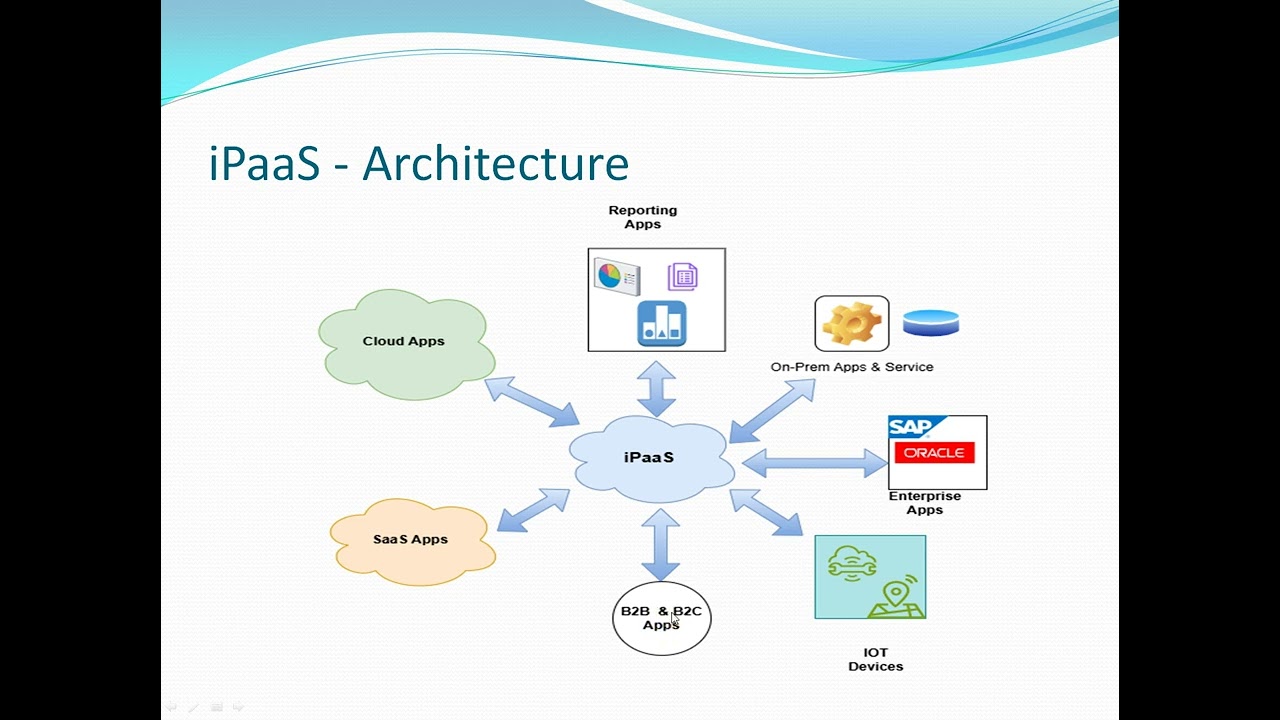
SaaS integration is the process of connecting Software-as-a-Service applications through APIs to enable data sharing and automation between systems. Internal integrations streamline organizational workflows, such as synchronizing ERP and CRM systems for customer success management or linking applicant tracking systems with HR platforms for seamless onboarding. Customer-facing product integrations help clients manage user provisioning, security alerts, and operational tasks automatically. Organizations can implement SaaS integrations through three approaches: native integrations (using in-house developers, resource-intensive and difficult to scale), embedded iPass solutions (requiring technical expertise and built one at a time), or unified API platforms (offering hundreds of pre-built integrations from a single implementation).
Understanding SaaS Integration: A Comprehensive Guide
Added:hi there my name is John gitlin and I'm a senior content marketing manager at merge today I'm going to cover everything you need to know about SAS integration so what is SAS integration simply put it's the process of connecting SAS applications typically through their apis so that they can share data with one another SAS integration can take the form of internal Integrations or Integrations that are built between the systems your teams use internally or product Integrations which are built between your platform and your client's appliations so what are some SAS Integrations for internal workflows let's cover a few examples as Finance bills clients they may run into issues such as the client failing to pay on time to ensure the dedicated customer success manager becomes aware of the situation quickly and has all the contexts they need to take action you can integrate your Erp system say netw Suite with your CRM say Salesforce and build a sync where anytime a case gets created for a specific account netweek complete corresponding case gets added to the client and Salesforce which can include all the details Finance added now to ensure new hires have everything they need by the beginning of their first day it and HR will need to know when the new hire is joining as soon as possible that way they have enough time to execute all of their tasks on behalf of the new hire with this in mind you can integrate your applicant tracking system say Greenhouse their HR say workday and build a workflow where anytime a candidate is marked as hired in Greenhouse that added as an employee and workday the new hires employee profile workday could also include important details from their candidate profile like their location department and job title so that HR and IT carry out the pre-boarding tasks effectively now let's cover some impactful product Integrations as clients use your product the likely want to add and remove users frequently over time to help your clients provision and deprovision users automatically you can integrate with clients hris Solutions such as bamboo HR workday namely and build the data flow that syncs employee fields from these systems with your product if an employee leaves they'll automatically be removed as a user in your product if they join they'll automatically get added and based on their department and job title be assigned a specific role as our last example let's assume you offer a product that can detect a variety of security issues for organizations such as potential fraud to help your clients uncover these issues and address them with these you can provide Integrations between your product and the ticketing applications your clients use like zendesk GitHub and service now and then you can design a workflow where any issues flagged in your product create a ticket in the client's application which includes the key details your product discovered so let's assume you want to integrate SAS applications with your product so what are your options you can opt for Native Integrations which simply means leveraging your in-house developers you can use an embedded integration platform as a surface or an embedded iPass which allows you to build one integration at a time or you can use a unified API solution which lets you offer a whole category of Integrations by simply building to a single aggregated API unfortunately the first two approaches come with notable drawbacks native Integrations are extremely resource and time intensive to build and maintain this makes it difficult to scale your Integrations effectively they also force your engineers to forego other critical projects and tasks that they're uniquely equipped to handle embedded iPass Solutions require technical expertise to use which often forces your engineers to build and maintain the Integrations in the platform they also force you to build one integration at a time which makes it difficult to scale your Integrations a unified API platform neatly addresses both approaches scalability issues as you can literally offer hundreds of Integrations from a single build in addition through merge the leading product integration platform you can connect to CRM systems H Solutions ticketing tools and many other software categories all but ensuring that you can offer all the Integrations your clients need merge also provides maintenance support from our partner engineers and management tooling for your customer facing team to help you offer reliable and high performing Integrations for your clients to learn more about merge and discover why thousands of companies across industries use our platform you can schedule a demo with one of our integration experts by visiting us at merge.
slouch thank you
Up Next

Gearless vs Geared Elevator Motors: A Technical Guide
@novinpooyalift
788 views•2025-10-15

Triumph of Orthodoxy Icon: Byzantine Art & History Explained
@BenCallan
2.1K views•2024-08-06

FastAPI vs Flask vs Django: Choosing the Right Python Web Framework
@TechWithTim
302.5K views•2024-05-26

Game of Thrones Opening Credits: A Cinematic Analysis
@gameofthrones
46.3M views•2011-04-18
Related Study Plans & Knowledge Roadmaps
Structured learning paths in General & Interdisciplinary Studies