



















The Middlesboro crater in Kentucky, approximately 6.4 kilometers in diameter, was formed by an asteroid impact around 300 million years ago, with calculations suggesting the impacting object was roughly 0.75 kilometers (half a mile) in diameter, assuming an average asteroid density of 3 g/cm³ and impact velocity of 18 km/s; this research demonstrates how combining geological field analysis with astrophysical calculations can reveal details about ancient impact events and has implications for understanding resource distribution in heavily cratered planetary bodies like the Moon and Mars.
Asteroid Crater Geology & Astrophysics: Middlesboro, Kentucky (Impact Science)
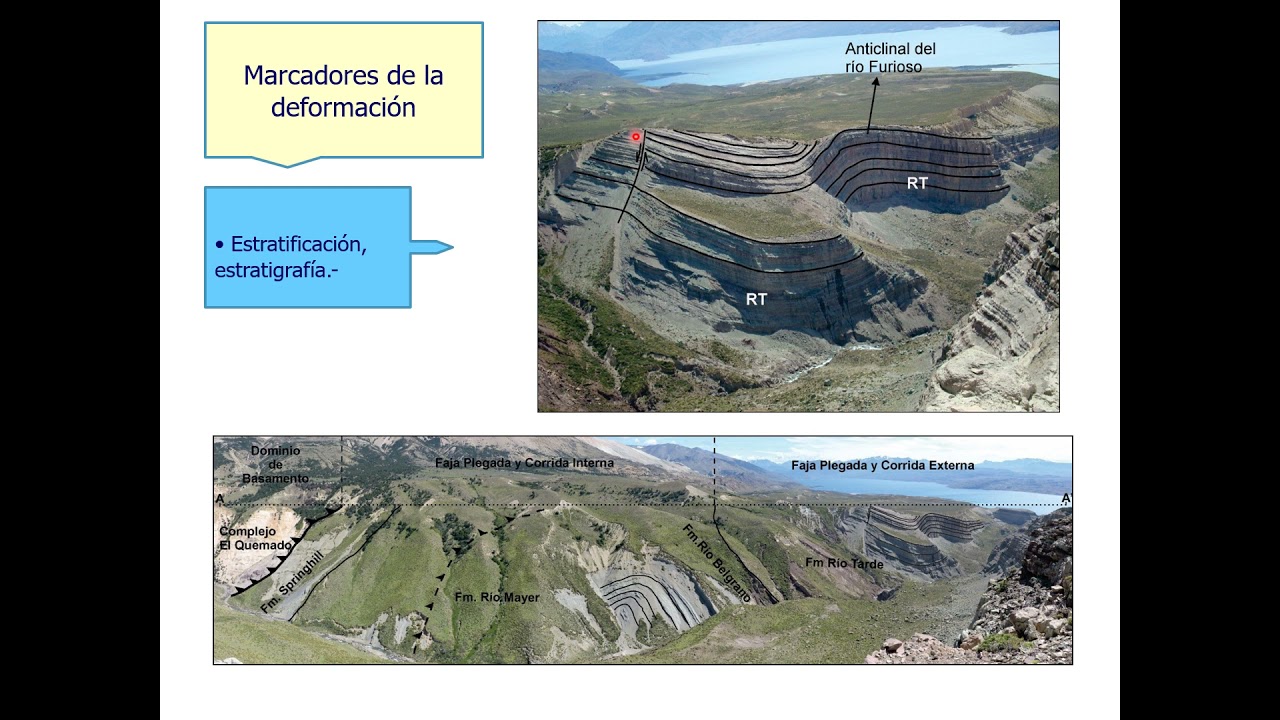
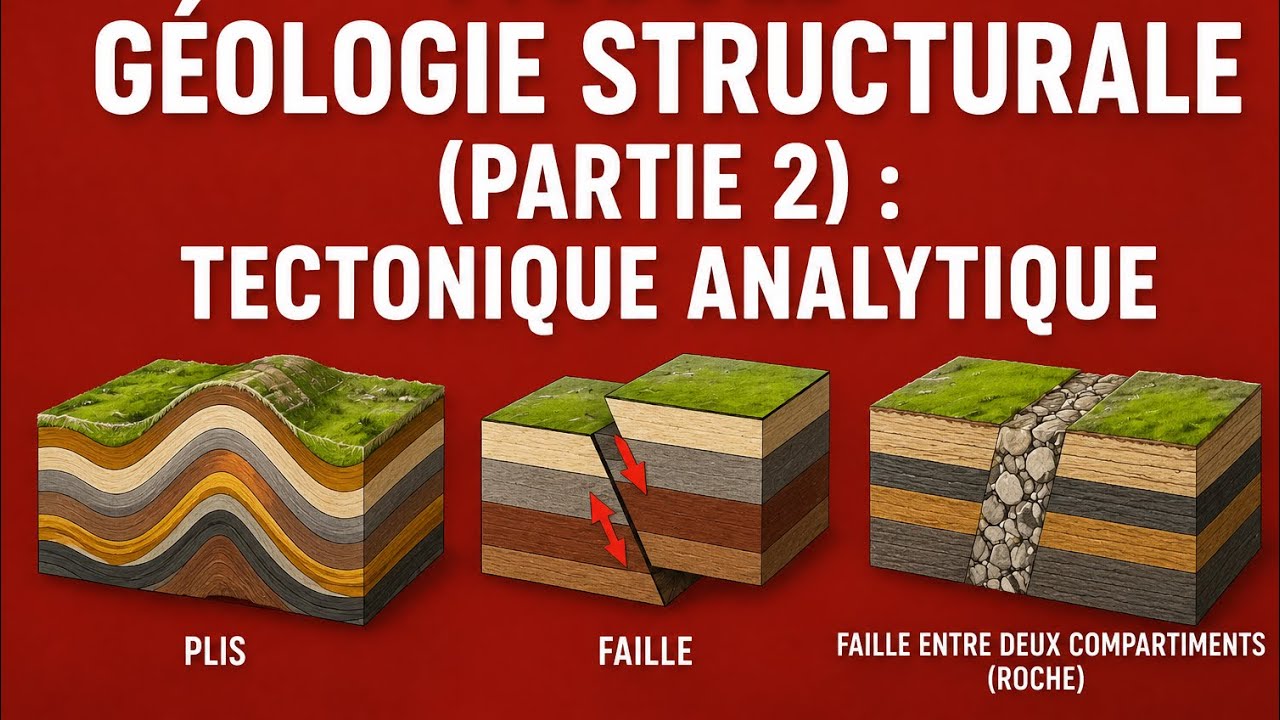
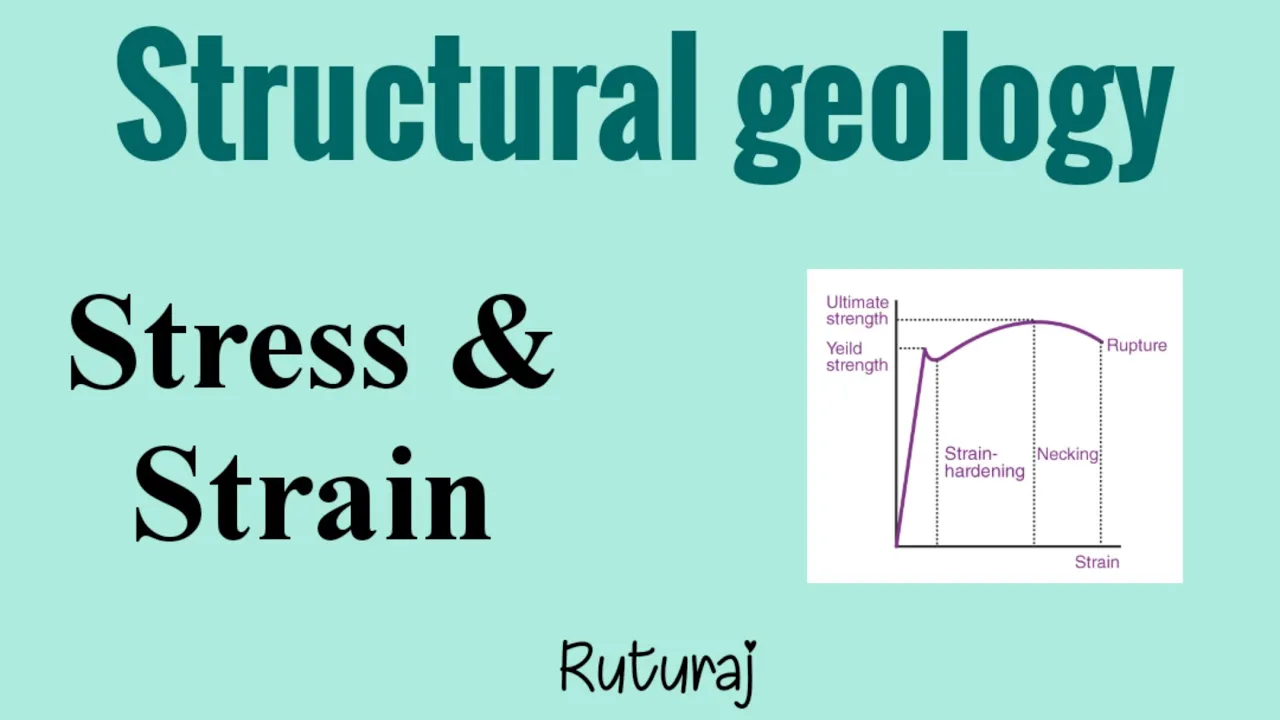
Added:Basic principles of stratigraphy and structural geology, including how rock layers deform under stress.
The concept of kinetic energy and basic physics equations used to describe high-velocity celestial collisions.
An introduction to shock metamorphism and key geological signatures of impacts, such as shocked quartz and shatter cones.
Fundamentals of economic geology, particularly coal formation and basic mining terminology, to understand the local extraction context.
Advanced computational modeling of hypervelocity impacts using hydrocodes to simulate crater formation.
The study of economic geology in impact structures, specifically how shock fracturing creates pathways for mineral and hydrocarbon accumulation.
Comparative planetology, analyzing cratering records on the Moon, Mars, and airless bodies to understand solar system history.
Geophysical exploration methods, such as gravity and magnetic anomaly mapping, used to detect buried or highly eroded impact craters.
591 views13likes51:51Original Release: 2023-02-25
all right so I'm just whoops I'm just reorienting myself again a little bit all right so um I'm going to get started like I just said uh my name is Dr William schmachtenberg uh day Miami in Second Life and uh I have the honor to also be working with uh Curious George at Caltech I'm going to say a little bit more about that collaboration because after all that's what science circle is about is getting scientists connected um and doing really cool projects and I'm gonna say a little bit more about that in a minute um for those of you who don't know who I am I've been on second life for quite a while uh I am the uh adjunct I should say associate research associate for Virginia Tech also the Virginia Museum of Natural History I taught for 30 years at a high school in Virginia and about 19 years at farham College in Southwest Virginia says quick bio and I I wanted to say that because one of the things that really surprised me was I spent the last 32 years in Virginia right now I'm up in New York I'm with my mom actually she's getting a chance to see my presentation which is cool and uh one of the things that struck me was after I retired in 2021 I was kind of surprised that to find out that there were several craters um in uh the Kentucky key area and there was one in particular in Middlesboro Kentucky that I didn't know anything about nobody had said anything to me about it um and I thought gee I'm retired I'm going to jump in my car and spend a week and go down there and check it out um and that's what this talk is all about so this is uh a boots on the ground uh analysis of a um crater in Kentucky as I mentioned a few minutes before I started the talk if any of you have any questions I'm going to keep the local chat open and if there's a geology question I'm going to do the best I can to answer that I'm glad it's Curious George is here because he helped me with some of the astrophysical connections the astrophysics calculations so I'm hoping that he will jump in uh we're going to get to that in a minute Abba um and uh also Synergy said he was going to throw some things in local chat so this will be a one discussion but feel free at any time during the talk if you want to make a comment or a question put it in there and we'll answer it the other thing that I'm going to say is that there's quite a bit of math in here and I wasn't sure about how to address that you notice that there's a box underneath my slide projector that says click here to get the notes and link to slides I would ask everyone at this point to yeah go ahead I see people clicking on it already if you haven't done so already and grab that that's got my contact information in it it also has all the calculations that Curious George did and you may if you have a printer nearby maybe you can throw it in a text editor and print it out that's what I did because I find it easy when I've got all this math to take a look at it and I don't want people to log off when you hear a lot of math there's some people that are just phobic when it comes to math um well I looking through what Curious George did it's at the level of Algebra 2 and and high school physics so there's not a lot of calc I know there's some people that like math but for some reason I've rented a bunch of people on on science Circle that are really scared of math um and that's the thing that struck me is when I looked through um George's analysis this sort of thing can and should be done at the high school level to get kids excited about science and then it's not happening I don't know why all right so anyway um like I said my contact information is there all right so let's get started and one of the first things that I thought about is are there meteorite impacts are that are they rare are they fairly common in the United States so what I did was I was getting trained on esri's uh gift software and um so what I did was I was able to get a lot of data on meteor act meteorite impacts that have been found on the United States and here's what the Shocker was I'm going to give it a minute to Res there are a lot of them Sumo absolutely and if you can cam into my map there every one of those dots there is a confirmed meteorite strike on the United States it's just we're in a shooting gallery there's just a ton of these things that keep hitting um uh keep hitting the United States and I'm not sure what the oldest impact is there I'd have to check it out I can tell you that I'm going to get to this in a minute that at least we're getting 450 million years somewhere in the air I don't know if that's the oldest one yeah I don't have good age date on it but that that's good questions I know uh there's one around Chesapeake Bay that's only 15 million years and yeah there's erosion problem all right so like I said uh I lived in Virginia for 30 years so I was interested in you know have there been meteorites found in Virginia and the answer is yes um and I counted about 14 or 15 of them every one of those little dots there represents a meteorite confirm meteorite that's been found in Virginia and some of them are rich in iron some of them are Stony meteorites if you zoom in the color pattern I think is blue as iron and um yeah red is yeah blue or iron meteorites and red are Stony meteorites oh thanks I appreciate Phil for throwing in um data on uh the age of meteorites cool everything looks like a map of Civil War battlefields yeah I don't I don't know so if there's any relationship between Civil War battlefields and meteorite impacts all right uh as I already mentioned probably one of the most famous uh meteorite sites craters uh Neo Virginia is the one that's off the Chesapeake Bay and uh this one is about 85 kilometers uh in diameter it Formed about 35 million years ago um and not many people knew about it uh there was a bunch of scientists that were studying fresh water supplies near the coast of Virginia and found that there was a lot of seepage very high salinities in um some of the uh the groundwater supplies and people started to ask why is there so much salt in their fresh water and they determined that there was a crater off the coast of Virginia and this impact probably may have even have somehow influenced it didn't totally form the Chesapeake Bay areas I'm told but it may have had an influence to it all right then after that what I did was I um I found out that there were several sites in Kentucky that um are confirmed meteorite sites or craters um maybe they're asteroid craze funny Bond the size um and there were three in particular that I was interested in looking at and I'm not sure I'm gonna zoom in a little bit here uh there's a jethroat knob that's a impact site of Versailles structure and then there's a Millsboro structure and the whoops and the Kentucky geologic survey has done a really great job um in studying these and coming up with field guides and have done a number done a number of field trips and I use them in in planning my trip so let's take a look at my trip to um Millsboro Kentucky and the one that I wanted to go to the closest one to me was just to the west of um the Cumberland Gap the Cumberland Gap is in the tri-state area between Virginia Tennessee and Kentucky and yeah I I could I had to get a shot of the Cumberland Gap and there's a lot of history that's involved here it turned out the early settlers when they wanted to go from New York or Pennsylvania whatever the big problem they ran into was the Appalachian Mountains um you know when you're talking the 1700s 1800s this month the Appalachians formed a very formidable barrier towards exploration of the West and any sort of gaps were greatly appreciated by the early settlers and the Cumberland Gap was one of the big ones um and at first they got through it was a rather small opening but they were able to enlarge it over time they uh obviously had problems with the Indians and there's a whole uh Visitors Center at the Cumberland Gap where they go into the history of this particular region um but what I was interested in was uh the asteroid crater that's located just to the west of of the Cumberland Gap and here's a picture uh not a very good one though on the left of me standing on an Overlook uh from um from the of the uh Millsboro crater and it's not a really great shot of the crater area there's uh and as somebody was saying there's been a lot of weathering erosion so the crater walls um are sort of have been removed uh the picture on the right is a satellite image of the area and you see a black dot right above a white line that is the middleborough's crater and that's that feature sort of stood out people that first started to look at these satellite images star to ask you know why is a why do you have this red Big Red Dot okay to the North and the west of um you know this white line here uh it's not the sort of typical uh feature that you would see in the um Appalachian Mountains all right and here's a picture uh taken from within the Millsboro crater area and I was really shocked rolling into um rolling into Middlesboro Kentucky because um there's a whole town there that's developed within this uh asteroid crater and you can see uh some of the crater walls there and one thing I need to mention before we go on that scientists are pretty much figured out is that you're not seeing the original Crater of Millsboro they suspect that you're seeing a deeply eroded pit that was below the crater and one of the questions that I think Sumo or someone brought up earlier they said well how old is the Millsboro crater you know what was the age of the impact and the answer is we don't know all right if you look at some of the other uh craters in Kentucky for example Jethro knob and Kentucky um we have a great example of a time constraint impact event all right so we know that the crater around Jethro knob in Kentucky uh formed in rocks that are 445 million years and then in the middle of the crater you've got Flats lorian rocks that are 450 million years so we know the impact had to occur between 415 and and 445 million years ago which is really cool all right the problem is with the Millsboro um Kentucky crater we don't have that kind of constrained ages what we've got is we can look at the sides of the creative walls like this and we can see nice extensive coal deposits in it um and that's it all right and once you start talking about coal scientists and geologists figured out pretty quickly that you're dealing with carbonate Carboniferous age rocks somewhere around maybe 300 million years old we have no rocks uh in the center uh that formed after the impact or if they did form they were erode away so all we can say is that this impact in Middlesboro Kentucky forms sometime after 300 million years ago and that's it and it's a shame we can't constrain the age more than that because there's a whole bunch of interesting questions to be asked things like did this impact event uh have any effect on extinction rates for example at least locally in the area we know that there were several mass extinctions that occurred after 300 million years ago there was the one at the end of the Permian about 280 million years ago there was one at the end of the Triassic there was about 200 million years ago there was one of the famous one is the end of the dinosaurs 66 million years ago so we have no idea whether they affected it or not and I don't know of any way of narrowing it down because we just just don't have the the evidence by the way keep this graphic in mind I meant to repeat it of these nice flat layered um coal deposits because that'll be important later on in the discussion all right uh so what's the evidence for impact within the crater um I took this picture in the very center of the crater uh it's a conglomerative layer and if you look real careful in the image you can see some vertical cracks from the impact event they've also found characteristic cone and Cone structures which scientists have argued is typical of an impact area if you drive around to the side of the crater um around where the hotel is you can see that there are um there are uh faults or cracks in the um uh in the shells that form on the side of the um of the crater and since G is asking why would the cracks be vertical uh I'm not sure about that uh it all has to depend upon uh the the impact you might think normally when stresses are applied to rocks they occur at a 60 degree angle um but in this case just about every fault that I saw or crack was at a 90 degree angle you know and one thing I was thinking about was when this object came in was it perpendicular would it come in at a bleak angle um my way to think about it is that it probably came in almost vertical because um if it came in at an angle then um it would have created more of an oval um crater and it did I mean the thing is almost perfectly circular all right here's a graphic showing um an artist rendition of the asteroid coming in and breaking apart uh as just before it hit the Millsboro Kentucky area everything all right so let's talk a little bit about the math that is involved with um the calculation because one of the things that is always fun to look at when you have these asteroid impact areas is um you know how fast was it traveling uh what was the mass of the or what was the size of the object what was the object made of and um you know the question really is a matter of um you know there are a lot of unknowns that are here and we could sort of take some guesses or estimates of um you know what may be involved but you know one of the things I noticed when I went to the Cumberland Gap area they just gave a single page handout and they said well yeah this is what we think we think it was traveling so fast we think it was this size but they really didn't get into the details of the math and that's really crucial to understand this math and understand what the errors are involved with it and that's something that I talked to George about as well is that some of the numbers that I'm going to be giving you could indeed uh be different from what we're assuming all right so first thing that we start with here and again if you haven't done so already please click on the box below the slide projector it'll give you these um in more detail so the first thing that George suggests that I look at is there was a study that was done uh with 20th century Adam Bomb Blast the United States and the Russians as you know and uh the 20th century uh set off nuclear bombs in a time of World War II uh to learn about the destructive pattern of atomic weapons and one of the things that they determined was that there was a relationship between the size of the bomb the amount of energy that was released and um the um and the size of the crater that resulted from uh the uh the explosion and uh that's given here energy is equal to 9.1 times 10 to the 24th times the diameter of the crater raised to 2.59 power uh where is the kinetic energy of the incoming the Earth asteroid and D is that a diameter of the aquarium so we've got one relationship uh between energy and the size of the crater and I have not seen the actual graph here and and maybe George can address this as well but I know there was a comment in the paper that I read um that's that's listed up there um that the United States detonate only relatively small uh nuclear weapons compared with the energy that's released in in asteroids slamming into the Earth um so we we only have a rough idea about energy and crater size and so we're sort of extrapolate from those results in fact the author in one of those papers said that um it would be we do not have enough data at in terms of large crater sizes and the energy would take and he said I pray to God we never do because you know setting off those size explosives could be extremely dangerous um the other the other formula that I'm going to be using there's several formulas I use today beside the relationship between energy and crater diameter is kinetic energy and anybody that's taken a physics class um knows that the kinetic energy is equal to the mass of an object times its uh velocity squared divided by two all right so we'll be using that those two formulas all right um the other thing that we're going to be using another formula we'll be using in this is the density formula that most people know density I use the the formula the symbol rho for density is equal to the mass divided by the volume uh where uh V is the volume of the object uh we're assuming that the object that was coming in was spherical and again we don't know we just don't have it I wish we did have the impacting object but we don't we're assuming that that was a spherical in shape if it wasn't then that could alter these uh calculations as well if it's spherical then we know the volume is equal to Four Thirds pi times the radius cubed foreign and so what what I did or what George did I said I'm not gonna take um any credit for this because I didn't actually do the math but I'm gonna do the best I can to explain it and again George is you know is welcome to to chime in here oh good all right George is saying Furious business always make the Assumption of a spherically the symmetric homogeneous chicken okay all right so we've got um like I said four formulas so far all right and um what I'm gonna be doing on this graphic here whoops all right is I start or is George said he put um I believe the uh volume formula yeah the volume of a sphere into the uh density formula so we arrive at the equation mass is equal to pi over six diameter to the third power times the density all right um that we combined the yeah if we combine the kinetic energy formula energy is a mass one-half mass times the velocity squared uh we come up with equation four energy is equal to pi divided by 12 times the density times the diameter of the asteroid to the third power times the velocity squared all right again this is why I said get my you know uh the note card that's in there all right if you want to go through and check the algebra all right um the next thing that we have to assume here is we've got to get a relationship between the asteroid diameter and the crater diameter all right and George put in some densities of uh Cs and m-class asteroids uh I'm not sure what Cs and M stand for uh but he said that c is I bet those are carbonaceous asteroids uh 1.38 s was 2.71 and mworth 5.32 okay here we go yes C is chondritic m is metallic and um as silicates thanks all right which um I'm a little surprised I thought that the metallic ones would be a little bit higher but we can talk about that later okay and so he's using an average density of somewhere around three for the calculations uh that we're going to be doing here all right so the next question is how fast was the object um moving okay when it slammed into the Earth and the typical speed uh that we assume for objects that impact uh the Earth is 18 kilometers per second and uh I do like the metric system but I also like to think in terms of the English system because I'm an American so I did some math this morning and found out that's about uh 40 000 miles per hour in terms of the speed of impact but because we're dealing with metrics we're going to stick with the 18 kilometers per second so assuming average a velocity of 18 kilometers per second the density is three and now we've got to convert from kilometers to centimeters because the density is in centimeters uh per milliliter yeah okay I'm gonna get to that a minute sister G bear with me here all right um and you and George can be fighting this out because I'm not sure about the speed of impact of these objects all right um we could write from kilometers to centimeters so we've got to use a 10 to its 15th conversion factor here so what we end up with is uh combining these formulas energy is equal to three density divided by three CGS times pi divided by 12 times 10 to the 15th the conversion factor time raised uh to three times one point eight times ten to the six times two irks all right or if we simplify that we get e is equal to 2.54 times 10 to the 27 times uh d uh raise three uh irks and again we could simplify that further and again um this is just algebra 2 math if you want to check with me later um we eventually arrive at the formula that uh the diameter of an asteroid is equal to 1.53 times 3 divided by the density times the crater diameter raised to the 0.86 power all right and we know that the bills were crater is somewhere around four miles I heard different estimates um some residents say it's 3.67 but let's use four miles so that would give us a crater diameter of 6.4 kilometers uh that works um so if we put that into equation five we end up with um the asteroid size would have been around 0.75 kilometers or 0.47 miles say half a mile in diameter all right by the way in front of me or in front of the slide projector here okay and to my right um being at the second life I couldn't resist uh getting a 3D model of a meteorite crater and I put if you look carefully I put a gray meteorite in the size of it so um yeah if you want to get roughly an idea of the relationship of size because I don't want to just get bogged down in all the math and I'm probably move through it faster than I should um you know this will give you an idea in terms of the three-dimensional geometry all right now this assumes an average density of three for the asteroid yeah scissors saying so you end up with a meteorite diameter that's roughly a factor of 10 smaller than the meteor crate which is more or less correct ratio yeah a lot of people I talk to say they like that that size all right one of the things that I worried about was some of the uncertainties and I've talked to Curious George as well about this you know um we're assuming an average density of three for the asteroid um if it was denser than that um then that of a Stony meteorite or whatever uh what if it was around six all right uh what effect would that have on these calculations and the answer is that would be if you've got if you double the density if you're dealing with a metallic um the asteroid rather than a Rocky one then the size is cut in half and again we don't know the object that came in and slammed in Millsboro crater we don't know when it hit and we don't know what its composition is we don't know the density we don't know the bulk density any of that um which creates a problem in some of these calculations and so I I've listed or I've got some pictures of some of the meteorites that have struck Kentucky so we do have some of those so this is a picture of a chondritic silicate Rich meteorite and some of the minerals that have been found in uh chondritic meteorites and crude orthopyroxine Olivine pledge of Clays feldspar um they make up 85 percent of the meteorites that have been found and again what's interesting is if you look at these minerals all being pledge Orthopedic scenes these are minerals that vary greatly okay in terms of um their their chemical composition and also their density so for example and I listed this at the bottom of the slide here flagylation is about 2.68 grams per milliliter Alvin is three and they said some plagioclazes get up to six which I was surprised um almost you know the point of metals as as Curious George was saying and we've also have um some achondrites they like the chondrules of chondritically Rights um here's a Stony meteorite that's been found in um in um Kentucky and I would think that iron would get you up to around eight or nine Georgia saying that the density because there are other materials uh uh iron-rich meteorites are more in the sixth range for density maybe all right um again we don't know what the objects were that struck uh billsburg Kentucky um but uh there have been 27 meteorites that have been recovered from Kentucky so I give you a pie chart uh breakdown of the composition of those maybe they give us an indication of what um um you know what the object was that struck Millsboro maybe it didn't but uh of the meteorites that have been recovered from Kentucky 33 percent are Stony seven percent are Ironstone and sixty percent are the iron rich ones so um yeah okay I hadn't thought of that George but that's true okay the higher density one so the ones that can be more likely to survive all right so um basically the thing I want to say here is that it's really important to have these sort of collaborative projects and take a look at uh you know a field area like billsburg Kentucky from both the geology and also the astrophysics and it's been a real pleasure to work with uh George so that I can understand physics a little better um certainly there are a lot of uncertainties here in terms of what was the impact speed um you know what was the object that even struck and that can control the size of the object that impacted but certainly I think somewhere in the quarter of a mile to a half a mile range seems reasonable from the numbers that we're seeing here all right that's what I thought all right one thing that I was thinking about and came up repeatedly um in the discussion that I had with people in Middlesboro Kentucky is you know why would anybody want to come to Middlesboro Kentucky and the answer I came up with is um NASA um and for a couple of years I worked with the folks at um Langley Center in Virginia and one of the things that people were interested in is you know of course is establishing a colony on the moon and um in order for us to do a colony on the moon or maybe I want to go on to Mars to establish a base there as well we need to carefully consider the materials that are going to be present on those um on those planetary bodies because it's very expensive getting materials from the Earth to a colony whether it's on the moon or Mars and so we would have to have some kind of insight to mining operation that would be going on either on the moon or Mars and weddings that struck me when I was going through Middlesboro Kentucky is that this would be a perfect spot okay to study what it would be like to try and do mining um in an asteroid field right because basically um you know they've already done it uh Millsboro Kentucky was the site of mining for many years um and they even had some of the old Main Equipment on display of course uh coal is the one of the main products that they got out of out of millsburg Kentucky uh but they also got some iron but here's the problem that people notice when they start doing mining around Kentucky is that in some cases the resources uh pitched out very quickly and when I was in the asteroid uh crater it was very clear why that would be and I took this image you know and compare this to the one that I showed you earlier in the talk you know where in many cases if you go to say um Pennsylvania or you go to out west there's coal in Wyoming you see nice flat layers of coal so you can go in there you can remove the overburden and then do strip mining or you can do underground mining and you've got these nice flat layers that are easy to calculate how much mine is there but because of the of the asteroid impact these coal and other resource layers have been fractured you know and it struck me take a look at that black coal layer that's in the middle of that slide there you know that you get these sort of triangular features that are present there um and maybe they're related to uh other cracks or now Susie this would make more sense if you've got a 60 degree angle um in some of those those faults that are there that we're getting to earlier but in terms of a mining this is tricky because you're going down oh yeah there's a pocket of coal well I can take that out but then it pinches out so you get only these small local accumulations and I suspect we're going to run into this problem on mars or the moon well we've got heavily cratered surfaces um and obviously we're not going to be looking for coal up there because there's not a lot of organic matter on the moon or uh Mars but certainly we could be looking for a valuable mineral resources like iron and so on and I would expect them to perhaps Peter out like this as well all right this is just a reference that I threw up there um like I said my um my information is in there and we've gone for a little more than a half an hour and I've already seen some uh good comments and questions that are thrown on there yeah discovery of coal Animo would be a big deal um yeah don't don't expect to see it happen so um do you have other questions or comments that you want to put in like I said when I do these talks I try and keep them around 30 minutes um so that we can get question answers in and everybody can get out of here in an hour so go ahead hit the local chat all right um are you talking about Rare Earth Metals uh from meteorites uh Aryan I suspect yeah I suspect that there are some valuable Rare Earth elements that are present on uh in asteroids and I know that there are companies that are planning on actually setting up uh probes intersecting some of these asteroids minding them so there are things like neodymium and whatnot that we use for example cell phones that are relatively rare on the earth that it makes sense to try and mine them I I definitely think that's a great idea uh what has happened geologically in the area since the impact um are you talking about the Millsboro Kentucky area the answer is not much um like I said we don't have any layers immediately on top of the crater I wish we did um all we've got are these Carboniferous layers that date around 300 million so we know the impact had to occur after that but you know other than that I I wish I had more information but I don't like I said it would be really cool to look into did it have any impact or effect on mass extinction on the Earth oh that's a bummer George I was hoping you would say that the Rare Earth elements were were more common in asteroids one of the things that we are looking at is I know in terms of The Rare Earth elements one of the things that I've heard from the um Virginia Geological Society called the something else these days is they're looking for Rare Earth elements mixed in with sediments in the coastal plain of Virginia and other areas they they go out with dredges on boats and they pull up sand and they're finding out there's quite a bit of rare Earth elements mixed in and they have this thing that looks like a water slide where they run the water and the sediment through they separate the sand from the heavier materials and they can um extract them that way for all the heavier elements come from Supernova explosions in the ratios and their abundances are set by whatever Nuclear Physics goes on there so you'll be the same everywhere whether it is or asteroids or anything like that right yes but again you know the ratios of different Elemental abundances is given by the nuclear physics and it doesn't matter where you look for them not the right elements of course universe is mostly hydrogen and helium and then things like carbon oxygen and my nitrogens and they get produced in lower Mass stars but really heavy ones metals and all that big star explosions and or neutral star collisions um Phil is saying there's another crater in Ohio that hit about the same time within 20 million years is that one more constrained in terms of time Phil because again we don't have a lot of constraints on the Middlesboro Kentucky one I was just looking at this one that shows kind of the larger impact craters the one that in chat there just seems to be a bunch of them in that area within about 20 million years I mean that's a long time but they're all around the same time period okay yeah feel for I I don't have a problem people want to turn their voice on and make comments I think that might be a little bit easier than just the uh the text chat it was the immediacy of your question otherwise it'd be lost in the chat several chats back yeah I'm I'm planning on saving this whole chat line going back over it and seeing questions and comments when I get a chance does anybody else have any other questions or comments uh that you want to make about this talk uh one thing I would I would say before people start booking out of here is that I'm looking at um the schedule and I believe there's going to be um there's going to be a meeting next is my next next Saturday right yeah next Saturday at 10 A.M um SLT Time March 4th is going to be the planning meeting for uh project moon base that's Second Life uh science circle is doing so I encourage all of you to come back if you're interested in astronomy and whatnot I think that this topic of moon base is a very exciting one I'm looking forward to working with tap Scott and the other people involved with that all right and I was asked about my slides uh if you have not clicked the box underneath the slide projector click there you will get a note card and at the very beginning of the note card there should be the location of my slides if it's not in there let me check well uh one thing you guys may find interesting that by now we have maybe like three places yes no last three was observed from Europe with the telescope and then hit the Earth but some of them are a smaller the size of a car typically and they're all disintegrated yet breakfast too I worked in a project um where which was doing just that in the first time it happened they figured out where they would disintegrate so they sent people to wear little pieces which they found Somewhere over the desert in Sudan they got students from a local University to go there and look for black rocks [Music] 100 pieces so my friends were joking that that was the cheapest ever asteroid sample return machines foreign does anybody else have any other questions other comments about uh the talk um I missed it Phil about many amino acids in the sample from asteroids some discussion about origin of living thing on the earth bringing my yeah preservation of amino acids I imagine would be hard to get preserved I mean there's a mission the perseverance Rover right now that's running around the surface of the Mars collecting samples it could put it in a container and um and then hopefully by 2030 when I go we're going to recover uh those samples I think those would have a greater chance of being preserved and I would love to get my hands on it and see if there's any fossil evidence in it [Music] course every once in a while I see some crack but looking at that picture from a rubber single room he was a coke bottle or whatever for the conspiracy theorist of course we faced all those images of JPL some people carelessly leave their lunch remains there foreign yeah uh Max it was it was a lot of fun to actually do geology and asteroid credit something as a bucket list thing that I always thought would be cool to do but never thought I'd get the chance to do it thank you this is tagline may I make an announcement I'm gonna be this is hello okay thank you uh this coming Wednesday at five five p.m PST um on the first of March um a math club mathematics Club of science Circle starts up I just put it in here and we have a permanent site for this uh which I'm very grateful and um let's see I want us oh I I always have to figure out how to I'm going to quickly share this uh with every one here um if I can uh and this will be not too weird not too esoteric I hope and I've sent this uh site out uh before but I I hope that worked and um that people can see where that is and everyone is welcome to join us uh it'll go for one hour and I'm gonna be sort of strict about not going over and um I'm gonna try to keep it uh comprehensible intelligible not to uh Arcane and uh uh buried in jargon so we'd love to see you there if you can join us and that's it thank you so uh yeah we'll make our we'll make our own jargon I'm I'm welcoming anyone present to join in open discussion by Matt Mike we'll see how that works on the start and uh well let's see what happens thank you okay I'm heading out thank you all for coming and look forward to seeing you uh next week for the moon base Alpha and the I've got some thanks tagline reminding me about the math club foreign
Up Next
79:27
Planetary Defense: Astronaut Tom Jones on Asteroid Threats
@IHMC
512 views•2017-07-18
61:17
First Billion Years of the Universe with the Square Kilometre Array
@iaaudc
121 views•2022-05-26

6:25
Kepler's Laws of Planetary Motion Explained (Educational Astronomy Video)
@Peekaboo_Kidz
404.9K views•2023-02-17
6:10
Gamma-Ray Bursts: Cosmic Snipers Explained | Astronomy
@kurzgesagt
15M views•2016-07-31
Related Study Plans & Knowledge Roadmaps
Structured learning paths in Astronomy
astronomy
Reionization: Pop III Stars, IGM & 21cm Line
01Foundations of Cosmology & the Early Universe
02Population III Stars & Cosmic Dawn
03Physical Mechanisms of Reionization
+ 2 more learning modules
17h5 modules
Explore Roadmap
astronomy
Planetary Rings: Dynamics, Roche & Resonances
01Foundations of Gravity and Orbital Mechanics
02Tidal Forces and the Roche Limit
03Structure, Composition, and Collisions
+ 2 more learning modules
10h5 modules
Explore Roadmap
astronomy
Asteroseismology: Stellar Waves, Ages & Cores
01Foundations of Stellar Astrophysics & Wave Mechanics
02Stellar Oscillation Modes: P-modes and G-modes
03Mathematical Framework of Asteroseismology
+ 2 more learning modules
35h5 modules
Explore Roadmap
astronomy
Adaptive Optics: Physics, Engineering & Control
01Foundations of Wave Optics and Wavefronts
02Atmospheric Turbulence & Optical Distortion
03Wavefront Sensing Technologies
+ 3 more learning modules
35h6 modules
Explore Roadmap