




![La célula eucariota animal y los orgánulos celulares (Para ESO) - Biología - Bio[ESO]sfera](https://i.ytimg.com/vi/2ZAnSZxvNig/hqdefault.jpg)

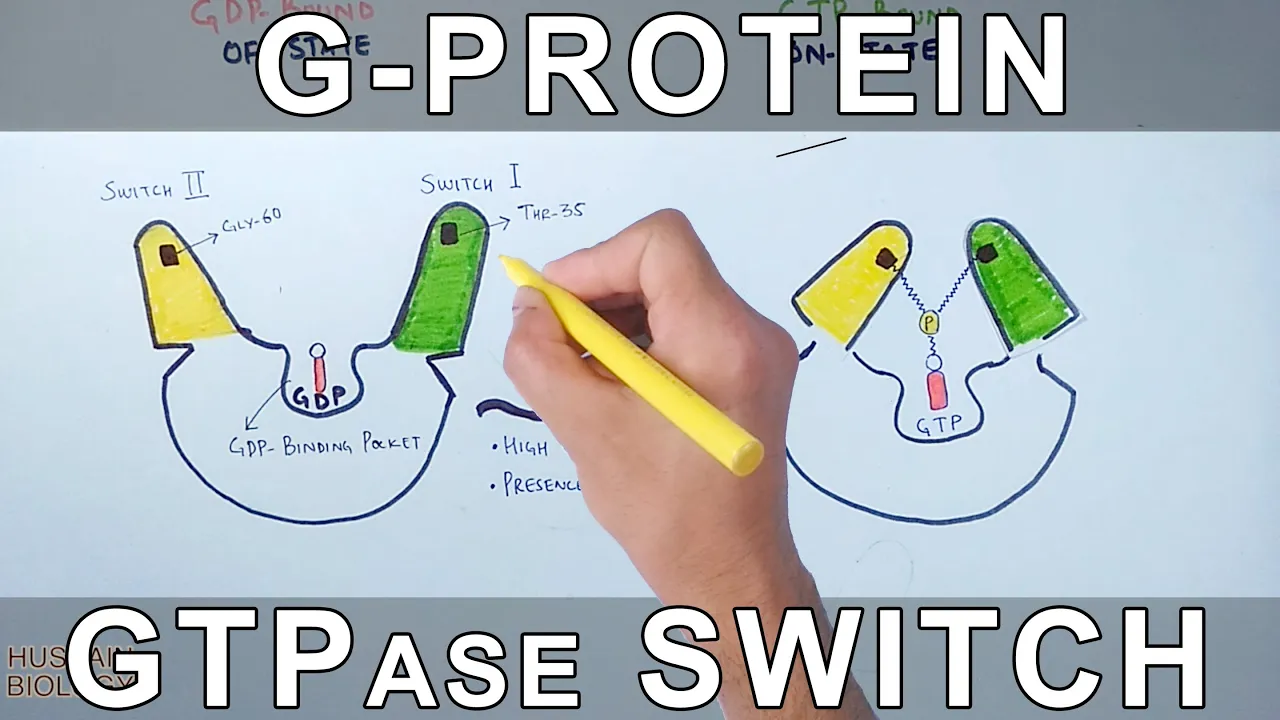





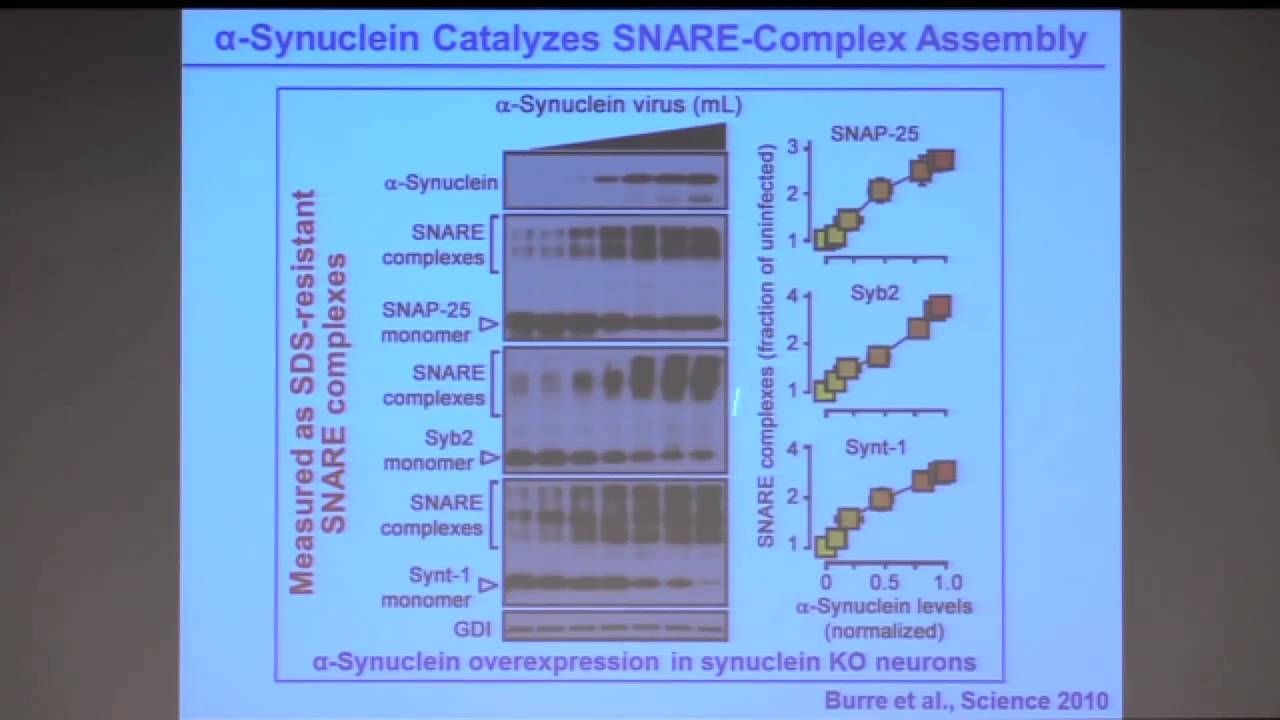




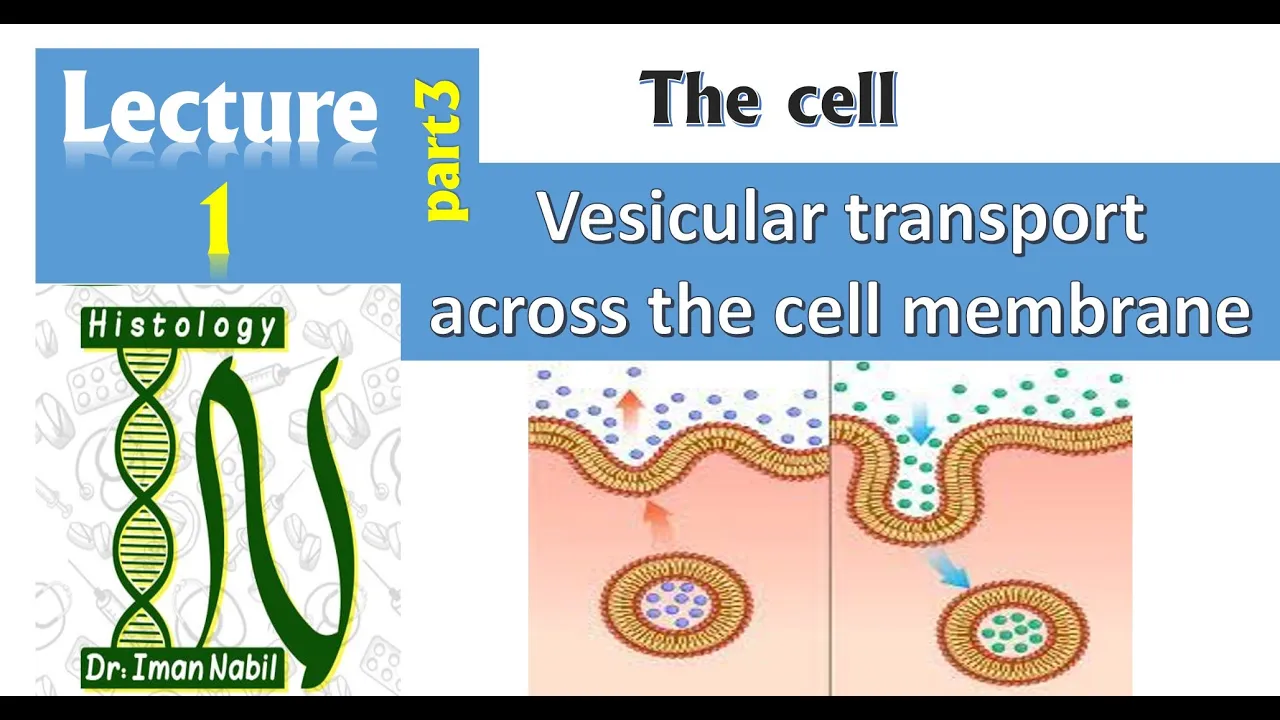


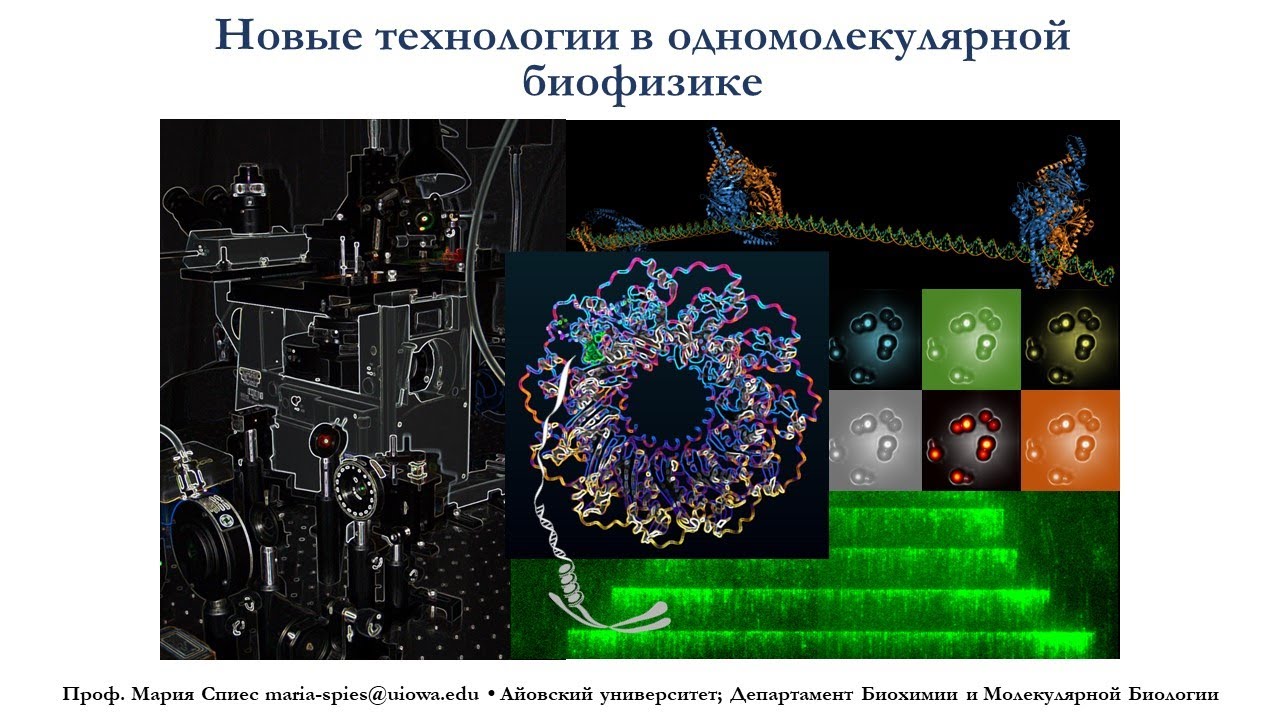
Vesicle fusion is a multi-step process where newly formed vesicles transport cargo proteins to target membranes through three key stages: (1) docking, mediated by RAB GTPase proteins that recruit motor adapters for transport and tethering factors for positioning; (2) membrane fusion, driven by SNARE proteins (v-SNAREs on vesicles and t-SNAREs on targets) that coil together to overcome membrane repulsion and bring membranes within nanometers, followed by spontaneous flipping of hydrophilic lipid layers to form a hemifused state that resolves to full fusion; (3) recycling, where RAB GAPs deactivate RAB GTP to release it, and NSF ATPase uses energy to unwind SNARE complexes so V-SNAREs can return to the source membrane while T-SNAREs remain in the target membrane for reuse.
Vesicle Fusion: Membrane Docking & SNARE-Mediated Cargo Release
Added:welcome to cell clips in this video we will be discussing vesicle docking and fusion proteins destined for many locations in the cell such as the cell membrane and as ohm's lysosomes are outside the cell must be transported through vesicles if you saw our video on vesicle budding you know that vesicles carry cargo proteins from a source membrane to a target membrane after the vesicle separates from its source membrane it must be transported to a specific target membrane tethered to the membrane in a process called docking and fused with a membrane to deliver its cargo first let's take a look at vesicle transport and docking these processes are mediated by a family of proteins called RAB GTP ace's there are many different RAB proteins each associated with a specific vesicle or target membrane to ensure vesicles are brought to the correct location RAB proteins are abundant in the cytoplasm in their inactive gdp form gaff proteins in both the source and target membranes activate Rab gtp causing it to exchange GDP for gtp Rab gtp can then bind membranes some ramps bind to vesicles while others bind to Target membranes once membrane bound Rab gtp aces recruit proteins called rabba factors these effectors come in many different forms and assist in vesicle transport and docking for example some rabbit factors recruited by the vesicle associated Rabb's are motor adapters these proteins form a link between the vesicles and motor proteins that move along cytoskeletal filaments to transport vesicles to their destination rabbie factors associated with the target membrane especially tethering factors mainly assist in docking tethering proteins are long filaments that interact with Rab proteins on the vesicle to pull the vesicle toward the target but bringing the vesicle to the correct target membrane is only half the battle the real challenge is overcoming the energetically unfavorable process of fusing the vesicle and target membranes membranes will only fuse together when they are brought within a few nanometers of each other this process is accomplished by proteins called snares different forms of these proteins are bound to particular membranes and provide additional target specificity once the vesicle is docked AV snare anchored to the vesicular membrane and to tstanners anchored to the target membrane coiled together for example in synaptic vesicle fusion neuronal vesicles are fused with the plasma membrane to deliver neurotransmitters to a neighboring cell during neuronal vesicle fusion the t snare proteins snap 25 forms coiled coils with another t snare called synaptic brevin and the v snare syntaxin in all cases of vesicle fusion this coiling of snare proteins tightens the gap between vesicle and target membranes squeezing out any water in between them snare coiling releases the energy needed to overcome the repulsion between the polar heads of the two membranes when the membranes get close enough hydrophilic heads from each membrane spontaneously flip directions causing the closest layers of the two membranes to merge together spontaneous flipping is the rate limiting step of vesicle fusion because it forms an unstable hemi fused membrane because Hemi fusion is highly unstable it quickly rearranges to form a fully fused membrane once the vesicle has fused with its target membrane the cargo is released into the luminal side and membrane-bound proteins in the vesicle become part of the target membrane after fusion is complete the vesicular components such as V snares in vesicular Rab GTP's need to be released Rab gaps on the target membrane deactivate vesicular RAB GTP to form RAB GDP which is released into the cytoplasm the snares present a more difficult problem because they are twisted together in a very stable low energy conformation an ATPase called NSF and several cofactors solve this problem by using energy from ATP hydrolysis to release the snare proteins this allows V snares to be recycled to the vesicle source membrane while T snares are left in the target membrane ready to receive the next vesicle so in summary after vesicles form they must be transported docked and fused to a target membrane Rab gtp is in both the vesicle and target membranes recruit RAB effector molecules such as motor adapters to transport the vesicles along cytoskeletal elements and tethering factors to pull the vesicle into a docked position once the vesicle is docked snare proteins in both the vesicle and target membranes coil together releasing energy and bringing the polar heads of the two membranes closer in a rate limiting step the hydrophilic layers merge together forming a Hemi fused membrane that is quickly resolved to a fully fused membrane snare complexes are then unwound and Rab proteins released so the process can be repeated well that's it for this video thanks for watching cell clips
Up Next

Neurotransmitter Release: SNARE Complex & Exocytosis | Neuroscience
@cellularmechanismsofbrainf5285
9.2K views•2016-02-05
Bacterial Communication: Quorum Sensing and Biofilm Formation Explained
@JHUAAP
12.6K views•2011-06-28

Enteric Nervous System Explained: The Gut's Brain | Neurobiology Lecture
@alumniu6029
438 views•2018-09-12
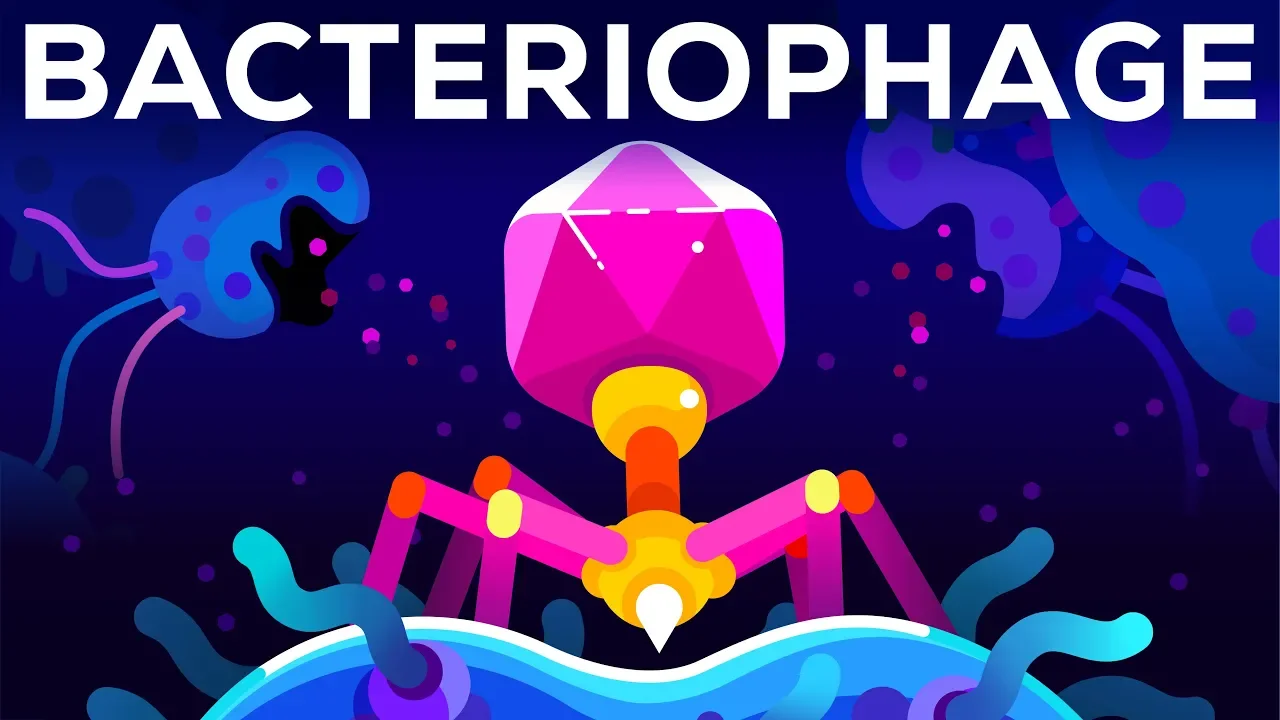
Bacteriophages: Earth's Deadliest Killers and Future Antibiotics
@kurzgesagt
34.6M views•2018-05-13
Related Study Plans & Knowledge Roadmaps
Structured learning paths in Biology