In film, camera framing and angles are powerful tools for visually communicating power dynamics and shifting control between characters; low angles make subjects appear dominant while high angles make them appear vulnerable, and filmmakers use these techniques to show when power shifts during dramatic scenes.
Cinematic Power Dynamics: Analyzing The Dark Knight Interrogation Scene
Added:Deep Dive
Basic cinematic camera angles (such as low-angle, high-angle, and eye-level shots) and their traditional psychological associations.

El plano cinematográfico y otras técnicas
230.5K
High angle shots (looking down at a subject) create perceptions of inferiority, timidity, or lack of power. Low angle shots (looking up at a subject) create perceptions of superiority, dominance, and aggression. These camera angles manipulate audience psychology by visually positioning characters in relation to each other and their environment.
Click to watch →

Film Language | Dr. Magi | #2 | Signis Asia | Cine Literacy | Media Matters | NISCORT Production
137
Camera angles significantly affect how viewers perceive subjects: low angle shots (camera below eye level) make subjects appear larger, more powerful, and imposing; high angle shots (camera above eye level) make subjects appear smaller, weaker, or inferior; eye level shots create a sense of equality and dignity. Bird's eye view (helicopter shot) shows the widest possible view. Over-the-shoulder shots position the camera behind one character's shoulder, showing foreground, middle ground, and background. Point of view shots film from a character's perspective, placing the audience in their position. These angles communicate psychological relationships without dialogue.
Click to watch →
MIL QUARTER 4 WEEK 1
175
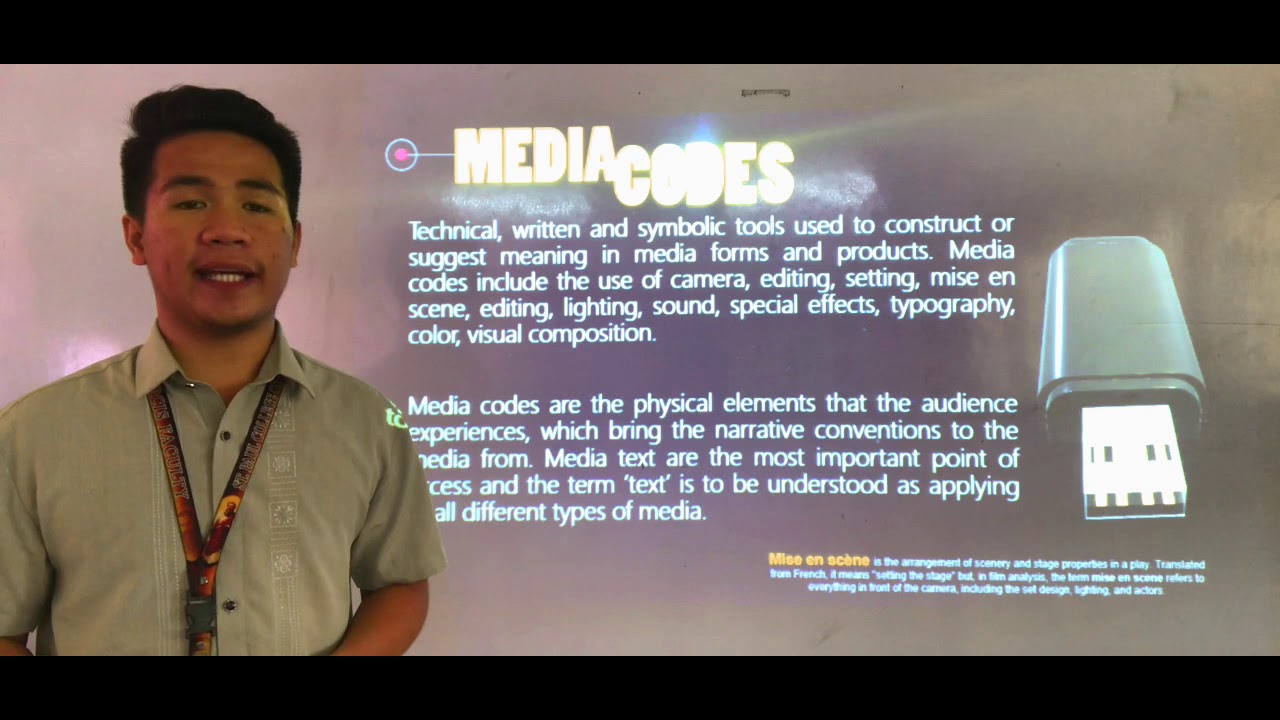
Camera angles include high angles, eye level, and low angles. High angles look down on the subject, making the subject look small and therefore seen as vulnerable or insignificant. Eye level takes a normal eye view of the subject, suggesting that we are on the same level. Low angles look up to the subject, making the subject look larger and therefore more powerful or impressive.
Click to watch →

Tiến Bịp Chiến Lược Tư Duy Xây Dựng Hình Ảnh Cá Nhân Kinh Doanh Online
2.1K
Camera angles convey different psychological messages: (1) High camera angles (camera above the subject) suggest the subject is serving or being served, (2) Low camera angles (camera below the subject) suggest authority or teaching, and (3) Eye-level angles suggest equality or friendship. Choosing the right angle affects how viewers perceive the subject.
Click to watch →
Week 3 Cinema and Culture Lecture
133
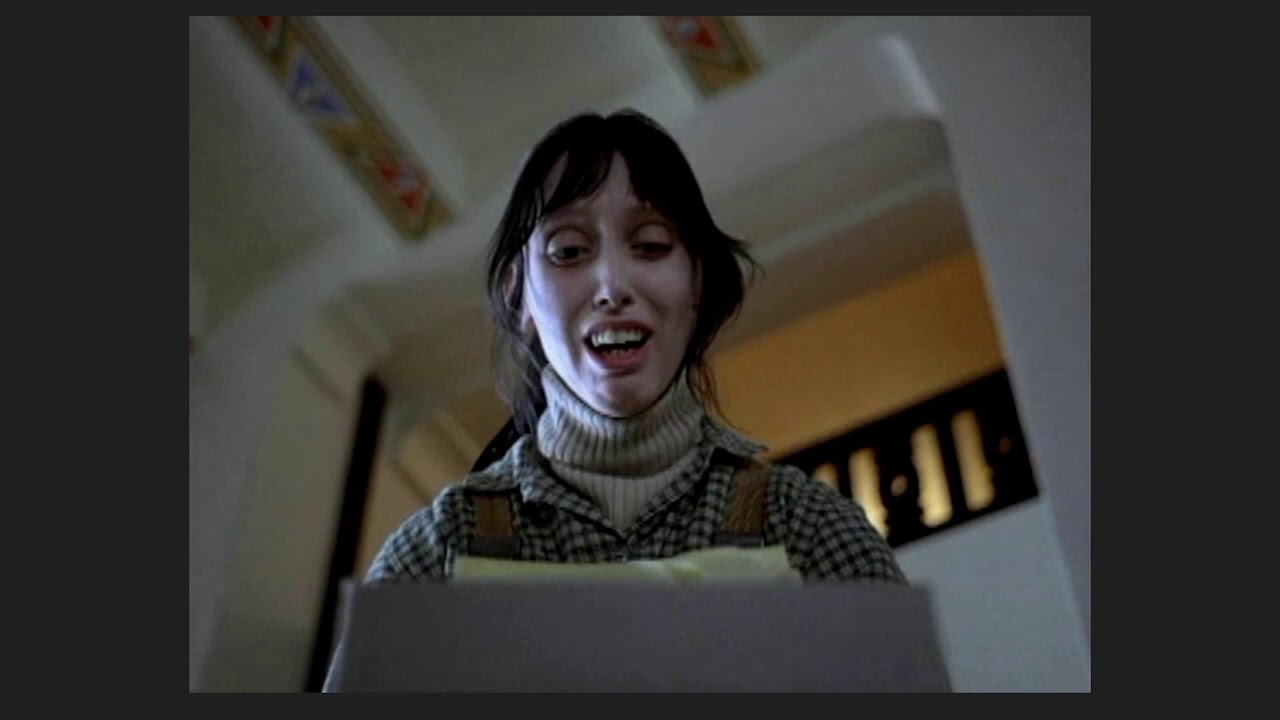
Camera angles are fundamental cinematic tools that shape audience perception. Eye level is the conventional baseline, but filmmakers use low angles to make subjects appear powerful or threatening, high angles to make them appear weak or vulnerable, bird's eye views to create disorientation, and Dutch angles to convey strangeness or instability. The meaning of each angle depends on context—what the viewer knows about the subject and situation. For example, a low angle on a vulnerable character in The Shining increases tension by denying the audience visual information, while the same angle on a hero can convey nobility. These techniques work because they mirror real-life intuitive reactions to visual information.
Click to watch →
Deep Dive
Concepts of photographic framing, including close-ups, medium shots, and how frame limits contain or expose a subject.

MCM411_Lecture29
368
Camera shots are categorized by framing and distance: (1) Big Close-up: Frame cuts at the head edge, showing only the face. (2) Medium Close-up: Frame passes through the chest line. (3) Medium Shot: Frame moves from chest to waist line. (4) Long Shot: Shows complete human body. (5) Very Long Shot: Wider than tall, showing subject within surrounding environment. Critical rule: The lower frame line should never cut at the knees or feet, as this creates an ugly shot. The lower line can be on the thigh or other body parts as required by the scene.
Click to watch →
Beyond Words: How To Analyze Film
444
Camera framing controls what audiences see and impacts narrative elements. Close-up shots place the camera very close to the subject, filling most of the frame with faces or objects to emphasize important plot details and character expressions. Medium shots position the camera at medium distance, framing subjects from about the waist up to emphasize interactions and relationships. Wide shots place the camera far away, allowing the setting to fill most of the frame to emphasize context and characters' relationships to their environment.
Click to watch →

Aprende fotografía: encuadres
418
Framing (encuadre) in photography refers to what is visible within the frame, and photographers can control what the viewer sees by selecting different shot types: extreme long shot (context focus), long shot (environmental context), full shot (complete subject), American shot (knees up, interaction focus), medium shot (waist up, emotional intimacy), medium close-up (chest up, subject focus), close-up (face, intimate emotion), extreme close-up (below chin, high emotional impact), and detail shot (specific objects or body parts, narrative emphasis). Each framing type serves a distinct communicative purpose, from establishing context to highlighting emotions or specific details.
Click to watch →

Jenis-Jenis Shot Film #1 - Tutorial Dasar Sinematografi & Videografi
91.5K
The Medium Shot frames the subject from the waist up, making it the most commonly used shot in filmmaking. It serves as a transitional shot between long shots and close-ups, allowing viewers to see character expressions clearly while maintaining some environmental context. The Medium Close-Up frames from the chest up, providing even closer attention to facial expressions and emotional details than the medium shot.
Click to watch →

Angel Heart (1987): Framing Introductions
241
Camera framing positions subjects within the visual bounds of the frame. Common shot types include: extreme wide shot (showing maximum environment), wide shot, midshot, medium closeup, close-up (also called reaction shot), and extreme close-up. Precise definitions vary between directors and cinematographers.
Click to watch →
Deep Dive
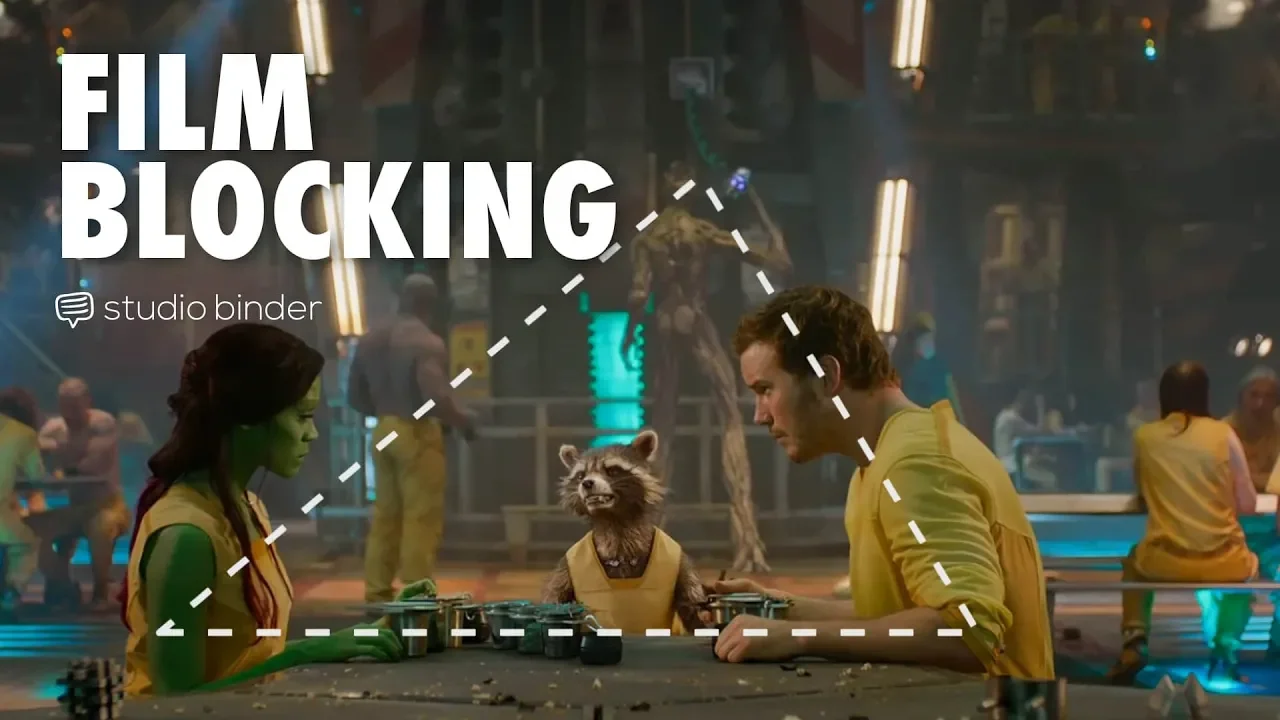
An understanding of character blocking—how the physical positioning and movement of actors within a set communicates relationship dynamics.
Character Positioning -- Positioning with Three or More Characters (Episode 2)
2.1K
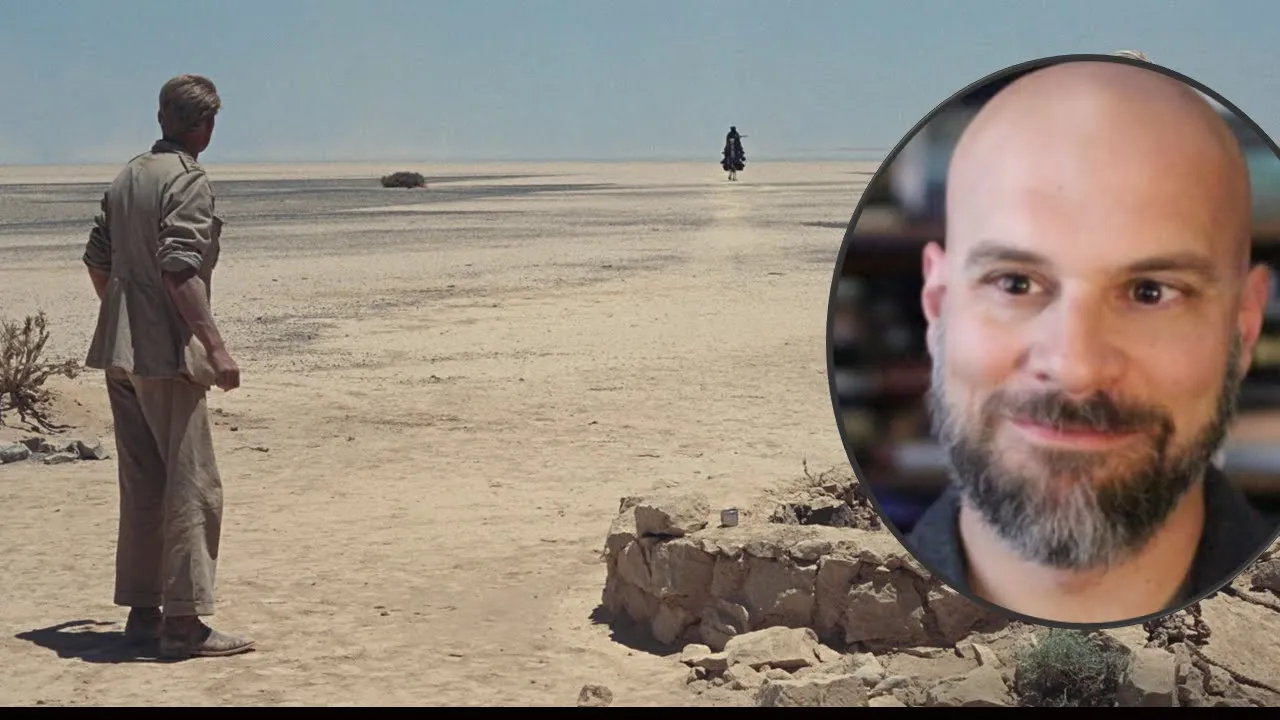
In film, character positioning within a frame communicates relationship dynamics through spatial arrangement: horizontal/depth distance indicates emotional separation or connection, vertical positioning shows power hierarchies (higher = more dominant), and central placement of a third character can serve as a go-between or buffer, while camera perspective and context determine interpretation; these classical film grammar rules, developed by early Hollywood, allow directors to visually shade relationships without dialogue.
Click to watch →

REAR WINDOW | VCE English | Film techniques & quotes
5.9K
Blocking refers to actor positioning relative to each other and the set. In a key scene, Lisa physically crosses the window frame that previously divided her from Jeff, with the camera panning across with her to doubly emphasize her movement. She enters Jeff's frame complete with tree background symbolizing his natural world, demonstrating her attempt to communicate on his terms. Meanwhile, Jeff averts his gaze, avoiding eye contact and refusing to engage, suggesting he feels threatened by deepening their relationship and believes it has nowhere to progress.
Click to watch →

UNIFEST SEGUNDA EDICIÓN MASTER CLASS - DIRECCIÓN DE FOTOGRAFÍA
185
Character blocking (movimiento de personajes) refers to the physical positioning and movement of actors within a scene. Directors should consider how actors move through space, how they position themselves relative to each other, and how their physical choices affect the scene's emotional tone. Blocking decisions should serve the narrative and emotional content—whether to create tension, intimacy, or reveal information. The physical positioning of characters is as important as their dialogue.
Click to watch →
Why Greta Gerwig Should Have Won The Best Directing Oscar | The Art Of Film
78.9K
Blocking is the movement of actors within a scene's space. Effective blocking reveals character dynamics organically. In the Christmas scene, Gerwig choreographs movement so that characters naturally move in and out of focus at precise moments. Amy leads the group to the table (showing her material awareness), Jo leads to the window (showing her idealism), Marmee stays centered (as family anchor), and Beth and Meg tend to follow. This movement pattern reveals character relationships without explicit exposition.
Click to watch →

The Man Who RUINED Harry Potter | Video Essay
584.5K
Character blocking refers to how actors position themselves within a scene space. Effective blocking uses physical movement to convey character emotions and relationships. In the Chamber of Secrets scene, Harry and Ron's anxious movements (hunched backs, leaning forward) visually communicate their nervousness without dialogue. The director's choice to have characters move or remain still directly affects how audiences perceive their emotional states.
Click to watch →
Deep Dive
A foundational awareness of 'The Dark Knight' narrative, specifically the core ideological conflict between Batman (order) and the Joker (chaos).
what is special about THE DARK KNIGHT?
552.6K
The Dark Knight explores the fundamental philosophical conflict between Batman and the Joker. The Joker represents an unstoppable force who challenges societal norms and morality, while Batman represents an unmovable object who follows a strict moral code. The Joker's famous line 'You complete me' highlights their complementary nature. Batman's core rule is that he will never kill anyone, even in self-defense. This creates a fundamental conflict where the Joker can kill anyone but cannot kill Batman. The Joker's true motivation is not destruction but revealing humanity's true nature, believing anyone given opportunity will reveal their darkest self.
Click to watch →

Análisis de The Dark Knight (El Caballero de la noche)
25.1K
The interrogation scene between Batman and the Joker represents the true moment of ideological conflict between the two characters. Batman is an agent of order while the Joker is an agent of chaos. They are similar yet distinct. The reviewer finds this scene particularly powerful because it shows Batman's desperation in trying to stop someone who doesn't care about anything, enjoys watching what you do to stop them, and cynically states that no power or force can threaten someone who kills and burns money for simple diversion.
Click to watch →
Batman The Dark Knight From The Joker's Perspective Is Hilarious
298K
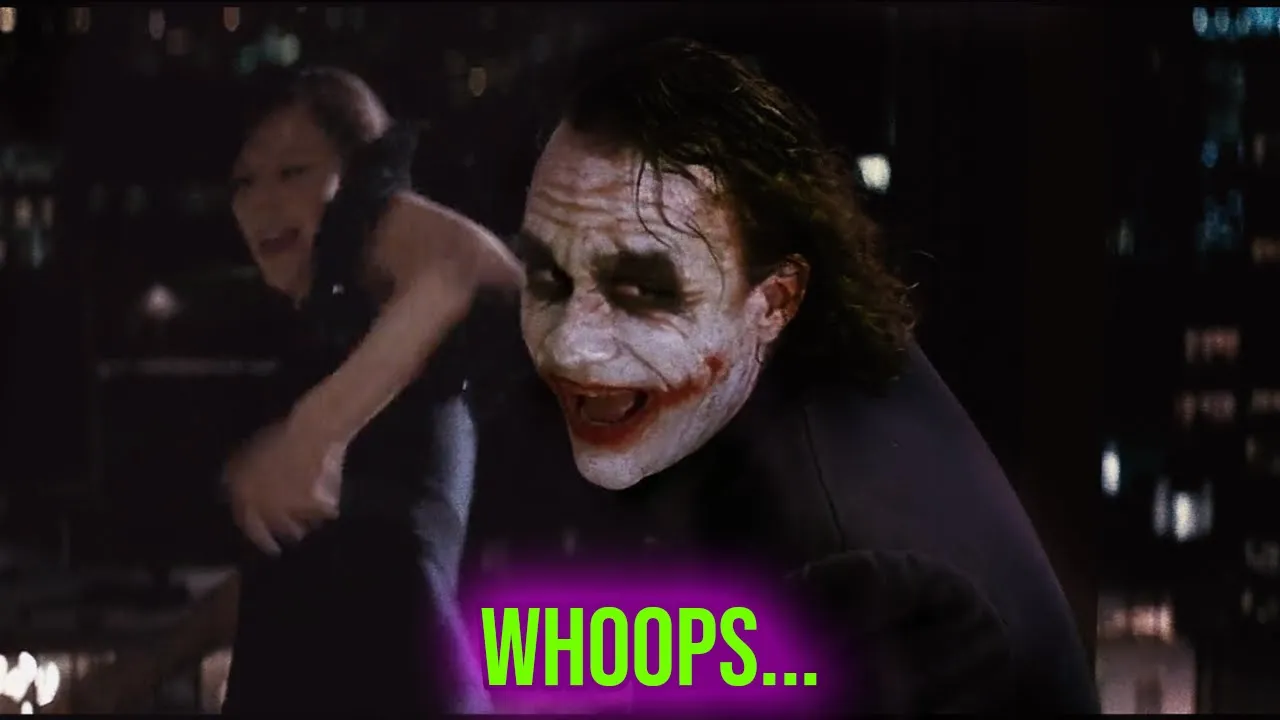
The Joker believes that the natural order of the universe is chaos, and that Batman is unnatural because he is trying to make things ordered. This philosophical position creates the fundamental ideological conflict between the two characters. The Joker sees order as an artificial construct that goes against the fundamental nature of existence, while Batman represents the force trying to impose order on the natural state of chaos.
Click to watch →

Batman vs. Joker: Chaos vs. Order!
601
The conflict between Batman and the Joker represents a fundamental ideological struggle between order and chaos. Batman stands for justice, order, and the belief that people can rise above darkness. The Joker embodies chaos, nihilism, and the belief that everyone is one bad day away from becoming like him. This battle is not physical but philosophical—a war of ideologies where each side represents a worldview. The Joker sees the world as a meaningless joke where pain is inevitable and rules don't exist. Batman has faced the void and chosen to become a guardian, proving that the line between hero and villain is real and maintainable through conscious choice and moral conviction.
Click to watch →
The Dark Knight and the War on Terror
3.8K
The conflict between Batman and the Joker represents a fundamental philosophical battle between order and chaos. Batman believes in the existence of good and evil, real metaphysical truth in the universe, and that morality matters. The Joker believes there is no such thing as good or evil, and that the only sensible way to live is without rules. The Joker only wins by either allowing Gotham to tear itself apart (demonstrating civilization is a sham) or by forcing Batman to break his rule and kill him (demonstrating that power, not morality, secures what one wants).
Click to watch →
Prerequisite Knowledge
- Concept 01Basic cinematic camera angles (such as low-angle, high-angle, and eye-level shots) and their traditional psychological associations.
- Concept 02Concepts of photographic framing, including close-ups, medium shots, and how frame limits contain or expose a subject.
- Concept 03An understanding of character blocking—how the physical positioning and movement of actors within a set communicates relationship dynamics.
- Concept 04A foundational awareness of 'The Dark Knight' narrative, specifically the core ideological conflict between Batman (order) and the Joker (chaos).
Subsequent Learning
- Step 01Advanced analysis of editing techniques, specifically the 180-degree rule and how deliberately breaking it can induce psychological disorientation in a scene.
- Step 02The role of lighting design (such as high-contrast chiaroscuro and fluorescent harshness) in reinforcing power shifts and character duality.
- Step 03Comparative film analysis, applying these framing theories to interrogation or confrontation scenes in other seminal films like 'The Silence of the Lambs' or 'Se7en'.
- Step 04The study of sound design and score (such as the use of Shepard tones or sudden silence) and how acoustic tension coordinates with visual framing to signal dominance.
Avoid Head
Face-off
Casualty Toll
Mob Motive
Permanent Change
Killing Intent
Avoid Head
0:05Playing Section
- 1
Initial attack targets the head, causing disorientation.
- 2
Victim's neck becomes unprotected after the initial strike.
The Primacy of Performance and Narrative over Visual Determinism
While formalist film analysis attributes the shifting power dynamics in The Dark Knight’s interrogation scene to camera angles and framing (such as the transition from stable medium shots to shaky, close-up Dutch angles), an alternative perspective argues this overemphasizes cinematographic determinism. Critics of this visual-first approach contend that the power shift is primarily driven by script structure, dialogue, and Heath Ledger’s psychological performance. From this viewpoint, the camera merely documents rather than creates the tension. Furthermore, some narrative theorists argue the 'shift' is an illusion; the Joker maintains absolute ideological and psychological control from the scene's first second, making any visual cues of Batman's initial dominance merely superficial.
Deep Dive
Advanced analysis of editing techniques, specifically the 180-degree rule and how deliberately breaking it can induce psychological disorientation in a scene.
Learn film analysis in 20 films
383.3K
Horse Girl demonstrates how filmmakers can intentionally break established continuity editing rules—including match on action, eye line match, and the 180-degree rule—to disorientate audiences and mirror a character's psychological state. These rules normally mask cuts and help audiences understand time and space within scenes. When broken intentionally, they create confusion and disorientation that reflects the main character's reality being questioned as dreams seep into daily life.
Click to watch →

How this scene takes Django Unchained from epic to masterpiece
758.1K
The 180° rule is a basic filmmaking guideline where an invisible line is imagined between two characters, and the camera should stay on one side to maintain spatial continuity. However, Tarantino breaks this rule when Candy begins insulting Dartenion's intelligence. Candy looks frame right to left where previously he was looking frame left to right. This disorientation serves a psychological purpose—it cracks open Candy's performative facade, giving the audience a glimpse into his twisted delight in the cruelty he's about to inflict. Breaking the 180° rule signals a power shift or reveals new information about a character's mental state.
Click to watch →
EXPO DE FER: La Regla de los 180 Grados 🎬 | EXPOS QUEPARIÓ!
68K
The 180-degree rule is a fundamental cinematography guideline that states when two characters are in a scene, you should imagine a line connecting them and choose one side of that line for camera placement; once chosen, the camera should stay within 180 degrees to maintain visual continuity and prevent audience confusion about who is speaking or looking where. Breaking this rule intentionally can create disorientation to convey psychological states like madness or instability, but such breaks should be carefully justified within the narrative.
Click to watch →

L'Errore che Nessun Regista Ammette
25.1K
The 180-degree rule is an imaginary line that runs through a scene, which the camera must not cross to maintain spatial continuity and viewer orientation; however, skilled directors intentionally violate this rule to create emotional 'breaches' that amplify psychological states, such as Nolan using it to show Batman and Joker as two faces of the same coin, Kubrick using it to transition between lucidity and madness, and Godard using it to break the illusion of cinema as a window to reality.
Click to watch →

180 Degree Rule and How to use it like a champ.
138.8K
The 180-degree rule is a fundamental cinematography principle that maintains spatial continuity in scenes with cuts by keeping the camera on one side of an imaginary line (the eyeline or direction of action) between characters; this prevents disorienting jump cuts and helps audiences maintain a coherent sense of space, though filmmakers can intentionally break this rule for artistic effect when done with purpose.
Click to watch →
Deep Dive
The role of lighting design (such as high-contrast chiaroscuro and fluorescent harshness) in reinforcing power shifts and character duality.
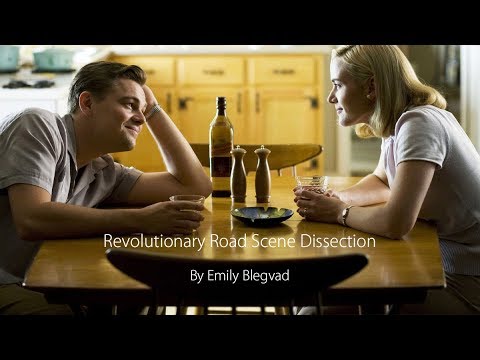
Revolutionary Road - Literary Film Dissection (The Last Breakfast)
176.7K
The scene uses lighting contrast - Frank's face shines while April's half her face is lit and half is not. This symbolizes Frank being in a dark place but seeing light, while April who was once shining is slowly descending into darkness.
Click to watch →
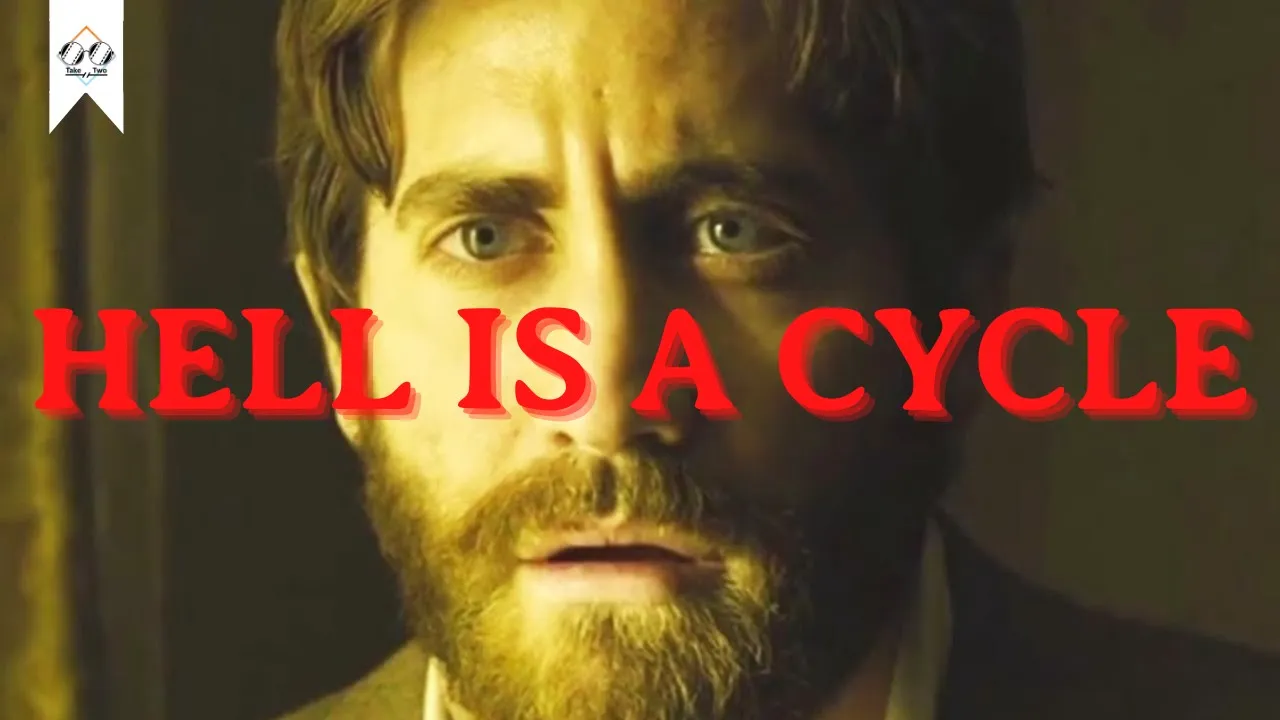
Enemy | How Denis Villeneuve creates visual meaning | video essay
87.6K
Chiaroscuro—the use of strong contrasts between light and dark—is employed in Enemy to elevate subtext and reveal character mindsets. Movement between light and darkness follows Anthony and Adam's ambivalence, with pivotal decisions causing them to fall into positions of deep uncertainty experienced visually. Decor like moving blinds conveys temptation seeping into thoughts, and as characters succumb, they step into darkness implying unavoidable mental tailspin. Characters are lit according to their personalities: Helen bathed in white light representing calm, while Mary is cloaked in darkness representing fear and desire. This lighting technique reaches its peak during the two encounters where both characters share a room, creating overwhelming feelings of intrusion. The technique extends to women's symbolism, connecting to themes of powerlessness and control through visual cues that communicate psychological states without dialogue.
Click to watch →
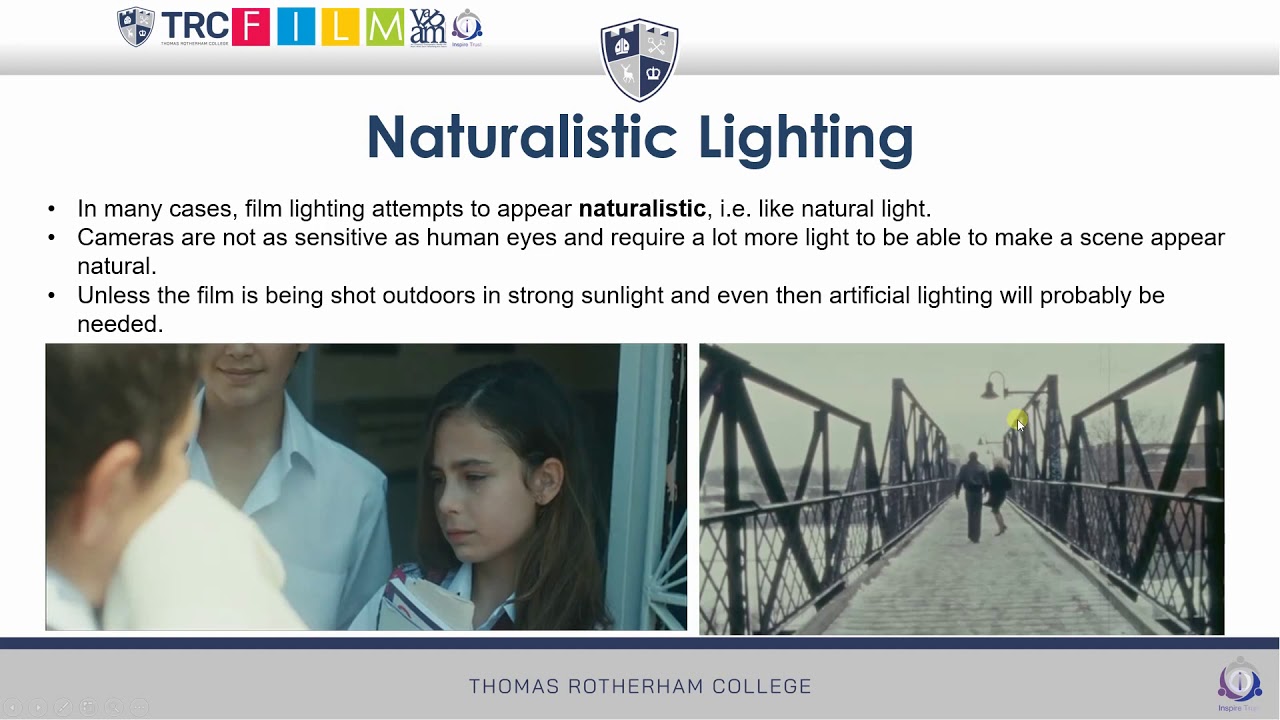
Lighting
240
Chiaroscuro is an Italian term meaning gradations of light and dark, involving pools of light and dark shadows. It creates expressionistic, non-realistic styles used in horror and film noir to exploit fear of darkness. In Vertigo, lighting reveals character psychology by casting half-faces in shadow to show conflicted personalities. Color contrast separates subjects from backgrounds - green lighting against orange backgrounds makes subjects pop. Film noir uses chiaroscuro with silhouetted figures against backgrounds, creating mystery and creepiness. This style exploits the human fear that something might be lurking in the shadows.
Click to watch →

Cinematography Style: Darius Khondji
72.1K
Khondji creates dramatic lighting by establishing small, contrasty pockets of light that complement large areas of shadow. To emphasize important moments, he lights scenes so actors exit shadows and enter pools of light. He mixes warm and cool color temperatures, often combining natural daylight with artificial fixtures. In Se7en, warmer tungsten Chinese lanterns represented the past and present, while cooler Kino Flo fluorescent tubes represented the future.
Click to watch →

Glowing characters? Do this first!
749
This segment teaches lighting principles for character design. Core concepts include: darkening characters while brightening backgrounds to create better contrast; using the burn tool on midtones to build light coming from above or at angles; avoiding excessive darkening of side areas which should serve as bounce light; and understanding that characters are often over-brightened in artwork. The instructor demonstrates how to create believable environments by manipulating character and background values together, showing how lighting direction dramatically affects character perception.
Click to watch →
Deep Dive
Comparative film analysis, applying these framing theories to interrogation or confrontation scenes in other seminal films like 'The Silence of the Lambs' or 'Se7en'.

The Silence of the Lambs great scene - Clarice & Hannibal's first meeting
2.2M
This iconic scene from 'The Silence of the Lambs' demonstrates how psychological profiling works in criminal investigations, showing how FBI agent Clarice Starling's vulnerability and ambition are exploited by the brilliant but dangerous psychiatrist Dr. Hannibal Lecter, who uses her insecurities to manipulate her into revealing sensitive information about the Buffalo Bill case.
Click to watch →

Il Silenzio Degli Innocenti
397.3K
This iconic scene from 'The Silence of the Lambs' demonstrates how psychological profiling and interrogation work through the intense dialogue between Hannibal Lecter (Anthony Hopkins) and Clarice Starling (Jodie Foster), where Lecter uses his deep understanding of human psychology to analyze, manipulate, and test Starling's character while revealing insights into serial killer behavior and motivations.
Click to watch →

КИНОНЫ ЦААНА #1 SILENCE OF THE LAMBS
59.4K
This video is the first episode of a film analysis series by ZangiaTV, hosted by Ch. Enkhbat and Zanda, featuring a review of the classic psychological thriller 'The Silence of the Lambs' (1991), directed by Jonathan Demme and starring Jodie Foster as Clarice Starling and Anthony Hopkins as Hannibal Lecter.
Click to watch →
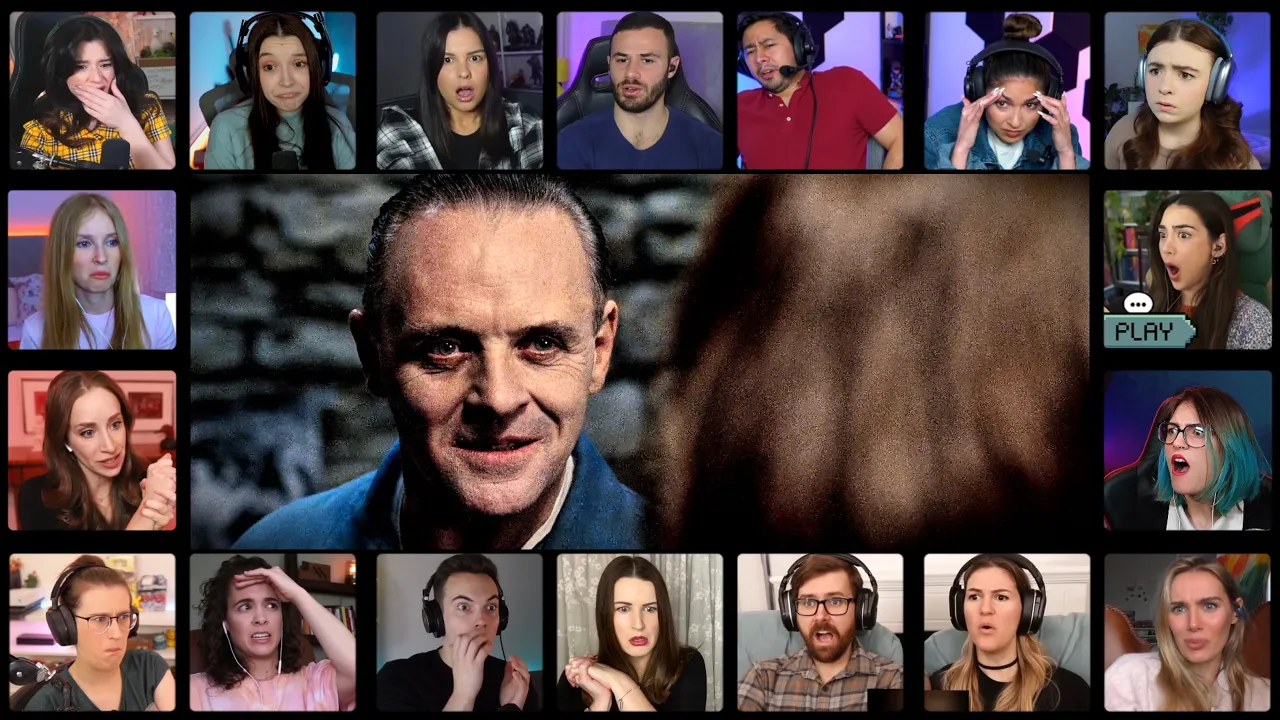
Clarice & Hannibal's First Meeting Scene | THE SILENCE OF THE LAMBS (1991) * Reaction Mashup
113.4K
In this scene from 'The Silence of the Lambs,' Hannibal Lecter demonstrates how serial killers use psychological manipulation during interrogations by establishing false trust, asking seemingly innocent questions, and then revealing threatening intentions to control and intimidate their victims, as exemplified when he offers Clarice Starling 'a chance for what you love most' before delivering a violent outcome.
Click to watch →
Disturbing Movie Iceberg Explained Part 1
44.2K
The Silence of the Lambs is considered S-tier, a masterpiece that spoke to the reviewer on a level that no childhood counselor could. The plot involves Jack, a failed architect who butchers women as art, with OCD. The reviewer praises the movie for having so much to take from it, including Jack's OCD causing him to move furniture to avoid getting caught. The reviewer's favorite part is when Jack puts a woman's chest on a cop car and walks away while the cop is no more than a block away. The reviewer notes that Jack, who is so devoid and callous, somehow oozes character. The reviewer's favorite part is when Jack goes to hell and is left with a broken bridge where he can either go to a plot of hell reserved for him or climb a wall to get out, but if he falls, he goes to the deepest layer of hell.
Click to watch →
Deep Dive
The study of sound design and score (such as the use of Shepard tones or sudden silence) and how acoustic tension coordinates with visual framing to signal dominance.

Composición 2/3 - Diseño sonoro general
3.5K
Tension is the central axis of viewer attention, created by elements with different qualities in the same moment—wide dynamic ranges, powerful ambient sounds with soft voices, or abrupt rhythm changes. Sound materiality constructs spatiality, with editing contributing to scene verisimilitude. Silence functions symbolically as a resonance box for other sounds. In animation, sound design challenges include creating sounds for non-existent elements and working with dreamlike sonority. Sound design is the second pillar of film composition alongside image, with an audiovisual object being the result of tension between visual and auditory elements.
Click to watch →

Delirten Ses Tonu Filmlerde Nasıl Kullanılıyor? (Shepard Tonu)
626
The Shepard Tone is an auditory illusion created by playing different octaves of the same tone in sequence, where one octave rises while another falls simultaneously, creating the perception of a continuously rising or falling sound even though the actual pitch remains constant; this technique, developed by Roger Shepard in the 1960s, is widely used in film scores (particularly by Christopher Nolan and Hans Zimmer in films like Dunkirk and The Prestige) to create tension, unease, or a sense of endless progression.
Click to watch →
Тон Шепарда в саунд-дизайне
4.9K
The Shepard Tone is an auditory illusion created by overlapping sine waves with frequencies that are integer multiples of each other, which creates the perception of a continuously rising or falling tone while the actual pitch remains constant. This illusion works through the relationship between the first and last sine waves in the sequence, where volume automation on different synthesizers creates the illusion of movement. The technique has been used by artists like Pink Floyd and New Order, and appears in games like Super Mario, as well as in classical works by Bach and Chopin.
Click to watch →
映像作品を心理学から読み解く_前澤 知輝_高校生のための心理学講座(日本心理学会)_37
135
Audio serves as a continuity cue similar to visual cues (e.g., footsteps predicting approaching characters). BGM and sound effects create anticipation, strengthen impressions, and enhance memory. Sound design can enhance emotional impact through contrast (silence followed by sudden sounds). The synchronization of audio and visual elements affects attention and memory, with synchronized stimuli being more effective than desynchronized ones.
Click to watch →
tutorial desglose de audio
4.2K
Sound design creates dramatic tension through systematic element transformation. Contextual sounds maintain baseline constancy while specific moments may require variations to emphasize narrative elements. Music transitions from referential to narrative functions as scenes progress toward climaxes. Dramatic impassable silence occurs before major climactic moments, creating maximum tension by ceasing music while contextual sounds continue. The relationship between climax and silence is fundamental: silence prepares the audience for climactic events like monster roars or major reveals. This structure enables sound design to serve as a narrative device that heightens anticipation and emotional engagement.
Click to watch →
Avoid Head
Face-off
Casualty Toll
Mob Motive
Permanent Change
Killing Intent
Avoid Head
0:05- 1
Initial attack targets the head, causing disorientation.
- 2
Victim's neck becomes unprotected after the initial strike.
The Primacy of Performance and Narrative over Visual Determinism
While formalist film analysis attributes the shifting power dynamics in The Dark Knight’s interrogation scene to camera angles and framing (such as the transition from stable medium shots to shaky, close-up Dutch angles), an alternative perspective argues this overemphasizes cinematographic determinism. Critics of this visual-first approach contend that the power shift is primarily driven by script structure, dialogue, and Heath Ledger’s psychological performance. From this viewpoint, the camera merely documents rather than creates the tension. Furthermore, some narrative theorists argue the 'shift' is an illusion; the Joker maintains absolute ideological and psychological control from the scene's first second, making any visual cues of Batman's initial dominance merely superficial.
Basic cinematic camera angles (such as low-angle, high-angle, and eye-level shots) and their traditional psychological associations.
Concepts of photographic framing, including close-ups, medium shots, and how frame limits contain or expose a subject.
An understanding of character blocking—how the physical positioning and movement of actors within a set communicates relationship dynamics.
A foundational awareness of 'The Dark Knight' narrative, specifically the core ideological conflict between Batman (order) and the Joker (chaos).
Advanced analysis of editing techniques, specifically the 180-degree rule and how deliberately breaking it can induce psychological disorientation in a scene.
The role of lighting design (such as high-contrast chiaroscuro and fluorescent harshness) in reinforcing power shifts and character duality.
Comparative film analysis, applying these framing theories to interrogation or confrontation scenes in other seminal films like 'The Silence of the Lambs' or 'Se7en'.
The study of sound design and score (such as the use of Shepard tones or sudden silence) and how acoustic tension coordinates with visual framing to signal dominance.
540.4K views4.2Klikes0:52@OutstandingScreenplaysOriginal Release: 2026-01-14
Never start with the head. The victim gets all fuzzy. He can't feel the neck.
See, you wanted me. Here I am. I wanted to see what you do.
And you didn't disappoint.
You let five people die.
Then you let Dent take your place.
Even to a guy like me, that's cold.
>> Where's that?
>> Those mob fools want you gone so they can get back to the way things were.
>> But I know the truth. There's no going back. You've changed things forever. And why do you want to kill me?
>> I don't want to kill you. What would I do without
Up Next

31:36
Cinematography Basics: Camera Work, Lenses, and Visual Effects
@mattalberhasky9952
7.1K views•2014-07-31

23:14
Visual Analysis Essay: How to Analyze Graphic Novels in College Writing
@nataliepleimann5941
1K views•2020-10-14
4:55
Film Blocking Techniques for Directors: Space, Shapes, Lines
@StudioBinder
1.9M views•2018-07-23

4:00
Evolution of Darth Vader: Anakin Skywalker's Animated Journey Across Star Wars Films
@TellItAnimated
13.4M views•2019-03-30
Related Study Plans & Knowledge Roadmaps
Structured learning paths in Film Analysis
film-analysis
Sensory Cinema: Foley, Haptic Sound & Texture
01Introduction to Film Sound and Foley Artistry
02Micro-Sounds, Textures, and Extreme Amplification
03Haptic Audition and Film Phenomenology
+ 1 more learning modules
12h4 modules
Explore Roadmap
film-analysis
Breaking the Fourth Wall: Mockumentary & Satire
01The Invisible Wall: Basics of Cinematic Illusion
02Looking at the Lens: Direct Address & Character Glances
03The Mockumentary: Satire, Realism, and Complicity
+ 2 more learning modules
12h5 modules
Explore Roadmap
film-analysis
Analyzing the Long Take: Cinema, Space & Ethics
01Foundations of Film Grammar: Montage vs. The Long Take
02Choreography and Mechanics of the Simulated One-Shot
03Phenomenology of Film: Real-Time Spatial Continuity
+ 1 more learning modules
14h4 modules
Explore Roadmap
film-analysis
Anachronistic Music: Period Drama & Subversion
01Foundations of Film Sound and the 'Needle Drop'
02Traditional Authenticity vs. Revisionist History
03The Rise of the Anachronistic Soundtrack
+ 2 more learning modules
12h5 modules
Explore Roadmap