










![[Imunologia] 5 - Inflamação](https://i.ytimg.com/vi/0NywOFFih_w/hqdefault.jpg)







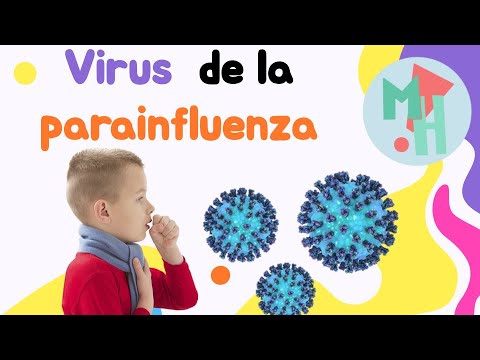

Croup is a viral infection causing inflammation in children's smaller airways, leading to a distinctive barking cough and stridor; it typically affects children aged 3 months to 5 years and can be managed at home with warm mist, cold air exposure, humidifiers, and keeping the child calm, though parents should seek medical attention if the child has difficulty breathing, cannot speak, shows stridor at rest, appears listless, or has persistent fever beyond five days.
Croup in Kids: Symptoms, Home Care, and When to Seek Help
Added:Basic anatomy of the pediatric upper respiratory tract, specifically the larynx, trachea, and bronchi.
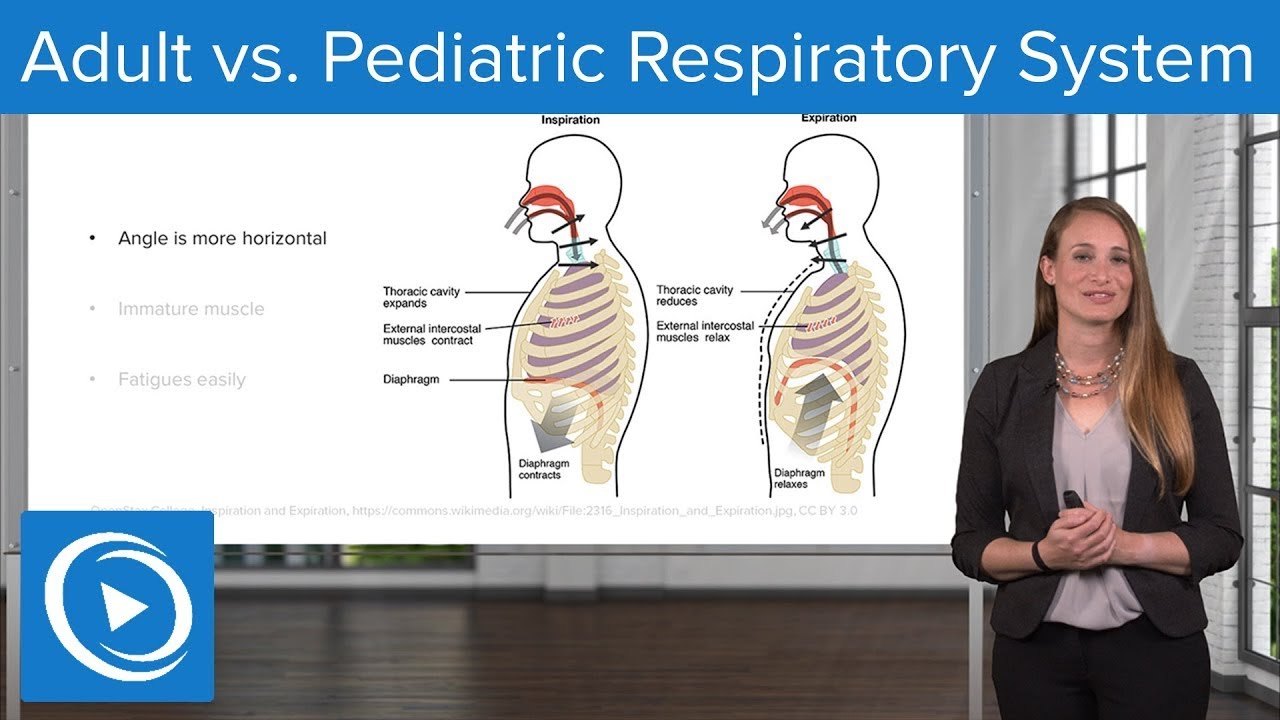
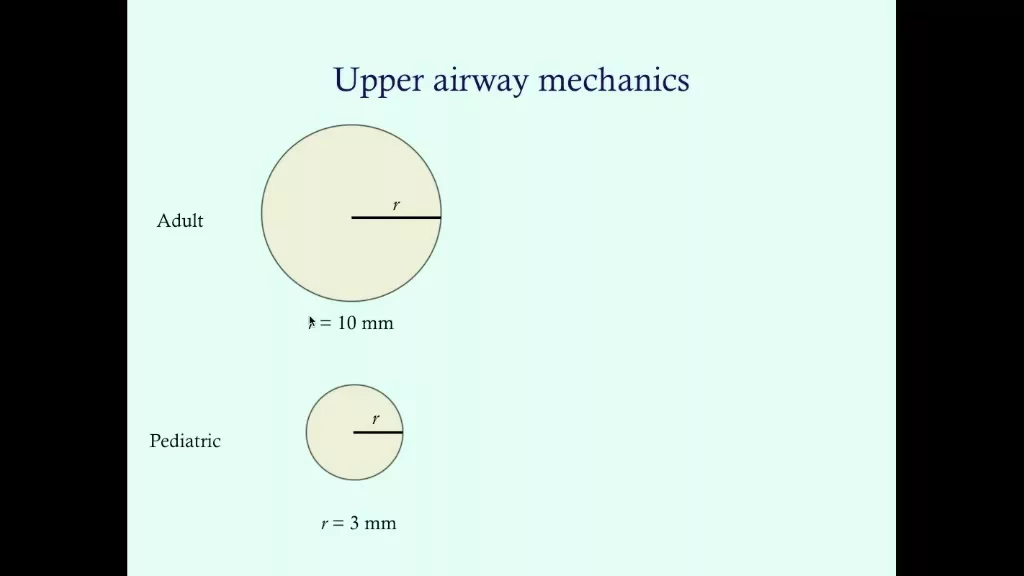
The physiological differences between adult and pediatric airways, highlighting why children are more susceptible to obstruction.
Fundamental distinctions between viral and bacterial infections and their general treatment approaches.
The concept of tissue inflammation (edema) and how swelling affects mucosal membranes and airflow.
Clinical pharmacology of treatments for moderate-to-severe croup, including corticosteroids (e.g., dexamethasone) and nebulized epinephrine.
Differential diagnosis of stridor in children, distinguishing croup from more severe conditions like epiglottitis, foreign body aspiration, and bacterial tracheitis.
The Westley Croup Score and other clinical assessment tools used by healthcare professionals to evaluate respiratory distress severity.
Epidemiology and virology of the Human Parainfluenza Viruses (HPIVs), the primary causative agents of croup.
567.7K views2.2Klikes13:24Original Release: 2021-10-22
welcome to pete's doc talk tv i am dr mona amin a board certified pediatrician and mom and we are talking all about croup today what are the symptoms what causes it how to manage it at home and when to seek medical attention this video is brought to you by the new mom survival guide an online digital e-course created by me to educate and empower moms as they navigate that first year of motherhood for more information about this amazing resource check the link in the caption before we continue make sure you hit that subscribe button because that's how you stay up to date on all of my videos here on peet's dog talk tv and here we go croup is mainly caused by viruses viruses cause inflammation in our bodies and in our airway so when you have an infant or a child with a smaller airway these viruses can cause inflammation in their vocal cords or in their trachea leading to that classic creepy sound or creepy cough para influenza is one of the most common viruses that can cause group but there are many viruses that can cause this symptom or diagnosis croup can also be caused by food allergies seasonal allergies or even a foreign body but for the purposes of this video i am talking about viral group what to do about that and when to seek medical attention croup is inflammation of parts of the airway if you watch my bronchiolitis video bronchiolitis is inflammation or mucus buildup in the bronchioles in croup the virus that causes group causes inflammation in the trachea or in the vocal box of children it's more common in kids because their airway and anatomy is much smaller so any inflammation that happens is going to have more of an impact than just say me or you i want to show you some examples of what the croupy cough or croup is going to sound like [Music] [Music] the sound is classic where you're going to hear a barking cough almost described as a barking seal or a barking dog and it's going to be very hoarse this can be at rest or with activity croup can also cause a sound called strider which is a harsh high-pitched tight sound heard right here strider can be caused by many things like i mentioned croup and strider are not just caused by viruses but for the purpose of this video i am going over viral group and strider which is one of the sounds that we hear with group because croup can be caused by virus you may see your typical viral symptoms as well which may or may not include fever congestion and a cough make sure you watch my fever 101 video as well as my cough and cold video on how to manage these symptoms croup is most common between the ages of three months to five years although i do personally see children have this much later into school age as well it all has to do with anatomy eventually their airways get bigger eventually the inflammation caused by these viruses will not cause them to have this sound but their anatomy needs time which is why we see a child to child so it's not something you did wrong many times parents will say well my child has group because of me truly it's just an anatomical issue inflammation is caused by viruses and in some children it can lead to that groupie cough croup can happen year round but it is more common in the fall and winter months when these viruses are more present parents often get confused about croup and wheezing are they the same thing they are very similar in pathology whereas a virus can cause inflammation leading to tightening in some part of the airway but croup is your upper airway whereas wheezing is your lower airway so croup is going to affect your trachea or your vocal cords whereas wheezing is going to be your lungs again both can be caused by viruses because viruses can lead to inflammation which can lead to tightening in these parts of the body but croup is a very different sound than wheezing croup is that high pitched strider sound or barking cough or barking seal sound whereas wheezing is that tightness sound that we hear in the lower airway when we listen with a stethoscope we're going to be able to isolate well what's happening is this wheezing or is this group and sometimes we can just tell by the clinical symptoms and the clinical diagnosis we don't know why some children are more predisposed than others but it largely has to do with anatomy remember what i said this is not your fault if your child gets group we're all built differently and some children when they get sick with a virus it can cause more inflammation in their airways that leads to the sounds of croup but it is something that we see children outgrow without any issue if you're managing croup symptoms at home this is a child that is having this creepy cough but is not having any difficulty breathing where we're seeing retractions in their chest retractions right here or nasal flaring if your child is comfortably breathing but has that creepy cough this is what you can do for them one of the biggest things is finding out if warm or cold air is better for your child i usually recommend starting off with warm mist how you can do this is creating a steam shower to create a steam shower you will have to close your door and any windows in the bathroom you'll turn on the hot water and you'll take your child in there for 15 minutes you'll hold your child stand in there with them while they breathe in that steamy warm air that was created by the hot water interestingly enough some kids do better with cold air when i used to work in new york some families would take their child out into their front yard or into their balcony so they can breathe that cold air in the middle of the night so you might have to find out what works best for your child hot steamy air of a steam shower or the cold air of being outside if you are in a warm climate a way that you can test this out is opening the freezer and standing in front of the freezer while carrying your child let them breathe in that cold air because sometimes that may help more than warm mist if you have a child with croup you are going to learn what works best for your child for arson ryan who does have croup as well it ended up being warm mist so doing a steam shower with him putting a humidifier also helped at night to help alleviate that mucus and alleviate that dryness that can exacerbate those croupy symptoms i know this can be really hard to do for our children but keeping them calm when they have group can be very helpful i am also a toddler mom i know this is hard what we're trying to do here is while they're sick while they're in those peak first few days of the scoopy cop we're trying to keep them as relaxed and comfortable as possible because when they're angry or agitated this can make those croupy symptoms worse so utilizing pacifier utilizing screen time utilizing a lot of cuddles whatever you need to do to keep them calm but do your best understand that it's not completely possible to make a child feel calm all the time but we do the best we can with the resources we have another strategy i have is speak in a softer volume when they get upset and if we speak louder they are going to raise their volume even louder so when they're upset do your best to just put your hands like this and breathe and try to lower your volume to teach them to lower their volume too so they don't strain their vocal parts i already mentioned this before but using a humidifier can help as well especially if your home is dry or your child's room this will help moisten up the air so that your cough trigger is not as severe and it'll also help alleviate the symptoms of group remember that this is caused by a virus and because it's caused by a virus you are going to see the typical cough and cold symptoms as well as fever not all children will have fever with crew but if your child does have fever or has just the general congestion or cough remedies that you need check my youtube videos on both of these topics fever 101 and cough and cold symptoms for your child it's also really important to keep them hydrated hydration not only helps alleviate symptoms but it also helps coat the throat because dryness can make these symptoms worse remember the more they cough the more that irritates the vocal cords and the airway so keep them hydrated with their favorite preferred liquid if they're an infant breast milk and formula if they're older than one breast milk if you're still doing breast milk milk is okay water is great diluted gatorade or even pedialyte if they're older than one if your child is not staying hydrated speak to your child's clinician for further guidance it's also really important to avoid tobacco smoke tobacco smoke makes cough and cold symptoms worse can make inflammation worse in our airway so things like wheezing and croup can get worse if you are smoking around your child so if your child has croup and is sent home from the pediatrician's office or you know your child has a history of group and you're managing at home you're going to do the things i just mentioned but how do you know you need to seek further evaluation for your child with group when to seek medical attention difficulty breathing which means faster breathing than normal they cannot speak or make verbal sounds at their baseline due to the lack of being able to breathe they have that strider or high pitched sound while at rest that high-pitched sound can be very common with activities when your child's running around or active but if that sound is happening when your child is at rest or sitting it's really important that we just listen to that child and see if any of the interventions are needed if your child is listless which means that they're not interactive they're just very very tired and they're not drinking it's very important that we seek medical attention if your child has persistent fever for more than five days if your child has fever less than five days and is dehydrated having difficulty breathing or inconsolable despite motion or tylenol it's important to seek medical attention and lastly if your child has drooling with shortness of breath we would want an evaluation to make sure we don't need any other intervention and also to assure that the reason is not a foreign body depending on the severity of symptoms this includes how your child is breathing and their hydration status will dictate what interventions are needed some common things that are done for group are steroids steroids can be used in the office or in the er to help with the inflammation these medicines can include something called decadron or something called prednisolone typically we recommend decadron for croup this is because most of the studies with group were done with decadron prednisolone is an option as well but when you look at the differences decadron is usually a one-dose medicine versus prednisone being anywhere from three to five days decadron does have more steroid component in it but it is safe to use in crude cases if your child did need steroids your clinician may give it to them in the office and observe them for just a little bit if they respond well if they're staying hydrated you may be able to go home in some cases the child does not respond to steroids or their group is so severe that they need something called racemic epinephrine this medicine is usually given through a mask and inhaled to help reduce the swelling associated with croup that occurs in the airway if a child receives racemic epinephrine they are usually going to be in an er or urgent care setting because they need to be monitored for three to four hours after administration of the racemic epinephrine to make sure they don't have their group rebound and become more severe most children with group go to the er and get steroids or racemic epi and are able to go home but in some instances your child may need admission to monitor their breathing status overnight as well as their hydration status like any virus viral group is common and can recur until the child is older eventually their anatomy gets larger and the inflammation caused by the viruses won't cause these creepy symptoms that you see but if your child is having that striderous high pitched tight sound not related to viruses you feel like it's affecting their sleep even when they're not sick it's really important to speak to your child's clinician they may recommend an evaluation from an ear nose throat doctor or an ent to evaluate how the vocal cords and the upper airway is looking because viral group is caused by viruses the symptoms of the cough and runny nose can linger for a few weeks but your croupy cop typically will last anywhere from a couple days to six days it's really important to follow the guidelines if your child is not improving your child can return back to a child care setting or school once they are fever free for 24 hours and this also includes no use of any motrin or tylenol which are fever-reducing medicines it's also really important that they're almost back at baseline this means baseline energy and baseline hydration you should feel comfortable that someone else can watch your child besides you and if they are back at their baseline it is a great idea to send them back to school or back to a child care setting so that they can be around their friends the take home message for this crook video most group can be managed at home with either warm mist or cool air depending on your child but it is really important to know the signs of difficulty or if your child needs medical attention so you can get them evaluated thank you so much for joining me if you found this video helpful comment below make sure you share it on your social media channels and tag pete's doc talk and i'll see you next time
Up Next

14:11
Acute Gastroenteritis Management: Case Discussion & Approach
@AETCMEmergencyMedicine
141.4K views•2023-08-23

48:47
Graphic Medicine: Comics for Collaborative Healthcare Communication
@nationalpatientadvocate
189 views•2023-12-04

10:28
Neuroanatomy: Central and Peripheral Nervous System Divisions Explained
@AKLECTURES
136.2K views•2014-09-20
3:05
Stages of Labor and Vaginal Birth | Childbirth Animation
@nucleusmedicalmedia
52.1M views•2017-08-18
Related Study Plans & Knowledge Roadmaps
Structured learning paths in Medicine
medicine
Abnormal LFTs: Diagnostic Workup & Pathology
01Liver Anatomy and Basic Physiology
02Introduction to Liver Function Tests (LFTs)
03Hepatocellular vs. Cholestatic Patterns
+ 3 more learning modules
12h6 modules
Explore Roadmap
medicine
Analyzing Blood Smears: RBC, WBC & Platelets
01Introduction to Blood Components & Smear Preparation
02Normal Morphology of Blood Cells
03Erythrocyte Pathologies & Morphological Variants
+ 2 more learning modules
12h5 modules
Explore Roadmap
medicine
Mechanical Ventilation: Waveforms & Alarms
01Anatomy and Physiology of Breathing
02Introduction to Mechanical Ventilation & Core Modes
03Ventilator Settings and Waveform Interpretation
+ 2 more learning modules
12h5 modules
Explore Roadmap
medicine
Neuro Exam: Localization & Stroke Syndromes
01Foundations of Neuroanatomy and Vascular Supply
02The Neurological Examination: Step-by-Step
03Principles of Neurological Localization
+ 3 more learning modules
18h6 modules
Explore Roadmap