




















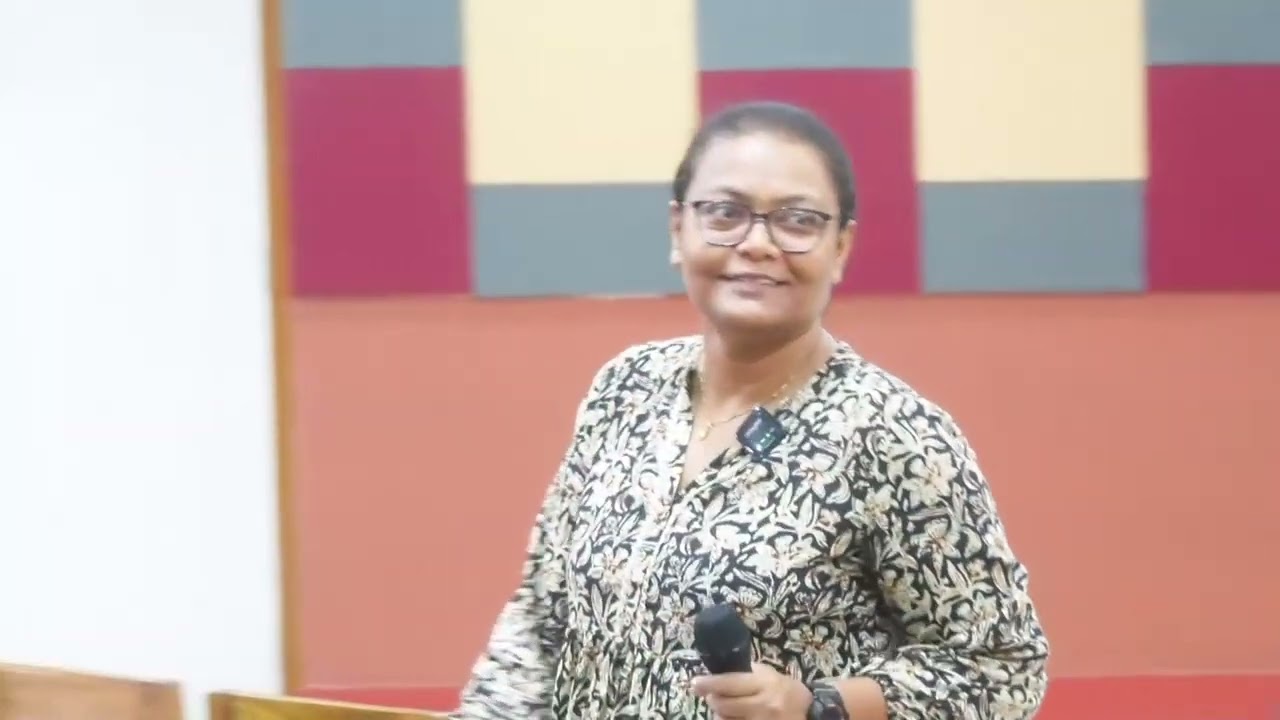

In acute gastroenteritis, clinicians must assess dehydration severity through history (thirst, urine output) and physical examination (dry tongue), classify it as mild, moderate, or severe, and manage accordingly with oral rehydration for mild cases and IV fluids for severe dehydration; viral etiology is most common and does not require antibiotics, while bacterial infections (indicated by blood in stools) need antibiotic coverage including gram-negative and anaerobic organisms, and loperamide should be avoided as it can worsen outcomes.
Acute Gastroenteritis Management: Case Discussion & Approach
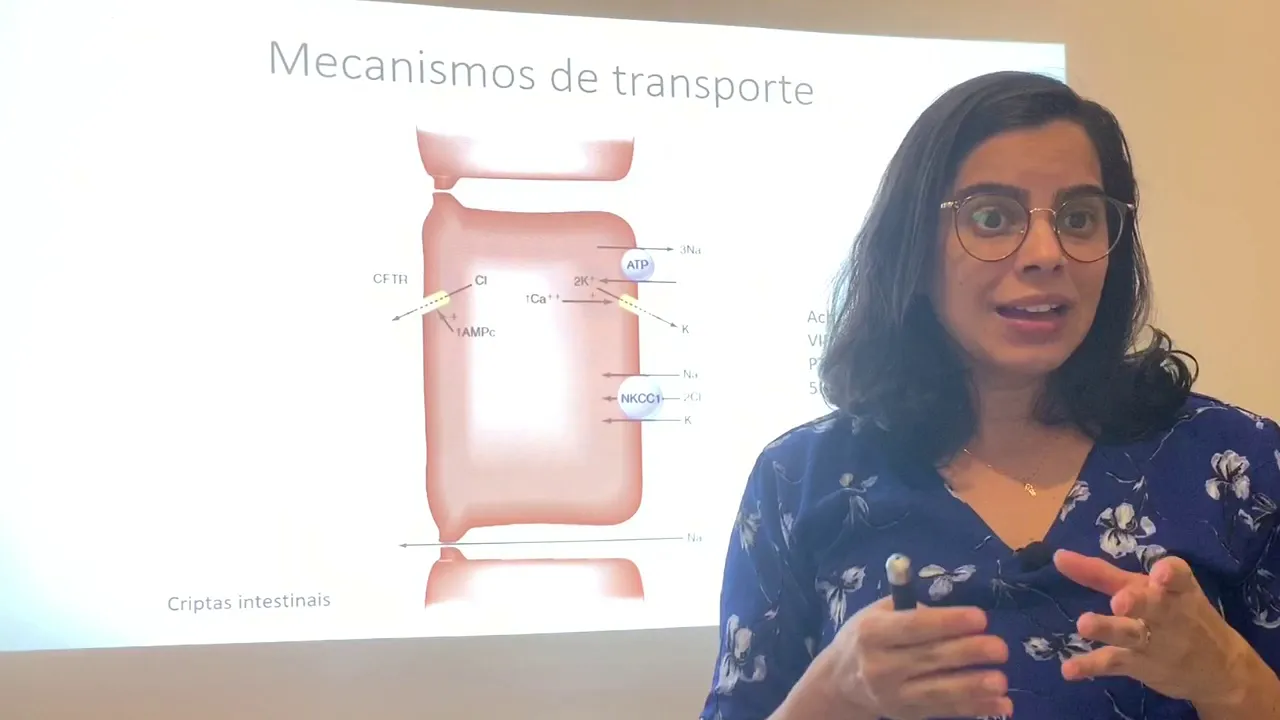
Added:Basic anatomy and physiology of the gastrointestinal tract, specifically mechanisms of water and electrolyte absorption.
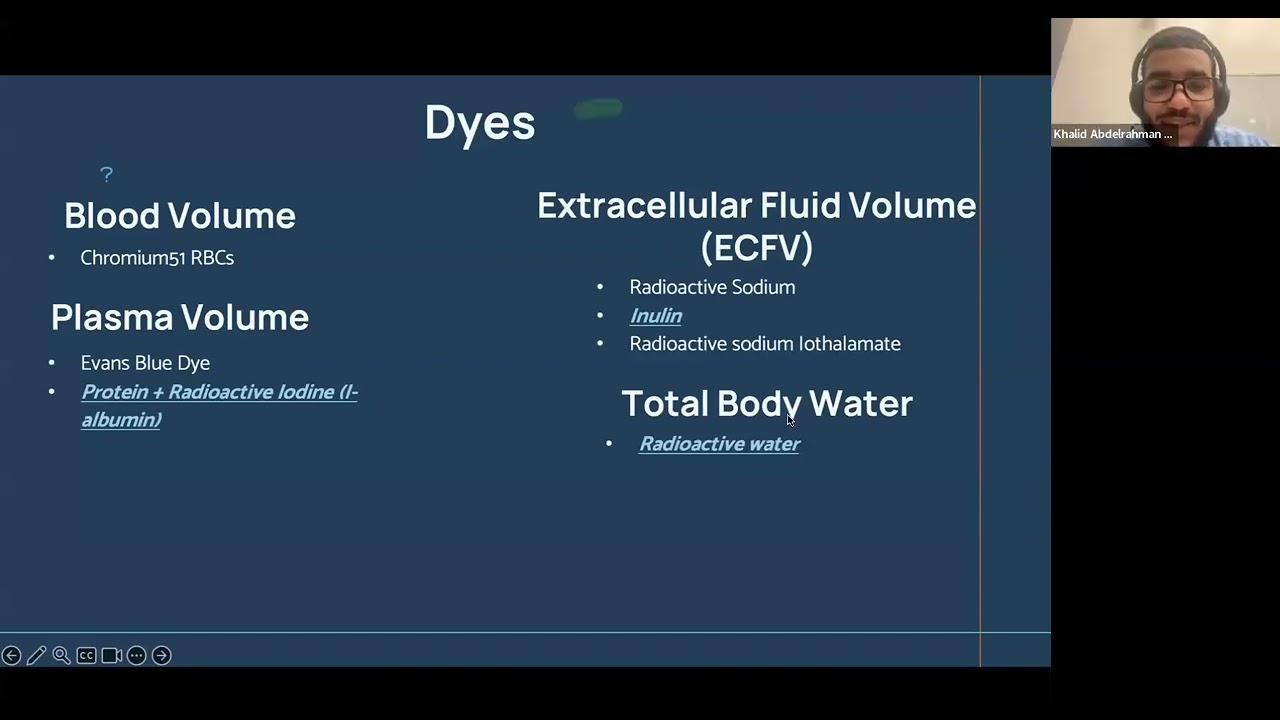
Fundamental concepts of fluid compartments in the human body (intracellular vs. extracellular fluid) and electrolyte balance.
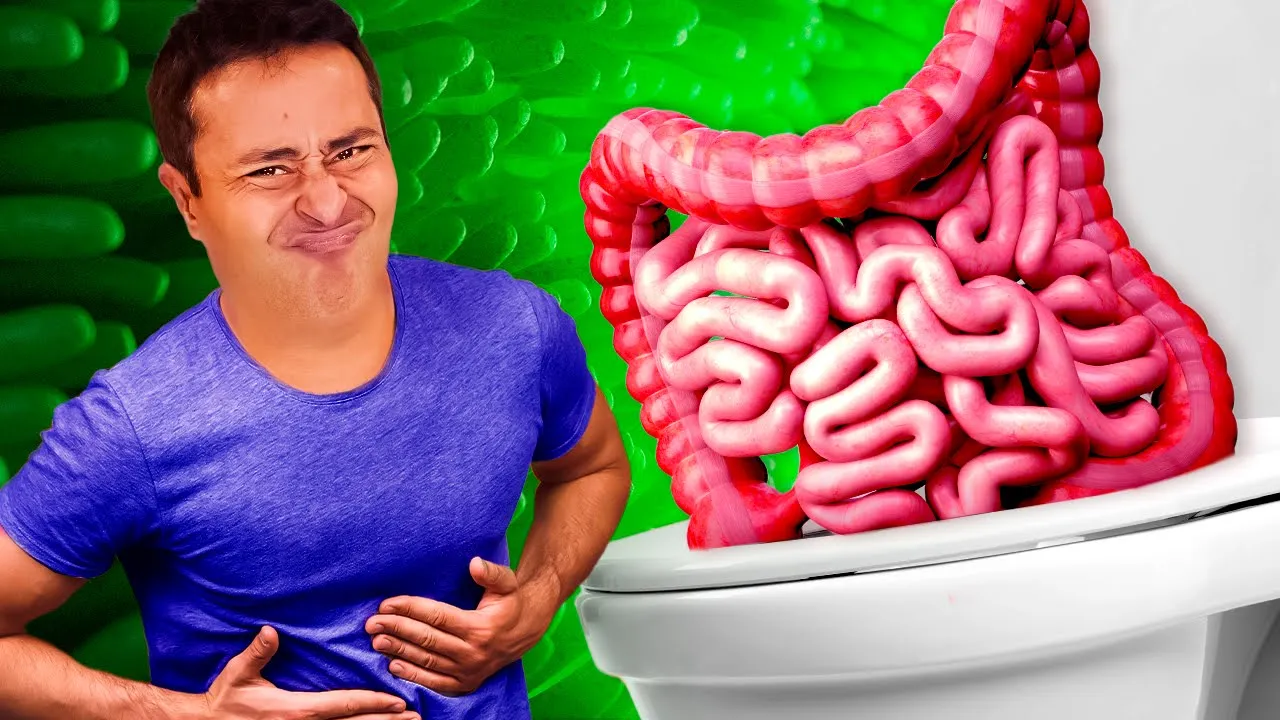
The pathophysiology of diarrhea and vomiting, including secretory, osmotic, and inflammatory mechanisms.
Basic clinical assessment skills, including how to measure and interpret vital signs (heart rate, blood pressure) and physical signs of hydration status.
Advanced management of severe electrolyte imbalances (such as hyponatremia or hypokalemia) secondary to volume depletion.
Pharmacotherapy in gastroenteritis, including the clinical indications and risks of antiemetics, antimotility agents, and empirical antibiotic therapy.
Emergency medicine protocols for identifying and resuscitating patients in severe hypovolemic shock.
Clinical nuances in managing acute gastroenteritis in special populations, specifically pediatric and geriatric patients.
Differential diagnosis and diagnostic workup for persistent or chronic diarrhea when symptoms fail to resolve.
141.4K views3.7Klikes14:11Original Release: 2023-08-23
foreign [Music] with complaints of multiple episode of pottery shoes since past three days associated with high grade intermittent fever with chills and dry cut since past three days she also complains of mild abdomen pain and one episode of vomiting no history of any race and travel okay no history of blood Bean stools the Surya and blood State vomiting General examination patient was conscious and oriented well built and well nourished no parallel retro sinuses clubbing lymphaden respiratory rate of 18 per minute and pulse rate 95 per minute and spoth's hundred percentage in room Air BP 100 110 by 70 millimeter mercury no signs of dehydration stronger nice okay then what are the signs of dehydration common signs of dehydration you should signal is that around late presentation so what is the most common one what you can simply do skin okay skin Target okay maybe in children we can use it very frequently but as the age increases until it is difficult then dryness of the tongue okay then you can ask for the history of how the urine output thirst thirst and urine output how is the urine output whether there is adequity or an output since last six hours or four hours so these are all indirect evidences that you are giving that this patient is having a decreased perfusion or decreased dehydration signs of dehydration and the most commonly you can actually classify dehydration into mild moderate and severe so mild water it mild will be although sometimes what do you have said and moderate it will go on to the sanganize and severe even the patient can be comatose if the patiently severely dehydrated so all those things you need to check in in an adult patient the simple things that what we can do in an OP or in a bedside area will be to look in for the uh ask for the history of thirst uh look for the history of urine output and dryness of the tongue that's the simple things what we can do and what category the rose you set my what was the amount of dehydration this patient had mind how did you say it is wildly hydration on what basis you are saying it is mildly hydration what does the positive finding for a mild dehydration in this patient what does the anything that whether there was any sanghana nice as you said whether there was dryness of the tongue or whether the what was the dryness of the dryness of the tongue was there so on that basis you said there is a mild or some dehydration in pediatric age group dehydration categorization is totally different I am not going into that details pediatric is totally a different management but here in an oral patient you felt that there is a mild dehydration and this patient had a fever episodes of fever and loose suits there is a history that you have got so fever lose tools one of the most common responding that you will get into the Ed or into the any of the OPD so how will you tackle a patient with the probable history of fever with uh diabetes with loose stools and we can we can call it as acute gastroenteritis or whether it is a really an acute gastroenteritis or it is something else I mean we can give IV fluids oh my question is how will you tackle such patients when you come to the your Ed or into your OPD see first of all you have to say that whether it is a real gas to understand infection the most common will be viral infections so depending upon the time of onset of the symptoms after whenever they have consumed some food materials from outside and they are coming to the Ed usually bacterial viral the other differential diagnosis that you keep the patient is coming immediately after consuming food with diarrhea and whatever diarrhea or loose tools it might not be a gastroenteritis as such it can be an anaphylaxis fever will not be there because vary within hours the patient is coming back to the air coming to the Ed after consumption of some food materials and they have got abdominal pain and diarrhea and there can be some amount of vomiting so that can be an anaphylaxis simple enough relaxes the next thing is that once they develop fever usually within 12 hours to 24 hours they will come to the Ed with the history the most common etiologists meanwhile viral theology is the most common one and you need to remember that while there are a lot of viruses norovirus all those virus there are a lot of vaccine preventable diarrhea Auto virus and all is presently vaccine is available for children definitely it is available for adults also who are at a high risk they can take this vaccine then it whether it is a bacterial diarrhea the most important history that we wanted to elicit here whether there is any blood in stools if there is associated blood in stools then we need to our treatment management plan our etiology will be different usual viral infections will not cause blooded stools whenever you are thinking in terms of a bacterial infection definitely you need to consider to give an antibiotic that will cover that also whenever you are seeing blood installed so simple thing patient coming to the ear a d or in OPD with acute features of acute gastroitus we have to say whether the patient is having whether it is a problem viral or bacterial most common is viral then the role of antibiotics come you said treating the aeration that will come to that but in an OPD basis if there is only very minimal dehydration where the patient is able to take orally there is no point of giving any IV medications so our concern is first one the patient has got diarrhea and there is lot of water loss and electrolyte loss is there and next concern is what next concern is what they need energy also they are not taking adequate amount of energy because because of vomiting of whatever be the reason so we need to replace that also and then the fourth only you have to prevent and treat the disease and it should be prevented from going to the other patients so these are our concerns whenever the patient is coming to you so what all things you will do you said IV fluid so you need IV fluids for all patients with dehydration no the patient is able to take orally that is enough oral rehydration solution is more than enough depending upon number of episodes you can ask them to take early but majority of the time they will not be satisfied so you might need to give IV so that is one of the reason why we are giving IV routinely our patient doesn't require IV medications foreign fluids that's what I am meaning to so if at all you wanted to give any fluid what is the fluid of choice if you don't have Wrangler normal saline is also good but the reactant will be an ideal fluid of choice wire inner lactate decided which is more physiological so that is why the recent on your lighter or plasplate whichever balanced crystallize that is available you can use that but you have to remember that that will not give any amount of energy to the patient so energy they need to either take orally or we need to supplement with an IV uh dextrose or whatever it is so that thing you need to keep in your mind the next most important challenge will be what next important challenge electrolytes electorate imbalance so electrode imbalance which are allocates are your concerned in this patient right now sodium sodium and potassium most importantly potassium there is a lot of potassium loss that is going to happen so potassium correction needed to be done depending upon if the patient is associated vomiting and diarrhea supporters still needed to be corrected so that is an excellent that you need to consider then what is the acid based disorder that you anticipate in such patients see more of vomiting you can think it will be alkylosis if it is more of diarrhea it will be acidosis so diarrhea will be more in favor of acidosis metabolic acidosis movementing it will be more in favor of metabolic calculus so that is a usual turn that you will see when the patient of multiple episode of movementing they will go into metabolic acrosis more of diarrhea they will go into metabolic acidosis so this is the acid-base disorder that you will see very commonly in this group of patient so our concern here it is whether the patient require any IV medication IV fluids depending upon the severity if the patient is in hypertension there is no point in telling all those things they definitely needed to be started on 20 ml per kg of fluid voluses and you need to treat hypotension separately and you need to treat the fluid loss also separately so that part is different I am telling here a stable patient who is able to take hourly you can try with oral dehydration solution and after that if the patient is not able to take orally then only the indication for IV medications will come in IV fluids will come in and after that the uh you wanted to treat this patient for the present illness so what will be the etiology Factor you have found out that it's a probably a viral etiology you want to give any antibiotics no routinely there is no need of any antibiotics in case of an acute gastroenteritis only thing what we need to remember is that you need to have high liquid hydration and maybe you can give some drugs like probiotic agents like we feel like that is more than enough and oxycard oral because we can which can decrease the amount of fluid loss in each episode of diarrhea so these two drugs will be more than enough and if at all if you want to give some antibiotic if you want to give like if you are pretty sure it isn't because there is a higher C and the patient and all if you want to give or it's a monocompromise patient you don't want to proven the secondary bacterial infection you can give a gut sterilizer drug like refraction 200 to 400 mgbd that is sufficient enough so once if the patient has got diarrhea and the patient has got significant amount of blood in stools then the treatment changes that patient might require definitely require an antibiotic so what is the spectrum of a disease that you need to cover here you need to cover a gram negative as well as an anaerobic so the drug of choice will be any of the cunnilones with metronidosol or Tinder salt water will be the agent available but you have to cover there you have to remember that you have to cover anaerobic bacterias also which is in the gut when whenever you're treating for anaerobic above the diaphragm it is colonization below the diaphragm is better than Salt is the agent of choice so gram negative organisms will cover or you can go ahead with any of your cephalosporins Ceftriaxone is equally good but you have to remember that whenever you have seen blood installs you have to definitely think in terms of an anaerobic average and you need to add metronidazole so that is the most important thing what you need to remember and always whenever we see blood in stool and fever for more than three days history take a blood culture you should not miss a typhoid so the early marker will be a typhoid you should not miss that at typhoid fever so these are all differential that you need to keep keep in mind whenever you are suspecting initially short term it will be a more of a viral but if it is persisting and the patient has got blood in stools always keep typhoid as one of your differential diagnosis and look for other parameters that is suggesting that this patient is having problem typhoid initial one week there is no point in time sending your IGM or viral test that should be only done after that but initial phase you can go for the blood culture so that is what you have to do for typhoid fever then then you have to admit the patient and do it accordingly so remember that these are the common antibiotics that is required and another thing antibiotic you won't discharge a patient the most common mistake what we did in our general practice is that if we discharge the patient with Pando Persona and lumpuridon the patient has come with acute gastroenteritis so the patient will have subsiding momenting will be over but he will come back again with episode of loose too because kinetic agent so you should not give for an acute gastroenteritis pantoprazole with the Imperial combination we should not give you give also and you give another antimatic that is generally acting antimatic like ordinancetron or something you can give to this patient so that is one thing what we commonly we think that we can give it as a combination so that it will be easy for the patient but when you give pan D or whatever be the combination that is available they will come back with gastroenteritis they will come back with loose tools always remember to supplement with reflect and one common question is whether we can use loperamide so low bromide is actually not recommended for any of this diarrhea so low bromide is not at all recommended whatever be the diarrhea so when when will you suggest allopramide for a patient so even if you want to give somebody who's very daring who want to travel somewhere and there is no other option maybe you can give one dose of loperamide not more than that that is actually there is not indicated but it is for the patient's comfort for the during the travel maybe you can give one tablet of low bromide that is only what is indicator but generally low pyramid is not at all indicator in the management of any of this acute area that will create more problems for the patient so that is why it is not implicated so a simple prescription that you can remember for any gastroenteritis BD or whatever be the probiotic agent and maybe a refraction 200 mgpd and an idiomatic like emisset if the patient has vomiting or the answer from that should be sufficient and adequate overall rehydration should be more than enough for these group of patients but if the patient is having hypotension or patient is requiring IV you need to admit the patient and start on IV fluids and depending upon blending stools you have to decide upon what antibiotic you need to give you need to cover gram negative and anaerobic coverage so what happened to this patient we give IV fluid and antibiotics what antibiotics Shear blood installs no no blood installs but why we agreement result may be initially when we assess and later on I think we have stopped metrogyl for this patient so only when we see this patient initially we think in terms of an bacterial infection and we are given metrozone we have stopped it late so these are the common thing very commonly seen conditions acute gastritis but we have to manage it appropriately okay thank you
Up Next

3:49
Managing Fever in Children at Home: A Pediatrician's Guide
@dr.preetisharma8120
160K views•2021-01-02

48:47
Graphic Medicine: Comics for Collaborative Healthcare Communication
@nationalpatientadvocate
189 views•2023-12-04
31:57
ARDS Case Discussion: Emergency Management & Ventilation Strategy
@AETCMEmergencyMedicine
12.3K views•2024-02-16
3:05
Stages of Labor and Vaginal Birth | Childbirth Animation
@nucleusmedicalmedia
52.1M views•2017-08-18
Related Study Plans & Knowledge Roadmaps
Structured learning paths in Medicine
medicine
Abnormal LFTs: Diagnostic Workup & Pathology
01Liver Anatomy and Basic Physiology
02Introduction to Liver Function Tests (LFTs)
03Hepatocellular vs. Cholestatic Patterns
+ 3 more learning modules
12h6 modules
Explore Roadmap
medicine
Analyzing Blood Smears: RBC, WBC & Platelets
01Introduction to Blood Components & Smear Preparation
02Normal Morphology of Blood Cells
03Erythrocyte Pathologies & Morphological Variants
+ 2 more learning modules
12h5 modules
Explore Roadmap
medicine
Mechanical Ventilation: Waveforms & Alarms
01Anatomy and Physiology of Breathing
02Introduction to Mechanical Ventilation & Core Modes
03Ventilator Settings and Waveform Interpretation
+ 2 more learning modules
12h5 modules
Explore Roadmap
medicine
Neuro Exam: Localization & Stroke Syndromes
01Foundations of Neuroanatomy and Vascular Supply
02The Neurological Examination: Step-by-Step
03Principles of Neurological Localization
+ 3 more learning modules
18h6 modules
Explore Roadmap