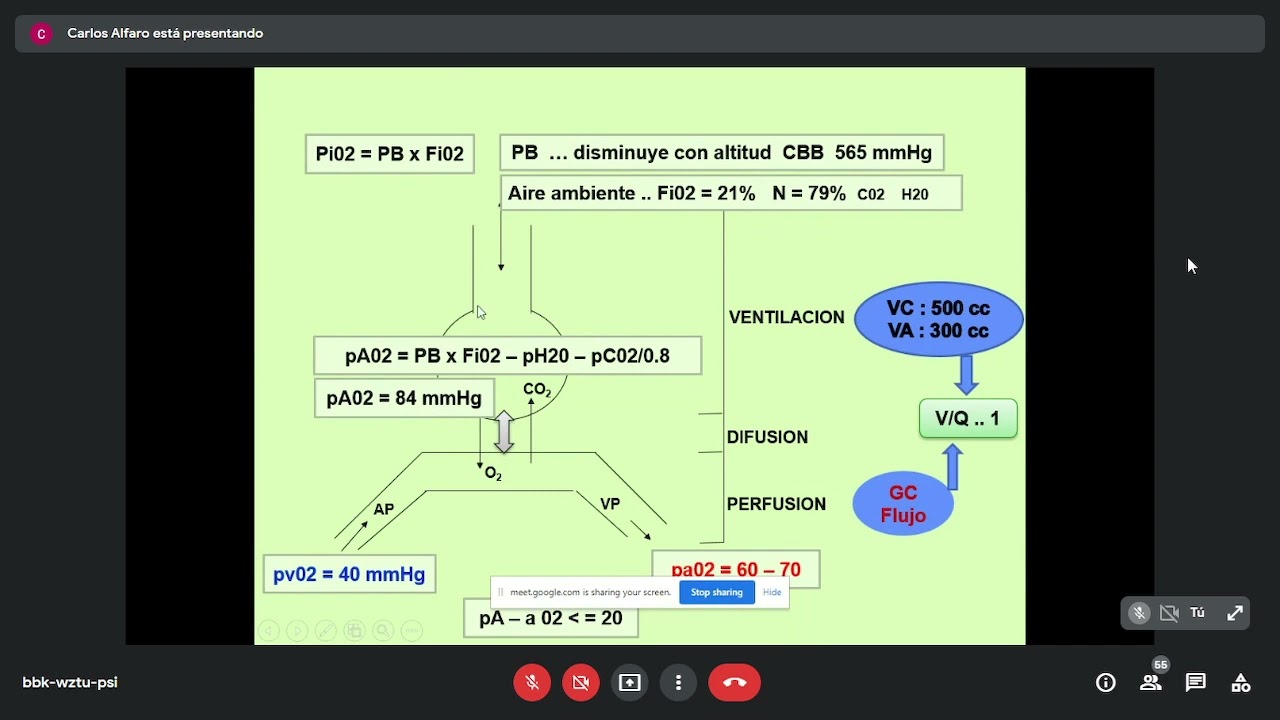


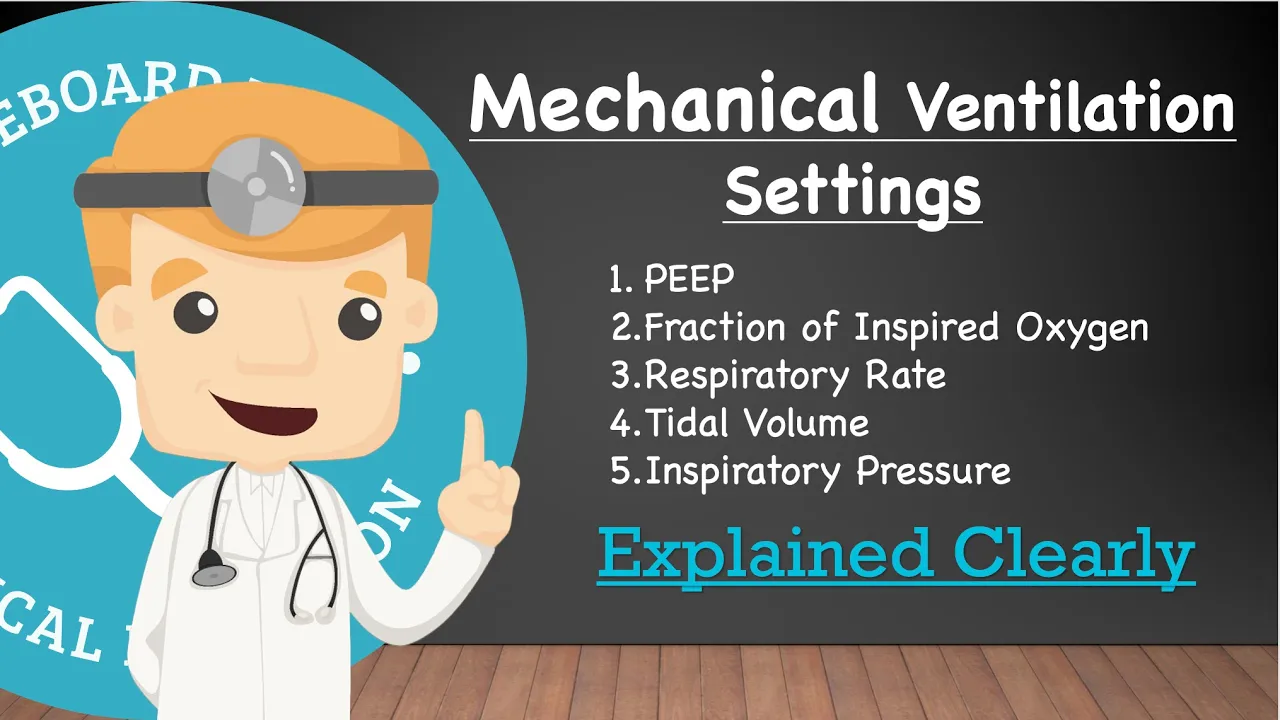






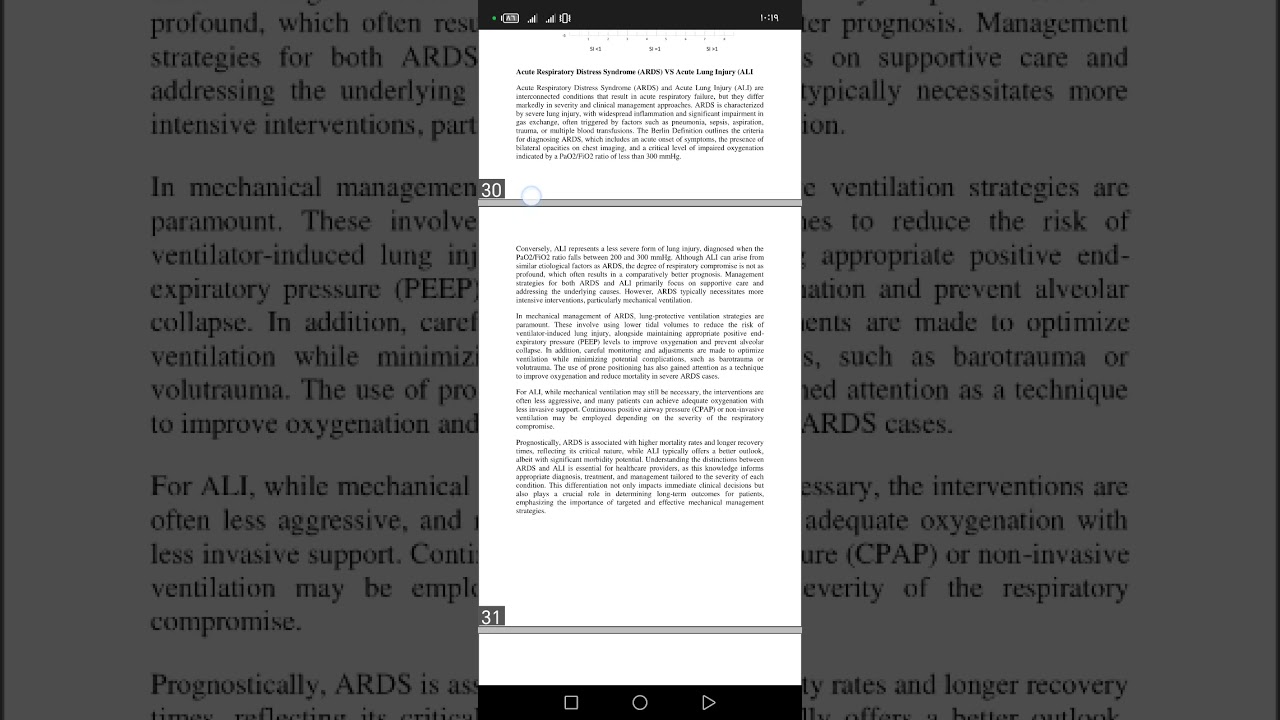
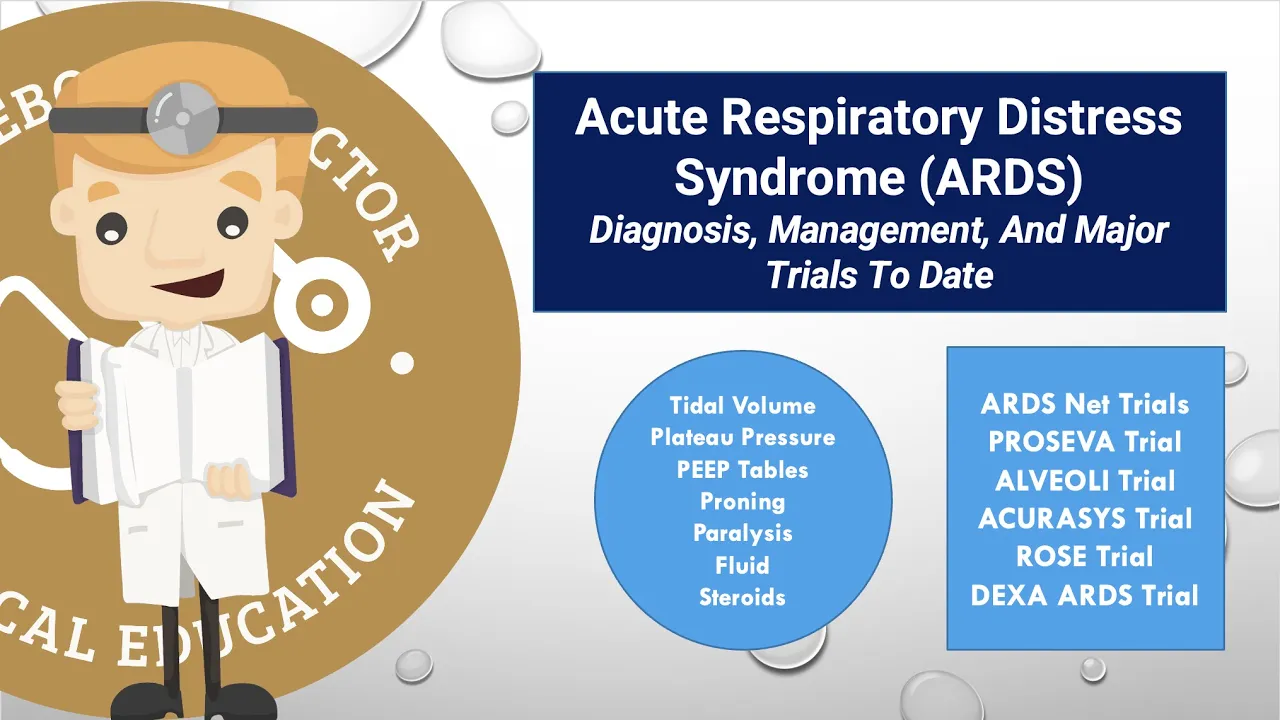








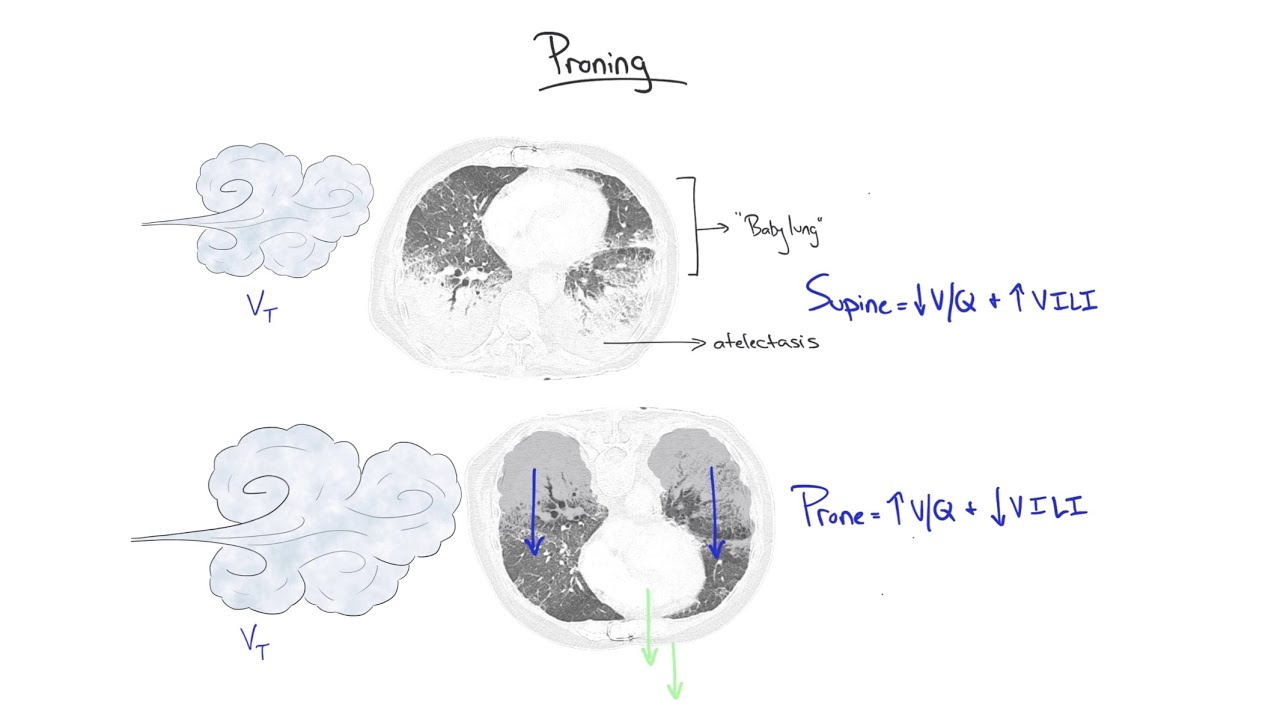


ARDS (Acute Respiratory Distress Syndrome) is diagnosed using Berlin criteria: acute onset of respiratory symptoms within one week, bilateral radiological involvement with ground glass opacities, and respiratory failure not explained by cardiogenic pulmonary edema. The P/F ratio (PaO2/FiO2) at PEEP 5 cm H2O determines severity: mild (200-300), moderate (100-200), and severe (<100). Management follows the ARDSNet protocol with low tidal volume ventilation (6 ml/kg predicted body weight), pressure control mode, peak plateau pressure <30 cm H2O, and driving pressure <15 cm H2O. Advanced strategies include prone positioning (16-18 hours/day) and recruitment maneuvers when P/F ratio <150. Weaning requires FiO2 <40%, PEEP <8 cm H2O, and successful spontaneous breathing trials.
ARDS Case Discussion: Emergency Management & Ventilation Strategy
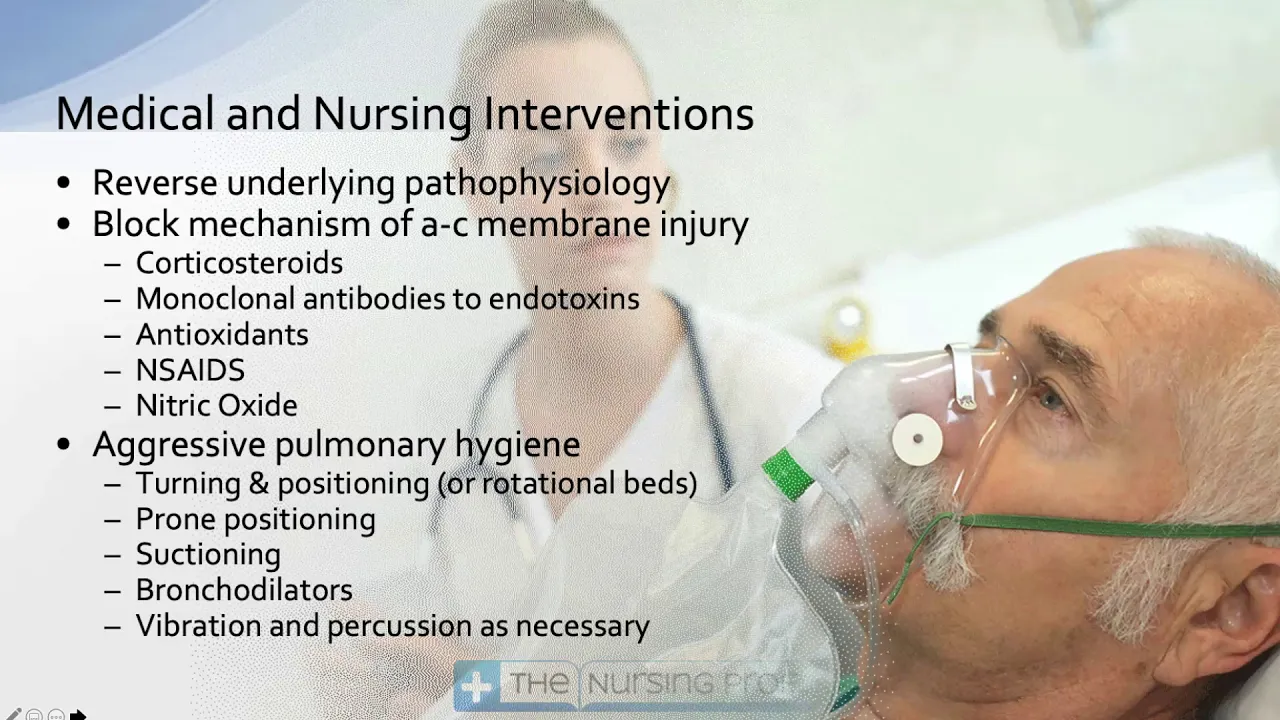
Added:[Music] welcome to ahcm the emergency medicine Channel today we are going to talk about a 44 year-old female who came to emergency with complaints of breathlessness shall we start uh patient a 44 yearold female presented to year with complaints of breathlessness starting with the primary survey Airway appears to be pent there are no secretions and no any added Strider or anything absent Airway was patent coming to breathing respiratory rate was 36 breaths per minute and saturation was 75% on 10 L oxygen and uh the air entry was bilaterally equal with cpts on the right lower Zone and the left lower zone so we as it's already in 10 lit oxygen saturation was only 75% we changed it to nrb mask with 15 L oxygen was started okay next coming to the circulation uh BP was 110 by 80 and pulse rate was 110 per minute at this point two large i b can were placed and blood samples was taken and ABG was taken next uh disability GCS was E4 V5 m6 and peoples were 2 mm and bilaterally reacting and exposure temperature was fibr 101° fit was there so at this point of Time 1 G PCM IV was given uh reassessing the vitals now the saturation was 86% on 15 L oxygen as the patient wasn't achieving her saturation patient was started with an Navy positive pressure ventilation of 12 to 6 was she still still tnic yeah she was still tnic of 30 beats per minute and she was started on NIV and uh 12 is6 was started and F2 was increased to 100% at this point of time and uh the ABG which was taken was showing pH of 7.3 and pco2 of 15 M and P2 of 65 there was uh no acid based disorder but patient was having type 1 respiratory failure what was the P2 F2 ratio P2 F2 ratio is 68 68 P2 is 68 and F2 is 100% we put on 100% on ni okay okay uh uh next uh coming to the other uent of the Adent of the primary survey we have taken an ECG which was showing sinus techic cardia and uh after giving the PCM her temperature had become normalized and the pul rate fell to 88 per minute ma' so what are the DDS at this point of time at this point of time uh patient presented with breathlessness and there were cpts present on osculation so at this point of time we can expect to be an LRTA initially l or we can expect any to be pulmonary edema cardiogenic or NE neic any cause of pulmonary EMA but in the ABG taken creat was in the normal range so we had ruled out neogenic it can be cogenic Pula or it can be pulmer embolism L Bilal CS was there so it can be l a typical pneumonia or something okay uh next uh we did a point of care ultrasound ma'am and ultrasound there were no any specific B lines any no B lines or a lines uh like be lines form and the lung sliding was present throughout the so if ultrasound chest is normal then what can it be it can still be Palm palmary embolism if there is no beine scene we need to highly suspect palmary embolism okay and uh now coming to the secondary surve this 44 year old female known case of allergic rtis and uh with complaints of fever and ritis since 5 days 4 days since 4 days patient was first initially evaluated outside hospital and was given injection PCM and then she had a next day she had a fallen BP and was given 1 Point DNS ballis M okay after that since how long this started uh 4 days history of fever and rintis m' okay and initial day there was fever so when she visited local hospital they just given a PCM next day again she had complaints of fever again when she visited the hospital then they noticed there was a bp4 and they had given one point DNS ballus and she responded to fluid therapy but uh fourth day when she had gone today morning she had gone to the local hospital there were even bilateral vs and crypts so she was nebulized with aalin and started on injection docy as the antibiotic and later she had a saturation fall to 85% for which she had been referred to our hospital for further management so right now uh outside hospital had even taken a CT done and in the CT there were multiple large wedge shaped consolidations and uh ground glass opacities in bilateral posterior and lower Zone there are ground cities with mild plural effusion that was the CT report and they categorized it as corat 3 okay so and from head to toe examination patient has no any lymphadenopathy pedal edema and uh on oscal on chest respiratory system examination the patient is having air entry bilateral liver present and right middle and lower Zone crepitations was present along with left lower Zone crepitations were present and uh there is no any raised jvp and there is no any added heart sounds and no bilateral no edima also these were the examination findings so at this point of time we even repeated an x-ray from our hospital and it was showing haziness ground glass heiness bilateral lower zones okay and depending upon on the uh ABG we can say there is a type 1 respiratory failure and calculating the PF ratio that is P2 by F2 it was less than 100 it is around 68 on initial presentation so if you are to follow the Berlin's criteria for ards uh first thing you need to have is within a one week development of the respiratory symptoms which progressed within last one week in this case only 4 days was the duration and second thing is so this patient okay continue second point in Balance criteria is there should be an radiological uh confirmation on xray or CT about bilateral involvement of the ground glass opacities which cannot be explained by like consolidation or effusion or collapse alone collapse and third would be ruling out the heart failure condition cardiogenic pulmonary edema in this case respiratory failure uh which is not explained by a fluid overload condition like a cardiac failure okay and patient shouldn't have any Associated features of a cardiac failure like est3 Gallop such sound shouldn't be there on clinical examination there are no any features of can you repeat the berlins criteria one more time first would be the features of respiratory uh onute onset respiratory symptoms within lasting within one week second will be radiological confirmation of bilateral involvement of any features which cannot be explained by any which is not an infusion or a collapse or a consolidation and third would be respiratory failure not explainable by the cardiogenic pulmonary edema causes which can be proved or any fluid overload conditions which can be explained by the clinical examination or even sending laboratory investigation like anti probnp in this case anti Pro BNP was 450 so here it was ruled and the fourth important parameter would be the P2 by P F2 ratio at peep of 5 mm HG this is the new add added definition if the ratios less than 300 then it will be involved as the RDS and depending upon the ratio we categorize into mild moderate and severe mild would be 200 greater than 200 and less than 300 moderate would be 100 to 200 and severe will be less than 100 okay so this patient can you tell this patient P2 by F2 was only 68 can you tell it as sever ards we can't tell because initially ABG was taken without a peep of 5 cm we put NIV and then 6 mm G there so you can wait for one more hour and then take so initial ABG wise this looking like SAS but with the speep of 5 cm of water only we should tell it is Seas okay so uh what is a mechanism of action on ARS or pathophysiology pathophysiology is like initially there would be the edimus F first 0 to 7 days there would be collection of the fluids exudative material into the Alvi then there will be highin membrane formation which is being produced with the type two surfect tenses that would be 7 to 14 days next would be the inflammatory phase where there would be uh the fibrotic changes happening finally in the third first 14 to 21 days so what all are the what all will cause a what are theologies in theologies we can discuss like uh most commonly it will be in the settings of I it will be sepsis causing any point of the body sepsis or even the lung sepsis like pneumonias can also involve in this and apart from that other clinical conditions like pancreatitis will be causing and Burns Burns leptospirosis any viral traumatic causes or transfusion related uh ARS can also happen so what is happening is there will be a inflammatory Cascade which is happening uh and there will be ex release of tumor necrosing Factor interlines these things and all and there will be uh and it will be produced and it will be more production will be more in the alv region and rest of the region and there will be baso diation of the blood vessels around that alv so there will be more of indal fluid collected and that will lead to ARS okay next like the main strategy would be the ventilation protocol which we Ed so what what was did for this patient initially for this patient uh NIV was started we started with the NIV and I mean initially for the stabilization as soon as the year primary survey na was put on but once the diagnosis of ards is made we converted it to hfnc in the initial to increase the amount of oxygen delivery so did the p ratio improve uh for the first 3 days we targeted ventilator strategies like intermittent proning and hfnc with high flow 50 L per minute with 100% F2 but there was no like clinically she was getting better with the Iration but uh x-ray wise and the PO fation never improved so then we proceeded to NIV for next 4 days at during that time the X-ray improved and the P2 F2 ratio is improved okay so when will you consider incubation in a case of ards in moderate and severe ards the uh we had the ventilation strategies advising us to mechanically ventilate the patient so that we can take over her lung Iration okay okay so how how will you plan on ventilation uh we have a protocol ards net protocol to be followed first thing we have to do is we have to calculate predicted body weight predicted body weight in males would be 50 plus 2 uh 50 plus uh 2.3 2 uh that in 50 plus 0.91 into height in cmus 152.4 this would give us the predicted body body weight first after that we need to our Target will be 6 ml per kg tidal volume of that 6 ml per kg of the predicted so either you can use it based on centimeter or Ines it will be 50 + 2.3 into height minus 60 height in inch minus 60 yes that is in males and in females 45 45.5 plus uh 2.3 into height 60 so 6 ml per kg of predicted body weight is a uh tidal volume which should need to be targeted what is the name of that tidal volume low tidal volume ventilation so that is the planed tidal volume that is to be kept in this patient then here in this patient the predicted body weight was 52.4 kg and tidal volume is 314 ml per so that should be the targeted tidal volume okay once the tidal volume is set and what what are the other settings we'll keep what mode of ventilation will you select we can select any ventilator like pressure support or the volume support but there are certain criteria which we should be meeting one we should Target tidal volume of 6 ml per kg and Peak plate of 30 is to be Target so what is uh what is a different in ARS ventilation it is always preferred to keep a pressure control ventilation what is the problem in keeping volume control ventilation if you keep volume control ventilation to deliver the specific volume the machine can exceed the peak Platos and it can cause bar will not have the complete control over the okay so that means in volume control we are keeping a volume so ventilator will try to give that volume to the patient and the ventilator won't be checking what pressure to be given so it can give excess pressure what will happen if you're giving excess pressure in a ards patient because there is already proteinous material in the alv there will be ex the excess pressure will be delivered causing the AL to rupture or there can be chance of ala rupture usually happens with normal alv uh some the areas which is not ventilated or already collapsed with the renous material will not get ventilated whereas a normal area will get over distended and it might rupture and cause AUM numus so uh we will have to keep a low tidal volume ventilation is targeted here for keeping a low tidal volume we need to set a certain pressure so in pressure control ventilation we can keep the pressure we can set the maximum pressure Peep and all we can set but volume control we won't be able to set ventilator will try to deliver that volume with whatever pressure it wants okay here uh so we'll keep a pressure control ventilation then low tidal volume then and then we'll Target respirat less than 35 will not exceed that okay and then we will see that the pH we have to Target 7.35 no no no rest of the ventilator settings so we have told about the pressure then respiratory rate saturation 88 to 95% P2 will be or P2 of 55 to 80 mm HG other parameters in Ventilator uh first uh depending on this we will decide whether Peep and F2 will be set to get this parameters that will follow the sliding scale of Low PEEP High F2 or high low F2 High peep any sliding scale we can use and Target that and uh Peak plat of less than 30 cm H2 will be targeting so what is PE PL to it's the peak pressure of system Peak pressure of the whole yeah how will you get PE PL during the inspiratory F the pause the system inspiratory hold you have to give so in a patient who is getting ventilated we will be giving an inspiratory pressure and it uh during expiration there will be peep but there will be a plateau pressure which is maintained in the lungs that is p Plateau that that can be checked only by giving keeping an inspiratory hold we'll have to press on inspiratory hold the ventilator itself will tell what is the P plateau of the uh of the dong okay so that we need to keep uh doing the ventilator by keeping a inspiratory hold okay so uh so there is inspiratory pressure expiratory pressure there will be a plate pressure so that is a pressure which is during the inspiration maximum pressure during inspiration is called pmax pmax this is the stable pressure that is a static pressure in the uh lung is called as a uh P Plateau that P Plateau should be less than 30 if uh it is exceeding 30 then we can decrease the tidal volume from six gradually to to 4 ml per kg what will happen if it is worsening more than 30 P Plateau that means pressure is more so there is higher chance of Baroda okay so at that point we can reduce the ti volume or increase the respiratory rate but we should see that it will not versen the respiratory rate more than 35 even okay and if t p platio is less than like 25 at that point then we can increase the tidal volume requirement from 6 to little bit till 8 ml per kg also okay what is driving pressure driving pressure is the difference between the P plate and the Peep Peep Peep PL and peep that driving pressure can be used as a prog tic tool whether the patient is getting better or wors during the course of this and driving pressure also if it is less than 15 it is better okay so uh how so we have told about the tidal volume what respiratory rate to be kept now what will be the peep which you will keep to Target the spo2 we increase the peep or with low F2 as per the sliding skill we follow okay so suppose you're planning to keep a low for 10 high peep so how will you tiate what peep you will keep we start with higher peeps of 10 H so there is an Optimum peep for every patient so uh we need why we are what is the idea of keeping a peep so that Al get distended Al distension and we want we don't want the Alvi to collapse so uh usually the physiological peep is five so in an ards patient what has happened the complaints of the lung is reduced because uh because of the fluid or secretion whatever it may be so we need to find the optimum peep of the patient so gradually if you are keeping as five you can slowly increase 1 cm like six 7 like that you can slowly increase uh so you can keep in six and see what is the change in ventilation or tidal volume that is happening and after that you can increase to seven it might improve a little bit more even oxygenation might improve So based on that we will find in the optimum peep you can increase to maximum so suppose at 10 you are getting a maximum tidal volume and oxidation is happening and after that you can if you are increasing it to 11 that sometimes that much tidal volume won't be reached so 10 was the optimum peep for that patient so we need to find out the optimum peep for that individual and we'll have to set okay and I is to e ratio here as this a case of hypoxemia we prefer increased interval of in Iration as compared to expiration uh mostly we keep an i is to e Rao how 1 1 is two we give more time for expiration in certain scenarios if oxygenation is affected we will have to plan on reverse uh reverse venation that means we'll keep a e to e ratio less than one like we'll keep more inspiratory time but only if there is dis Ox oxidation is affected okay and our pH goal should be 7.3 to 7.45 okay if the pH is reducing then we need to if pH is increasing then we have to reduce the respiratory rate and if pH is decreasing if there then we can think of increasing the tidal volume and still if the pH is not less than 7.1 we can think of giving even soda by curb as additional joint okay next comes the criteria for weaning once the P2 F2 ratios are getting better okay so supp that is only if the patient improves what if the patient is not improving we have kept ads ventilation low tidal volume we have kept the respiratory rate P Plateau we have kept less than 30 we have kept um F2 peep I us to ratio everything what is the patient is not improving then we have to think about additional ventilator strategies like proning the patient and the other thing would be even uh uh increasing the peep for a short duration to recruit extra uh alv that is Alva recruitment Alva recruitment can be tried and respirator physiotherapy should be tried vibr so a recruitment and proning we will be planning only if the P2 F2 ratio is less than 150 150 so what is recruitment basically the in the amount of the total amount of the Alva which is working in the ventilation in ards it will be the amount of the lung will be affected so the total lung is not involved in the ventilation so we want to recruit those parts of which are not being used as a patient so the nonventilated alol is recruited recruited for oxygen exchange okay so patient lying in the supine the posterior segments are affected because there does not allow for expansion of the posterior segments so once we allow the patient to do proning no recruitment in the recruitment like the strategies to involve so how will you recruit by giving intermittent High positive so you are seeing that patient is on ventilator you have kept a tidal volume uh uh you have planned a tidal volume you have kept a higher peep you are not getting that much uh tidal volume we you know that the tidal volume is not reached because the all the ales are not recruited so for recruiting you can plan on recruitment that also is having some uh contraindications if the patient is having a tendency for neumotorax these situations we are not we won't do and if the patient is on multiple supports we won't be recruiting but if the patient is otherwise okay we can plan recruiting that means peep this patient we have told peep we are kept as 10 you can increase the peep to 40 and you but you shouldn't go away from the patient you should be with the ventilator see what is happening and you can so for uh 35 to 40 seconds you will keep a higher peep very high peep so that that because of that much positive pressure some aluli will get get recruited that is recruitment so that will happen only for some seconds so you have to be with the patient in the ventilator for that second for that much period of time less than 1 minute time so 40 seconds we will keep a higher peep between 26 to 40 that much High P we will be getting so that the because of the positive and expiratory pressure some alol which have collapsed will get opened that is Recruitment and if you then we have to change the peep settings to the primary setting and we can see the impr advantage improvment okay then uh then proning what is proning proning is changing the position of the from Su to prone position the posterior segments can aate Will okay and next is respiratory so uh what are the contraindications for proning patient if patient is on multiple supports and if patient is like having any facial Burns chest burns or any recent abdominal surgery any spine surgery pregnant female Rel Rel cont indications of patient not able to prone if there is any like if the patient is having any AD space okay so patient this patient was conscious so we can give a intermittent conscious proning in a ventilated patient how much time will you prone 16 to 18 hours we prone and then get back 15 to 20 hours you can prone the patient and uh what is the advantage of proning for the posterior segments maximum area of the lung is posterior aspect so for recruiting that much of the alveol and oxygenating we can prone the patient okay so this proning Recruitment and rest of the ventilator strategies will be done only if the patient symptom is less than 7 days after that that area might have Consolidated and might have damaged So within 7 days only you will have to do all these things okay uh what if all this fails this you can plan on EO and management ad joints we can plan okay we can start with gluc what are the other complications which can happen in ads ventilation complications baruma baruma neumo and another thing is ventilated Associated pneumonia pneumonia and most often there will be delirium that ICU psychosis kind of okay what is that in incubated patient it is unlikely to have ICU psychosis what is auto peep Auto peep is we in this patient we are get keeping an higher peep so what will happen the intrathoracic pressure will increase and that will cause the cardiac output that will reduce the cardiac output and patient will go into hypotension that is autop okay so that is also one complication which it can happen in all kinds of ventilation this autop peeping can happen so in a normal patient in some other patient uh if the patient is going to hypertension we have incubated the patient after some time we saw the patient's BP has dropped what will you do to remove the auto peip from the system remove the tube you can disconnect the ET tube and the ventilator for some time so that that pressure effect will go and you can reconnect in a we won't do that because we want a peep inside the body to open the AL okay next then how will you plan on meaning plan on the weaning first we need to check F2 if it is less than 40% F2 like criteria to start wiing is F2 less than 40 pep less than 8 mm HG and there are systolic blood pressure more than 80 MMG with no supports and patient has conscious spontaneous breathing efforts once these are achieved then we can plan on weing in after there we should give a spontaneous breathing breathing tral so TPS connector the ET tube or anything is connected and only oxygen is given we aim for 120 minutes and then if there is no failure then we can plan on weaning the failure signs would be heart rate great than 120 or accessory use of muscles sweating and marked distress or disne these are there then we can call it as failure and we should continue treat okay uh uh when will you tell that it is successful spontaneous think trial then more than 30 minutes patient is able to continue like without any signs of okay so for 120 Minutes we will be giving a spontaneous breathing trial and if the patient is able to tolerate more than 30 minutes that means a good sign and if you're taking a ABG after a spontaneous breathing trial pH should be more than 7.3 7.3 and while giving that spontaneous breathing trial if the patient itself is able to breathe and keep a tidal volume more than 4 ml per kg that is also a good sign and that repeat ABG which we are taking should have a poo of at least more than 60 mm of um 60 and saturation also should be maintained more than 90 okay next in this case we right now use uh infusion of oxy tadil it is a human Vasa active peptide this helps to reduce the inflammatory activity in the body and reduces the progression of the ards in this case also we had used this infusion it's actually started day one we give depending on the body weights the dosage is calculated on day one One V will be given day two two vs and day three three vs will be given duration of each infusion is 14 hours and uh day two and day three when we start the infusions it should be started preferably at the same time the day once infusion has started okay anything else in this itics antibiotics initially empirically we started with cover covering broad spectrum by using carum and ayin and even antiviral by using flu as the choice uh later only merum was used for continued and the blood count showed a negative proel procel was only point so it was a viral viral kind of a picture okay okay what are the other things steroids was it given yes ma'am like initially we started giving X methon as it's a highly anti-inflammatory 8 mg per day was given first two days then we can give up to 20 mg okay then we continue daily IV steroid using solol okay so me PR Salon is theol Ison so meon is the drug of choice you have to give 1 mg per kg per day okay uh that is a steroid and how will you manage the input output of this patient ideally these patients we prefer to keep a negative balance so that the cardiogenic will not fluid overlo because the lungs is getting improved only so we don't want unnecessary overload for the patient so we'll have to keep a negative balance negative balance okay so by giving diuretics and reducing the input between 500 to 1 L we'll have to keep a N Balance okay then then other things would be the ICU call like DVT profy axis as a patient is nonmobile and the other thing would be to stress Sor profy AIS by giving sucral fit or pan V okay another another thing is that if if at all you incubating and ventilating the patient uh do not we want the patient to be completely sedated and paralyzed because we are taking over the patients ventilation so that the lungs can improve but suppose if the patient is triggering uh we can give sedate intermittent sedation and intermittent neuromuscular blocking agents don't put it as a continuous neuromuscular blocking agent because it can cause critical illness neuropath okay then anything else in this case the patient after first was put on hfnc and after that we increase it to NIV sa mode once the 3 days of NIV was done and with proning her also her recruitment like her P to ratio improved to 170 180 and then she was again tight rated back to hfnc and Nal prongs and during the discharge time we had to discharge her with 1 lit oxygen and she was able to do her regular activities mobile and everything okay and xray also improved x-ray was also improved okay okay anything else okay thank [Music] you
Up Next

Respiratory Therapy: Spontaneous Breathing Trials & Weaning Parameters
@RespiratoryCoach
46.1K views•2019-12-02

Graphic Medicine: Comics for Collaborative Healthcare Communication
@nationalpatientadvocate
189 views•2023-12-04
Acute Gastroenteritis Management: Case Discussion & Approach
@AETCMEmergencyMedicine
141.4K views•2023-08-23
Stages of Labor and Vaginal Birth | Childbirth Animation
@nucleusmedicalmedia
52.1M views•2017-08-18
Related Study Plans & Knowledge Roadmaps
Structured learning paths in Medicine