








![[ Nhi khoa ] Xử trí lồng ghép chăm sóc trẻ bệnh ( IMCI ) - P1](https://i.ytimg.com/vi/yGGs-3TPDJ0/hqdefault.jpg)



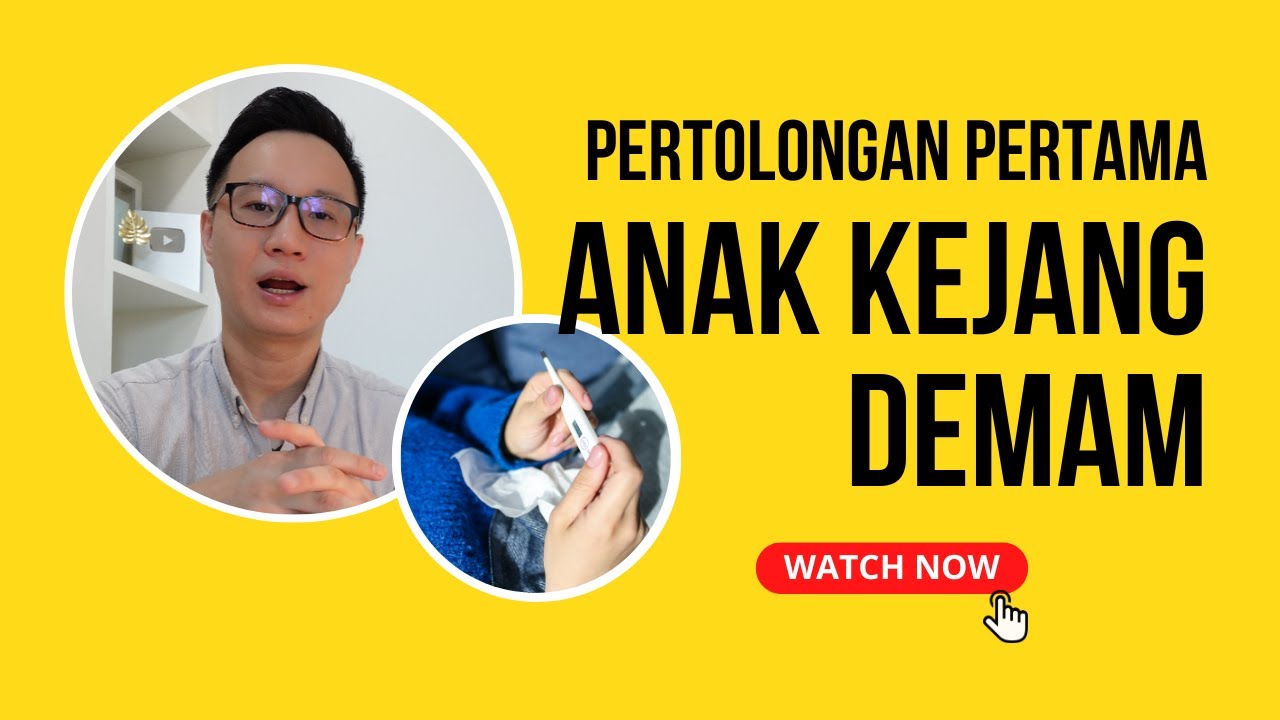






Fever in children should be managed at home using paracetamol as the first-line medication, dosed according to the child's weight and given every 6 hours (or every 4 hours for very high fevers), while avoiding higher fever medicines like ibuprofen or mefenamic acid without pediatrician prescription; complementary sponging with room temperature water on the forehead, underarms, and groin areas for at least 20 minutes can help reduce temperature, and maintaining hydration with fluids like lemonade, coconut water, buttermilk, and soups is essential; parents should seek emergency care if fever persists despite these measures.
Managing Fever in Children at Home: A Pediatrician's Guide
Added:Basic human physiology regarding body temperature regulation and the physiological definition of a fever in pediatric patients.
Understanding fever as a symptom of an underlying immune response rather than a primary disease state.
How to accurately measure pediatric body temperature using various types of thermometers (rectal, temporal, tympanic, and oral).
Fundamental awareness of pediatric medication safety, specifically the critical importance of weight-based dosing over age-based dosing.
Recognizing pediatric clinical 'red flags' and danger signs that necessitate immediate emergency medical intervention rather than home care.
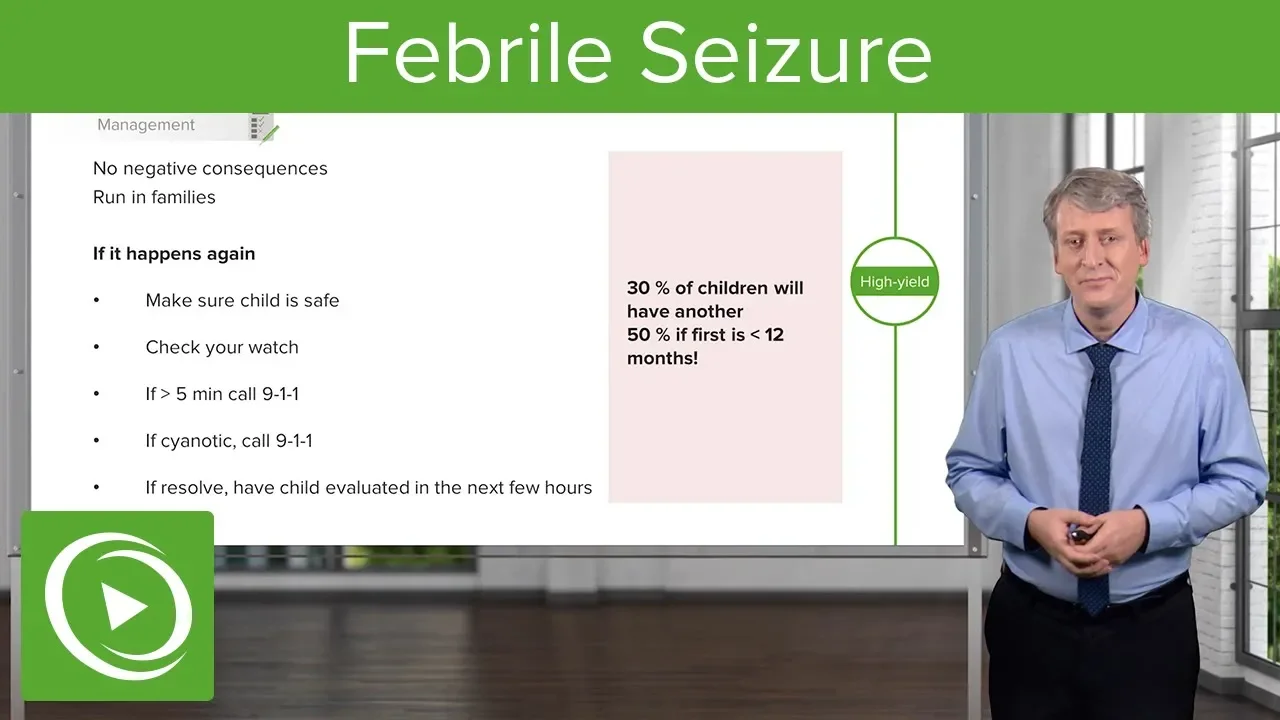
The pathology, identification, and home management protocols for febrile seizures in infants and young children.
Advanced pediatric pharmacology, including the mechanisms of action, safe alternation, and contraindications of different antipyretics (e.g., paracetamol vs. ibuprofen).
Nutritional and hydration management strategies for pediatric patients experiencing acute febrile illnesses to prevent dehydration.
160K views1.6Klikes3:49Original Release: 2021-01-02
hello everyone i am dr priti sharma pediatrician today i will be talking about how to control and manage fever at home for children fever is like one of the most common problem all of us encounter but it's more common in small children and particularly babies after vaccinations any weather change any mild viral or it could be a cause of something more severe like dengue malaria flu but the management of fever remains the same irrespective of the cause of fever the most basic medicine for fever which most parents have is paracetamol please remember it is the first medicine and the only medicine which should be used at home can be used without consulting a pediatrician also the dose of paracetamol changes as per the weight of the baby so i would recommend whenever you go to a pediatrician visit ask the doctor to write the current dose of paracetamol as per your baby's weight another thing to keep in mind is paracetamol comes in different forms it comes in the form of drops syrups double strength syrups so please check what preparation your pediatrician has written for that particular dose paracetamol can be safely given every six hours in case of fever in case of very high fevers if they are coming back frequently rarely we advise that it can be given four hourly also some parents i find are directly using higher fever medicines like methanolic acid and ibuprofen that is not recommended they have their own side effects like gastritis and mephanic acid is even known to affect the platelet count so please don't use them directly in rare cases where your fever is just not going down with paracetamol you have given paracetamol it's one hour fever is still high then you can use ibuprofen or methanoic acid as prescribed by your pediatrician please don't use these on your own now in the meantime while these medicines are taking uh time to act see any medicine takes 30 to 45 minutes to show some effect in the meantime you have to start sponging the child sponging need not be with cold water you have to use normal room temperature water if the weather is normal or warm you can simply take tap water but in winters when the tap water is also cold please add a bit of hot water to make it look warm do not use cold water our aim is to bring the body temperature to normal not to cause hypothermia which can be dangerous now a few principles of sponging you can take three to four clean cotton cloths you dip them in water squeeze them and then few areas which have to be focused on while sponging is your forehead your underarms and the groin area rest of the body you can just gently wipe it these areas keep changing the plots as and when you feel that the cloth has become warm because of the body heat continue spawning effectively for at least 20 minutes then you can recheck the temperature if the temperature is coming down you can stop sponging else you continue till the temperature starts falling or at least reaches around less than 101 uh during fever another thing to keep in mind is to keep the child well hydrated see most children in most of the sicknesses be it free work off or lose motions their diet tends to go down but in fever the because of the high temperature they need more fluids by fluids i don't mean just plain water you can give them some lemonade coconut water buttermilk some soups dal water chicken soup give them lots of liquids to keep up their energy levels in case fever does not start decreasing even after using your paracetamol or sponging then please rush to the nearby emergency hope this helps the next time your child has fever
Up Next
8:53
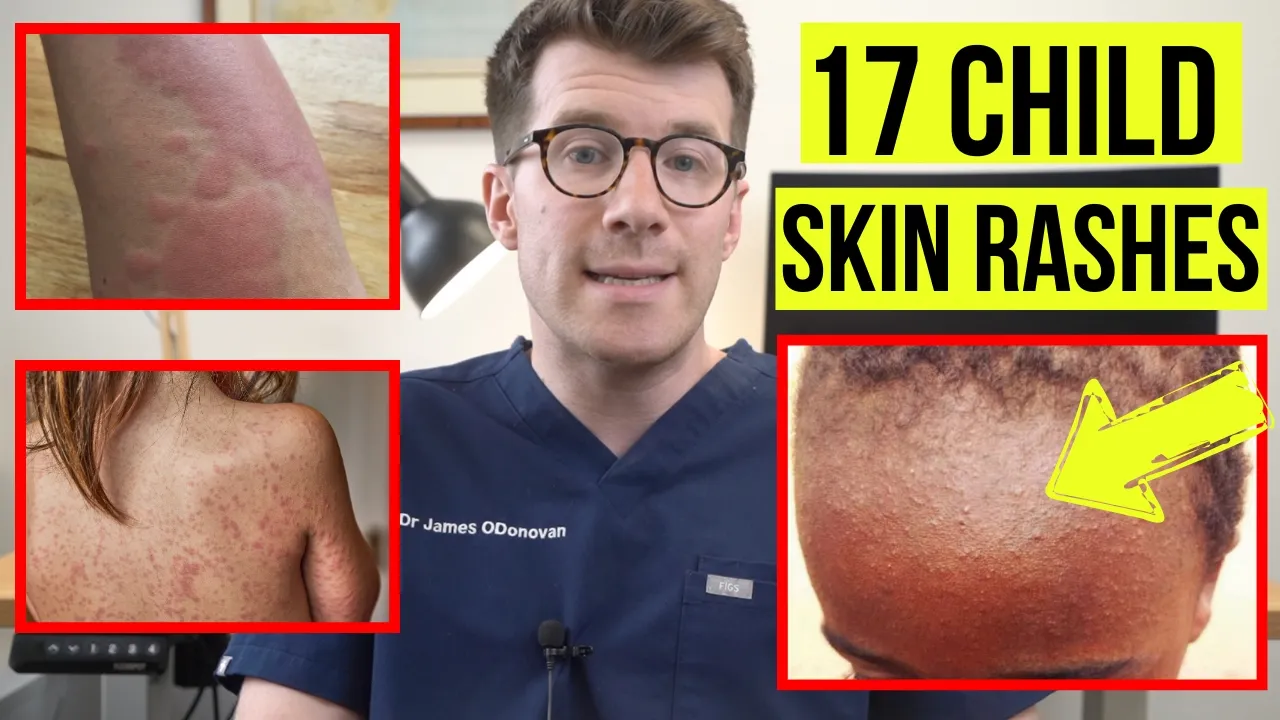
Common Skin Rashes in Children: A Visual Guide for Parents
@DrODonovan
123.4K views•2024-08-11

48:47
Graphic Medicine: Comics for Collaborative Healthcare Communication
@nationalpatientadvocate
189 views•2023-12-04

10:28
Neuroanatomy: Central and Peripheral Nervous System Divisions Explained
@AKLECTURES
136.2K views•2014-09-20

3:05
Stages of Labor and Vaginal Birth | Childbirth Animation
@nucleusmedicalmedia
52.1M views•2017-08-18
Related Study Plans & Knowledge Roadmaps
Structured learning paths in Medicine
medicine
Abnormal LFTs: Diagnostic Workup & Pathology
01Liver Anatomy and Basic Physiology
02Introduction to Liver Function Tests (LFTs)
03Hepatocellular vs. Cholestatic Patterns
+ 3 more learning modules
12h6 modules
Explore Roadmap
medicine
Analyzing Blood Smears: RBC, WBC & Platelets
01Introduction to Blood Components & Smear Preparation
02Normal Morphology of Blood Cells
03Erythrocyte Pathologies & Morphological Variants
+ 2 more learning modules
12h5 modules
Explore Roadmap
medicine
Mechanical Ventilation: Waveforms & Alarms
01Anatomy and Physiology of Breathing
02Introduction to Mechanical Ventilation & Core Modes
03Ventilator Settings and Waveform Interpretation
+ 2 more learning modules
12h5 modules
Explore Roadmap
medicine
Neuro Exam: Localization & Stroke Syndromes
01Foundations of Neuroanatomy and Vascular Supply
02The Neurological Examination: Step-by-Step
03Principles of Neurological Localization
+ 3 more learning modules
18h6 modules
Explore Roadmap