




















This video explains 17 common childhood skin conditions, including slapped cheek syndrome, hand-foot-mouth disease, heat rash, eczema, hives, ringworm, chickenpox, impetigo, scabies, milia, erythema toxicum, molluscum contagiosum, nappy rash, baby acne, cradle cap, scarlet fever, and measles, with guidance on when to seek urgent medical attention for symptoms like high fever, stiff neck, breathing difficulties, or non-fading bruise-like rashes.
Common Skin Rashes in Children: A Visual Guide for Parents
Added:Basic dermatological terminology used to describe skin lesions, such as macules, papules, vesicles, and pustules.
An understanding of the skin's role as an immunological barrier and how the inflammatory response triggers rash formation.
Awareness of how different skin tones and melanin levels affect the visual presentation of erythema and inflammation.
A foundational knowledge of common pediatric infectious agents, including basic differences between viral, bacterial, fungal, and allergic triggers.
In-depth pathophysiology and clinical management of specific pediatric eruptive fevers, such as Measles, Roseola, and Varicella.
Pharmacological interventions for pediatric skin conditions, including the appropriate use of topical corticosteroids, emollients, and antihistamines.
Pediatric triage protocols and systemic danger signs, such as non-blanching purpuric rashes, that warrant immediate emergency intervention.
The epidemiological impact of childhood vaccination schedules on reducing the prevalence of classic vaccine-preventable infectious rashes.
123.4K views753likes8:53Original Release: 2024-08-11
As a parent myself, it can be concerning if your baby or child has a rash and you don't know what's causing it, so in this video, I am going to cover 17 different types of rashes and skin changes in babies and children so that you're able to better recognise them.
I'll mainly show you photos on different skin types to help you better recognise the issues.
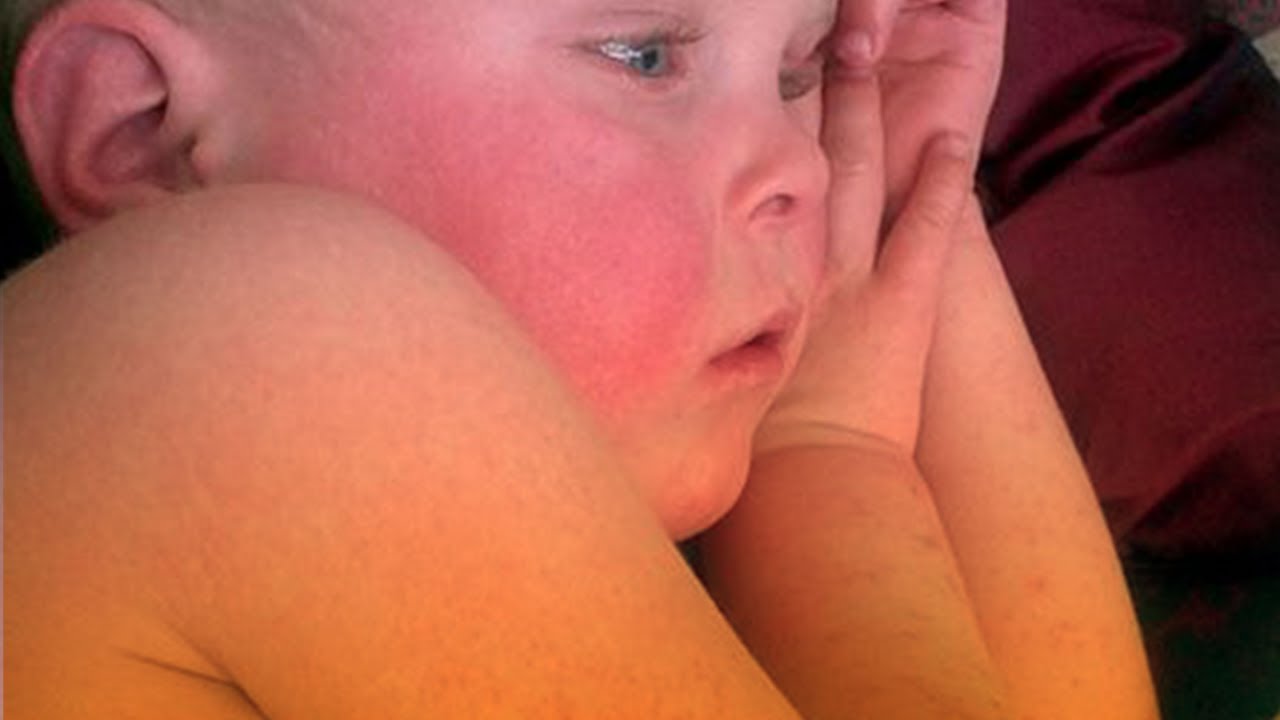
Because we'll be covering a lot of different causes of skin changes in this short video, I'd encourage you to check out the NHS website for information on treatment and when to see your health provider. Finally, at the end of this video I'll cover when you should see more urgent medical attention if your child has a rash. The first cause of a rash in children is something called 'slapped cheek syndrome'. This often appears as a rash on the cheeks with a high temperature, sore throat, runny nose, and headaches, and it looks like this... Slapped cheek syndrome can usually be treated at home and treatment typically involves managing symptoms with rest, fluids, and pain relief medicine that you get from the pharmacy if needed.
The next cause of a rash in children is from a condition known as hand, foot, and mouth disease.
This is caused by a viral infection and typically causes blisters on the hands and feet, plus mouth ulcers which look like this... Again, hand, foot, and mouth disease can usually be treated at home with rest, fluids, and pain relief. The next common reason for a rash in children is a heat rash. This is typically a rash of small, raised spots that feels itchy or prickly - which gives it its commonly used name, prickly heat rash. Heat rash can usually be treated at home by keeping the skin cool and dry, and wearing loose clothing.
You may also notice scaly or cracked skin on your child that looks like this, which is eczema. It's common behind the knees, elbows, and neck, but it can appear anywhere. For more information on eczema, including how to treat it, check out the other video on my channel where I discuss everything you need to know about eczema in kids. I would also suggest you speak to your pharmacist if you think your child has eczema as they can recommend some over-the-counter creams, such as emollients. If it can't be managed at home, they will suggest you see your child's doctor.
Now, if you notice raised, itchy spots or patches, these could be caused by an allergic reaction (and this rash is known as hives). Hives can usually be treated at home, but if there's swelling around your child's mouth or they're struggling to breathe, this could indicate a serious allergic reaction called anaphylaxis, which can be life-threatening so it's really important that if they have this swelling you get immediate medical attention.
If you've noticed an itchy, round rash that can appear dry and ring-shaped, then this could be ringworm and it looks like this. The patch may look red, pink, silver, or darker than the surrounding skin. Ringworm is caused by a fungal infection and can usually be treated at home by using antifungal creams available from the pharmacy.
The next common cause of a rash in children is chickenpox which typically looks like small, itchy spots that turn into blisters and scabs. Again, I've made another video on this elsewhere on the channel. Chickenpox can usually be treated at home with rest, fluids, and pain relief and keeping the skin cool and preventing scratching can help manage symptoms and help to avoid scarring of the skin. Another common issue often seen in children are sores or blisters that burst and leave crusty, golden-brown patches which could be impetigo. The sores or blisters can be itchy, get bigger, or spread to other parts of the body. I would suggest that if you think your child may have impetigo, you speak to your pharmacist as they will need treatement for it to help it stop spreading. You should also avoid sharing towels because it can spread very easily and try help them avoid picking or scratching it by keeping their finger nails short. Next is scabies. Very itchy, raised spots could be caused by tiny mites that burrow into the skin. There may be raised lines with a dot at one end, often first appearing between the fingers. Scabies can usually be treated at home with prescribed lotions or creams from your doctor. Next are tiny spots on a baby's face, called milia, which often appear when they're a few days old. Milia may appear white or yellow, depending on your baby's skin colour and they usually go away within a few weeks and don't need treatment. Again there is a whole video on milia elsewhere on this channel.
Next you might have noticed red, yellow, and white spots which can appear on babies when they're born - this is called erythema toxicum. They usually appear on the face, body, upper arms, and thighs.
The rash can disappear and reappear and should get better in a few weeks without treatment.
Small, firm, raised spots could be molluscum contagiosum and the spots can be the same colour as surrounding skin, darker than surrounding skin, or pink. You can usually treat molluscum contagiosum at home and it looks like this.
Another common problem for a rash in your baby is nappy or diaper rash and typically you'll notice your baby has a red and sore bottom, but it can also affect the groin region more generally. Nappy rash can usually be treated at home by keeping the area clean and dry, and using nappy rash creams and try to make sure you regularly change your childs nappy so that it's dry and they aren't sitting for long periods of time in a wet nappy.
Spots that appear on a baby's cheeks, nose, or forehead within a month after birth could be baby acne. You do not need to treat baby acne; it usually gets better after a few weeks or months.
Yellow or white, greasy, scaly patches on your baby's scalp could be cradle cap. Cradle cap can usually be treated at home by gently washing the scalp with baby shampoo and using a soft brush to remove the scales. Another cause of a rash on the face and body is something called scarlet fever. This is caused by a bacterial infection. In scarlet fever, you typically might notice a rash of small, raised bumps that feels rough, like sandpaper, and here are some photos of scarlet fever. If you think your child has scarlet fever, you should speak to your health provider as it usually requires antibiotic treatment.
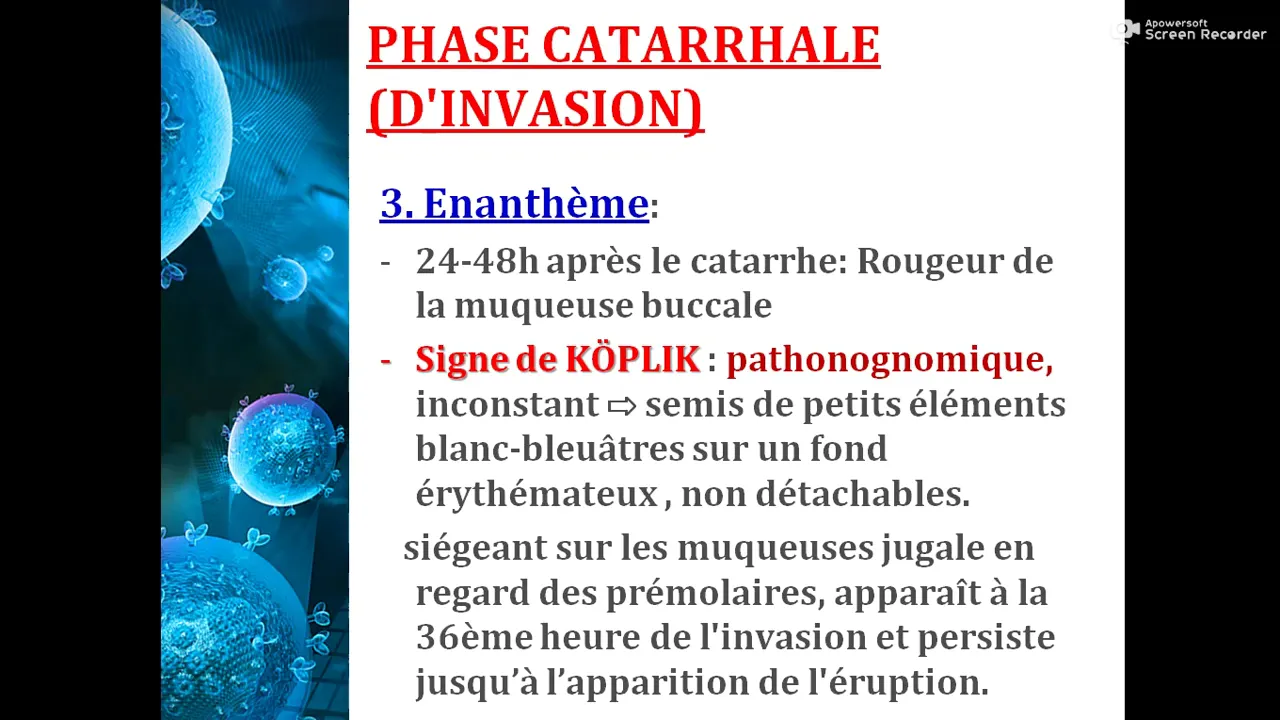
Measles is another condition that can cause a spotty rash, which appears on the head or neck and spreads to the rest of the body. Measles is caused by a viral infection and can be prevented by vaccination. Speak to a GP if you think your child has measles. Treatment for measles in children typically involves rest, fluids, and pain relief, but medical advice is essential due to potential complications. Finally, when should you seek urgent medical attention if your child has a rash? Well, the NHS recommends that you should seek urgent medical attention if your child is unwell with a rash and has any of these symptoms: a stiff neck, they are bothered by light, they seem confused, they have a rash and a high temperature (meaning greater than 38C), they have difficulty breathing (so in this case you may notice grunting noises or their tummy sucking under their ribs), breathlessness, or they're breathing very fast.
It's really important that your child sees a doctor urgently if they have a rash that looks like small bruises or bleeding under the skin and does not fade when you press a glass against it - like this, because this could indicate a serious infection like meningitis. Finally, if their skin, lips or tongue look pale, blue, grey or blotchy then urgent medical attention should be sought. It's also important to remember than on brown and black skin, it may be easier to see the rash or colour changes on the soles of the feet, palms, lips, tongue and inside the eyelids.
Up Next

10:47
Child Immunization Schedule: Birth to 6 Years (AAP Guide)
@AAP
126.6K views•2022-03-15

48:47
Graphic Medicine: Comics for Collaborative Healthcare Communication
@nationalpatientadvocate
189 views•2023-12-04

10:28
Neuroanatomy: Central and Peripheral Nervous System Divisions Explained
@AKLECTURES
136.2K views•2014-09-20
3:05
Stages of Labor and Vaginal Birth | Childbirth Animation
@nucleusmedicalmedia
52.1M views•2017-08-18
Related Study Plans & Knowledge Roadmaps
Structured learning paths in Medicine
medicine
Abnormal LFTs: Diagnostic Workup & Pathology
01Liver Anatomy and Basic Physiology
02Introduction to Liver Function Tests (LFTs)
03Hepatocellular vs. Cholestatic Patterns
+ 3 more learning modules
12h6 modules
Explore Roadmap
medicine
Analyzing Blood Smears: RBC, WBC & Platelets
01Introduction to Blood Components & Smear Preparation
02Normal Morphology of Blood Cells
03Erythrocyte Pathologies & Morphological Variants
+ 2 more learning modules
12h5 modules
Explore Roadmap
medicine
Mechanical Ventilation: Waveforms & Alarms
01Anatomy and Physiology of Breathing
02Introduction to Mechanical Ventilation & Core Modes
03Ventilator Settings and Waveform Interpretation
+ 2 more learning modules
12h5 modules
Explore Roadmap
medicine
Neuro Exam: Localization & Stroke Syndromes
01Foundations of Neuroanatomy and Vascular Supply
02The Neurological Examination: Step-by-Step
03Principles of Neurological Localization
+ 3 more learning modules
18h6 modules
Explore Roadmap