






















Effective aid and entrepreneurship require listening to local people's passions and ideas rather than imposing external solutions; successful business creation depends on collaborative teams (using 'we' rather than 'I') and respecting local knowledge, as demonstrated by the failure of Western aid projects that ignored local context and the success of community-driven enterprise facilitation that empowers local entrepreneurs.
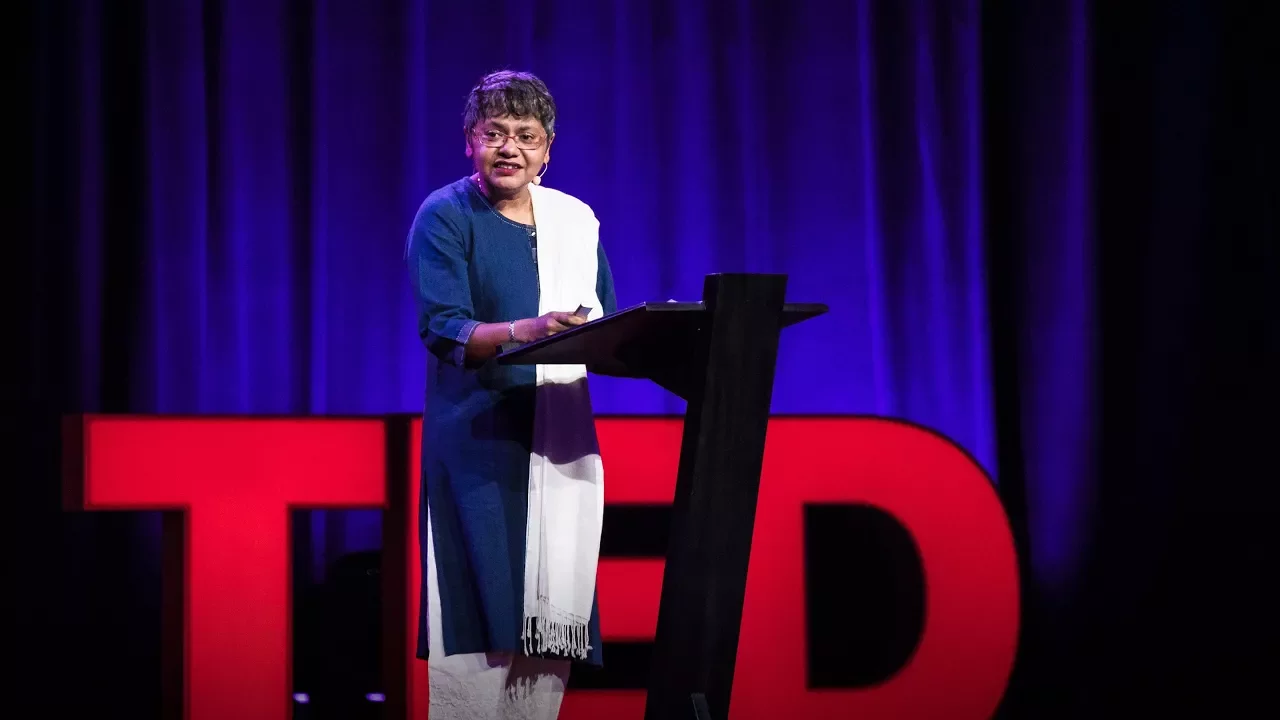
The Art of Listening in Aid and Entrepreneurship: Ernesto Sirolli
Added:The historical distinction between top-down (paternalistic) and bottom-up (participatory) approaches in international development and aid.
Fundamental concepts of entrepreneurship, particularly how individual passion, local knowledge, and resourcefulness drive new venture creation.
The common critiques of humanitarian aid, including how well-intentioned foreign interventions can unintentionally disrupt local economies.
Basic principles of stakeholder theory and community-based natural resource management.
The 'Enterprise Facilitation' model developed by the Sirolli Institute, specifically its focus on the 'triple-threat' management team (marketing, production, and finance).
Asset-Based Community Development (ABCD), a methodology that links micro-assets to local economic development.
Human-Centered Design (HCD) and ethnographic research techniques, which emphasize empathy and deep listening in product and social service design.
Alternative monitoring and evaluation (M&E) frameworks suitable for non-directive, relationship-based community development programs.
Case studies of successful localized micro-finance and social entrepreneurship models that empower local agency rather than imposing external solutions.
849.1K views15.1Klikes17:10Original Release: 2012-11-26
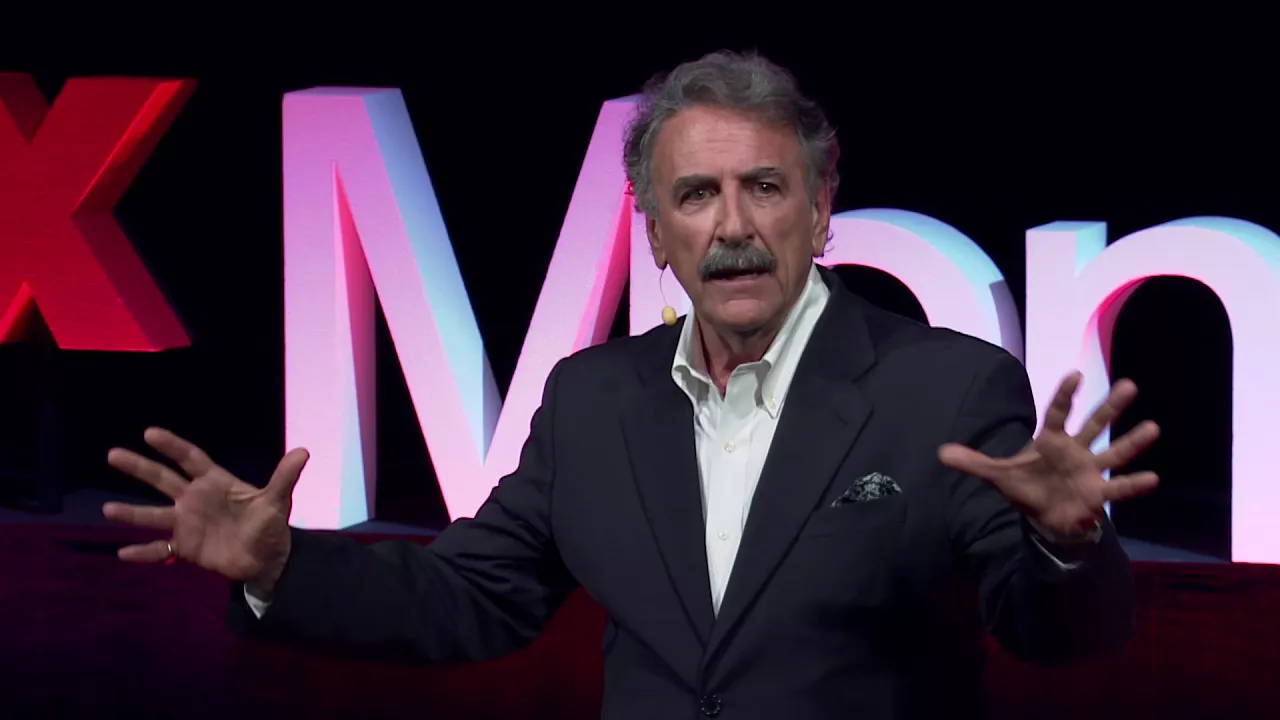
Translator: Joseph Geni Reviewer: Morton Bast Everything I do, and everything I do professionally -- my life -- has been shaped by seven years of work as a young man in Africa.
From 1971 to 1977 -- I look young, but I'm not — (Laughter) -- I worked in Zambia, Kenya, Ivory Coast, Algeria, Somalia, in projects of technical cooperation with African countries.
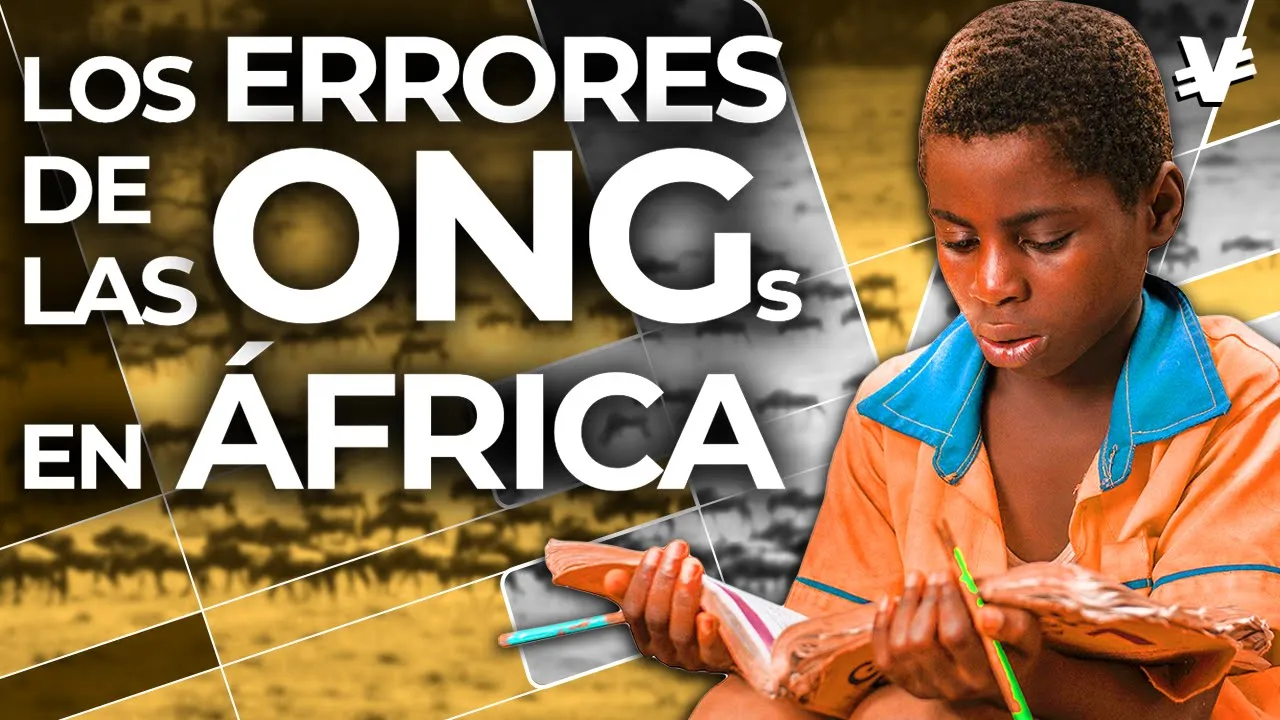
I worked for an Italian NGO, and every single project that we set up in Africa failed.
And I was distraught.
I thought, age 21, that we Italians were good people and we were doing good work in Africa.
Instead, everything we touched we killed.
Our first project, the one that has inspired my first book, "Ripples from the Zambezi," was a project where we Italians decided to teach Zambian people how to grow food.
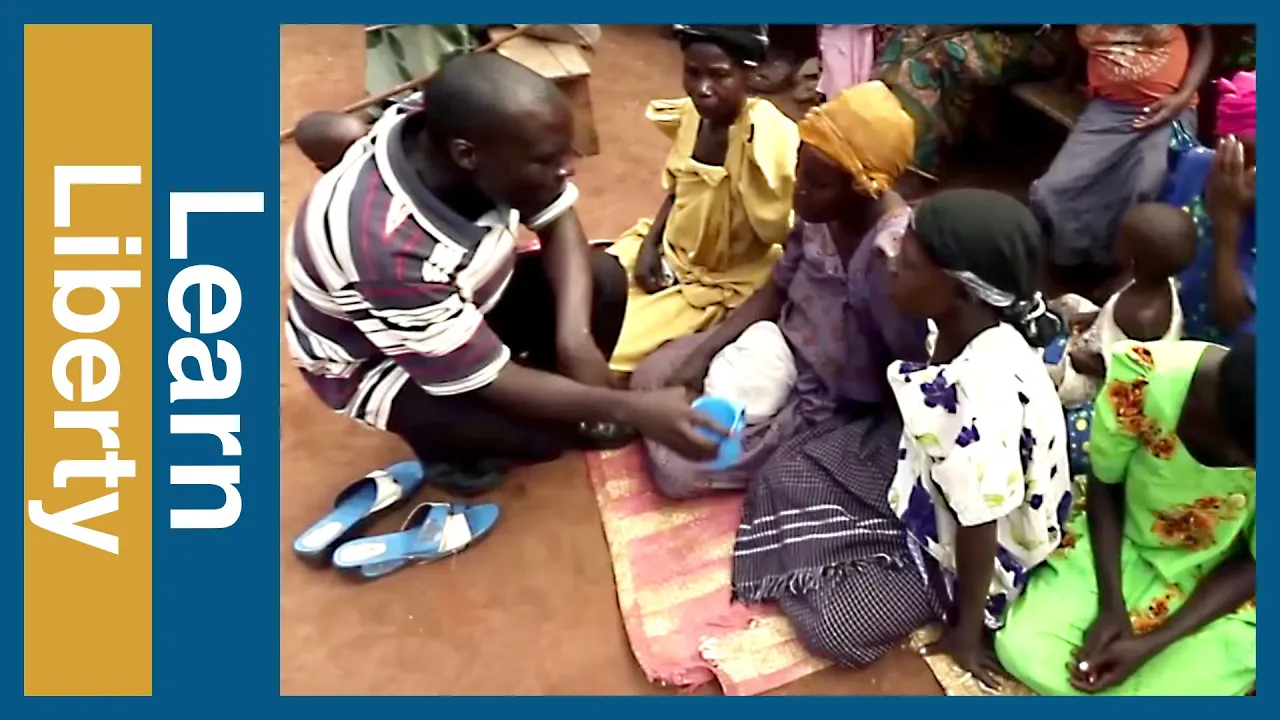
So we arrived there with Italian seeds in southern Zambia in this absolutely magnificent valley going down to the Zambezi River, and we taught the local people how to grow Italian tomatoes and zucchini and... And of course the local people had absolutely no interest in doing that, so we paid them to come and work, and sometimes they would show up. (Laughter) And we were amazed that the local people, in such a fertile valley, would not have any agriculture.
But instead of asking them how come they were not growing anything, we simply said, "Thank God we're here." (Laughter) "Just in the nick of time to save the Zambian people from starvation."
And of course, everything in Africa grew beautifully.
We had these magnificent tomatoes. In Italy, a tomato would grow to this size. In Zambia, to this size.
And we could not believe, and we were telling the Zambians, "Look how easy agriculture is."
When the tomatoes were nice and ripe and red, overnight, some 200 hippos came out from the river and they ate everything. (Laughter) And we said to the Zambians, "My God, the hippos!"
And the Zambians said, "Yes, that's why we have no agriculture here." (Laughter) "Why didn't you tell us?""You never asked."
I thought it was only us Italians blundering around Africa, but then I saw what the Americans were doing, what the English were doing, what the French were doing, and after seeing what they were doing, I became quite proud of our project in Zambia.
Because, you see, at least we fed the hippos.
You should see the rubbish — (Applause) -- You should see the rubbish that we have bestowed on unsuspecting African people.
You want to read the book, read "Dead Aid," by Dambisa Moyo, Zambian woman economist.
The book was published in 2009.
We Western donor countries have given the African continent two trillion American dollars in the last 50 years.
I'm not going to tell you the damage that that money has done.
Just go and read her book.
Read it from an African woman, the damage that we have done.
We Western people are imperialist, colonialist missionaries, and there are only two ways we deal with people: We either patronize them, or we are paternalistic.
The two words come from the Latin root "pater," which means "father."
But they mean two different things.
Paternalistic, I treat anybody from a different culture as if they were my children. "I love you so much."
Patronizing, I treat everybody from another culture as if they were my servants.
That's why the white people in Africa are called "bwana," boss.
I was given a slap in the face reading a book, "Small is Beautiful," written by Schumacher, who said, above all in economic development, if people do not wish to be helped, leave them alone.
This should be the first principle of aid.
The first principle of aid is respect.
This morning, the gentleman who opened this conference lay a stick on the floor, and said, "Can we -- can you imagine a city that is not neocolonial?"
I decided when I was 27 years old to only respond to people, and I invented a system called Enterprise Facilitation, where you never initiate anything, you never motivate anybody, but you become a servant of the local passion, the servant of local people who have a dream to become a better person.
So what you do -- you shut up.
You never arrive in a community with any ideas, and you sit with the local people.
We don't work from offices.
We meet at the cafe. We meet at the pub.
We have zero infrastructure.
And what we do, we become friends, and we find out what that person wants to do.
The most important thing is passion.
You can give somebody an idea.
If that person doesn't want to do it, what are you going to do?
The passion that the person has for her own growth is the most important thing.
The passion that that man has for his own personal growth is the most important thing.
And then we help them to go and find the knowledge, because nobody in the world can succeed alone.
The person with the idea may not have the knowledge, but the knowledge is available.
So years and years ago, I had this idea: Why don't we, for once, instead of arriving in the community to tell people what to do, why don't, for once, listen to them? But not in community meetings.
Let me tell you a secret.
There is a problem with community meetings.
Entrepreneurs never come, and they never tell you, in a public meeting, what they want to do with their own money, what opportunity they have identified.
So planning has this blind spot.
The smartest people in your community you don't even know, because they don't come to your public meetings.
What we do, we work one-on-one, and to work one-on-one, you have to create a social infrastructure that doesn't exist.
You have to create a new profession.
The profession is the family doctor of enterprise, the family doctor of business, who sits with you in your house, at your kitchen table, at the cafe, and helps you find the resources to transform your passion into a way to make a living.
I started this as a tryout in Esperance, in Western Australia.
I was a doing a Ph.D. at the time, trying to go away from this patronizing bullshit that we arrive and tell you what to do.
And so what I did in Esperance that first year was to just walk the streets, and in three days I had my first client, and I helped this first guy who was smoking fish from a garage, was a Maori guy, and I helped him to sell to the restaurant in Perth, to get organized, and then the fishermen came to me to say, "You the guy who helped Maori? Can you help us?"
And I helped these five fishermen to work together and get this beautiful tuna not to the cannery in Albany for 60 cents a kilo, but we found a way to take the fish for sushi to Japan for 15 dollars a kilo, and the farmers came to talk to me, said, "Hey, you helped them. Can you help us?"
In a year, I had 27 projects going on, and the government came to see me to say, "How can you do that?
How can you do —?" And I said, "I do something very, very, very difficult.
I shut up, and listen to them." (Laughter) So — (Applause) — So the government says, "Do it again." (Laughter) We've done it in 300 communities around the world.
We have helped to start 40,000 businesses.
There is a new generation of entrepreneurs who are dying of solitude.
Peter Drucker, one of the greatest management consultants in history, died age 96, a few years ago.
Peter Drucker was a professor of philosophy before becoming involved in business, and this is what Peter Drucker says: "Planning is actually incompatible with an entrepreneurial society and economy."
Planning is the kiss of death of entrepreneurship.
So now you're rebuilding Christchurch without knowing what the smartest people in Christchurch want to do with their own money and their own energy.
You have to learn how to get these people to come and talk to you.
You have to offer them confidentiality, privacy, you have to be fantastic at helping them, and then they will come, and they will come in droves.
In a community of 10,000 people, we get 200 clients.
Can you imagine a community of 400,000 people, the intelligence and the passion?
Which presentation have you applauded the most this morning?
Local, passionate people. That's who you have applauded.
So what I'm saying is that entrepreneurship is where it's at.
We are at the end of the first industrial revolution -- nonrenewable fossil fuels, manufacturing -- and all of a sudden, we have systems which are not sustainable.
The internal combustion engine is not sustainable.
Freon way of maintaining things is not sustainable.
What we have to look at is at how we feed, cure, educate, transport, communicate for seven billion people in a sustainable way.
The technologies do not exist to do that.
Who is going to invent the technology for the green revolution? Universities? Forget about it!
Government? Forget about it!
It will be entrepreneurs, and they're doing it now.
There's a lovely story that I read in a futurist magazine many, many years ago.
There was a group of experts who were invited to discuss the future of the city of New York in 1860.
And in 1860, this group of people came together, and they all speculated about what would happen to the city of New York in 100 years, and the conclusion was unanimous: The city of New York would not exist in 100 years.
Why? Because they looked at the curve and said, if the population keeps growing at this rate, to move the population of New York around, they would have needed six million horses, and the manure created by six million horses would be impossible to deal with.
They were already drowning in manure. (Laughter) So 1860, they are seeing this dirty technology that is going to choke the life out of New York.
So what happens? In 40 years' time, in the year 1900, in the United States of America, there were 1,001 car manufacturing companies -- 1,001.
The idea of finding a different technology had absolutely taken over, and there were tiny, tiny little factories in backwaters.
Dearborn, Michigan. Henry Ford.
However, there is a secret to work with entrepreneurs.
First, you have to offer them confidentiality.
Otherwise they don't come and talk to you.
Then you have to offer them absolute, dedicated, passionate service to them.
And then you have to tell them the truth about entrepreneurship.
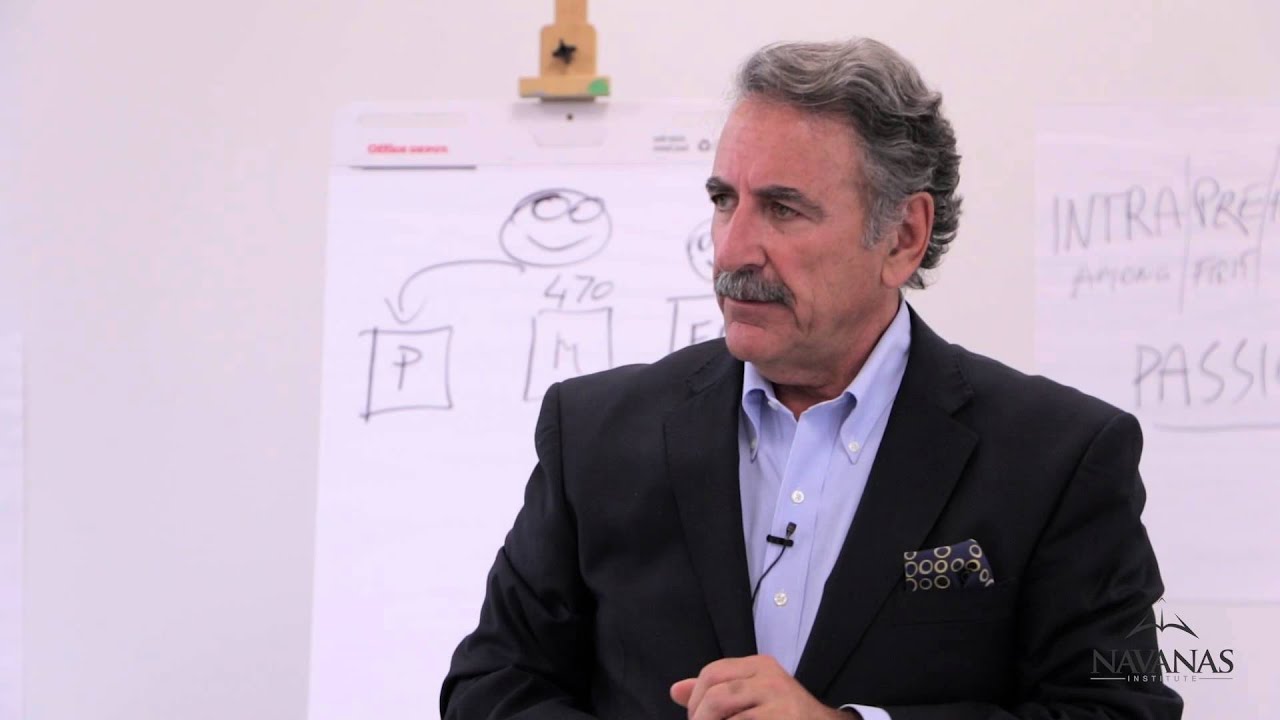
The smallest company, the biggest company, has to be capable of doing three things beautifully: The product that you want to sell has to be fantastic, you have to have fantastic marketing, and you have to have tremendous financial management.
Guess what?
We have never met a single human being in the world who can make it, sell it and look after the money.
It doesn't exist.
This person has never been born.
We've done the research, and we have looked at the 100 iconic companies of the world -- Carnegie, Westinghouse, Edison, Ford, all the new companies, Google, Yahoo.
There's only one thing that all the successful companies in the world have in common, only one: None were started by one person.
Now we teach entrepreneurship to 16-year-olds in Northumberland, and we start the class by giving them the first two pages of Richard Branson's autobiography, and the task of the 16-year-olds is to underline, in the first two pages of Richard Branson's autobiography how many times Richard uses the word "I" and how many times he uses the word "we."
Never the word "I," and the word "we" 32 times.
He wasn't alone when he started.
Nobody started a company alone. No one.
So we can create the community where we have facilitators who come from a small business background sitting in cafes, in bars, and your dedicated buddies who will do to you, what somebody did for this gentleman who talks about this epic, somebody who will say to you, "What do you need?
What can you do? Can you make it?
Okay, can you sell it? Can you look after the money?"
"Oh, no, I cannot do this.""Would you like me to find you somebody?"
We activate communities.
We have groups of volunteers supporting the Enterprise Facilitator to help you to find resources and people and we have discovered that the miracle of the intelligence of local people is such that you can change the culture and the economy of this community just by capturing the passion, the energy and imagination of your own people.
Thank you. (Applause)
Up Next
9:00
Game Theory: A Solution to the Tragedy of the Commons
@SciShow
162.7K views•2025-02-11

21:53
Tiebout Model & Club Theory: Local Public Goods | Public Finance
@Vidyamitra
12.6K views•2016-04-14
7:26
Unlocking Africa's Informal Economy: Hidden Growth Opportunities | Niti Bhan
@TED
79K views•2017-12-11

113:18
The Age of Easy Money: Fed & Inflation | Full Documentary
@frontline
21.2M views•2023-03-15
Related Study Plans & Knowledge Roadmaps
Structured learning paths in Economics
economics
Intellectual Property: Innovation vs Monopoly
01Foundations of Market Power: Monopolies & Deadweight Loss
02The Economic Trade-Off of Intellectual Property
03Patents: R&D Incentives vs. Market Monopolization
+ 3 more learning modules
12h6 modules
Explore Roadmap
economics
Sovereign Debt: Defaults, IMF & Restructuring
01Introduction to Sovereign Debt & Government Bonds
02Debt Sustainability & Credit Ratings
03Anatomy and History of Debt Crises
+ 2 more learning modules
12h5 modules
Explore Roadmap
economics
Market Design: Matching Theory & Gale-Shapley
01Introduction to Market Design and Price-Free Markets
02Two-Sided Matching & The Gale-Shapley Algorithm
03School Choice Systems and Mechanism Design
+ 2 more learning modules
10h5 modules
Explore Roadmap
economics
Impossible Trinity: Forex, Capital & Policy
01Introduction to Monetary Policy and Central Banking
02Exchange Rates and International Capital Flows
03The Mundell-Fleming Model
+ 2 more learning modules
8h5 modules
Explore Roadmap