




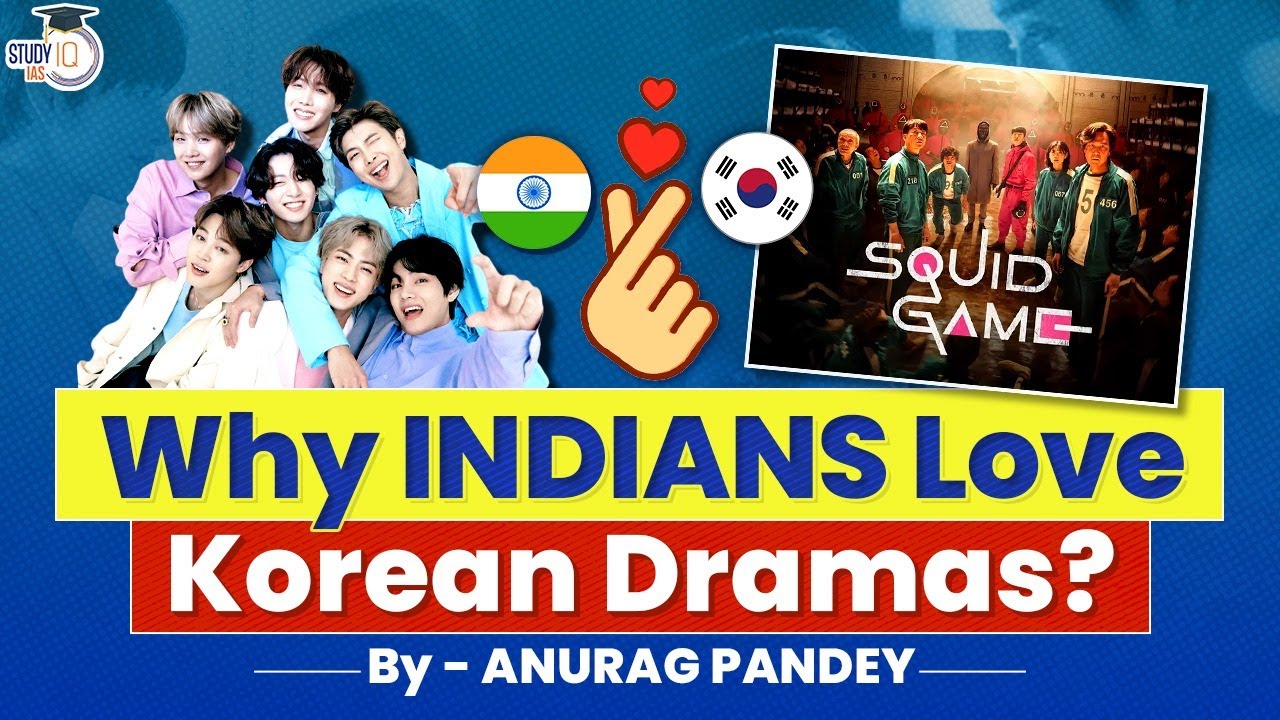





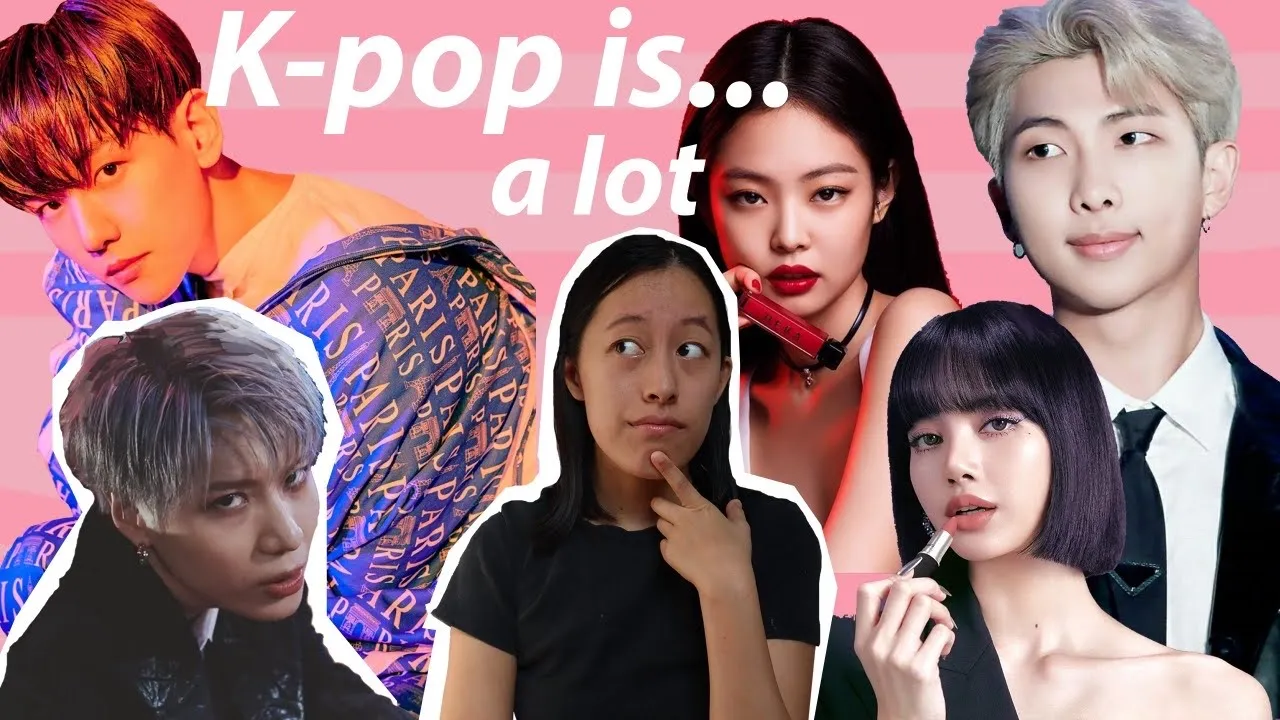











K-Pop's global success stems from a combination of strategic cultural diplomacy by South Korea, rigorous artist training systems, and the genre's universal appeal through high-quality music videos, dance performances, and emotionally resonant lyrics that transcend language barriers, making it a powerful tool for soft power that promotes Korean culture worldwide.
K-Pop: The Global Rise and Cultural Influence of South Korean Pop
Added:Understanding the concept of globalization and cultural hybridization, specifically how media and culture flow across national borders.
A basic overview of the 'Hallyu' (Korean Wave) historical context, starting from the late 1990s and South Korea's deliberate cultural export strategies.
The role of social media platforms (such as YouTube, Twitter, and TikTok) in driving modern global music consumption and decentralized fan engagement.
The fundamental differences between Western music industry structures and the South Korean entertainment agency model (including the trainee system).
Analyzing 'Soft Power' and cultural diplomacy: How governments leverage pop culture for geopolitical influence and international relations.
The economic impact of cultural exports, examining how K-pop boosts South Korea's GDP, tourism, and related industries like cosmetics and fashion.
An advanced sociological study of global fandoms, specifically looking at parasocial relationships, collective online mobilization, and social activism within groups like the BTS ARMY.
Critical analysis of the K-pop industry's labor practices, standardizations, mental health challenges, and the ethical implications of the intense trainee system.
781.4K views45.1Klikes27:28Original Release: 2018-01-19
some call it Korean Wave some call them idol singers but around the world South Korea's fusion of R&B pop and rap is known by a different name kpop since Psy's Gangnam style broke the internet back in 2012 the genre has grown and grown and has created the first k-pop group to go global these guys shall we dance I'm Adele Roberts host of the early breakfast show on BBC Radio 1 and when I played a BTS track on my show a few months ago no one could believe what happened next hundreds and thousands of messages of thanks and love from BTS fans across the globe poured into Radio one I'd never witnessed anything like it grimmy hadn't either this was clearly not just any record and BTS were most definitely not just any group I had to find out more so I got a flight to Seoul as quick as I could to investigate this secretive entertainment industry to find out about the lifestyle the fashion the fans the politics the industry and the stars of the scene and to meet the kpop band who are taking the world by storm so how has a music genre from a country with a different culture and a different language and a heavily militarized border become so successful and its global domination next for kpop stars this might be more than just a music genre in fact could kpop actually be Korea's secret weapon while South Koreans are living in the shadow of nuclear missiles just a few miles away their pop stars are having booming successes across the globe we're from Senegal California they do have radio stations in Mexico where they play like kpop all the time China truly devoted BTS fans are known as the BTS army and its members will do anything to be near their heroes which even means for some leaving home in the UK to live in the same city as them it's not being here in Seoul I've met first of all over the world you're wrong Scotland so why Korea why did you pay for Glasgow one day and like proposed me rotating with the schooling through YouTube and I saw this song normally Mumbai it BTS and I was like what's this watch the video and from that moment I was hooked it really got really interested in the culture and obviously the music and everything so thanks to BTS I'm here learn a bit of Korean before I came here mainly again because of BTS I learned her to read Korean so I could understand the lyrics and also understand more of what they were saying in a way I'm in the army which is a BTS fan club and basically the members post things in the fan club cafe is called and a you can like reply to them and stuff like that is it's really good is there an etiquette or are there rules that you have to learn when you first join with for the global fan club is a lot more relaxed but for the commune fine club is like really hard to get there's like a waiting list apparently it's a waste yeah partly this being less and you have to have like X amount of merchandise to get in especially to go to fund the ups and stuff you have to have this album that album they have like artificial lights take that you kind of wave at concerts and galloped over the name - yeah what are the benefits have been in the Army is you get any discounts or easier as you get with access to presale tickets which really matters and kpop concerts because they will sell out and like one second fifty thousand seats one second yet so what is it about BTS I just love her positive s and I just loved the songs all exposed me in such a good read and I love her they sang and danced for a Korean group to like you know break America it's just it's like is amazing it's phenomenal turns out that BTS just might be the biggest boy band that you're not heard of just yet they've beaten Justin Bieber to a billboard Awards on their YouTube they have over one hundred forty five million views on their latest video and this is the BTS Gangnam dark and it's not just BTS gaining huge followings so what's the secret to this upcoming sound Charlie Taft is a k-pop song writer I've written for and many kpop bands I've written mainly for female groups at this point red velvet something kind of crazy and cool hot sweet love luna one called eclipse another one called puzzle SES that wrote song called hush and Girls Generation had a track called lips with them I would describe kpop as songs that really hit you in the face when you hear them and obviously with the language it gives it an interesting twist as well I've been looking enough to go to Korea like three four times now and actually write in the studios for some of the labels so we work directly on briefs that they give us there and then and usually the artists aren't involved during the recording we'll make sure that there are sections of the song that have a lot of harmonies and so that when they they choose to record it with the groups they have a lot of parts for the different members to sing so even when we write songs in Korea in the label it's always in English always submit them in English there is an emphasis on making the kpop music that they release appeal to a global audience but at the same time there's does that need to keep it k-pop sounding and keep it quite authentic I think the future of kpop looks pretty experimental but always done with Korean cuteness and the sense of fun it's not just about the sound of kpop it's all about the vision - it's like a lifestyle it's more than just the music I'm going to meet fashion journalist Hong Seok Wu and fashion designer friend Eugene so star wise who are young Korean - definitely kpop is a key factor for influencing young people I don't it don't achieve that I'm doing I'm not even okay to pick banging oh good yeah big bangs are you do that one - Aaron I know you don't know touching a friend Amanda who don't pop up no product to happen it's the great fashion scene part of the reason for the huge growth in kpop actually persona don't care about them they'll know someone getting their own cape Bobby it's more about giving what balloon they could do there are people down there the music video but you can go to you know connect or get off me video-thumb pop Rumble to be Tony Romero saying how do I look - the bunnyville so you get a minute that's where you can really see the relationship between the kpop and Korean fashion how it's interrelated could you talk me through the kpop look Kyle from Cigna talk to me keep on movin cut off Hyborian avoid any good citizen Z designer way we've done already and do you say that what that you know more so put me now I'll go a life food it doesn't you about a question comes straight away or actually consider how whoa they basically were like something they could dance with pretty part of it you know yeah okay gonna come for you been to zero tell you being at all taken up under when I hit puppy more who kind of the Iraqi or Kanye West kinda kudu is how years ago you're joining out on tour away don't come down with it II think you guys I would he put on some bodies woman mm-hmm it's higher parent coumadin of happy you know why is fashion so important kpop oh we don't keep up cetera how do you become a more modern not on evil take a little bottle of eliminate the pain in their eyes only me kpop cover last day hey pop it on the spiral to help has never baby but are entirely inaccurate endorsing okay when beaches where is a sweatshirt the next day that is also down I'm not joking yeah yeah it's crazy like in Korea one of the very interesting business in fashion take Porto Airport Airport look the special to enter the protest in entertainment they always watch some kind of the paparazzi shot yeah an airport so the airpo outfit is just as important as the stager yeah yeah so many people watching that kind of the airport the style it's so fabricated oh no they were it's not natural it's all like set thing is worried like that a lot of like business is involved with any pop star there'd be nothing without the fans but there's also a big business side too and they find their stars young they train them and they do everything with precision so I wonder how much of these stars lives under the control of their management about getting thinking about wasting the back talk to me Penkala when your dog's name hover Pincott painting door to Nilachal pen sign at all you know chuckles a lot of the bum members are very attractive and look really good but none of the members seem to date and I've noticed this a lot with kpop why is that are they allowed to have girlfriends and boyfriends tuberin Union pin do you know how do you know that is all so did you feel that they might be less popular if they weren't available I'm worried or tell them pads are no question why did I live together joylynn I'm willing to be now what I wanted to communicate kaki pana me poverty is probably Iggy to hold on to help me game on keep everything super rock I didn't want him but do they have friends outside the band and are they allowed to visit House cookie no Benjamin to teammate who got them young cook a cookie touch on panna cotta where do you make your weapon you see need to come not pure on or to the cheddar risotto your wound open delegates Wooten Godsey this is the case or you draw so shitty I want revenge to cater a party animal random puto Colorado cougar Ubu Otto Hahn I couldn't touch anyone the novelty your body dr. wissen how much money to k-pop stars make at a rich personal in what way man cougar abandon either too soon commit theory or more marketing name Christina I got here the rules laid out for Korean stars have been questioned recently after the suspected suicide of the lead singer in boy band shiny the work many k-pop stars willing to tell us about their experiences but the mother a former girl bar member turned DJ can agree to share when your daughter first came to you and said that she wanted to be a kpop singer why were you concerned at first keep a permanent Adelman estada ningún de Conde estará Goemon Tito aunt Aggie go commands are at school ID - my tibia Sinagua Hanukkah hogwash go to booties or ultimate gate woman and she opened a new awning over there chicken do more kisses imagine how do you do more dope QP synchronic oppa Myeong dong mahogany room located in Konya was hung over here turn datasheet or Atari I don't want our museum chicken and then your other sedative a young girl and how many hours did she have to train for more tomorrow a mood chibitortomon seppuku one of our gate Louis Howe cabal mental hunger Nassau Jenkins Haku and physicians have character agree sir what sort of things are laid out in the contract you can say in chronological to do tomorrow is own sake man and a creek mo tightened honey honey honey boo boo Tommy huzzah drogas audience she was a Teresa said it's a typical change in iguanas habit onion pieces so I sell canceling the tannins doing the hokey drogas all katisa Herrera so adorable was there any private life away from Nevada koyo sasa hope or hisako's say so hey man so I'm a docent a Chicano CNN gonna do gonna chicken hecto Mago esta en te pasa orienteering iike typical Maryland a Cuban is irani Toronto Krong at Eric we reward money today we GU could record a Silverman hey Tom an aggressor Tito Pendleton Oregon oh we saw a similar finding any tension to manage virtual so the funds may want to you they the workers are young them we're all the time and effort that's put into these shining stars you think you'd have heard more about them in the news but it's careers politics which dominates our headlines I'm at the border with North Korea and it is a world away from the kpop scene back in Seoul it's hard to ignore that just on the other side of this wall is a nation that's very secretive it's got nuclear weapons and gives out war threats right now the South Koreans are playing music into North Korea and I hear that sometimes it's kpop and sometimes BTS so is kpop with its upbeat bangers and it's squeaky-clean stars being promoted by South Korea to help distract them and the rest of the world from this blue reality the kpop industry were very much aware of what is really happening it's not just the the industry's interest but also the public sector especially the government because they see as a way to enhance their soft power and have other influence were using their culture as that they're kind of a tools and weapons rather than actual military of mind Kim gwang-soo is the director of tourism at the Gangnam district office why is there a state department for kpop in Korea [Music] keeping in mind how the world sees North Korea and South Korea what do you think kpop promotes about myself there Saturday check out how we kill anyway is our Quran we need money to control Tony I think that you don't worry honey I listen and chronicler kpop many that was in Portuguese it's kpop good for the Korean economy bae hawk no common Eider the Kogi passing day non-canonical candy bar arsenic uranium chaturanga what am i okay he waking up into us was a horrible nobody never change how to shake for your achievements are passing the neutron enjoy some time for the Hasan comida although there's clearly more to kpop than meets the eye without music videos there is no k-pop they spend loads of money on the velocity of visual the best choreography I'm gonna throw some shapes before I met BTS themselves I caught up with the man behind those world-famous dance moves mr. Sun is BTS his very own choreographer what's it like getting to spend hours with BTS pretty strong cause she runs and she gonna do go go go when she come now man okay so much higher man you know it is all a muguruza booty retro so the coaches hug over that day and on one thing she okay tell Pablo who's the best answer see oh okay how important is dance to kpop you might this populist New College Hill junior had the room tomorrow Kenickie bunch o guru today noon okay so how would you describe the BTS style top which others are powerful and are doing in that did he she didn't got here why do you think that kpop is so successful right now Amador Oh chica Papa most electorate a manager Papa masa visual forget him young k-pop artists the proponents to be patina me cago en el coche me PO Ranjan da ba da po Grand Poobah not even a peninsula angry she ruptured or take a manager education gay community janam na to keep hey open and then our Papa is Stephanie from PTSD by the equation we can partition ability Manitowoc GP jewelry - I saw the band inherently karate stretch of pocket ago visibly dirt on his own gotta stay on message pause hi thunderous ticket em they could be doing tomorrow genuine you're talking I got here so if you had a bad dancer like me would I not be able to be in the band I knew they could capture but Conan or put asunder cool character do we get M&A or balloon passionate action going on you the culture people with hard work anything is possible there on this home door now I've got the look and the moves kind of it's time to meet the band that kicked off this journey in the first place cue the facts and figures the most famous k-pop group of the world do I really have to do this voice I'll be over five million albums sold I mean it's just some ridiculous number one on iTunes in over 65 country please Chloe there's no more first kpop group to break into the UK top 50 and u.s. top 30 the flash deep is over 30 million followers on social media sugar Jacob Aaron Jimmy Junko together they are BTS BTS I'm so happy to finally meet you thank you so much that's what you do how does it feel it's be having this global success you say he's so happy that he just want to get out to the street and like focus through the award you've just won the billboard award just so that's unforgettable because you know it's it's America people were screaming and like we never imagined that kind of that and like in the awards when our name is called no tops was ours it's yes like thank well what was the dream when you first started first goal was just to be on the stage the debut was our perfect what I call at the first time how did it all start for you guys so we're we came from different areas from Korea like I think many you know many foreigners know about and when when they when it comes to Korea they always thing about Seoul or or Gangnam kind of like that but we never nobody came from Seoul like from different areas like country size kind of like that and someone stole Jacobs doing some street dance in his areas I was writing the sugar was writing music we're rapping and you know like everybody's doing like singing kinda like that somebody gets from somebody got casted from on the streets so we'll just gather from for only this thing we we're like nobodies at the time but they just gather points this team and it started at like 2012 for the scene so yeah I just happen and how hard did you have to work because you are so good at fun for example when our what is whether we're getting ready for help it's like we we just remove all of the skills before a look right only to this album anyway I was spent practicing and working for the music no but that's really huge thing because yeah when we have no schedule at one month it's kinda like uh it's a big it's a big deal yeah so like we're like and I we had our debut I think like in number we practice it by 12 hours from 12 hours oh wow who do you do this for is it for the fans is it because of the dreams that you had when you were young boys why'd you do this so you worked really hard what do you do to relax boy is sleeping is the best thing for me um everything happened when I you give a rest for my brain like in the bus or in the taxi or when I just hang out and just go to the park or something you just pop up so I think the rest is kind of like a really important thing for everybody for the inspiration you guys are so famous now and also getting so famous around the world can you go out on your own I'm baaaack why is it that you're not really in Ventura territories England everybody Arabic how important is social media to what you do it's part of the life now for everybody will you come to the UK on July we have no jungle so for seven members we're never been to UK like for all of us so like everybody knows London okay so it's one of my dream we thought we'd bring a bit of the UK to you so I've just got a little present for you since I've been in Korea and since I've been in Seoul I've been meeting some of your army some of your fans and we met this girl called Stephanie uh-huh and she moved to Korea from Scotland for you guys Oh squatter Lovers Lane told them when they're hungry water resolved with their arms oh my god and there's a message may I show you the message of course okay all right hi VG and I'm your fan from Scotland I love you guys so much you guys are just amazing especially Jenn [Music] [Applause] [Music] [Music] [Applause] [Music] success of this genre is definitely down to globalization and technology I think that the Internet has truly made a world apart now and it's made it easier for people to be exposed to new sounds and new cultures why not cream pop next if you think of summer 2017 in the UK desper Seto was absolutely massive reggaeton huge on UK radio so why not kpop acts I think the technology is level the playing fields and this is going well white baby [Music]
Up Next

31:08
Middle East State Media Influence: Qatari Soft Power Explained
@MiddleEastForumMEF
317 views•2023-05-12

26:22
Walking in the City: Urban Rituals and the Flâneur in Contemporary India
@PSBTIndia
1.9K views•2016-08-02

9:49
FastAPI vs Flask vs Django: Choosing the Right Python Web Framework
@TechWithTim
302.5K views•2024-05-26

1:42
Game of Thrones Opening Credits: A Cinematic Analysis
@gameofthrones
46.3M views•2011-04-18
Related Study Plans & Knowledge Roadmaps
Structured learning paths in General & Interdisciplinary Studies
general-studies
Artificial Light: History, Tech & Human Impact
01The Pre-Electric Era: Fire, Oil, and Gas Lighting
02The Incandescent Revolution and Grid Electrification
03Gas Discharge and Fluorescent Illumination
+ 3 more learning modules
14h6 modules
Explore Roadmap
general-studies
Elevator Engineering: History, Physics & Cities
01From Hoists to Safety Brakes: The Dawn of Vertical Lift
02Hydraulic vs. Traction: The Engineering Physics of Elevators
03Modern Speed, Safety, and Algorithms
+ 2 more learning modules
12h5 modules
Explore Roadmap
general-studies
Rubber: Material Science, History & Geopolitics
01Origins of Natural Rubber & Mesoamerican History
02The Chemistry of Natural Rubber & Vulcanization
03The Geopolitics of the Rubber Boom & Colonization
+ 2 more learning modules
12h5 modules
Explore Roadmap
general-studies
Containerization: Evolution, Logistics & Trade
01Ancient Trade & Bulk Cargo: Amphorae to Barrels
02The Industrial Revolution & Cardboard Packaging
03The Containerization Revolution: Malcom McLean
+ 2 more learning modules
12h5 modules
Explore Roadmap