







![[인문페스티벌]2024 모빌리티 북 토크 '모빌리티 시대 세상 읽기, 미디어 리터러시 멘토링' 정성은(건국대 교수)](https://i.ytimg.com/vi/PWVjWrjqtJc/maxresdefault.jpg)




![정프로가 알자지라 방송과 인터뷰한 사연은? 카타르 1부 [지구본 연구소 시즌2 - EP3]](https://i.ytimg.com/vi/BkE7KfhBAac/maxresdefault.jpg)

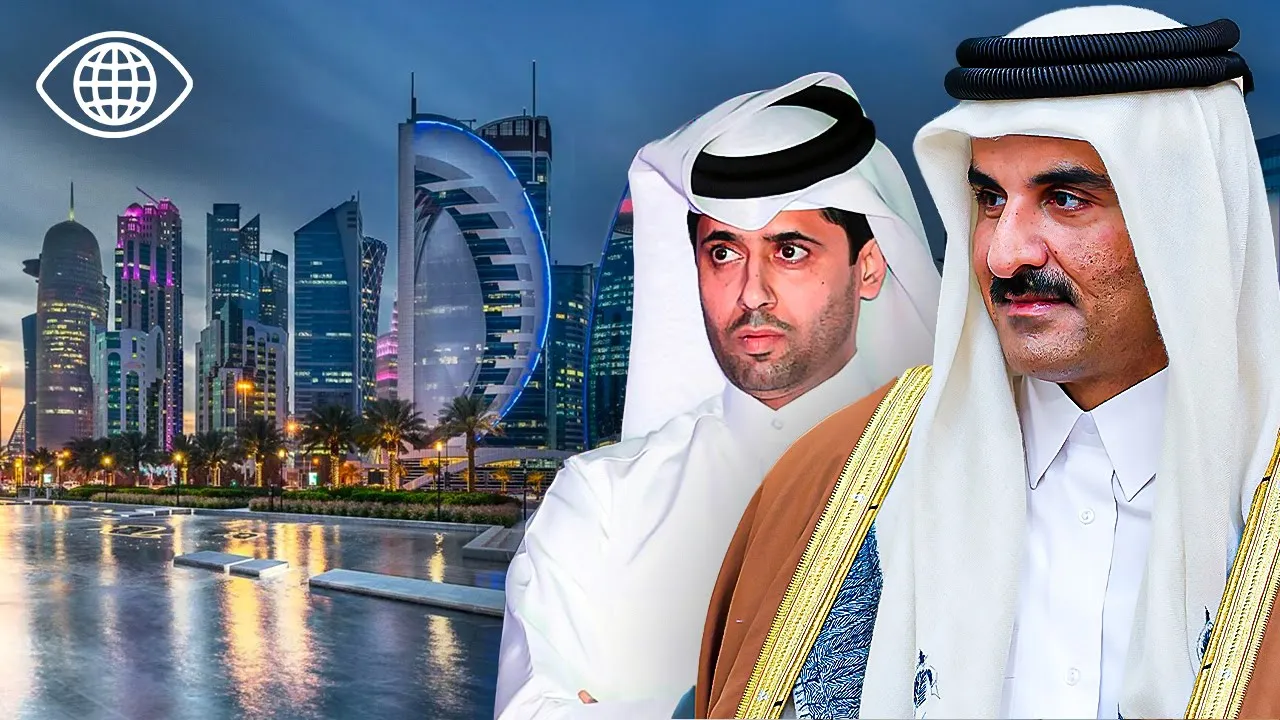







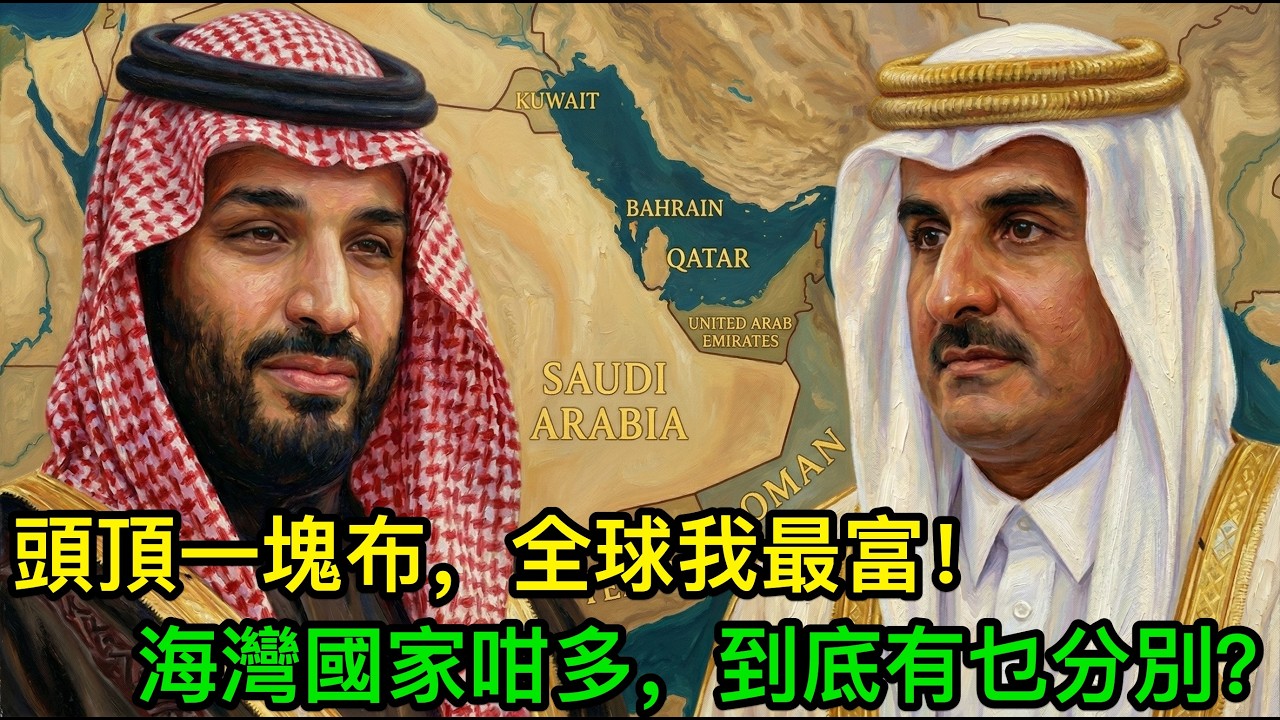
State-run media outlets in the Middle East, such as Al Jazeera and other Qatari-funded networks, serve as sophisticated instruments of soft power designed to advance specific geopolitical agendas by promoting anti-Western narratives, undermining alliances with traditional allies like Israel and India, and spreading propaganda that justifies extremist actions; these media organizations operate under two primary frameworks—ideological alignment (Sunni or Shia Islamist perspectives) and sponsorship type (state versus non-state actors)—and have achieved significant influence in Western markets through carefully curated English-language programming that appeals to progressive audiences while simultaneously broadcasting radically different content in Arabic that glorifies terrorism and attacks Western interests.
Middle East State Media Influence: Qatari Soft Power Explained
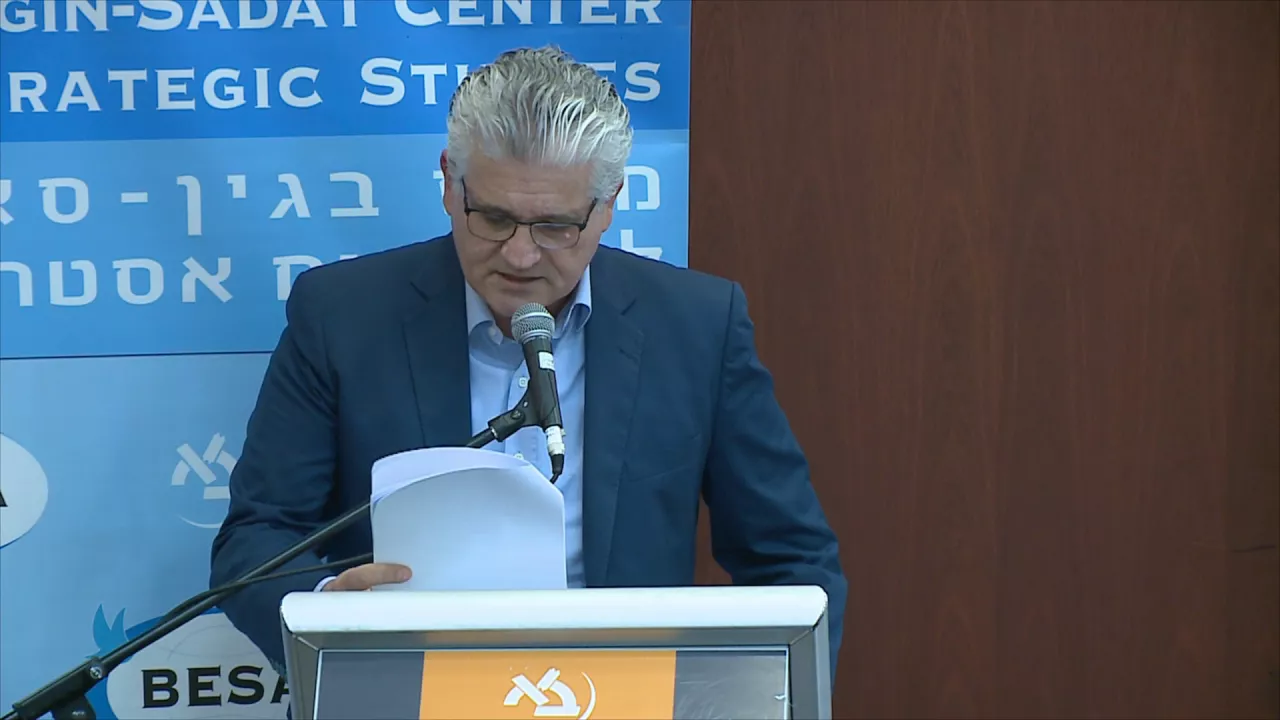
Added:foreign [Music] good afternoon and welcome to the Middle East forums webinar and podcast series featuring discussions with the Middle East forums projects my name is Benjamin Baird I'm the director of MEF action and advocacy project Roger Middle East forum I'll be your host for the next 30 minutes as we are joined by Our Guest Mr Jordan cope who is here to discuss Middle Eastern media conglomerates at any point in this webinar you can feel free to leave us a message in the Q a box below we'll try to get to as many of these as possible in order of relevance and uh appearance so we'll get started here Jordan cope is director of policy education at stand with us he's also the Qatari Finance Federal fellow here at the Middle East Forum he studies Cutters soft power efforts via charity and media organizations is a ba and JD from the University of Texas at Austin Jordan welcome and thank you for joining us thank you so much for having me it's an honor yes sir well first we're going to set uh let you set the stage for us who are the big players in the Middle East when it comes to media and what are their goals so I think it's important to analyze media Outlets under two Frameworks first and foremost is the ideology so what type of islamism do they endorse do they endorse a Sunni style or do they endorse a Shia style and then the second framework under which to analyze this is is it a state sponsor who is sponsoring a network or is it a non-state actor such as a terrorist organization now talking about the first framework the islamism framework on one side of the spectrum we have the Sunni Spectrum under that category we have countries such as Qatar with its Al Jazeera Network in turkey with its trt world and these countries share a lot in common when it comes to ideology both are supporters of the Muslim Brotherhood during the Arab Spring both supported the GNA government in Libya and turkey actually has a military list in Qatar on the other side of the spectrum we have Iran representing the Shiite revolutionary and um in essence there's some common denominators generally through media Outlets such as press tv um and Iran at least but all the media Outlets under the Sunni and Shia Spectrum generally um when they're state-sponsored resemble anti-western views anti-israel views there is some difference on the Sunni Spectrum you will see for instance that per se not necessarily broadcasting some Shiite revolutionary uh developments such as perhaps what we saw on Bahrain during the Arab Spring and on the Shiite side of the spectrum perhaps we will see um less negative coverage when it comes to India because Iran and India do enjoy some ties so that's the first framework the second frame work is that of state sponsored networks versus terrorism sponsored or non-state actor networks generally when it comes to state sponsored networks they try to influence the outside worlds and they appeal in foreign languages Western languages whether that be English Spanish French and we see that with multiple Outlets on the other side with non-state actors we usually see them appealing in the local language in which terrorist organizations try to assert their control and jurisdiction and consolidate their views glorify terrorism and insight violence there and then and so we see that amongst El Manor hezbollah's Affiliated channel in Lebanon Al-Aqsa TV and Gaza where effectively there is no access to public public television networks and so I guess that's just the beginning framework under which to to view everything under um and there's there's obviously it's interesting some sometimes the Sunni networks inspired the show and that works and so I'm sure many of you remember the Arab Spring and the contest for Powers um that ensued and so Al Jazeera five of its members defected to actually form effectively um el mayor Dean which is a Hezbollah Affiliated outlet and so um there's a lot to to help I guess bring both spectrums together and there's a lot of interlap and so happy to answer any more questions you may have on that sure well um thank you Jordan first of all my next question is how do Middle Eastern countries rank as far as uh press freedoms people have this vision of the Middle East as a a place where they don't enjoy the freedoms we do in the west what what's the story there so if you look at Freedom House I believe they do an analysis for Independent Media and country by country and if you look at at Qatar and turkey they rank one out of four so very poor ratings and when you look at Iran actually zero out of four um some some bad grades there so when it comes to Qatar I do know that there is a false news law on the books apparently that you can effectively end up in prison for promoting false news for a series of years a fine up to 27 500 and media is is definitely controlled in Qatar both broadcast and print Al Jazeera was actually founded by the Emir sponsored by the Emir until 2018 and nowadays it falls under the uh Al Jazeera media Network which still is very much connected to the Royal Family in addition we have in uh in Turkey um in 2018 there are approximately 200 media workers in jail and this negative attitude towards opposition and independent outlets in Turkey perhaps was fueled by the 2016 um cure attempt against erdogan some suspect it was staged but what It ultimately allowed was opportunity for erdogan to close in on civil society to purge members from Civil Society groups including the media and unto today um there is a lot of censorship um fines targeting um media Outlets that engage in opposition um I do believe that of all 50 or so fines in the last year all of them targeted about five companies opposition um outlets and then lastly we have Iran and in Iran you can't even have satellites in one's home according to Freedom House you uh meet and journalists face intimidation efforts even those outside of the country I believe at Iran International some journalists have been threatened and freedom health reports of foreign having their relatives summoned and so there's very limited freedom of expression in the Middle East other than in Israel and it's unfortunately not an optimistic scene for the future I see um is there any bright spots throughout the Middle East anywhere we can look with optimism um Saudi Arabia other U.S allies um what do you think about that I do think Saudi Arabia and I've read the impact say reports about at least in schooling they're trying to purge their curriculums of of material that might be anti um that might be homophobic or anti-semitic and so I think that's a good Trend in that sense regarding media outlets in the Gulf some media Outlets such as El Arabia do sometimes relate more pro-western out uh Western talking points um l-arabia apparently is actually nicknamed by some Al ibria which means the Hebrew um as a kind of way to mock it in in terms of some of its narratives there's still some some room to grow in terms of how I guess terms such as occupation and whatnot are applied in in terms of Middle Eastern context but it generally is more favorable to American talking points than others I see um so you talked you talked about turkey in the deteriorating situation there um turkey's facing an election things could change do you see the media situation the Press freedom is getting better there we'll have to wait and see for sure I believe it's in three days from now I did do some research on the the main opposition leader turkey's generally not my my strongest specialty but I do hear that he still Harbors very anti-israel views and often times in Israel is seen as a litmus symbol for one's opinions on the West in the region despite Israel not necessarily being the worst and so we'll have to wait and see I'm holding my breath to see if he is elected how he will actually engage with the West um so it remains to be determined but what we do know is that erdog one has been anything but good for press freedom in the region so let's focus now on your specialty cutter uh Al Jazeera International and specifically it's English language programming uh have achieved some success in the west they're generally accepted as a mainstream international news Operation is this a fair description and please tell us about Al jazeera's operations inside the United States I would say Al Jazeera and a terrible way has been incredibly successful at promoting now narratives that ultimately seek to undermine the US's alliance with its traditional allies whether those be Israel or India oftentimes Al Jazeera will promote or platform material that accuses those two countries or gets very close to accusing them of apartheid genocide ethnic cleansing segregation and the like settler colonialism in particular and it's because those two countries represent important causes for much of the Sunni islamist World in quote-unquote Palace signing quote unquote Kashmir and so ultimately what Al Jazeera does in Arabic is very different from what it does in English um in English it talks about on its platform such as AJ plus which is Catered towards the youth for the progressive audience it talks about Progressive themes and under American talking points such as racial discrimination police brutality and the like and on religiously conservative anti-semitic language it refers recently referred to a Jew killed in rojovo in these recent rocket attacks as a settler as far as I'm concerned Rehoboth is very much in the heartland of Israel not even in the West Bank and so you hear Al Jazeera referring to uh Chief the chief bomb maker in the pastor Hamas as a martyr you see them celebrating on their Arabic channels giving a birthday party to Samir kuntara released Hezbollah operative later killed but at this time he had just been released for killing a father in front of his young daughter before then brutally killing that daughter and there on that cake that Al jazeera's reporter gave to him with an ensemble in the background and flares were pictures of him with Hassan nusrala the Secretary General of Hezbollah with baruchi at the um of the um Alexa mortis brigades and I believe Ahmed Sadat of the pfop so you're seeing very two very different narratives and how do we understand what they're promoting well look at what Qatar did over time in 2003 it introduced Al Jazeera English the same year of the Iraqi uh War effectively when it began one journalist at the time said that Al Jazeera is supposed to be is the Mist he said that it was against the Iraq War and that's ultimately what it's sought to do it sought to change discourse on American initiatives in the region it showed violent footage of War which is inherently ugly to convince people to be against America's intervention in addition to that according to Michael Rubin of AEI Al Jazeera apparently would show up at sports that Americans received tips Americans would then be ambushed and Al Jazeera would film these booby trap incidents and put them all live air to make Americans seem vulnerable and to probably encourage locals to attack Americans as well upon realizing their vulnerabilities all manure Hezbollah also did this in regards to his rally soldiers this tactic but into the Arab Spring we see Al Jazeera targeting Western Minds more and more as I mentioned AJ plus introduced in 2014 during the Arab Spring Al Jazeera America introduced between 2013 and 2016 and just after the Arab Spring had ended in 2021 I believe Al jazeered despite promoting Progressive talking points then sought to introduce conservative talking points through Al Jazeera rightly which didn't last long but they're targeting Western Minds The Qatari government they target them primarily during the Arab Spring and I believe the Amira at Georgetown in 2015 or 16 or so mentioned something along the lines of uh we now realize actual quote he talked about understanding that we have a lot of friends and the media can help us access that so you've recently published an article uh tying Middle East I a popular print media company among American islamists it's something that American it covers American Islam and American islamists quite frequently but you wrote an article tying it to the Qatari government tell us about this lesser-known news Outlet in its alleged ties to Qatar happy too so it might be lesser known but it's still all nonetheless very influential I mean its reports have been cited by the New York Times The Brookings Institute United Nation or against and so just like Al Jazeera Middle East I Endeavors to portray Israel and India as states on the brink of genocide apartheid settler colonialism and the like what I ultimately discovered and even though there has been previous research on how Middle East I has hired former Al Jazeera reporters what I discovered is that currently there is a senior editor at Al Jazeera who is operating as an editor likewise at Middle East I there should be a significant conflict of interest there somehow isn't and since Al Jazeera was literally created by the Emir has been sponsored by the Qatari government since it's its Inception um there's a significant conflict of interest in that either this reporter us editor Megan O'Toole either has been given approval from her superiors at Al Jazeera to work for Middle East I or if not that that they must share such a similar mission that it's not a problem I mean I I struggle to find any other alternative that would suggest that Middle East I doesn't have ties to the Qatari government by proxy via Al Jazeera given that its Mission often aligns in terms of its substance in terms of its past reporters who moved from Al Jazeera to Middle East I and in terms of its concurrent uh symbol in mega no tool who happens it just worked for both so let's see so uh during the Trump presidency the federal government began a Crackdown on foreign media starting with Russia and China but eventually Middle East uh Middle Eastern media were required to register under the foreign agents registration act which Outlets were targeted here in the United States and were these efforts uh to sort of mitigate foreign media interference successful so I believe Al Jazeera plus was targeted and so was trt World whereas trt World actually registered under pharaoh Al Jazeera plus has refused to do so and I believe there's currently a U.S congressmen I think Jack Birdman who's he's trying to address that as we currently speak there's also a Turkish a sponsored entity uh I believe a nodular agency um that signs off under some similar guidelines under the some FCC guidelines but it's it's not quite the exact but so far entities state-sponsored wise have refused to sign up and it remains a big problem so we've talked a lot uh about hostile media in the region are there any examples of media that if they aren't independent and impartial or at least supportive of U.S interest and opposed to terrorism and Jihad you mentioned Al Arabia um could you talk about them a bit and any other outlets right so it did seem that El Arabia at the time very much raised awareness to Qatar sponsorship of terrorism um did tend to address themes concerning the dangers of Iran um there are some other outlets actually America in that China to intervene um in terms of promoting more neutral um talking points back in the day Al hora in 2004 was introduced in the heat I guess at the beginning of the Iraq War and al-sawa in 2002 um there were some problems however with these media outlets in that sometimes there are counter-intuitive they weren't properly monitored and ahura and alsoa at times would feature I believe a militant and alsoa who mentioned something along the lines of in regards to the U.S intervention that occupation is occupation um and something along the lines of wanting four more thousand troops dead um regarding alhora there was a man a reporter who introduced the idea that there is insufficient evidence to conclude that the Holocaust actually happened and so you had these Dreadful comments being aired on American sponsored TV that cost taxpayers I believe and oh double check this I believe reading something along the lines of 500 million dollars in its earlier years um it was it was disastrous in that sense and it didn't really catch on but there definitely is a strong need for free media in the Middle East and one that promotes truth accuracy which is largely needed thank you um okay we're gonna jump into our audience questions here um the first question is one that I I plan to ask you myself but they uh Steve asked does the VOA have any traction in the Muslim world I think that's a subsidiary of Radio free Europe um Farsi language media uh targeting Iran um do they have any influence in the Muslim world right so I think it's a good question as I mentioned earlier uh so what is actually effectively a repackaging of VOA but in Arabic to at least the Arab speaking world we've got main opposition influence I would say Iran International Remains the biggest um influence when it comes to opposition in Iran and not VOA and they do have a strong presence and up to the sense that the Iranian government has been intimidating um some of the reporters and so I would say VOA probably has some influence but definitely not as much as does Iran International sure um why does the Western media believe anything the Middle East News Outlets report this question comes from Jay well when it when it comes to I guess I'm no Journey I'm no official journalist as a as a strict job but my understanding is when you want to try to assess and evaluate the truth the first way is to go to local sources and unfortunately I just don't think many journalists know how to navigate which sources are reliable and even when sources are sometimes reliable when what they're reporting is actually truthful and it's because often I feel journalists are trained to be journalists and not experts in the Middle East and sometimes we just need to educate people how to be experts in a region first before they can become journalists there thank you Daniel pipes asks please assess cutter America whose stated mission is quote creating curating and executing programs in research that amplify the prominence of art and culture from America Qatar and the Arab and Islamic worlds wow that stuff in the uh a very good question Qatar has definitely used I think art as a form of soft power in terms of trying to inspire curiosity in a country that's otherwise very repressive they have a very well known Islamic Art Museum in Doha um but when it comes to freedom of expression at the end of the day I think that the mission fails as as we noted earlier um I believe Freedom House gave it a ranking of one out of four and so Qatar has used all sorts of means to try to inspire stronger relations with the west and hosted the World Cup in 2022 um it's it's definitely done a lot of other things to to try to to forge ties with the West whether it be buying American Military uh technology whether it be more on the art side sponsoring five billion dollars in funding to us universities I think Qatar USA's mission is just another part of this overall soft power effort to make Qatar appear as if it is an ally to the US despite what we all know based off of what Al jazeera's motives are and the fact that it helped Harbor Hollard Shake Muhammad um back in the day before 9 11. he was The Mastermind eventually of 9 11. we know Carter is not our Ally um but nevertheless they have to convince us through the art Arts through Sports through business through law being that they are and so I I wouldn't regard it with much High Praise uh let's see Steve asked is the Israeli government aware of the threat represented by these outlets and what are they doing uh to out it to expose it so is the Israeli governments aware um I'm gonna say first the U.S government used to be aware um the U.S government it's reported potentially considered actually bombing Al jazeera's Bureau headquarters in Doha I believe they did bomb at Spiros and Baghdad and Kabul due to the inciting factor that it had whether or not we endorse that is another question but it definitely did have an inciting Factor um well if we remember I believe in 2021 there was a building that was targeted um because it was I believe harboring ammunition or or rocket launchers in which Al Jazeera was actually present in that building um as to the actual team details of the nature between uh I believe how much of the pij's relationship with that building um it's clear that uh Hamas um and pij members frequently appear um on Al Jazeera Ismael hania the channel is so obsessed with him the head of Hamas um that it actually once allowed him on air to congratulate Al Jazeera on winning for Africa Cup which makes no sense I think Israel is aware I think Israel's learned over time about the Qatari threat but it also understands that Qatar Israel believes at least that it is sometimes useful for helping Channel Aid um but I think Israel's waking up more and more about the threat and if I recall some uh somebody I think was it yossi Cohen and the Mossad uh previously in the Mossad I believe might have talked about um realizing the Qatar threat later on the road our next question comes from Barry Werner he asks what about the internet media Outlet called the new era are you familiar with this I am familiar with the new Arab um I believe I'm trying to think if it is one of those that might be Affiliated um with what a comfort I need to do a little bit more research on it but I do believe that I would still recommend doing more research to double check it might pop some ties to the Qatari government um but it's best for me to elaborate when when I'm more expertised on that outlet okay we have a question here from International lawyer Andrew Rosa Marine who asks what about BBC Arabic and Persian do you follow these Outlets much I do follow the outlets and I was supposed to talk about Middle Eastern ones I would definitely say uh BBC arabics coverage often invokes very much of the same language that you see uh from those that are anti uh Israel for sure um BBC ought to be uh um definitely is is not favorable and neither is sometimes BBC English you sometimes question the disparity in the language between the politicians in the British government and the language coming out I heard somebody in NPR discussing Israel's presence in the West Bank which is disputed as occupied ones and and so definitely public broadcasting needs a revisit in terms of the language that it is using and whether it's actually consistent with the policies their government endorses sure um so I'm going to go back to Steve he had a second part to his question um and and it's um a very important one I think we talked about the foreign agents registration act but what does it take ultimately to stop and counter uh these hostile media organizations from the Middle East so I'm as strong of a free speech proponent as it gets it takes having Outlets that help expose that helped raise awareness to uh the truth and inaccuracies we need Outlets that are dedicated to targeting the youth outlets need to adjust to be more amenable to social media to fleeting attention spans and they need to Target in the languages necessary and the locations necessary the target audience that we must Target in order to inspire them um to entertain more peaceful talking points to entertain tolerance and America could do a better job probably at having media Outlets designed in Arabic and Farsi are promoting what we believe is the truth here um given that we have such wide access to it thank you well thank you Jordan cope for joining us today um I think we covered a wide range of media Outlets even going to the Western media's influence inside the Middle East I also want to thank our viewers for tuning in of course you can find uh the Middle East forums Project Director webinars on Mondays and Fridays or uh our review a Roundup of Israel on on Wednesdays thank you for tuning in and we'll see you on Monday thank you very much foreign [Music]
Up Next

China's Propaganda Recruitment Strategy: CGTN Exposed
@TheChinaShow
148.7K views•2021-06-18

Triumph of Orthodoxy Icon: Byzantine Art & History Explained
@BenCallan
2.1K views•2024-08-06

FastAPI vs Flask vs Django: Choosing the Right Python Web Framework
@TechWithTim
302.5K views•2024-05-26

Game of Thrones Opening Credits: A Cinematic Analysis
@gameofthrones
46.3M views•2011-04-18
Related Study Plans & Knowledge Roadmaps
Structured learning paths in General & Interdisciplinary Studies