












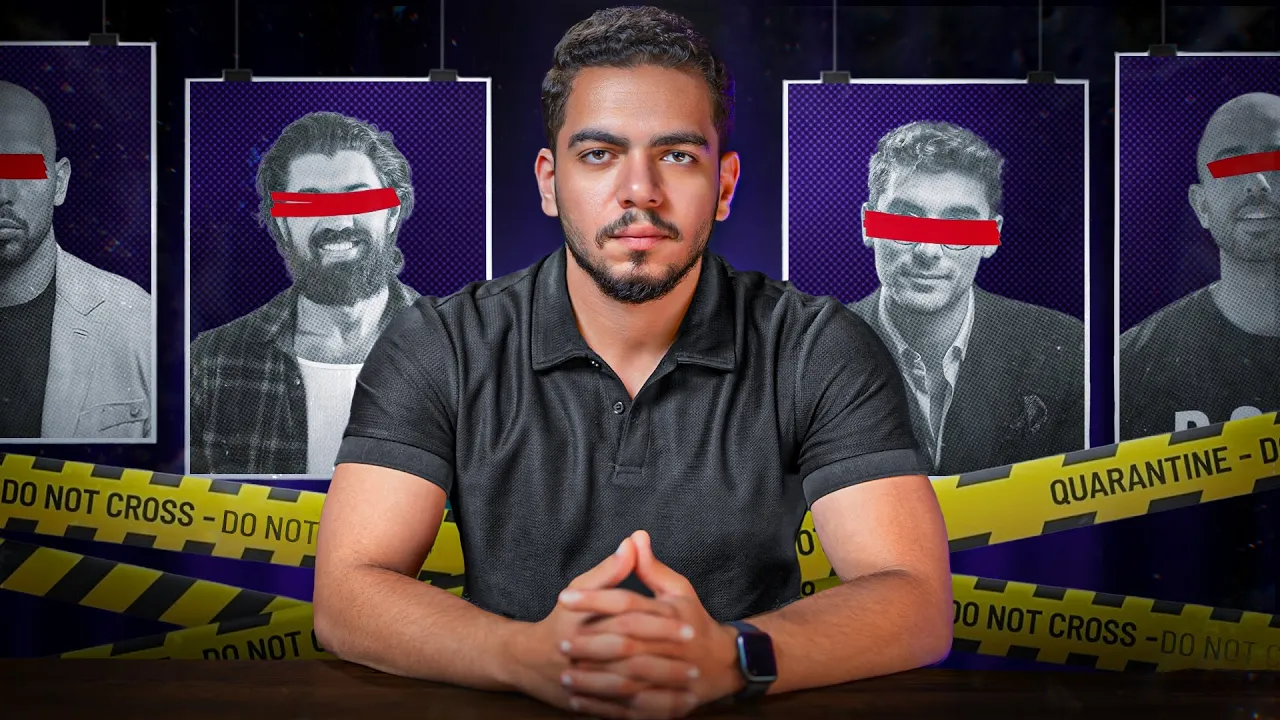






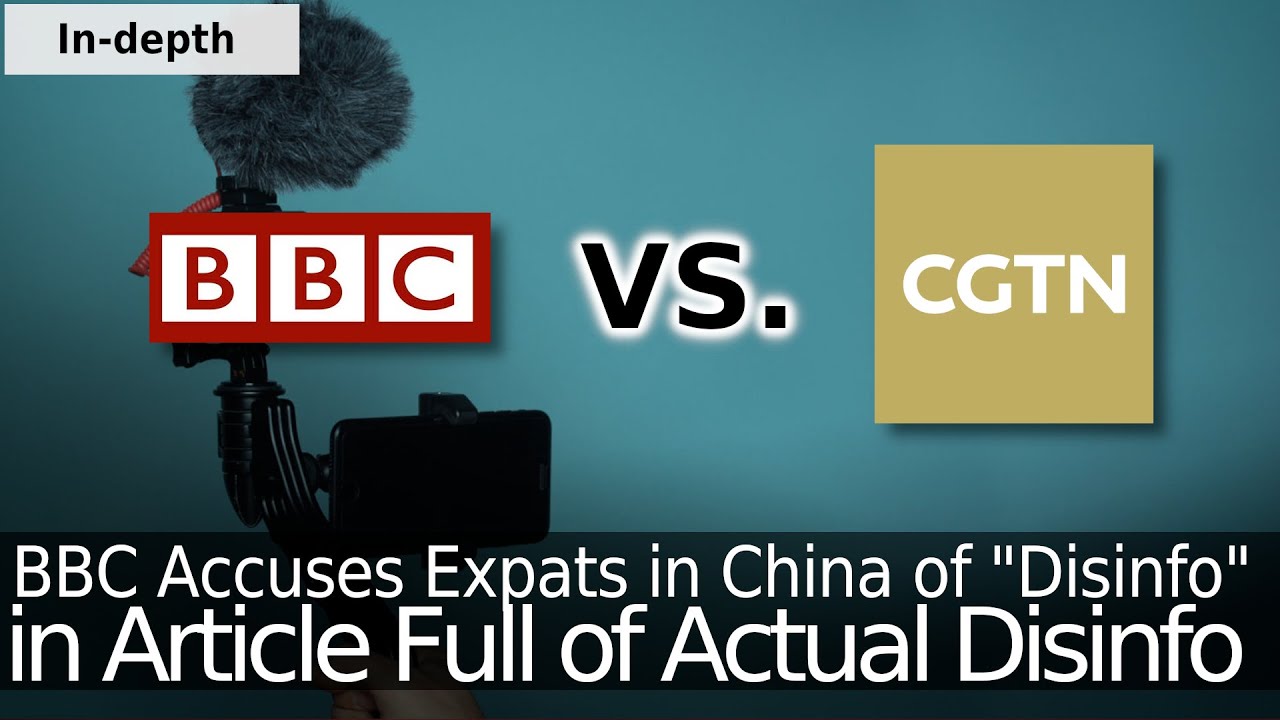



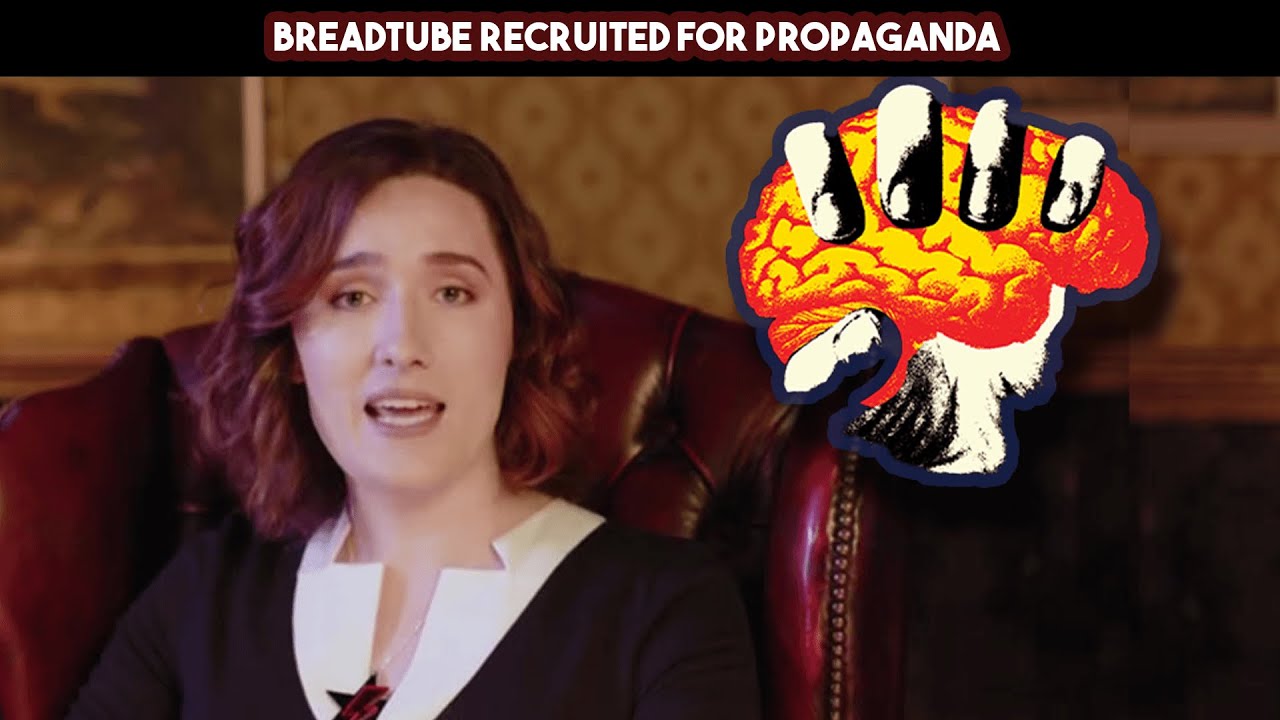









CGTN has produced content explicitly denying the existence of genocide in Xinjiang, with one presenter stating they 'left no stone unturned' and 'still couldn't find any trace of genocide.' This represents a deliberate campaign to delegitimize international human rights concerns about China. The strategy involves sending foreign collaborators to sensitive areas to film content that contradicts documented evidence, using their foreign perspective to create false credibility for government narratives about minority treatment.
China's Propaganda Recruitment Strategy: CGTN Exposed
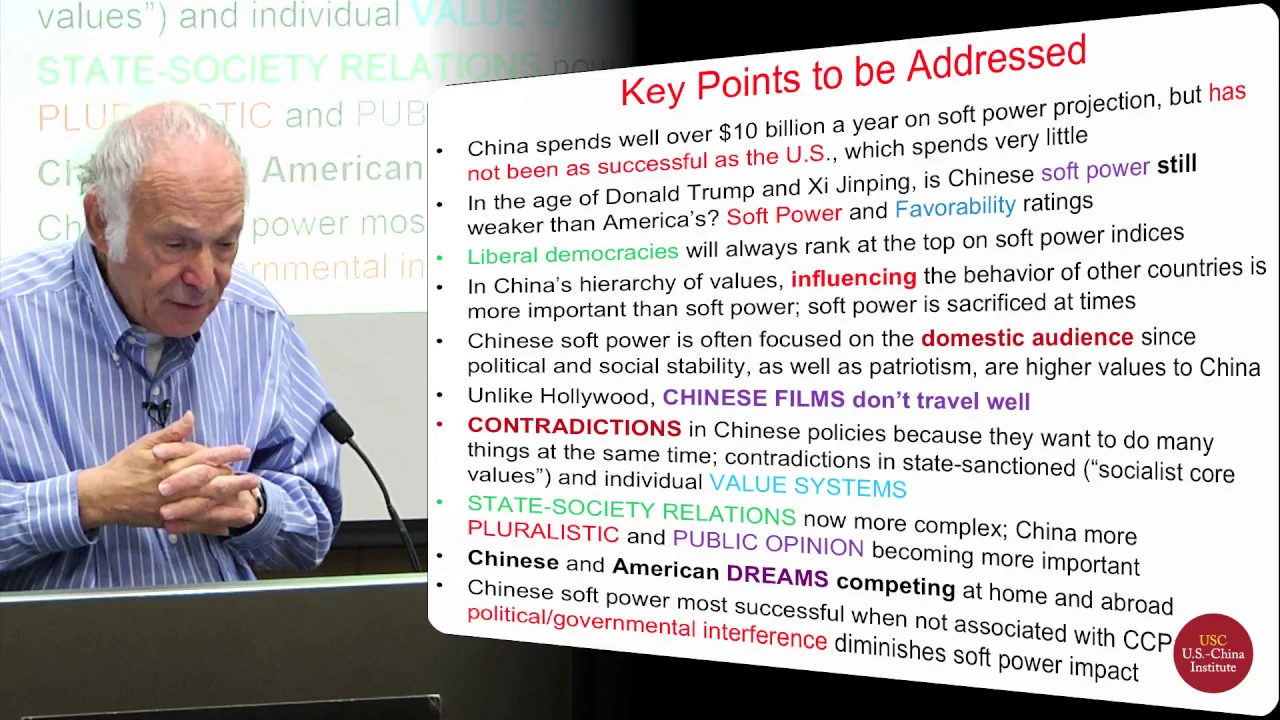
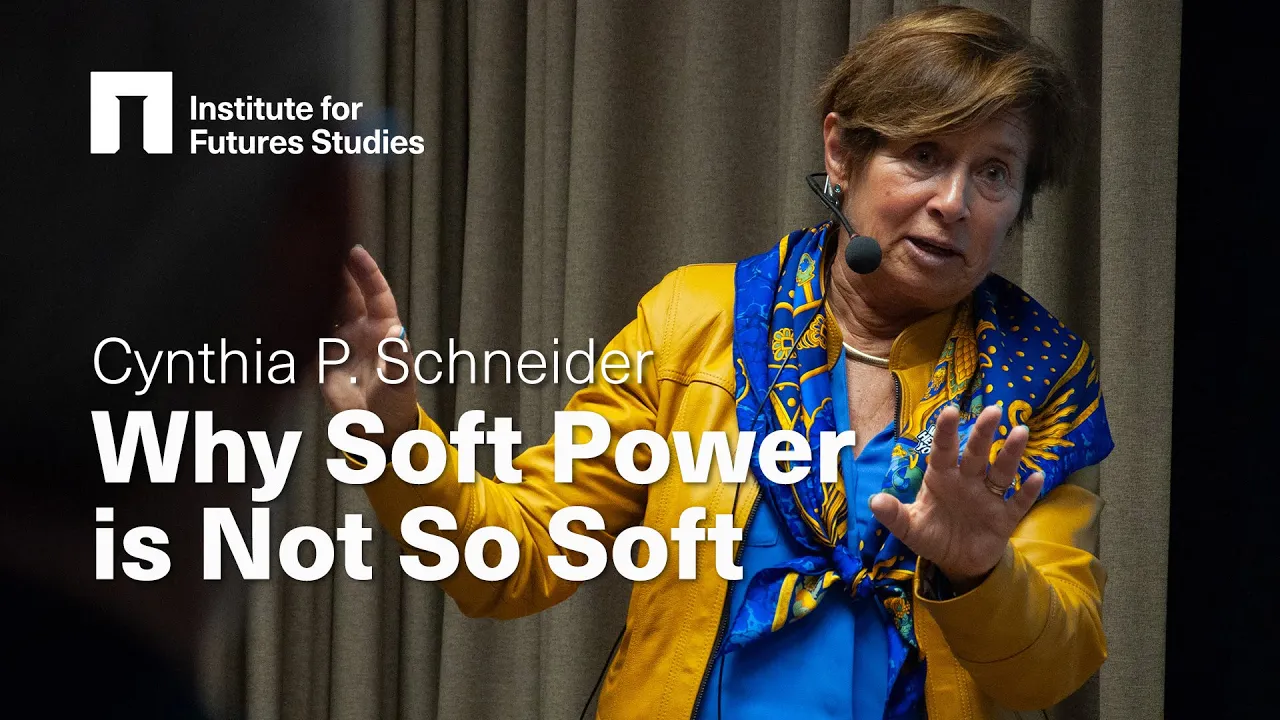
Added:The concept of 'Soft Power' and 'Sharp Power' in international relations, particularly how nations project influence globally.
The institutional structure and role of China's state-run media, specifically CGTN (China Global Television Network), and its alignment with the Chinese Communist Party (CCP).
Basic mechanisms of modern digital propaganda, including disinformation, misinformation, and astroturfing.
The economics of the influencer marketing industry, specifically how creators monetize content and build trust with niche audiences.
Analyzing legal frameworks regulating foreign influence, such as the Foreign Agents Registration Act (FARA) in the United States and similar international laws.
Investigating platform governance policies on social media networks (e.g., YouTube, TikTok, X) regarding state-affiliated media labeling and covert influence operations.
Developing methodology for OSINT (Open-Source Intelligence) and network analysis to trace funding and origin points of suspicious foreign-backed content creators.
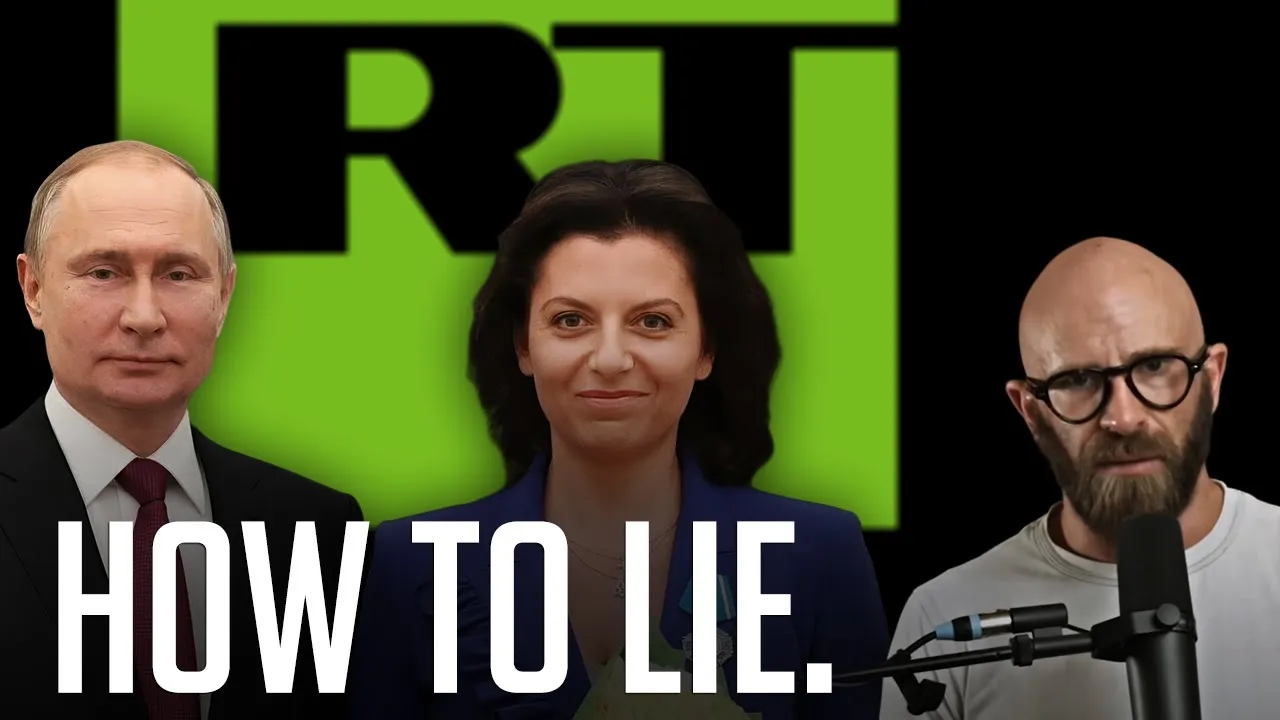
Comparative analysis of digital propaganda strategies employed by other state actors, such as Russia's RT or Iran's Press TV.
148.7K views6.9Klikes2:48Original Release: 2021-06-18
[Music] [Music] you make me [Music] welcome everybody to episode 65 of the adv podcast we're in for a kind of an important one today it's definitely uh at least it starts out fun yeah and then it's going to get into some very serious stuff as winston would say i want to give a couple shout outs first sure uh lucas hawley uh he sent us a message he said i graduate today with my master's in public administration from depaul university is there any way that you would be willing to shout out your patron and of course and he said on behalf of the people that because of kovid weren't able to have a real graduation congratulations to you lucas and all of your brethren out there that have graduated from school think about it this way you'll be part of the elite you'll be able to tell your grandchildren and so on about this time yeah a very interesting time in hindi elite yeah you you were one of the very few people that weren't allowed to have a graduation because of a pandemic i mean in 20 years that'll probably sound crazy you know it'll be like well grandpa you survived a pandemic yeah it's kind of like when my grandpa used to tell me war stories me too my grandpa's world war ii um and one more shout out to norwegian polar bear very generous uh way to kick off the show so thank you very much thank you guys okay we're going to get right into this one we're going to saunter into it slowly but whatever let's go into what's new we've got something funny for you so what's new is when we talk about what's new with regards to china any kind of interesting news that's been going on we've got something pretty interesting play a little piece first okay we're going to play this let me play a little clip okay um we'll translate after and tell you what's going on so here we go i'm going to play this one [Music] so you guys might be wondering hey like why why is this man crying if you don't speak chinese you'll be like why is this man crying did something bad happen well yeah thankfully from tv this is actually a taiwanese channel this guy is awesome i just discovered this guy because of this he does he has a whole channel unfortunately it's only in chinese so a lot of you guys won't be able to watch it but he basically goes after wu mao so imagine a chinese-speaking taiwanese dude has a whole youtube channel dedicated to messing with wumma yeah or little pinks or little pinks as you call them so basically for you for you noobs out there that don't know what those things are the paid internet trolls in china or the ultra nationalists yeah um that go out and support the ccp and then attack other people like us or him yeah people that they all they do all day is they sit on the internet and go out and specifically find any content that might be critical of the chinese communist party or china or anything and they make it their live submission to attack them and insult them and try to debunk them and all that kind of thing but usually in a very s bad way like not very well it's not well thought out they just go there and they're like whole insults right they don't have good solid arguments this guy behind us fun tv this guy does have good insults i mean he's brutal yeah with his woma the way he makes fun of wumas he makes little sketches and we went through his channel it's very very funny stuff so what happened yeah the guy's crying it's not him no no someone basically tried to report him to the chinese government okay so he went to the psb the the gong anju which is the public security bureau now people have done that to me as well people went to the shenzhen public security bureau while i was still living in china and tried to report me as a foreign spy yeah it didn't work obviously because i'm not a foreign spy so but yeah that's what this guy did he was like there's this this taiwanese separatist on the internet i'm gonna go report him and so when so this guy's a youtuber by the way yeah so not the chinese guy the taiwanese guy yeah the taiwanese guy's a youtuber so the chinese guy the chinese ultra nationalist guy watched this guy's youtube videos and was like i'm gonna report this guy to the government so the idea is because according to china taiwan is a province of china a renegade province of china we should we as ultra-nationalist chinese people should be able to report our fellow taiwanese compatriots for being separatists yes he actually had that in his mind yeah he thought okay yes taiwan has a separate government yes they have a separate separate currency yes they have a separate police force yes they have a separate intelligence blah blah that doesn't matter i should be able to go to my government or the guangzha woman the gong chandang our communist party of china and report this taiwanese bastards channel right sure what happened well he walked in and he laid it out he said this guy is making these videos you know speaking bad about our china blah blah blah the cops were like okay um let's look them up and they couldn't figure it out so they're like hang on a second like we can't see anything and the guy's like no look you can't access it because you need a vpn it shows them how to go to the youtube channel how to see it you know what happened the chinese officials fined him 3000 rmb for using a vpn so let's play his clip again yeah let's go we just like to revel in his tears so this is the chinese ultra nationalist crying as he comes out of the public security bureau because they find him because they find him do you know why they find him for using a vpn yeah they said they the cops have allegedly laughed at him it's going to take a lot of these wool mouths to make up for that 3000 rmb i'll tell you that much the cops allegedly these mainland cops allegedly laughed at him yeah because they said how are you gonna how are you gonna report a taiwanese person and he's like well it's our taiwan's our china i should be able to report him as a separatist and they're like you're not allowed to use a vpn yeah so i i thought the best part of the story is you get a lot of these shills out there yeah which we'll be talking about in a bit these foreign shills that shill for the chinese government and they like to go around and spread this absolute lie that vpns are actually legal in china sure so this is their this is what you'll hear often times they'll say vpns are legal in china it's just that the government doesn't want everyone to see the open internet they don't want to just flood the internet with all these opinions and stuff they need to protect the main puppets but if you're smart enough you're allowed to use a vpn yeah not true at all fully illegal to you there's a reason why the chinese government blocks the internet is they don't want people to access it so if they catch you using a vpn you can be fined like this guy and so the idea that for instance you get uyghur people going on yeah youtube creating accounts and you know being able to do this is ridiculous even normal everyday chinese citizens that aren't minorities are not allowed to do it look at this guy he's a nationalist yeah he loves china he's a big-time patriot and what he tried to do is report a taiwanese separatist and he got fined for using a vpn so just remember this whole idea that it's okay for these youtube channels to be popping up all over the place from tibet or xinjiang or whatever it's not true it's not correct you're not allowed to do that my favorite thing is that this guy is going to come out of this guy's a ver a virulent nationalist like a really bad potty mouth dude right yeah and goes after people similar to like how he would how people go after us right and he goes after people that support free china right yeah and his punishment is to learn very quickly that the chinese government never has your back they never have your back you can think you're doing the chinese government's bidding and the more you speak on good on their behalf they're gonna they're gonna pet you on the back and be like we we will protect you yeah there's a there's a red line yeah if you cross that red line you're screwed they don't give a about you yeah and that guy's crying because think about how devastating we're laughing at him crying but think about how devastating that actually is yeah you're going to do the work that the government tells you in the newspaper every day you turn the news every day be a good citizen report the spies these people are trying to hurt china and you do your duty yeah and then you get punished for it yeah because actually what you learn very quickly and the reason he's crying is all the propaganda he's consumed about how to be a good citizen is not actually meant for action they don't want you to do anything about it they want you to be a slave you know what i mean it turns out your brain no it's true the the thing is you are not allowed to break the law no in china and one of those laws is using a vpn to go and see the real internet out there you know what i mean it is devastating for someone like that because a lot of the very nationalist people that i know in china specifically they will blindly follow what the ccp says and they do think that they're doing the right thing by reporting people and snitching on people you know they've done the same to me but they don't realize that you know you can do that all you want but when it turns around when the tiger turns around and bites you then you've got nothing no no you're going to be the the think of how lonely that is yeah right it's terrible so i kind of feel bad i mean i think it's hilarious and he learned his lesson what did they say talk get hit because that's what happens right you do and this you know what you just did you fed this taiwanese this uh fun tv you just fed him so much goddamn content yeah that he's gonna be able to left this and guess what you've learned i'm talking to the chinese vlogger guy right the guy in mainland china who reported him yeah what you've learned is that the person you tried to report gets to be completely free go to bed wake up eat breakfast and go and make free content on youtube again for his audience three thousand r b richardson and he's 3 000 richer and continues to earn money on youtube doing and saying his own opinion yeah exactly congratulations taiwan and congratulations democracy and freedom of speech absolutely big win so anyway that was just kind of our fun little thing uh to get us started now before we get stuck in do we have anything else and what's new i don't think so someone just yelled at me for drinking coke so i'll drink seltzer water instead okay um no we don't no we have a big topic so we won't yes we got to do a couple of super we're going to do a couple of super chats guys and then we're going to get into our main topic which oh by the way it also includes a wrap so don't worry we've got another i've got a wrap don't worry don't worry like you know not as in a wrapping paper as in an actual you know ccp rap and it's it's full on state sponsored like you know we've done provincial wraps we've done like low-key vlogger wraps yeah oh by the way i got threatened by uh i'll talk about that next one next time it's funny uh chinese university is trying to come after me sure um anyway uh what's his charles womack says i have to be at work at 2 30 today working the swing shift gives me a dollar more an hour so instead of being a live watcher i give you my shift difference thank you very much thanks for being important boys that's super super nice i appreciate that um uh huge pines says hey guys second super chat ever wanted to thank winston for his video on the new kinuki incident stay awesome both of you uh i'll love from switzerland and it was a great video too um if you want to know excuse me if you want to know about uh the nuclear the taishan nuclear incident watch watch winston's video it's a really good breakdown because you'd think it would be just about uh the nuclear reactor leak but actually what it is is it's a whole kind of expose on why all of these disasters keep happening in china and it's basically done to face culture yeah absolutely like this you know actually a little bit of an aside sure during my research for that i came across this ridiculous situation where you know there are a lot of workplace deaths in china like in was about 2008 thereabouts i think there's 130 127 000 deaths in a single year and this is like industrial accidents and stuff that's a big number that's a lot of people dying from these things anyway it's suddenly just in 2017 or so drop down to 38 000 deaths and you're like wow that's a that's a big improvement maybe they're really improving work work place safety and stuff but no it turns out they've just been outsourcing workplace debt so instead of if someone's like on the job like a delivery driver um you know or sanitation workers if they're working on the road and they get hit by a car and die or you know the delivery drivers on his way to dr like which is the bulk of the accidents am i right yeah it happens to these guys it's on a little e-bike or something they get run over or they have an accident and die it's not classified as a workplace safety death it's classified as a traffic accident so they're doing this a lot like for instance um a bunch of people died in a dormitory that caught fire but the dormitory was inside the factory in fact she caught fire they all died but it's like no they weren't at work they were you know it was after hours and they were like sleeping in their house or whatever but it's actually the dormitory so it's not classified as workplaces so basically they're just finding ways to not classify workplace deaths so that they can bring the number down it's crazy very very chinese government yeah yeah i thought i'll do i might do something on that in the future because you should i think it's very interesting as well um sayo says how is china going to guard against elon musk's star link and that is the unrestricted internet jamilah musk is proposing it will be able to provide access anywhere on earth if you have the receiver so i've i have two theories about this number one is the brute force approach i think the chinese government will either go after the receivers and actually do wish hunts for them so offer incentives for people to report people that have one or that are importing them remember satellite tv is illegal in china correct it's the same thing yeah like you need to have a receiver and it's a dish right whatever the receiver for the starlink thing is hopefully it's small and concealable right because you can report your neighbor if you see a satellite dish and you can get a reward and i think that's the most realistic thing that's gonna happen that my second more i shouldn't say tin foil hat approach but something that i think china's been doing for a while now is getting ready for the possibility of open internet in china not their choice but the possibility of they can't control the internet anymore so what they've done is amped up the nationalism the propaganda and made it to a point now where if you open the floodgates in china a the vast majority of the population have already been brainwashed to the point where they wouldn't go and try to experience something new they've already been fed that all western media is lies and everything in the outside world is trying to go after china so if you release them into the wild number one with a very low english proficiency and number two with it not not a big curiosity to find out anything that they'd probably be fine for a while sure uh emmanuel turner haven't heard from you a while thank you very much appreciate it uh he says an emoji called super effective cool nice and frederick york sorry to hear about the taishan incident how bad would it have gotten without foreign intervention do you think of uh if well i mean here's here's the thing they they've admitted to doing an overhaul on reactor 2 but they don't say what they overhauled everything is so opaque normally if you do an overhaul on a reactor that means that something very bad has happened and some some serious like changes had to be made it's too opaque to know how bad anything is it could be very minor it could be not it could be very serious what's going on there but the fact of the matter is that these incidences and these problems aren't reported unless it's leaked or unless it's forced you know unless they're forced to talk about it that's the big worry here is you you just don't know because when you're dealing with nuclear power it is one of the safest and best forms of power in the world if it's implemented correctly and safely and monitored correctly that's the issue with china is they don't want to be transparent when it comes to anything and when there is an issue like we saw with covert and with various other things in history with china they would rather suppress bad news than let anyone know about it so they'd rather lie about it or just not let anyone know and that's something you don't want when it comes to potential nuclear disasters so right that's the scary part so hopefully there's going to be more eyes more pressure on china to be more transparent about this and that way safety can actually become the forefront rather than face becoming the forefront here correct i'm just going to rip these real quick okay i click all night it says watched you for years and a patreon supporter uh yeah first time watching live friday was a good move thank you thank you uh black halo 6 says when why doesn't my master love me as he's talking about the yeah the guy that just got fined by this it must be so devastating for that guy cena thank you dark skay thank you uh joseph alter says please continue the fight against propaganda we will thank you that's our job uh black halo 6 wherever there's a wu mao uh in chat play the clip which clip we got a couple clips here well we've got what else do we got show you chinese manners i think [Music] yeah twitter considers the term white monkey to be an ethnic slur i was suspended from twitter a while ago so y'all be careful yeah interesting it's what chinese people call yeah it's not an ethnic slur at all anyway um guys we probably have to move on to our i just wanted to get through these super quick um yeah because then people have been waiting oh any uh sorry first couple more uh yeah any wishes for chairman she had a 68th birthday 69 one more year nice uh high five fans from balsa czar hey guys love your videos i'm arguing with umau comments in the barrett's videos is it worth it or just ignore them you can pose your argument and then give them a little hug an e-hug anyway we'll move on all right time for soft power where we talk about how china is changing your mind through its propaganda and other weird ways that they do now we've got this this one that we're going to talk about now is kind of important very important the reason the reason it's important let me just get this thing up here the reason it's important is this this could potentially affect you yeah okay we need to educate you guys on something here and we have to give you a very stark warning about something here okay first we're going to talk about cgtn all right um what is cgtnc milk so cgtn is actually a rebrand of chinese china's previous kind of foreign media branch english media branch and that was called cctv9 so cgtn basically launched this campaign in 2016. and the idea and this was under xi jinping the idea was that if we our current propaganda is not working well no this brand is not working well people see the word cctv they either think of closed circuit television or they think of um this has been too synonymous with chinese propaganda for a long time so i said hey let's make this branch of of the propaganda arm that's what it is the propaganda branch of the ccp of the chinese government has this branch that cgtn operates under yeah and the idea is to make i have a quote here actually it says it's a major initiative to help shape shape positive global opinion and that that comes from xi jinping's tell china's good story make china look good to the rest of the world right so they come up with this whole brand and they shift they're like now we're gonna promote soft power propaganda abroad so cgtn is the biggest network of china's soft power propaganda it's not a private company nope i'm sure you've seen it we can go through a couple of examples that you can actually show we will show you in a minute but basically long story short cgtn is the biggest arm of the chinese government's way to communicate with you and you've probably seen them on twitter instagram on youtube and they're all over the place and the thing with what they're doing is they're starting to recruit foreigners yes and foreign foreign speakers on behalf of the chinese government without saying that they're basically starting this campaign and it's called the media challengers where they're going out there and saying you can work for us but it's not the chinese government you can work for us as a new reporter a vlogger an influencer and you'll be part of this new narrative where we're going to challenge the western media's narrative yeah okay before we even get into the media challenges thing properly again we must reiterate that cgtn is a propaganda arm of the chinese government correct uh it cannot be separated from that that is its entire role it's not a private company yeah you know a lot of people out there might think what's the big deal cgtn it's kind of like cnn or no no imagine if cnn was run by the republican party or no no no just the federal government the federal government sorry the federal government so cnn or yeah cnn was the federal government's channel and the only thing they were allowed to report were things that the federal government wanted them to report so they'd have to report only positive things only show like yellowstone national park and all the good things show the numbers of like oh unemployment's down and this is in all the good that we do in the middle east look at all the good that we're doing yes and and this kind of thing look how much oil we've secured for the people happy children at the border you show like like happy iraqi children dancing and stuff like giving flowers to souls seriously it is a government thing so for anyone who thinks oh it's the same as fox news or cnn bollocks shut up you don't know what you're talking about it is run by the government it reports directly it's not a government that means that that worked on you it means to probably get it worked on you it gets its directives and its narratives from the government yes it is the ccp the chinese communist party of china directly says this is what we're going to do and then cgtn says okay we will do this and it's the the communist party of china says you may not talk about xyz and then cgtn says yes we will not talk about xyz we don't want to talk about it anyway you know that's not to say other things don't have like cnn or fox or whatever don't have a partisan partisan bias yeah that's the difference this is long they don't belong to the government this is the mouthpiece of the chinese government and it is not anything else so first we're going to look at uh this campaign that we saw pop up yeah so this campaign let's we're going to play this to you we're going to get out of here we're going to play are you a reporter presenter podcaster or social media influencer hungry to find a platform to show off your talent conquer the world here it is challengers and innovators are sure of a one welcome and growth here this is my 21st year at cgtn and the best of it is you get to meet all these great people from different circles from different walks of life and um they all have great stories and speech it is a diverse stage it is include uh okay like you get the idea right this this is their push for this idea this media challenges thing we're going to get more in depth i wanted to start with this because of how innocuous this looks yeah it's a bunch of chinese ethnically chinese looking people talking about how the cgtn's going to change the world and all this kind of stuff so you would actually this will probably ducks off the waters or water off the ducks back it's not that big of a deal it's china doing their thing yeah and let me tell you why it's a big deal so go to the next part i put together some media about um i would say actually yeah this is the stage where my dream we don't need to watch this man anymore no this man's just wait wait it doesn't i mean i just gotta say there's a couple there's a couple of uh oh interesting yeah i see a couple familiar faces you might see the the woman in the burgundy dress that's the color right burgundy that's a color what what do you think it is i mean i mean is that that color yeah i think so i think it's kind of burgundy kind of burgundy right again you might recognize her we're going to show you later yeah yeah just keep an eye on there yeah me the opportunity to also travel around blah blah blah blah blah blah so anyway there's a bit of a you know the foreign foreign voice or whatever and then she goes on to recruit so whoa yeah sorry the media challenger yeah so what i want you to do is just solidify this logo in your mind it's very important that you solidify this logo in your mind you will see this everywhere coming soon and we'll tell you why when you see this logo remember it's chinese propaganda it is that is cgtn is chinese state propaganda it's nothing more nothing less no that's what it does um so there's a neat little website you can use go to the next slide here yeah it sounds like we're in a business meeting can you hit the next slide please and see the the performance of last year last week's numbers what did they used to call it projectors called like a proxima or something i used to have to set them up yeah and meetings back in the day oh yeah yeah we're just doing some propaganda for cgt in here okay so if you go to media buy us fact check i love this website it's great you can put in any news source yeah and they go through and fact check what they've said what mistakes they've made and then they talk about whether it's a reliable source or not the worst rating you can get the worst rating you can get on this website is questionable source right and it says a questionable source exhibits one or more of the following extreme bias consistent promotion of propaganda conspiracies poor or no sourcing to credible information a complete lack of transparency and as fake news fake news is a deliberate attempt to publish hoaxes and disinformation as a purpose of profit or influence so this is they have a list of questionable sources cgn makes the question i just want to say it says overall we rate china global television network cgtn news question questionable based on the promotion of pro-state propaganda and heavy censorship so it gets the lowest mark um world press freedom rank for china's 177 out of 180 so please get i know it's a lot of facts get those in your head first before we go into how insanely ridiculous it would be to want to work for this publication yeah you're working you're going to be potentially working for one of the worst dictatorships in the world that is currently genociding people you will amongst other things you will be used for promotion of that propaganda yeah because that's why they're hiring people yes and you also are working for a what is deemed a questionable source to the point where almost everything put out by cgtn is for the purpose of chinese state propaganda it is right it is i mean they show they have travel shows and things too but the only reason for the travel shows is to show how great china is and how like the infrastructure or the poverty alleviation or this or that you know so yeah so move on to the next slide so i want to talk about a little history of uh cgtn and what you would if you're working for them what you would potentially be working for just remember that they've recently been kind of kicked off the air in the uk because of what we're about to show you if i can get there there we go so cttn what they were doing along with cctv i believe it was for what they were doing was airing forced confessions yeah okay and force confess there's actually a great documentary about this but they're forced confessions what they would do is put on chinese prisoners they would take them out of prison yeah and they would force them into confessing what they did and a lot of times they would say i'm sorry for what i've done to the country i'm sorry for making china lose face yeah and a lot of these people are just political dissidents sure right so the reason that they would put these on is this is it goes against most countries kind of journalistic integrity laws is that or rules i should say you can't show co forced confessions on the news because it's it's it's blackmail yeah it's against human rights principles and it's also a way of i mean the whole point of this is to coerce people from not speaking out against the government in the future yeah now it's one thing to air this in china right this is being aired with subtitles go to the next slide yeah with subtitles in english for you to see yeah right these forced confessions are being aired so that you consume them and most importantly chinese dissidents living abroad also consume them yeah and don't forget cgtn is part of cctv and every single cctv channel whether it be cctv 13 4 10 9876 or whatever billion it's the same company it's the same group as well so you have to understand that when you see other like big uh like things like these forced confessions on other channels it's related to the same company it is the same company yes yeah that's absolutely correct so they got messed they got cgn got in trouble and kicked off there in the uk yeah simply because they were doing this and they were also like lying about their license they got it through some un like some shady way so yeah so there's this uh this guy surnamed dalin from from sweden and he was uh he did a documentary about this and he i quote him he says he did he went through and analyzed like a ton of these dozens of these forced confessions he said the point of these televised confessions is to not only deter the individual but to attack a larger group of people by striking fear into those who see the broadcast and so there are some there's very few of these people that have been able to be interviewed but the few people that have escaped from the situation or defected after they've been released from jail have said that they would this is what cgt would do because you might be thinking tv cctv but ctn as well so yeah it's the same company so cgt and what they would do is they in order to get some of these confessions out of people that didn't want to talk they would bring in a family member they would get the the public security bureau or the police to get one of their family members bring them into the prison right and then threaten to beat them or hurt them off camera and then put the camera on them and say are you going to talk now so we're talking about eyewitness accounts and people that went through this forced confessions and then forcing family members to go through these kind of torturous things to get these confessions out of these people and then being aired on foreign television sure and in your country yeah so you're talking about a company that does this right on behalf of the chinese government and not only that maybe you can talk about her changle chiang lai is a chinese-born australian australian citizen yeah so she's an australian citizen she worked for cgtn for what nine nine years wow is it ten years long time bloody long time years and years and years okay getting my facts a bit wrong here but she worked with cgtn for a very long time and she was also cnbc's china correspondent prior to that so she was on uh cgtn for a very long time and then all of a sudden she just got disappeared so she got one of those she went off air all of her data or you know personal details that you find on the cgtn's website that says oh she's a reporter and stuff all got scrubbed all of her previous reports and tv shows that she was a part of all got taken off the website got taken off the system completely disappeared and then later these sort of charges of um national security speaking against in typical fashion there's no explanation in china no proof no explanation no no anything she just got detained for however long a year or more before she was actually officially charged and she was charged with um selling or giving state secrets you know this is what they do foreign they do this to people that don't actually have any criminal charges against them it's a very convenient thing because if it's related to national security they don't have to go public and say what the evidence was yeah oh it's related national security she did something bad yeah right she's an australian my point is she's an australian citizen this is not just a chinese person no so if you're working again if you're working for cgtn this is how the company and the government treats its own employees sure working for them you have to understand that you are not safe as a foreign citizen i'm american i'm canadian so if i go to china and work for cgt i'm immune to all of this you're not oh you're not so yeah you take one wrong step which she obviously did some yeah someone take a wrong step she got accused of being a national security threat and disappeared and she's still kind of in limbo wherever in jail or whatever you never know because when the chinese government decides to nail you for whatever reason they can just make up any excuse yeah just like they do with the two michaels just like they've done countless times with dissidents sure and human rights activists and whatever they just disappear them and then they put them under house arrest so they put them in a black jail or whatever and you're not allowed to find out there's no open trial there's no anything where people can see what's going on and see what the actual charges are or any evidence so you know this is cgtn this is directly linked to cgtn because she used to work for cgtn and then she got uh you know arrested and detained and what have you so yeah so there's a little background um now cg10 this is these are some areas you might see cgtn pop up in now i'm going to do a full-on video about this but this is our going to be our light version the reason we want to do this is we want to talk about this campaign that's going to be reaching your shores yeah um see you can see it this is this is our latest video xi xi jinping uh joins the communist party of china baba he does that oath thing basically with all the other members but it says cgtn is funded in in whole or in part by the chinese government tell tell everyone why this is important to us well that right there because they're not using foreign west i should say western media things like youtube things like twitter it's important to note that there's a denotation underneath that actually says that this is the chinese government because think about it okay this is not cnn no cnn doesn't have a this is part of the american government for a reason because it's not it's not a government mouthpiece most importantly you have the choice to choose whatever you want to see when you see that you can make up your mind and say okay so this is funded by in part or or in whole and it is in whole by the way so it's fully funded by the chinese communist party the chinese government so you can then think okay whatever is going to be said on this channel is probably going to be pro-chinese government since they're funded by the chinese government since they are the chinese government and it helps you make up your mind can i can i throw something in there sure now it's very important to designate the fact that we don't think that government-funded media is inherently a bad thing because if you look at the bbc if you look at dw these are examples of how if you have a free country that yes the government can fund a public broadcasting network but they're not influencing the views of the journalists that's the difference this is different from the bbc in that it's government funded and government mouthpiece there is no dissenting opinion within it there's no investigative journalism right so uh you might see them on instagram again 2.4 million followers very big they post left and right now what i noticed the reason i want to throw this up there is that they have very different approaches than all their media sure so their youtube stuff will have like some of their foreign shills going to different areas be like there's no genocide their instagram will have like animals they love animals they post like here's an orangutan born in indonesia here's like a building and whatever they post very innocuous stuff on instagram to get people to think the whole idea and again to quote is that they want people to rebrand they want people to not think of this as chinese propaganda absolutely by the way just seeing those astronauts there can we all agree that china should stop getting preferential trade agreements and stuff because they're a developing country should they not be i don't know giving other people preferential trade agreements because if they can send astronauts into space and and have a space station and send stuff to mars surely they're not a developing country that needs oh poor little developing country let's give them a break because they obviously you know they're not i don't know rich enough so we're gonna have to give them preferential trade deals let's send them humanitarian aid every year like everyone does yet they're sending people to the moon okay and space stations can we just all agree that that's ridiculous i agree i agree with you anyway sorry it's face based politics anyway um yeah you see twitter here's twitter but you see it says there china china state affiliated media correct which is good you need that you need to know that yeah as you can see i follow cgtn no i don't actually but it's followed by some of my friends yes um some weaker activists obviously keep an eye on cgtn yes to see what they're doing so cgtn state of china state affiliated media you get the uh at least the tag right you notice instagram put out by facebook right facebook and instagram does not give them that designation so just take a step back and think about i know twitter sucks i know youtube sucks all those kind of stuff but at least they do their due diligence to designate that stuff in instagram and facebook are not doing that and we have seen multiple times facebook censoring on behalf of the chinese government we know mark zuckerberg is loves cheating pinging me and he asks him the name is baby for god's sake yep yep that didn't work out for him did it no anyway so you kind of get an idea it's a it's a literally a propaganda arm of the government okay so let's let's um show you one of their recruitment videos yes okay now remember this is a recruitment video for the chinese for the chinese government's propaganda arm cgtn let's take a look one of the coolest things about being a reporter and a vlogger is that i can travel to every corner of the world experience diverse cultures and have a deep interaction with the locals okay um for those of you who don't know i did a video and i actually featured this woman her name's lee jin jing she's a reporter for cgtn just so you know masquerade masquerading as a normal vlogger and this is actually this is what they're trying to do this media challengers campaign for cgt and the idea is to blur the line between a state propagandist reporter and a vlogger yeah right because they want if you have vloggers in your fold then oh it's not state opinion anymore they don't need that designation anymore oh it's just i'm just gonna this is my own view exactly so she has her own um youtube channel called jj on the road and if you go there it doesn't say state affiliated media but the interesting thing is that all the videos on her youtube channel are exactly mirrored on cgtn where it does say state affiliated media because it is it's made by produced by and released by cgtn but then she just takes them or they take it put it on youtube under her personal channel and then suddenly it's uh just a little you know happy woman vlogger walking around sharing her experiences so here she is recruiting foreign vloggers yeah exactly to be part of the chinese government yeah let's continue for example now i'm in guangxi joining the locals to celebrate their biggest music festival as a vlogger i have a chance to share my perspective of china with the world okay here now this this is where it gets dangerous our friend here matt is now a recruitment tool for the chinese state this is what's happening here is he's being used as a recruitment tool for chinese state propaganda now he might not realize how dangerous this is and what a slippery slope this is but when you are a face of chinese propaganda like he is now because he's being used uh for multiple propaganda trips and fluff pieces and and genocide denial in xinjiang for instance that type of thing whether they like it or not whether he likes it or not he is being used as a tool a propaganda tool and here is being used as a recruitment tool which is you know not a very good thing to do if you're an american i believe let's see for example i'm at the maritime silk road museum in guangdong sharing my perspective of the 800 year old wreck of the non-high one if you want to do a cool job like this join cgt and global media challenges if you're interested in becoming a vlog okay can i say something yeah sure so i have no problem if you guys don't know this is jaio jaio nation um he's a youtuber actually a friend of ours um i have absolutely no i despite what he's done on his videos about us i have absolutely no problem with him as a person i think he's a really nice guy and i just want to get that out of the way yeah i have no nefarious intent for this it's not a hit piece this is a warning this is a pro i have a problem with this and i'll tell you why the guy i know uh matt he he if i asked him a couple years ago he would never think he would be in this position because yes you can go on like a state-sponsored trip and go look at a waterfall or something like that but this is active recruitment for for the propaganda arm of the chinese government and if you don't understand is when you take that first carrot when you take that first kind of paycheck or whatever they offer you like a promotion and they say hey go do this trip with us you don't understand you're signing yourself up it's a deal with the devil you're signing yourself up for a future of being a a white pawn a foreign pawn for the chinese state you know what else is very sad about this is look it says if you're interested in becoming a vlogger just like me he's basically just completely denigrated himself here everything that he's worked up to this point is not him anymore no cgtn is now taking credit for it because look it says if you want to be a vlogger like me i don't want to speak that is what do you do what do you do vlogger just like me join the cgtn global media challengers now i'm not going to play this whole thing of like oh you're a trader like you got to take america's side in this whole thing no no you can be pro china you can even be pro ccp all you i've that's that's up to you right the problem is is what he's done is completely denigrated all of his work now to being owned by cgtn and it's really a shame it's a shame because i know him to see this and unfortunately and again i think he's a he's a decent guy i just don't know why these people think that if they just dabble a little bit that they're not going to end up being used for a full-on propaganda campaign for the chinese government and it's with nefarious intent yeah so they hire these people because they think and i quote that it's more credible to have foreign faces to spread propaganda yeah i said that cgt and said that themselves right i mean come on the fact is apparently if you want to be a vlogger like him you have to join cgtn it's the only way so you can't be a vlogger like him unless you join cdt and that's what he's basically right here right which like i said it takes away from his hard work getting up to that point now before we move on to the next clip what i want to say is that people always ask us is there any guys like you that are still in china that we can see china footage from and all this kind of stuff like an unbiased view because that's what we did when we were in china it was an unbiased view of china yeah the reason you don't see that anymore is because they've been snatched up by companies like this because xi jinping needs the narrative to be a hundred percent controlled that's why people think it's so weird and creepy when they go watch china vloggers now because it's all the same message and it's all very contrived like look into the camera like ccp good i love the culture in china it's not organic anymore because china can't have organic vloggers anymore i yeah look i have to once again just bring it back to to our friend matt here because it's important what he thinks he's doing maybe he doesn't think that maybe he's actually a bit smarter than that but what he what he portrays that he's thinking he's doing is that he's just having his own good time and showing his perspective of his travels and he's not a propagandist he's just going out there having fun showing the culture dressing up in the costumes playing grown up dress dress up or whatever and all the minorities costumes and stuff and having a good time that's what he thinks he's pro what he's putting out there but he doesn't realize he's being used as nefarious propaganda for the chinese state and i'll say and i'll give it an example he was taken to a mosque okay to show look how free people are to practice their religion in china that kind of thing now everybody knows that there's a lot of persecution against the muslims and all religions all religious religions in china right so we have not only dissidents but you know people speaking out against the repression and all the terrible things that are happening to them especially in the west of china and then you've got him who thinks that he's just going on a fun little trip to look at the culture being blasted out by state media to say look this foreigner went to this mosque and saw that everything was okay you are lying we are not repressing muslims yeah we're not doing anything bad look at this foreigner in this mosque so you see he is being used as really like nefarious propaganda but at the same time he doesn't realize that he thinks he's just having a fun time looking at model boats or whatever it is i don't want to focus on him so let's move on to the next guy but i just know about it as an example i want to put something in your guys's head is that when you're doing this when you're working for cgtn you are working for one of the least reliable internationally recognized news sources right it's a propaganda state armed propaganda right literally of the chinese government and you are being used actively to deny the human rights atrocities of china i'm not bigging that up i'm not over dramatizing it that is why they're hiring you yes because china needs to perpetrate a lie to the rest of the world that there are no there's no genocide china is a free country yeah they're not they don't break wto regulations sure the vaccine is great yeah they controlled uh kovid while the rest of the world screw is whatever all the other countries around the world bully china and you're being used for that narrative and that to me is like horrendously immoral because what you're doing is actively undoing the chinese dissidents work in in my country chinese dissidents thousands of them in america work together to try to expose the human rights atrocities for their family for their kids for their villages for the people that believe in a religion for the people that just don't want to be oppressed anymore yeah and you one person is doing undoing thousands of peoples of work yeah in human rights uh groups yeah that's the thing because it's all good and well to go to a nice beautiful scenic spot of china and say look at the waterfalls and look at the beautiful this and that but to go to xinjiang when you know that the agenda right now in china is to prove to the world that there's nothing wrong in xinjiang there's no genocide there's no forced labor and stuff and you accept this trip to go to xinjiang to show how the happy uyghurs are dancing and to show look at how nice the streets are here and look there's no genocide at that point you've crossed the line it's no longer like oh i'm just gonna show some beautiful scenery and look at china's culture or something like that now it's like okay i know that there's this massive agenda that the chinese government is pushing i am going to go and play along and be a part of that you know what i mean correct that's so cute let's move on to another uh advertisement for this media challengers campaign yeah okay so another familiar face okay first of all let's see there was this article that was written by the times quite a good article actually in january actually of this year and it was about you know the british youtubers that are being basically uh recruited and used as propaganda and funded by um the bbc um i'd like you to pay attention to the guy just just here the noodles just above me eating the noodles over there his name's jason lightfoot he's one of the bigger what can we say tools of the chinese government he's being broadcast all over china being uh pushed by the state media a lot i just have to say something about him um can he put his actual picture in the background so people because people probably have seen his channel it's called living in china again i used to be in contact with this guy yeah really nice guy hilarious huge fan of his channel like he used to do a lot of i thought the vlogging community in china needed some humor like there wasn't that much yeah he did like really funny skits deep in like huizhou province he was wicked funny and i'm not gonna pull this oh i'm disappointed you don't do what you used to yeah but it was a 180 right when kovit hit just like all these other guys yeah hong kong protesters and covet hits all of these vloggers that we know either completely disappear like they just shut up and stop making videos or they completely go full ccp right and i was actually surprised when people were asking me about him they're like is he a is he a propaganda shell i was like no it's just jason like he's awesome then i went to his channel i was like what happened sure it's a full-on ccp propaganda mouthpiece and here we go again let's listen let's listen to his thing kills blogging or traveling well now you have a chance to enter the competition media challenges and you get a chance to work with cgtn look at where i am now you would think that i'm in europe somewhere but i'm not i mean huawei's reached research and development campus i've had so many different uh great experiences here with cdtn i got to go to yanku port i got to wake up like early 2am in the morning to see an authentic uh fish seafood market i was sailing in a yacht in sanya bay i saw the shipbuilding industry i i had the chance to go to one chung space launch centers just so many crazy uh experiences that i'll never forget for the rest of my life and that's all thanks to cdtn so if you want to join this competition then i would highly recommend it and uh good luck and i hope you win okay i mean here's the thing if you listen to what he said where he went he went to all the talking points of china look we want to show our industry we want to show our space program you know we want to show the ship building we want to show the this or the that so they take and it doesn't matter who you are because you know some of the people they've chosen are really just i don't want to be nasty but like not qualified okay i can think of a couple in particular yeah but i mean just completely not qualified at all and they take them to these places where they can film them oh look the foreigner is looking at our space program that suddenly gives more credibility to their space program because foreigners are looking at it you know what i mean yeah and they get the foreigners to film themselves and put it out on their vlogs that's a bonus for them what they're really after is they want to be able to film them with the cgtn cameras and put them on the news and put them on the newspapers and stuff so yeah go back to him actually you don't need to please thing i just want this on the wrong clip here so uh with him again i the reason that we were surprised we looked up this media challenge campaign the first one that shows up is jayo yeah the second one that shows up is is jason and i was i was like i almost gutted again because i'm like here's another one fall into this propaganda campaign yeah for for money obviously yeah um or fame or whatever and then being used to go suppress human rights yet again and it's again it's one of those things that if you again if you asked us maybe a couple years ago we wouldn't think it's that big of a deal we would have a problem with it but it's because me and winston keep talking to people that do human rights here in the us it's people like that telling us what what damage this has because what this does is it gives foreign credibility to a very very evil movement in a very very evil government so it's one thing when chinese people that are employed by the ccp say but it's another thing when the ccp uses foreigners to try to have more credence in the international world for its propaganda message that's correct and again all of these guys are tied to it that's the creepy thing remember when i said there's no one left that's doing like unbiased stuff well gio's doing it living in china's doing what's next yeah well of course our favorite critical race theorist this was in uh uh the scene makes me late tibet cringe out pretty good oh well anyway this is again cgtn yeah anyway so look pretty much all of the guys that are you know this this particular situation is in tibet again to go and show oh look the west is wrong tibet's great we're going to go show how awesome the culture is and how great everything is there's nothing to worry about all of these guys are connected to cgt and all of them are you know working for the same thing um you'll see how they're familiar yeah i mean we'll throw some more in here yeah in the background yeah let's see let's let's see i'll fast forward this is another one of their media challengers um yeah that's one of the best media challenges okay so if you're not familiar with this guy he's one of the younger of the two barretts and they do things like um cold medicine as a cure for covert 19 and anything else make money for them oh it's pretty pretty despicable his dad's the most nefarious yeah it seems like he'll do anything for a buck but he's yeah brave pretty there he is yeah there's the older the older barrett so he's being you can run that clip for a second so you can see it's part of this uh yeah like media you see how it's masquerading as being like a legitimate international news source and this is the whole point that's why they're dumping billions of dollars into this yeah it's also part of the 500 percent increase in chinese propaganda that xi jinping disapproves right this is all part of that and the idea again that's a drill is home too much but it's for you to consume this is for you to believe in chinese propaganda it's not for chinese people at this point no it's not so everything here is tied together all the we have more yeah all the shows that we've been um talking about you know we at i'm i've got to be honest with you sure steered clear of this for the longest time because you didn't want to make it look like a petty youtube drama i know i know but it's not this is no longer our job is to talk about china's you know the issues with the chinese government and chinese society that's what we do we talk about prerogative yeah we have to talk about these things and now this is china's propaganda and soft power these guys are all being used as tools for the chinese government and so we have to talk about them for that reason not because of a personal grudge or because we think they suck yeah i i was like i'm just really disappointed mostly again because a lot of these wouldn't be it wouldn't be worth it the fact that they're being boosted by the chinese government and being used as propaganda tools now makes it something we have to talk about right um to continue on here we've noticed some other things so yeah this this whole like idea that cgt is this international brand and they're challenging your idea of what you think about china so the media challenges right even in the name you can see they're trying to challenge western media right okay and i know that that's playing into the hearts and minds i think is analysis is important it's playing into the hearts and minds of these people that like to say was or sorry mainstream media bad yeah journalists are all this kind of stuff these while i think a lot of those statements have some certain elements of truth to them sure sure do i i believe that there are good journalists out there i personally know some people do good work and you have the choice to be watching us you have the choice to watch your news thousands of different news outlets whether it's your local one some alternative media some bit shoot things some you have the choice to consume whatever you like and you are smart enough to make up your own mind about that whereas china gives you one pill to swallow and it's only that pill there's nothing else and what they're doing is wrapping it with these interesting looking foreign media specialists these people that are very much unqualified like you said to talk about any of these things a lot of them don't even speak chinese but now they're journalists on the ground on behalf of the chinese government operating for working for one of the least credible sources in the world yeah absolutely right you understand why i have a personal problem with that yeah absolutely it's it's detestable well i mean look like you said mainstream media might be bad but the chinese media is far worse oh it's if you're going to make it far worse it's like you said it's one pill to swallow they have one directive they've got one set of things that they can say one set of things they can't say right that's it there is no challenge to what they have to say no no there's no challenge other than you are state media propaganda now exactly so anyway remember the the the lady in the burgundy one of our favorite quotes yeah let's listen to this yeah come on because i left no stone unturned but still couldn't find any trace of genocide so i think what united states said in this human rights report saying that china has a genocide here was a total smear to china so yeah that what can we introduce her it's very an interesting story kate quay yeah so she was like a hedge fund manager like a huge rich woman working in the u.s right put her on the background okay yeah i'll find a picture there there it is um so anyway she all of a sudden randomly i gotta say she's pretty pleasant when i told her yeah i mean she's not like guys argued with each other yeah we argue sometimes but she's actually fairly nice no i just think oh yeah i didn't think she's a bad person well i i do think it's fairly interesting though that she left this like very prosperous life right and this is not drama but she all of a sudden randomly ends up being a cgtn reporter right and her whole shtick was we watched the live stream of this media challenger's grand opening and she goes on and she starts answering these questions she's like well uh the person asked her like why are you all of a sudden like a reporter she's like actually i have a long background doing this kind of stuff right sure which is whatever but her whole thing is that she talks about business and finance that's her background makes sense right then why is she talking about genocide in kashgar well again like we're trying to show you that this is all linked to uh state propaganda genocide denial being one of the biggest pushes right now which they're all connected to right okay so miss quay along with the barretts and the gios and the um obsessed lunatics and various other you know shills out there they're all working for the same thing they're all working for propaganda and they're all helping with this message of there is no human rights issues there's no genocide there's there's no forced labor there's none of this stuff that's what they're doing they're being used as this propaganda tool you know there's no uh religious oppression or anything like that no you know what i mean that's the despicable thing is it's all connected it's all connected all these people are we we wanted to warn people like this young man here so let's take a quick listen well can we explain what he's doing first well let's just okay sure straight forward great to hear about the media challenges event being a travel host is one of my personal dream careers i would like to take this opportunity to introduce myself i'm kai lemmel from cape town south africa today i would like to talk about why i personally think that i'm perfect for this opportunity and to work with cgtn you see this media challenges thing they're offering a 10 000 incentive it's like it's like a prize that you can win also they're offering free um what's a training on how to be a vlogger how to use um you know equipment to to do basically propaganda right that's what they're doing so you've got a lot of young impressionable people like this bloke over here he's pretty big on tick tock yeah yeah but they're they're offering this opportunity and so so many people are lapping it up without realizing that what you're doing is you're going to you're applying to work for the chinese for the chinese government the chinese government's propaganda arm because they're slick you saw in the beginning how they put this all together it makes you think it's just like oh it's like if cnn or or whatever abc news or whatever it is they're offering this cool little thing you know that i can do i can go and join them and do this thing where it'll be like kind of a fun little competition if you'd win 10 grand if you don't know any better again you'll just think it's really cool and i have nothing against this kid in fact i really appreciate this kid for putting his voice out there and saying you know he's passionate about something right the problem is is that it shows that it's working right it shows that this wrapper that they've made is slick enough to consume and so this kid thinks he's gonna go work for the bbc he thinks he's gonna go work for something my advice to you to this kid is like seriously you have to understand what you're doing right and number two stick with what you're doing anyway you're doing great on tik-tok he's doing some really cool stuff on he's he's confident he wants to go interview people that's really cool stick with that you got to understand it's not a good look to start working for the chinese government especially in the way that the world is shifting the chinese government who's clearly doing genocide denial and using foreigners you know all these guys working for cgtn are constantly being shipped to whatever sensitive area yeah every time so we called it before where we said watch out all the shills will be going to xinjiang you know to go and show dancing uyghurs and guess what that's what they all ended up doing yep that's what they're all doing because it's a it's a misdirection thing it's misinformation it's typical propaganda this is what happens send them all there they all get to put up on their personal channels look at the kashgar square how awesome it is look at the people having so much fun i'm gonna have some weaker ice cream oh look the locals are so friendly and they dance all the time and so that puts out this different image that the image china wants the world to see meanwhile you've got uyghur dissidents who have had their family members ripped away from them they've you know the concentration camp nonsense you know forced labor all this kind of stuff that is a real issue that needs to be dealt with and these people are delegitimizing those those very very legitimate lines of inquiry that need to be followed and spotlights need to be shown on them so you end up being a tool for chinese propaganda and that's the dangerous part about this also it may very well be against the law in your country to do this kind of work for a foreign government right so just be aware of that as well you know don't just willy-nilly run in there and say yeah i'm gonna go work for the chinese government yeah don't follow your like your your ego yeah or your pocketbook see can you put on one of the shills before we go to the comedic part of this i have one just one final message i don't want to talk to this kid i feel bad for you the kids there's nothing wrong with that kid no um um yeah you can pick i don't care who you pick okay um i guess we'll use yeah we'll use live foot so we never give him in we never give him no no we never escape no we never give anyone no we don't but like we tend to focus on the guys we know personally sure yeah because i mean i did you know i mean kind of i mean yeah so anyway um not just jason but all the shills what are the shows what i want to what i want to say is that before we we go on to the funny part a very serious message is that i i didn't know how bad this actually was until i started talking to people with personal experiences and that only happened i mean we talked to people on the ground in china that had horrifically devastating stories that we could never tell sure right and we still can't sell especially in specifics for their safety right yeah but when i met people that could speak in america but can't speak directly because they don't want their families hurt in china but they they find ways to contact me and they say listen i know you probably won't cover this or i know blah blah blah you can't please don't use my name because i still have family in china that will be directly affected by this and i see what they say to me and you see what they say to you and these people that are trying their best to give us their message but kind of be subdued about it because they're so scared of the repercussions when you read into those it makes this shill activity working for the chinese government delegitimizing those voices so reprehensible to me and again i'm guilty of not thinking that this was that big of a deal before i think whatever it's a gig sure that's that's the language they like to use it's just a gig right it's not just a gig because there's people crying when they see or as i can quote some people feeling disgusted and ill when they see you guys doing this kind of stuff saying that there's no freedom of religion saying that there's no oppression there's no genocide there's actual like freedom it is freedom of religion there is freedom sorry there's freedom of religion there's no genocide look they built so many mosques let me go show you a mosque it's great we've had people reach out to us and say that they feel physically ill and cannot deal with it because they can't believe people in the countries that they fled to right so the uk canada the us australia would go out of their way to work for that evil government to to put out the message that destroyed them and their families lives yeah and that with the oppression that us up dude it really that's when it made so much sense when people were actually reaching out and actually telling real stories yeah with the the the promise of threat if they if they came out about any of this stuff and when we see these guys doing that we feel for them we understand it's not i mean i understand when they go after us right when they go after us and try to say we're this or that and all kinds of blob we know that the chinese government is pushing them to do those sort of things i get that the chinese government has a narrative they need to follow they need to cover up their atrocities they're going to use these guys to be the alternative voice to do that what i don't get is why would you okay go after us we'll be the punching bags don't go after the people that have fled and try to like have a sense of normalcy and freedom in these new countries that they've adopted and try to uh participate in charity and organization to speak out against human rights abuses in china don't don't go out don't support a government that goes after those people it's really messed up and that's when i have a personal problem with it yeah you know absolutely so if you want to know my ulterior motive or winston's ulterior motive it's because we've been talking to people and it's messed up the stuff that they tell us i mean you can if you watch uh c-milk's video that he released today you'll be able to see just a little bit of what yeah going on over there how much the wit these women have to put out the videos they want to tell their story but they can't they'll go to jail right they'll get in xinjiang they'll go to jail the chinese government will throw them in the camps but they've already had their husbands removed and taken to the camps or their children removed or han chinese ccp officials go to live with them in their apartments to monitor them and the only thing they can do is use emojis emojis like smiley faces to tell their story year by year while they like cry on camera basically that shows you the level of oppression and surveillance if that's their last ditch attempt here's the thing there's it's not the chinese people that is the issue here so you know if you're going to go on like these guys and say how cool like the you know china is china is great and all that that's very nice to do i understand why you'd like to do that especially if you have to absolutely absolutely i like that too when i was living in shenzhen i'd always be saying how great shenzhen is because you know i want my chinese friends to feel uh appreciated for what they did for me and absolutely they do there's nothing wrong with that we're we're not talking about that we're not saying anything about chinese people being bad here what we're saying is the government that is hurting suppressing and hurting people is using these guys as a tool to continue that oppression and to further it which is the worst worst worst part of all of this it's this government that's bad here not the chinese people so don't ever get that wrong when you watch our videos it's not about the chinese people but these guys are working for the government not for the chinese people but for the government for cgtn they're being taken around on these trips being herded around by cgtn reporters and government employees being taken to sites that they want them to film being taken to performances that they want them to film being taken to certain places that they want them to film and then they're being filmed at those places and being used in state propaganda so it's like a two three four pronged approach they get these guys to promote what they want them to promote anyway on their social media which is secondary to them but the first and most important thing is that they can then use them as propaganda they can film them going and visiting a a melon farm or because if a white guy says that it means it's true and in xinjiang and say like look at the great farming over here or a cotton farm there's ulterior motives to every story and then they film it they put it in the newspaper and it says like foreign you know foreign vlogger famous foreign vloggers see the amazing cotton fields of xinjiang and there's no forced labor there's no forced labor here type thing that goes out in the press that goes out to the entire of china you know what i mean it gets blasted on state media and these guys are like oh yeah i went and had a free meal and you know they paid for my travel and it was really cool and you know they're such nice people they don't realize what they're being used for you know anyway um now for the uh our favorite part now if you didn't think this could get any better yeah the cgtn media challengers made a theme song they literally made a theme song they did and it contains a bit of a wrap it does have a wrap so let's take it we're gonna have to now you guys can get mad as we have to pause this but we have to pause it to add our own commentary or else we'll get copyrighted yeah we will so let's we're just gonna hit this okay whoops let's does it does it not piss you off that in washington d i know you're not american but in washington dc there is a cgtn branch it's literally like if the the federal government had a branch in in china to spread news well the fact that they're confucius institutes and universities all around the world doesn't you know it's just one of those things anyway i just want to point that out this is the worst i've ever heard [Music] they definitely rushed this out [Music] it's kind of like that one you wore in your base getting scammed on purpose and really it's very similar to necklace don't wear that um i just have to say that this man um you know this is the kind of person that they're looking for or every you're every man every man white guy that can walk around in a freaking chinese shirt cosplay cosplaying and pretending that he's having this like incredible cultural experience yes um yeah i i'd be honest with you i normally would never take someone like this seriously no no you know what i mean well you know you've met people like this and yeah all the time you know it is yeah anyway they're not criticizing these people that's not what we're doing no no no but what i'm saying is that this is what they're looking for yes correct all right it's for white actually not just white people anymore now it's foreigners of all colors now to spread propaganda yeah anyway um i i really think his singing is incredible isn't he it's great that's with auto tune yeah yeah so let's let's get some singing one more time if you don't feeling mind i really think we might have a new superstar in our hands here he's got the looks he does he's got the sound he does america's got talent watch out yeah keep your eye out you send talent [Music] so we got a russian i'm assuming russian they do i'll tell you why they really love russians maybe not in this context but they're white and they cost less yeah and i mean that sounds old no i know but you you have to explain what that means when you're in china that's because you know russia borders china yes and you do get a lot of russians come over the border to seek their fortunes because you know there's easy money to be made in china so they you know very very willing to use them because you know the fact of the matter is um there's an entire industry surrounding white monkey jobs okay and we've said this before one of our one of a fairly good friend of mine and yours who's dead by the way hey wrestling pierce yeah he uh died because of an excessive lifestyle in china that led him to way too excessive yeah anyway the fact of the matter is he used to do uh gigs where he'd play music because he's a he was a very talented musician he was he was really good yeah so he used to play music for all these real estate openings we stride bikes with them yeah so you know you've got these real estate openings they need white monkeys to do this and they normally dress them up in a costume or whatever and what he'd do is he'd play music um and he used to be very well paid to do yeah they used to pay him a lot of money made more money than we did yeah so anyway i used to do this but then the real estate companies realized that it would be cheaper for them to hire uh eastern europeans russians specifically and people that couldn't play but they put an instrument in their hand and then they'd play a cd right and then the russian guys would stand there and pretend to play music and pretend to sing and stuff now this is not to say russians don't know how to play yeah and so it'd be cheaper for them to do that now the same thing started to happen in schools and things like that you know you you have an english teacher and if you want to hire an american you're going to pay a lot more than if you hired a russian because they're not a native speaker they can't legally get that job so they're willing to take a much lower salary and work illegally so my black friend yeah made much less than a guy down the road a ukrainian guy nothing against ukrainians but his english wasn't great yeah the black guy my friend fully native english it's his first language and guess what he's a teacher back home so he already knows how to teach making less money than the ukrainian guy because the ukrainian guy was white and that's how china is yeah anyway sorry let's carry on with this [Music] one i just brought up that conversation [Music] be ready [Music] yeah this looks like so much fun [Music] can we can we focus on this chorus you gotta play that again they decided to hear that again well yeah i just i just can't believe that they said okay here comes the big drop right lazy lyrics up until now and i'm like okay yeah at least yeah i am a musician at least the drop is going to come and it's going to be like pretty inspiring no it's time to run that's that's what they decided [Music] can i remind everyone this is the media challenger theme song they made a theme song yeah to hire a western prep apparently people do parkour in reverse [Music] a lot of this just looks like stock footage by the way oh yeah definitely you know what i should have done we had more time i could have actually gone to shutterstock and found these clips yeah i guarantee you half of this is stock footage just stand on the top of mountains oh our favorite she is a uh remember her show is called headline bus headline busters which is kind of like media challenges the whole point is to flip with western because she's western educated it's to to take the western narratives the talking boats and flip them on their head bust that headline open there's no genocide [Music] it's very weak okay let's get us out of here it's [Applause] [Music] can i can we analyze that real quick okay super quick let's go back let's see the first every time i pick up that's my favorite part every time a piece comes every time i pick up my camera over the like guys playing basketball and stock footage yeah so it's this idea is that you are gonna fight for the chinese government and your weapon is gonna be your camera right yeah uh every time we pick up like every every time you say hi to someone or whatever yeah media challenger isn't it the media challenger it doesn't matter it says media challenger it's even media challenge did they say challengers let me just double check that video no they didn't need your challenges media challenger is on bro is it yeah media challenge is it's a challenger is honestly use my words as my ammo yeah so his weapon is his camera that's how he's gonna show the truth he's gonna challenge the media by using his words as a weapon as well that's his ammo right the most hilarious part of this is that you will have zero uh uh uh authority or autonomy to say whatever you want when you're doing this prop again you know what this video needs it needs a bit of cotton it does yeah it would improve it actually totally would i prefer cardi c over this we're going to see some familiar faces in the in the play out here [Music] that's actually very appropriate the sky is falling and we catch it right it what i get from that is that the typical ccp thing if something is pointed out like human rights abuses or a disaster right china scrambles to to catch that sky not to repair the situation but to completely cover it up you won't know about it i'm still trying to figure out what snakes everywhere they ain't about it we're getting to popeye vibes yeah yeah exactly snakes everywhere they ain't bouncing about it cause we got it what i'd be standing out cause we got it i think they just lost [Music] i think i'm feeling the key change coming that's how you know it's a good song [Music] i got this feeling inside [Applause] oh [Music] [Music] because i left no stone unturned but still couldn't find any trace of genocide so i think what united states said in this human rights report saying that china has a genocide here was a total smear to china i i totally get you k you couldn't have said it better myself although i will say this kate behind you there was a ton of stones and they were not unturned adventures [Music] just that feeling inside cause you're feeling suppressed [Music] you ready for change [Music] [Music] look at all this stuff it's just stuck footage yeah someone got a shutter speed this woman over here looks incredibly excited yes i'm gonna chill for the chinese government yes they got like a diverse cast of people to be like yeah go see i wonder how they feel [Music] i like i always whenever i'm celebrating getting a new job to work for the chinese government i like to throw papers with pie charts on them yeah in the air identical papers [Music] yeah i feel bad he's part of the british duo you know his dad looks like a corpse that one he um again dad's just ramsey's the second just like survived all this time you know they use those embalming why are you showing his ticket don't do that um so anyway i feel bad for him because he's young sure and i know he can make his own decision stuff but i feel like he's getting roped into this and he didn't necessarily sign up for his dad seems like a real shyster like signing up he made he sold counterfeit consoles he sold cold medicine that was a cure for kovid i feel like ollie's just along for the ride an adult you know you got to go that's your own decision that's true gotta make your own decision no more excuses fair enough you could have backed that a long time ago true [Music] oh wait oh hang on what the hell let's let's see such a happy song let's show people dying of code that's great and as we sail hi yeah cause you're going ahead above the cloud okay yeah i guess so you're going to have it that's i mean china always they try to do this they basically got a template they're like this is going to be an inspirational song on like wikihow yeah and then they wrote down all this crap lyrics and stuff got a bunch of stock footage and said you know what would be inspirational to show dying people from covid yeah seriously that's that's what they decided on [Music] [Music] yeah we've seen a lot of familiar faces in there i mean china is if this is their best attempt i'm not too scared of the future we're actually helping them honestly because we keep showing them where they're making mistakes and so they can get better honestly we've actually seen that empirical proof that we've helped their propaganda we have but we have to tell you guys about it absolutely [Applause] [Music] [Applause] [Music] [Applause] [Music] who is that journalist on the ground barrett yeah what an expert he's i think he speaks five maybe less than five words of chinese and he is their go-to guy china is a type he is definitely in their type like a like a frail skinny british dude they love that i honestly think he can give them a lot a lot of advice having lived through so many thousands of years you know having survived you know maybe a lot of it was spent in a sarcophagus but when i earthed him you know he's got all the ancient egyptian knowledge dude yeah especially from that last civilization that we lost right do you think he lived through that maybe yeah maybe they brought him along to try to figure out those pyramids in china yeah you know that's probably why oh so many so many but what does it end with oh no no you'll let it right out you get to get their full uh their full ad there i know i think i cut it out yeah it just said the media challengers so that's their theme i just love that they came up with a theme song for that sure but one disappointing thing i'll say to round it out is it's pretty much just me and winston okay it's us we got lila farley out there we got our friend nc we got our friends that talk about these things but by and large it's it's only a handful of us that talk about the absolute disgusting nature of the chinese government right it's a handful of us and they have billions of dollars to make theme songs recruit reporters from around the world yeah pay for lavish banquets go you know basically treat all these foreigners like kings to go work for the chinese government i get why people would do it i mean you get a lavish lifestyle right but it kind of sucks that there's not that many of us that tell the truth yeah there are everybody who's watching this out there of course everybody who's part of this conversation is very important part of all this because you can see how much the chinese government actually sinks how much money time and effort they sink into these propaganda efforts that they do you know look at this ridiculous thing the media challenges they're now trying to recruit foreigners from around the entire world in order to use them for their propaganda yeah you know yes pretty ridiculous so hey at least we're calling it out and showing you and also it's time to lie yeah guys you know this is what they're trying to do they realize that if people see a cgtn brand that they might not take it as seriously because you know there are people like us talking about it people are starting to realize this is the government but imagine you had thousands of vloggers youtubers instagram influencers and stuff all posting what the chinese government wants to post look at how great sanya is the high the hawaii of china you know look at this poverty alleviation look at the high speed rails look at this infrastructure look there's no genocide in xinjiang imagine you were blasted by tick-tockers or you already are but you're blasted by those you're blasted by people on on instagram facebook whichever you know youtube it's all coming at you from all sides you're going to be like oh i guess there's no war in bison c or whatever it is you know you're just going to be like it's fine it's totally okay everything's good in china it's great look all these vloggers that i follow or these random little look there's a young little boy saying that there's an old woman saying it there's a from all different walks of life saying what the chinese government wants them to say you're going to stop buying that you know so it's a smart approach yeah you know it's this like throw scatter shot everywhere it's a smart approach but you have to realize it's the chinese government that you're working for if you do accept this media challenges um thing where they're paying out a price they are literally trying to use money to recruit you to be a propagandist for the ccp just remember that if you're thinking about this by the way right yeah wow that was a long sleeve good one it's a good one we still have our uh corner and our you know uh what's happening around the world thing so let's answer a couple questions before we move on andrew bomer says interesting content most people never see i'm going to add the cool guy giving up his shift differential awesome wow mr james in bloggington says rap i was hoping you would say donkey kong 64 rap what okay oh by the way a friend of mine reached out to me news you know like you have um in in korea they have like k-pop and k-rap and you know like j-pop for japan but so for china chinese rap is sea rap yeah which is crap i mean it just is like sea rap just i mean why have i not thought about that before yeah it sounds like a dead they're a legitimate chinese good chinese no i know but i mean like yeah like quite a great you would you would say c-rab right for chinese you would uh kathleen morrison started watching both your channels powerful content about the emoji codes and nuclear leak thank you thank you torres torres stores viva taiwan indeed akosha great podcast as always i missed your podcast last week i didn't get the memo of schedule change so now i'm up to date yeah and just to remind you guys it's every friday from now on uh black halo six clip of the dude crying about getting in trouble i was fantastic it is it's just like it it serves you right it shows you you're fighting for this you're the one trying to oppress freedom and when you get your freedom repressed like that you get fined for going on a vpn you realize exactly what it is that you're fighting for correct you know uh haunted farmer says because youtube will run ads on demon demonetize things uh you're right sometimes i we probably will get monetized for this i think it's not that controversial hopefully we'll see uh control alt review hi there lawyer and serpent a i'm a software developer and i was wondering how china asks for user data from developers what if a developer makes data unavailable to even themselves is it illegal most likely yeah there's obviously stuff nitty gritty stuff that we don't you have to when you're when you're in china you have to if the government asks you for data on a user you have to give it to them there's no oh sorry we can't do that every single company in china is beholden to the ccp there's none of that crap like in america where they can say no that's private data we're not going to give it out jd man says thoughts on the bill introduced in texas to ban the sale of real estate to ccb party members i figured they'll just use a front man to buy the property it's you're probably right but it's a step in the right direction and maybe it will you know the us won't be such an attractive option for people in the ccp uh oh there's always ways around yeah of course there's always always dan kupka i want to send a greeting to my friend winnie the pooh we'll tell him uh case close 93 winston any thoughts on the south african pro rugby player who was shot accidentally after going into a chinese immigrant's home in hawaii what if no i didn't hear about that sorry grant what motorcycles do you guys ride in the u.s do you have a wish list or a dream motorcycle i drive a yamaha you drive a kawasaki yeah he's got an xsr900 i have a z900rs we love those bikes yes not very good for long distance though we rode them to vegas and i tell you what you know we've ridden through some pretty awful stuff in china like and it's been horrendous like downpours through the worst roads ever but the bikes were on were so small and maneuverable it wasn't so bad but those bikes for long distance especially in america because you're always straight you know like there's not a lot when you're obviously when you go in the mountains it's different but when you're traveling you know on the interstate you're going at like 70 80 miles an hour the whole way and man does your ass hurt i've never had such a bad situation where i was literally dying from sitting on a bike because we went like for how many hours straight like six seven eight hours straight and it was just like what are we doing it was yeah i don't know how to explain it's painful but they're great bucks love them barney chris jensen says uh cgtn actually pays one of the largest tv decoder providers in iceland to give them the bloody thing on there desperate and corrupt that is messed up iceland get your act together we love you uh bigweed says keep the push keep up the pushback against ccp tom clement says one of the most insidious trends we're seeing now is progressives cozying up to the ccp a certain type of leftist has brought bought into the perconius lie that uh any regime against the great satan in the u.s cannot be the devil himself yeah we've seen that yeah we've seen it a lot and the problem is the people that stand up for china like you say they're just doing it because they hate the us or they hate their own countries and they want to fight back it's like a like a rebellious teenager but i tell you what the things that you stand for okay is what the chinese government doesn't stand for and you would have to actually go live there and figure it out for yourself because it seems all nice and glossy on the outside but when you realize just how badly they treat minorities for instance how badly they treat gay people how badly they treat you know anyone in society that goes against their narrative and there are no rights you can't just be like you know oh those are my rights you're trampling on there it doesn't work like that in china you'll be shocked and probably change your ideas about the ccp uh daniel wilcox says does she know that the not she likes xi jinping does she think we know that western chill youtubers are most likely double agents i highly doubt that they're not if you're if there's a double agent in china it's going to be a chinese looking person yeah it'll be like a chinese american or something like it's not going to be a youtuber so sorry jpn one more uh seamless there's a reason that hashtag defund this the bbc is active on on twitter it's fallen so far left in anti-uk that there's an active cause of scrap the tv license that has not i understand has nothing to do with the fact that there are amazing journalists at the bbc amazing uncovers the majority of the the uyghur stuff that we found out about in xinjiang are because of journalists on the ground in xinjiang that uncovered that stuff so you can't again this whole western media is bad thing just because blah blah blah there might be a narrative or a certain person that you disagree with or maybe even the entity as a whole but that doesn't mean that the people the journalists doing the the getting the research done is bad we need we need that stuff sure it's not the same thing yeah all right yeah we're going to hit our woman corner where we talk about basically hate and actually this time we're going to be talking about a big dog here it's not just a an angry keyboard warrior this time around we're going to talk about um china's government official foreign one of the biggest out there yeah hua chunying and uh well you could go on all right this is what she did june 12th right june 12 marks the world day against child labor hashtag child labor us has 500 000 child farm workers with many working in tobacco industry u.s is the only one that has hasn't ratified the uncrc of the eight ilo convent conventions us has ratified only two ranking them amongst the world's bottom okay hang on a second so it's world day against child labor so if you're going to make a tweet shouldn't it be like let's continue the fight against altogether child labor she's supposed to be a diplomat yeah what does she do she doesn't use this as an actual proper message against child labour what she does is uses this as an opportunity to attack the west with water biodiversity it's just despicable there are issues in multiple countries around the world doesn't matter india america everywhere that need to be legitimately legitimately looked at and i tell you what child labor in america is being very seriously looked at why do you think she has stats in the first place you know what i mean we don't get to see the stats of china's child labor or their forced labor labor and stuff because it's opaque and not transparent and we can't and that kind of thing doesn't doesn't hit the news but to use an opportunity like this to just attack the west i mean come on when it's like i don't know labor day or any other like happy not happy but a day like how about when it's women's women's week women's day we don't go like oh today marks women's day china oppresses so many like uyghur women by taking their husbands away china forces abortions and stuff no you don't do it that's not diplomatic what you do is you say it's women's day that's all it works let's all work together to make sure that the the rights of women are upheld around the world something like that you don't use it as an opportunity to just attack one particular country or something like it's despicable and also the whole xi jinping's pushing the softer approach thing you should tell his wolf warriors like what you need to calm down put the muzzle back on because she's breaking the rules back and put her back in the cage we're back in the cage uh peter max says hey from taiwan just finished watching the english england match time for bed watch the rest later thank you thank you to mb jonathan case i know you guys like 1984 but you should check out the book i'm reading now it can't happen here by sinclair lewis it's about an authoritarian u.s which sounds like real life china sounds interesting yeah rudy r great work unveiling ccp propaganda monster thank you alex says are some money of filthy animals thanks for your work your inside sources are invaluable and we agree with that anthony saints thank you very much for the canadian hundred dollars uh keep on trucking along a small token of my appreciation for your excellent commentary about the pcp they know that pcp is in the west yeah yeah if you mix up those letters uh you'd have to be on pcp to support the ccp sure uh caracronic says you guys have been on a roll these days keep it up we've noticed that as well we'll double down uh and one more tree theodore uh lack of foresight and disrespect for freedom and humanity are the characteristics of shills in china thank you serpentine laodicea for revealing the truth and you're very welcome tree good to hear from you absolute pleasure okay we're gonna move on to world view now this is where we talk about things around the world specifically with regards to china now i don't know why this particular one is in world hey hey and it should have been in what's new because sports are international okay and it's not funny no it's this is not funny um guys you know there was this tragic event where they were doing an ultra marathon like kind of a long distance endurance marathon in china and the organizers were really can i just put it that way they didn't warn the contestants that there was going to be a cold front hitting they didn't tell the contestants to prepare warm clothes and so they were busy like go crossing a mountain when this massive cold front hit and 21 of them died from exposure and a bunch of others were injured it was a tragedy it's a terrible tragedy how do you think the chinese government responded to this particular tragedy well i have watched them bury live people in a sinkhole to cover up the incidents so i'm going to assume it's not good no in fact um i have some bullet points can you bring them up here what the chinese government decided to say is okay we had all these people die now you got to understand these kind of endurance runs and stuff have become quite popular lately because um specific local areas use them to promote their yeah so they'll be like we're gonna we're gonna hold a like a competition a marathon here in our town or you know our province or something and then people come from around china to go and participate and it's kind of like a big pr stunt for them right it is awesome but now the chinese government has banned cross-country running wing suit flying i i just don't understand why they this is not in competition this is just pure it's imperative you can't do this anymore uh ultra marathons desert races i'm guessing that's like we have friends that do those yeah the desert races are not allowed to happen anymore and all extreme sports they basically banned extreme sports you're not allowed to have any kind of extreme support event in china right now and they've done it indefinitely they haven't said like there's going to be an end to this ban it's just like completely done but what they did do is they also told um local governments and stuff to not hold competitive sporting events unless absolutely necessary so any kind of competitive sporting events not just like extreme sports but any kind of competitive sporting events cancel any other high-risk events in the lead-up to the 100-year centenary event for the chinese communist party in order to assure a good environment and atmosphere so here we go it's all about face they don't care when the event's over who knows what they'll do but here's the thing i've been in the past i've said that it's difficult to have a hobby in china right quite honestly hobbies are not a thing in china it's a very few people can indulge in hobbies because a lot of the the country's still very poor or up and coming still establishing themselves they don't have time to spend on hobbies time or money so a lot of people are just stuck in the grind earning their money setting up their family doing that kind of thing so actual hobbies are kind of rare you know if you take if you did a percentage of the population the thing is things like extreme sports have only just started to become popular in china it's recent so it's recent and all of a sudden they see a tragedy like this which is due to bad um organizing it's the organizers should be held responsible for this and what do they do yeah let's just ban all extreme sports hey wait a second what in that media challenge or steam song didn't they just show a bunch of extreme sports they certainly did skydiving mountain climbing interesting all that kind of stuff running guess what yeah running cross-country you're not allowed to do that in china now okay just so you know and this is how china deals with things that's why you can be quite it can be quite weird when you go to china and the things that you're kind of used to being a part of society and certain hobbies and things just don't exist it's kind of weird and it's because of things like this so extreme sports and are completely cancelled out the window just so you know yeah that's uh by the way they're canceling these high-risk events in the lead-up to the 100-year centenary that's what they're doing which is the government's 100-year ccp anniversary and the whole point is that they want to create a good atmosphere and environment right now that's not uh new to this scenario every time there's a lead up to some big ccp celebration everything gets banned yeah and the whole point is it's not about saving people's lives it's about we don't want to look bad before this happens yeah exactly we don't want to don't want any waves we don't want to rock the boat just before this okay the next segment is of course your wheelhouse because everyone knows how much you love vaccines so maybe you can discuss what what's going on huge fan of vaccines gotta you know i've got a couple myself gotta collect them all um no uh vaccines again i want to keep people updated on the coveted vaccine coming from china the sinovac indonesia was a huge uh what's the opposite of a donor an acceptee a country that received lots of coveted vaccines from china yeah so they got a whole bunch of vaccines sent to them and they received them yeah we've seen very low efficacy numbers from that um and it's not something i want to rub in china's face or anything it's just that china the chinese government has kept saying that the pfizer and moderna and all the western developed vaccines are frauds and terrible and only the chinese vaccine will work globally we've just seen lots of countries reporting huge massive outbreaks after the chinese cope vaccine whereas the western developed ones have not seen such a thing the problem is is that the idea is yes okay the efficacy is is not so good but at least it's creating less hospitalizations which is true all vaccines for covet are good in some way that being said indonesian doctors are having a massively difficult time there are many of them hundreds i believe hundreds of them are getting hospitalized or at least getting infected with severe symptoms even even after taking the cynovec covert vaccine from china yeah and it's not that the vaccine gave them the coverage no no no no no it's that vaccine is not protecting them and they have to deal with patients that have coveted so yeah there's there's speculation that it's due to the viral load is very high when they're dealing with covet patients and that that vaccine is simply just not good enough to to prevent hospitalization so not to say anything bad about vaccines in general i think you should get vaccinated and i think it's for the greater good of humanity very disappointed in the efficacy of china's vaccine in particular yeah i mean so yeah just avoid it if you have a choice yeah if you can choose excellent so now it's time for our q a where we answer your questions and you question our answers you know usually one of my favorite parts of the show yeah as mine might as well exit says it just a hello and well wishes jen my move my support to patron thank you very much appreciate it those emoji timelines are heartbreaking infuriating to wish i could help someone i know i actually had a hard time putting that together that video i think you saw me almost choking up because like the watching these women like they don't have any other choice they want to tell people why their family's broken up and gone to the concentration camps but they can't right well that's okay because you know we've got people turning over all the stones looking for genocide sure that's true yeah those people aren't real right no no no it's just yeah i got a lot of i got a lot of um i got a big issue with these people that are going to xinjiang and saying look how happy everyone is look people can go to the mosque there's no repression here there's no genocide there's no forced labor look the cotton fields are great look at the millions they're awesome look everyone's happy and great what the hell do you know you're a tourist going to tourist sites being taken by the chinese government to specific places to deny to look at specific things you absolute morons anyway i'm done i agree with you kwny upstate uh the united nations has an obligation to stop this genocide by military voice force if needed have we not learned anything from past genocides we can't have another holocaust and unfortunately apparently we can yeah apparently we can never again except in this particular in this because it's fine because china did it yeah and then again unless china does it because they have a lot of money to bribe you uh return to work monkey my brain is dead from work so no questions i want to say thanks for calling all this stuff out it's a pleasure mate thank you yeah i've said it before i'll say it again y'all are doing the lord's work thank you very much appreciate that septar singupta one of the most genuine candid counts of life and growing up in china i've ever seen are on the channels of your wives this one is for them thank you thank you appreciate it james hansen repeat a lie often enough and it becomes the truth that's that's what they're trying to do here joseph gables uh scary to think that soviet era propaganda is still being produced and it is shoddily being produced in china but with more money yes so it's like scattershot it's more slick as you can see by this media challenge i mean it isn't it like we see through it but yeah we're just i don't want to discount all the people that will fall for this like that boy we saw yeah there's hundreds of those videos on there those yeah people like oh yeah i want to be a media challenger he's he stuck out to me because he's so young i think i can talk to him a little bit with reason you know what i mean yeah well i mean as a fellow south african i tell you you're walking into a trap there don't do it man just don't do it right yeah because he fits all their all of their schematics white what is he blonde too uh pb is it possible that shills are being threatened to stay and make positive content that's always possibility but we'll never know um i said it's a possibility i mean theoretically it's a possibility no they're just enjoying probably they're doing it for the fame and for the money yes do this for a bit of money or stay in jail and make nothing no i mean they wouldn't be allowed to make the videos they want to make unless they were doing the the paid shill gigs if that makes sense yeah muramasa ninja if we are in an information war with china then what is happening now is the information equivalent of operation overlord but on behalf of the ccp you're probably right what is operation overlord i've heard about it before did a game thing i don't know okay i'm sorry yeah gil yash uh has some beer shekels cheers thank you very much appreciate it uh ryan jones what is the chinese word for who you know or your connections that's guanxi quan she is g-u-a-n-x-i yeah and getting done with the bare minimum or half a half-assed effort that's top of the wall i'll write it in by the way i'm pretty sure operation overlord was a world war ii thing i'll just quickly look it up because it's bugging me now okay i'm gonna type it in no i'm gonna type this in okay i gotta i got this keyboard thing over here i gotta work with give me a second okay see some behind the scenes here got a keyboard that's how i type with it's what i type with okay i just typed it in in pronunciation and in chinese for you there um you want to be able to pronounce that correctly when you have your friends okay there you go right yes dude how do we not know operation overlord that's the whole oh it does i know that that's i'm sorry this is another operation because remember what they did was they put inflatable tanks and stuff to try and like um we know about that yeah we know all about that yes absolutely then yeah yeah that's very similar very similar to how i knew i knew it i knew anyway ain't paul instead of saint paul so first time catching you guys live even though i've been listening since episode two cheers from the chinese vassal nation of australia hey you guys are bucking up a little bit though yeah we're very very proud of you these days seriously good job australia keep it up um mako with the norwegian kroners thank you very much first ever super tech goes to you guys your work is so important hi from norway and japan thank you very much two beautiful countries thank you nathan 87 happy to hear this take on shills i've long suspected that there would be different degrees of awareness depending on the person very credible in comparison to some of the attacks coming the other way thank you very much and there's no attacks coming from our way there was zero attacks we're not attacking anyone we're just feeling morally accountable you know this whole for understanding since drama got started was when on our podcast we took a little bit of umbrage with the fact that they were downplaying you know by doing all this happy stuff down playing these massive floods that were affecting so many people in china and being blasted around by chinese media as like we're like beautiful the the three gorges what did we also say when that happened we said this is a slippery slope that they're going to go down what else we never did at that point is mention anyone's name or show anyone's photos but they came out with their nonsense this is not tiff or tat either this is more of a they're on a literal propaganda they really are it's just now it is they remember how much they had yeah they went after us so bad and said we're not doing propaganda we're not paid by the chinese government this is our opinion we're not doing this and look at what happened we did we not say this is going to happen we called everything and look at what they're all cgt employees 100 working for cgtn they're working for the chinese government just like we said in the beginning so yeah uh grant says if they work for cgtn do you think we can get youtube to mark them as state actors and i think that's the the right thing to do absolutely should be you know that's if someone is putting out videos on cgt and trips where they're being paid to do so and they're being compensated to do so and it's for the chinese government that's the whole point right and they're recruiting yeah i honestly think that they should be designated as being paid in part or wholly by the chinese government because it is in part that they're being yeah yeah i mean that's part of the designation yeah twitter needs to get on that as well yeah if so maybe we can put together a form for a letter for people to use yeah if you guys want to do that yeah i think that's a good idea chairman meow says do you like your ponytail of course mr frosty which one yeah mr mr frosty thank you uh samuel lindsay i saw a gio nation on dumbo's smear video talking smack on winston do you think this guy is under duress or does a plane sell out um just a sellout just sell out subtar she said gupta says that why is it that none of these shills actually speak chinese or talk to common chinese people about their daily lives if you want to show the real chinese you should do that right well i mean what you're doing is you're saying exactly what we already know yeah if you watch um lola farley made a good video about that yeah he did and it's true because until you can actually understand the intricacies of what's going on around you and you understand what's happening being able to speak to people and hear what's really going on and understand china you think it's all great and that's because you're just oblivious to what's actually happening around you so you make up your own mind you know it's very simple and that's why the people who can speak chinese well you'll find are very critical of the ccp you know yeah people like lao lay and lola fali and others yeah yeah because they are actually they actually know what's going on because they can read chinese they can speak to people have in-depth conversations something that goes beyond anyhow you know that kind of crap you can help me mix yeah nikoi helped me mix this up you know but when you can get past these very basic like non-conversations because it's very easy to be like oh shinto jian khan like oh you know the basic things are you happy can we have something to eat uh you know what's up you know very basic things when you get past that and have deep conversations with people that's when you get to see what's really going on and until that happens you are just walking around with blinkers on you know yeah hey well said uh evan f said i bought concrete northern china planned to watch it to get tonight oh awesome you're in for a treat get to watch us eat sea penis and he says he would love another playboy read-along al sax and yeah thank you rum runner if germany won world war ii these vloggers would be filming videos for gables network of themselves doing ukraine touring ukraine and poland saying see no genocide yep and it's sad but they won't they won't agree with that sentiment i mean it's it's this boiled frog thing they've slowly gotten used to being a propagandist yeah uh shanley says this is even cringier than cpc makes us great we'll have a story about that next week yeah potentially j star omega hey it seems like china is experiencing flooding similar to last year how serious is the situation the three gorges down we won't know to be honest yeah we'll especially tell you what we can and we'll see but i'm pretty sure you'll see some people going up there and saying if there's any speculation yeah yeah uh chandler also says rise got to fly sound bite please we can make that yeah we could do that i don't want to hear it ever again but we can make that happen miss i think chinese manners is even better than that though yeah you could push the button oh yeah i like how it makes this small the chinese managers to make us tiny ms soy sauce says love all your channels thank you very much you your last two uploads were so shocking keep sharing the truth thank you very much mikkel arch says the uyghur independence movement was co-sponsored by stalin and mao to create unrest in the republic of china before 1949. isn't that interesting before they became but they became terrorists when they lost their usefulness dark reality of human politics rachel yeah it's unfortunate you know a lot of the people that are doing the genocide denial they they go to that whole um justification oh it's okay that the uyghurs are being putting in concentrations camps and stuff because of terrorism yeah but the same people are on america by saying how dare you use terrorism as an excuse to go bomb a country or whatever it's if you're going to say that for one group you've got to say it for the other you can't be like oh how dare you use terrorism as justification to put people in concentration camps and tear families apart and you know force sterilize people and demolish their masks and stuff but no it's like it's okay if china does it so again that's something to watch out for yes tamar hooper uh chinese sellers used to pay me for fake amazon reviews did the right thing and quit thanks to you guys educating me on how it hurts real businesses and thank you for doing that yeah that's the right thing to do absolutely don't feel ashamed i mean i think what you did is is brave and good you need more people to act like you you know and admit it grow a conscience and actually do the right thing so thank you for doing that seriously good says soviets only used it as a national liberation movement against the guamindang after the second east turkistan republic the first etr is completely different yeah that's absolutely true i should have gone into the intricacies of that black halo 6 the puberty voice crack course makes me want to vomit fly it is kind of like a puberty it kind of is what an awful time of life rafael miller is that opera if you think that's opera though i mean yeah shanley says no guys ramses didn't exist the reason why barrett is an expert is because he saw that ancient history is from china uh asserted by jijiong university yeah yes all the history remember that yeah the jejung professor said all of human history is actually from china yeah exactly that's that's right remember he was like it was fake yes the pyramids the pyramids are fake yeah you're on to something yeah westerners made them yeah yes uh sam and what do you think of the telegraphs reporting in xinjiang how will the shills explain that away i saw that today it was good i thought xinjiang was free the shills won't explain it away i mean they'll go there and show the only the tourist centers basically i don't think you'll see them say there's no genocide anymore because they don't want the ccp doesn't want those sound bites being taken out sure what they'll be is like well actually i think the western media is wrong because here i am on the ground eating ice cream sure that's what you'll see yeah look at these happy dancing yeah they love to dance they sure love to dance yeah seriously i got this feeling inside that i can't deny guilt it's called guilt after leaving no stone unturned to build a monument celebrating genocide yes matthew booth says is it selfish of me or am i too scared to do what you guys are i've been getting full rides to study chinese and i don't want that to stop no i mean do you do you i mean everyone's got their own purpose in life but i do hope that if you feel as strongly as we do about this you will do to say something about that here's the thing you know studying a language is good like chinese is a fascinating language to study and it's a good lesson it's great yeah you should be studying and there's nothing wrong with that no if you are being used as a propaganda tool that's a different story yes if you feel like you are being used to further beijing's propaganda you should probably think twice correct yeah that's a good way to put it dre campy says lovely guys do would it be possible to sort of fan uh support a family wife and two to three kids on an english teacher salary in taiwan yes what if both my wife and i taught this yeah taiwan uh yes dude like the salaries in taiwan are better than them i made i paid off all my student debt by moving to taiwan and teaching there i taught there for a year and a half yeah it's very you'll definitely be able to support a family and don't forget taiwan has free healthcare yes really really fantastic much much better schools for your kids yeah uh coding head i think this propaganda is some sort of joint effort by china pakistan alpha pro agency and turkey look it up great content love the way love you guys uh black halo 6. i'm going to try one more time please make a make me a clip of the dude crying and play it when all the mumas get feisty in the live chat it'll lose context yeah well but that's an interesting idea yeah bg william 21 207 what's with the yodeling ah yeah who knows like an e-l-o song being twisted daisy bordeaux says keep up what you guys do uh keep up the important conversation thank you and thank you for being part of them yes you guys coming here joining us every week this really helps a hell of a lot thank you their cpg says their propaganda song was taken from a 90s tarzan listerine commercial and actually i could see that it's like ah yeah listerine he's like it might be a thing that might be a thing i doubt it but you should look it up yeah it's reminding me of this 80s song son of tarzan oh god oh man that song's so overplayed oh i hate that song yeah used to play that in the shop dude there's a tarzan listerine commercial doubt it's that though i have sorry guys bear with me it fights plaque [Music] dude it's playing son of tarza it's oh yeah it's playing son of target that's why that makes sense it does kind of sound like ah right like an old internet meme really yeah it's called like gay fuel okay it was about like an energy drink that makes you gay or something it's a really old internet sounds very early internet to me yeah yeah uh agro blaze god forbid if xi jinping died tomorrow we're trying to be better off or would someone else continue as in his that's funny because that's a question we get every single week without fail it wouldn't improve no there'll be someone to take over yes shares his uh his outlook mike cuter says great show guys here's a pair uh here's for a pair of comfy seat gold wings to match the ta uh trans am and the vet by the way liking the friday schedule thanks awesome thank you so much pb says the song baltimore tarzan boy yeah there you go 1985 has a similar ooo vocal section it is very much a rip-off yeah yeah i think about it sounds like it yeah so it's tarzan boy not son of tarzan okay same same thing golden did didier says for a change of mood what is your guys's favorite jrpg ost original soundtrack japanese rpg that's what this is uh mine chrono trigger a wondrous masterpiece yeah i'm gonna agree with the chrono okay um i actually might say up there chrono cross not as good of a game but the soundtrack is impeccable yeah and then uh also final fantasy 8 is one of my favorite osts the lunar lunar ones are good too east east is not bad at some of those yeah yeah you do show me some of those those are cool again in hot water uh screenwriter cameron posh uh predicts hollywood will make china the bad guys in movies again i called this ages ago i said the moment you see hollywood making china the bad guys is the moment that the world's narrative against china has shifted sure it's a very important i mean they make china the good guys and china punishes them for it that's what i'm saying all the time it's got to go full circle right uh well yeah it's always the chinese government's saving the world yeah right i mean you try to be nice to china and they they screw yeah you know have you noticed that yes would be great to hear you talk to him on midnight's edge i mean i would love to have that conversation i think that's very interesting actually uh our ideas are you still going on tim pool yeah at some point yeah we will uh jimmy black where's ben wall um he's working doing his own thing yeah people that you know have been on our channels in the past don't always stay on the channels they have their own lives that was like how many years ago now years ago six years ago everyone's still cool and happy don't worry yeah lou m can you look into the film and tv entertainment industry in china and how they practically own the stars and backstage employees um we talked about that didn't we yeah we actually we did a video on adv china didn't we it's called you don't want to be famous in china or something yeah type in famous in china adv china yeah we've got lots talking about this kind of thing david newfield joined an la dragon boat team that competes in vancouver and then ride your bikes up there next week so we can have a beer together i feel like we'd throw up we're so out of shape can you imagine us being the head of that i'll sponsor a dragon boat if it's like an anti-ccp that would be epic yes we should sponsor an anti-ccp dragon boat yeah we should and get like dissidents to come dragonball festival is pretty interesting especially if you hear the story behind it yeah hello cool guy your videos helped me a lot with arguing with lunatic tankies and i appreciate it thanks anything to help the fight yes yes tankies are the worst a-s-g-e uh oh six forty-nine willfully obvious uh alec b says c-milk i think you need to go out and ask how average people feel about vaccines i did the average person has gotten vaccinated 70 of the american public and the ridiculous rules small businesses face for the greater good that's fine the majority of people i know support the vaccine is it really 70 yeah of adults not just in like a state or something no that's an adult okay uh chairman at least the first the first dose yeah uh it's good it's a good thing yeah i mean like i said that's let me look at the vaccine or look at the covet numbers look at this coveted graph every time anyway they're they're low for a reason guys yeah where is this going i don't like everything now and then i think now you're all over the place stop there's three songs now german meow have you seen the recent reports from xinjiang by the daily telegraph we just answered that so yeah yeah i'm sorry uh next is george bella george uh what is your opinion on china's relationship with greece greece is not very familiar with that i know a little bit uh china's bought out the biggest port in athens greece is one of the outliers in europe and i think that the eu needs to have a bit of a talking too i mean greece is screwed up a lot of times within the eu and this is no different can we stop chasing money and stop chasing current wealth and maybe look to the future a little bit guys sure europe doesn't need a ccp port thank you very much i got a lot of greek friends growing up really nice people nothing to do with that yeah you know i'm just saying i got you yeah nothing that gets greek people obviously we're talking about a government here just like with china and chinese people yes uh verner coeur d'alene sorry core to lainen um are there any good mainland chinese brands you like dji dji's yeah i mean i don't support the brand per se but it's i like it it's the only good drone company i agree like for consumer electronics i don't like the fact that they are probably tied to the ccp yeah and spying on you and all that stuff sure but yeah as far as products go i like dj recently bought a backpack from a company called core indesign pretty good to be honest oh nice little product placement china yeah [Music] uh by the way thanks for playing the oh oh oh of course um now i haven't have to do an all-nighter with that cringy as f tuned playing in my head sorry yeah cnc engineer is there no word for hypocrisy in chinese of course shows why are the chinese able to scream blatant lies with a straight face are they self-aware chabodoa doesn't even cover it what are you talking about chabadoy covers literally everything even massive disasters like sinkhole yeah obviously there's a word for hypocrisy is hypocrisy uh batman's pet goldfish opinions on how dams are starving other southeast asian countries of their main rivers subsequently ruining their economy and ecosystem probably cover that at some point because it's a big deal pretty bad what china's doing we got a friends in cambodia that were talking about it maybe we'll reach out yeah um raphael miller i meant is that an opera in the background of the song in the climax yeah yeah there's that chinese opera in that song yeah uh mitchell mchalem says j whole name j whole nation plus adv china equals love keep up the good work gents okay okay thanks partnership i never expected uh dennis just saying hello great content thank you very much uh johann collins says language-related questions do you guys consume any media such as china as films lots of chinese forums we read chinese news as well uh tv shows books in your free time right honestly i love watching hong kong movies but they're cantonese not mandarin yeah some of the funniest best but it has to be from the 90s and the 80s anything off like after they became part of china kind of went downhill i'll be honest yeah but uh fantastic movies anything up to 97 you know augusta uh tokusak says thank you guys for speaking up for us weakers and standing with the truth uh my brother-in-law is sentenced to 10 years in jail just because he studied advertisement in turkey there are tons of stories like this so yeah his brother would have gone to jail in china for 10 years just for abroad yes please keep up the good work that studying thank you and peace and love to you yeah uh grandpa's old films says keep up that sounds dirty doesn't grandpa's old films indeed don't dig up graphically no no no keep up the great work curious why is ketamine the preferred drug in china for recreation it was just so available yeah i don't think it was easy to manufacture yeah um you know you've got a little cottage industry so they just make it so uh pb says winston have you seen a walk to remember yet remember we were going to watch each other's favorite awful movies yeah i know what was your favorite awful movie that wasn't actually that bad because you always try to say that two days of summer that's not bad again my bad movie is what's eating gilded grape no but you it's a secret movie you like that's bad oh yeah you tried to save 500 days of summer and that's like universally loved yeah but that's the kind of movie that i would never admit that oh i got you i gotcha gotcha walk to remember his bad and i wouldn't admit to it okay i think it's something tortures for you to watch sure john tezlov uh would you guys be willing to come on the pka i know what you can watch is like there was this movie once that i was forced to watch but you didn't like it that's the difference yeah but this guy he like suffered some injury and he was forced to like paint with his left toe or something and it was really terrible tragedy you didn't like it i hated it that's the difference it's gotta be something you like that i would probably hate all right no i'll think of something it's gonna be cheesy uh the pka podcast one of their hosts is currently on a cross-country country trip over the yes they discuss various topics again don't know who that is um we're more than willing to do most things unless it's like got a very clear nefarious agenda um but yeah werner coeur d'alene says what do you guys think of finland's relationship with the cpc ccp prc especially compared to nordic countries like sweden denmark and norway um finland seems to be i'm not going to talk about the leadership but i will talk about the media coverage of china is on point usually really happy with the direction finland's going at least in public opinion finland's relationship diplomatically could be a little stronger i think they could uh definitely speak out quite a bit more but it's on the right trajectory coding head uh something phobia funded by iran anti-asian supported by china i'm not saying that there are no instance incidents but it's a way to shut up folks in the u.s because it sells well here yeah um china does commandeer domestic identity politics look i've been doing a lot of research on the anti-asian hate thing um sorry stop asian hate yeah you know the anti-asian nonsense that's been going on and the fact that china tried to commandeer it they made it like stop bashing china yeah stop asia it's so immoral this is a problem that's been going on far before the pandemic so the research that i've been doing it's it's a cultural thing that's been happening in america for decades and it's something that i'm trying to make more sense of but it's definitely not a china issue so the fact that they commandeered it as a china issue is kind of disgusting it's despicable because it happens to asians of every country in asia but now it's a china thing china has to make that their own and i think that's effed up yeah so the victims of this anti-asian hate thing they're now chinese apparently yeah have been any kind of asian thai korean vietnamese doesn't matter and so yeah it's something different you'll see something uh coming from my channel eventually i'm still doing a lot of research because this is something that's sensitive and i have to be careful yes uh viol 999 china is no radiation leakage from touchdown reactor and kovit came from a pangolin yes that is what china would say oh santee says rumble in the bronx is my favorite yeah that's a good movie i love it uh psa drink water and stay hydrated we're blasting the ac right now that's why i have this on and you can aware that because he said in norcal it's hot as f right now in la it is we're dying we're blasting the ac it's pretty hot in here i mean we were previous to this i don't know what happened yeah um pb says winston the movie is called my left foot that's probably what it is i'm never gonna watch that no i will never watch it because you don't like it yeah man like i was nine years old when that movie came out i remember like i don't know why but it was one of my friend's mothers made us watch it or something she would do that it's like oh this is very important or something i just like as a little kid i couldn't stand it i wanted to just jump out the window you know sacrifice myself it's like you know i don't know what to do just take that tape that vhs out of the machine and just grind it up and mainline it into my own veins just to get rid of it you know yeah i feel you uh coding head says also look up pakistan pta link up with ccp you guys are not looking at the full picture no one said why are we not looking at the full picture we haven't we don't know about that yeah we'll look into that we'll look into it um just because you found a thread doesn't mean that it's the entire truth right we don't know yet yeah uh david neufeld rumble in the bronx was named uh in vancouver it's hilarious i love that movie it's great hilarious yeah all right that's it guys okay so once again thank you so much for joining us thank you for sitting through our very long q and a section we hope that uh we managed to answer everybody's question yes we've seen conair yes that's a pretty bad one what's that nicholas quicker man is also freaking cage has got to be the worst actor ever but simultaneously sometimes okay oh dude the worst one i saw i told you about this so my wife when we were still living in china she used to get these discount movie tickets but they'd only be for specific movies i don't know how she did it but she'd get she'd actually get free tickets they i think one of her friends had a deal for movies yeah i guess so she'd be like okay we got a free ticket let's go watch a movie and it was a nicholas cage movie and it was it was this christian nicholas cage movie called left oh left behind it i had to sit through this i was like what is this didn't they get like one person on rotten is one of the most ridiculously bad movies if you if you want to just sit there with your jaw dropped to the floor at how bad a movie is go watch that weird christian nicholas cage movie called left behind it's about the rapture and then i actually i i kind of want to watch because like i watch wicker man and die laughing so i feel like i should watch i mean there are definitely some very funny parts to it but it's just so bad it's bad not so bad oh okay anyway yeah okay just thought fair enough put that out there anyway guys thank you so much for joining us again for this very important conversation please thank you barrier finn recognize this cgtn for what it is which is propaganda don't fall for this nonsense if you see any of these people connected to cgtn you have to understand that they're working for the chinese propaganda arm okay that's what they're doing straight up working for the government they're working for the chinese government and if you've considered trying to join that that media challenges competition don't do it you end up being a traitor to your own country yeah anyway um can't wait to see on the next one thank you so much for joining us and
Up Next

26:33
America's Soft Power: The Fight Over Voice of America
@LeejaMiller
80.8K views•2026-03-19

26:22
Walking in the City: Urban Rituals and the Flâneur in Contemporary India
@PSBTIndia
1.9K views•2016-08-02

9:49
FastAPI vs Flask vs Django: Choosing the Right Python Web Framework
@TechWithTim
302.5K views•2024-05-26

1:42
Game of Thrones Opening Credits: A Cinematic Analysis
@gameofthrones
46.3M views•2011-04-18
Related Study Plans & Knowledge Roadmaps
Structured learning paths in General & Interdisciplinary Studies
general-studies
Artificial Light: History, Tech & Human Impact
01The Pre-Electric Era: Fire, Oil, and Gas Lighting
02The Incandescent Revolution and Grid Electrification
03Gas Discharge and Fluorescent Illumination
+ 3 more learning modules
14h6 modules
Explore Roadmap
general-studies
Elevator Engineering: History, Physics & Cities
01From Hoists to Safety Brakes: The Dawn of Vertical Lift
02Hydraulic vs. Traction: The Engineering Physics of Elevators
03Modern Speed, Safety, and Algorithms
+ 2 more learning modules
12h5 modules
Explore Roadmap
general-studies
Rubber: Material Science, History & Geopolitics
01Origins of Natural Rubber & Mesoamerican History
02The Chemistry of Natural Rubber & Vulcanization
03The Geopolitics of the Rubber Boom & Colonization
+ 2 more learning modules
12h5 modules
Explore Roadmap
general-studies
Containerization: Evolution, Logistics & Trade
01Ancient Trade & Bulk Cargo: Amphorae to Barrels
02The Industrial Revolution & Cardboard Packaging
03The Containerization Revolution: Malcom McLean
+ 2 more learning modules
12h5 modules
Explore Roadmap