




![[HISTORY LECTURE] Learning about Roman Cities! #ad](https://i.ytimg.com/vi/k6NhxxyMOjM/maxresdefault.jpg)

![VESTINDO HISTÓRIAS [Documentário Completo]](https://i.ytimg.com/vi/78Ti9lMC6kQ/maxresdefault.jpg)







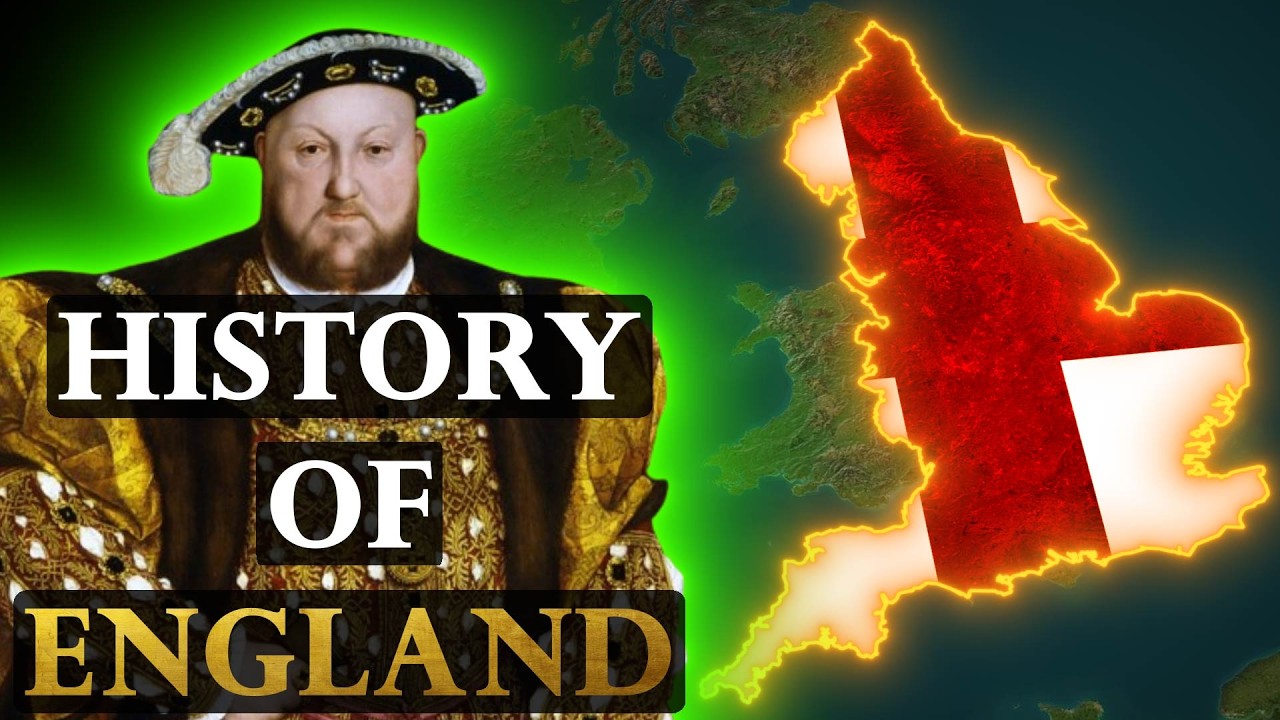




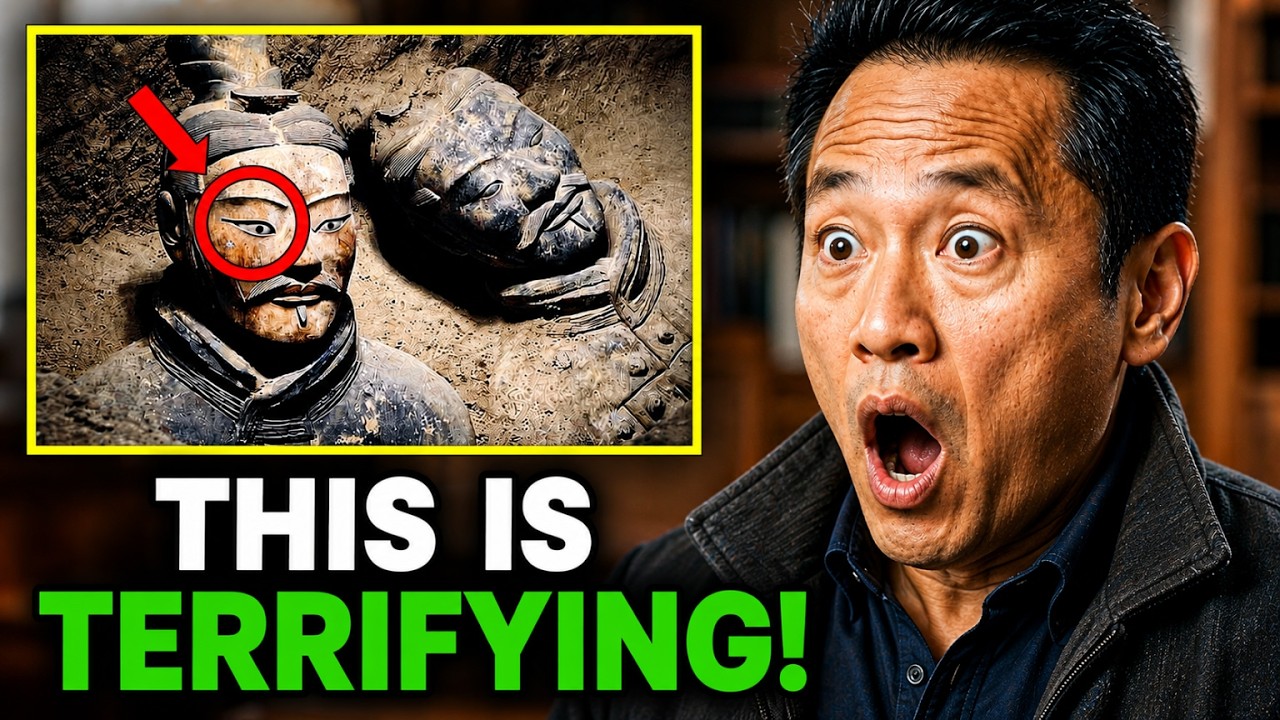
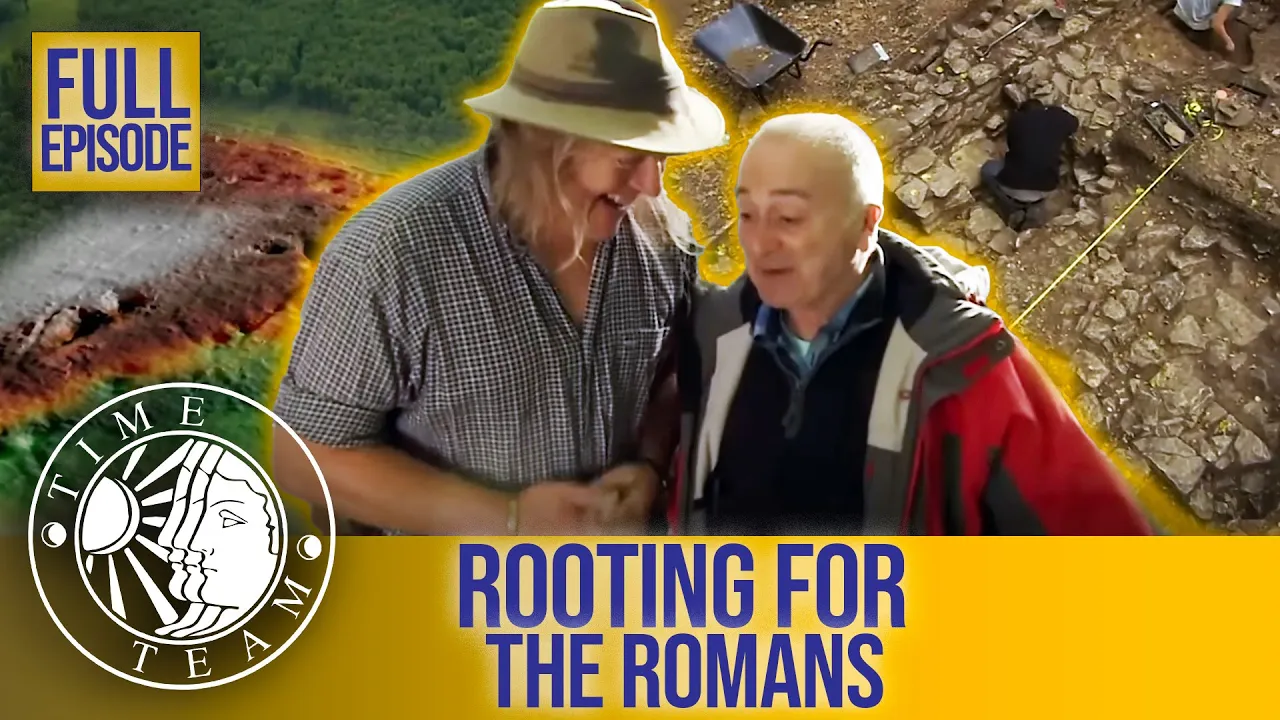


The discovery of a Roman Republican coin dating to 49 BC at the Devon settlement provides evidence of economic integration between Britain and the Roman Empire. Despite Britain not being part of the Roman Empire at that time, the high-quality silver from this coin remained in circulation for centuries afterward. This phenomenon is analogous to Victorian currency remaining in use long after its original minting period, demonstrating how valuable metals could circulate across regions and time periods independently of political control.
Roman Britain's Lost World: Archaeology Unearths New Secrets
Added:The history of the Roman conquest of Britain, beginning in 43 AD under Emperor Claudius, and the establishment of Britannia as a frontier province.
Basic Roman social structure, particularly the roles of provincial elites, military commanders, and the significance of the 'villa' as an economic and administrative center.
The nature of Roman polytheism and religious syncretism, where Romans often integrated local provincial deities into their pantheon rather than enforcing strict conformity.
Fundamental archaeological concepts, such as stratigraphy, material culture analysis, and how physical remains are used to reconstruct historical narratives.
The role and organization of the 'Classis Britannica' (the Roman provincial navy) in safeguarding trade routes and managing coastal defenses.
The socio-political transition of Roman Britain during the 4th and 5th centuries, leading to the collapse of Roman administration and the subsequent Anglo-Saxon migration.
The evolution of religious practices in late Roman Britain, specifically the tension and transition between traditional pagan syncretism and the rise of Christianity.
Modern non-invasive archaeological technologies, such as LiDAR, magnetometry, and ground-penetrating radar, which are used to locate buried Roman infrastructure without excavation.
199.7K views1.7Klikes0:44Original Release: 2025-03-15
[Music] we might be a small island but we've got a big history everywhere you stand there are worlds beneath your feet and so every year hundreds of archaeologists across Britain go looking for more clues into our story who lived here when and how so there's a blade here here so he's being attached from all angles Archaeology is a complex jigsaw puzzle drawing everything together from skeletons to swords temples to treasure he's biting his shield biting his shield yeah from Arney to Devon we're joining this year's Quest on sea land and air we share all of the questions and find some of the answers As We join the teams in the field digging for [Music] Britain we know that the Romans invaded and occupied our land for nearly four centuries covering it with roads and cities but this year archaeologists are uncovering surprising new evidence which challenges our preconceptions and offers us a fresh perspective on Rome and Britain revealing a a vanished landscape even today astonishing finds are still emerging from the soil bringing us face to face with the people of britania a newly discovered town in rural Devon turns history on its head The Mystery of the 97 dead babies thickens and the Roman God buried for 1700 years beneath a fort [Music] the Roman military occupation probably began on the Southeast corner of England where the Romans are thought to have first landed in the story of Roman Britain the mighty Legions are famed while its Fleet the classis britanica is practically unknown for nearly four centuries though hundreds of Wooden Ships all long vanished patrolled the channel but I'm on my way to a dig that I'm hoping will take me straight to the control room of Britain's first major Navy bringing me closer to the man who ruled britannia's waves there's been a suggestion of a connection between the Roman Navy and a very particular site up here on the Cliffs at Folkston so this year archaeologists are Excavating that site hoping to uncover new evidence and test that possible connection on the edge of these Cliffs volunteers are helping to unearth a magnificent Roman villa in folston Kent first discovered in 1923 the site was reopened last year those digging know they are probably close to the spot where the Romans first landed in Britain under Emperor Claudius in 43 ad the excavation of this vet on the edge of is being directed by professional archaeologists but depends on an army of local volunteers who are all passionate about the history of the area and this site occupies such an amazing place with a spectacular view looking out over the channel its location and the size of this Villa makes archaeologists think it belonged to somebody important I'm meeting Andrew Richardson site supervisor since it reopened last last year the building itself looks I mean this looks almost palatial in it this is only a small part of it this is One Wing of two Wings projecting from the front of a a long rectangular building you've got further blocks beyond the fence over there and a third block which would have been a bath block and and quite a lot of that has actually gone over the cliff as been lost to erosion the extraordinary size and prime location suggest that the inhabitant was well connected so what sort of person would have lived in a villa like this with its own bath house obviously somebody uh either an individual or a family of of immense wealth and power somebody who's come from the Empire said I like this spot and I'm going to build myself a proper Roman residence but something more concrete is needed to pinpoint the individual's actual identity dozens of trademarked roof tiles have come up from the soil linking the former inhabitant to the Roman Navy the classis [Music] britanica these are two very special tires because they're stamped with a circular stamp and the letter c lb R so what does this stand for it stands for classes Botanica so this is a stamp of the Roman Fleet in Britain yes and we do know that the fleet was commanded by prefects so this position uh the prefect of classes bratanic that's kind of equivalent to an admiral equivalent to an admiral yeah and perhaps commanding 30 ships and and several thousand men probably its primary role was transport for the Army but it certainly also had a role in both patrolling the Seas and also exploration establishing just how big this island the Romans had come to was in the island of Britannia whoever commanded the sea controlled the land seven possible Roman fortified Harbors cluster around the Kent Peninsula with Folkston in the center facing bin the quantity of the tiles found here and the Villa's geographical position raises the tantalizing possibility that this Villa once housed the commander of the Fleet One suggestion is it's it's the Admirals the prefect's house uh it looks straight out to bin which is the the headquarters of their main Fleet base a large Fort further along the coast at Dover they've got a fort and they've got another Fort at limb to the west and this this is almost halfway between over and limb you can imagine that you know the commander of of what is effectively the most powerful military organization in the region at the time is a sort of person who would have the clout to live at a place like this the idea that this was the home of one of Britain's first and most important Naval commanders is incredibly exciting the volunteers are rediscovering the layout of this once luxurious home it's it is amazing just to touch a piece of archaeology something that you know that you're the first person that has touched it in 2,000 years or more so Ian we heard you just found something that's right yes coin probably Roman minim just come up yep so Ian you've just found this yep I have a look yeah what is it ke I should guess it's late third or fourth Century Roman oh I'm amazed you managed to find that in it's absolutely tiny [Music] Ian's coin adds to the hundreds found here suggesting the site existed for most of the Roman period stretching from the claudian invasion in 43 ad right into the 360s 50 years before the end of Roman Britain it was forgotten for nearly 1,500 years more and now it faces destruction there is a particular sense of urgency to the excavations here at Folkston because this Villa is slowly but surely slipping down the cliffs into the sea the bath house has already disappeared and this is partly why so many local people have volunteered here because they know that it will soon be too late Project Director Leslie Hardy knows that this is in every sense archaeology on the edge this really is a rescue excavation isn't it because this Villa is under threat yes you can see uh this is a photograph that was taken in 1924 and here what we've done is we've superimposed a line which shows the current Cliff Edge and you can see how much has already been lost so it looks like part of the Roman buildings have actually been lost which area is this okay this is the bath house area of that block and it's gone it's largely gone now over the edge of the cliff it tends to go in pumps and big bites it's just sliding down sliding down constantly bringing all the archaeology with it the sea is waiting to claim this unique sight in this Race Against Time the archaeologists must get there first salvaging material forgotten for one and a half Millennia in search of more evidence that this was indeed the home of the commander of the Roman Navy [Music] but often in archaeology the discovery of objects is merely page one chapter one in the reappraisal of history for the finds themselves frequently baffle us I'm traveling towards buckinghamshire where last year we discovered a truly shocking mystery the bones of 97 babies which had been buried beneath a Roman villa called uden just outside the village of Hamilton there's something very strange going on there isn't there 19 27 babies in one rural site all about the same age horrifying conclusions were unavoidable what we're dealing with is infants that died around time of birth and that made us think that perhaps these individuals are being deliberately killed but why the only explanation you keep coming back to is it's got to have been a brothel the case of the 97 dead babies at you in Roman villa was I think the most disturbing story that we covered last year and it caught the imagination of people not just in Britain but around the world it really is a mystery were those babies murdered and if so why well when I looked at the bones more closely when we'd finished filming I noticed what I thought was probably a cut mark on one of them so it all sounds even more Sinister and I had to investigate further I asked two other experts in human bones Simon Mae and Kate Robson Brown to help me find out if those cut marks were ancient or if they could have been made by an archaeologist's TR what do you think of those Kate you can't quite tell how deep they go so can we look at these underneath the light microscope just to see what those cuts look like I think that would help have a look and see if there's any sediment in them if these Cuts have got sediment in them then that suggests that they're genuine old Roman C cut the microscopic image suggests that a knife was indeed taken to this baby cutting the flesh right down to the bone now I think you can see that one does look like there's sediment in it and you can almost see the the mineral Sparkle of the soil there so there's there's definitely soil inside those cut marks right that does suggest then that we looking at something that's ancient rather than recent oh that's really intriguing the presence of the soil that they were buried in embedded deep inside the cuts strongly suggests that the cuts are very old they could have been made around the time of the baby's death but why might these babies have been killed Romans sometimes limited family size by killing babies especially female ones the appearance of these bones can't tell us if the babies were male or female but their DNA [Music] can wrapped up to prevent contamination k Brown an expert in ancient human DNA chose 10 of the skeletons but extracting ancient DNA is a painstaking task the results however are clear five girls and five boys it's only a tiny sample but now we know it wasn't just female infanticide but can the artifacts found at the Villa tell us if the deaths were close enough in time to justify the Grim conclusion of murder I met the archaeologist Jill AES to find out when the objects were produced we were absolutely blessed with wealth about 34 kg of material that is very datable just as an example that little vessel is a cup I've got kisu it's croiso m which m is short from Manu manufactured by the hand of crobo so this is a Potter between 135 and and0 so I can say absolutely the babies we have the dates for are 150 to 200 ad so many infant deaths over just 50 years in one rural site it seems too many to be the result of natural causes it points to Foul Play now when I spoke to you about this last year you suggested the idea of a brussel as a as a potential explanation for a lot of unwanted children where are you now with your Brussel Theory do you do you think that this is the most likely explanation well to tell you the truth I didn't want to favor it I put it forward as a suggestion to get people going um now studying all the artifacts all the data every alternative for natural explanations I can think of I'm back with the brothel first of all we've got a lot of females on site as shown by female artifacts so are these some of the yeah just I've just bought a couple of little things just to show you beautiful little uh little hair pins beautiful carved um items a whole range of these on site Jill has further evidence that she believes may bolster her theory that this was a brothel a fragment of pornographic Pottery oh that is quite naughty I can see what they're doing so there's one person standing here there's another person standing behind them and something unmentioned was going on just there so a suggestive clue but where would the customers have come from hambledon is in the middle of nowhere that was my biggest problem when I tentatively suggested it because where are the centel coming from it's a rural location then we discovered some of the trackways trackways that lead from the river the major arterial route in the Roman World we've got a track leading from the river right past uden and goes directly to Dorchester Jill also believes that there might once have been a Ford near uden Villa divers have told her that the temps is unusually shallow here I'm going to see for [Music] myself the river really does seem shallow enough that in Roman time times it might have been a [Music] Ford perhaps passing trade had to unload here and then turn to UD and brothel for some [Music] refreshment over the last year Jill has been looking again at the finds from Udin and The Wider landscape and exploring her brothel idea I intrigued by Jill's theory about uden being a brothel but I'm not at all convinced by it it seems to be based on almost entirely circumstantial evidence well now I'm hoping to look at some hard evidence in the form of artifacts from The Villa excavations and they're held at buckshire County Museum where I'm going to meet the curator his name is Brett Thorne right what do you think of Jill's theory about the Villa being a brussel I'm not convinced I have to say it's too far from any major population centers what we have here are some objects from the excavation these finely crafted objects suggests something other than the coldblooded murder of babies a far more benign explanation one that's been suggested involves um The Cult of the mother goddess um there are from thousands of objects on the site three which relate to the mother goddess cult potentially a beautiful piece of pottery Bears signs of this cult this is wonderful this is a morium it's a grinding bowl and what's special about this one is the decoration you can see it's got peacocks on it exactly so the peacock is the symbol of Juno a Roman goddess who is involved with child birth well the top Roman goddess exactly Queen of the God yeah there's more evidence as well a scarab beetle evoking the Egyptian mother Goddess Isis and an intriguing Shir of pottery this one is a favorite and it's only a tiny fragment of a statue what you've got here is an arm yeah holding a baby I can see the little baby there in the cek of her arm yeah and this is the side of a chair it's a woman holding usually a baby on each breast nursing and this is called the de neutrix the nursing goddess it looks almost like a Madonna and child you know this like iconography which happens in in in Christian times exactly it's it's the mother and child it's it's an eternal symbol isn't it so you have a Roman mother cult you have a GAC or Celtic mother cult and then you have this calve Stone scarab beetle Isis is the Egyptian mother goddess yeah if you've got a cult of the mother goddess there then it could be somewhere to go for protection for help during times of birth so perhaps women used Eugen Vel as a birth center with a doctor present could this explain those cut marks I saw on one of the baby's bones one of the possible explanations for this that Simon Mae and I discussed was that there might have been cut marks that were made during an embryotomy in order to save the mother's life if this was a dead baby a dead baby then then that could be an explanation so so maybe there was something going on in terms of obstetrics that was trying to help yeah be it the priestesses of the cult or or the local midwives or whoever but if you got women regularly coming to give birth somebody's going to know what to do if women from the region did come to Udan to give birth the large number of infant deaths could be explained without citing murder yet the evidence for Brett's idea is no less circumstantial than Jill's so what we've got here at uden is an infant Cemetery with ages at death that strongly suggest infanticide but are we looking at something which is simply an extreme of what was normal for Roman society because we know that the Romans did practice infanticide or is there something else going on here to explain all of those dead babies could this have been a birthing center or a brothel well the evidence as it stands is I think inconclusive I'm going to sit on the fence on this one and wait for more evidence to come to light so at the moment uden remains a bit of a mystery at times archaeology merely tantalizes us but I'm on my way to an entire lost Roman town that promises to radically rewrite the history books it lies Beyond a supposed boundary of Roman rule exitor in an area where Mighty Legions once feared To Tread or did [Music] they in 2009 two metal detectorists Jim wills and Dennis hings made an unexpected Discovery in a field outside a tiny village in south Devon 30 miles west of exitor a Roman coin then they found another and another They carried on finding them soon they had dozens an extraordinary story was beginning but this doesn't seem to make any sense there aren't really meant to be any Roman settlements west of exitor the metal detectorist contacted the portable Antiquities scheme the organization that manages finds like these made by the general public right across the UK and the people at the pas realized that this was potentially a very important Discovery this March Danielle won Devon's Pas officer began leading the excavations yet more coins began to appear suggesting an astonishing story this was probably a missing Roman town in a region they were never supposed to have settled Danielle took me to the top of the hill to look over the fields where an entire town lies waiting to be Unearthed this large field here is the field that we can see over there with the trench in that's where we put one of the trenches there's features in all these fields we've got 13 Fields worth of features and that's over a huge area then a massive area absolutely what has been discovered of this town already covers many acres of land and there may be more Danielle knows that these now tranquil Fields were once bustling with life what an amazing site you know sites like this always Astound me because what you're looking at now is just a rural landscape with lots of fields and now that's the amazing thing I mean it's very very quiet and Rural now but what we've got to try and imagine actually are houses round houses set within enclosures little paddocks where there's perhaps horses cows sheep children running around playing game smoke coming up from the roofs of the houses just amazing to look out on this landscape and just imagine that live here 2,000 years [Music] ago the digging resumed in June with the help of dozens of eager local volunteers hundreds of objects rare pieces of pottery and scores of coins started to come up out of the ground we've got a large selection of coins our earliest coin is a Roman Republican coin it's the coin of achillas which dates back to 49 BC all right so this is how is this getting to Britain then Britain is not part of the Roman Empire at that point no absolutely not we think what's Happening Here is because the silver is such good quality that is staying in circulation much later on in later centuries so it's kind of the equivalent of having some Victorian change on you as you when you come over to Britain so this is a coin that was minted in the first century BC but probably came over here in the first century ad absolutely that's lovely the coins suggest a long life for this town from the first years after the invasion until the last century of occupation this was no passing encampment but a substantial Romano British settlement of almost 400 [Music] years these discoveries are building a picture of a thriving town but in an area always thought too dangerous to occupy and the Clincher is the discovery of a Roman Road connecting the town to The Wider World well Danielle this is very exciting did you expect to find this this is something that came up as a result of doing the geop physics we could see that there was something traing along through the site uh through the settlement and what you can see here is a section of it yeah um so we're actually standing on top of a 2,000 year old Road here so from the orientation of this road where do you think it goes from and to I suspect part of it is going to exitor probably heading up towards the coast so perhaps we've got some kind of trade route here given that we've got all this imported Pottery it would make sense so far archaeologists have found 97 coins hundreds of artifacts and even a buried ran road but towns House people while I was on site Danielle's team was uncovering the first evidence of the town's forgotten inhabitants you can just see the top we have some human remains we have part of a skeleton just coming up through the soil I can I get down yeah sure so this is um well the outline of a skull so so the top half or the top or the side of the skull has been taken away I think we've got some teeth down here and then we're just seeing the outline of the skull coming around here the people who lived worked and died in this forgotten town are coming up out of the ground revealed by the archaeologist TR unearthing a possible burial ground is that another one over there another one here so here you can see we have the top of a skull and so this is is kind of throwing up even more questions than than we were um expecting really we we were just looking for the road and now it looks like we've got possibly some kind of cemetery if this chance find is a cemetery we will one day know much more about the long vanished town and its [Music] people it's so exciting being here at the beginning of something which I imagine is going to turn out to be a massive archaeological story I can imagine that in 10 or 20 years time people will be writing history books and will be talking about this side as the one that revolutionized our understanding of the Romans in the southwest I'm traveling from exitor to Wales to Ken in the tracks of the mighty second Legion Augusta which abandoned exitor in 75 ad this Amphitheater is part of the massive Kalan Fort complex also started in 75 ad by General fronius it was first dug in 1909 but more than a century later it is throwing up objects that breathe new life into the legion's long dead men K and rayment Amphitheater is one of the great symbols of Roman Britain up there with Hadrian's Wall and for many local children it's their first real experience of Romans I certainly remember coming here on a primary school field trip and it had a big impact on me but just last year new excavations une Earth something extraordinary a warehouse full of objects which give us an insight into the Romans private lives the archaeologist in charge of the Dig is Peter guest Peter this is an extraordinary collection of finds to come from one excavation and what you see in front of you is just a selection of the 1200 or so uh metal and other objects that were recovered over 6 weeks last year and I've never seen such a beautiful assortment of Roman artifacts from one site amongst them these fish broaches originally they would have had enamel in the eye very beautiful examples of their type and to find three together is extremely rare these Exquisite broaches probably once belonged to Long dead legionnaires and their wives so too did this head of the goddess manura and then this extremely nice um fitting which is a uh you can see the lion's head there he fantastic what would that have been that would have been part of a piece of furniture then probably part of a piece of furniture you could see the iron Tang that would have gone into the side of a wooden object this lovely lion's head was perhaps intended for a funerary casket breaking before it could be used and ending up in the warehouse instead with everything else it seems like such a mly collection of objects it's almost like a junk shop or possibly a lockup kind of store you know like the the things that we use today where if you've got too many things in your house you hire a small unit and you put all the things you don't really need immediately away there amongst those objects destined for kian's Roman legion Museum was something mysterious and utterly unique pieces of a Roman garment they are being painstakingly conserved in Cardiff [Music] Penny what have you got here well this is one of the lumps that we actually excavated from uh Ken and basically it it came to me like this we we had to sort of wrap it up carefully uh so it could be transported but when the top was taken off we seem to have this extremely interesting sort of fish scale effect which has been created through very tiny sort of flath headed pins butan it almost looks like sequins doesn't it yes they are and they've been laid on top of each other in in such a way to move and create a sort of shimmering [Music] effect Penny thinks she has a garment here unlike anything previously discovered so this is unique there's nothing like across the whole of the known Roman Empire I've never seen anything like this before and as far as I know the uh curators are not aware of anything like this before from from the Roman Empire is it some kind of armor possibly part of it a a a decorative part of it another piece of this garment provides one more clue to the owner's identity suggesting this could indeed have been armor there was uh another that's oh that's got a little face on it so this is part of it that was and it's got a um solid head of of mithas attached so this is quite an extraordinary garment I mean it would have been wonderful with the fish scales glimmering and then you've also got these little details like the head of mith and and he is a God I think he's particularly associated with the Roman army very much yes this tiny little head brings me closer to the person who once wore this garment to the soldiers from every corner of the Empire who came to clean Fort and adopted the weird male only Warrior Cult of mithas bathing themselves in Bull's blood this garment is a oneoff with all the individuality of a person we may never know who owned this or exactly when he wore it when this armor is finally restored it will present cryptic Clues to the crumbling of Roman power in Khan It's thought that by the early 4th Century here the Roman military presence had if not completely disappeared at least been significantly reduced so you can imagine the people staying on struggling to maintain what had once been a great Fortress as buildings fell into ruins about them and in a corner of a crumbling Warehouse that forgotten suit of armor well those objects that were missed by people although centuries ago were preserved for archaeologists to find so after 1700 years of Oblivion they've gained a new life the once glittering armor adorned with the head of the warrior God mithas brings us face to face with the Roman soldiers of Ken and how they worshiped and 70 miles away in rural Dorset deep inside Roman Britain a site is throwing up exciting Clues to a complex pattern of belief across [Music] Britannia most people know that the Romans were capable of religious intolerance doing things like throwing Christians to the Lions for instance but returning to be Regis a site I visited last year they're now finding evidence that life here was much more harmonious and even curiously [Music] modern more than 200 students work here on what is one of the country's largest digs my day here is I'm told the rainiest day in its threeyear history and as the day progresses it becomes a Mudfest worthy of glastenbury TRS reing up a muds spattered Roman Britain for the Romans be Regis was probably an ideal Colony a profitable Farmstead made Rich by grain and pottery with a compliant ruling class by 350 Britannia was part of an officially Christian Empire but the truth as site director miles Russell knows is much more complicated miles where are we standing right now we're standing at the moment in the remains of a very late Roman probably not a villa as such but it is very romanized building and this I think is probably our most impressive find to date it's a a little pendant because it's pierced in the middle there this is actually a reused coin it's actually of the emperor magnentius in in the 350s ad and from our point of view the the key interest is that it's a Christian symbol that it's a Ciro yeah so you can see the the row and and the kai so that's the first two letters of Christ's name exactly so someone's taken that coin uh and has obviously turned it into a pendant to identify themselves as a as an adherent to Christ to to the Christian God but Christianity was only one religion inors it in rainy Britannia at this time so if you got evidence of other religions or other faiths still being practiced at the same time as Christianity yes indeed we've got this nice little bone handle and you can see this female figure with a very ornate headdress and then a series of uh Eagles and birds around the outer side they're lovely wow this is an image of Medusa I can't see any snakes around her head there no no I mean it's it's it's actually her being shown as a as a Healer as uh associated with with animals but the key thing is this is being used at the same time that someone is wearing this Christian pendant if Christianity has become the state Faith whereby all other faiths have to be rejected then this is the kind of object that shouldn't be used but it's quite clear from this and from other material that that people are still accepting of the non-Christian Gods it's interesting that towards the end of the Roman period on this site we're seeing a spirit of religious tolerance with different faiths being practiced alongside each other and in fact there's a similar story right at the beginning of the Roman period we don't see an Abrupt transition from one lifestyle and set of rituals to another and we're seeing that very clearly from the burial practices on this site the archaeologists think they found a cemetery for the elite dated to the late 1 Century these people would have interacted with the earliest Roman officials and each is buried in a strangely contorted position alongside symbols of wealth pots this is evidence of a local religion which you might have expected the Roman conquerors to Stamp Out miles looking at these two burials here there seem to be a lot of similarities they're obviously both in a crouched position all the burials that we get here and across this part of Dorset they're all the same they're all crouched or the knees are are up towards the uh towards the chest they're all lying on their right side and the head is always at the Eastern end of the Grave cut so the face is is facing north and I think these burials show that the impact of Rome wasn't that extreme to begin with that people are still carrying on their practices they're still worshiping their gods and in terms of these particular burials that we're looking at just here do you think these are these are the Elite that we're looking at I think they probably are these are the welltoo elements possibly these are the the the last set of people who are harking back to an earlier age to a more sort of British culture [Music] so it seems that some people living here were doing very well indeed out of being part of the Roman Empire but what we have to remember is that those Crouch burials are high status that's the wealthy Elite we're looking at life wasn't nearly so Rosy for everyone else as their bones [Music] reveal dozens of other skeletons from the Dig have been brought to the mobile Union on site where bone expert Martin Smith is examining them for telltale signs of their lives and deaths Martin we've got some clues about what was going on with this population as they became part of the Roman world but what do their bones tell us uh yeah this individual has a has a few things going on here this is someone who is in sort of moving into later adolescence as far as we can tell from looking at their bones we've seen in some individuals teeth these horizontal lines running across the teeth and what these are showing up is episodes of Arrested Development when this person was very young so the the anamal stopped developing and then restarted again and so these are telling us about specific episodes of either severe illness or of malnourishment the long bones seem to support this dark picture of widespread starvation of lives blighted by poverty this this is from a child aged about 9 or 10 if you look here this is an x-ray off that one there this actual vein absolutely so that's an x-ray of the tibia and I can see the I can see the problem there immediately I can see these tide lines in it each of these little lines similar to what we were seeing in the teeth each of these represent a specific episode of Arrested growth in that individual so this person was either severely ill or really quite badly malnourished so would you say that there was an unusual level of physiological stress in this popul potion during Roman times that's a good question and it may be the case that the people who are owning The Villa may have been doing very well for themselves but the people who are actually working on the land who possibly may actually have been slaves may not have had uh the same kind of access to resources and the same kind of access to interesting diets and so on Martin's examination of these young people's bones provides us with a stark reminder of a brutal world a world that only archaeology can [Music] recapture along Hadrian's Wall alone there were four huge Roman excavations this year just south along the Roman Road of deer street I'm on my way to a dig that has thrown up astonishing evidence about what happened inside the forts after the Romans left Britain in 410 AD so what do we know about the Roman occupation of Britain well they arrived here in 43 ad they ruled here they built here for nearly four centuries then they packed up and left in 410 snuffing out the flame of civilization and plunging Britain Into the Dark Ages but what if the Romans never actually left what they're finding now at binchester raises that very possibility the last days of Roman Britain are emerging from the dark mud I mean it almost looks like there was some kind of flaw service that's been laid down we using other stain and then this's been robbed out yeah it has long been assumed that when the Roman Empire stopped paying their troops the soldiers were forced to leave in search of a new living but excavations in binchester Barracks are illustrating an untold story in which the soldiers stay on and go native and the tail starts somewhere quite unremarkable a hole filled with animal bones so what are we standing in here we're standing in a a very big ston lined pit we're almost certain that what we've got here is evidence for a tanning industry turning cow hides into into leather and it's quite a complicated process which involves um soaking the the K the HIDs and a variety of different noxious substances um scraping all the fat off the cowd this Hall is certainly large enough to soak a few cow hides but David pets has other evidence to support his theory the first thing is these are big holes big pits and the other thing is we've got lots of animal bone right out of these pits skull fragments and fragments of the feet and you've got some bones here and we've got arrange the kind of things we've been finding we found this part of a cow skull cow skull which is out of this pit and we've got lots of other Jaws um fragments of of horn fragments of skull and these are exactly the kind of things you get with a Tannery because when you skin the cow the skull and the feet come with it David thinks he's discovered evidence of an industry that grew up after Rome stopped its soldiers wages and perhaps the Romans never really left so you actually think it's the Roman solders he stayed here absolutely when when when when when governments go the people don't the people are still there and still got to kind of find a way of living and find a way of going on no matter what happens and how remarkable that you've actually managed to identify the industry that they were engaged in here binchester is the largest Roman fort in County durum and only a tiny part of it has been excavated so far the discovery of objects revising our understanding of the Roman withdrawal makes it an important site more eviden is emerging out of the soil not just of a tanning industry but something even more unexpected jewelry workshops continuing when civilization was thought to have collapsed we' also think we're getting evidence for either very late or immediately post Roman jet working we've actually got lumps of raw jet so that's must have actually come up from from Whitby yeah and we've also got things like this it's a fragment of a of a jet bangle which still unfinished it hasn't been polished off it must have been broken Bren when it was being produced so clearly it's it's being used um by by the local people specialist craft work and a trade in jewelry after the collapse of civilization could these really have emerged from the Shadows of the Dark Ages in order to see some better preserved small finds I'm visiting what was once the Commander's house and custodian Rob Collins Rob we've got some wonderful finds here vest has produced a load of material really in in just the the two and a half Seasons we've done I love these beads yes we have a number of different beads so they're segmented beads what we call them are they actually drilled through they actually do drill through them and you get strings of them that's really necklaces jet is very Frable so it breaks and splits quite easily if you don't know how to work it properly and that's quite interesting that we've got specialist craft workers on site in probably the years after the end of the Roman Empire right [Music] some of this jewelry looks significantly more Roman than others officers and magistrates would have worn these crossbow broaches to Proclaim their importance in the Roman hierarchy but after 410 AD the crossbow Broach vanishes from the Dig and the Romans who stay on here adopt a style of Broach from times before the army ever set foot on brania shore a penan br shaped like a broken [Music] Circle this is a terminal of a penan brooch so it would be c-shaped in it's full form and that's just the tiny end of it there um but that's much more of a British type of object and what is quite interesting is that the crossbow bres those very large honking Roman symbols of power don't continue on in the post Roman years but penannular broaches do why do you think they didn't carry on making broaches in the Roman style I suspect that the frontier is is a dangerous place and I think as Roman power is withdrawing U the people who are here are needing to make new alliances so perhaps it's better to to display your britishness yeah um rather than your romanness so life is changing life is changing very much as the archaeology at binchester shows it's much too simplistic to imagine one Epoch Roman Britain suddenly ending as another the Dark Ages begins in truth one period always bleeds slowly into the next people don't abandon their beliefs and Lifestyles overnight and in our material culture the past often lives on into the present this church just a few miles away from binchester Roman Fort is one of the earliest in England it was built by the Anglo Saxons using Stone from the fort and it represents the endless recycling of materials by subsequent generations and cultures and here those Roman stones are part of a building which is still in use [Music] today from this church built after the Roman withdrawal to the Magnificent Villa near the place they probably first landed the Romans are still very much with us even in the soil beneath our feet it always surprises me that during this period of History the Roman occupation of Britain spanning nearly four centuries we are still learning new information from archaeology like the discovery of an unexpected Romano British settlement to the west of exitor and here at binchester what seemed to be Romans St staying on long after their army has packed up and left it brings it home to me that there are still many discoveries to be made and so even as I speak the digging [Music] continues we might be a small island but we've got a big history everywhere you stand there are worlds beneath your feet and so every year hundreds of archaeologists across Britain go looking for more clues into our story who lived here when and how there The Bling here here so he's being attached from all angles Archaeology is a complex jigsaw puzzle drawing everything together from skeletons to swords temples to treasure he's biting his sh Shield yeah from Arney to Devon we're joining this year's Quest on sea land and air we share all of the questions and find some of the answers As We join the teams in the field digging for Britain [Music] throughout its history Britain has been divided and enriched by Invaders from overseas and none have gripped our imaginations quite as much as the Vikings but how much of what we think we know about the Vikings is just a stereotype do they really live up to their Savage reputation and how much did they influence and shape British culture this year's Archaeology is enriching and challenging our vision of the Vikings with digs artifacts and messages they left behind wow that is a beautiful object like the Fortress of a Norwegian Viking Chief in orne this cup is absolutely extraordinary isn't it the Magnificent horde of silver buried in a time of Bloodshed and the vict victims of a vicious Nationwide Massacre but you're suddenly kind of connecting with this awful moment which which is his death on the aisle of Harris in the outer herdes archaeologists are just starting to bring evidence of the earliest Vikings to [Music] light a team from the University of Birmingham is digging at a site called host the name itself has a Norse origin a strong hint that the Vikings were [Music] here just over these genes is one of this season's targets now archaeologists have been digging here before and they discovered an iron a settlement but there is some archaeological evidence that the Vikings were here too a couple of burials threatened by erosion seem to have been Norse and small Norse findes have been discovered as well but the archaeologists are really hoping that they're going to find evidence of a settlement and if they do that it will be the first of its kind on [Music] Harris okay then Alice what we have here is a very interesting Iron Age site with a bit of a mysterious end to it which we're sort of trying to come to terms with at the moment um if you step this way some very striking layers in the ground there absolutely the team is being led by Kevin Kohl's and I joined them right at the start of the digging season the site May hold the key to the first contacts between incoming Vikings and the GAC people already living here will it be a story of Destruction what's slightly more mysterious and slightly more interesting for for me is this deposit here that's sealing everything else what is that me it's completely different color completely different color it's almost a demolition debris full of very late Iron Age Pottery right and lots of charcoal lots of sort of waste material sometimes archaeology works this way they're finding subtle glimpses within the soil have a time of Abandonment the important thing is we need to find out when this occurred and that's why we're taking samples for carbon dating and see if hopefully see if it can be um because of the Norse the the Norse Invasion or when the Vikings came to the islands and whether it sort of clashes with this site being abandoned cled by a building is emerging that seems to be rectangular in shape a style that is Scandinavian and unlike the roundhouses favored by Iron Age people so could this be evidence of Vikings displacing the original inhabitants now there's a nice corner here absolutely yeah and there's lots of stones in this vicinity which suggests that the the feature is running under the Junes oh I can see some here yeah so they carry on going backwards possibly in this direction more here yeah are you going to extend the trench back we will extend the trench back and see if we can get the full plan and see if it is a a rectangular house which will be in line with a with a nor LGH housee but so far perhaps the strongest evidence of the meeting of these cultures comes from a scattering of objects found across the site so we have the things on this side are late IR age and date so you've got a a storage jar or a big cooking pot there made from uh ceramic we've also got this very strange looks like a a rock if you feel the coarseness of the outside edge when compared to the flat Edge it's been used and used constantly yeah so what's that being used for we suspect it's used for working animal HIDs and that fits so nicely in your hand doesn't it it's very tactile yeah so these finds are intriguing because they could be later Iron Age they could be no you can't really distinguish between them no you can't but from their early investigations comes the first conclusive proof of contact with the Vikings a tiny scrap of steatite or soap stone a material often imported from Scandinavia and found in great quantities on North sites right across Britain but what you can say from this fragment of soap stone bowl is that this is typically Viking either somebody who was already here learned how to make such a thing from a viking or they got it from a viking or it belonged to a viking exactly so the Vikings were here [Music] yeah you can see why the Vikings might have felt at home here this is a landscape that's perfectly suited to their seafaring way of life you can just imagine their long Ships coming in and being pulled up on these flat wide beaches ready to start a new life in a land that's completely surrounded by sea and the arrival of the Vikings would Mark the beginning of a new phase in this Island's history and one that would leave a lasting impression it's a history that is still frustratingly just below the surface on Harris but I don't have to look far to find more substantial evidence of Norse culture just up the road on the adjoining aisle of Lewis is perhaps the most famous and iconic Scandinavian treasure ever discovered in Scotland it was found in the 1800s but dates from the 12th century a time when Lewis was controlled by the kings of Norway still shrouded in mystery it's a compendium of 93 ivory chess and gaming pieces known to us as the Lewis Chessman a selection of the Chessmen has come back to leis and 180 years after they were first thought to have been found they are such charismatic little figures and I've been fascinated by them since I was a child my grandparents had a replica chest set well now they're on tour following a new piece of research looking at their Origins and their story and it's so lovely to come here to Stoneway to see them close to where they were discovered the new research places the Chessman firmly at the heart of the once powerful but now forgotten Kingdom of the Isles a hybrid North gallic State controlled by the kings of Norway the project has been led by Dr David Coldwell from the national museum of Scotland so we've got all the characters you would expect we've got kings and queens and Bishops and knights and who's this character here right this is a a a warrior or Warder and nowadays he's normally represented by a tower he's a rook in other words yeah although he this particular one as you can just see there he's biting his shield biting his shield yeah this in fact I think is is one of the key bits of evidence that these pieces were made in the Scandinavian world because that's a reference to a cult in the Scandinavian World The Cult of the Berserkers the Berserkers were warriors who got so high before get into battle that they they had to bite their their Shields to hold themselves back really and uh I don't think this this this Chessman is really a Berserker but I think it's the the Carver in a way um just showing his cultural roots or perhaps gently poking fun at some of his contemporaries by by showing that the finding of the Chessmen is shrouded in mystery tradition has it they were lost by a passing Merchant but David thinks it's possible they were owned by an important person living on Lewis Lewis was the center or one of the centers of a Scandinavian Kingdom the kingdom of the Isles which people have now forgotten about but it's a very important Kingdom on a European model which was here until 1266 this was the year in which the Vikings handed the herdes over to Scotland for the sum of 4,000 marks ending four centuries of Norwegian sovereignty on the islands but who made these beautiful figures detailed study of their faces has revealed that they fall into five different types which suggests they were made by five different Craftsmen I mean this face this place is beautiful yeah that's one of my favorites um the man who made this um was uh was was exceptionally good and ivory is an amazingly tough material to carve must have taken days to do this but just the the subtlety of of the expression there just the the look and even when you move away from the face and and you look at the knuckles the detail there you can almost sense that the that the hand is actually gripping that sword those little hands are absolutely beautiful and and the face the Contours of the face there's even a a changing Contour when we gave from the cheek down to the upper lip that that crease between the nose and the mouth is shown these figures may be stylized but there's every reason to believe they're based on living Scandinavians the people who carved them were paying attention to authentic details so the Clays aren't just figments of the imagination of the Carver this is real attire that is being represented yes they clearly have a have a very good understanding of what they're representing they understand the different layers of vestments a bishop is wearing the chassa albs and and everything else um and they represent that that very carefully indeed these Craftsmen probably worked in a major Center in Norway where they could closely observe High stateus Scandinavians where they may even have had Bishops or Kings as their patrons [Music] the Vikings came to The Western Isles and created a Scandinavian state to rival the kingdoms of England and Scotland one that we've all but forgotten about and we have potent Viking legacies in the form of amazing craftwork that reminds us of our shared Scandinavian genes but what lured the Vikings here in the first place back on Harris is another site where the Archaeology is reminding us that they first came here to plunder it's a possible medieval Monastery the ultimate Temptation for a seafaring pirate history tells us that the riches of these Christian monasteries are What drew the Vikings to our Shores this site houses a ruined chapel and there are traces dating all the way back to an Iron Age Brock or Tower professor John Hunter is overseeing the excavations here anyway if we get we stand here we just look around here this is the outer face of the Brock huge huge Stone fantastic yeah and you can see the collapse has fall massive and massiv thick wall the walls four 4 M thick roughly if there was an early Monastery here you're directly on the the great sea roots that bring nor Norwegian Vikings all the way down to Ireland and they would have seen this it would have been sweets for the taking really would just outside the boundary of the possible Monastery are some Graves that might be nor and the team has discovered the first fragments of whoever was buried here but is it a long Dead Viking oh okay so as well as these bits of bone tooth a tooth right tell us about that then where it from uh well it looks like a lower inzer I think and it's very worn so all of the enamel on the top has has been worn down it's I mean it's somebody who's an he's an adult and he's been wearing that tooth down for many years yeah even if these are all that remains of a Viking does it necessarily prove that he or she lived here or might this be the grave of of a passing seaf farer whose remains were brought to shore before the ship continued on its way it's very exciting being here with archaeologists who are trying to work out what Harris was to the Vikings as part of the hdes it's on that sea rout between Shetland and orne in the north and Ireland places that were all firmly part of the Viking world but what about Harris was it just a stopping off point where the Vikings here only transiently all or did they actually settle here and put down Roots as the place name seem to suggest well they're finding what look like Norse buildings and we have that piece of steer Tite as well which suggests that the archaeologists are just on the brink of finding the first hard evidence of Viking settlement here on Harris [Music] in England there's one city that boasts more evidence of Viking occupation than anywhere else in [Music] Britain York or yorvik the first Viking to take the city was iar the Boneless a Danish Viking leader and reputed Berserker yorvik became the capital of his new Danish territory in 866 ad for the next 20 years the Danes continued with their aggressive expansion until the English king Alfred the Great Drew up a treaty with the Viking king Guam the country was sliced in two and the Danes were given their own territory in the north and east the Dan Law with York at its heart even though they only ruled here for a 100 years York is very much still associated with the Vikings and an excavation in the 70s here at Coppergate draged York's Viking past into the present in a very Vivid way now all of that Archaeology is sealed beneath these shops and cafes but there's a current excavation going on in another part of the city not far from here and again we're starting to see the buried history of this city so I'm going to visit the dig to find out what more we can learn about the Vikings of yuvik [Music] archaeologists have been working in an area called hungate in the center of the city for 4 and a half years it's a huge multi-layered excavation but right now the archaeologists are almost 3 M below today's ground level and digging what I'm interested in the Viking Lair and they're revealing that they were not just about looting and fighting the Vikings were Traders and Builders of cities too once the Vikings had taken York they stayed here bringing up families and blending with the city's previous inhabitants creating a unique culture known as Anglo Scandinavian and they remained even after the last Viking king had been expelled expanding their town and putting up huge permanent buildings so are you into the Final Phase really yeah this is the very final part Peter Connelly is running excavations here for the York archaeological trust um it's landscape archaeology just happens to be um in in an urban environment yeah most of the buildings here sit on an organized grid layout unexpected evidence that the Vikings had a talent for urban planning the land here slopes gently down to the river making it an ideal loading and unloading spot these buildings were probably storage warehouses and right in the middle of these structures the Vikings built something that would have been totally indispensable and the stuff that I'm digging through at the moment is effectively human waste it's poo um because what I'm saying at the moment it's the uh remains of a Viking toilet or cess pit all the bits of animal bone that we're finding in here as well it's it's being used as a general rubbish pit as well although the majority of it is human waste um you are getting other bits and pieces in here as well but fortunately it's not just rubbish that's come out of the ground at hungate over the four and a half years that the archaeologists have been working here they've turned up thousands of artifacts from the Viking period most of them are pottery and Bone and represent household waste but there is a handful of intriguing small finds which provide us with additional Clues as to what the Vikings would doing in this part of the city the finds researcher at York archaeological trust is Nikki Rogers so Nikki this is a collection of fins that are all from that excavation at hungate they are they're really a fraction of what we've found over the uh five years that we've been Excavating there we've had over 12,000 individual artifacts what's this here well actually this is a jet pendant uh it's quite sweet I think because the whole has well it's a bit off Center I like the shape of it I mean that's quite a modern looking is but that's a very typical shape from that period in fact so where would that have come from the jet for that do you think probably from Whitby right from the yes from the North Coast yeah what about these beads are these Amber no this is all Amber here so where would that have come from that that's that's going to have come from the Baltic area so the Vikings living in hungate imported high quality material their trade routes stretched hundreds of miles away across the scandinav Ian world but they also used less exotic material to turn out huge numbers of an item that's a little more surprising well these are actually skates really yes they're effectively um very easy to make because the bone is already you know that that size that shape very little has to be done to it to turn so what is the B this is a metapodial isn't it something it's probably they're they're usually horse or cattle metapodial right okay all that's been done to this one if you look at it is well on the bottom it's been flattened and smooth so that's a very smooth flat surface and that's been deliberately done that has been deliberately done your foot would have sat on here yeah your heel there your toe there you weren't able to take your foot off the ice so you pulling yourself along with poles so they're not ice dancing they're not pting around they're keeping their feet on the ground and they and they're using them rather like CrossCountry skis that's it these simple bone objects connect us to customs imported from the Frozen Norse [Music] homelands the archaeology of hungate the buried evidence of people who lived here in yorvik a thousand years ago is not about Monumental remains we're not looking at the elite of society but we're getting an Insight instead into the lives of ordinary people as they started to plan their town and we see how they adapted their buildings to suit the land and the specific purpose they wanted them for these people lived in York but they kept a connection with their Scandinavian Homeland through the objects that they bought used and wore and in a very real way a thousand years ago they were laying the foundations of the York that we see today while in York the Vikings and Anglo-Saxons learned to get along throughout the rest of England their relationship remained uneasy although pockets of Danes lived and traded here they hadn't gained a permanent foothold and fullscale danish raids continued along the coast the English king Ethel read the unready was repeatedly forced to pay them off with huge sums of money known as Danel and the growing tension between these clashing Nations led to a horrific act the St Bryce's Day [Music] Massacre but the perpetrators of this Slaughter were not Vikings they were Anglo-Saxon and what's more the murder was sanctioned by King Ethel he decreed that all the Danes who had sprung up in this island sprouting like cockle Amongst the Wheat were to be be destroyed by a most just [Music] extermination some of the victims of this extermination may now have been discovered by archaeologists in a pit in Oxford the skeletons of at least 35 people lay in a mass grave where they've been dumped a thousand years before it is very rare that AR ologists get the chance to examine evidence from a particular historical event and one that the scholars agree did actually happen but I'm interested in the analysis of these bones do the bones show evidence of violence could they indeed represent the victims of this massacre osteologist krie phis has been examining their remains for signs of trauma [Music] this was actually the first skeleton that we found but it wasn't until we placed his skull back together because it was in hundreds of fragments that we actually saw the trauma there's at least 10 10 blade wounds so there's a blade wound here here there that three there's a glancing wound here and what about these little triangular holes they're puncture wounds made by maybe a spear or something like that it is aw isn't it I mean you hold these bones and these are the bones of somebody who died a very long time ago but you're suddenly kind of connecting with this awful moment which which is his death radio carbon dating has shown that these people died between 998 and 1019 ad which means it's possible they were killed on St Bryce's day 10:02 the day the Anglo-Saxons turned on the Danes and he also has two puncture wounds to his back there's one there and one a bit farther down so these are quite tiny puncture wounds into the spine what do you think they could have been caused by possibly by a spear something being thrust rather than thrown yeah so just the tip of a spear being pushed in yeah again a young man hacked to death horrendous most of these men were between 16 and 25 years old when they died incredibly the next skeleton I'm shown is that of a man whose murder was even more vicious than the last his ear just behind his ear has been shared off oh yeah yeah so straight through that mastoid process that chunk of vein behind the ear the side of his mandible has been sheared off so there's evidence of Blade injury here as well yeah there's two definite blade wounds on that side of the jaw he's got four wounds to his upper neck so that's been chopped through yeah and the dens itself so chopping through just underneath the air taking off the angle of the mandible and then the blade carrying on through and cutting into the the vertebrae of the neck yeah other parts of this man's skeleton show further signs of the frenzied nature of the attack he has three punctures to his pelvis there's two small wounds there but they've actually come in from the back you can see these very Square shaped puncture wounds which have gone all the way through the bone so these are the tips of a weapon of some kind mhm which are pushing all the way through to here yeah so he was attacked from the back there so on the left side somebody stabbed him just above the hip on the back and then he's also been speared or stabbed through from the front as well from about here MH going in and then hitting his his pelvis as it passes backwards so he's being attached from all angles all angles and if the multiple stab wounds weren't enough to finish this man off for good measure he was set on fire his forehead has been burnt yeah which accounts for the missing bone in the middle and also his hand oh yeah has been charred is this the only skeleton he has signs of burning no quite a few of them have got charring yeah it's mostly to their heads um their pelvises and their hands Carrie were you shocked when you got these bins cleaned up and into the the laboratory how much violence there was represented on them very shocked I've never seen anything like this before yeah it's and just to have so many different weapons used on one individual these skeletons bore none of the wounds you'd expect to find on people who tried to defend themselves so it's likely that they were murdered whilst running away but were they Vikings isotope analysis was not conclusive but did show that their diet was rich in Seafood suggesting they did at least live a viking way of life and then they may have been hunted down and killed for [Music] it so what can we say for certain we have over 30 skeletons all of them men all showing signs of extreme violence whilst we can't be sure that they were the victims of the sub br's Day Massacre the types of injury and the date of the skeletons makes it at least possible these young men were cut down were hacked to death in a frenzy of violence and a thousand years on this mass murder is still shocking through trauma analysis archaeology has allowed us to explore the awful possibility of the Vikings as victims but a different kind of archaeological discovery y has opened a window onto life for a viking whose luck had run [Music] out every now and then metal detectorists turn up interesting objects which have been lost or abandoned or even deliberately buried by their owners and then they've laid hidden in the ground for hundreds of years but it's extremely unusual to find a collection as diverse and which illustrates as many different aspects of a past society as The Horde I'm a about to see now it's one of the most important Viking finds of the last 15 years and it's so rich in content that experts are still writing up their findings it's currently on display at the Yorkshire Museum so this is it this is the veil of York horde it was found four years ago by a father and son metal detecting team and it really is an astonishing collection of silver objects with one piece of gold but what's really amazing is that most of those objects were found inside that cup it really is spectacular and beautiful but what I want to know is can we learn anything of any real archaeological significance from these objects and given what we know about this period of history in this area might we be able to get an idea of the person who had this sort of wealth in their possession The Horde comprises 617 coins and 67 pieces of silver including items of jewelry all objects which have a great deal to tell us about the Scandinavian world at the time of their burial this cup is absolutely extraordinary isn't it yeah it's um I think probably the f thing in The Horde all on its own it's um it's guilt silver cup so it's silver and it's been gilded with gold it was also um decorated with Nell which is a kind of alloy that's black so when this was first made it would have been if you think of a wasp but kind of quite gy yellow and black contrast so the detail would have showed up amazingly well would you like to hold it I'd love to hold it if you sit it in your hand it kind of gives you a real good impression of what this might have been used for when it was um originally made it feels like a cup which wants to be passed on to somebody else what do you think it was useful given the kind of the way that you hold it in both hands the fact that it's been gilded and it may have had a lid we think that it could be an ecclesiastical vessel something that was used in a monastery so it's possible that this cup which experts believe came from the Frankish empire fell into Viking hands as loot or in payment of tribute it was made in the mid 9th century predating the rest of the objects in this collection but it presumably had a lot of special significance and meaning because it lasted another hundred years so I presume it was passed down through the family and then came to you know hold the contents of this horde this object gives us a rare insight into the mindset of a Viking as an heirloom it connects him back to his adventuring ancestors and their ill gotten gains but not all of the items in this horde had sentimental value so what about these objects that were inside it then are the are these pieces of jewelry typically Viking in nature they are yes this is by far the most spectacular that's the gold that's the only gold piece isn't it this is the only gold piece in the horde um and if you'd like like to hold it um gosh it's heavy it is it's quite a chunky thing this single piece is a marker of extreme wealth finding gold in Viking hordes is exceptionally rare only someone of the highest social standing would have had access to do it and there are some complete items of jewelry but then there seem to be a lot of pieces this bit in particular I mean that just looks like a brooch or something that's been cut in half and this is very typical of the way the Vikings did things they they had a lot of what we call hack silver the Viking economy was based on the barter and exchange of silver it was highly prized by the Vikings and valued by its weight and Purity before being chopped up and used as current y silver could be worn and transported as jewelry this is what we call a penannular br if you think of this as the terminal at one end it would um thin out come in a big spiral and then fatten out again at the other end and you would have a huge pin through the middle and that would sit on your on your cloak to keep your cloak together and this is a particularly beautiful example I think it's got these lovely little roundles and kind of this really delicate interlace pattern yeah and actually it's made of little looks like little beasts which are kind of chasing their tals around very popular in kind of Viking iconography these little beasties the Vikings traveled thousands of miles across vast sweeping trade rats to get their silver and some pieces within this horde connect the Vikings here in Britain with trading centers as far away as the Islamic World well that looks like Arabic script on there it does this is called a Durham and it's Islamic coin it really is it is and it comes from Afghanistan wow so this is evidence of of Vikings trading all the way over to the Middle East absolutely yeah one other coin here sheds light on the moment this horde was buried it's a coin of the English king athlan minted in 927 ad just after he captured York from the Vikings and judging by the lack of wear on its surface it was placed in the ground almost immediately and if you look very closely you'll be able to to see um that this coin actually has the words Rex to Bri so RX t o b r i e oh yeah yeah I can see that that basically means king of all Britain so this coin proclaims aalan as the king of all Britain so he used this coin to say that he'd got rid of the Vikings and he' unified the country and and made it into one Kingdom but although the English king stamped his identity on his coins the name of the person who owned these riches is lost to us all we have are the clues passed down by his cherished possessions this horde of beautiful objects raises the tantalizing possibility that what we're looking at is the treasure the life savings of a man whose days amongst the ruling classes in northern England are numbered and The Horde dates from precisely the time when there's this change over of power between the Vikings and the Anglo-Saxons so are we looking at a viking running away and burying his wealth for safety all that we can be sure about is that he never returned to dig it [Music] up govern in Glasgow might seem like an unlikely place to come looking for Viking archaeology but I'm here to see what is perhaps the most extensive collection of Norse artifacts from any Viking site anywhere in rural Britain now these objects are not treasure they are domestic items things that Viking men and women would have used every day of their lives and they're also at the beginning of their story because they've been excavated but the examination the interpretation of them is very much still a work in progress so what I want to find out is the potential of this collection for helping us understand Viking everyday life the actual material is fine but as you see from the package Beverly Balin Smith has a huge archaeological task ahead of her the processing and recording of all the small finds from a site called the udle in North eist the largest nor settlement ever to have been excavated in The Western Isles it was a Monumental project which involved a dedicated group of volunteers who returned to dig again and again over a 30-year period starting in 1963 but the significance of the site is still only partially understood I don't think I have ever seen so many bone needles and I imagine we're just starting so you wanted to have a look at that little poppy one can we take it out yeah to oh look at that that's really lovely what what are these made of I think that's a a bird bone it's pretty isn't it it's really lovely yeah there are hundreds of decorated bone pins here perhaps a reflection of their value in everyday life as something to fix a Viking's hair in place or to fasten his cloak that's fantastic in a sense all these are lost objects yes things have just dropped off people dropped off people and not where did that go and they've tro it into the mud and then archaeologists find it centuries later wow it's not unusual to find combs in a viking settlement they're commonplace personal objects what surprising about this collection though is the sheer number of them found on one site oh that's fantastic it's got a little animal on it a little horse's head I think and I love these roundles which obviously kind of drilled into the the bone I think you look at things like this and you have this immediate contact with somebody who lived centuries ago and this was their comb and you also know that you have the same kind of sensibilities that you know I quite like to have things that are that are nice I like to have objects which aren't just functional but actually which are quite attractive as well yes the massive task of Excavating this site and all the finds buried there was effectively the life's work of historian and archaeologist Ian Crawford but unable to continue with his task due to ill health it's now fallen to Beverly but he ended up amassing a huge collection of finds that you're still looking through now so he obviously he obviously be what happened did he become overwhelmed with the amount he was Finding I been there myself when you you you work on a massive site with complicated stratigraphy so he he carried on digging he produced interim reports uh for every year that he dug but then there's the next stage of actually writing up and getting the information out to the public and I think he was simply overwhelmed even since my visit fresh research suggested the volume of beautiful Combs may be proof of a Viking comb making industry here it reinforces just how important the research into the udle will be in years to come it's great to see just a small part of this massive collection of everyday objects they seem mundane in some ways but they also show that just like us the Vikings like to have nice things and it's fantastic that this collection is being Revisited archaeologically speaking there's still an enormous amount to be learned about this site and all the artifacts it contained and there must be people on North eist who remember digging at that site in the June and I imagine it's important to them to know that the last chapters in the story of udle are finally being [Music] written off the northeastern shore of Scotland lie the islands of orne colonized by the Vikings in the 9th century sailing from their Norwegian homelands it would have taken the North Long ships about a day to get here and when they settled for good the islands became the center of North power in Scotland right up until 1469 the last Bastion of Scandinavian Authority in Britain today these islands are home to a classic Norse archaeological find and also to new excavations that are offering tantalizing glimpses of the Vikings in Scotland my first destination is the Dig currently taking place in the east of arney's Mainland near its ancient Capital kirkwall it sits on top of a 30 m High stack of sheer Rock the Brock of DNS which even today is challenging to access this is such a wild place there's nothing here but Cliffs sea and birds and I'm walking up this path that I can't imagine was here a thousand years ago so I do wonder how people got across from the land there to the Brock this is such an exposed place it's a lovely day today but imagine this on a rainy wind swept day the Brock is totally exposed to the legendary orcadian winds what an extreme place to choose as your home whether coming from the mainland or from ships secured in a nearby Bay getting here can't have been straightforward the old path up the Brock has disappeared into the sea so we're now coming up through the original entrance to the site exactly can we go and have a look at of course we can some of the archaeology that you're exploring there was once a settlement of around 30 Viking houses up here and Dr J Barrett and his team are Excavating one of them this season so would this have been the original doorway this is the original doorway of the phase that we're Excavating right now so there was a settlement here before the Vikings came and the ground level at that point was was at the top of that layer and then the Viking AG houses were literally dug into the ground right and lined with stone walls what you see here and then above that at Ground level the rest of the house would have been built in Turf and Timber it's likely that the Vikings dug their homes so deep into the ground to withstand the extreme winds that often blow here and evidence of Life inside one of those homes came to light during my visit oh wow oh my goodness right so we're just going to come in here and beautiful it's moments like these that make archaeology so rewarding discovering an unexpected find a forgotten part of somebody's life if you start cleaning off most of this loose around it it's fantastic fantastic this is just brilliant this is a viking gaming board that was thrown away that was thrown into this rubbish pit this miden that we've just found in the corner of the trench and it's wonderful to hold something that was obviously a very personal object to somebody something that they would have enjoyed using a thousand years ago it looks like a board for playing the popular Viking game a nefle it's something that might have kept people occupied in place of looking after crops or farming animals a task that would have been impossible up here so their food must have been brought in from other Farms or settlements nearby and only someone of the highest status could have demanded this of their neighbors perhaps a viking Chief and his retinue but it does beg the question why live in such a difficult spot the way it works is what you see it's a site that is all about seeing and being seen and when people ask me why were they here when I want to give a glib answer it's to make a point it gives you extraordinary control of the maritime Vantage and in addition to that you will be seen so if you imagine a large Hall here then if you're coming into the archipelago you immediately know who you have to go and talk to you you you know who's boss I am quite taken by this ancient clifftop settlement it seems such an extraordinary place to live so wild and windy with these crashing waves all around the men and women who lived up here must have been very isolated in some ways but on the other hand they can't have survived here on their own they depended on support from people living on Mainland Arney but who were they one of the reasons the Vikings seem so mysterious is that they left few written records in Britain but it's wrong to think they didn't write they used used runes and last year James found a tiny bronze strip with a mysterious message etched into its surface professor John Hines examined it to see if he could make some sense of it takes quite a while getting used to it but once you get your eye in to these things you start seeing certain letters that we're familiar with so if you look on it um here we've got see that letter like that that's fairly clear then there's a very clearly what we' call an i i then another C and we've got an U at the end of that some letters in the Scandinavian runic alphabet resemble our own and others are more cryptic to make it even more difficult they changed over time and experts continue to discover new letters and symbols unfortunately going across all of the bits that I can read I just cannot put enough together to form a coherent words and coherent strings of words interestingly practically every Mark that we've got on that we can identify as being the sort of things they were using as runes they've abbreviated what they're writing rather like people who are younger than me do when they send text messages and I try and work out what they're act what they're actually saying there it's frustrating to be so close and yet so far away from knowing what's been written down by this Viking living on the brook of DNS a message from Scandinavian orne that will probably never decipher the Norse archaeology I've seen in orne has shown me some of the purest evidence of that culture because when the Vikings came here they transplanted their entire way of life from Norway and this year's research has Unearthed unexpected evidence of this Viking lifestyle of how they settled and shaped our landscape as well as raiding here evidence like the ivory chestman carved in a Norwegian Workshop tangible proof of a wealthy forgotten Kingdom the buried life savings of a powerful Viking whose wealth connects us to vast trading [Music] Empires and the horrific St Bryce's Day Massacre when men may have been killed just for being [Music] Scandinavian through its Invaders Britain became firmly connected with the continent and Beyond and archaeology helps us understand how the these Outsiders came and enriched our culture and ended up becoming British and so the digging [Music] continues we might be a small island but we've got a big history everywhere you stand there are worlds beneath your feet and so every year hundreds of archaeologists across Britain go looking for more clues into our story who lived here when and how there the blade here here so he's being attacked from all angles Archaeology is a complex jigsaw puzzle drawing everything together from skeletons to swords temples to treasure he's biting his his shield [Music] yeah from Arney to Devon we're joining this year's Quest on sea land and air we share all of the questions and find some of the answers As We join the teams in the field digging for [Music] Britain our written history doesn't begin until the Roman Invasion but for about 2 and a half thousand years before that the people of Britain living through the bronze and the iron Ages were producing beautiful intricate pieces of metal work like this fantastic gold torque which does suggest that the culture of prehistoric Britain was more sophisticated than we might sometimes imagine metal is at the heart of the ages of bronze and iron but there's much more to pre-roman Britain than that this year's archaeology gives us incredible glimpses into a world that's unfamiliar complex and sometimes very strange like the Bronze Age skeletons changing our understanding of prehistoric death rituals this is starting to look very strange indeed and the Mysterious Monument emerging from the mud where it's lay for two Millennia oh that's just amazing the Britain we know is is not a place our Bronze Age ancestors would recognize when the era began in around 2,300 BC much of this land was covered in Forest Bronze Age people changed the landscape they used the first metal tools cleared forests and lived in settled communities the population Rose to around half a million people their lives are still mysterious to us but each year archaeology reveals more surprising evidence this year's Revelations begin at a site uncovered between 1989 and 2002 the University of Sheffield were digging on the heidan island of South eist they were Excavating a Terrace of Bronze Age houses under the floors they discovered something quite unexpected human remains they were buried with their arms and legs bent and drawn up in a recognized early Bronze Age style known as a crouched burial complete Bronze Age skeletons are rare so this was already the find of a lifetime the bones were brought to Sheffield for examination this was the beginning of a long investigation that now suggests Bronze Age attitudes to death were far stranger and more complex than we had ever imagined now this might not look quite as exciting as visiting a dig but so much of the information that we can glean from archaeology comes not just from the excavation itself but from looking at artifacts and Bones later on in the laboratory and as a human bone expert I'm really excited about looking at this particular collection of skeletons which have the potential for revolutionizing our ideas about life and death in the Bronze Age I think I press this button I'm in osteo archaeologist Christy Willis has been part of the clad hen project since 2004 so this is your lab yeah and here we have the the two main skeletons from clad Helen laid out on the table for us we're starting with the male looks nicely preserved he's very nicely preserved this appears to be a normal adult skeleton but a closer look reveals it's anything but take a look at this jaw what we can see is the accusal surface itself which is the top part of the teeth it's actually quite worn down yeah okay so the the grinding surface of the teeth is yeah I'd agree with that certainly quite worn but if we look at his top teeth they're actually all missing all the MERS have gone and not only have they gone they they went a long time ago because of all the antim tooth L exactly the upper and lower Jaws seem to be a mismatch it's hard to see how the lower teeth would have become so worn down if the upper teeth were missing christe suspects that this skeleton is more than one man more amazing to see if this strange Discovery was a oneoff she turned her attention to the female this is a this is a beautifully female pelvis isn't it it is it's it's really nice it has a very wide obtuse sciatic Notch there typical uh female traits but the skull osteologically is uh male very strange um it has has a very large occipital protuberance um at the back here but that to me wouldn't immediately make me think this was from a different skeleton I think okay this is a female because we'd go with the pelvis as the main indicator but a woman who looked a bit manly perhaps that's exactly right but in this instance because I knew what we had with a with the skeleton behind us I felt more research was necessary in the case of the second skeleton just looking at the bones wasn't enough to investigate whether it too was made up of more than one person christe arranged for some of the bones to be tested for DNA and what were the results we have three individuals here this is starting to look very strange indeed so so is there three individuals um which which Bones belong to each individual all right so we have the male skull and then we have a female pelvis and then we have a the humorous here has been tested and that's a different individual again that's given a different uh adna hotape reading right close examination suggests that both these skeletons are made up of the bones of at least three different people as far as the team knows these are the first examples of complete British Bronze Age skeletons constructed from the remains of multiple individuals but this extraordinary Discovery is only part of the clad Hallen mystery for the next stage of the investigation I've come to meet Professor Mike Parker Pearson he's one of Britain's foremost experts on both a Bronze Age and on burial archaeology so I'm delighted to be meeting him to talk about these very odd clad hen burials Mike asked his team to take their examination inside the bones normally once bacteria have moved in Decay spreads through the skeleton sections of the clad hen bones though revealed that this process had suddenly halted so what we've got is actually Decay starting but instead of reaching out through the whole bone it's it's being stopped and that's the really exciting thing because that's one of the key indicators that we're looking at preservation of soft tissue at sometime soon after death the evidence suggested that the clad Hallen bodies had not decayed normally the bones were found buried in Shell sand but looked as though they'd been in a much more acidic environment the environment of South eist includes acidic Pete bugs the preservative qualities of Pete prevent decay in organic material like human tissue Mike's final conclusion was extraordinary the clad hen bodies had been deliberately put into Pete for long enough to mummify them his team had discovered Britain's first Bronze Age mummies so you were surprised to put it mildly if anyone had asked me I would have just dismissed and said complete fantasy yeah and uh even when we came up with our results initially some people were very skeptical but the great thing is we've had many years now to actually work on this and demonstrate it Beyond doubt Mike doesn't believe the mummies were buried immediately but rather kept above ground to play a part in [Music] society the whole point is that you mummify because you actually want the mummies to continue to play a role among the living the mummies may have been made into Composites of different individuals either long before or immediately prior to burial Mike thinks they could have been used as ancestor figures perhaps to provide the community with advice this is actually them figuring out what happens when you die it isn't the end there's something Beyond but it's also a series of quite complicated uh States of being um alive not quite alive and finally fully dead this investigation is still unfolding it seems unlikely that the people of South eist were alone in making mummies so Mike's asked his team to begin to examine bone sections from some of Britain's other crouched burials one of the first comes from Cambridge far from the Hees analysis of the bones interior revealed that decay had started and then stopped a very similar pattern to the clad hen [Music] mummies this stage of the project is still in its infancy the aim is to discover if the evidence from other crouched burials suggests they were also mummified and where the mummies were part of life across Bronze Age Britain I have always been intrigued by these Bronze Age crouched burials and it now seems that we have real evidence that at least some of them may have been mummified this is like a forensic case you found a body and you have to work out how it's got there you have to work out the processes it's gone through before it was buried in the ground and you found it and how extraordinary that we can use these modern scientific techniques to unlock secrets from bodies that have been buried for thousands of years Bronze Age people altered their landscape by building permanent settlements but their Britain was still much wilder than ours [Music] [Applause] in one corner of the country Archaeology is helping to recreate an environment they would [Music] recognize this might look like the surface of Mars but in fact I'm in the middle of the Cambridge Countryside and this is a massive Quarry providing gravel for the construction industry not long ago this was Farmland but before that this landscape was part of the Cambridge wetlands in prehistory these Wetlands supported both people and Wildlife quing began in 1997 once the quing is over the level of the land here will really be too low to make it useful for agriculture but that is very good news for the Wildlife because this whole area will be returned to Wetland so a very similar environment to what was here in the Bronze Age the work of the Cambridge archaeological unit is informing the recreation of these Wetlands working ahead of the Quarry the archaeologists have now surveyed and excavated 1,000 acres of [Music] land the evidence they've uncovered shows us how our prehistoric ancestors use their environment to [Music] survive well it's nice that the material we've been getting out from the lake I mean we're getting a nice kind of resonance in terms of what we're finding on the sites still early days but one of the nicest finds um is this piece of wood is actually B nwed by Beaver as you can tell their their tooth marks are quite distinct one can almost relate them in this case for this is one of the Beaver Jaws so you know we know the Beavers were here in Willingham Mir in the later Bronze Age and iron and we know they're being exploited lots of arrowheads like this from the early Bronze Age they were hunting there's no doubt about that here at the usen nature reserve the quarrying has ended and the process of rebuilding the wetlands has already begun managed by the Royal Society for the protection of birds further archaeological discoveries show that beavers share this landscape with creatures so exotic we'd never imagine them living in Britain this is um Dalmatian Pelican bone wow massive this was a huge bird it had a wingspan of about three three meters overall you can see that where the feathers were fixed um along the bone there oh that's just extraordinary there are these bumps all along the surface of the bone this is absolutely massive I mean that's so much longer than my oler in my forearm in Europe Dalmatian Pelicans only survive today in large Wetlands like Romania's danu Delta but by reinstating the re beds at us Fen the rspb has already attracted back some of the smaller birds that once lived here do you think a Bronze Age person sitting right where we are now would recognize this landscape I think they would I think they would absolutely because we've actually produced A diversity we've got grasson we've got Reed here we've got cattle grazing we've got bird song in the background I feel we've I feel we've almost made it we're back in the Bronze Age [Music] the Cambridge team will be digging ahead of the Quarry for many more years their excavations have produced tens of thousands of fins helping to build up a detailed picture of everyday life right back through the Bronze Age each object has to be carefully cleaned and cataloged this huge task belongs to fine supervisor Dr Jason Hawks it's simply a matter of just very gently probing any obvious areas of surfaced dirt um so there we are it's a it's a very slow painstaking process oh there's little bits of it yeah there we go little bits of soil coming off there it's quite nerve-wracking no it is bronze axes like this were more resilient and better for woodworking than the stone tools that went before the finds here aren't just practical though they include personal objects that connect us directly to pre historic people well these are quite interesting um you can see that all of these shells have been um perforated all in exactly the same place on the shell on this so I mean presumably they were they were strung they were suspended yes and they might have been jewelry there might have been a necklace yeah I still go to beaches today and pick up shells and try and make necklaces out of them yeah it seems extraordinary that so much concrete evidence of our ancestors lives has been preserved and painstakingly identified now what about these little lumps of clay is it lumps of clay you got there yeah so these are now why are these important well these are these are really really very intriguing if you look very carefully you can actually see the faintest of impressions of textile on the original surface of that piece of clay that's amazing that I mean that almost looks like hessy and sacking that kind of appearance this imprint is the ghost of a Bronze Age fabric perhaps even clothing preserved for Millennia it's these traces these amorphous lasting traces of somebody going about their day-to-day life that I think really does just make you sit back and think wow you know that that's such a real point of connection with somebody that was living 4,000 years ago makes all these hours of cataloging worth it it does it does almost yeah the excavations here have revealed evidence not only of the people who lived here during prehistoric times but of an entire vanished world just imagine pelicans flying over these wetlands in a landscape that our Bronze Age ancestors would recognize the Bronze Age began with the arrival of metal from Continental Europe by sea European metal has been discovered in East Ang so the Wy River may have been one of the early routes by which goods were brought into Britain the trade in metal and other Commodities would continue into the Iron Age for the past 5 years a team from the University of Birmingham has dug alongside the wavy River what they're uncovering is not metal but a series of vast and mysterious Timber structures it's likely these structures were built partly because of the importance of the river trade but they also give us an insight into the complex beliefs of our ancestors what makes this excavation so exciting is that this is a wetland site so we have organic remains preserved here the sort of things which just wouldn't stick around in any Dryland archaeological site and crucially the team are finding wood which has been preserved for thousands of years and today the Hing to actually extract some of that wood prehistoric people built trackways across Britain but Rivers were an easier way to move Goods [Music] around Dr Henry Chapman is taking me to the site by this ancient route we're getting evidence now of quite complex boats we also have evidence for quite basic boat so the way I imagine it is you've got people sort of bobbing around on on everything from coracles to uh to to dugouts and then you you have your Posh person he's got that lovely sewn plank Wonder booat so yeah I think a real variety I think it's populated you see a landscape like this and there are people here and you'd know it the structures appear to date from the Iron Age when this land lay within the territory of the icini tribe the evidence that's emerging shows they put enormous effort into building these ostentatious constructions to impress Traders and other Travelers so what would a Trader in prehistoric times have seen as they came up this River that' be weird wouldn't if you imagine your first first time you come up it's sort of it's It's Badlands as as you're coming up the river and occasionally there' be gaps in the vegetation and you'd be seeing these long lines of very unnatural Timbers huge posts um standing above the ground probably you know two or 3 meters above ground which is a massive statement really it's completely over engineered it's far too much effort for anything which is vely practical alone so um so yeah that it would have been quite strange you would know that You' arrive somewhere this is what the Traders might have seen tracks that ran for up to a third of a mile flanked by rows of massive Oak posts as you'd expect these were probably Pathways across boggy land but in prehistory man-made structures like this would also have been an extraordinary and impressive site there is no written record of their existence without archaeology we wouldn't know they were here Dr Ben giri is in charge of lifting the posts as you can see we've got some really highly Technical and very expensive equipment so lift this post out there's nothing very um glamorous about getting one of these posts out of the ground as you're going to see right the timber has only survived because it was sealed in water logged Pete on other sites it would have rotted away good it's certainly wobbling it's like a tooth that wants to come out grab the that's not budging this is no easy task the builders carved the posts into sharp pencil points exciting and nerve-wracking at the same time then drove them deep into the mud oh is it moving is it moving is that coming Chris don't know yep it is you help here it comes oh my goodness that's it that's it yeah towards this way look at that you can see where it's been shaped that's beautiful look at that's just amazing and that is that's hard Timber often the only evidence of prehistoric metal work is the tools themselves but through this unusual preservation we can see how our ancestors used metal to build these remarkable constructions around 2,000 years ago it's just amazing how fresh this looks and because it's worked in a fairly crude way you can identify individual ax marks on it yeah I mean you can see this if you like sort individual moments in time you know that process and you can see in your mind's eye or I can see in my mind's ey minds are at least you know you can see someone s crouched over the over the wood you know working away with a tool and that's why Wetland sites are you know really so important because you see that human detail in in the nature of the the tool marks and The Woodworking the evidence the team have uncovered suggests that these structures were made up of hundreds of posts and it tells us how our ancestors use metal tools to transform the natural landscape into a man-made environment that was a statement of territory and identity I can just imagine this field as a prehistoric construction site they would have cleared any trees that were in their way and then hauled in these massive pieces of Timber you can imagine the sounds of the metal axes ringing out and instructions being shaded so this was a massive undertaking it would have required the efforts of the entire Community many different goods were traded in prehistory But Metal had a partic importance to gain a deeper understanding of our ancestors Minds we need to know why metal was so much more than just a material for making tools Norwich Museum have lent us some Bronze Age metal objects discovered in East Anglia one of my favorites here is this lovely axe this early Bronze Age axe which was um it's not a native design so where might that have come from um it's from Germany so it's imported so we know there's trade going on and we know that people who are living in this area were from the early Bronze Age at least trading with Continental Europe in the Bronze Age people used metal to express status its value was as much symbolic as practical you look at this this beautiful talk um this material the actual gold probably comes from Ireland it could be imported as a raw material or it could be as a finished object that's beautiful there is something weird going on with metal during this time isn't well a lot of things being traded but Metal's just really special it requires a weird understanding of technology and sort of alchemy almost to actually create something from a rock it must have seem like such a magical thing to be able to extract this kind of very different material from Stone absolutely and I think it's also unlike anything you can create naturally it seems that bronze and Iron Age people believed that metal had other worldly qualities they used metal objects like these to make religious offerings often burying them near water or placing them directly in it Henry thinks that water was spiritually significant water is special it's neither this world or a different world and the surface of the water is kind of a metaphor for it so you can see through it sort of and as you deposit something you can sort of see it go into this other world and become hidden beneath the Pete I think that's probably quite a sort of magical process metal had multiple values Henry believes the same is true for those vast Timber [Music] monuments they were stunning structures to impress Traders practical Pathways and spiritual gathering places by the river water was really important to these prehistoric people in a way that it's really difficult to to get at and properly understand we know that they put offerings very deliberately into water and here we are as modern archaeologists looking at a site where water is helping us get in touch with our ancestors it's the very nature of the water logged peetey soil which preserves their wooden constructions so brilliantly the Bronze Age became the Iron Age in about 700 BC iron was stronger than bronze with iron tipped plows heavy soil could be cultivated our ancestors use this new metal to create more Farmland turning Britain into an increasingly man-made landscape archaeology shows there were three big sources of iron The Forest of Dean in gloustershire the wield in Kent and the Jurassic Ridge of leerer [Music] excavations at burough Hill Fort near Leicester are producing evidence that tells us how Iron changed the lives of ordinary people antiquarians and archaeologists have been studying Hill fors for at least 150 years but in the past people have tended to concentrate on the great Earth ramparts the Earth Works around the outside whereas now archaeologists are starting to focus on what's going on inside the hill fors trying to work out what inage people actually used them for there were over 3,000 Hill fors of different types across Britain burah was built in around 500 BC it served a farming community of up to 5,000 people it's a chance to find out something more about these massive features in our landscape which are at once so familiar but so enigmatic [Music] the excavation is being run by the University of Leicester John Thomas is digging what's been called a guards chamber perhaps used to control access to the Fort entrance in the Iron Age it would have looked very different you've got uh two massive stone-built walls coming all the way in so it would have been a very imposing entrance Passage what we found here so this is the wall here the very base of the wall yeah you see really nice uh nice facing Stones here dry stone wall but originally we think thatth this wall would have stood at least as high as this right up there if not higher and then then with a Timber Palisade on top yeah it's just fantastic revealing it isn't it because you suddenly realize that underneath all these smoothed Contours when this was new it would have been much more angular it would have looked like a medieval castle Yeah upright in posing and very showy just like a medieval castle bur would have towered over the landscape a safe haven in times of trouble but the artifacts John and the team have uncovered make it clear that the hill for played a much wider role for the community than just this we're getting some idea of the types of things that happened in here um what we've got um mostly is evidence of weaving and this is um interesting worked Bones have been perforated presumably for suspension at some point but they're also highly polished at one end they're probably big Bodkin type needles or something like that oh that's lovely we've also got evidence for um different craft activities and the the main um other activity that seems to have been taking place is metal working we've got this fantastic um punch here somebody would have been hammering the end to punch holes through sheet metal that kind of thing well I think that would have been pretty effective I reckon so you don't expect to find metal working in a guard's chamber but this new evidence suggests that in times of Peace this was a workshop providing tools for the community what we doing just cleaning yeah just sort of tring back gently this excavation will run every summer for 5 years allowing the archaeologists to build a more complete picture of how our an cestors used Hill forts just outside the ramp Parts they're digging a group of roundhouses where some of bur's farming families may have lived this would have been a big rain taste wouldn't it oh yeah I mean the the interior of this building is about 8 and a half nearly 9 MERS across how many people do you think would have lived in a building like this we're probably looking at a situation of a single extended family so anywhere between half a dozen and perhaps 15 people could quite easily live in a house of this size with iron tools Britain could produce more food by the end of the Iron Age archaeologists believe the population had grown to around 1 million the team have discovered several rotary qu stones for grinding flour iron helps make them more efficient than simple Bronze Age quns so this is a an absolutely wonderful thing and a great bit of Technology this spigot is the key hole drilled in the Bottom Stone iron Spike which centers the top Stone over it absolutely crucial because if you try and use a rotary coin without it of course it'll offc Center very quickly and you simply couldn't use it they've also discovered an iron blade simple tools like this transformed agriculture it's a very nice piece so what might the handle have been made of possibly wooden handle bone but also antler the idea with the blade is of course you can then handle in that and the rivet holds it into place it it almost feels like it's some kind of Industrial Revolution that you know they've discovered this fantastic new hard metal and then and then they're just thinking what on Earth could we do with it that certainly seems to be the case although it certainly doesn't happen overnight this is really more about increasing and improving agricultural Innovations associated with the arable Harvest and with feeding that ever increasing population I think that by the time we get to the Iron Age we still see some aspects of life that seem very foreign to us but on the other hand there are things and particularly the objects they were using on a day-to-day basis that seem very familiar and that's because they have this new material that we know from our lives here's an iron knife blade now this is a a familiar object to us it's not a worldway from the knife you're using to eat your dinner with [Music] when Hill fors were built between 900 and 100 BC Britain had no sense of itself as a United Island but strong regional identities and tribal groups began to emerge some experts believe that population growth put pressure on resources which led to Violent raids between these communities 70 miles Northwest of burough a dig at another important Hill Fort called fin cop has revealed powerful evidence for this the fort lies in the bucolic Peak District of darbishire finop Hill Fort is a much loved Beauty Spot but archaeologists and locals wanted to find out more about its history so an application was made to dig through part of its ditch wedged in there yeah excavations began in 2009 led by Dr Clive Woodington what he discovered was shocking in the extreme evidence of an Iron Age [Music] Massacre now we found the first body about here the head was twisted to one side one arm was behind one arm in front just over here we got another adult woman we opened a second trench and we found evidence from another five bodies in total Clive and his team unearth the remains of nine people to piece together a fuller picture of what happened at finop the next day age was a thorough examination of those skeletons these are the bones of a teenager probably a boy analysis has revealed that his skull was cut by a sharp blade like a sword the wound had never healed so it must have happened around the time of his death other members of the group also show signs of similar injuries this is the body of an adult woman she's about 20 to 30 years old and she's quite interesting because on her left QA form which is a foot bone we can see this really quite clear cut Mark caused by a sharp bladed instrument this would have been from the inside of the foot um quite an unusual injury but it's possible that she was running away with a leg trailing and that they've caught her on the back of her foot well the inside of her foot as she's been running after the group came under attack their bodies were hurled into the ditch of the fort and the stone ramparts thrown down on top of them the group includes four tiny babies two so young they may have still been in the womb the others aged 8 to 11 months so this is a one of the collar bones um we can see here to give you some sense of size of it so really very small individuals and these would have been dispatched as well along with the adults these people and their Fort date to around 400 BC about the middle of the Iron Age results from the excavation suggest the fort was attacked while still being built and was never completed the motivation for building this fort is something that we can only guess at but the fact that it was unfinished um and that the uh Fort was attacked really quite quickly after they had started building it does suggest that it was being thrown up quickly in advance of a threat that they perceived was coming their way the Dig only covered a small section of the ditch Clive thinks further excavation would reveal more skeletons [Music] Hil fors played multiple roles as expressions of prestige and as gathering places for the community but the evidence from a place like finop also reminds us that they were defensive and that violence was a part of iron AG life [Music] in 43 ad the Romans invaded sweeping through tribal territories and taking many into their vast Empire now excavations at civa near Reading are changing our perception of life in Britain before the Romans came these are amongst the most complete Roman town walls that we have in Britain and today I'm looking out over Green Fields but had I been here in the Roman period all of that would have been a busy bustling town the archaeologists here are digging down through the Roman layers to find the iron AG town that Lies Beneath them and they may also have uncovered evidence of British resistance to the Roman [Music] occupation civa was built in the 1st Century BC perhaps a 100 years before the Roman Invasion the University of reading has been Excavating here since the 1970s this year 250 archaeologists students and volunteers are on site for 6 weeks this is excavation on a grand scale but some of the most exciting finds are absolutely tiny Leisa lodwick runs the team that processes all of the samples coming out of ca's Wells we're ready to go so now we just need to turn the pump on this flotation tank is designed to pick up minuscule organic remains like plant seeds which would never be spotted in normal excavation as we break up a sample hope more bits we'll come to the surface what's that there is that something that I think that's a grain it looks maybe if you're very careful yeah I think that looks probably like a barley grain really think so how fantastic it's kind of micro archaeology yeah definitely Lisa specializes in archo botany and she's been working on the Iron Age samples emerging from this site for 2 years by collecting and analyzing plant remains she can begin to work work out what the ancient cevans were eating this work has produced some quite unexpected results these are dated to about ad30 to ad43 so we've got a seed of coriander ow and a FES of celery so pre- Roman coriander basically and yeah these are really exciting cuz they're now the earliest records of these in the country in the whole of the UK basically yeah that's that's just brilliant so is interesting I mean there are all these plants that we think only reach Britain when the Romans arrived but actually they got here a few decades before yeah and see if we can gravel gravel gravel a lot of household waste ended up in the town Wells so this process picks up all sorts of small but important finds oh miss come to with small bits oh look at this oh wow oh that's fantastic it's got a really beautiful pattern on on it can you see these these lines these grooves and then there's a kind of zigzag pattern just punched into it that's really pretty it's a tiny little fragment that's been missed in the excavation but then it's picked up through wet cing pre-roman civa covered 87 Acres this trench represents just 1% on the left the archaeologists are digging the Iron Age layers on the right early Roman field School director Amanda Clark has clear evidence to show that Iron Age cens LED sophisticated lives before the Romans invaded this is very very typical Roman where samian found in a well of Iron Age date here I mean you can see they are little little drinking vessels so um you know they're quite Posh you know almost looks like fine dining but you know we are in the first century BC and the thing about them is that the base of them they have the maker stamp so um the Potter who actually made these little vessels so you can tell exactly where they came from yes you can until these discoveries we just didn't believe Iron Age people enjoyed such a refined way of life these platters were imported from France they are beautiful but also mass-produced and affordable they're not these aren't barbarians that we're looking at in any shape or form these are people who are drinking out of lovely wine cups and eating off plates that's right I think you know they recognized nice things and they wanted the nice things and they've they've adopted and adapted them pre-roman CA was a wealthy Town it was also carefully planned here archaeologists have uncovered the first evidence to show that Britain's developed urban planning before Roman occupation we're actually walking on a lane I would think that was established maybe as early as the first century BC but perhaps you know early early centuries of the first Cent C ad and um is this what you expect to find on an iron AG site a lane with a you know proper Graal surface to it and and it's running in a straight line it seems a bit Roman to me it wasn't you know an amazing surprise to find um such an ordered layout the excavations here are revealing a quite unfamiliar picture of ir and age life the people were living in a settlement that we recognize as a town they were drinking wine they were using olive oil dill and coriander in their cooking it's a sophisticated Urban way of living that we don't expect to find in prehistoric Britain no medieval or modern town was ever built over civa which gives the archaeologists an unusually clear opportunity to look at interaction between the Iron Age and Roman layers they're uncovering tantalizing evidence that suggests civa may have witnessed conflict between Romans and britans Professor Mike fulford runs the excavations here he's taking me into the early layers of the Roman town Roman records tell us that after Invasion the British Chief karus took them on at the famous battle of Medway it's the discovery of Co queens that may connect karus to civa we have some examples here these tiny tiny they lovely coins can I pick them up yeah yeah oh they've got Little Eagles on y are they Eagles yes Eagles on the on the reverse those are gorgeous are they silver and they yeah they're silver Cara the inscription reads Cara thought to stand for kataris archaeologists use coins to plot the territories of iron Chiefs and many of these coins have been found within a 25m radius of CA it's pretty suggestive that this was katar's stronghold and it was one of the wealthiest places a place to be where you get your tax your tribute and exercise your power if karakus was using civa as a stronghold the Romans may have been Keen to throw him out and to stamp their Authority on the town in the early Roman streets the team is now finding metal artifacts that indicate a possible Roman military occupation this emerged a little Point little um catapult bolt you can see that looks vicious it is vicious and you can see the socketing at the end here so wooden shaft going in there yeah and that would have been fired by a Roman ballista catapult device so with a considerable range previously they uncovered traces of what might have been a military building and there's more metal here is a Beau preserved belt fitting it part of a sword belt fitting yeah I think something like that yeah really is definitely military then it's not a part of normal attire yes it joins these other artifacts that we're we're accumulating that point to a military um occupation the early years of Roman rule saw sporadic Rebellion the archaeology here indicates that one of these may have reached CA in 60 to 61 ad the British Warrior Queen budika led her tribe in a great revolt against the Romans in layers dating to this period the team have found signs of burning and destruction just here down in front of us you've got this amazing smash at least one possibly two um large jars that have been broken you can see the rim oh here yeah more rim to your left and it's part of the debris of of the destruction civa is likely to have been a newly romanized town a potential Target for buddika the evidence from the burnt layer suggests that the town lay abandoned for up to 20 years around the time of her Revolt it's a remarkable period of History isn't it I there must been ter terrible it must been a terrible time everything lost everything and you know there's no insurance you just have to start again when you say it like that and you say there's no insurance you suddenly think imagine having a house fire yeah and not having Insurance everything's gone everything's [Music] gone the Romans defeated budda's Rebellion for nearly 400 years their rule extended over much of Britain the symbols of their empire were stamped across this land this is Roman ca's Amphitheater it lies just outside the town walls there is no more powerful symbol of Roman culture in Britain but in fact this was built on the alignment of the Old Iron Age town this year's archaeology has given us a deeper insight into the sophistication and complexity of the ages of bronze and iron the clad Hallen mummies remind us our Bronze Age ancestors beliefs were just as complex as ours and the ancient Timber structures of East Anglia allow us to explore the magic of metal and [Music] water the Romans brought us writing but written history only tells part of the story story archaeology not only fills in the gaps it paints a much more complex picture of our past and connects us with the lives of ordinary people and so the digging continues [Music] oh [Music] [Laughter] [Music] [Laughter] [Music] [Laughter] [Music]
Up Next

7:56
King Tut's Flat Head: The Ancient Practice of Artificial Cranial Deformation
@thebrainscoop
5.2M views•2016-10-19

33:02
The Great Schism of 1054: Causes and Consequences
@SacredCathedrals
113.5K views•2026-02-19
58:57
The Printing Press: How Gutenberg's Invention Changed History
@TimelineChannel
2.9M views•2018-08-25

17:05
Understanding the Cold War: Superpower Conflicts and the Road to Détente
@OverSimplified
46.1M views•2019-01-24
Related Study Plans & Knowledge Roadmaps
Structured learning paths in History
history
Byzantine Iconoclasm: Theology, Art & Politics
01Foundations of Byzantium and Early Christian Images
02The First Iconoclasm: Leo III and the Crisis of Images
03Empress Irene, Nicaea II, and the Second Iconoclasm
+ 2 more learning modules
9h5 modules
Explore Roadmap
history
Iranian Revolution (Causes, Events & Legacy)
01The Pahlavi Dynasty and the Roots of Discontent
02The Spark of Rebellion and the Rise of Khomeini
031979: The Fall of the Shah and the Climax of the Revolution
+ 2 more learning modules
8h5 modules
Explore Roadmap
history
Mali Empire: Mansa Musa, Trade & Timbuktu
01Foundations of the Mali Empire
02The Trans-Saharan Gold and Salt Trade
03The Reign and Pilgrimage of Mansa Musa
+ 1 more learning modules
6h4 modules
Explore Roadmap
history
1947 Partition: Politics, Borders & Legacies
01Foundations of British India and the Divide
02The Political Negotiations and the Mountbatten Plan
03Drawing the Boundary: The Radcliffe Line
+ 2 more learning modules
8h5 modules
Explore Roadmap