







![[61] Korean History: World's Firsts and World's Bests (Lecturer: Mark Peterson)](https://i.ytimg.com/vi_webp/H9AyoyhGZAg/maxresdefault.webp)


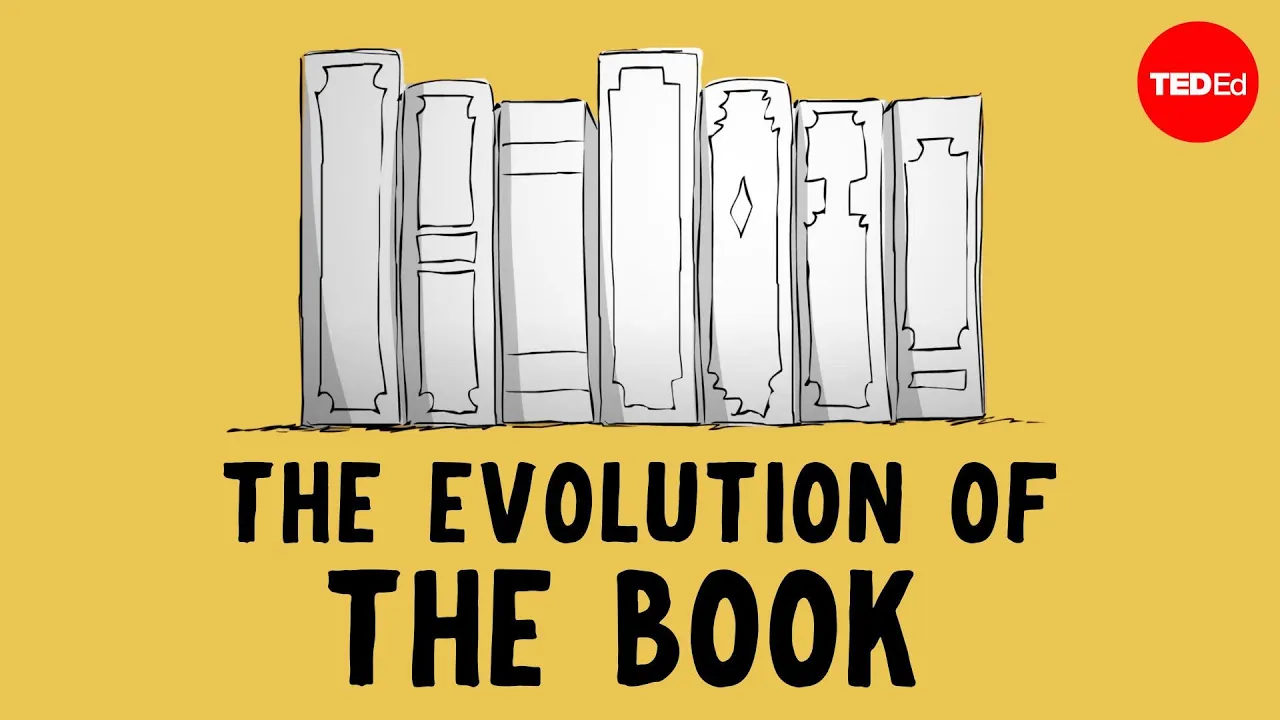


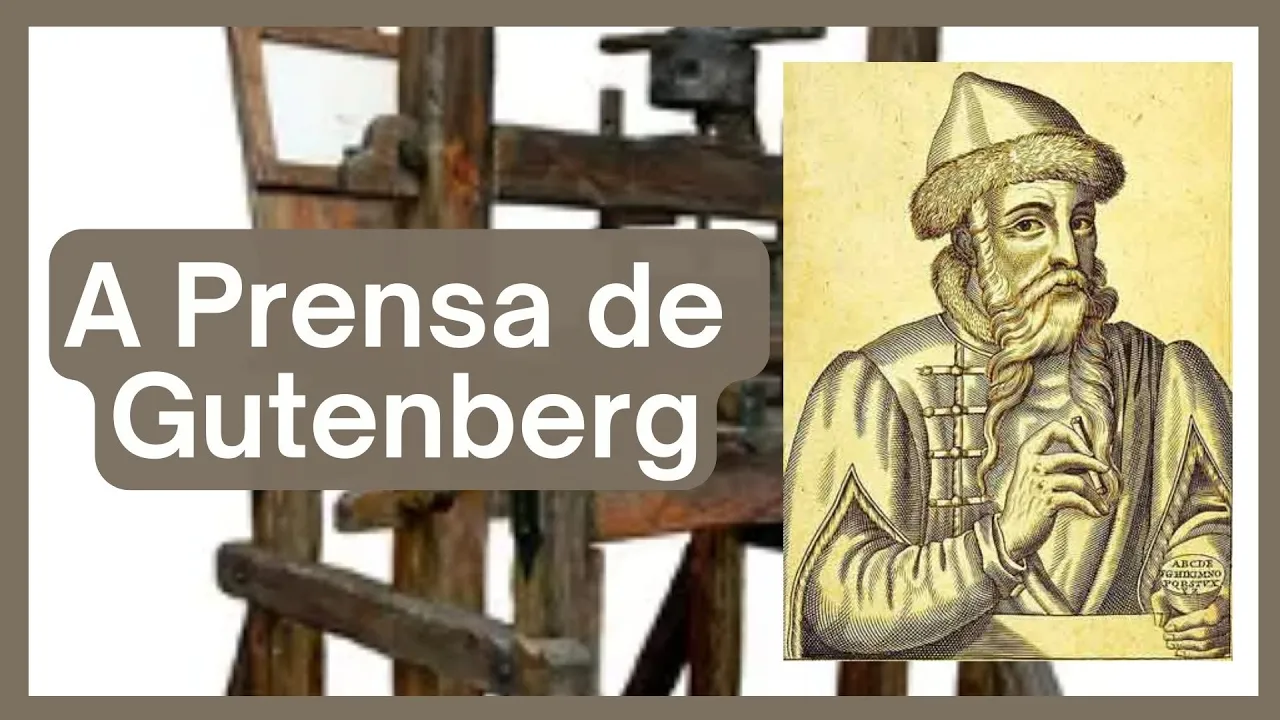



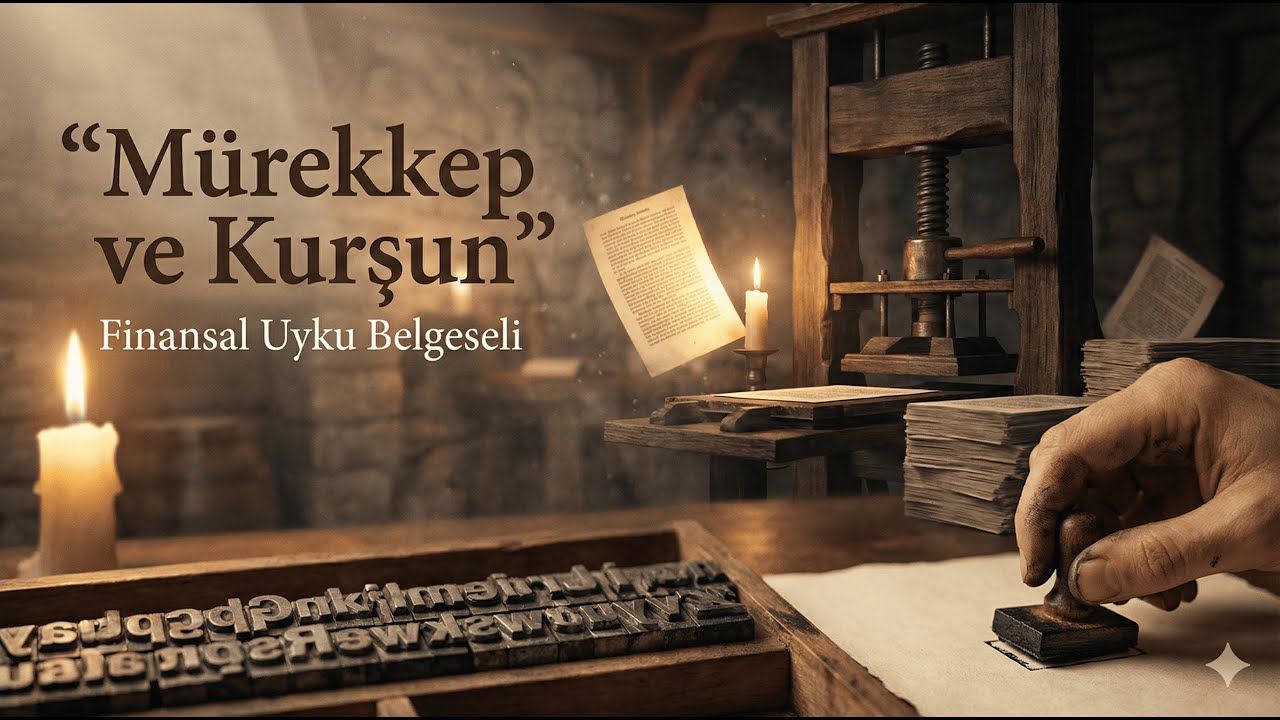

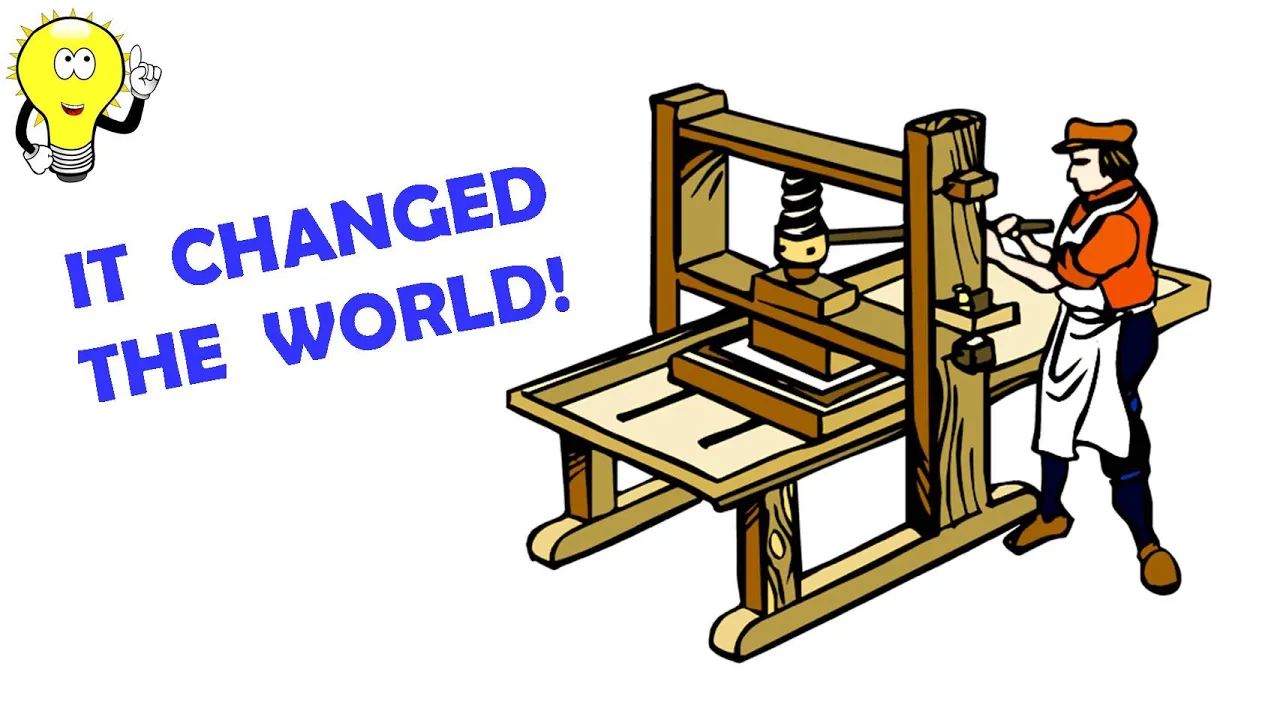








Johannes Gutenberg invented the first movable-type printing press in the 15th century, revolutionizing book production by enabling mass reproduction of identical texts through a combination of metal type casting, wooden printing frames, and paper, which transformed the spread of knowledge and initiated the modern information age.
The Printing Press: How Gutenberg's Invention Changed History
Added:The state of literacy and manuscript production in medieval Europe, where books were hand-copied by scribes and highly exclusive.
The religious and political dominance of the Catholic Church in 15th-century Europe and its role in controlling information.
The existence of early printing techniques, such as woodblock printing developed in East Asia, and how they differed from movable metal type.
The transition from parchment (animal skins) to paper production in Europe, which made mass-producing texts materialistically viable.
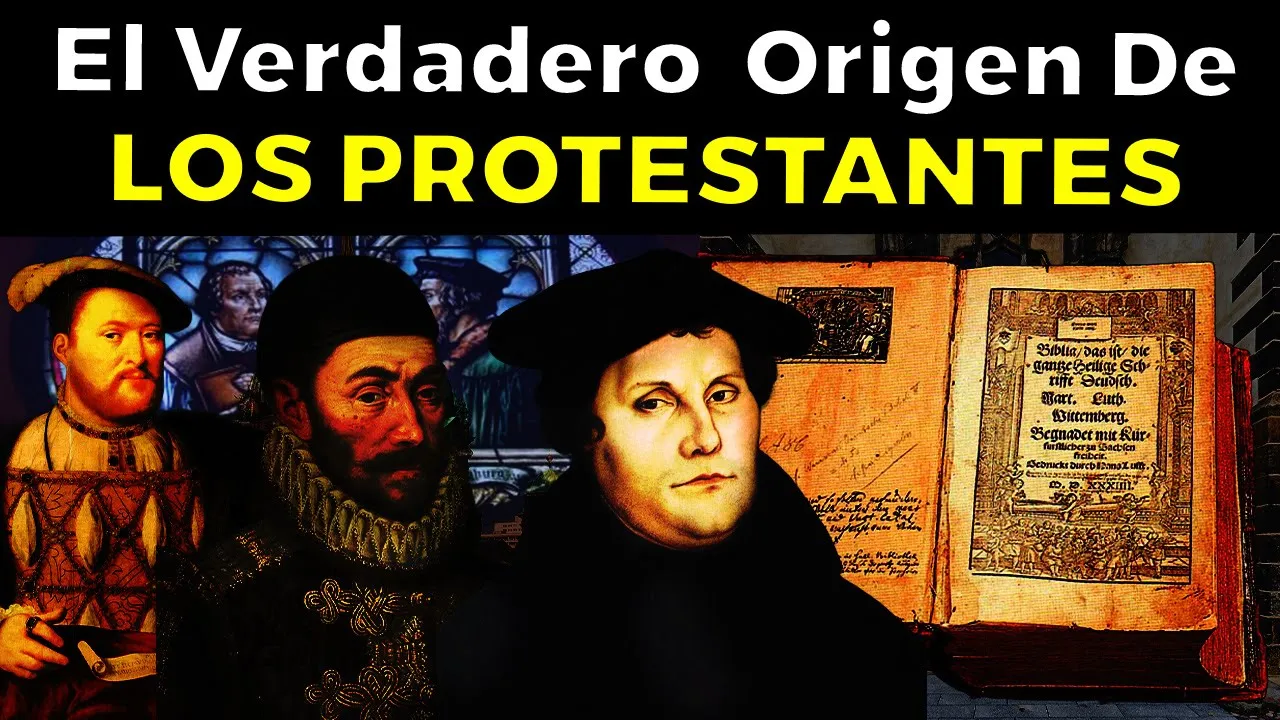
The direct impact of the printing press on the Protestant Reformation, particularly how it facilitated the spread of Martin Luther's ideas.
The role of print culture in fostering the Scientific Revolution by allowing scientists to share, replicate, and standardize data across borders.
The emergence of vernacular languages over Latin, which helped shape national identities and early concepts of the nation-state.
The rise of intellectual property laws, copyright systems, and early state-level censorship in response to the rapid dissemination of ideas.
Comparative analysis of the print revolution with the digital/internet revolution, exploring how both reshaped global communication and media literacy.
2.9M views23.2Klikes58:57Original Release: 2018-08-25
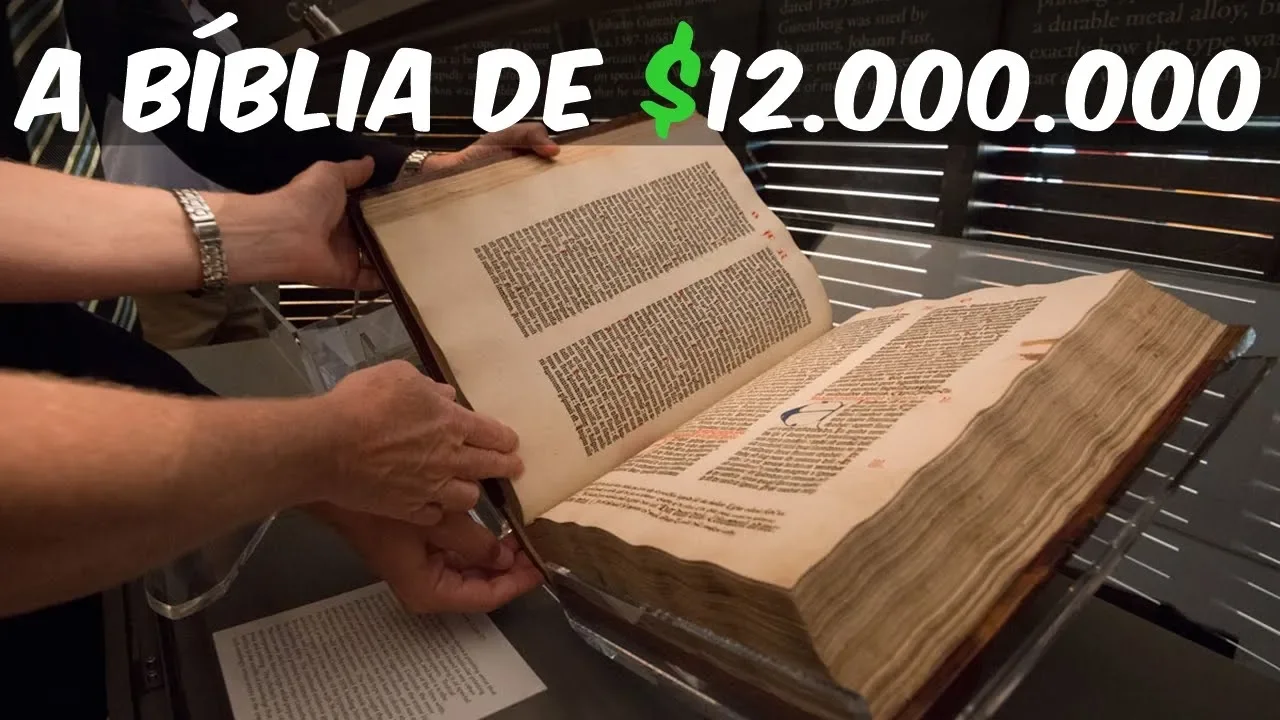
[Music] I've always been rather fond of books in fact I think they're just about the most important things we've ever created the building blocks of our civilization so when someone suggested a journey in search of the genius who invented the printing press I jumped at the chance my lord is this it this is it this was the man who launched the first media revolution and opened the door to the modern age but his story is shrouded in mystery so to get closer to him we also decided to stage an experiment and build our own medieval printing press beautiful that meant getting to grips with the tools and technology of the 15th century [Applause] and actually making some of the ingredients with my own bare hands this takes me back to the art room at school where I was already dunderhead as it turned out that was the most revealing bit of all four connected to Gutenberg some hardness by doing this so here it is then the slightly more hands-on than I expected story of Johannes Gutenberg and his marvelous machine [Music] well if you're anything like as old as me you may well remember this the John Bull printing outfit made in England this was where I got my first experience of how printing works really and simple as it is these little rubber bits here tell you all you need to know about printing with movable type you've got pink oh there it is only get my fingers dirty already there are lots of different letters and you can rearrange them in any way you want onto one of these which i think is called a form and then when you print out hmm it's exactly the same every time you can have hundreds thousands millions of pages are identical and there we are of course the point about you being movable-type is that I can move these letters into any order make another word not unlike Scrabble so I'm gonna miss a lot and what's my name again oh there we are so how is it it took mankind so long to bring together these simple elements into one machine that could make books the breakthrough was made by a man called Johannes Gutenberg more than 500 years ago his printing machine was the most revolutionary advance in technology since the invention of the wheel and we're still living with its consequences today as you can see here in the basement of the British Library where they hold a copy of every book published in English you know there are 14 miles of shelves here there are another eight miles added every year as 3 million new books come on streaming British and above me all the readers demanding their books and little idea that there's this labyrinth of shelves here it was the invention of the printing press which started all this making mass production of books possible for the first time in history within a few years there were millions of them in circulation and as they traveled they carried their precious cargo of new ideas or theories philosophy or propaganda to every part of Europe and beyond sowing the seeds for that great cultural blossoming we call the Renaissance the fruits of Gutenberg's work can be seen all around us but it's more important than that for everything that our culture and our civilization depends on starts with Gutenberg's invention and this was his calling card one of the first and finest books created using his new machine to the modern eye the Gutenberg Bible opens a window onto a vanished world of monks and monasteries but when it first appeared in the 1450s it was viewed not as a reminder of the past but as a signpost to the future glittering proof that a new information age was dawning in Europe fuelled by the power of the printed word I want to find out how and why Gutenberg invented his machine to answer the how question I'm planning a unique experiment [Music] and here's the laboratory where it's all going to happen this workshop in the heart of England may not look very high-tech that's because the job I have in mind requires 15th century materials and techniques and a man who spent a lifetime investigating the first printing pioneers step forward Alan may but not Annie old press I want a fully operational Gutenberg style one there aren't any surviving machines from this early period and no one's ever discovered an illustration of what they looked like so Alan has his work cut out well essentially this is uncharted territory it's a detective story if you're the earliest raishin of a printing press it's the Danse Macabre 1499 that's about 50 years after Gutenberg things evolved pretty quickly one that's right I think that this early period was actually quite revolutionary there were things changing all the time it took off running like Internet has yeah Alan reckons that Gutenberg's press did share some family traits with later machines all printing presses up to about 1800 have a central part which pushes down onto the type there's a piston and platen assembly and the other thing that is required in any press of this sort is that you have some means of transporting the printing surface and the paper under that right so you've got a slightly bit moving along here and then you've got a flat platen you call it coming down there and presses down and there's one crucial difference between Gutenberg's original and later so-called common presses such as the one this models based on a press like this they put two pages of type on this stone in here right very heavy stone at a hundred ways goodness and then the process of printing was a double process you went in for the first page yes there and operated the lever because they should plant and go down and then release it partly it's page the print again the term to pull press forensic analysis of Gutenberg's original Bible reveals that he only printed one page at a time in other words his was a one bull press that will influence the size and design of Allens experimental machine which is already starting to take shape in another corner of the workshop chisel woodwork was never my strongest subject at school but no one seems to have told that on that the trick is to not use the whole width of the chisel right to use as pushed about a third of its know that enables you to steer it best to be shallow than to steep so if it's too shy don't you just fire it down by hand okay come on courage that's pretty good Wow it's very pleasing it's a nice feeling it is I can feel it it's it's an extraordinary it's an extraordinary thing that you create something like a a mechanical part literally out of your hands just finish that off for me by a big win Alan's finished the press I want to print a replica page of the original Gutenberg Bible that means I'll also need to track down some other ingredients including movable type and 15th century paper but first I have a journey to make I'll be traveling through the Silicon Valley of medieval Europe to explore the places where Gutenberg and his team developed the machine which shaped the modern world my first port of call is monks on the banks of the Rhine in western Germany this was Gutenberg's birthplace in the city where he spent his childhood but despite first appearances only a few traces of the medieval city that Gutenberg grew up in still survived their first house of couldn't bear chemists job early years you can read it yes Stan's Gutenberg birth house and Gutenberg is the name of his family no actually the name of his family was against flesh against flies yeah which means goose meat goose who I say who wouldn't run around with the name of horse meat in his life just around the corner is the church where he was probably baptised well part of it at least - was heavily bombed in the Second World War so the medieval remains of sand christopher's are now bolstered by some post-war concrete so it's been left like this deliberately so Memorial yeah into the printer you think of fonts and this must be a 7,000 point font but it's some terrific to see oh there's a plaque Turner well it tells Johannes Gutenberg yeah now wonder something I wanted to talk to you about actually - the city of Mainz proclaimed in the year 2000 the d610 of it she said they think he was born in 1400 well that was decided on publicly actually 1900 when they made already same fuss about this Centennial at this time and then they decided would Gooden Berg was born 1400 but the exact date is somewhere between 1397 and 1400 and for well I have to say I slightly agree with the city of mine so I think 1400 is a good year to describe his birth not because it's a run number but because it's actually the year that Geoffrey Chaucer died in England so it was the end of one one age if you like the age of the medieval writer and the beginning of a new age the early Renaissance there's very little evidence about Gutenberg's early years in minds we know his mother owned some land and that his father was a merchant whose work brought him into contact with the city's Goldsmith's expert metal workers with skills which Guttenberg would later find very useful and it's likely that he studied at university so he'd have come into contact with books unlike most of his contemporaries but that's about as far as it goes it's like catching the occasional glimpse of a figure in a crowd and need to watch him melt away a few moments later and even when you finally come face-to-face with the great man you can't be sure you're looking at the real mr. Guttenberg so whether or not Gutenberg had three hands like this one here whether or not he looked like David Tennant as Doctor Who or whether or not he had a beard shaped like a fish stuck to his face one thing certain we don't actually know what your Hanna's Gutenberg looked like at all and that gives us great scope perhaps he'll about you or me unlikely it would have been burnt if you look like me no one knows exactly when the elusive Gutenberg first dreamed of building his printing machine but this was a revolutionary idea in the handmade world of the fifteenth century we're so used to living with printed matter every day of our lives from the cereal packet in the morning to the book at bedtime that it might perhaps be rather hard to imagine what the world was like before printing so we have to come somewhere like here this monastery Costa Ava back in a village just a few miles from - where kuchen Berg grew up and this is where not the printed word but the written word was king [Music] dr. Schneider hello I put the pleasure to meet you it's one of them be here in a monastic setting I'm trying to get a picture of what life was like around the time Gutenberg how books were produced in the script Oriya I think they're cool yeah well this is a rather finer room this is in fact the chapter house where they would read the chapters of the Bible and that all sit round on the benches so a scriptorium presumably was a different kind of room to this yes what sort of what sort of thing would you expect to find in a scribes room scriptorium swear smaller rooms than this your horse they needed heat in these rooms and because do you need warm fingers to write and to hold the feather and to do all the seven fine work with your hands and they needed light they needed windows in the summer and in the winter they needed do we have any idea of the character and personality of some of these scribes mmm very seldom sometimes we have at the end of such Bibles or other manuscripts small texts where the scribes tell how hard their work we're yeah it was very cold it was they had to sit always in the same position and they get cramps and students yeah and it was cold and it was dark and their eyes were tied this dog yes hand-copied bibles were rare and expensive commodities far beyond the reach of ordinary mortals and even the best scribes made mistakes a printing machine would allow the creation of exact copies and lots of them whilst some church leaders feared anything that might break their near monopoly on learning others recognized that a common and universally accepted version of the Bible might be a powerful weapon in the battle to preserve Christian unity but the church was just one potential market for printed books beyond the cloister new universities were springing up across Europe so it's tempting to assume that Gutenberg aside from his technical interest as a Sauron entrepreneurial yeah it was a mixture of three things I think he was an engineer about the technical things he was merchants and he was was an intellectual he had started and at a university and he knew that many people needed books with demand for books growing all the time anyone who could devise a machine for making them could hope to make a fortune and growing up in the heartland of the German wine industry Gutenberg didn't have far to look for inspiration [Music] these are other noble structures and I think if poor old Allen back in England is trying to build a press he's gonna find it rather than useful to see what these originals were like these contraptions are wine presses Allen may thinks that Gutenberg's press evolved from machine was like these oh that's very artistic very good yes but Gutenberg these must have been a very common sight he grew up in an area one of the biggest wine-growing areas of the world I wonder if there was an actual moment though when he was sitting next to one of these or watching some grapes being pressed and saw the spindle sending the thing down and thought ah that's what I need just this frame with a spindle presses like these may have started Gutenberg's creative juices running but to turn such a basic piece of engineering into a precision machine would be a tall order and that was only part of the challenge he faced the whole project would take years of experiment and it would cost a fortune but money didn't grow on trees in 15th century mines I think it was a city of past glory it had been very influential and very rich in the medieval times but then in the 14th century it came down a little bit the plague was there two times and the Black Death the earth and the city didn't have the richness anymore but it had been politically very influential the archbishop had been the elector and was the most into powers as we might say of the electors and so it was an important city in any case in a sense what I'm getting from you is it mines was the city of the past um what couldn't be needed was a city to look to the future yes I think so for a budding entrepreneur like Gutenberg - was no place to start a business he would have been in his early thirties when he packed his bags and set sail down the Rhine two days to the south was the city where his experiments in printing would first begin at Allen Mae's workshop in England our own printing experiments already in full swing Allen's invited his fellow printing expert Martyn Andrews along to show him work in progress I am pleased to see that my holiday snaps turned up Allen's also finished carving this ft wooden thread which generates the pressure needed to print but the thread needs a counter thread to guide it on its downward journey and it has to be cut by hand into the head of the press sounds tricky to me but Allen is a plan amazing contraption I mean the idea came from ad 64 this ingenious device uses these wooden pegs to guide the thread on its journey meanwhile a set of cutters at the other end carve the counter thread through this solid wooden block I'm careful to tap this not on the sharp edge see using the real thread itself to cut it actually it's pushed loads and laser sawdust ahead of it look it's cutting something but there's only one way to find out if the thread and the counter thread are a perfect match change is the hottest factor don't seem to take that out one can see how it's all working oh my goodness there she goes excellent I think that's a pretty good job I do and I've never seen anything quite like it so I'm convinced I think it works I'm following the Gutenberg trail down the Rhine from mines to Strasburg when Gutenberg arrived here in the early 1430s this was a bustling city with trading links across Europe and beyond that made it a far more promising business base than the bankrupt city of his birth and towering above the commercial center was the great Cathedral itself [Music] of course when Gutenberg got here the cathedral hadn't been finished and this huge Tower and spire weren't quite completed and as you can see there's still some work going on to this very day worth thinking about the fact that at this time the only investments that human beings ever seemed to make were really in their future in other words in the afterlife by participating in the building of these enormous structures they were assuring their place in heaven but around about the time of Gutenberg we started to see the rise of a merchant class who really believed in investing in the idea of their future on earth venture capitalists and such people were to prove very useful to Gutenberg [Music] the Cathedral was more than the spiritual heart of the city it also became a focal point for his dealmakers and money man prototype capitalists with the cash Gutenberg needed to fund his work by the late 1430s he'd struck up a partnership with three of them and was ready to start work in earnest and if he ever wanted to remind himself that his big idea was a good one he only had to take a stroll through the streets nearby rue de faire the the street of the brothers the total something about this area we're right beside the Cathedral which is the ecclesiastical heart of an ecclesiastical city at the heart of an ecclesiastical Empire the Holy Roman Empire but we were thinking it in terms of something like the City of London in other words the center of the entire system that runs the world at the moment for us it's financed for them it was the church it was the church had generated all the paperwork all the legal documentation all the printed services everything in fact that Gutenberg might have spotted needed reproduction needed a new technology and so we turn into this frankly less than pre possessing street but let the title read is a cleave an Street of the writers Rivas Dube gasps it's in this street in Strasbourg that Gutenberg must have seen the scribes bustling around self importantly with bread sheaves of paper under their arms and calluses on their inky fingers and you must have thought well you may believe you've got a job for life but I know better there's one day one day you're all going to be replaced the place by a vulgar machine he employed a carpenter called suds pack to work on his new invention no one knows what it looked like so Allen Mays pieced together other clues to design our machine he knows that Gutenberg printed one page at a time whereas later presses printed two in quick succession maybe that's why this prototype looks rather unusual to an expert I because it is unconventional because I'm facing that what surprises me is that we've got all the weight in the framework yeah and normally on a two-pole press you'd have actually a framework out here which is a making this more rigid but also taking the weight of the stone and the when the questions in use it never has to go beyond beyond the cheeks is unconventional it may be unorthodox but Alan thinks he's found support for his design in an unlikely source this illustration of a press was drawn by Albrecht Durer 60 years after Gutenberg first printed it's the only drawing I know where the feet of the press come forward from the cheeks that's what mine are doing and this has got a substantial structure at the front which you have which the common press never has it just has a little little leg little leg okay so I'm wondering whether this is an obsolete press that that serve jurors got hold on and we're looking at the product which is actually 50 years old perfect compared to be broad-minded authorities in the world will agree with the order if Alan's right this is a major discovery could this be a snapshot of an early Gutenberg press Gutenberg's team was growing besides the carpenters aspire he'd recruited other craftsmen from the Strasburg guild and set them to work at his new premises not in the city itself but in a hamlet downstream far away from the prying eyes of potential competitors why are you the secrecy why was it necessary there were a number of people working in this area trying to solve this problem only they could come up with a at the church they would be so he had to keep it as a secret otherwise everybody else would be doing whilst they worked in secret on the printing press they needed a second revenue stream to keep the wolf from the door lo and behold fate brought to Gutenberg a brilliant idea that this was the creation of mirrors for pilgrims coming to the pilgrimage at earth why was our kin important Parkin was important because there was a Cathedral there and in the cathedral were relics directly descending from Christ supposedly and they were on display every four years and pilgrims would come from all over Europe to to see the relics and receive the rays of healing that emanated from them and eventually there were so many pilgrims that they couldn't all get close to the relics so the an idea came into existence that there should be some way of capturing these rails and the rays were captured by concave metal mirror which would be held out so that it was some sort of a satellite dish Catholic radiation the local makers could not keep up with the demand Gutenberg's idea was that he think mix his metal right he could use the presses that were in development to print out their errs which could be sold to the pilgrims at Arkham it looked like a surefire winner but in 15th century Europe there was one thing which could usually be relied on to scupper the best-laid business plan black death strikes again and the told images put off right they would postpone a pilgrimage yes for the play could not I mean it would be real disaster if you had a hundred thousand people all gathered together sort of played so that means that all the investors have been hoping for the money to come to them that year we're gonna have to yes one of the partners died the the partnership began to collapse leaving Guttenberg not exactly in the lurch but struggling this setback would have deterred a lesser man but by now Guttenberg must have been completely possessed by his plan so the work continued so Gutenberg Ireland there's a statue of him with the fish on his face again no one knows exactly where his workshop was but it must have been somewhere near here he had chosen a secluded base to protect himself from the threat of industrial espionage but there was another reason for being close to the water because Gutenberg was playing with fire do you remember my John Bull printing set and those rubber pieces of type Gutenberg's plan would only succeed if he could devise a system for mass producing individual letters which could be set and reset in any order he went to the guild of Goldsmith's and found a man called hands done together they made the crucial technical breakthrough which made Gutenberg's brilliant idea a practical proposition so this is this created this table is believe it or not a complete foundry right I've asked Stan to help me make a piece of type a single letter E which I can use in our grand printing experiment for the sake of authenticity I want my letter to match the dimensions of the original font used in the Gutenberg Bible first we have to make a punch a master copy of the letter we want to reproduce after we've transferred its outline onto the tip of this steel bar it has to be carved by hand using a file a very sharp file punch day two punches a day so in order to do the full set of type that Gutenberg needed for his Bible how much work was that well there are at least two hundred and seventy characters perhaps more so you know given there's a lot of holidays I would imagine close to the better part of a year yeah so if you are one of those people that invested in this new technology you'd be getting rather impatient you say no mr. Guttenberg ready man eight different DS and the reason he needed different ones was obviously because it was a very elegant and harmonious look he was after you wanted absolutely top quality so he wanted someone to slightly wider so it was slightly narrower so that he could always have justified lines correct without trailing whitespace exactly ugly and they're bad compositing and things this is a smoke proof a way of checking that our punch is an accurate copy of the letter we want to replicate it looks spot-on now Clemmie is that so here we have it it's hand-carved and grooved and shaved and Emery and rust and shaped and hardened and tempered and now that is the key that unlocks the technology that changes the world the punch beautifully made but what's the next day well we have to strike a matrix with that strike a matrix yeah we're gonna hammer that punch straight into that piece of copper so you believe in impressive the letter shape absolutely the experts can't agree about how exactly Gutenberg cast letters from his molds but Stan's theory is the most commonly accepted one he thinks he invented something like this ingenious device this tool in front of us is the single unique element of Gutenberg's invention this is the type mold and it's made of two two halves and these two halves mate together to form a cavity in which the type will be formed with the matrix at the bottom yes we've been working and so these two halves are beautifully fitted and because they make either a narrow or a wide opening by placing this matrix beneath the mold which we've carefully formed and closing them all on the matrix and using this spring to keep it in place that's what this sort of thing is now there's a hollow inside of this mold that's the shape of the letter we're going to form okay that neat and it's quite a unique part of the invention there was nothing else like this before right so we're gonna pour molten metal here led tin and antimony straightaway in there yeah and it hardens instantly it's already hard mmm yeah so we take the spring out of the way we release the matrix by pressing on it yeah we pry them all to open and there's a piece of type oh isn't that marvelous so which bit is the tongue oh well there's the face we formed and it's an exact des duet you know and if you look at the punch we have here yeah you'll see that that punch is replicated on the face yes is identical of the type back to its it's a it's back together form see for that neat it's more than neat it's revolutionary because now we can make as many E's as we want quickly and cheaply I wonder how many it takes to print a full Bible well this they seem like components of the greatest revolution in humankind since the invention of fire yet you could argue they certainly are on one of the reasons is that they're identical it's an extraordinary thing such ingenuity using arts and crafts that have been known for some hundreds of years but adding to it this unique little device just enabled printers all over Europe to start spreading the world I've heard great reports about Alan's progress with the press so I've returned to base to help him put together the finished article if you've ever had a traumatic experience with a self-assembly wardrobe now might be a good time to make a cup of tea but there's cereal packets plus a two tab beer whatever it is that's right [Applause] good critics I suppose Alan really no one has done anything like this for 500 years right on this sort of pressed honestly I would never made a boys go hopeless you see what I love about this is that on the one hand it's desperately simple and on the other hand they're all these little cunning things that I would never have thought of in a hundred years and I love when Alan showed me that he was doing this double thread you think okay I'll follow my finger round here and it'll go behind and Sean it'll come out here but now it comes out there because it's a double thread and the other one goes that way that's quite complicated screws my head quite literally he's not sure that this is exactly what rittenberg would've had but it looks right and so often that's the secret of this kind of engineering and designing because it looks right feels right then it is right it's a most satisfactory object hopefully else wouldn't it be fun to have one in one's bedroom you could convert it with a little watch hand Basin or something or maybe even have the mirror here and it's adjustable height I'm getting slightly mad now because I'm so fond of it's the one thing I of course can't wait to see his prints I'm starting to share the sense of excitement Gutenberg must have felt when he was finally ready to start printing by the late 1440s he'd moved on from Strasbourg which had recently been terrorized by a marauding band of French mercenaries called the Armand the axe perhaps they were the reason that he decided to head home to meit's as usual money was tight so he borrowed some cash from a relative this house was used as security for the loan and he struck up a partnership with a new investor called Johan first it was a deal he would later regret but it did give him the cash injection he needed to set his press running he didn't start with the Bible far too ambitious he wrote tested the new technology on modest print jobs like this Latin grammar book to show the church that his invention presented an opportunity and not a threat he also printed documents like this people indulgence no indulgence is this wonderful Catholic way of raising money well it it sort of reminds me of today if you journey in an aeroplane or something I'll have a very fuel inefficient car you can you can offset your carbon can't you you can you can you can pay money to a company offsets or carpet gives you your carbon sins and this is a bit like to say if I didn't offset your sins Densham must have been marvellous for them to have Gutenberg's new technology because before that of course each one will be handwritten by a scribe and it's not just a quick voucher it's a lot of lines so it was a very good way of group about showing off his new technology I think it shows also that the church really was very interested in printing that they did not consider it a black art as a to say it in German because they saw all those advantages brought to them with church support for his magnum opus there was just one more issue to resolve most high end books in those days were written not on paper but on something called vellum and what was vellum made out of it was made out of those little fellows there's pretty brown round-eyed CAF's they yielded their skins just as they yielded the rest of themselves for veal chops to the tables of the mighty Gutenberg who was determined that his Bible was to be nothing if not the highest possible quality thought that he would print every Bible on the finest vellum but either he or his business partners did some serious mathematical modeling as it would now be called and they quickly realized that actually only a few could be done environment because a little herd like this well he wouldn't be out of the Old Testament we've got those two there will call them Genesis we call that fellow there Exodus we've got Deuteronomy over there Leviticus it would take a hundred and forty calves to provide enough vellum for just a single copy of the Bible for a print run of a hundred and eighty which is what he planned Gutenberg would have needed a staggering twenty five thousand of the poor creatures that's an awful lot of veal chops in anyone's book there are there for a few Gutenberg Bibles extent in the world which are printed on vellum but most are printed on paper without a system for mass producing paper Gutenberg's invention would have been dead in the water but although the Chinese had first invented the stuff twelve hundred years earlier it was still a new commodity on the West this mill that Basel in Switzerland was set up at almost exactly the same time as Gutenberg was working on his machine and they still make paper here the old-fashioned way not from wood pulp but from cloth rags satisfied first the rags are mashed to a fine pulp a waterwheel provides the power to drive these ft hammers once it's reached the right consistency the pulp is transferred to a huge vat which is where the fun really starts this is going to be our paper it seems that these are the bits of Qatar linen that have been pounded away and they've turned into this pulp okay so you I better keep stirring yes yes that what do you feel is the heating the water is a little bit warm because it's organic matter it's breaking there no because it's a little bit easier working the warm water and the warm water goes quicker down from the right the sieve safe so this is what now happens okay yes let's do it let's make paper we go in like this drown it come up shake it a little bit so the water goes down and the fibre rests so we are ready for the next would it be all right if I could make some paper yes you'll have to take over my job and now should we swap places yes he's very excited and okay though it takes me back to the art room at school where I was only dunderhead right so just yes at the other side oh oops this one oh no no like this oh I see like so you mean yep first of all I've already made I'll show you some wait ah yeah but there's some already should we get rid of that so that's all right okay ready to scram turning from up we are that way too oh yeah that's got a few white bits in but it's not bad I think some paper for you right now and is it ready to take the deck okay this is probably bitter was the second that goes bad oh this is a magical process it's rather like panning for gold isn't it and perhaps that's not a bad analogy paper was like gold in medieval times just unbelievably valuable and although it's quite a time-consuming process it's a lot less time-consuming and making vellum from cough screen I will say I rather enjoyed this I feel connected to Britain but somehow just by doing this how do you know when it's ready is the ripple stopped yes not quite so good that one no well yeah put it back should we put it back just turning turning it yes like so oh dear me I Bruins oh please oh I see better screwed up to make paper fit for printing is a fine art the raw materials need to be mixed to perfection to produce the right texture and absorbency for Gutenberg this was the final crucial ingredient which made printing the Bible a viable business proposition beautiful my very own piece of paper and first of course it has to be dr justice but I do hope Alan will be satisfied with that how could he not be that's worthy of the finest printers are the great days arrived it's been five months since Alan first got together his plans and designed his printing press it's now built papers been made in Basel I've cast the type personally nothing can stop us from printing a page of Gutenberg text this must be how the great man felt himself before we start printing I have a little confession to make it took Stan and me the best part of a day to make just one individual letter e to produce all the type needed to print a full Bible probably took Gutenberg's team around a year and frankly I don't have his time or his patience so I've cheated this package has come from the States it's a replica page of type said to the exact measurements of the gutenberg original and thankfully nothing has been damaged in transit so this is absolutely well almost surely there's room for my little e somewhere on the page that's great you know I have to confess I had my doubts about whether Organa would be able to bring off the construction of the printing press in the time we've given him and whether in fact there was enough known about printing then to be able to produce something that could actually work and come up with a reasonable facsimile of something that Gutenberg could have done I have to say all my dad's being cast aside by the brilliance of the work he's done and all three of the experts through there giggling like children that we excitement of what they've all created together I'm gonna see now so we are printing can happen [Music] right the moment of truth let's see how it fits that's my pilot thank you he will almost okay today okay all right here we go oh goodness wait for the creek it really well there's impression there Martin congratulations everybody the inking is superb Marty if the alignment is fantastic there is my ear right and that in particular stands out as being yeah it's the best one of our I am very very pleased with that strong anyway let's do so well that's the proof of a printing press is being able to do more as we print the normal procedure would be that the Pulitzer Paula Paula okay it takes the sheet off yeah give it a cursory glance but he's got to get really ready for the next print right while the inker while he's away from the press the inker is gonna be pinky up again for it right so it's a real assembly line when he comes off the inkling he checks the quality of the print you've just done right he's not proofing you that's all no he's not even so that the impression is his whatever he's printing are right and then that's right oh yeah okay [Music] done with my frisket yes jumpin up to her [Music] because it's bad now we all hold on to the press now that's in [Music] yeah Gutenberg's first edition of the Bible ran to 180 copies each containing more than 1,200 pages which had to be set inked and pretty and that was just the black and white work after they'd left the press each page was hand decorated by an illuminator before the whole thing was bound together to make a finished book each one of these wonderful pages and that had never been seen before our experiments nearly finished but for Gutenberg this was just the beginning of a monumental two-year print run but what a beginning it was the first copies of Gutenberg's Bible were displayed at the Frankfurt trade fair in 1454 and they caused a sensation today fewer than 50 of those original books are still in existence one of the finest is held here at Curtin in Germany you know what I'm genuinely tingling with excitement about coming close to a little burg Bible having anything went through glass and having examined so much about its means of production having discovered just how important it was and what a symbol is is everything modern aids stands for the idea of actually touching one albeit through cotton gloves it's giving me goose flesh I don't believe this you know I've looked at them through glass and I read about them and to be so close as an extraordinary feeling when I would please this is actually a remark by jakub cousin of the famous brothers group yeah when he was a librarian link urging him I know Gutenberg ership evil a Gooden Berg Berg and it says fun who stirs at night of the highest rare 80s yeah thank you hey this is the first page of the first volume do you know what's interesting is that although the illumination and decoration and the you call that a rubric ation don't write then the red letters literally well they're very beautiful it is the typeface that really draws the eye isn't it yes it's I mean people have said that it's even at the start of this new technology that it's also an example of perfection yeah sense and the general view is that it's a much more beautiful than it needs very simply he was clearly a a very driven perfection yes he uses what the scribes in the monasteries also used to used abbreviations that was the only way to create this this right margin as clean as it is no there's a little hole here yeah somebody must have what for that vandal plundered this in I don't know when this happened you see the illumination went up the page that somebody needed a model right for an illumination so czar they cut it out and put it next to his manners tripped in and painted it off this model which is unfortunate [Music] naturally I feel very privileged to be able to leaf through this unbelievably rare and important object a Guttenberg bangle in my hands and wearing white gloves I'm terrified of breathing water vapor on it in it you know the on the art thing is that it doesn't feel like something that is going to be crumbling to dust if I turn the pages too fast it feels very solid and robust and after all it was made to be used more than once a day I mean if it was bought by a monastery I guess it would've been used for all the offices of the day and it was it was a solid object a Bible was a thing that the thing that people expected to tend to all the time and it isn't a fragile little thing like a like an ornament it's a it's a useful object and the extraordinary thing about this is that although there were only a hundred or so of these made any 12 of these in existence on vellum you know that aside from the eliminations every page is the same and that was really the most remarkable breakthrough it wasn't it that somebody in a monastery in Germany somebody in a palace in Florence somebody in a in a private house in Amsterdam could turn to the same page number the same word would begin at the top end at the end they were looking at mass production for the first time and although they were very rich those who would afford it there were nothing like as rich as those who could afford ones that have been made by scribes and written [Music] I'd like to report a happy ending for the man who created this extraordinary book but it didn't turn out quite like that do you remember mr. Faust the dragon who bankrolled the printing of the Bible soon after the presses started running he asked Gutenberg to repay the money he'd borrowed Gutenberg didn't have the cash so he was forced to hand over all his printing equipment instead it had taken him almost a lifetime to build his machine now so soon after it had been completed it was snatched from Gutenberg's grasp my journey ends here in the village of el film a few miles outside mykes Gutenberg had family roots here and his friends helped him get back on his feet and even to set up a new printing workshop but he never enjoyed the riches which his invention earned for his former business partner first well Gutenberg finally got the recognition he deserved up in the castle there the elector called him a knight and gave him a pension and when he died the world knew that he had founded a modern art of printing but it's not that really that has brought me here it's the thought of what went on after Gutenberg's death the replication of printing across Europe at such a speed an unimaginable speed for that time from zero books to 20 million in just 15 years Gutenberg's technologies spread across europe like a benign virus he gave new ideas a ticket to ride and kick-started the renaissance for the next 500 years his method of printing was used to make books everywhere his was the machine that made us and that ARCT the art of movable type printing defines us it's our civilization more than anything else I can imagine a modern world without cars I can imagine one without telephones or computers but I cannot begin to imagine a society anything like the one we have that doesn't have the printed word [Applause] [Music]
Up Next

33:57
AP European History Unit 1 Review: Renaissance to Exploration
@heimlershistory
466.2K views•2022-04-04

33:02
The Great Schism of 1054: Causes and Consequences
@SacredCathedrals
113.5K views•2026-02-19
21:58
Breaking the Maya Code: Copán's Fall | Archaeology Documentary
@TimelineChannel
96.8K views•2019-11-14
17:05
Understanding the Cold War: Superpower Conflicts and the Road to Détente
@OverSimplified
46.1M views•2019-01-24
Related Study Plans & Knowledge Roadmaps
Structured learning paths in History
history
Byzantine Iconoclasm: Theology, Art & Politics
01Foundations of Byzantium and Early Christian Images
02The First Iconoclasm: Leo III and the Crisis of Images
03Empress Irene, Nicaea II, and the Second Iconoclasm
+ 2 more learning modules
9h5 modules
Explore Roadmap
history
Iranian Revolution (Causes, Events & Legacy)
01The Pahlavi Dynasty and the Roots of Discontent
02The Spark of Rebellion and the Rise of Khomeini
031979: The Fall of the Shah and the Climax of the Revolution
+ 2 more learning modules
8h5 modules
Explore Roadmap
history
Mali Empire: Mansa Musa, Trade & Timbuktu
01Foundations of the Mali Empire
02The Trans-Saharan Gold and Salt Trade
03The Reign and Pilgrimage of Mansa Musa
+ 1 more learning modules
6h4 modules
Explore Roadmap
history
1947 Partition: Politics, Borders & Legacies
01Foundations of British India and the Divide
02The Political Negotiations and the Mountbatten Plan
03Drawing the Boundary: The Radcliffe Line
+ 2 more learning modules
8h5 modules
Explore Roadmap