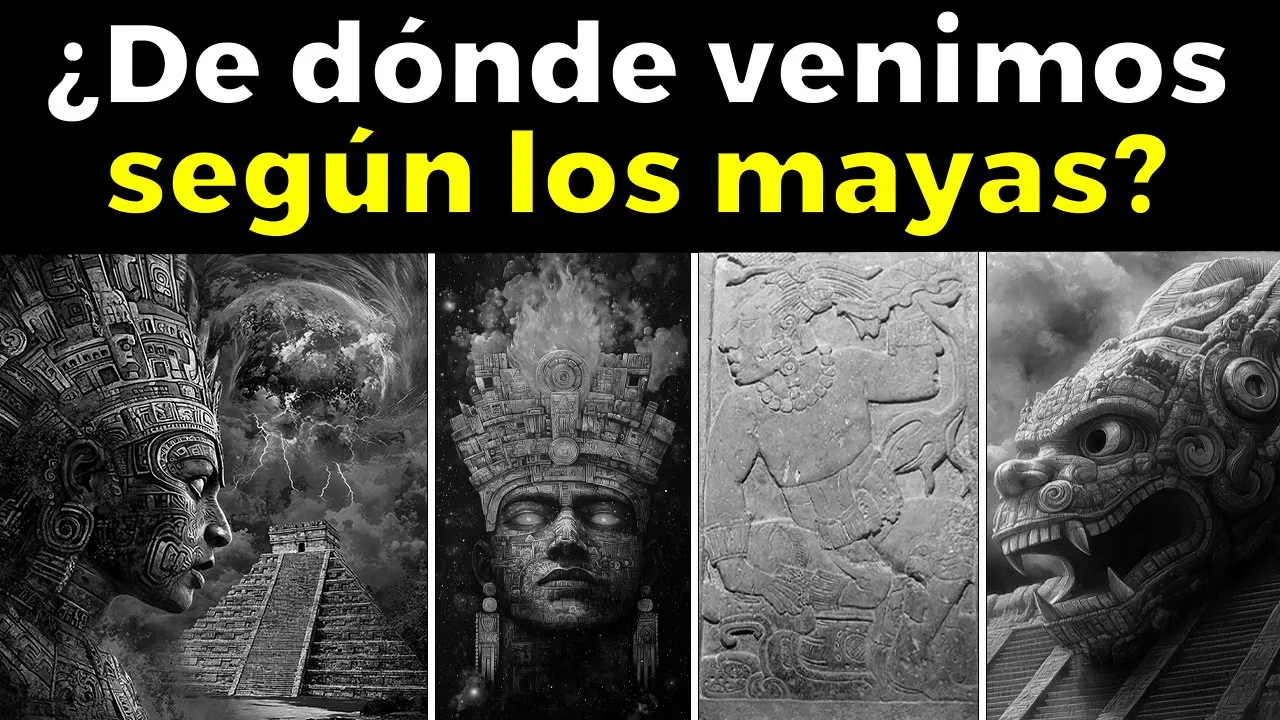




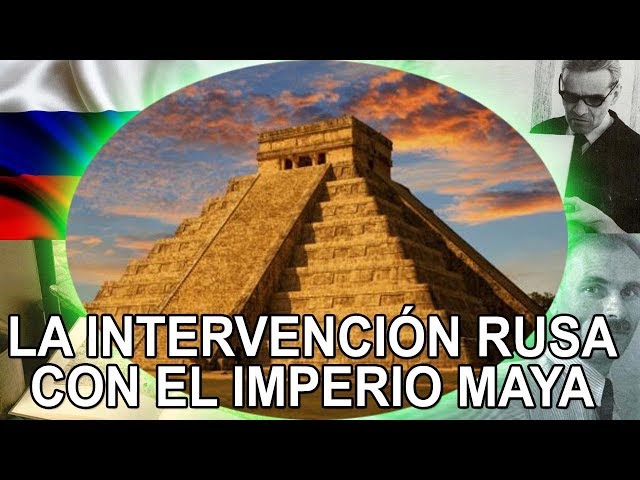


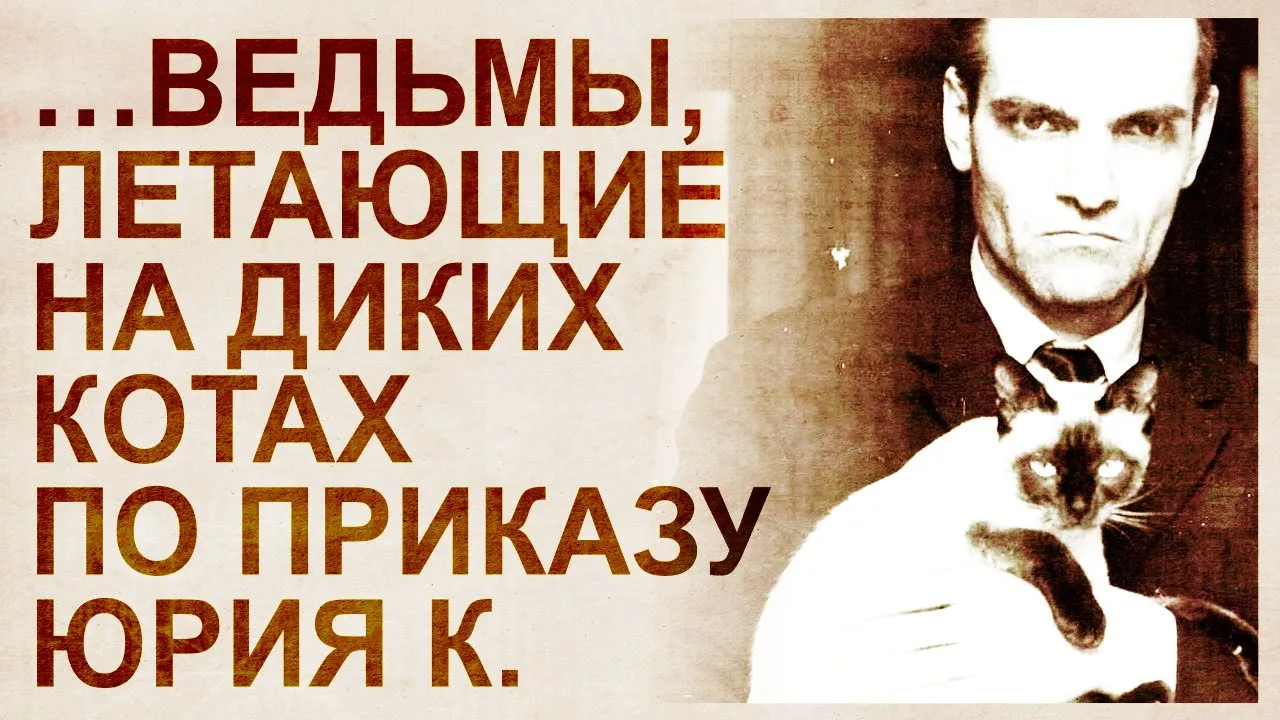


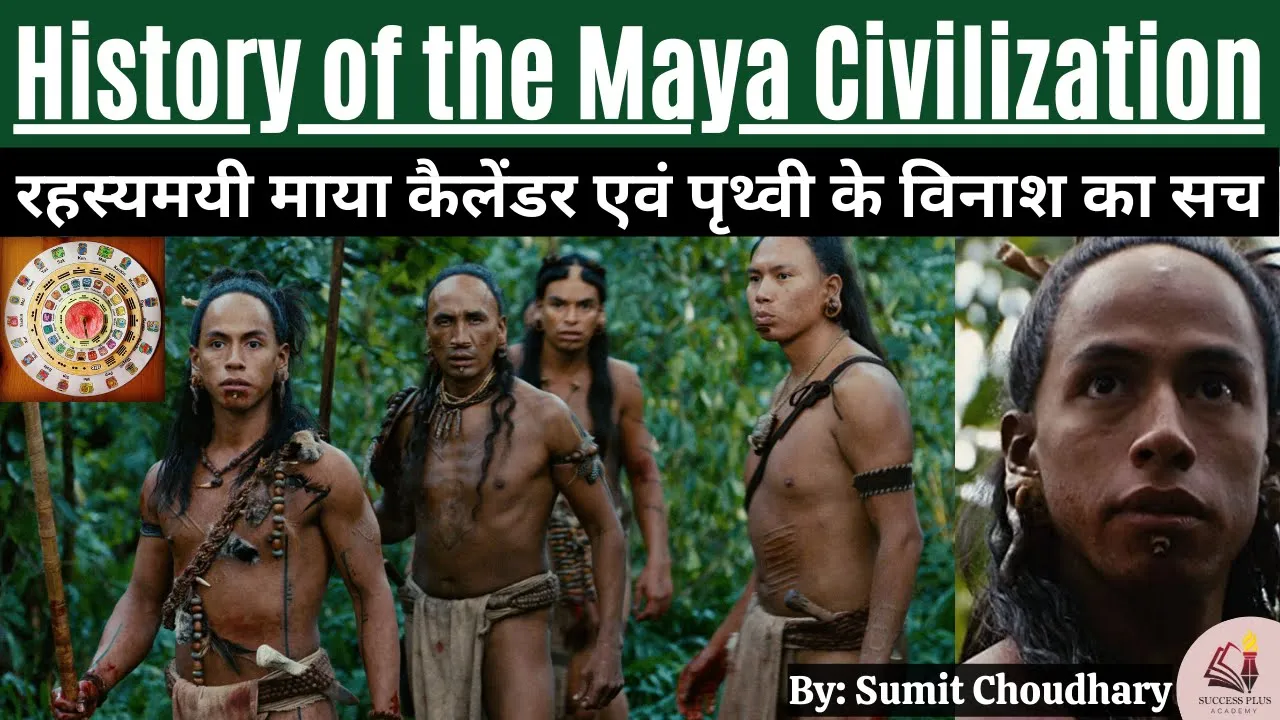

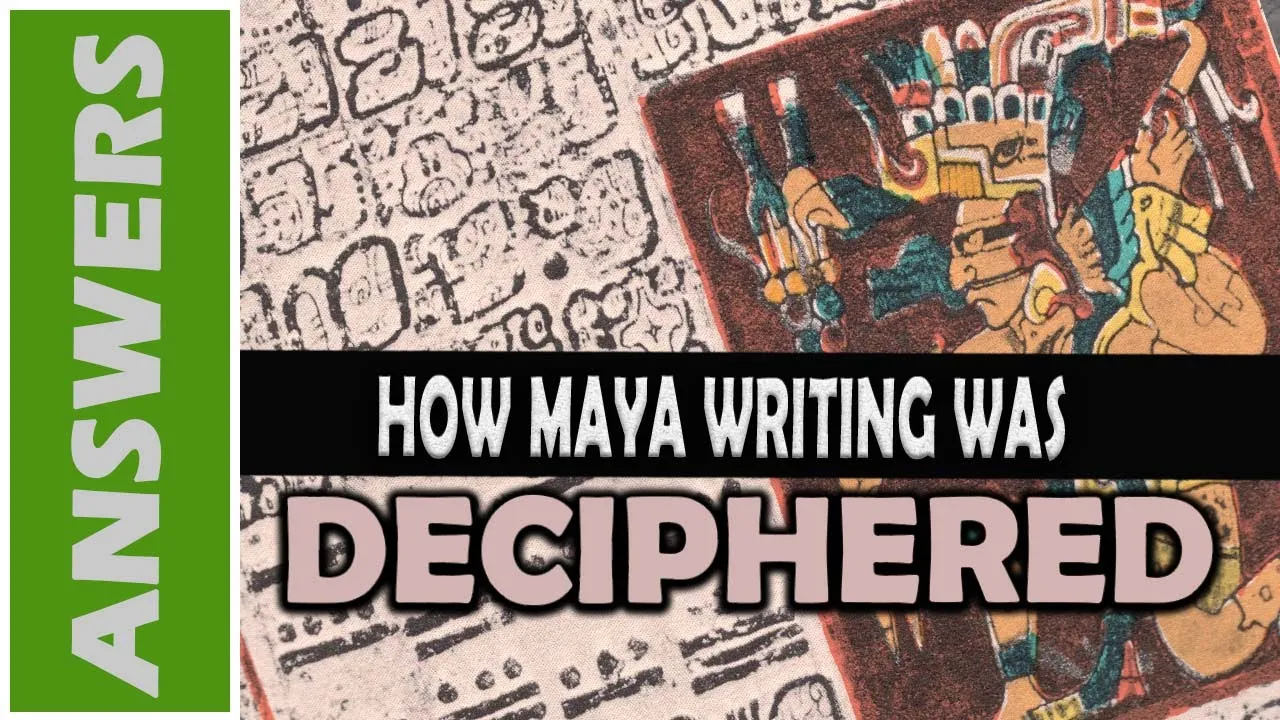

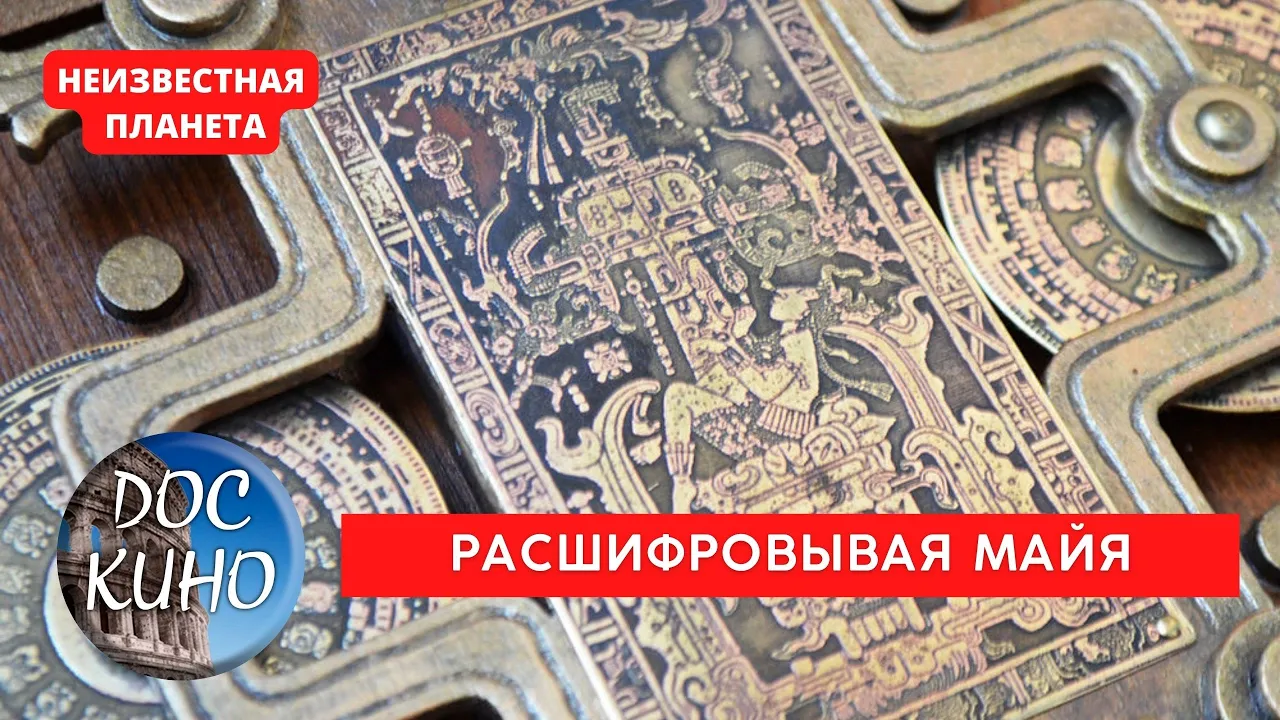



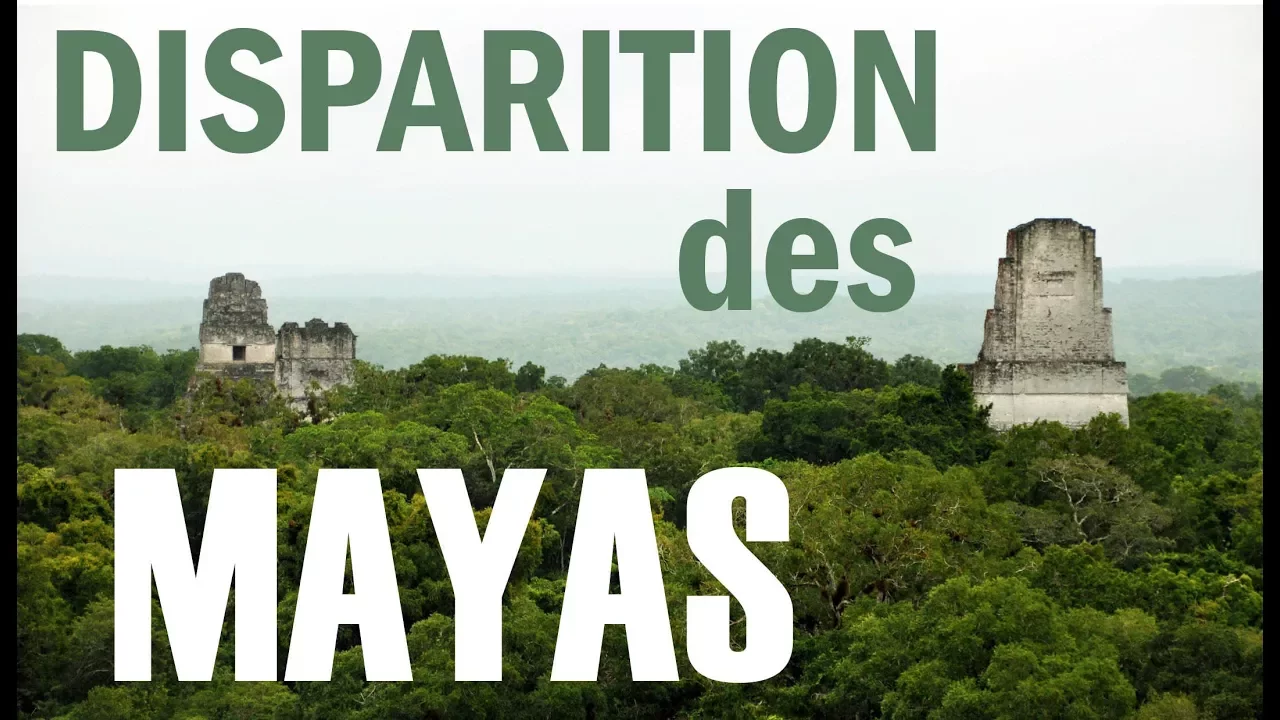


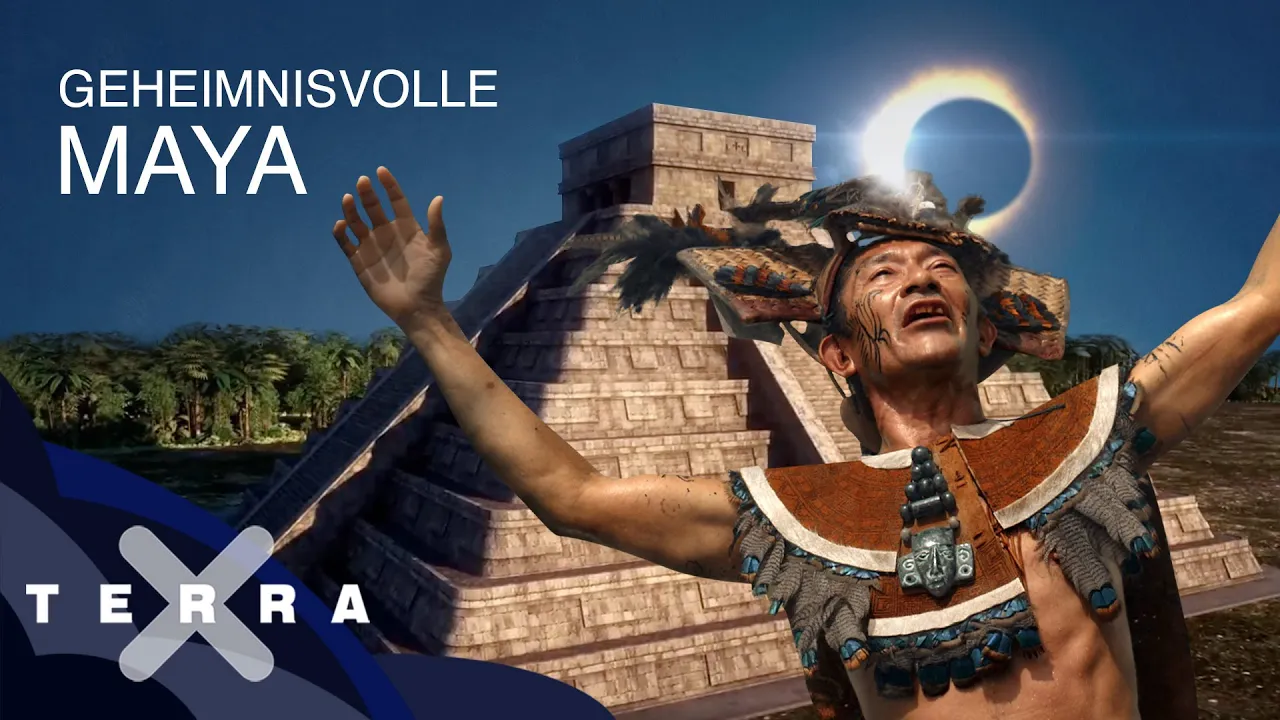
The decipherment of Maya hieroglyphs by Yuri Knorosov in 1965 revealed that the ancient Maya were not the peaceful stargazers scholars previously believed, but rather a civilization characterized by frequent warfare, human sacrifice, and blood rituals, ultimately leading to the collapse of their great cities like Copán due to environmental degradation and overpopulation.
Breaking the Maya Code: Copán's Fall | Archaeology Documentary
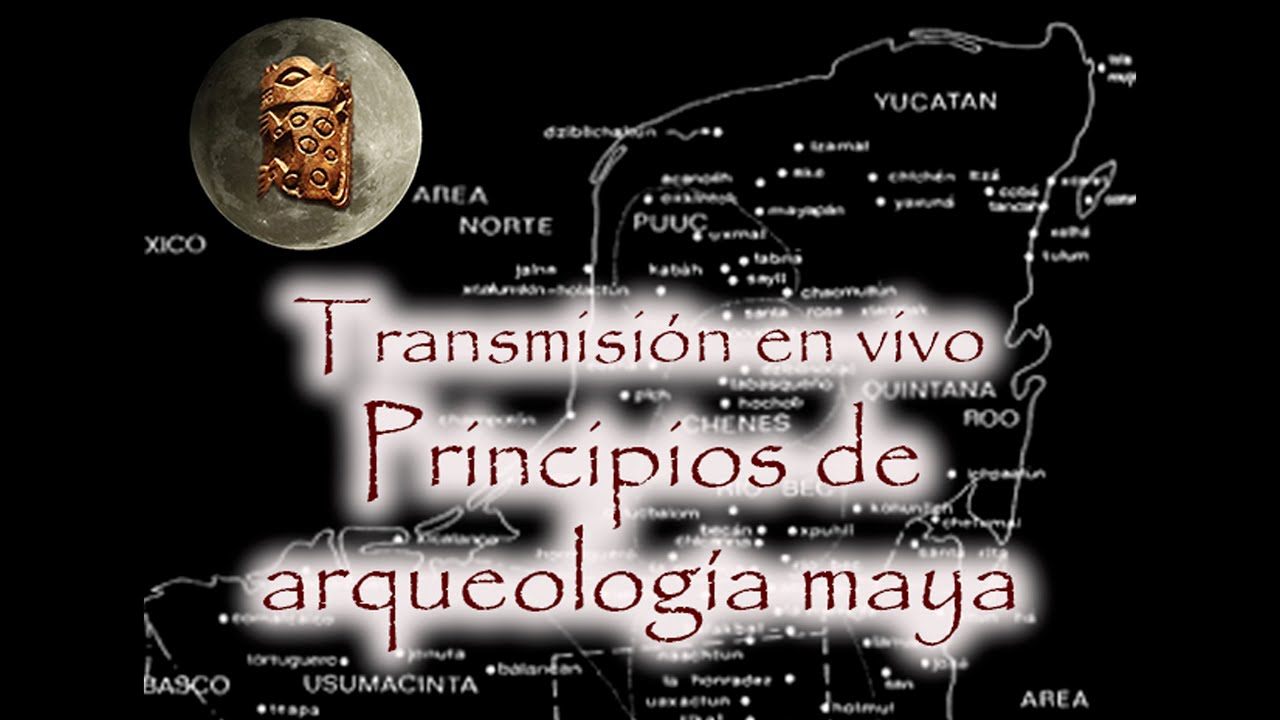
Added:Geography and chronology of the Maya Civilization, specifically the distinction between the Preclassic, Classic, and Postclassic periods.
Basic linguistic concepts of writing systems, particularly the difference between logograms (symbols representing words) and phonetic syllabaries.
The historical context of the Cold War, which heavily influenced the academic isolation and ideological rivalry between Western scholars and Soviet linguist Yuri Knorosov.
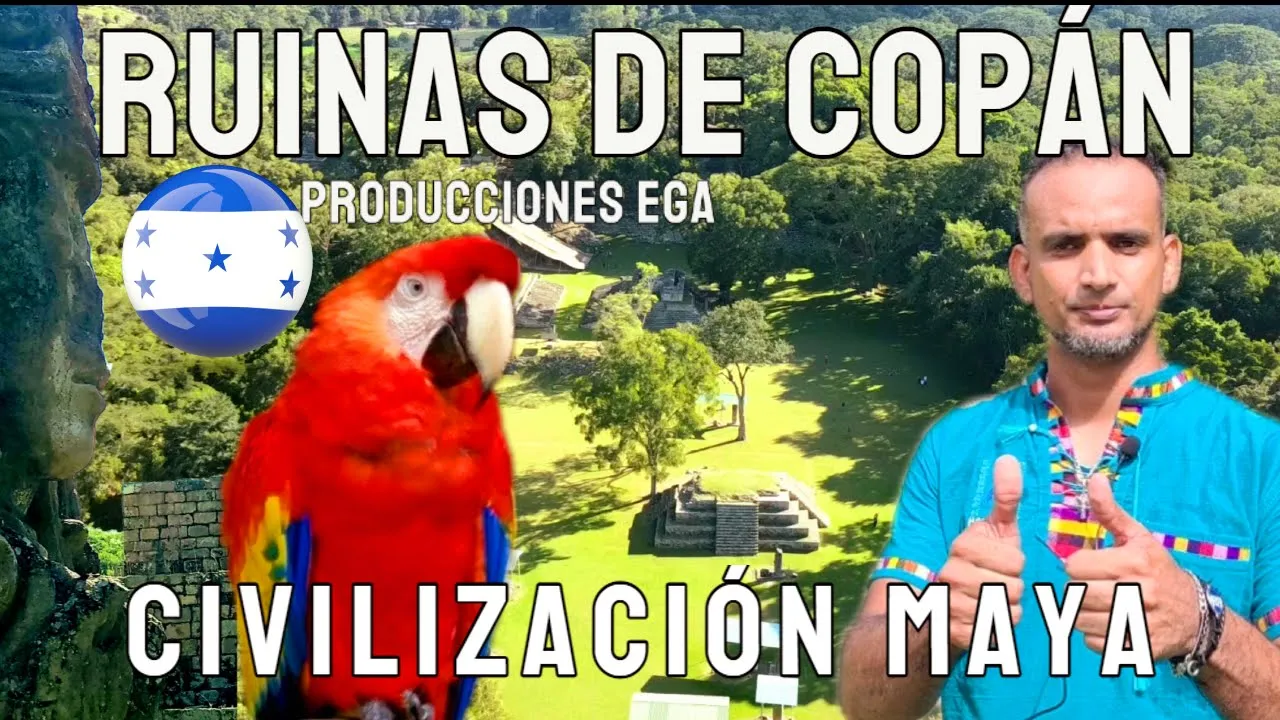
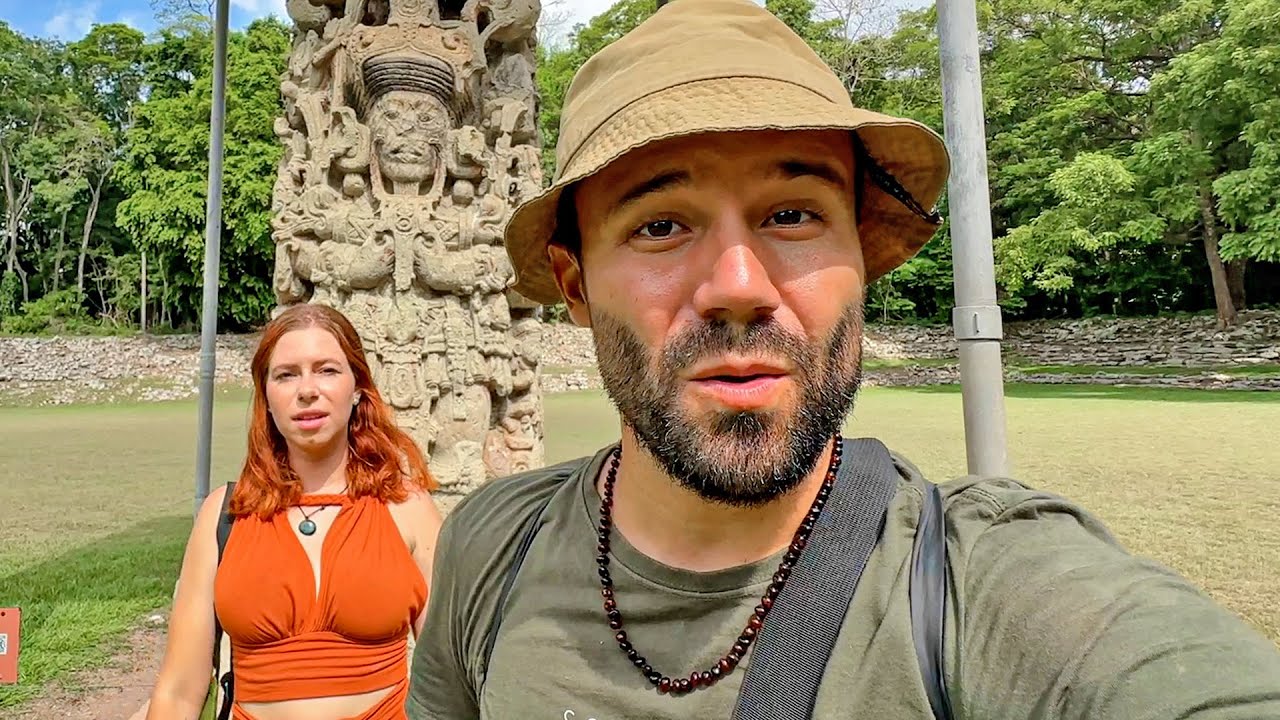
The archaeological significance of Copán as a major Classic Maya city-state located in modern-day Honduras.
Advanced Mayan epigraphy, including the study of the complex Maya calendar systems (the Tzolk'in, Haab', and Long Count) and how they record historical events.
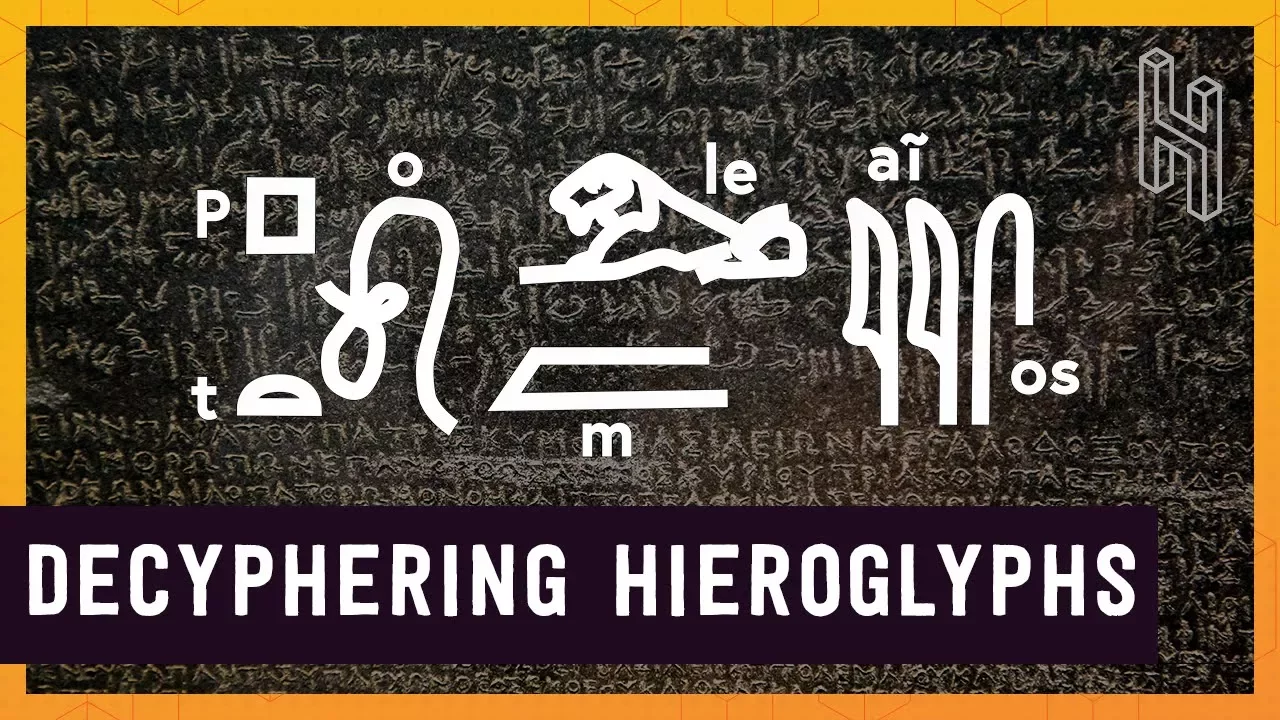
The comparative study of historical decipherment, analyzing how the breakthrough in Maya glyphs compares to the translation of Egyptian hieroglyphs via the Rosetta Stone.
Interdisciplinary theories of the Classic Maya Collapse, focusing on the combination of environmental degradation, overpopulation, and systemic warfare at Copán.
The socio-political structure of Maya divine kingship (the 'K'uhul Ajaw') and the religious significance of ritual bloodletting and state-sponsored warfare.
96.8K views1.6Klikes21:58Original Release: 2019-11-14
a lost city lies hidden in the emerald jungle of endurance the enigmatic carvings of its ancient Maya builders guarded their secrets for a thousand years we thought they whispered of gentle stargazers but now the code lies broken and the hieroglyphs shout tales of bloody wars and human sacrifice who were these people and what disaster drove them from their mighty city I'm John Reese tapes join me as we unravel the mystery of copán next on our key other [Music] in 1839 lured by rumors of a fantastic lost city a medical explorer and diplomat John Lloyd Stephens hacked his way into the thick mountain jungles of Honduras the rumors hinted of a great Maya city full of great monuments and strange carvings built and then abandoned long before the white man set foot on a new world soil but even the tall tales he had heard could not prepare Stevens for the ghostly presence that loomed up before him it was like a shattered bar in the midst of the oceans her masts were gone her crew perished always mystery dark impenetrable mystery what sophisticated race and built the elegant city which lay before him still nearly intact where had they gone most perplexing of all were the strange chaotic carvings that adorn the temples were they some sort of language but here has it other Maya ruins their mystery remained impenetrable the carvings defied translation just as the pyramids resisted explanation stymied scholars resorted to imagination sketching a picture of the Maya as a peaceful contemplative people thriving under the watchful eye of wise astronomer priests the scholars were wrong dead wrong today's archaeologists working in the jungles of Central America have come to know a quite different Maya they've cracked their code and the ancient peoples have found their voice again in the once mighty city of Copan hieroglyphs speak of war blood ritual and human sacrifice who then were these people and what apocalypse brought their great dynasty to its knees [Music] when I walked among its temples I did not see a pile of stone but I thought while Jacque l'homme back I will built this he dedicated that ball court and I began to understand all of those works not as the relics of a dead civilization but as the fossils of the human beings the minds of the people who had created them hope on came alive when Linda Schiele first walked into the jungles of Central America back in the late 1960s Maya scholarship was in its infancy the Maya had tamed the rainforests growing corn and cacao beans much as their descendants do today they built great cities at Tikal yüksel on Chichen Itza and Palenque they traded in precious stones such as jade fashioned some of the finest sculpture in the new world and built pyramids to rival those of the Egyptian pharaohs beyond that there was still much to learn scholars had resorted to a wishful thinking that smoke more eloquently of their own times and those of the Maya from the period of the 1930s up through the 60s the great scholars of the time Morley Thompson and others characterized my society as as having basically two groups of people a whole bunch of peasant farmers who supported a very tiny elite who spent their lives contemplating the Stars and time and living in ceremonial centers that were filled once or twice a year during write ritual festivals the picture that was drawn of the Maya is that they never had war they never disagreed with each other and one wonders how they got close enough to each other even to reproduce themselves through the common human means people clung to that idea tenaciously and I think part of the reason for that is they were reacting to all of the excesses and the maladies of Western culture to remember that their context was that of two world wars were literally the whole world was involved in a death and deadly conflict they wanted the peaceful people they wanted to know that someplace in the world there was a human community that lived without war in competition for 15 years archaeologist Bill fash and his colleagues have continued and expanded excavation techniques that allow them to reconstruct the monuments even as they dissect them in the past archaeologists at Maya sites had no choice but to dismantle the grand monuments layer-by-layer to get at older structures obscured by the more recent ones but at copán the archeologists have created a delicate labyrinth of tunnels through the ruins leaving them virtually intact since the building of the Acropolis was a matter of layers upon layers upon layers or as some have commented less like boxes inside of boxes the easiest way to get from one to the next is by the tunneling the world of the tunnels is like three dimensional it's it's very different because you can go up down or sideways you can move in every direction if we had to do a traditional archeological excavation of the copán Acropolis we'd have to destroy half of everything we dug but with tunneling we're able to just do surgical strikes it's as if we're doing arthroscopic surgery and we can just go in there with just very small excavations - exactly the point we want and get a maximum of information for a minimum of disturbance to the archeological site the tunneling has been vital to understanding the history of ancient copan we have the hieroglyphs that tell us about the kings but the tunneling tell us about the buildings that were constructed by each of these rulers we were one day away from from giving up here we had found we had found the cut and I took one look of it at it with my flashlight and I could see femur fragments and some of the shell and the two stones and it just clicked immediately the nose not only this huge chamber but that it had to be something very important through the tunneling we've discovered a part of the offering that was actually placed above the tomb this was a big surprise we didn't think we were gonna find any human figures here it's the largest team we've ever found in coal pond clearly these were the tombs of noblemen perhaps kings but their identities remain a mystery if there are clues to the dead man's identity they likely reside in the walls of coupons monuments in the hieroglyphs the for so long remained obstinately silent but only in the last few years as the language come alive for the first time in a millennium classic Maya can be heard among the jungle ruins and what is being spoken has radically altered our view of the people who wrote on these walls we went from talking about empty ceremonial centers which held only a few priests basically and people living in little Hamlet's on the outside who would come in on Sunday to spittle their corn you know to some large urban centers to understanding the fact that these cities like copan who is over 20,000 people living with the same kind of pollution that we get today in our cities we now understand that the Maya were really much more like everybody else's they're much more human they were much more human than we had imagined them with the breaking of the Maya code the picture of these people as peaceful stargazers crumbled the great kings of copán led their people in bloody battles against their neighbors we know that the Maya were like any other quote civilised group of people they had a lot of war they had a lot of conflicts with their neighbors they were always jockeying for position to see who could be the biggest and the most powerful ruler of his time to be a great and virile King you had to go out and impose your will on somebody else by the use of force you can see this in the depictions here on this figure there are upside-down human heads shrunken heads actually that our trophy heads that are the bounty of war you can even see the ropes that they used to tie these heads together the hieroglyph Stella gained in the game of human sacrifice and self-mutilation but to the Maya they ensured continuation of their cosmos the most sacred substance was human blood especially a king's blood led an auto sacrificial ritual was the greatest gift that a king could offer to the gods and to his ancestors there are a number of sites where child sacrifices have been found it was thought that the baby's tears would bring the rain water from the sky so a lot of sacrifice was oriented toward fertility toward ensuring that the natural cycles took their course and that the harvest would be bounteous and the people would be happy there are two great acts that Kings consistently presented in the public forum one is the taking of captives the other is the taking and the offering of the King's Own blood in ritual sacrifice taken from the most sacred areas of his own body for a male the genitals for the female and the male it's the tongue it's the place where human beings reproduce themselves and the place where speech is made work meaning is communicated from one person to another bloodletting was the central act of piety now what one kind of soul is called chulo it is a sacred living substance that is in our bodies that is never destroyed it's passed on from you to future generations that kind of soul resides in human blood so that when Kings give victims of war in sacrifice or when they take blood from himself they are all giving the most potent and the most important valuable substance on the face of the earth our culture says the same thing what do we say greater love hath no man than he give his life for his brother bloodletting marked each celebration in the calendar that each rite of passage in the life of the Maya the birth of a child the consecration of a temple the preparation for battle and the Thanksgiving for victory even Maya sport was fraught with cosmic importance coupons magnificent wall court one of the best reserved in the Maya world witnessed intricate morality plays the guise of athletic competition the ball was seen to represent the passage of the Sun in the sky and much of the ball game was oriented toward ensuring the safe and timely passage not only at the Sun through this guy but of the moon and the planets and so forth the ball game is the fundamental metaphor of what life was in this myth to hero twins go to the other world there they confront the Lords of death disease starvation warfare all of the confrontation is played out in the ball court the king dressed up to play ball embodying the forces of good and he faced players who were dressed up to embody the forces of evil so that when the king would defeat those people he was in fact defeating all the things that could hurt his people in this competition of life over death the losers sometimes paid the ultimate price oftentimes there are very clear depictions of the sacrifice of ball players in fact sometimes they even bind the losers up as a ball and so then being rolled down steps just like these so we do know that some people were sacrificed in order to sure the victory of the forces of good ended in the sacrifice of the loser for hundreds of years the blood pact between the kings of copán and their subjects seemed to have stood them in good stead cope and flourish by 600 copan and her sister cities were unrivaled centers of art and learning from among the 15,000 works of copán art collected here in the last decade art historian bob Lafourche finds the works created during 18 rabbits reign particularly beautiful the buildings may have served a function that was utilitarian but the iconography on the outside of it the sculpture that was being produced at that time just raised it to an artistic aesthetic height that is really unprecedented and copán and in many other places in the Maya area in the history of the Renaissance not very many people know the name of the Pope Julius but Julius was the man that commissioned Michelangelo Raphael and Leonardo to leave us one of the greatest artistic Heritage's of the West 18 rabbit was the gate patron and he hired commission and gave the room to work to some of the greatest artists of the mines ever had 18 rabbit ruled for 43 years his sculptures repeat with themes of fertility and abundance speak of a period of peace through strength giving no hint of the disaster to come 18 rabbit is in the guise first father the mace God and he is the creator of the universe he and his wife who was the moon and first mother where the netted skirt that whole myth is contained in the lifecycle of a piece of a mace tree the little seeds that are put in the ground are called skulls and little bones and when the mitten the Maestri sprouts from the ground it's the rebirth of the of the mace God and it's the rebirth of humanity because that is the last act before the creation of this universe in 738 an aging 18 rabbit set out on one more conquest to do away with a troublesome neighbor he was captured and beheaded an earth-shattering blow to his people [Music] this is the great hieroglyphic stairway of Capanna begun not long after 18 rabbits gruesome death the longest most ornate inscription in the new world the grand stairway records the complete history of the copán dynasty it's magnificent present testifies to society quickly recovering from the blow of a great King's death but the excavations reveal a more ominous story one of the most telling things about this monument is that even though it makes all these wonderful and grandiose claims it was actually one of the worst constructed buildings in the entire city the fill underneath this magnificent facade was the weakest they ever put inside of a building in Kapaa and that lets us know that the people who were building this pyramid were not nearly as enthusiastic about its message as the king who commissioned it as more and more kingdoms established themselves they wanted their piece of the pie and it led to a lot of internal strife that often was resolved in that so first we see a weakening of the central order second is the actual collapse of the monarchical system of government and that's literally all she wrote there are no more monuments going up and cope on copan had gone from a thriving peaceful center of art and commerce to a valley of desperate people struggling to feed themselves for physical anthropologists turned forensic detective Rebecca storey the bones of copan yield a grim prognosis most of them probably died of the results of the over population that is malnutrition infection worked together to kill many children and even the adults that survived eventually ended up dying of the effects of infection by the time this individual was there the population of the valley was probably in steep decline some 20,000 people were hungry or sick in the valley of Kabbalah how could it have happened that this thriving metropolis was reduced to this they set up the city on the most fertile agricultural lands down on the bottom lands that the river has carved out and made fertile over the centuries by doing so they were basically cutting off their own food supply they weren't able to farm the best lands they were then obliged to cut down the forests on the slopes in doing so that caused erosion as they had to cut back even higher up this made for deforestation on a large scale that prevented the rain clouds from coming into the valley and they provoked the collapse of the central authority first but they also provoked the long-term abandonment of the valley because people simply couldn't get enough to eating anymore the evidence suggests that the city grew rank with its own waste that there was not a tree standing within 25 miles and that the overworked soil could not begin to feed the hungry multitudes who lived there copán had become a victim of its own success for nearly a thousand years the kings of copán upheld a blood covenant with their gods and their people the Maya prospered they built great monuments deciphered the heavens created objects of great beauty but when their world began to collapse even the blood of kings could not forestall disaster in just a generation the monarchy stumbled soon the great city would lie empty reclaimed by the jungle most of us who deal with the Maya think my civilization either ended at the collapse in the ninth century or it was destroyed by the Spanish invasion well in fact there are millions of mine who still live in this it's still alive it's still active it's still incredibly productive and what they have found is that the actions of their lives have roots that go back 3,000 years and for our people who have been told that they are the assets leftover folk Catholic product of a European power and that they have no value in themselves and they have no history to have the glyphs put back in their hands as a miracle and they say it is today with a hieroglyphs pouring out their stories copan is yielding a rich human history it's important to recognize and absorb the fact that one of the oldest continuous and most detailed written history of the human species is Maya and it is written on those stones you feel attached to the bones that are here you know you feel attached to the monuments that are here their ancestors you know they're still a part of our history you know and we're not excavating somebody else's we're excavating our own history this is of significance to our own people it's unraveling the roots of our nation I was only gonna be here for a year and I've been here 15 so to say how long I think I'm gonna stay for a long time copan is in my blood [Music]
Up Next

91:50
Origins & Collapse of the Preclassic Maya in the Mirador Basin
@loc
495.5K views•2014-07-31

33:02
The Great Schism of 1054: Causes and Consequences
@SacredCathedrals
113.5K views•2026-02-19
58:57
The Printing Press: How Gutenberg's Invention Changed History
@TimelineChannel
2.9M views•2018-08-25
17:05
Understanding the Cold War: Superpower Conflicts and the Road to Détente
@OverSimplified
46.1M views•2019-01-24
Related Study Plans & Knowledge Roadmaps
Structured learning paths in History
history
Byzantine Iconoclasm: Theology, Art & Politics
01Foundations of Byzantium and Early Christian Images
02The First Iconoclasm: Leo III and the Crisis of Images
03Empress Irene, Nicaea II, and the Second Iconoclasm
+ 2 more learning modules
9h5 modules
Explore Roadmap
history
Iranian Revolution (Causes, Events & Legacy)
01The Pahlavi Dynasty and the Roots of Discontent
02The Spark of Rebellion and the Rise of Khomeini
031979: The Fall of the Shah and the Climax of the Revolution
+ 2 more learning modules
8h5 modules
Explore Roadmap
history
Mali Empire: Mansa Musa, Trade & Timbuktu
01Foundations of the Mali Empire
02The Trans-Saharan Gold and Salt Trade
03The Reign and Pilgrimage of Mansa Musa
+ 1 more learning modules
6h4 modules
Explore Roadmap
history
1947 Partition: Politics, Borders & Legacies
01Foundations of British India and the Divide
02The Political Negotiations and the Mountbatten Plan
03Drawing the Boundary: The Radcliffe Line
+ 2 more learning modules
8h5 modules
Explore Roadmap