


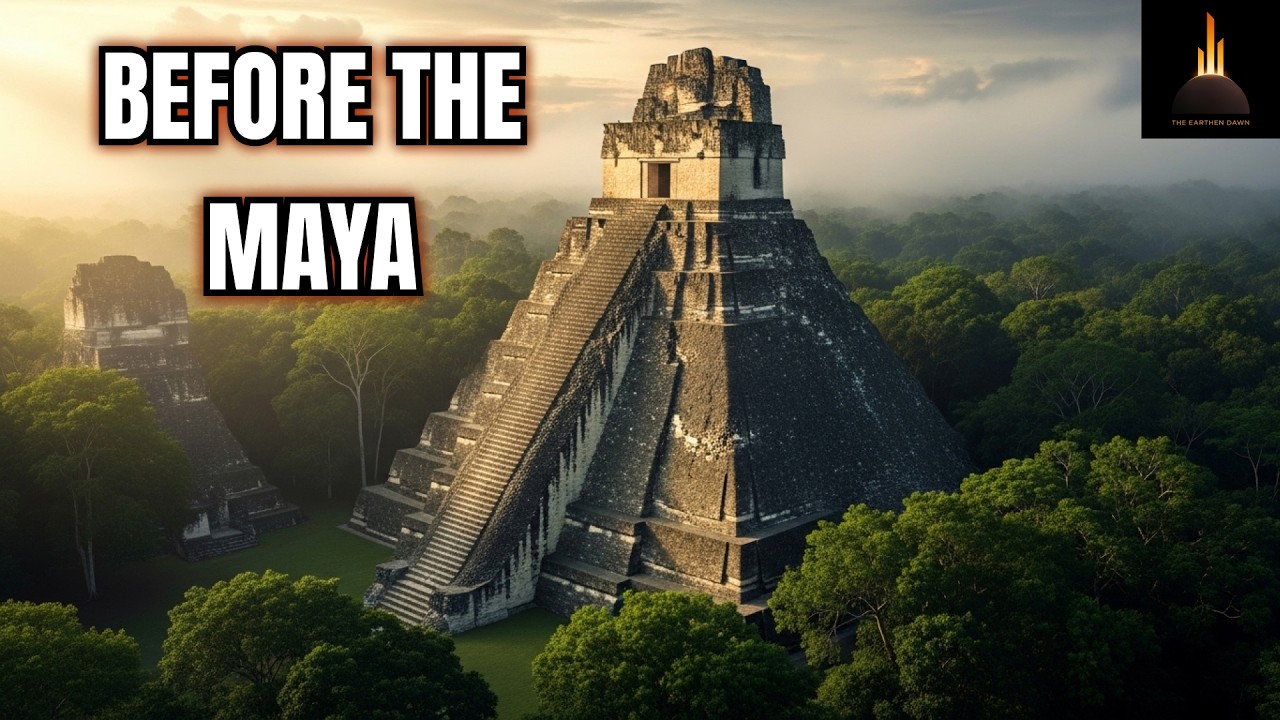

















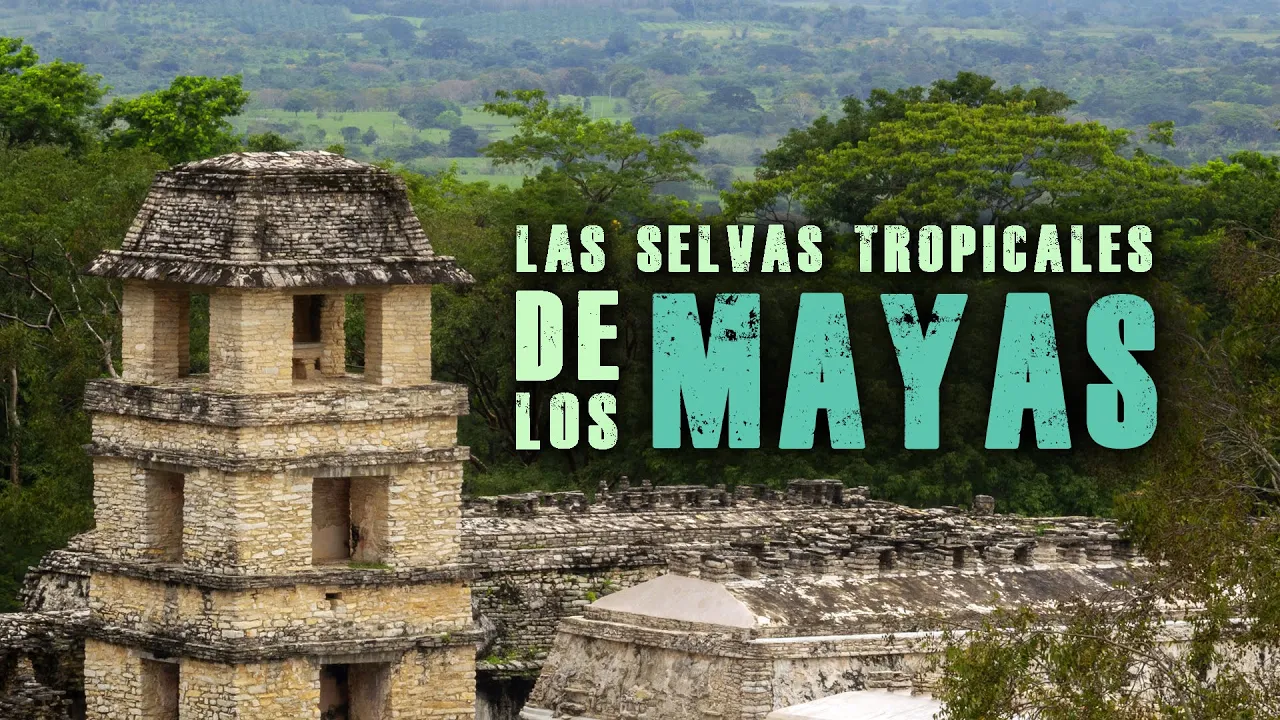
The Mirador Basin in northern Guatemala, home to the largest ancient cities and pyramids in the Western Hemisphere, demonstrates how environmental degradation caused by excessive lime production and deforestation led to the collapse of the earliest Maya civilization around 150 AD, despite having developed sophisticated agricultural systems, monumental architecture, and political organization during the Middle and Late Preclassic periods (circa 1000 BC to AD 150).
Origins & Collapse of the Preclassic Maya in the Mirador Basin
Added:The chronological division of Maya history, specifically distinguishing the Preclassic period (approx. 2000 BCE – 250 CE) from the later Classic and Postclassic eras.
The geographical and ecological characteristics of the Maya Lowlands, including the karst topography and water management challenges of the Mirador Basin.
The basics of early state formation, urbanization, and the socio-political organization required to mobilize labor for monumental architecture.
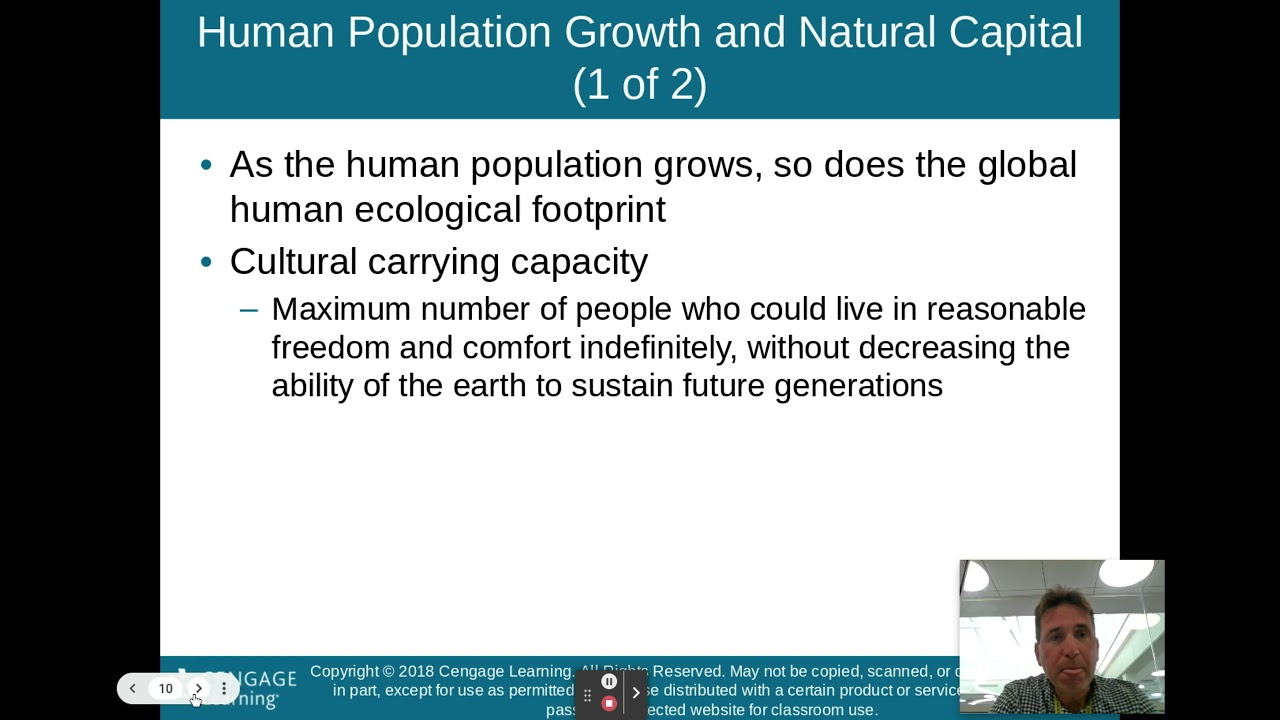
Fundamental ecological concepts of carrying capacity, deforestation, and anthropogenic (human-caused) environmental degradation.
Comparative analysis of societal collapse theories, contrasting the Preclassic collapse with the more famous Classic Maya collapse of the 9th century.
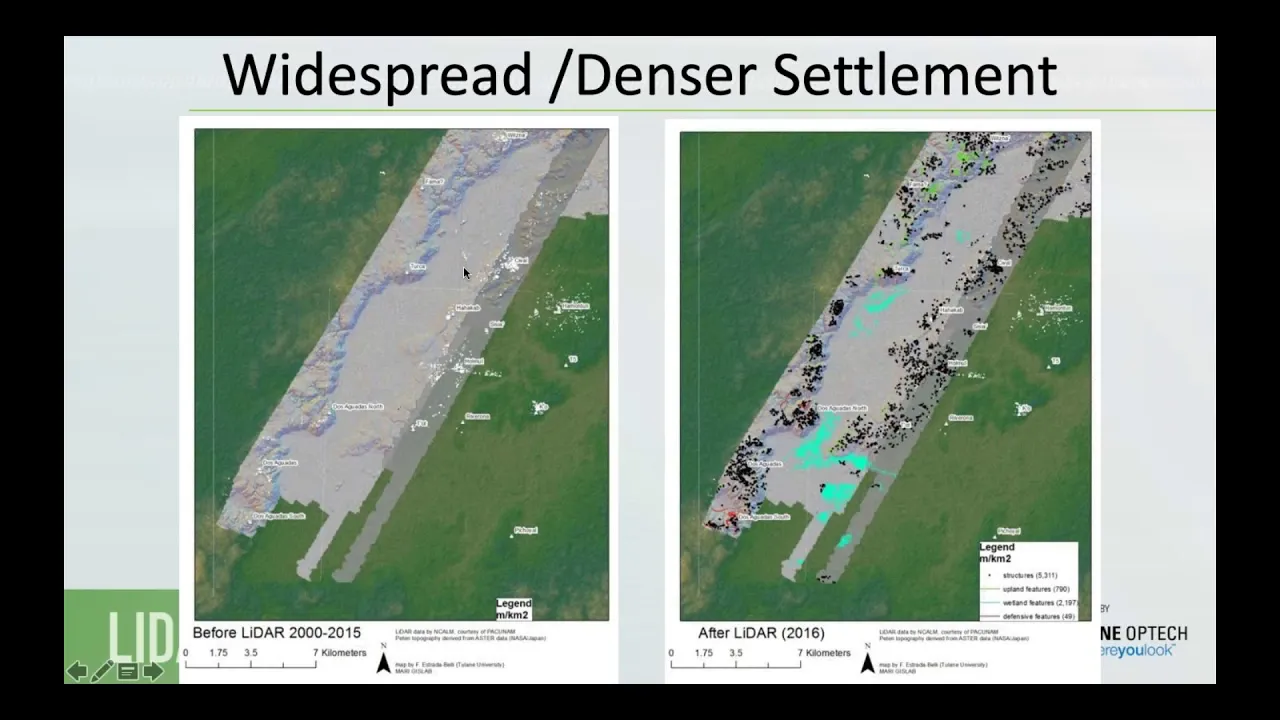
The application of advanced remote sensing technologies, specifically LiDAR (Light Detection and Ranging), in revolutionary mapping of hidden Mesoamerican urban complexes.
Modern conservation policies and geopolitical challenges in the Petén region, including debates surrounding archaeological tourism, looting, and the protection of the Maya Biosphere Reserve.
Study of Maya resilience and subsequent agricultural adaptation, exploring how later generations modified forestry and land-use practices to prevent ecological disasters.
495.5K views2.3Klikes1:31:50Original Release: 2014-07-31
from the Library of Congress in Washington DC good evening ladies and gentlemen distinguished guests um ji klac members of the k La foundation and members of the library of congress's um Madison Council Scholars and members of the public we welcome you to the Library of Congress this evening for the seventh ji klac lecture and we are very grateful for your patience while we worked on a little bit of a technical glitch I know that um Richard's going to talk about mysterious collapse of major culture tonight and I kept thinking through my mind oh my good I hope that there's not a direct connection here to contemporary culture so we will leave that to the Q&A but in the meantime let me just say that this lecture series is part of um many public Outreach and um research activities that are focused here and housed here at the Library of Congress as a direct result from the inspiration um and the enablement by uh the Incredible Gift of Mr klac to the Library of Congress of his collection of more than 3,000 rare Maps documents paintings prints and artifacts uh that shed light on all aspects of Life War intelligence Agricultural Science timekeeping Medicine of indigenous peoples spanning the prec contct cultures of meso America in the geographic region now includes most of modernday Mexico Guatemala Biz Western Honduras and El salvator this lecture series numerous programs for every audience from school children to scholars in the field klac residential fellowships and a designate designated curator who you will meet shortly enable the library to claim an important role in the discovery of new insights into these indigenous cultures and the drama of their encounters with European explorers and settlers and these materials are brought together with the incredible and unparalleled other collections of the Library of Congress and the staff experts who live and work among these materials so it is absolutely my pleasure this evening to be able to uh bring to the Post Podium j i klac who really was uh whose Vision it was to have this collection at the Library of Congress and to generously donate it to us and then to continue through the works of um his family and the foundation to guide the access and use of the collection since the initial gift so without further Ado and please with a resounding Applause Jay will you please come to the podium [Applause] I was wondering whom she was talking about I think I uh I think this guy we're going to hear talk tonight is fantastic I had the great pleasure of riding with him in the helicopter over much of the places and landing at most of the places that you're going to see him talk about tonight he's a fantastic archaeologist and a great scholar let me just say in response to what Ro schaer said I I whatever we gave to the library we gave so that we could have a chance to see it all in one place we had things under the beds we had things in storage we had these great paintings which some of you may have seen of the conquest by the Indians in the early 1600s in Mexico it was 100 years earlier that the Europeans were here and that's the thing the ER era that we cover starting with Columbus and going through with original documents of pizaro and Cortez and Lascassas and all the others and and we we uh couldn't get anything earlier written about America after we got several copies of the Columbus letter of 1492 which we got in 1490 we got one in 1493 and 94 we couldn't get anything earlier we got involved with pre-colombian because the Mayans are the only written language and we're going to hear more in a few minutes from uh Dr Hansen Mr dunman who is here with us is the curator of our collection who has put most of these things together which those of you who visit it with on the second floor here we'll see when you go to see it but thank you all for coming and uh have a great time well I want to thank everyone for coming tonight um I'm John hesler I'm the curator of the ji klac collection here at the library of Congress um and as Roberto Schaefer mentioned this is the seventh klac lecture in the history of the early Americas now the great French Anthropologist Claude Levy Strauss once remarked after a few weeks in the Brazilian Outback that he hated fieldwork and he was a man for the study not for the field uh tonight's speaker Richard Hansen is a man for the jungle he is the embodiment of what all of you think of when you hear the word archaeologist now I mean real archaeologist not the movie ones um the ones who are a combination of scientists art historians adventurers and fundraisers he is a professor of anthropology and archaeology at the University of Utah and director of the Mirador Basin project and for several decades he has worked to map and excavate many Maya sites in the remote and largely unexplored region of the northern pan of Guatemala in the late 18 1980s and 1990s Richard and his teams made a series of major discoveries of large Maya buildings and cities in the Mirador Basin that have pushed back our Notions of what we think of as Maya civilization deep into the ple preclassic period if you want to visit Richard's remote excavations you only have two options as Jay mentioned one a helicopter but as I would prefer a 3-Day Walk Through the lowland jungle where you can get a sense of the Flora and Fauna that consume the minds and art of the Maya besides his excavations Richard has also taken a profound and dedicated interest in the preservation of the environment of the region and the problems of logging narcotics trafficing trafficking and slash and burn agriculture that pervade the lives of many of Guatemala's poorest citizens it gives me great pleasure and indeed it is an honor to introduce Richard Hansen the seventh ji klac lecturer in the history of the early Americas at the Library of Congress Richard what an honor to be here today thank you very much and what a privilege to be here I had the distinct honor of being with Jay klac a few years ago we went to San Baro to see the murals at San bolo then we went to Mirador and um what an unforgettable experience and an honor to be with you Jay it really is a a real tribute to you and my my profound gratitude for what you have done with the library of Congress here and the incredible uh I had the privilege of John and I and art dunman and and Julie and Phyllis were in uh the collections tonight this afternoon looking at the material that's in that's in storage here and you are all in for a wonderful experience to see what the kissack collection will mean to the Library of Congress it's uh there are pieces there that I have never seen anywhere else and uh it's going to be an extraordinary experience also my son is here tonight with me one of my best archaeologists and happens to be an advanced medical student at Duke University so he can he's he's with us tonight Landon you say hi he uh took archaeology for years um he's actually we'll see some of his work tonight but uh he's becoming a brain surgeon at Duke so he can give me my labotomy and I I can't wait actually also Cynthia Pera is with us tonight Cynthia Pera representing the department of interior of the United States um she um and she and her family are are um have been great supporters of the project the department of interior is working with us and providing funding for some of the work that you'll be seeing here tonight so indeed an honor to be here and thank you for the time if we could turn off some of these lights I think it'd just be right uh you don't want to see me you want to see the screen so if we can hit the lights knock them down knock these bright ones off here so we have that that'll be great all right not happening I don't know any way to turn the lights down oh you need it for the camera oh boy all right let's talk about the Mirador Basin and we'll talk about some of the things that uh that we understand here first of all a message from our sponsors without these people including the kiss Foundation none of this could have happened happen so indeed are tremendous credit to the people that make this happen and good ideas without funding are only dreams they never become realities so it's uh it's critical that we understand that particular point also want to point out that uh the um the Maya are one of five founding civilizations of the world a founding civilization is a society that develops written script and we have the Chinese you have the Haren Indus Valley societies Mesopotamia Egypt and mes America the only Societies in the world that developed written uh a written script everybody else is a is a subsidiary of that and a branch of that kind of work and of course Guatemala is one of the most beautiful countries in the world geographically and and geologically incredible amount of active volcanoes in the Southern and the Highland areas extraordinarily unique uh cultural PE the uh cultural societies are still found there living much the same they have for thousands of years years and they're beautiful people and wearing textiles and and doing some of the same rituals they have for thousands of years however when we talk about and I apologize for the chronologies here and I've got them in another version I have it in English but this is Spanish when we talk about Mesoamerican chronology we talk about three principal periods of time you talk about the post classic between 9 11 9511 ad which is uh most uh the stuff you see in the Yucatan or the classic period uh from 300 to 900 ad in fact 98% of all the ruins that you see in Mexico or Central America are either classic or postclassic but the preclassic are much more enigmatic a period we know much less about of course the classic period is a time when we had extraordinary uh architecture palaces beautiful eccentric uh flints like you see here Royal tombs like that of pen like a pakala palen you have a beautiful hieroglyphic scripts and S and architecture of extraordinary capability and of course because of the epigraphic work that we've been able to do we now know a great deal about who these people were and what they accomplished we know the story of hassa chanka for example who brought Tikal out of the doldrums and conquered uh kakm and this is a reconstruction of what we think he looked like based on his ferary monuments on his funerary clothing and on on the S that we have in standing in front of a building that he commissioned 5 d33 at tal uh the clothing that you see is all based on the on his burial paraphernalia also to understand Origins and collapse of the society you have to understand three fundamental processes first you have to understand whoops you have to understand the processes that led to the cultural complexity you have to understand the Dynamics that maintained that uh the development systems and then you have to understand the processes that led them to demographic collapse and all of these factors involve for example what leads to cultural complexity and you look at our own Society you see the same pattern the same format you have to have natural resources agricultural systems logistic systems communication systems political religious uh and economic ideology you have to have uh there has to be United and and constant you have to have a centralization of civil and religious Authority and the public acceptance of that religious and civil Authority you have to have an or a social organic solidarity meaning you have to be able to cohes make societies cohesive okay you have to have the formation of laws in social order you have to have Educational Systems to teach and maintain the values and provide new information and technology for the public good now these are all part of the systems that make this happen all right that's how you become complex to maintain that though you have to have respect and care of the environment develop your logistic system sustainable agricultural social solidarity I want to point out that you have to have a strong military system as well to defend yourself against the societies that would see that as a threat uh you have to have intelligence systems you have to have Public Works projects and incentive programs for productivity now what leads to demographic collapse negligence in NE negligence in in recognizing points one and two up above the abuse and degradation of the environment and conspicuous consumption of resources without public benefits the failure of agricultural systems degradation of defensive systems loss of Social and educational values disintegration of systems of exchange and commerce and political truths versus absolute truths okay and we can see all of this in the archaeological record we can see this in the archaeological record now also one other clarification when we talk about collapse we talk about two concepts here one is abandonment abandonment is the living of a place restricted in time and dur and duration case in point um I use here tenos Chan when and the capital of the Aztecs when Cortez came in 1519 or dressed in Germany in World War II we firebomb Dresden Germany and are there populations in Dresden today of course so that's an abandonment hiroshim Hiroshima Nagasaki good examples of this Rome London and the black plagues of London essentially abandon the city for the most part we have populations today a collapse is the destruction or ruin of a system or organization that's Broad in size and for an extended period of time case in point Babylon Mesa birthy Chernobyl when can we get back into Chernobyl H I think the scholars tell us 10,000 years we can get back into Chernobyl or the southern my alolans and this is what we're going to be dealing with today now the area of Interest here is been of course meso America is the most complex Societies in all the Western Hemisphere um and all the range that you see here is the area the most sophisticated societies that we have the area that I want to talk about in particular is this area of northern Guatemala which is founded this is a Mex border with Mexico here and you see this blue over here is complete deforestation cattle pastures this photo was taken in 1992 and published uh by uh Jim Nations is part of that group he's here tonight Jim Nations one of the scholars that was um Del and poking around out in here when I first started working here in 1978 but the um the the uh red that you see is high Upland forest and the patch of blue in the middle in here this patch of that's a green patch actually is a area we call the Mirador Basin and it's different because it has and by any infrared photograph you look at you can see this incredible patch of blue that's Sur that's found in this in this area it's completely surrounded and and by what we call bahel or uh seasonal swamps the most inhospitable place you could possibly exist today extraordinarily uh dense concentration of swamps that are found in this area because water doesn't exist on a hill it only exists where the water stagnates it water flows into it and stagnates there and uh it's in this area that we have the most unusual it's actually Cross of the Border here's the border with Mexico crosses up and here's the site of kakm in the northern very Northern edge of this and it's completely uh uh a contained biological and cultural system now if you again let's go back to the the the infrared photographs you can see that patch of blue is dominated and surrounded by a range of hills and you can see these Hills here here's the the lowland Forest within the Basin and here's the range of Hills that surround it these Hills can range from two to 300 M High actually they're quite low but 300 M uh are are found and this they're about 5 km wide a ring of these Hills so that it uh makes the the yellow that you see is the hills that surround the system and um and they can see by from any point in that in the Basin you can see that range here of these Hills that surround completely surround and contain the Mirador Basin it can be seen from any point in the uh in the pattin in within the Basin that is so it's a geographically defined cultural natural system completely contained and surrounded by and identified by the concentration of bajos that are found there even the soils from these areas are radically different from all the rest of the soils in paten the the different types of mineral such as torite for example is a mineral associated with magnesium but only found in the meridor Basin not found in any other part of the paten because of that unique geological formation has a unique variety of Flora and FAA I'll talk about that in just a minute but what is is fascinating is that this is a contained system that's that flourishes there and what makes it even more interesting is the fact that this area this confined geographically defined area has the largest ancient cities in the Western Hemisphere it has the largest pyramids in volume in the world it has the tallest pyramids in the Americas it has the earliest Maya cities unique concentration of early Maya cities the first freeway system in the world we're going to talk about that we talk about freeway systems we have a great one in the US great one in Germany the autobond in Germany the first one was in the midor Basin the first political state in the Western Hemisphere art and architecture worldclass status one of five founding civilizations of the world the concept of zero was invented in this area mathematical calculations and the Cradle of my civilization also the greatest concentration of jaguars in the world we have evidence of ancient climate change there new species of insects uh We've identified 14 new species of moth and one new species of fly talk about that in just a second area of unique bird populations 1.6 million Acres of pristine tropical forest and a new model for conservation development under extreme threat now as I said this is a dense the last area of tropical forest in Central America it's got all the species you would expect to find in Tropic Forest System including this rare bat you notice that unusual bat there the false vampire bat is truly one of the last refuges for this bat in the world um but all the species you expect to find in tropical forest system is found here the monkeys the orchids the Jaguars the crocodiles the tapier are all found as well as a wide range of uh reptiles and amphibians and of course we'll uh talk about uh reptiles in just a minute we talk about the original name of the system we're working with Cornell Ornithology lab the Ornithology Lab at Cornell is the best in the world in bird identification we're working with Cornell and doing a study of the birds of the midor Basin we just finished a um a study of the um of the insects and it's published in this book just came out this last year the insects the tropical published in English in Spanish by the way the tropical insects of the Ancient K Kingdom of mesal America in which we identify and point out the species there under the direction of Dr Jack Schuster and Jose Monson and these are just a few of the um new species that we are now introducing to the world that exist only in the Basin not found at tial not found in other parts of the paten we found them exclusively in the Mirador Basin we also have a unique system of of vegetation there in fact we have five types of tropical forest in the miror Basin and um these um actually there's six types one type is found on the other side of the Basin in ciche Mexico six types of tropical forest tal has two types of tropical forest and because of the wide range of forest we have a much better and broader biodiversity than we have in other parts of the U of the area um we also have the unique concentration of jaguars and the Jag Jaguars here are uh um well the Amazon has three Jaguars per 100 square kilm the miror Basin has 11.28 Jaguars per 11 square kilometers and what makes it particularly fascinating is that the system is capable of maintaining that concentration and and of jaguars the problem is when you get a road now this L is a Logging Road or a shat Road or a chle road you get a small community residing here and that's when we have and start the populations start to appear so once you get a tropical forest system is with a chainsaw it's cut into just a couple of weeks and burn to the ground um and um this is on a large scale this is the Logging Road that goes out of carmalita and you can see the extent of the deforestation that's occurring along where they have access to a road and uh uh it's not only in Guatemala however it's through Mexico all the Red Dot that you see here represent these are massive deforestation uh broadscale deforestation where it's burned to the ground completely and of course we've been charting this very carefully with satellite systems from 19 um from 2003 we monitored the uh all these red dots that you see now represent cattle pastures and this is a the 2009 fires all the white dots you see here are the 2009 fires and and of course by 2010 we lost 1,63 Square km of forest just in this area so this is all that we have left this is it North of the Amazon there is no more and these fires are massive they're all intentionally SC set they only exist where you have cutting with a chainsaw so they cut they cut these fire they cut the with these this Forest they burn it this is a a photograph on April 3rd 2012 and you can see right to the edge of the Basin where the Smoke by the way is closing the schools in Houston Texas so it has a profound impact on that and if it gets the smoke from the from the meridor Basin it must be getting the oxygen as well in fact the estimates are that 70% of the oxygen in the American Midwest comes from the midor Basin so if we like to breathe this is of interest to us you see because it has a profound impact on us by 2012 the deforestation is even more pronounced this is the area of the midor Basin and all the red dots here are um complete and utter Devastation it's complete and uh so it's a matter now of finding out how we can save what's left this is Laguna the tigri national park this is all this has disappeared in the last three years down in through here and of course where the logging roads occurred is where we have massive uh deforestation that's occurring and if it wasn't for one factor I would say we've lost this it's hopeless and the one factor that we have the ace up Our Sleeve are the concentration of large and early ancient cities that are found there these sites uh all the sites that you see here um are cities uh that we've now mapped and excavated 51 cities in the Basin in the last 34 years and the ones with the gold pyramids are sites that are as large as or larger than tial Guatemala so we are now for the first time exploring and mapping these sites here's the tall national park down here but look at there tal by itself you have a few little sites like hbal and and uh around tial but look at the concentration of large and early sites that we have in the mdor Bas including up to kakm in the northern side again the concentration of sites is unusual in this area and to the west of us we have no sites in this region here to the east of us very few sites but the concentration of sites within the confines of the Basin make it a unique G phenomenon de demographically and geologically now one of the things that's also interesting is the concentration of bajos that are in this area again nobody would settle there today in their right mind um it's there these swamps are um are U but we know anciently they were look they look like this these are the ancient fossil remnants of the ancient system they were grassland Martian es originally and of course we know also from isotope data that originally these marshes were sea4 plants or grass and corn plants and then they as as as they were sedimented in as it filled in they became the C3 plants which are the tropical forest we know today we also know from the pollen cores that we've taken from numerous areas out here and numerous lakes in the in the western edge of the Basin particularly we know and can identify the uh the environmental impact of human presence and when human beings first appeared in this area but we do know however we have a a solid chronological um chronological sequence of Flora and Fauna particularly Flora um from 9,000 BC in a continual sequence all the way to the present day but the first real occupation of this area occurred around 2600 BC we find these consistently these dates around 2600 BC even though we go back to 8 8 9,000 BC we have a remarkable concentration of early dates of the uh early period around 2600 when we have settlers that are pre-ceramic populations that are residing near these swamps living in the swamps chipping stones but no Ceramics must be using gourds and here is a packed Earth and floor and a pul hole I ignored the carbon samples out of these postals because I thought they were associated with these earlier these walls that date to around 1200 BC but when I ran the samples we have consistently from all the post hols that cons this was a a residence that was burned at 2600 BC so we have evidence of this PR first occupation of course the dominant site of that whole area is elor the way we see it today and the way it exists this is the uh truly the capital of the Maya world the largest site in the Western Hemisphere we have 38 square kmers of monumental architecture that's concentrated out here dominated by two primary pyramids the Pyramid of danta on the east side the Pyramid of Tigre on the west side and a continual evidence of a presence a sedentary Presence by about 1,000 BC in which the ceramics that we find are consistent with this time period in fact we have more Ceramics from the middle preclassic period than all the other sites in the patent combined and this is a concentration of of due to the concentration of settlements that are residing here beginning around 1,000 BC and developing a uh a level of complexity you can see by the teom mate forms that we have a teate are these restricted uh Rim vessels that probably replicated teom or gourds the first vessels were probably gourds and these teates represent those but other decorative techniques are found in these areas and because they're associated with these swamps entirely based on the on the swamps one of the sites in the southern part of the Basin was a site called little pescetto we found this building underneath a late preclassic building dating to about 200 BC but inside was a building in all of its original color uh in with a roof comb to boot and uh even these unusual masks that you see these very unusual found on the corners here of these um these are found on the corners of this uh of these this particular building and the Ceramics are consistently middle preclassic ceramics at 7 700 BC the carbon dates also verify that same amount of date but these Ceramics from the middle pre-classic period are found in numerous sites throughout the meridor Bas and we can say then that the origins of complex Societies in the Maya world begin no later than the middle preclassic period between a th000 BC and 600 BC these societies are flourishing we also know they developed the concept of kingship early in time one of the elements of kingship is the is what we call the woven mat Motif in which they have a woven mat as a symbol of royalty and these appear in the earliest context that we have indicating that there was a concept of elite status when Mota the Aztec Emperor greed Cortez in 1519 he was never allowed to touch the ground he was always walking on mats and we suspect the same behavior was occurring with early Maya these were societies that laid the mat down for the for the king and he was walking on mats all the time hence the uh the symbolism um of the mat also the three prongs of the Corn God are evident and we have these these figurines showing the human presence we also know they were developing a vibrant trade system by about a, to800 BC they were importing shells and these are strombus pillus shells from the Caribbean um and only in this period of time do we find these shells there is no period of time subsequently that we find these shells and not only that but we believe that these shells are a form of currency they're not used as decoration they're not used as jewelry but there a currency perhaps similar to the south sea Islands concept where they're using shell as a currency and we believe that this is the same these are always found in ritual context but never as jewelry and never in burials but we also know that they were they were using cotton cloth and we were also stuck placed a level of Stucco on vessels we saw today in the kisslock collection down below a beautiful middle preclassic vessel that was stoed uh 177% of our Ceramics from the middle pre-classic are have a thin layer of plaster of Stucco on them hence we realize we can't can't wash them all the earlier projects you dump the Ceramics and they wash it they lose that stco but it's a fine level like this is a middle pre-classic sure but you can see the stackle on a finely slipped surface that's found there by this time also they were developing Elite status and look at this H look at the skull that deformed skull that we find there typical of what we find in the figurines we find the same deformity there and Status such as this human inzer a dated to by the way to 800 BC with an inlaid hematite in the tooth so when you smile you had a teeth full of Jade or hematite um but these these appear and we also know that there was a a unique form of architecture the architecture of the earliest Maya was was oriented on an eastwest axis where the OMC sites which were contemporaneous are on a north south axis and completely different from thech uh population of course the largest site that we have is known as El El Mirador and miror is this is all part of the city the civic center of the city but the residential areas of the city are linked by causeways to the central part of the city and um the question is why were they there what brought them there in the first place as I told you before the economic engines of the entire system were these swamps SWS these organic treeless but grass-covered swamps in which the Maya were actually dragging mud and mck out of those swamps and farming and building extraordinary agricultural Terraces this is an example of one of the Agricultural um uh Terraces that we found we found numerous of these Terraces by the way in which we have a layer of uh my my archaeologist Gustavo Martinez is is sitting on kneeling on a lime pla lime covered uh surface of an ancient field but he's Excavating the imported mud surface of these other fields you an example of the imported mud there's a good another good example of how mud was brought in by the thousands of tons out of the swamps into Terra systems and they but the vitalists that would recover from these swamps show that there was corn and squash and beans and cotton and cacao and Palms growing on the on all these these Terrace systems so that wherever you had a a swamp they were dragging the mud up by the literally by the thousands of tons up the causeways and into the cities so that every Square available uh meter of surface area was prod productive in our in Washington today and in all our Parks the United States we have trees and flowers and grass they had corn squash beans cacao productivity and it gave them the economic clout to do what they did subsequently this is the group 18 at KNC Bay this is a the field you can see the they put a layer of lime on there for two reasons number one the lime was to alter the pH of the acidic soils and number two it impeded the the intrusion of ants into the crops so um the Maya knew very a very early period of time they also developed a chinampa system the chinampa system was found in the Aztec uh when Cortez came in 1519 extraordinarily productive systems where the Aztecs were dragging mud out and building this Rich organic surface levels here well this image here is is abbreviated because we now have these these Chinas that are 50 m wide not this narrow little band that you see here but we actually can find these chinampas we still have these chinampas visible out here in the U you see the layer the the perpendicular layers here are these chin found in the swamps that surround elidor today by about 300 BC then the sites of shal nak Mirador pban tinal wna nun and kakm became the native Giants of the uh of the Western Hemisphere and one of the things that gave them an increasing social and political complexity was the development of Road systems now in the United States we entered into the Industrial Age when we put the trans Continental Railroad and subsequently to that we have an incredible freeway system that links us all together a product that lands in Los Angeles in 3 days is here in two days is here in Washington and vice versa and that's what makes us a kind of a homogeneous society and the Maya figured out that same thing enormous causeways these causeways you see one growing across here are 50 40 to 50 meters wide 40 to 50 yards wide if you will and 2 to eight yards High okay and constructed of solid fill here you see the ground level down here at the ground level the edge of the causeway and it goes up here and goes acrossed for 40 to 50 yards across and then back down again so they're elevated causeways that in in Maya are are called sck Bay or sack Bob sck is white and Bay is Road the white roads and sure enough there's a thick layer here's the ground surface of the excavations here and you can see the thick layer of PL these were white roads extraordinarily paved with thick thick layers of of of plaster and we can see these roads everywhere in the meor Basin this is a road from kakm this is the site of kakm this was just found recently by the way it's never been tested yet but we found the ancient Causeway when they got when they got a a one meter resolution when Google Earth got a 1 meter resolution you can see the causeway here that comes across uh this area this is not a classic period Causeway this is a preclassic period Causeway and it's it's one of the things that gave them the economic power it gave them a formed the first political and economic state in the Western Hemisphere and allowed the the extraordinary manifestations one of the Cities that's United by these causeways is the city of tinal teen tall is the second largest site in the Mya world and one of the things that makes it particularly interesting is the huge moat the artificial moat that surrounds part of the city the central part of the city we just finished excavations a few months ago of the moat at Teall and discovered that the entire construction from beginning to end was done in the preclassic period the late preclassic period before the time of Christ so it's obvious that this was all part of an elaborate system El Mirador of course is the largest site that we have in the lowlands is um by looking at the uh this is just a downtown area of the architecture we mapped this with Total Station technology which means that we can we've done it on the ground with laser instruments and with mirrors and we have the dense concentration um of architecture this building here that's 140 uh one and A2 football fields from here to here give you an idea of the size and scale and the concentration of major architecture that's found there but these sites are dominated by m massive architecture and not only are are they large but they're also in a unique form a format this is the Pyramid of Tigre which is uh has the massive it's a massive structure but it has three summits on the top the three summits the triadic pattern of architecture which you see the central dominant building and the two flanking uh substructures on both sides here make it the what we call a triadic pattern of architecture we believe this to be symbolic of the creation stones of the m yeah now when we talk about creation Stones we talk about um Dennis tedlock actually was the one that came up with this we was in his conversations and translating the PO Vu which is the creation story of the Maya he heard the Maya priest talking about the celestial Hearth now in every Maya house today there are three stones they cook on those three stones and of course every morning the mayia mother and housewife gets up and and fans the the ashes and creates life for the f family they were talking about the three stones of the celestial Hearth and to find out that um this was a part of the constellation of Orion where we have uh the end star of the belt and the two knees form the celestial Hearth and the nebula in the middle nebula m42 was in the middle is the fires of creation I don't know how the Maya knew that that nebula is really a star generator it really is a Creator it creates things but we find find the same behavior The Three Stones portrayed in the in the plazas at sites like is sappa which portray these three stones um that are there representing the creation monumentality is also seems to be a particular focus at early period of time the great city of tial many of you are familiar with tial a beautiful site the world heritage site and it's uh by the way there wouldn't be a single tree there if it wasn't for the city we know that because it's cut to the edge of the park on all sides but the uh the site is what was responsible for the conservation of these sites but if you take the Pyramid of Tigre which is the second largest at midor and put it at the same scale in tial it it covers all of temple one all of Temple 2 all of the plaza all of the north Acropolis inside one building that's a thousand years earlier in time so it has a unique unique focus is on monumentality and the uh the U Focus also on a United cosmology a United Vision that brought all these together this is particularly evident when we look at the buildings such as this is a map a 2d uh a 2d map done you can see the one two three pattern one two 3 one two 3 one two 3 one two 3 one two 3 on and on and on and goes the triadic pattern dominates this early massive architecture and this is one of the things that's characteristic of this period of time by by about 300 BC we don't find it earlier than that we also know these were planned cities the buildings were carefully aligned and carefully orchestrated to make to make particular alignments with architecture and formats the largest building at the site is called danta meaning tapier tapier is the largest animal in the Maya forest and we have this structure in uh dominating the Eastern side of elor this was published by the way in spaceonian magazine of May of 20111 um you can find this uh there's a cover story of Smithsonian of 2011 and you can see the size and scale of this building which was 600 M 600 yards at a base by 330 yards wide and 72 yards High making it about 2.8 million cubic meters of fill of construction fill which is 200,000 Square cubic meters of fi larger than the largest pyramids of Egypt so they and keep in mind this was done without wheels without carts without beasts of Burden this was genuine human labor Blood Sweat and Tears which makes it one of the most fascinating stories in the world as far as the human Saga that took place here the stonework is still visible on some of these buildings we've done major work on on these structures exposing art architecture stairways masks and uh found that the uh it certainly dates this structure by about 200 BC the Ceramics from this time period were also consistent that the only time in the Maya history we have such uniform Ceramics from the very tip of the Yucatan all the way to Copan Honduras the Ceramics are the same it's the same form the same shape they even carv Stone to be similar to the ceramic in form but the same dominating and we believe the state was the impetus for this particular society we've also been doing um uh work on the uh on building this is the oldest exposed standing wall in M America that we have a 200 BC wall that was the way it was we didn't have to excavate it we just Consolidated it uh and uh uh Jay klac was and I got the privilege of sitting together on the stairways of this step of this building um but this for the first time now we can expose the art and architecture so we have the Jaguar P Motif that you see here here are the Jaguar claws um and my little um the Jaguar claw there we go the Jaguar claw up in here and the ears spool on the sides of these colossal heads which are still preserved and now exposed for tourism with the original colors and we can now reconstruct the original form and shape of the architecture of these of these buildings we we also know the Triad you see the this is the jaguar pot Temple part of the Tigra complex and you can see the form and shape of these particular buildings the Triad style and the art that decorates the stairways near the top Summit of these buildings also we know the original colors of the buildings uh including a building found inside the Jaguar pot Temple that dates to about 600 uh BC uh and according to Ceramics and carbon dates and the ceramics that are found here and the AR art is found here is uh predominant in this particular region so that we have this particular mask and with the all of the symbols of Royal Authority found here and these unusual heads I would have bet my bottom dollar a few years ago that no Mass exists prior to 300 BC only to find that we have mass at 600 BC and extraordinary complexity this is coeval with the OMC and this is significant because of the work at like nag Bay which is close by also have 50 vertical meters of mass in excellent preservation at the time I excavated these masks in 1992 the government asked me to reberry them so that we could protect them thank heavens they did because I didn't have the technology then to leave them exposed and we have that technology now and it it's a whole different story now one of the most recent discoveries that we had was the discovery of the water collection systems when you you have 200,000 people in a city and no rake lakes or Rivers how do you water them how do you provide the water for bathing for drinking for cooking uh for making mortars and mixtures and plasters how do you provide that type of water well we to understand the water collection system we discovered that the Maya were using every Plaza and every available surface area to channel water into a system system of pools system of uh of of Tanks which you see here joined by in this case dual waterfall system and uh here's the Dual waterfall up here you see the Dual waterfall system here but the edges of their pools were lined with art extraordinary art of uh incredible complexity and not only that but the art depicts um the entire cosmology of the Maya from the great Creator God of I to the Rain God chalk to the hero twins of the pop Vu now the pop Vu was found in 1700 in Chichi castan Guatemala and was assumed to be a a Spanish contaminated and Christian contaminated document only to find that here we have an interesting case where you have an a individual who's Swimming by the way this individual is um is uh there you see here's the the face and the headdress the ears spool his arms his his torso his one leg here and another leg up here and on his rump right here is another face another head looking up with a closed eye and something red in the mouth we don't really understand what that's there and a helmet on and then a ball which stands for the number one in all Maya languages hon is the word from one in all Maya languages so essentially we believe this to be the hon hunapu Who was the decapitated and the by the way this individual is decapitated there's a blood scroll that comes out of the um of the decapitated severed head there this is H hunapu being carried by his son hunapu now if that argument is valid then the other guy on the other side should be ish balam now Bal is balam was the brother of the hunapu this is a depiction a Terry rutage depiction of the hero Twins playing the evil Lords of the under World in an underworld ball game we actually know what these guys look like because these are the scenes as the Maya depicted them on their Ceramics this is their version of hell and the characters that make it happen well here are the hero Twins and a very prominent concept of this we find these in even in the late classic codec style Pottery whoops codec style Pottery we find the hero twins portrayed here we find for example the uh uh the glyph actually says hon a how which is this individual here and Yash balam which in K is Ish balam K so you have it's got Jaguar characteristics and they're bringing forth their father the maze God out of the back of a turtle shell well we find numerous depictions of these same characters in The preclassic ju Antonio Valdes found in Group H at wakun these same characters with the decapitated head of their father hunapu on both sides of the building and and uh we found that this uh not only do we have the presence of these hero twins but we have the Supreme deity of all Maya cosmology itna this is the old God where you have the uh the big nose on him the sunken teeth he has a beard and he has a bird body with wings and bird feet here um by the way this is the how delicate it was we could have pushed our fingers through the stucco it was that we had to consolidate this it took us a whole team of uh with with support from uh Department of interior and the um uh and foundation in guala were're able to provide a whole team of restoration experts to consolidate this Arc so that this is the way it was and this is the way it is today the way it was the way it is now Consolidated and visible for public support but what would lets us see of the original colors of this art and this is the ish this is hunapu here this is Ish balam K balam is Jaguar by the way the word for Jaguar he's got a Jaguar headdress on and a tail where his brother has who hunapu has the head of H hunapu on his rump flanked by a feathered serpent image the rain God chalk and several forms of itam Na in various stages and forms this individual well uh the art is now oberved and we exposeed but what we discovered just recently was that below the floor the art continues and not only does it continue but we expose the entire um sequence of this it continues down for six more vertical meters six meters of art that's has its original color still in brilliant location with none other than a serpent head with two um fangs coming out and drops of venom out of the f a very ferocious K the word for also for serpent is KH and we believe the original name of the Basin was KH serpent I'm going to show you the the epigraphic proof of that in just a minute but there is the con format in the preclassic between dating between 400 and 300 BC in this uh particular format and we have evidence of an enormous mask this is the headress this is the jewel of a mask um just in the forehead and The Mask continues down for six more meters to the bottom now we understand the importance of preservation of this and I designed a a roof system which we put up over the Jaguar PA Temple and another Roof System that that was designed I designed it so it would Breathe It has actually a gap between all the panels using polycarbonate system and fella French uh French of the Library of Congress here did the analysis of our electronic monitoring is that you no she's here she's here vanela where are you there's vanill vanilla oh my gosh we we put electronic monitors with under the building under these under these buildings and then out on the jungle and what we were able to monitor every half hour for a year you monitored the the uh the the relative humidity in the temperature only to discover that where the um natural forest was had huge swings in relative humidity and temperature whereas the the uh art and architecture under the roof was fairly stable in comparison to Raw uh to the raw Forest so no armed with that information we then designed a series of roofs which we just completed and now the PO Vu uh text is now under a large roof that can be seen and observed here it is here here's the P Vu and and you see the the roof that's now over it providing stable humidity and stable um uh temperatures over this uh this thing now we've brought some attention to this we formed the I did the um organized the uh the exposition in the K Bron Lee Museum in Paris a couple years ago and we did the actual life-size scale of the popu panels as the introduction to this it was also on Exhibition at the world World's Fair in Shanghai China so the the world is gradually becoming aware of the importance of this now if I can just go to stage two here um to explain the to finish up here and explain a little bit about how we get collapse now you've seen all the factors that lead lead us to complexity all the factors that lead to social economic and political complexity what are the factors that lead to his degradation we've done excavation now in in um 27 major buildings at alador alone exposing art and architecture we've discovered though Ceramics directly on the floors of these buildings um where the uh uh Maya left these materials and as we've increased our excavations we discovered the both middle preclassic and late pre-classic Ceramics right where the last inhabitants still had them but we've also discovered the presence of monuments and parts of kingship where Kings were actually decorating and decorating and paying tribute in this case we think they're pay paying tribute to the hero twins because this particular individual has the three dots of ish balam in his in his cheek we believe this individual will be representing hunapu because his headdress has the decapitated head of his father H hunapu so we think that goes way back this is a monument We Believe dates between 400 and 300 BC it's 5 MERS high and it's it's broken it's broken in Myriad fragments but we are now in the process of reconstruction in that that monument and um we also know that by the time of Christ The Monuments instead of being four and five meters high begin to be less than 80 to 80 cmers High about this tall dinky little tiny little Stones they're building pyramids 72 meters high okay but they're putting monuments little dinky Stones one of the things that's interesting about these monuments though is that they have little panels on the side right here and these panels have there's one right here too these panels have script writing so now all of a sudden writing takes a format in a very unusual and early form this is a text we cannot we cannot read these texts these are pre-classic texts we can't read the text at San Baro either these are it's a different system it's um David Stewart scratched his head Stanley Gunter scratched his head trying to figure out how we read these texts and we need a large larger Corpus it's just a matter of time till we have the Corpus to understand these uh these patterns but we find numerous broken monuments and Scattered monuments throughout the sites and other evidence of texts that date to the preclassic this is an interesting text here which it looks like an early form of the verb or a um an adjective Chan or sky and here is a what we believe is the word for man or wi so it's can or Chan Wii and meaning snake or Sky man and then of course the word for how or Lord is also inscribed on another pre-classic example one of the things that we found at at the site of te tall in 19 2004 um was the presence of a royal burial um this burial had Stingray spines it was a king he was buried with six other individuals but the Jades that he had with him were inscribed Jades and the Jade here is the Jade this is the glyph we can read this one this is a glyph very clearly that says a how or Lord and the little the little squiggly you see right here is our serpent this is snake Lord or k AAL Lord of K well we find other examples of this this is a Bedrock carving found at aladora excavated by Edgar suuk in 2003 this is a 6m by6 meter bedrock carving and bedrock and there's a text along the side and the bottom glyph here says kahul KH a here it is right here Kul KH AAL and this is the way it was painted 800 years later in the classic period um as this we actually think this was the original name of the Basin was Khan the whole base was named Khan meaning the polity this is significant because kakm was never named KH it name is chn or o and so but the kings of kak call themselves Lords of K okay Lords of KH but they do that because they're referring to the earlier polity the earlier polity they gave them the Legacy that they had the earliest glyphs at kak Mo are nothing to do with the serpent it has to do with a bat a it's not KH becomes KH much later in time and recognize that but what we do know by 150 ad this entire vibrant economic and political system collapsed they left whole vessels on the floors of their buildings whole plates look at all the Ceramics here uh where they just walked away and left this stuff forever even not only in the Monumental architecture but even in the residential zones in the peripheral areas of the site we here's the surface area here's a pre-classic bowl right on the pack earn floor of a Hut and that's the same vessel by the way as this one here and reconstructed but the even the residential vessels had a uh limited amount these whole vessels are found on every single building we've excavated showing that they walked away and they left these artifacts right on the floors of their buildings and they are preclassic meaning that nobody came back 300 years later or 400 years later and said look at this look at this unusual blue bottle I'm going to take it home and put it on The Mantel they walked away forever and they left these areas we find them throughout this is the the reconstructed vessels these pre-classic vessels that we find on the floors of these um of these vessels now to understand this we David wall of the uh us Geological Survey and Tom shrin of the University of California Berkeley we took 17 vertical meters of of pollen cores from lakes on the western edge of the Basin the winds come from the Eastern side and they go across the Basin and the lakes on the western side are recipients of all the pollen so we take those cores and stored them in a special room built specifically at Berkeley for this in which we can now reconstruct the history of the the Botanical history of the Basin what we see though is by 2600 BC a very clear presence of corn sure enough it appears even in the pollen records not only do we have it in carbon 14 but we have it in the pollen as well at that date and we have then major occupations starting by around um 1300 1200 BC a major change in all of existing vegetation where we have a series of um of occupations we do have some interesting phenomena such as a a slow abandonment by around 400 BC of the area and then a complete abandonment that occurred by 150 ad then a gradual reoccupation and then another complete abandonment by 900 ad to the present day now these these pollen samples are we show the evidences of both collapses the collapse that occurred at 150 ad and the collapse that occurred at 900 ad and this is all very clear in the pollen record and it matches the archaeology now how do we have a collapse you remember I told you the economic engine of their whole society were those marsh mud that swamp muck that they were dragging by the thousands of tons and farming the same piece of ground for a thousand years to renovate your field just another little layer of mud and you renovated your field and they were doing that well we find that layer of March mud in the swamps buried under two to three meters of sterile clay here's the marshm right here here it is you see the layers right here here's the layer in here it's buried into 2 to 3 m of sterile clay how did it get buried under that much sediment we begin to look at the processes of deforestation how would you have that much sediment running into these swamps well we know they weren't doing the Mila system where they slash and burn agriculture because they're farming the same piece of ground for a thousand years and the culprit we suspected was lime production the burning of lime and discovered through time that the thickness of floor begin gradually thicker and thicker by 800 BC the average floor was 3 to 4 cm thick by the time of Christ the average floor was 11 cm to 12 CM thick and in some cases 40 to 50 cm thick now why do you need a floor this thick it's like saying out here outside the Library of Congress we need a cement sidewalk and it has to be three yards thick why because you can okay in a show I did with Mill Gibson and Diane sawer the question was brought up why do people urinate and go plate a toilets because they can okay it's a as human we're kind of wired to be that way and we suspected floors we we analyzed 144 floors from the Mirador Basin discovered the same pattern of thickness through time of these floors and what we then did is the experimental work we we took a I sent a scholar from Berkeley Tom Shriner to um all over mesal America took us six years to document with all the lime production systems in meso America how much wood does it take and how much Limestone does it take to make how much lime lime cement discovered it takes five to six tons of stone and five to six tons of wood to make one ton of lime so what the Maya were doing essentially is n and by the way this lime cannot cannot be burned with dry wood because of the fluctuation in temperature from H very hot to cool too fast it has to be Greenwood which provides a stable temperature at 900° Centigrade so they were taking every available green tree every single one the Pyramid of Tigre for example and we did the experimental work here's our experimental kils we even brought one particular occasion all the lime experts from the Maya world into one area and had them build their particular kilm so we could monitor how much wood and how much Stone it took to do that and they're all consistent all consistently the same amount the same racial discovered then that essentially they they destroyed their Forest just to cover the Pyramid of Tigre with its last layer of plaster required the complete deforestation of 1,263 Acres of trees every single tree and they did that because they could Mel Gibson tried to show that in the film Apocalypto you know when he did the film Apocalypto here's the pile of lime that we have around the uh the sets there and this is Hollywood's version of the deforestation this is real deforestation this the little patch of lime you see in here this is the they burn massive amounts of wood to make lime today and this is all what we're trying to show the processes of burning lime in a form of what we call conspicuous consumption the same attitude is evident in stonework for example at um at 800 BC the stonework are averages uh um 25 by 25 by 28 CM they're about about the size of this about the size of this book actually a stone okay a little thicker but that's consistent in the size by the time about 600 BC the stones are get become massive I put 90 CM a lot of these stones are 1 and a half meters long and half a meter thick and half a meter high they're enormous stones but the long axis like you see here is exposed so you have the long axis exposed which is the most useful exposure of stone but by 300 BC they take the same size stones and they run them lengthwise into the building so that instead of one stone Stone forming it if I could if I could put two of these books together side by side this is the maximum use of stone when you turn it this way it takes a lot more stones to cover the same surface area and the Maya were doing this by uh by 300 BC they were laying these enormous you see the Sign Guy standing here these enormous stones with a long axis into the building and why because they could they had the economic and political clout to do so to understand that process we excavated six quaries recovered the stone tools out of those quaries and actually replicated the stone tools and quar blocks calculating how many man days of Labor did it take to make a block and not only that but how do we transport the block it takes for a move a 1,000 PB Stone it takes 12 men 10 men to carry it and two men to stabilize it so it doesn't get that when you're carrying a th000 PB Stone to gets the gets the dancing on you it's pretty hefty problem to deal with so what we know the Maya were carving and quing on a an industrial scale enormous stones that were being transported into the cities and building incredible architecture and it caused their collapse caused a complete demise of their society it buried when the deforestation occurred that natural Clays ran down into those swamps and it buried them under 2 to three meters of sterile clay now if you can't eat you're in deep trouble okay takes a few days to to sink in sometimes but we realize that we have to do something different if we're not going to eat and that's why we can explain not only do we explain an abandonment but you explain a collapse because it's not that the Maya didn't want to return to the miror Basin they couldn't return to the miror Basin because they didn't have the economic and capability of maintaining a population of that size well in short the city was abandoned by 150 ad one of the interesting things though is some of the events that occurred after the city was abandoned at uh about 300 ad on this part of the te pyramid right up here we discovered evidence of an intrusion by Tean which happen to be uh uh these are obsidian uh these are obsidian points here uh all from the highlands we have actually 297 obsidian points green puka obsidan from the highlands of Mexico you see all the points here all these are at lle darts and then you have the Maya the mayia uh points which are here and we even found the human bodies with the points in the bodies so there must have been maybe a 100 people in the city at this period of time a 100 people maximum and taakan saw fit to come out and do away with these guys we suspect that the call was behind this by this time tial had jumped in bed so to speak with taakan Tean had embassies as early as 200 ad in tial and by 378 ad there was an intrusion by a guy named seak that came in and installed a boy King a boy King 11 years of age at tial well we think this period of time here's the church points here the Maya defending themselves in the obsidian points we're in the process now been working on this for some time of analyzing the points the the bet is that the obsidian points will have Maya blood on them and the chir points will have Mexican blood on them so we're trying to do that we have discovered the human tissue on the points and the red blood cells but we it's still been pretty tough we're having a tough time extracting that material we're hoping the technology will improve where we can theoretically extract the DNA from these points uh by this time the city was essentially abandoned and around 7 100 AD small groups of inhabitants returned built small little structures this is the largest structures dating to the late classic period but they were putting portraits of ancestors in these buildings these are the ancestors that are placed in these buildings and uh and doing a kind of a u a uh a ritual but they were also while they were living among the ruins as small settlers among the ruins they were painting a unique type of pottery which we call codec style Pottery had the privilege today of looking at the klac north at Art dunan and I were looking at the Mirador ceramics at the klat Museum in Coral Gable Florida we also saw the collections Down Below in this Museum in which we saw codc style Pottery you will never find a single piece of this ceramic in tial for example they don't exist at Copan or H or peni you don't find a single piece they were only produced in mass in the mirror Basin we even excavated the residence of one of the famous painters we this is a painting of structure 103 at KN Bay and the pots that we know this guy painted and by the way I saw one down below that this guy painted as well um uh we know but we found these Ceramics uh painted by these incredible scribes as they're living in the ruins painting codc style pottery and uh exclusively produced only in the miror basin by isolated Hamlet groups and these Ceramics are unique in that they not only do they tell intricate scenes of cosmology and ideology but we have intricate U scenes of listing of kings and here's the these are the dates the verbs the names of Kings which are portrayed here that we now believe to be a retrospective history of Kings these aren't these aren't any of the Kings associated with kakm any of the Kings associated with any of the classic sites that we have and the dates don't correspond but these dates do fit beginning in 392 BC and so we believe this to be a history of Kings from 392 BC to ad20 in this period of time including scenes like this is a a found in a burial at kak Mo with the neutron activation was done of this particular vessel and found to be none other from KN Bay in the miror Basin so there were painting pots within the use within the Basin and given us gifts now because of the epigraphy and the study of the gly we know the tremendous interaction of these cities of the classic period here's kakm and tial you can see all the all the red lines that you see are Warfare events these are all examples of extraordinary Warfare and Complex events and we know that now because of the history we get from the text but trying to protect this information has been incredible battle these for example all the red slashes that you see are looters trenches which they're placing in the cities to loot this Art here's another example of the devastation that's occurred in 1992 we put guards in the majority of the big cities of the miror Basin and saved them but you didn't have the money for guards it's a complete and total devastation and destruction well the city has been these cities and have been abandoned since by 900 ad again and uh consist of this and we see these collapses in the pollen records we see it in the archaeological record and in closing I want to point out that the uh the miror Basin project is more than just Stone and bones we provide employment for up to 300 to 400 workmen uh we provide educational opportunities for these guys where they learn how to read and write under our tutelage after work during the day they learn to read and write at night we formed the form all the major companies of Guatemala together to help protect and fight to preserve the sites of the of the area we brought in uh individuals such as Prince Albert of Monaco and Mill Gibson and Franchesca hsur of the royal family of Austria to uh to understand and become involved with this we're working with the indigenous the Maya themselves so that they're aware of their legacy aware for the first time of the incredible story that they have we've been had the privilege of EX of providing representing Guatemala actually in the invited by the Chinese government to talk about cultural heritage at the world's Expo in Shanghai China in fact one interesting thing about the Chinese is that all here's the here's the Bolivian um the Bolivia Chile Venezuela they use the miror Basin iconography as as as the theme for all of Latin America which was kind of a fun thing we've been working with the the guides um of the um uh community guid so here's Cynthia Pera right here by the way in front of the community guide associ we work to train and develop these guides from the community so that they're involved in the conservation working with DOI here's the uh Miss petta again walking after we hiked in but these are the sign the signs that we've now placed interpretive panels that are now found throughout the sites so that people can see and understand what they're looking at when they go to these areas and we have a modest infrastructure for tourism and for capability of adapting to this uh these rugged conditions we have uh the community community Visitor Center we have the schools involved and we even placed 72 computers in the little little grade schools surrounding the Basin so for the first time these kids have an alternative to looting poaching um narcotics trafficking and prostitution we're breaking that chain and these little kids for the first time are handling a keyboard as well as uh anybody in Guatemala we brought the attention to by Major exhibits in Paris and other areas we're now producing a series of books that come out on the volume two by the way of the insect the miror Basin but the these volumes are all coming out this year de with the floor of the miror Basin and the uh the story of the Basin all coming out we were the cover story of Smithsonian Magazine so the Smithsonian aware of this we're working with the Congress of the country where they can may now become involved in the permanent protection of these areas so that there an area that is defined geographically as known by its ancient and and state can be preserved how do you make it economically sustainable we're never never going to say for us because it's pretty and green and has orchids the starving peasant doesn't care his kids are starving to death he's hungry and he's going to do what it takes to do it so we think that that by using a common sense approach to this we can link these cities together in a tourism package that makes it so it's ADV advantageous how can it be accessible so it's sustainable we can use a road number one you have access like T call but look at all the disadvantages huge disadvantages not to say the least it it opens up narcotics trafficking to a Heyday okay we can put an airst strip in is cheap flights it's cheap and direct flights but it leaves the communities outside the patterns leaves the communities clear outside of this we can use balloons interesting but since the winds come from the East we would be lucky to land a Waka if we're unlucky we land in Japan we can use Environ trails and that's employs the communities but we have huge impact because the mules have to eat raon leaves and they have to Deforest the theone trees deforestation of wood ticks parasites worms and feal material in all the trails we can use a bicycle that's interesting the silent way to do it but only the the the few of us are going to try that right and not only that but six months out of the year is too wet you can't ride a bicycle the ex the the the single most productive mechanism to make this sustainable economically is a miniature train these trains exist in 120 zoos throughout the world because they're quiet they're cheap they're efficient they have no impact on animals and uh and we think this kind of exposure using the existing Causeway system makes a link so that we can now have EC lodges we can have museums and um even the Maya ball court so that people can play the the Maya games and make it impact are we making an impact I think so when you go to Flores today you have the um you have the uh the the sign that goes to the island of Flores and another sign to elidor okay even though it's hundreds of kilometers away there it is or you have the central areas or the tickets on ticket stubs have elidor there we are making a difference there is a viable alternative to looting and poaching and burning okay and that is uh that's what we see going on today but we use these ancient sites as that Catalyst well you've been a good audience I apologize for the delay in getting this going but thanks for your time and interest in this thank you klak foundation and Jay thank you for the privilege of being here we hope that you all can get involved with this we invite you to become involved have an interest in an understanding that the conservation measures that we apply here will have serve as a model for conservation in Cambodia India a Africa and other sites that have the economic capability of defending their forest and if we use these sites as the kind of catalyst then we don't have a future that is marred because the sites provide the economic justification to save these areas and that's the only way it'll be done in the future thanks for your time and if you have questions I'll be glad to answer [Applause] thank you for a really inspiring uh lecture both for the ancient cultures but also for today there were so many things you said that give us a great deal to think about about about our own lifestyle and life so thank you for that we do have time for a few questions and I do want to correct the fact that I didn't introduce myself I was so anxious to get started I have the absolute Joy of serving as the associ librarian for Library Services my name is Roberta Schaefer and I welcome you and I hope you found this evening as inspiring as I did I want to go back to my office and just read everything I can tonight so I I see a question right there it seems to be pen pan mes American we find the evidence outside of thech area too the same same downturn mouth it's a pan pan mes American phenomenon but the Maya were clearly aware of the OMC and the OMC clearly aware of the Maya in fact a lot of Scholars have claimed the the argument of the mother culture versus the the sister cultural idea but it appears now that it's not that the Maya didn't want to go into the lowlands or not that the OMC didn't want to go into the lowlands of of the Maya they couldn't go because of the powers that were there now Lena was the great om site of Lena was sacked and burned by 400 BC who in the world would have the capability of sacking and burning the great s of lenta we suspect we suspect because of the presence of preclassic mayap potery at Lena shortly after this period of time that it was this the occupation of the meor Basin that had the military and economic capability there's a question in the back you refer to the Triad form for group of temples out the meaning of the yeah I think pointed out it's referring to it's a symbolic creation a symbolic representation of the creation if the Contemporary Maya are right in their assessment of the celestial Hearth we believe these to be the three stones of Maya creation they're mentioned on Stila at K Gua by the way even have the names of the stones the ma even had the names of those stones um but um it appears that there symbolic symbolically creating the the uh uh The Creation in all this U all this architecture it's what's also curious that it does not appear prior to 300 BC and but almost 300 BC it's everywhere it's ubiquitous throughout the sites through entire the entire length and breadth of the Mador Basin is covered with sites that have this triatic style architecture one of the earliest parts of Il midora were was ignored for years because it didn't have the triatic architecture I thought it was later only to dig and find out as much much earlier you see so we know that this was a Innovative concept that essentially created a homogeneous society it United them in a remarkable way I guess a similar a similar comparison would be our judeo Christian values in the United States essentially we're a judeo Christian Society and that's kind of a homogeneous unification of our society and they they did the same thing it launch them into the stratosphere economically politically and socially yes question um you I was wondering if you can generalize the argument that uh you've Advanced for the um collapse in midor Basin to abandonments or collapses elsewhere uh we do know that there were other factors at play here a collapse is never monocausal meaning there's never a single cause for a collapse it's multicausal or we would have identified it long ago but it at the same time we have the a collapse in the miror Bas we have evidence of a drought uh fairly large scale but we have beautiful lakes like Lake penit close by in the Maya were not living around the lake they weren't settling on that Lake the other question is when the drought's over why didn't they return a drought may be lasting 20 years let's give it a maximum 20e drought which is unprecedented in the lowland but give it a 20-year period they would still return back to that architecture and they didn't go back it's because they couldn't go back not that they didn't want to they couldn't go back now we have other sites in the in mesal America at the same time that are they're collapsing it's not just the miror Basin that collapses we've identified though one of the principal causes is their own deforestation and we see the same pattern today I showed you in the beginning of this show the uh the deforestation taking place today it's massive in scale and the the you know it's like and they're complaining because of lack of rain it's like amputating your arm and complaining because of this Blood you see it's it's it's ridiculous the evapo transpiration a fascinating study by the University of Alabama who discovered that the surface temperature in deforested areas is 7° Centigrade higher than into the forested areas 7° Centigrade which means even though they get the same amount of rainfall it's it's they're always following behind in the deforested area and eventually become a desert because it can't catch up and so we think that pattern is what occurred in the preclassic in the meor Basin very very clearly they destroyed their environment just like we're doing today and they're laying floors this thick now when I see a floor this thick and I see a17 trillion debt I see the same thing we're doing that why isn't the why isn't the public in uproar about that you see and at the same time they're laying floors this thick why wasn't the public in upway it's just what they're doing you know it's going to work itself out somehow well it did to their negative con and the negative consequence of that behavior we have to pay attention to history or doomed to repeat it and this is one of the great things about Archaeology is that we can see the origins Dynamics and collapse of the society we can't see our Origins that was too early we can't see our demise that's way in the future we only live for now when you look at it through the lens of archaeology you see that whole gamut of Origins Dynamics and collapse of a society and then you say h are there parallels and patterns that are occurring today and should we pay attention to those parallels and patterns I think on that note we will let you get some water thank you again okay thank you all for coming and please watch our website for other events that we have throughout the year that draw upon the Treasures of the klac collection thank you again this has been a presentation of the Library of Congress visit us at loc.gov
Up Next
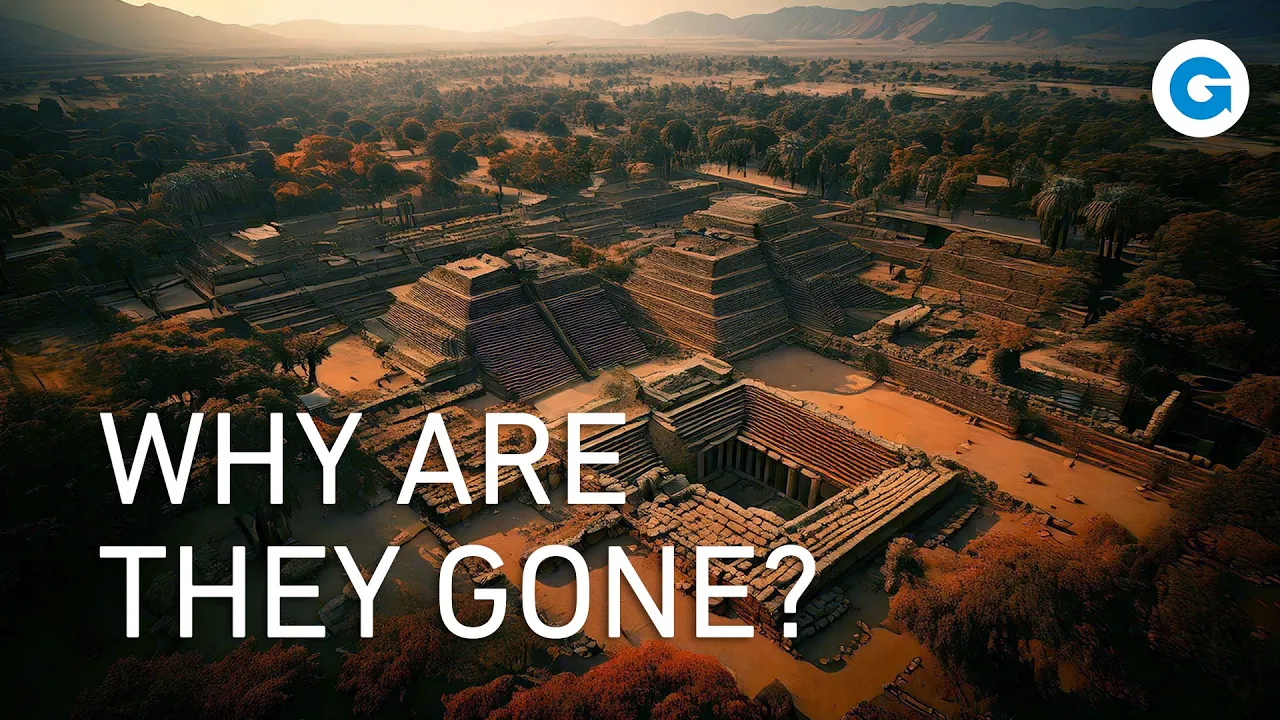
147:35
The Collapse of Maya, Akkadian, and Late Bronze Age Civilizations
@get.factual
370.3K views•2024-11-10

33:02
The Great Schism of 1054: Causes and Consequences
@SacredCathedrals
113.5K views•2026-02-19

118:31
1619: The Arrival of Africans and the Making of America
@loc
359.4K views•2018-10-15
17:05
Understanding the Cold War: Superpower Conflicts and the Road to Détente
@OverSimplified
46.1M views•2019-01-24
Related Study Plans & Knowledge Roadmaps
Structured learning paths in History
history
Byzantine Iconoclasm: Theology, Art & Politics
01Foundations of Byzantium and Early Christian Images
02The First Iconoclasm: Leo III and the Crisis of Images
03Empress Irene, Nicaea II, and the Second Iconoclasm
+ 2 more learning modules
9h5 modules
Explore Roadmap
history
Iranian Revolution (Causes, Events & Legacy)
01The Pahlavi Dynasty and the Roots of Discontent
02The Spark of Rebellion and the Rise of Khomeini
031979: The Fall of the Shah and the Climax of the Revolution
+ 2 more learning modules
8h5 modules
Explore Roadmap
history
Mali Empire: Mansa Musa, Trade & Timbuktu
01Foundations of the Mali Empire
02The Trans-Saharan Gold and Salt Trade
03The Reign and Pilgrimage of Mansa Musa
+ 1 more learning modules
6h4 modules
Explore Roadmap
history
1947 Partition: Politics, Borders & Legacies
01Foundations of British India and the Divide
02The Political Negotiations and the Mountbatten Plan
03Drawing the Boundary: The Radcliffe Line
+ 2 more learning modules
8h5 modules
Explore Roadmap