














![🌙성우 이지선이 직접 읽어드리는 | 인류의 첫 문명: 수메르 | 잘 때 듣는 세계사 [중간광고X]](https://i.ytimg.com/vi/jDiU4yUEZ0U/maxresdefault.jpg)

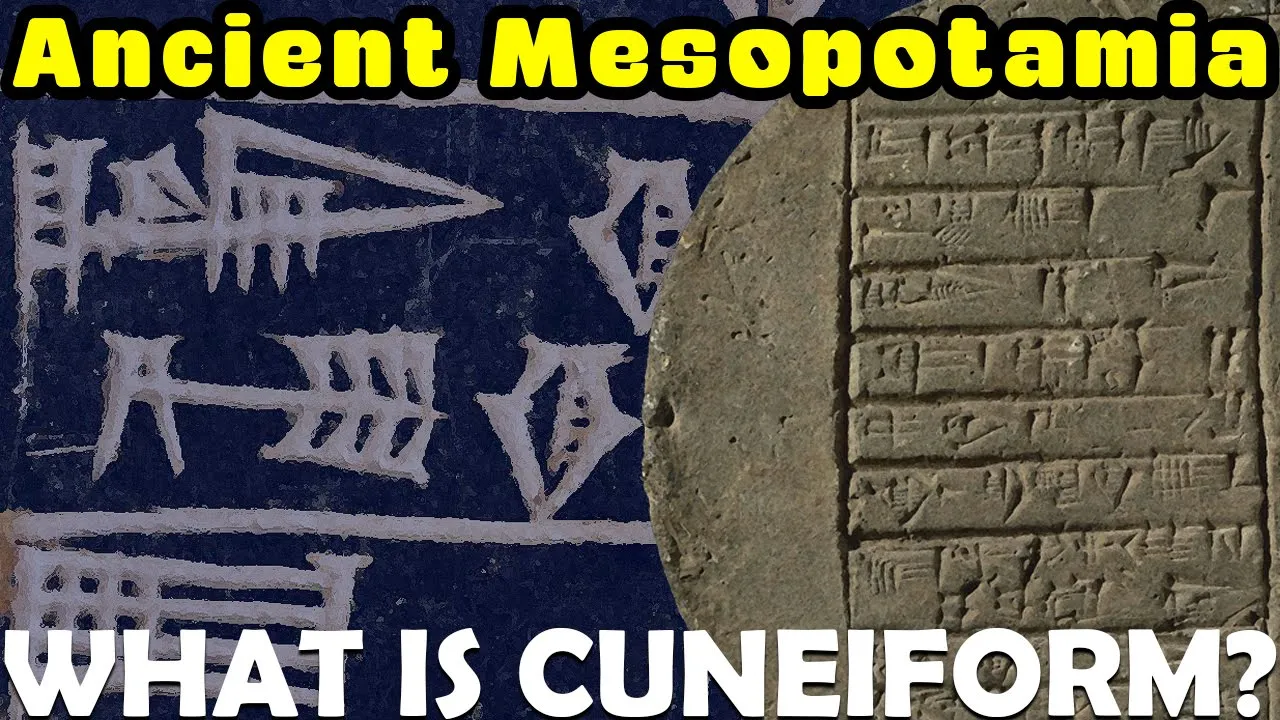
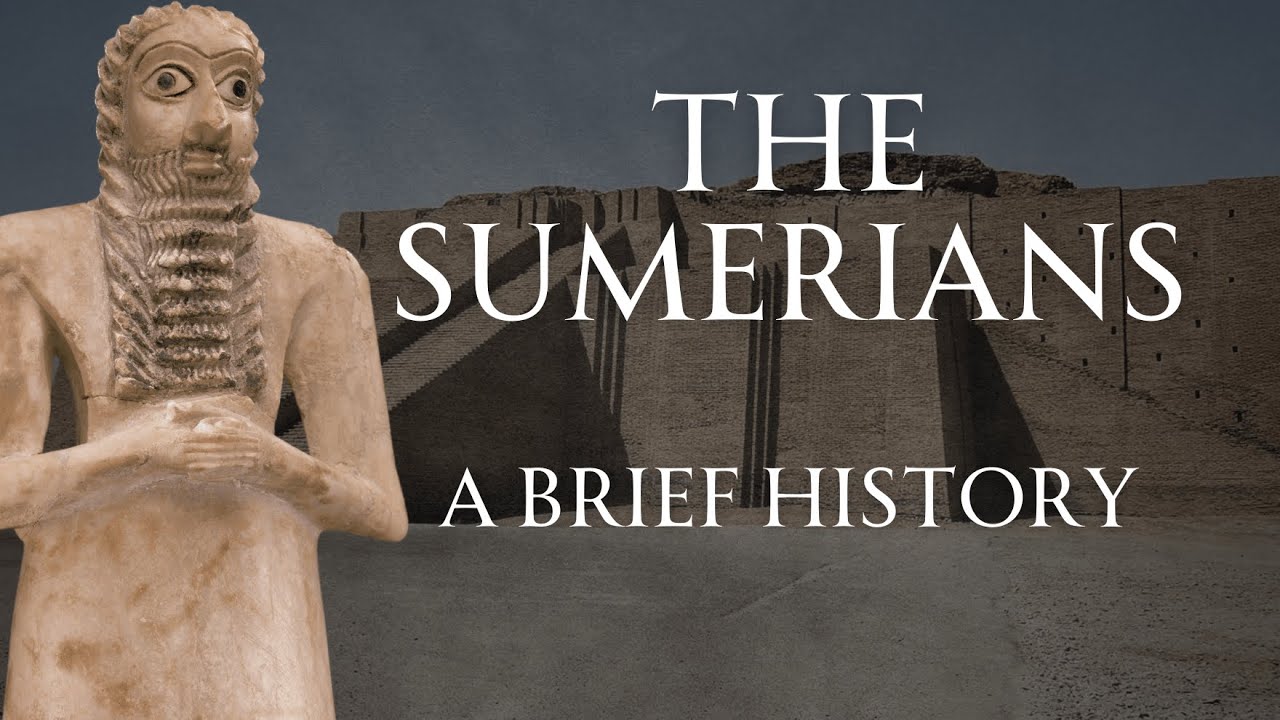


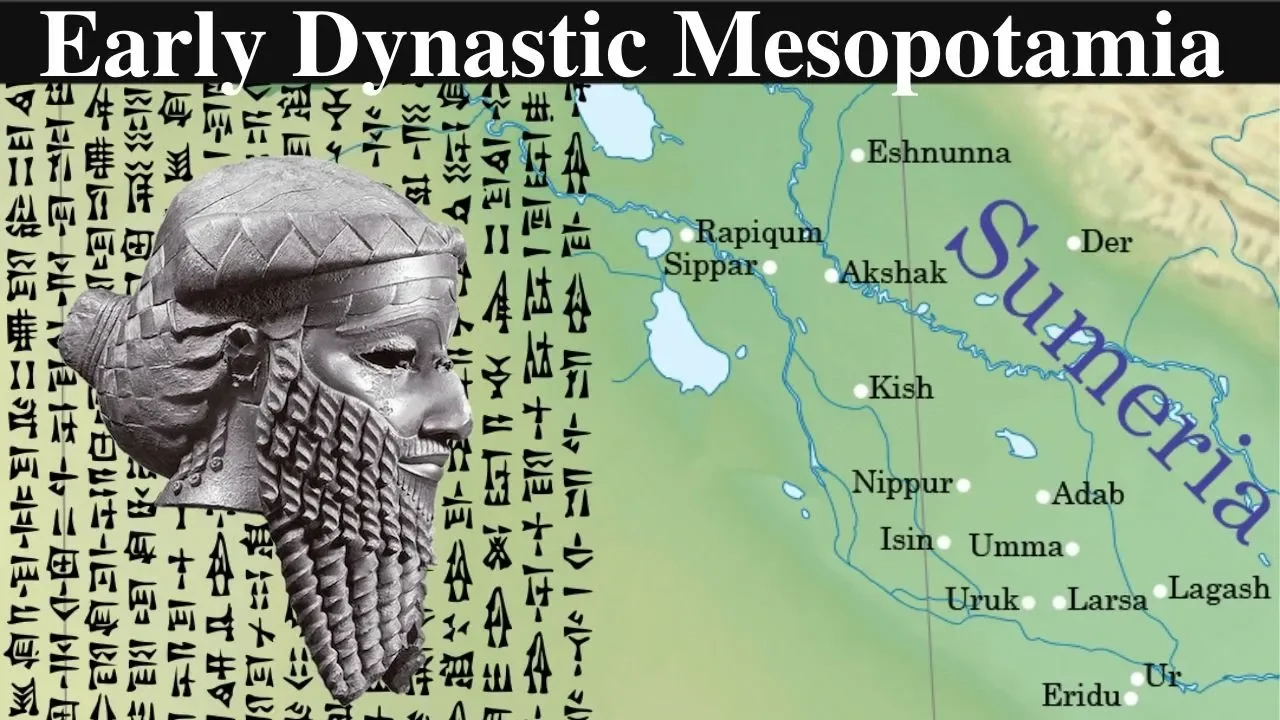
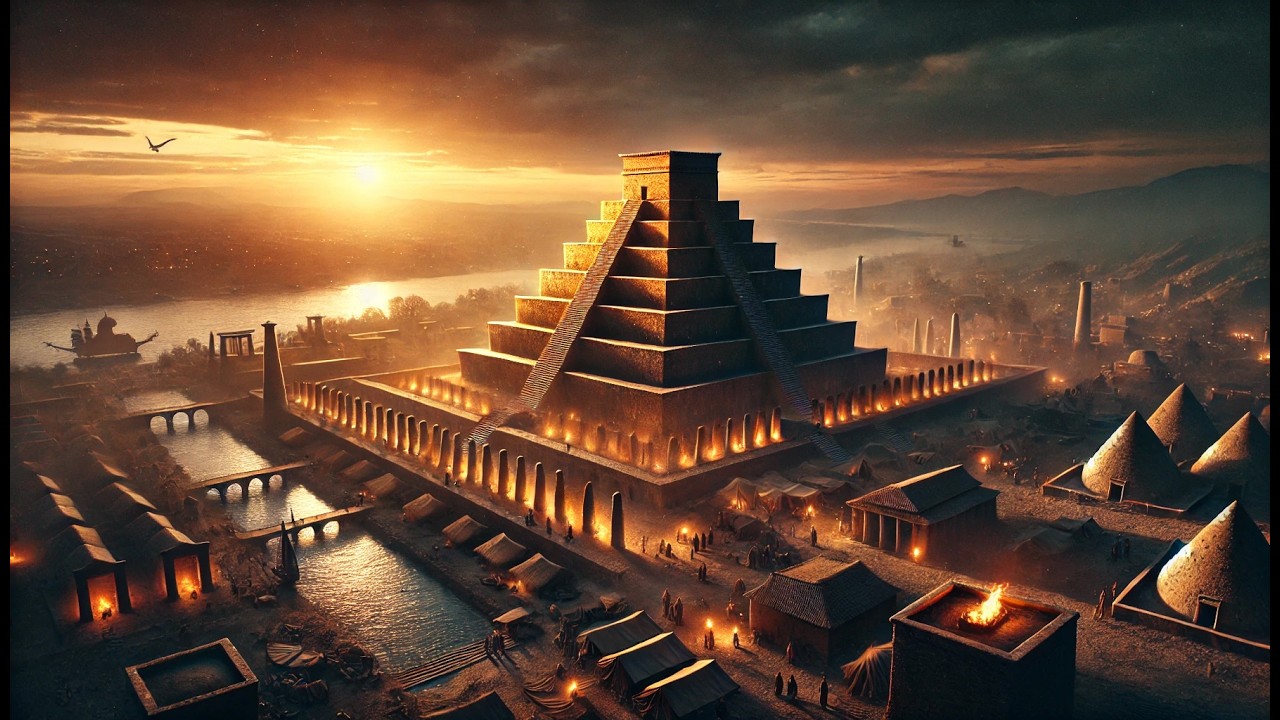




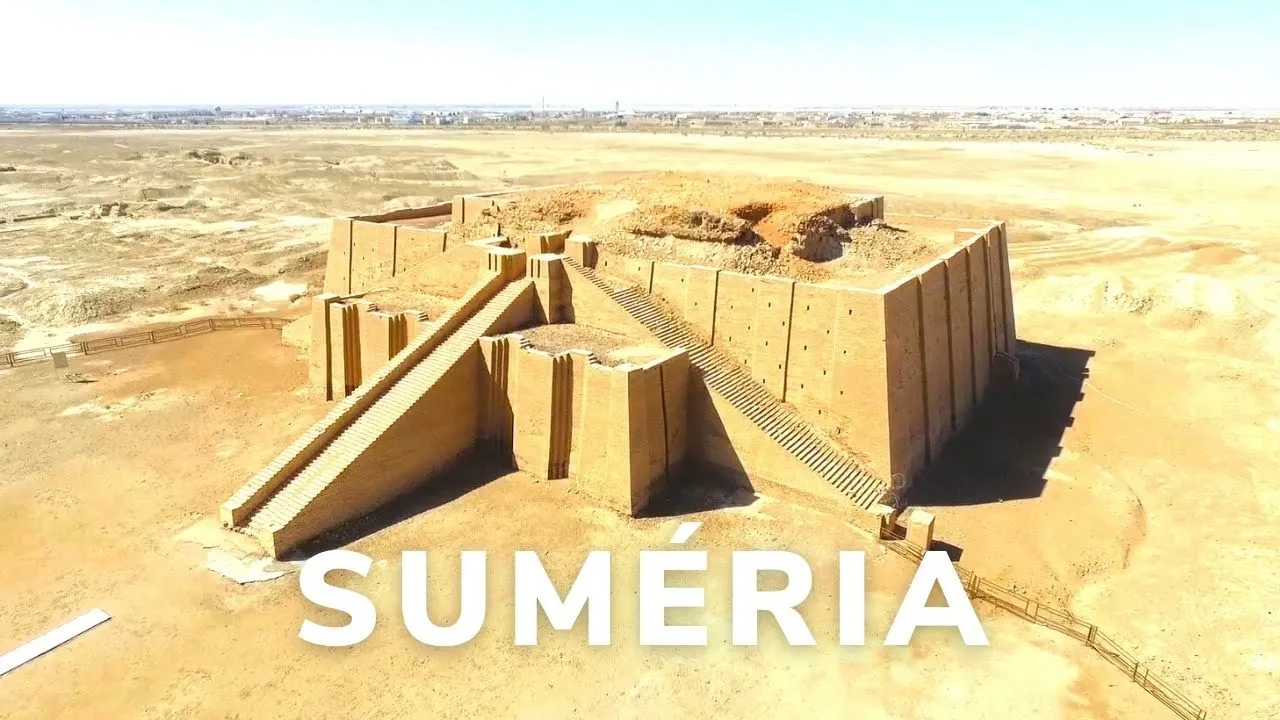





The emergence of civilization in Mesopotamia represents humanity's first major leap toward organized urban society, culminating in the rise of Uruk around 3200 BC. This transformation followed millennia of gradual development: from egalitarian hunter-gatherer communities to increasingly complex agricultural societies that developed irrigation systems, monumental architecture, and sophisticated administrative practices. The key innovation was the invention of writing (proto-cuneiform) around 3100 BC, which enabled complex bureaucratic management of temple economies and facilitated long-distance trade networks stretching from Anatolia to the Iranian plateau. Uruk exemplified this transformation through its unprecedented scale (400 hectares), hierarchical social structure, specialized craft production, and centralized religious-political authority embodied by the priest-king. This model established the template for subsequent Mesopotamian city-states and represents the definitive emergence of civilization as defined by dense urban populations, monumental building, social hierarchy, bureaucratic record-keeping, and organized writing systems.
The Rise of Uruk: Mesopotamia's First True City (6500–3200 BC)
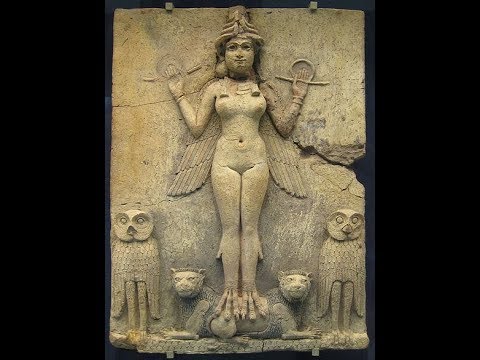
Added:southern mesopotamia 3300 bc here on the banks of the euphrates river stands a settlement larger than any the world has yet known the result of nearly 3 000 years of societal development within this region is they ringed by canals in irrigated farmland so much so that it has been described as a venice amongst the desert home to some fifty thousand people it held sway over a hierarchy of smaller settlements upon whose resources it relied for its existence at its heartlay two great ceremonial districts dominated by monumental temples to the gods it is here that we see the emergence of a social hierarchy of unprecedented complexity along with the appearance of iconography depicting elite rulers and organized worship alongside this all we see the development of a sophisticated temple economy the management of which required new record-keeping techniques and may have even led to the birth of writing itself and with its great size also came influence far beyond its borders along with control of a trade network that stretched north into anatolia east into the iranian plateau perhaps even as far west as the nile delta the uric world system in our last episode we examined the later pre-pottery neolithic communities of the levant syria and anatolia at centers throughout the near east we saw the slow end of the hunter-gatherer way of life with settlements now relying on domesticated plants and animals for survival around the same time ritual behavior also began to change solely people moved away from dedicated ceremonial sites such as gobekli tepe in favor of ritual buildings constructed within their local settlements from the 8th millennium bc we saw the progressive growth in population at sites such as chiunu in eastern turkey and iron gazelle in the levant both of which would have held populations in the thousands in central anatolia this growth culminated in the proto city of chateau huyuk whose tightly packed buildings may have held as many as 8 000 people at its peak alongside these mega sites we also saw the development of long-range trade networks and common ritual practices including the widespread decoration of human skulls but these enlarged sites wouldn't last from the beginning of the seventh millennium bc places such as chayunu and iron gazelle would slowly be abandoned with their populations moving away to smaller settlements some sites persisted a few centuries longer with chateau hayek reaching its peak around 6500 bc eventually however an environmental downturn seems to have spelt its end people moved away and new settlements were established throughout the levant anatolia and the northern stretches of mesopotamia and with these settlements also came new ways of living and new forms of ritual behavior on the face of it the collapse of the enlarged sites of the later pre-pottery neolithic may have seemed like a great setback for the peoples of this region but as we saw with the collapse of the natufian settlements some 3 000 years prior there is no obvious sign of a drop in population throughout the near east during this period the wider trade networks the time also seemed to have survived intact as can be seen in the continued trade in obsidian sourced from anatolia instead people simply appear to have reverted to living in a greater number of small settlements in the face of an increasing arid climate for a period after 6200 bc these societies would also adopt more varied forms of agriculture which would allow them to exploit a wider range of environments in areas that still received adequate rainfall people continued to rely on a mixed farming economy whilst communities in more marginal areas came to rely on a greater degree of pastoralism many of these later settlements may even have become semi-nomadic in nature with herds of sheep and goats being driven over large areas to find ample grazing land so by the second half of the seventh millennium bc the people of this region had become dependent on some form of farming lifestyle for survival but we still have millennia to go before we see the appearance of the world's first developed civilizations to demonstrate this let us once again remind ourselves of the criteria we laid out for civilization at the beginning of our first episode firstly we expect civilizations to be marked by dense urban environments that depend on a mixed system of farming for survival in addition these complex centers are also marked by monumental building practices a visible social hierarchy and bureaucratic systems of record keeping such as writing over the course of our previous two episodes we have indeed seen the emergence of societies wholly dependent on the management of domesticated crops and animals throughout much of the near east alongside this we have also seen the development of complicated ritual behavior associated with death and burial along with ample evidence of monumental building at sites such as gobequitepe and jericho finally we have seen the appearance of large-scale settlements throughout the near east that carried the blueprints of urban life but despite all of this the societies that we see at the end of the pre-pottery neolithic appear to have remained largely egalitarian here there are no clear signs of an elite class nor of any great division of labor between agriculturalists and more specialist workers and beyond simple trade and exchange networks there is as of yet no sign of any organized bureaucracy or writing but over the course of our final episode you will see the emergence of these last criteria in an area that has so far gone all but unmentioned in this series the time has come for us to leave the world of the pre-pottery neolithic behind and turn our attention to the northern reaches of mesopotamia for it is in this region which now constitutes parts of modern iraq syria and the southeastern reaches of turkey we see the emergence of increasingly complex societies during the 7th millennium bc the exact chronology of the early cultures of mesopotamia is difficult to track not helped by the fact that most of them are known from only a handful of excavated sites what we can say is that during the second half of the seventh millennium bc a number of overlapping cultures developed throughout northern mesopotamia these societies were marked by small agricultural villages which would have contained perhaps a couple of hundred people at the most here the residents would have subsisted on a varied diet of domesticated animals such as pigs sheep goats and cattle along with crops such as emira and einkorn wheat barley and legumes alongside this there is some evidence of hunting of wild preys such as gazelle onaga and aurochs though these appear to have consisted of a small portion of the local diet at most the exact agricultural methods employed by each of these cultures also seems to have varied depending on the local geography in more northern reaches we see a culture known as the hasuna emerge here communities would have lived amongst fertile hill land where rain-fed agriculture would have been enough to sustain their settlements further south however communities would have received either a marginal or an insufficient amount of rainfall for dry farming to be reliable but despite this we see the appearance of small agricultural villages in this region along the edges of the two rivers that dominate mesopotamia the euphrates and the tigris known as the samara culture these peoples would have pursued a radically different approach to agriculture compared to those further north by digging simple channels in irrigation systems these societies were able to artificially provide their fields with enough river water to allow their crops to grow these systems of water management had appeared earlier in areas such as the levant but here they would prove vital for sustaining agricultural societies and with them humanity would soon be able to spread to regions that until this point had been only sparsely occupied in addition to their agricultural lifestyles both the hasuna and samara cultures are marked by the production of a new type of storage container in our last episode we detailed the appearance of pottery at sites such as chateau huyuk where recognizable shards have been unearthed dating from the early 7th millennium bc similar vessels also appear throughout societies in northern mesopotamia around the same time to the best of our knowledge this early pottery would have been hand-molded with coils of clay being built up around a pre-made base to aid this process these vessels would likely have been made on a simple mat or even inside another container which would have allowed them to be more easily rotated over the millennia these rotation aids would become more refined eventually resulting in the emergence of simple hand or foot operated devices that would comprise the earliest pottery wheels once completed these pots would have been fired in an oven or kiln then used for a wide range of functions such as for cooking storing goods or even transporting them over long distances and whilst the earliest neolithic pottery is often plain or simply decorated by the time of the hasuna and samara cultures potter was already being painted with elaborate linear and geometric patterns along with recognizable animal motifs over time these designs would continue to be iterated on a practice that often allows archaeologists to track societal changes over long periods alongside the hasuna and samara the late 7th millennium bc saw the emergence of another pottery producing culture in the north this culture known as the halaf appears to have originated further to the west in the rain-fed regions of northern syria and south-eastern turkey during the 6th millennium bc this culture would expand across much of the former hasuna range unfortunately for us the settlements of this culture remain more poorly excavated than later societies within the region and as a result our understanding of halaf society remains limited however we do have some evidence of distinctive local practices for a start it seems that many halaf settlements were established on new land rather than its existing sites indicating that the population of northern mesopotamia was growing rapidly throughout this period to the best of our knowledge this expansion in population likely coincides with two major agricultural developments the first of these is the appearance of draft animals and early forms of plows which would have allowed for more efficient turnover with the fertile soils of these regions the second was a possible shift in the human diet in favor of dairy products which would have allowed these settlements to support a greater number of children at any given time but despite this increasing population the expansion of this culture is not marked by the widespread appearance of larger sites as seen in the previous millennium instead the majority of halaf settlements seem to have been small widely dispersed villages with populations perhaps in the low hundreds these settlements are also marked by a reversion to a mixture of rectangular dwellings and larger circular buildings known as pholos the exact use of which remains uncertain as with the hasuna and samara before it alaf settlements are also marked by the production of intricately painted pottery along with the continued sourcing of large amounts of obsidian from the north of which to make tools weaponry and jewelry outside of this material culture the exact social and ritual dynamics of settlements remain unclear while some larger buildings do appear at these sites there are no clear-cut examples of either elite dwellings or ritual buildings one minor exception to this has been found at tel alpacia here a burnt building complex has been unearthed connected to a circular pholos that has been theorized may have been the residence of a local chieftain another possible clue is the expanded use of stone seal stamps seen throughout halaf villages we mentioned these stamps briefly in our last episode when we saw their appearance in the upper layers of chatel huyuk these seals were carved with simple geometric patterns and scenes which would have left a recognizable mark when impressed into clay each of these patterns appears to have been associated with either an individual or group and were used in half communities to secure the lids of containers such as pots and baskets in the case of pots which were secured by tying a piece of cloth around their neck a wet ball of clay could be molded around the cord and not onto which the seal would have been impressed once dry the contents of this pot could then not have been accessed without breaking the seal the expanded use of these seals at alaf settlements has been interpreted by their excavators as showing that questions of personal ownership were a growing concern amongst their occupants one theory is that a significant portion of the population would also consist of pastoralists who would have spent significant time away from the village tending their flocks in their absence their possessions may well have been left in communal storage rooms with clay seals being used to distinguish the owners as for ritual behavior during this period we know very little the only hint we have to go on is the presence of enigmatic figurines of headless women found at half sites much like the venus carvings of the upper paleolithic and the seated woman found at chatelhoyk these figurines display exaggerated female characteristics including enlarged breasts and thighs archaeologists have attempted to associate these figures with signs of fertility but this theory is far from certain so by the end of the seventh millennium bc agricultural societies were widespread throughout northern mesopotamia until this point however the same cannot be said of the southern mesopotamian plains which appear to have remained sparsely inhabited from around 6000 bc however this would change with small agricultural villages spreading throughout the region it is these settlements that belong to southern mesopotamia's first known culture the obeyed there are currently two major theories as to how exactly the ubaid culture began the more widely accepted of the two and by far the longest standing is that around 6000 bc this region would have had a hot arid climate not dissimilar from that of modern iraq much as with the regions inhabited by the samara culture to the north grain-fed agriculture would have been impossible and settlements would have been restricted to thin strips of land along the edge of the euphrates and the tigris the flat nature of the mesopotamian plane also meant that both rivers would have had very shallow courses that were liable to shift over time requiring sediments to be periodically relocated in addition both rivers are subject to heavy annual flooding fed by winter rains to the north on the face of it this flood could act as a natural form of irrigation in ancient egypt the nile also performed a similar role flooding in late summer and depositing damp highly fertile soil on the banks in time for the growing season unlike the nile however in mesopotamia the flood would have arrived in the middle of the spring growing season and the rising waters could easily have drowned in mature plants before they were ready for harvest finally around the persian gulf both the tigris and the euphrates break up into wide ranges of barcelona which would have also rendered farming difficult the result of all this was that agriculture in southern mesopotamia would have required careful systems of river water management to be successful the first attempts at these systems appeared to the east in the foothills of the zagros mountains and along the edges of the marshland around the persian gulf these irrigation efforts intensified until around 6000 bc when we see the emergence of water management systems that allowed agriculture to spread to the southern plain these systems would have consisted of a network of artificial channels and reinforced levees this would have allowed farmers to release just the right amount of river water into their fields to allow crops such as cereals to grow with these systems in place the potential of the fertile soil built up by these rivers over the preceding millennia was finally unlocked after this point this region entered the ubaid period which saw the first permanent settlement established throughout southern mesopotamia as we covered before this theory remains widely accepted amongst archaeologists however it is heavily reliant on the idea that the ancient climate of this region was similar to that of today and indeed in the last few decades studies have emerged that argue against this idea in particular a major environmental study conducted by dr jennifer pannell has suggested that much of the landscape of southern mesopotamia in the 6th millennium bc would have consisted of extensive regions of swamp and wetland rather than desert under this model much of the rainfall patterns of this region would still have been dictated by the indian monsoon system with the area only drying out after this system moved southwards from the 4th millennium bc onwards if this environmental model is correct then the problem throughout much of this region may well have been too much water rather than too little indeed in areas near the gulf potential agricultural land would have been in short supply amongst the surrounding marshes this model also suggests that the later flat appearance of this region may be the result of long accumulations of river elluvium and that the actual level of the land in the sixth millennium bc would have been far more variable even so conditions further to the north of the alluvial plane still appear to have been drier under this model making irrigation in this region more vital if this latter model is indeed correct then much of the early origins of agriculture within this region may need to be re-examined for the moment then let's look at what we can say with more certainty about the obey culture much like the halaf before it our knowledge of early obedience science is limited the major reason for this is that excavations of settlements from this era are frequently hampered by the deep layers of silt and occupation layers that have built up over them in the succeeding millennium even so a number of early sites have been excavated that give us a glimpse of the earliest settlements of the ubaid era to the best of our knowledge these settlements first appeared along the edges of rivers and coastal marshland to the south in these locations villages built from mudbrick were established on what are known as turtlebacks patches of dry arable land elevated above the surrounding marshes over time these areas were built up either through accumulated occupation debris or through artificial materials such as layers of reed mats from hero bait style settlements slowly spread to the rest of the southern plain here sites such as teluwaili telu kuer and the namesake telau baid are marked by rectangular mudbrick buildings and include defined storage areas and pottery kilns unlike most halaphira settlements which appears to be marked by few social distinctions there is evidence that in obeyed communities certain individuals may already have held a higher social status than others as shown by the larger houses that they and in addition to these early elites we also see evidence of a common building appearing at the center of ubaydira settlements these buildings generally described by archaeologists as temples appear to have been the physical focus of obeyed villagers acting as both a place of collective worship and as a center for the storage and distribution of grain and other agricultural goods such was the importance of these temple buildings that they were progressively rebuilt and iterated on over the course of the obeyed period resulting in increasingly grand ritual complexes and to find the best understood example of these we must turn our attention to the southernmost edges of mesopotamia here at the site of eredu what is often considered the oldest obey temple has been found dating from around the mid 6th millennium bc this building was built over an earlier structure of unclear function and consisted of a single mudbrick room containing a simple altar and an offering table coated in ashes at the time of its establishment the level of the persian gulf would have been much higher than it is today and the building would have originally stood amongst an area of coastal wetland over the course of the next three millennia a further 15 structures were constructed on this site with many of these buildings being reconstructed over their immediate predecessors slowly these buildings expanded in size until by the upper layers a recognizable series of tripartite buildings situated on terraces had emerged these structures consisted of a t-shaped hallway leading to a central half an altar which was flanked on both sides by a series of smaller rooms and niches within these later layers large quantities of fish bones have been unearthed along with copious amounts of ash and coiled loops of clay resembling snakes these apparent offerings to the deity or deities worshipped at the site have drawn comparisons to the later sumerian god enki who was worshipped here some 3000 years later however whilst the fish is a symbol commonly associated with enki offerings of these types are common at other obeyed era temples the identification of the earliest buildings at this site as temples is also far from certain and some archaeologists have also suggested that this sequence of buildings is not inherently a continuous one as a result we cannot say with any certainty whether the deities worshipped here in the sixth millennium bc were the same as those named in the earliest written records of the fourth and third millennium bc what is perhaps more likely however is that the surroundings of the eredo temple may have influenced later associations of enki with marshland and other watery settings and moving beyond eredu we also know that the tripartite plan seen in its later ubaydira temples remained a common design of both ritual and domestic buildings for another millennia to come as did their distinctive butt trust and recessed appearance so who exactly would have directed the construction of these ritual buildings and irrigation systems whilst there is currently no clear consensus on this matter one theory is that these early building and irrigation efforts were coordinated by local chieftains and elite families according to archaeologist mark vandermeerup there is evidence that at each community one household would emerge of administrative control over the storage of grain through which they may have derived their local power the individuals within these households were also likely linked to the day-to-day temple administration given the building's role as a distribution center and perhaps would also function as the earliest priests of mesopotamian society at the same time however we must acknowledge as if obeyed societies were ruled over by an elite class then there are few signs of this in contemporary burial traditions which largely consisted of communal cemeteries similarly there is little evidence of the ostentatious displays of wealth associated with later elites and other archaeologists have theorized that power in the obeyed period may have been more rooted in family alliances and control of local resources than in the acquisition of exotic materials the appearance of this ubaid culture was initially restricted to the southern plain of mesopotamia in the north the half material culture would continue by the end of the sixth millennium bc it did spread throughout much of the near east with a lifestyle pottery being found in sites throughout the levant to the west and areas of the zagros mountains to the east then around the middle of the fifth millennium bc the halaf began to give way to the ubaid which expanded to cover much of its range in northern mesopotamia whilst earlier theories cast this as a sudden takeover by obeyed peoples from the south it is now known that in most areas this switch was a gradual one with transitional forms of pottery appearing between the two around the same time ubaid style artifacts appear along the edges of the zagros mountains including large quantities of elaborately painted pottery ubaid influenced ceramics also appear on the plain of susiana to the east during this period including at the indigenous settlement of susan finally obeyed style ceramics have been found at some 50 different sites along the persian gulf suggesting that long-distance seaborne trade networks already existed by the fifth millennium bc the appearance of these high quality ceramics likely coincides with the spread of improved pottery manufacturing techniques during this period in particular it is thought that the ubaid period would have coincided with the emergence of the earliest forms of pottery wheel these early wheels or tornettes would have consisted of simple devices rotated either by foot or hand that would have allowed for quicker production of high quality ceramics compared to previous hand molding techniques so by the end of the half and ubaid periods we can already see many developments that would become hallmarks of mesopotamia culture in addition to the centralized temples of obeyed society we see evidence of increasing use of stone seals in trade and bureaucracy throughout the region along with developed trade networks that radiate well beyond the courses of the tigris and euphrates the emergence of the earliest pottery wheels would also prefigure the emphasis on mass production seen throughout mesopotamian society in the coming millennia finally and perhaps most significantly of all the introduction of complex irrigation and water management systems seen during this period may have made agriculture more reliable in southern regions that received inadequate rainfall in addition to these more stable agricultural systems these irrigation efforts may also form an intricate system of canals across much of southern mesopotamia which would have fueled mass transport of goods and commodities by boat there is no clear break between the practices of the later bade period around the end of the fifth millennium bc and those of the millennia ahead instead we see the rapid development of existing cultural practices along with the appearance of increasingly dense urbanized societies throughout southern mesopotamia beginning around 4200 bc what is known as the uruk period would be characterized by ever more intense growth in both settlement size and number throughout the entirety of the near east the uruk period presents a number of problems for archaeologists firstly only one major site from the period has been substantially excavated in southern mesopotamia and even then almost all our available information comes from archaeological levels dated to the later half of the fourth millennium bc instead much of the evidence of societies during the early and middle uric period come from excavations conducted in northern mesopotamia from examining these communities along with surface surveys conducted by archaeologists throughout southern mesopotamia we can see that both the size and number of settlements were dramatically increasing by the end of the ubaid the exact reasons for this expansion still remain unclear today one argument is that from the beginning of the fourth millennium bc the climate of mesopotamia was becoming progressively drier and that more and more people would have been drawn from their respective regions to larger or economically stable settlements at the time these larger settlements would have still been a largely untested concept and would have encountered significantly higher rates of disease sanitation problems and inequality even so these sites continued to grow by the late obeyed communities in northern mesopotamia were characterized by a number of widely spaced urban centres often surrounded by a ring of smaller settlements by comparison southern mesopotamian settlements were both smaller and more equally dispersed throughout the countryside this rapid increase in population size continued throughout the early uric period with the rate of growth apparently outstripping that which could be sustained by the local population one possibility is that either semi-nomadic peoples in the region were increasingly settling down or that new peoples were migrating into mesopotamia and the surrounding regions by the midurak period around 3600 bc northern mesopotamian centres such as telbrak and hamukar had expanded dramatically with telbrac in particular growing to an unprecedented 130 hectares in area in central mesopotamia the majority of the expanding population had similarly become concentrated in three major centres each of which may have covered some 30 to 50 hectares when we look to the southernmost parts of mesopotamia however we see a very different picture emerging or it is here that we see the increasing concentration of the region's population in a single centre of unprecedented scale uruk [Music] dubbed the world's first city by many archaeologists the rapid expansion of the site of uruk over the course of the fourth millennium bc coincides with a major change in the way that urban societies operated formed by the apparent union of two obeyed era settlements along the banks of the euphrates it is at uruk that we see an unprecedented expansion in population in the later ubaid period this site seems to have been comparable in scale to that of the other southern and central mesopotamian settlements such as the contemporary sites at nippur and erudo as we reach the early 4th millennium bc however uruk has already expanded to cover an area of some 70 hectares by around 3600 bc its size had reached 250 hectares far outstripping that of any contemporary settlement throughout the near east the exact reasons for this rapid expansion are unclear perhaps the city simply lay along a more fertile stretch of the euphrates or perhaps it was aided by its highway-developed system of canals that would have facilitated greater agricultural surpluses and trade links than other southern settlements whatever the reason the development of this vast settlement caused a major restructuring of urban centres within its vicinity unlike the other sites we see elsewhere in southern mesopotamia which at the most had one subsidiary set of smaller villages by the mid-uruk period the city already stands at the top of a recognizable four-tiered hierarchy of hamlets villages and towns upon whose resources and tribute it would have relied upon for existence by the late uruk period the site would have reached some 400 hectares and it is thought that upwards of 80 thousand people may have dwelled within its area such was its draw that by the end of the fourth millennium bc entire areas of central mesopotamia seemed to become depopulated as more and more people concentrated in the south the development of such a mega site was not without precedent in near eastern history indeed we covered similar centers that had appeared during the pre-pottery neolithic such as at chateau here chayunu and ein gazao which were also marked by dense populations numbering in the thousands there are three major ways however in which uric differs from these sites the first is in its sheer scale as it spans an area some thirty times that of chateau hoyuk at its peak the second is in the sheer differentiation of function seen throughout the various areas of the city it is here for the first time that we see evidence of public meeting areas marketplaces specialized production centres and monumental temple districts unlike the densely packed buildings of chateau hayek we also see evidence of planned streets and alleyways and thirdly unlike the mega sites of the pre-pottery neolithic the increased population density seen at uruk coincides with increasing levels of inequality amongst its residents these disparities and status are best seen in the increased diversity of house sizes at turok and that other settlements throughout this period along with the emergence of a recognizable hierarchy of officials and professions it is the combination of these factors that lead many archaeologists to distinguish uruk from prior settlements and describe it as the world's first true city so how would life in this city have operated for a significant chunk of iraq's early existence the answer is that we cannot be sure as we mentioned before excavations of these districts have been largely limited to the later uruk period and the result is that we are currently in the dark about much of the city's early development and social structure another problem is that all the excavations that have been conducted at iraq the majority have been limited to the two temple districts that lie at its heart however what is clear from these findings is that much of the city's day-to-day business would have revolved around these centres which would have acted as ritual and economic hubs similar to their obeyed era predecessors the most prominent of these two centers was the ayana district dedicated to the goddess inanna here a series of monumental buildings were erected across the course of the uruk period whilst the composition of this area during the earliest parts of the 4th millennium bc is still uncertain two ritual structures have been unearthed dating from the middle uruk period the first of these structures the limestone temple follows a modified form of the tripartite plan seen at eredo containing a central t-shaped hallway what marks out this building however is its unprecedented size measuring some 76 by 30 meters this temple would have been larger than the parthenon at athens and was seated on a low terrace some two meters in height that contained the remains of an earlier ubaid era temple the second building known as the stone mosaic temple is smaller in scale but contains its own unique plan that combines the tripartite design with a number of enigmatic rectangular and l-shaped hallways these two buildings were mainly built from a combination of valuable limestone and bitumen the former of which seems to have been sourced from a site some 60 kilometers to the east in addition to these precious materials the exteriors of these temples were also decorated in geometrically patterned mosaics made from stone cones colored either red black or white over the next few centuries a series of further platforms and mudbrick temples were added in the space between these buildings along with a great courtyard and a series of freestanding columns these columns which later become a regular feature of mesopotamian architecture were also marked by cone-shaped mosaics resembling those of the earlier temples mosaics made in this fashion have similarly been founded over uric era sites outside of southern mesopotamia and appear to have been a common element of artistic practices during this time these terraces and their associated buildings would stand until around the later period when they were suddenly leveled this period which seems to have occurred alongside a change in belief structures at uruk saw a single large terrace built to contain the remains of previous temples a series of new buildings on an even grander scale were then built atop this terrace alongside a number of large buildings that may have been used as public meeting houses and distribution centres along with residences for officials in addition to this younger district uruk was also home to the temple known as the kulab or anu district after the sky god worshiped here in later millennia from the early uruk period this site was occupied by a sequence of vast mudbrick terraces built over a series of buildings the earliest of which dates from the late ubaid period by the midurak period this terrace had reached some 12 meters in height and it developed into a polygonal structure measuring some 45 by 50 meters while still your buildings identified as temples are known to have been built to top this platform by far the largest and most notable building to top this structure has been radiocarbon dated around 3450 bc known as the white temple the walls of this building still stand today and followed a standard tripartite ground plan of some 18 by 22 meters in addition to its elevated position this temple was also coated in a form of white gypsum plaster that would have reflected sunlight rendering it visible for miles around the repeated reconstruction of these vast temple districts would have required both a high degree of social organization and a massive attendant workforce according to archaeological estimates the construction of the larger buildings in the anna district alone would have required some fifteen thousand labourers to work up to ten hours a day for as long as five years and whilst this construction seems to have been primarily ritual in nature it may also have acted to strengthen social ties between the temple and the people of uruk in addition the sheer scale of this construction also suggests an element of coercion may have been involved in these building projects particularly of workers dependent on the temple for survival regardless of how this construction work was achieved its results would have been an awe-inspiring complex of buildings entry to which would have been restricted by encircling walls moving beyond their ritual architecture what would life have been like inside these temples well looking at their layout it is perhaps best to envision these temple buildings as exaggerated houses for the gods indeed private residences throughout the uruk period do resemble the tripartite structure of known ritual buildings of this period for further evidence of this we can also point to later practices of worship in the third millennium bc during this period the gods were considered to have two aspects existing both in the heavens and in the form of their cult statue these statues would be tended to as if they were a real person and provided with temples to house them clothing for them to wear and feasts for them to consume whilst we cannot be sure that the gods were venerated in this fashion throughout the 4th millennium bc a sign that this may have been the case comes from an artifact unearthed within the iana district dating from the late uruk period this artifact consists of a near-life-sized head of a woman shaped from white marble in addition to being one of the earliest known anatomically accurate images of the human face it has been suggested that this image would have been part of the cult statue of the goddess inanna herself with the rest of the statue consisting of wood or precious metals however this identification is far from certain and it is also possible that this structure was part of a ritual building facade rather than a dedicated statue it should also be noted that the frequent remodeling of both temple districts throughout the uruk period likely indicates a significant amount of social and cultural change throughout the city's existence and that such continuity with later ritual practices may well be impossible so whilst we don't have first-hand evidence that the gods were worshipped in the form of cold statues during this period we do know that elaborate presentations of ritual tribute were conducted within their temple complexes which would have included livestock agricultural produce and possibly other luxury items evidence for this activity can be found in another remarkable example of craftsmanship unearthed within this period measuring roughly three feet in height and weighing nearly 600 pounds the varkivars provides a possible snapshot of the day-to-day business of the iana temple district during the late uric period on its registers are displayed scenes of agricultural produce and precious minerals being led in hierarchical procession to the temple on the top register this tribute is presented to an elaborately dressed woman who stands taller than most others in the scene behind whom stands a read bundle symbol associated with the goddess in anna the most widely accepted theory amongst archaeologists is that this figure represents inanna herself though other theories have variously identified her as a priestess functionary or even simply the guardian of the temple storerooms compared to previous millennia a rook society also seems to have placed greater focus on mass production part of this can be seen in the increased appearance of new types of pottery throughout this period as we mentioned before the preceding ubaid era had likely seen the first appearance of the potter's wheel or tornette in the uruk period we continued to see refinements in wheel design as shown by the increase in closed vessel forms such as jugs pitchers and bottles unlike pottery from previous cultures however most of these containers lack any notable decoration perhaps indicating that quick production was being prioritized over appearance by far the most distinctive pottery found at turok and other sites during this period however are a type of handmade bevel-rimmed bowl these simple containers appear to have been shaped in moulds allowing them to be quickly produced in mass quantities at dedicated districts then discarded after only a short period of use in addition to these pottery districts similar areas have also been found dedicated to metal working whilst vast amounts of textiles seem to have been centrally produced by women at each of the temple centers in addition to this mass production of goods we also see evidence of finely crafted items such as the aforementioned vacavaz or the mosaic displays evident throughout the iana district and alongside these items it is in this period that we first see signs of a new type of intricately carved tool that demonstrates the importance of personal ownership and authority within late uruk society as we discussed before the use of stone seal stamps is well attested to throughout the settlements of the halaf and obeyed cultures where they were likely used to identify objects associated with particular individuals or groups during the later uruk period however these stamps were replaced in southern mesopotamia by small cylindrical stone objects known as cylinder seals as with seal stamps these items contain a carefully crafted mirror image of a scene which could be quickly impressed on clay with a single movement compared to stamp seals however the space available on these cylinder seals was much greater allowing them to include more detailed scenes associated with a particular owner or office this expanded versatility in designs would have been particularly important as uruk society became more complex as a greater number of individual officers and officials would have needed to have been identified at any given time the individual scenes on these seals also give us some insight into day-to-day life many of them depict domestic animals in front of temple buildings figures working in what appear to be workshops and women engaged in pottery making and weaving like their stamp seal precursors these cylinders would also have been used to seal goods and store rooms along with to authenticate transactions and moving beyond the role of stamp seals cylinder seals would also soon form a key part in the wider correspondence and record keeping of the near east one that they would retain for millennia to come for a long time it was fought by archaeologists that these types of societal development were wholly unique to uruk in recent decades however reassessment of evidence from centers in northern mesopotamia has shown that sites such as telbrak hamoka tepegaura and aslan tepe also saw signs of increasing urbanization during the early fourth millennium bc at telbrac for example a similar hierarchy of surrounding settlements exists to that around the rook even if the site itself is smaller excavations of the site have similarly found evidence of specialized use of spaces associated with early urbanization in a neighbouring mound to the south east signs of a workshop and kilns dedicated to the mass production of pottery have been unearthed whilst the site's central mound shows evidence of more than one area of monumental building in what is referred to as the tw area a monumental mudbrick structure similar to later obeyed temple structures has been unearthed later layers of this area also include a non-residential structure known as the niched building the courtyard of which appears to have been the site of coordinated feasting in succeeding periods the structures around this courtyard were replaced with more domestic structures which the site's excavator jeff embling suggested may have formed an elite residence finally an even more elaborate ritual building has also been unearthed at the site the earliest layers of which appeared to date from at least the first half of the fourth millennium bc known as the eye temple after the thousands of small idols found within its layers it is now known that this area housed a series of buildings built on high platforms a number of other sites in northern mesopotamia also show evidence of urbanization during this time including their own monumental building traditions specialized craftsmanship and complex administrative behavior managed through seal stamps moreover the culture of the north appears to remain distinct from that of the south during this period as can be seen in the continuance of its own pottery styles in this area however there is some evidence the shift to urbanization may have been associated with a greater degree of conflict than has yet been observed further south evidence of this can be found in the form of a number of mass graves unearthed at telbrac dating between 3800 and 3600 bc these graves contained dozens of bodies many of them from healthy adults and their disarticulated nature hints that they may have suffered violent deaths and whilst there is currently no evidence for corresponding levels of violence in southern mesopotamia it should be noted that scenes of warfare often appear on uric era cylinder seals which include the taking of captives and slaves so clearly northern mesopotamia was undergoing a period of population growth and urbanization throughout the early 4th millennium bc from around the midpoint of this millennium however the growth of southern settlement seems to overtake those of the north the exact reason for this is still unclear one theory is that the courses of the euphrates and the tigris in this area may have shifted forcing changes in population pattern another is that the wider climate of mesopotamia may have been growing more arid during this time resulting in a reduction in rainfall in the irrigated regions of the south this change may have led to the drying out of marshland areas perhaps freeing up more land for agricultural use in the north however this drier climate may have limited the ability of cities to sustain their populations right at a time when they were growing around this time we see evidence of a destruction layer at hamucha where the settlement was suddenly extinguished by an assault marked by thousands of sling balls the population at telbrak also seems to have fallen an event that coincides with a number of major fires at the site soon after the distinctive material culture of the south appears at the site the later levels of the eye temple being remodeled with baroque style cone mosaics around the same time we also see evidence of bevel rim pottery cone mosaics and cylinder seals appearing at a large number of sites throughout western syria and southeastern turkey finally this same material culture also appears to the east at susa and uruk style artifacts begin to appear at a number of sites throughout the iranian plateau in earlier theories it had been thought that the spread of uric cultural elements beyond southern mesopotamia was the sign of an informal military empire with the city expanding its rule by force over the other emerging centres of the near east indeed in many locations the uruk material culture is seen to replace more local traditions and new uric influence sites appear in previously unsettled areas these new sites which have been described as colonies include sites such as tel-shi kasan jebel aruda and the fortified town of habuba khadira on the euphrates however more recent scholarship has argued that instead of being the owners of a military empire baruch's elites would have instead exerted cultural and economic influence over the other cities throughout southern mesopotamia with individual settlements remaining politically independent outside of this region the extent of uruk's influence also appears to have varied greatly at sites like telbrak the sudden appearance of the uruk material culture at the site after a series of destructive fires has been interpreted as a takeover by southern elites but violent transitions on this model appear to have been rare instead in many settlements regional styles seem to have undergone a slow process of uricharization in places such as nineveh in northern mesopotamia or arsene tepe in southeastern turkey local elites seem to have emulated the decorative mosaic building styles of the south though overall only a small number of uroc style buildings are present at other sites such as godin tepe and the zacross mountains to the east uruk artifacts and buildings may have even been limited to a small enclave within a large indigenous settlement finally some contemporary turkish sites such as kinan tepe show no signs of uruk-style buildings or pottery at all despite both being present at neighbouring settlements in light of this varying pattern of influence a number of archaeologists have theorized that the spread of the uruk culture was driven less by military expansionism and more by the desire of its elites to gain access to the goods available in these outlying regions such as timber precious stones and metals these theories often emphasize the supposed lack of these goods being available in quantity on the alluvial plane of southern mesopotamia where they would have been needed to maintain uruk's elaborate social hierarchy and monumental building practices whilst their scarcity in this region is perhaps overstated it does indeed seem that luxury items such as gold silver and lapis lazuli would only have been available outside of mesopotamia it has thus been argued that many of these colonies actually represent trade ventures by europe which may have financed independent merchants and colonists the long-term goal of broadening their access to exotic goods there is also no reason for these colonies to have been limited to uruk alone and some may well have originated from the other cities of the alluvial plain finally we cannot rule out the possibility that some of these ventures were unrelated to the elites of the time and may have been the efforts of individual colonists in search of new opportunities or agricultural land so how exactly would the elites of uruk have kept track of the vast quantities of tribute and trade goods that they receive from both their local area and their wider trade network we've already covered the stamp and cylinder seals of this era and how they would have been used to authenticate the ownership of individual goods and transactions but whilst these seals were certainly an important part of administration they had no way of containing information about the objects to which they were affixed in order to provide such information and to allow proper record keeping of ownership and deliveries another tool would be needed entirely as with so many of the hallmarks of complex societies the emergence of writing appears to have been the consequence of a long period of development throughout which a number of competing record-keeping systems were in use simultaneously one of the earliest of these consists of small tokens of clay or stone that represented a particular good or commodity later these tokens were increasingly placed inside hollow clay spheres known as boule these spheres were then marked with cylinder seals by their owners guaranteeing their contents whilst this system was effective for accuracy recording these items it contained a floor in that the bulleye themselves had to be broken into in order to check their contents to deal with this problem two approaches emerged firstly individuals began to press the tokens themselves into the clay of the bulai before sealing leaving a visual identifier of their contents around the same time a separate set of solid clay tablets also began to appear at uruk and other centres containing lists of numerals whilst these numerical tablets are useful for keeping track of exact numbers of commodities they contain no information linking them to the items they refer to it is in the later layers of the uruk period however that we begin to see the emergence of a system of record keeping that combines each of these elements this system consists of a written script known as protocuneiform which may well be the first in human history it consists of simple signs impressed onto the surface of soft clay tablets with a reed stylus examples of which have been unearthed at the iana temple district dating from the second half of the fourth millennium bc later this script also seems to have spread to other centres throughout both southern and central mesopotamia in their earliest forms some of these signs inscribed on these tablets are recognizable as pictograms such as the signs for barley bowls or running water others however seem to have been chosen purely arbitrarily for example the sign for sheep or goats consists of a simple circle containing a cross by far the majority of these tablets seem to have been used for simple account keeping recording the receipt and distribution of commodities such as beer barley and textiles by the temple the remaining 10 or so of these tablets contain categories of related words known as lexical lists these tablets appear to have played a key role in educating new scribes and contain lists of professions names animals objects and weights and measures which would be frequently copied by novice writers this new system was a massive innovation over preceding forms of record keeping but as a written script it had several problems for a start protocuneiform contained no real system of grammar signs were not written in the same order as a spoken language and indeed the idea that writing could represent speech doesn't seem to have existed at this time in addition to this lack of grammar prosoquin airform also used a staggering number of symbols over 900 have been identified in the earliest tablets the meaning of which would need to have been understood by all of its users for the system to have functioned not only would this vast array of symbols have made the language difficult to learn but many of its symbols have no equivalent in later systems of writing rendering their meaning unclear to modern scholars adding to its complexity the earliest proto-can airform tablets also contain multiple different systems of notation and counting for example if a clerk were to be tasked with recording distinct items such as animals slaves or dried fish he would employ a system that used increments of either six or ten however if the items in question represented a quantity such as an amount of processed grain or dairy he would also use increments of two yet another system was also in use when measuring a volume or surface the sequence of units also varied and whilst many of the individual shapes remain consistent the exact values they represented differed between systems the result of all of this was that clerks of the time would have had to track somewhere in the order of 60 different numerical signs simultaneously in order to fully understand their accounts this cumbersome system would soon become more refined over the next millennia the number of signs would decrease to around 600 whilst those that survived slowly grew more abstract at an unknown point each symbol was also rotated by 90 degrees meaning that the script was now read from left to right rather than vertically elements of grammar would slowly be introduced our signs also grew codified over time losing many of their pictographic elements in favour of what abstract wedge-shaped signs finally it is one of proto-cuneiform's initial characteristics the lack of a connection between its script and a particular spoken language that kept it in news for millennia as symbols were used to represent individual concepts rather than sounds the same system could be used across multiple different languages the result was that more developed forms of cuneiform would act as the script for several languages over the next three thousand years first being employed to write sumerian and acadian in the third millennium bc then amorite huryan hittite and luayan in turn and going beyond its use as a tool of bureaucracy this new system also represents a major conceptual breakthrough for humanity for the first time people were able to organize and record the world around them to write their own names and thoughts and later to transcribe the mythologies that had clearly been evolving since the earliest days of humanity despite its usefulness however we must also concede that the inclusion of writing on our list of essential criteria for civilization is perhaps the least certain indeed throughout world history many civilizations have appeared that did not use writing in the same bureaucratic function as a turok in second millennium bc china for example writing was more often used for ritual purposes with characters being transcribed on animal bones and turtle shells as part of the divinatory practices of the shang dynasty kings other complex societies such as those of western africa also existed for centuries without any obvious form of writing at all even so it cannot be denied that this written script would have played a key role in the proper functioning of the temple economies at the height of this era in addition cuneiform writing would also play a key role in the centuries to come as a tour of correspondence both within and between states throughout the region acting as the primary tool of diplomacy so we've now covered the building patterns economy and bureaucracy found at uruk in the late 4th millennium bc but who exactly was in charge of this society in the popular imagination mesopotamian societies are often identified with the kings that ruled them during the third and second millennia bc however we currently lack any clear evidence of a single ruler throughout both the early and middle uruk periods which remain poorly excavated there is similar little evidence of kingly palaces from this time and monumental buildings dating from the period seem to have been limited to the temple districts when it comes to the later uruk however things become a little clearer or it is during this period the power seems to have become increasingly centralized at the very top of the temple hierarchy one helpful document from this era has come down to us that sheds a small amount of light on the political structure of the time it consists of a proto-canadia form tablet known as the standard list of professions this list which seems to have been used to train scribes was faithfully reproduced throughout the near east until the early second millennium bc and contains what is thought to be a hierarchy of professions dating from the late uruk period unfortunately for us many of the symbols found on its earliest copies are unknown to later cuneiform documents this includes the symbols associated with the first five officers or professions on the list meaning that the exact leadership hierarchy of the later uruk period is difficult to interpret fortunately for us however there are resources other than the written record from this period that we can turn to for the highest of these positions we can again gain some insight from the vac of ours in addition to scenes of agricultural produce being presented to inanna's temple its top register contains a missing section that obscures the identity of one of the participants this missing section has since been reconstructed based on similar urakira iconography and it is now thought to have contained a man resembling either a chieftain or a priest this figure usually referred to by scholars as the n or priest king of uruk is distinguished from other figures in the period symbology by his elaborate beard headgear and net skirt in addition to his appearance on the vark of ours statues of his likeness have also been unearthed and his figure also appears in a wide range of cylindrical scenes in these scenes the priest king is seen to perform a wide range of religious and military roles including feeding what appear to be temple herds and the taking of captives and slaves his image even appears on the handle of a knife unearthed in far away egypt where he is depicted alongside a pair of lions in the master of animals motif due to his paramount role in uruk iconography this figure is generally thought to be that represented by the first symbol on the standardized list of professions and much later translations do indeed equate this term to the akkadian symbol for king despite this equation and his prominent role in iconography we know little of the political or ritual roles this figure would have performed during the late uruk period as the recovered proto-canariform tablets contain no details of the city's political life as for the remaining entries on this list of professions we can gather from parallels from later documents that these officials may have acted as directors of different parts of the temple economy as shown by titles such as leader of the plough or great one of the lambs so here we have the elites of uruk society but what about at the other end what were the lies of ordinary people like in southern mesopotamia during this time well within the city itself it seems that most people would have been involved in trades and professions associated with the production of materials that the temple system required going by our standardized list these professionals included gardeners potters jewellers cooks smiths and weavers amongst others as to how independent any of these individuals would have been it's hard to say one theory is that many of these workers would already have been dependent on the temple system for survival receiving fixed rations in return for their labor such a system is known to have existed throughout the third millennium bc with temple workers being paid fixed rations of barley oil and cloth a number of early tablets found at uruk do indeed detail the distribution of grain to workmen indicating that a similar system was likely in place during this period a number of scholars have even hypothesized that the abundance of the trademark bevel rim bowls found discarded within the temple districts is due to them being used to measure out fixed quantities of rations for each worker the protocuneiform symbol for rations also resembles these bowls further indicating that they may have been used for this purpose and in addition to these workers we also know from proto-canariform inscriptions that a portion of the workforce would have been made up by slaves outside of the complex hierarchy and specialized division of labour seen at uruk itself life seems to have remained more egalitarian here the landscape would have been made up by smaller villages and town the majority of the residents of which would have been farmers people here likely owned their own lands and herds that they may also have paid a portion of their goods and income as tribute to uruk itself outside of the local temple officials there seemed to have been few social distinctions between the residents of these villages for them society would have continued to function much as it had in this region since the beginning of the ubaid lands still had to be farmed crops still had to be harvested and life was still subject to all the disasters the natural world could bring by comparison workers in the cities may have lacked the social freedom of these farmers but their needs were provided for in the form of fixed rations [Music] as we have previously discussed the climate of mesopotamia also seems to have become significantly drier over the course of the uruk period which may well have made village agriculture more difficult this may explain why more and more people seem to have been lured to cities over the course of the uruk period where life may have been less free but was perhaps also less uncertain so finally in uruk we have found a state that meets all the criteria for civilization that we laid out in the early parts of this series here for the first time we see a permanent agricultural settlement of unprecedented size they relied on a hierarchy of smaller towns and villages and that exerted an economic and cultural influence far beyond its borders unlike the large settlement seen at chateau hoyok whose dwellings were relatively homogeneous in function at turk and other settlements during this period we see evidence of specialized areas such as temple districts production centers and both common and elite residences all of this was managed through a complicated bureaucracy that the residents developed as they went the culmination of all of this was the invention of writing which would facilitate first administration and later diplomacy amongst the states of mesopotamia in the millennia ahead finally at the top of its social hierarchy we find a set of recognizable elites who would have directed society to achieve their own ends such as the acquisition of the resources of northern mesopotamia anatolia and the iranian plateau the uric world system came to an end around the close of the fourth millennium bc the exact reasons for its collapse remain unclear many archaeologists have linked it to another change in the local climate starting from around 3 200 bc which would have resulted in severely arid conditions throughout the near east what we can say for certain is that around the end of this period the city itself appears to have undergone a major societal reorganization the elaborate temples of the iana district were demolished with its area being left empty for some time before new centralized buildings were constructed the anu district simply underwent dramatic alteration around 3000 bc with a gigantic new terrace being built over the top of its older structures little of which remains today around the same time a number of urak-style colonies such as habooba kabira were systematically abandoned by their inhabitants though larger population centres show no great break in population or cultural continuity during this time to the east the city of susa rapidly evolved into an independent city-state based on the uruk model here the residents would develop their own early system of writing known as proto-elamite which remained in use for another few centuries from this point iraq's access to the trade of the iranian plateau seems to have come to an end as did its influence at sites in turkey and northern syria in mesopotamia itself the distinct bevel-rimmed pottery of the uruk period slowly disappeared with the next 200 years being marked by the adoption of a new type of hand-painted pottery around the same time cities across the mesopotamian plain asserted their own independence beginning a long struggle for hegemony uruk would remain the largest city in mesopotamia for centuries to come but its influence would never again reach the heights that is at once known with the end of the uruk world system we too must conclude our journey from this point onwards this new urban mode of living was here to stay in the millennia ahead fewer and fewer tools will be made from stone instead being replaced by a new material made by combining copper with tin with the rise of these bronze tools and weapons we enter a new period of world history it is in this period that we learn for the first time the names of ordinary people and rulers alike that the first great works of literature were composed and that the structures of the world's first organized religions are revealed before us it is also an age of warfare feuding city-states and jealous rulers in the millennia ahead the world's first empires would rise out of mesopotamia egypt and anatolia only to collapse one by one in this new age rulers would seek divine sanction for their actions and attempt to expand their rule to the four corners of the world but before any of this there came sumeria the battleground of kings hello everybody it's charles here just wanted to say a quick thank you for watching the whole video through before i go today i just want to say a quick thank you to a couple of archaeologists who helped me out with the production of this video dr jeff embling and dr augusto mcmahon who were both field directors at the excavations of telbrak in northern syria you can check out more of their work in the comments section where i've listed all my sources in addition if you want to keep up to date as to what's happening on this channel i do have a twitter account at twitter.com the underscore histocrat and i also have a small patreon so if you'd like to support the channel head over to patreon.com the histocrat thank you to everyone who's pledged on there so far
Up Next

The History of Paper: Origins and Global Impact
@TheHistoryGuyChannel
123.7K views•2022-02-18

The Great Schism of 1054: Causes and Consequences
@SacredCathedrals
113.5K views•2026-02-19

The Geopolitics of the Ukraine War and the Rise of Global Autocracy
@JordanHarbingerShow
468K views•2025-04-19

Understanding the Cold War: Superpower Conflicts and the Road to Détente
@OverSimplified
46.1M views•2019-01-24
Related Study Plans & Knowledge Roadmaps
Structured learning paths in History