














![[ PORT -ESP ] M. 6 - Um Grande Avanço: A Invenção da Imprensa e a Fabricação do Papel | Pedro Dong](https://i.ytimg.com/vi/GbXV8NLwxXk/maxresdefault.jpg)



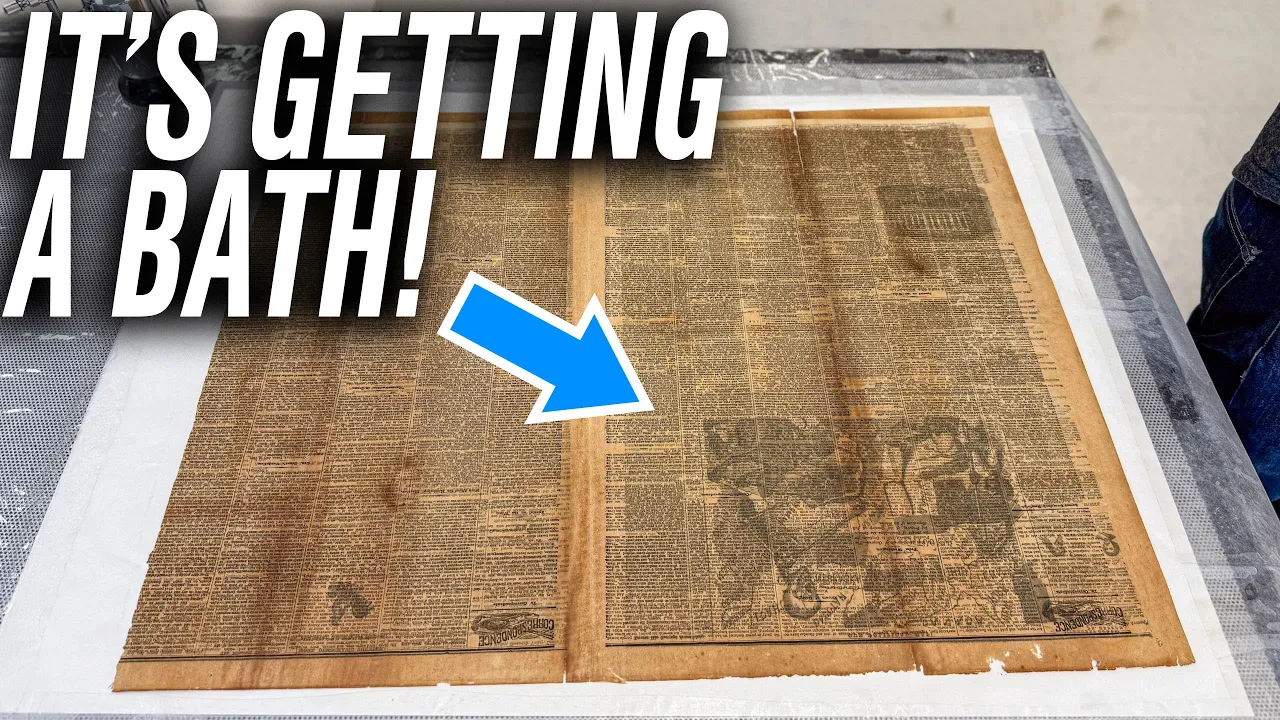




Paper is one of humanity's most important inventions, originating from ancient Egyptian papyrus around 4000 BCE and later revolutionized by Chinese official Cai Lun in 105 CE who developed a systematic method using tree bark, hemp, and rags, making paper production cheaper and more scalable; this innovation spread from China to the Islamic world around the 8th century and then to Europe by the 12th century, transforming global literacy, education, commerce, and culture by enabling mass book production, efficient bureaucracy, and widespread knowledge dissemination, with paper consumption continuing to serve as a key indicator of societal prosperity and progress even in the digital age.
The History of Paper: Origins and Global Impact
Added:Understanding of early writing substrates such as clay tablets, papyrus, and parchment, and their limitations in terms of durability and portability.
A basic timeline of the Chinese Han Dynasty, during which Cai Lun is traditionally credited with codifying the papermaking process.
Familiarity with the concept of the Silk Road and how it functioned as a conduit for technological and cultural exchange between East and West.
The fundamental role of written records in the administration, bureaucracy, and religious practices of ancient civilizations.
The development of moveable type and the Gutenberg printing press, exploring how paper acted as a necessary precursor to the print revolution.
The industrialization of papermaking in the 19th century, including the transition from rag paper to wood pulp and its ecological consequences.
The chemistry and conservation science of paper preservation, focusing on how factors like acidity ('paper decay') affect historical archives.
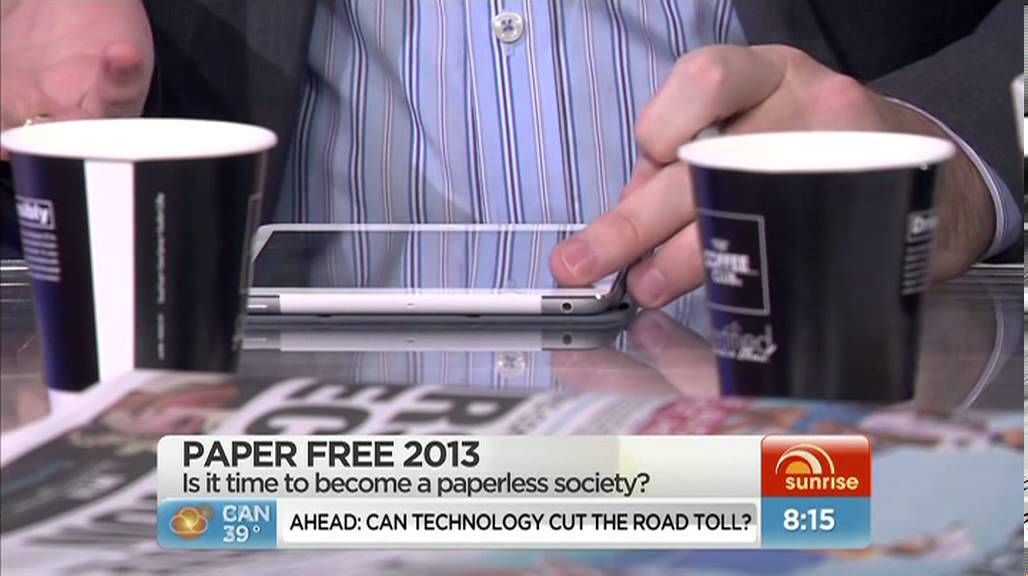
The modern transition from paper-based information systems to digital mediums, and the socioeconomic implications of a 'paperless' society.
123.7K views9.2Klikes15:34Original Release: 2022-02-18
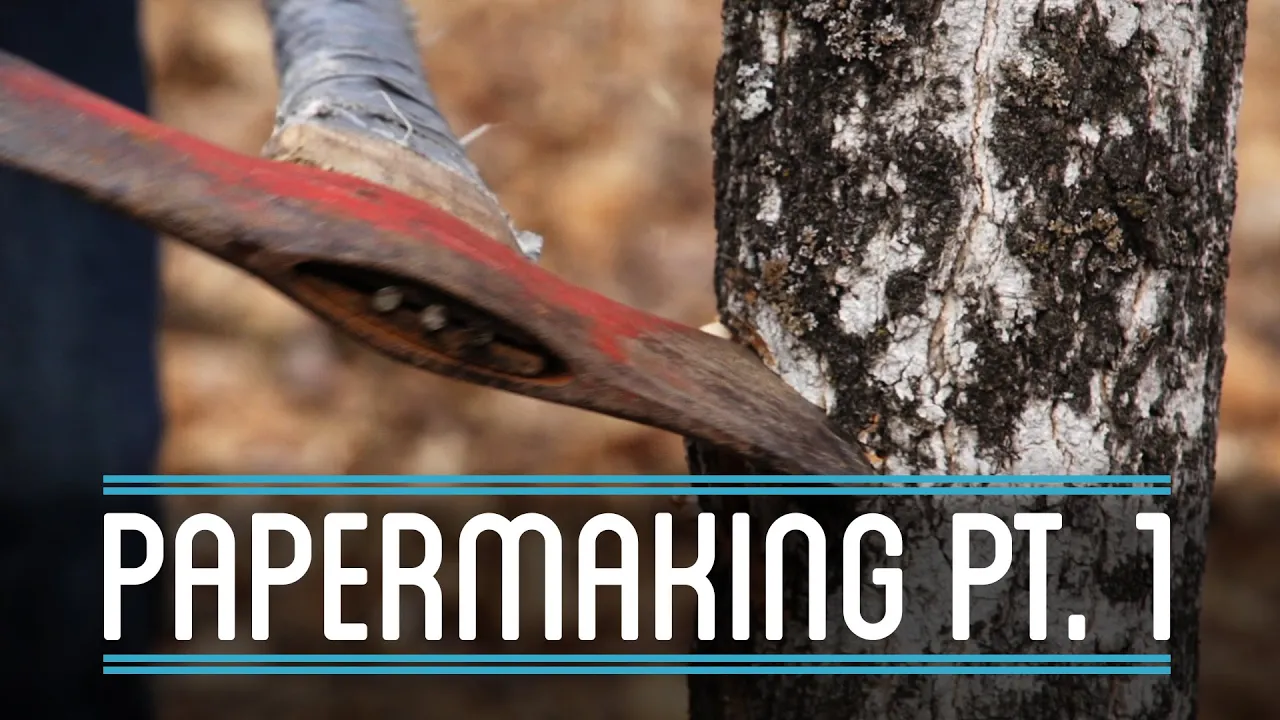
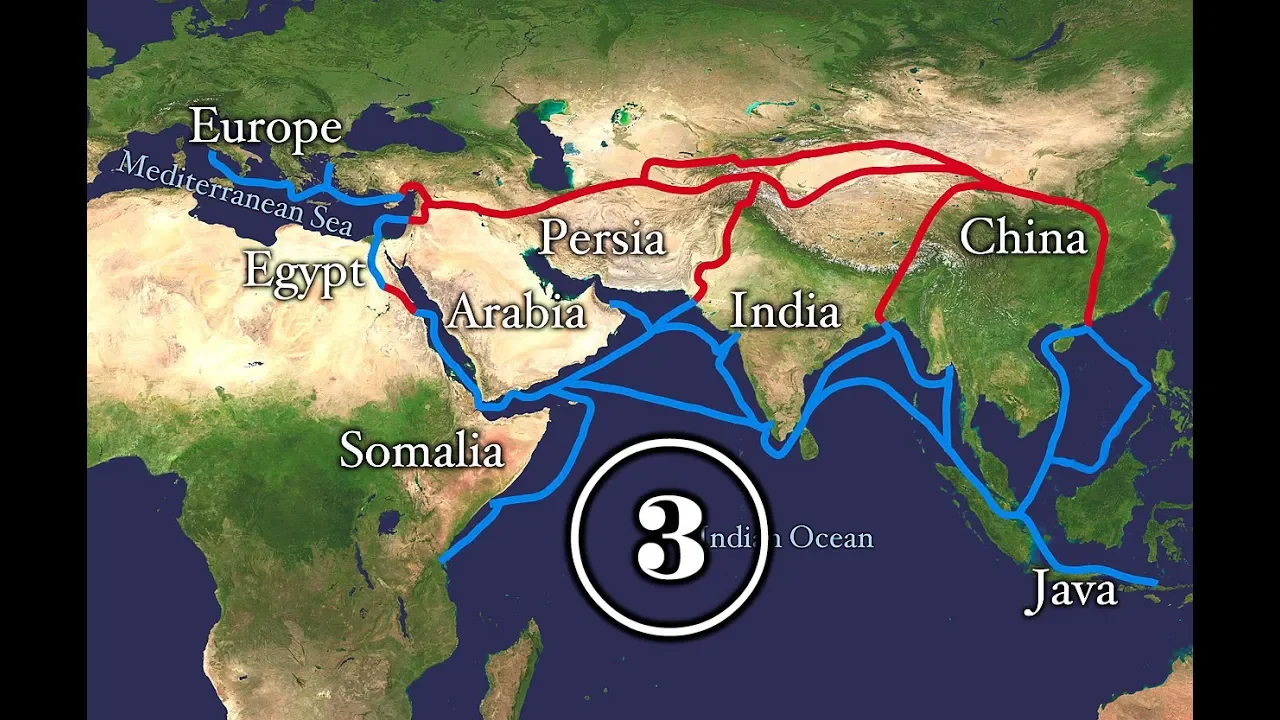
[Music] in a world that is more and more defined by and filled with digital media it's easy to take analog media for granted I mean after all why do you still need those VHS tapes or gosh even CDs and DVDs when you have digital subscriptions in the cloud I mean how does a paper book compared to an e-reader that can hold a whole Library worth of books and not even take up the space of one but whatever you're feeling about the changing nature of media it's easy to forget that all of that originally depended upon a single invention one of the most important in human history paper and its history deserves to be remembered the first pieces of written history appear inscribed on Stone and clay tablets among the early civilizations that formed in the Fertile Crescent otherwise little like paper that clay recorded information effectively it was until around the 4th millennium BC that ancient Egyptians began creating the paper-like material Papyrus from which the modern term paper derives it comes from the Cypress Papyrus plant also known as the paper Reed Nile grass or the Papyrus sge ancient people would cut off ribbonlike strips of the plants piths laying them out into a sheet a second later is laid at top the first at a 90° angle which is then pounded together it's a strong material for writing but very uneven it has a tendency to break along the lines that make up the ribbon strips from the plant Papyrus which was fairly cheap to produce became the primary writing surface as it spread throughout Africa the Middle East the Mediterranean and further into Europe another form of writing surface is using leather or animal skin parchment historically is a riding material prepared from the untanned skins of animals specifically sheep and sometimes goats Vellum also prepared from animal skin was finer and usually made from calf skin difficulties in determining just what kind of animal the material came from has led to considerable overlap in the terms and in Hamlet written between 1599 and 1602 Shakespeare has Hamlet say is not parchment made of sheep skins and Horatio answer I my Lord and of Cal skins too the word parchment comes from the Latin name for the city of paman which was a major Center of parchment production in the helenistic period Pam's control of the trade was so complete for a time that a legend arose that claimed that pamon had invented parchment to compete with Alexandria's Monopoly on the production of Papyrus the story first told in plenty the elders Natural History this tale however is false as parchment was clearly in use elsewhere long before Pam became a major city a century earlier Herodotus mentions the writing on animal skins was common and Greeks and Asia Minor Ed the Greek word for skins to mean books the rise of parchment in paman actually coincides with the over harvesting of Papyrus s which went locally extinct in several areas of the Nile Delta parchment however was used as well by the Egyptians at least as far back as the third millennium BC though surviving examples are rare parchment did become used more widely as time pass with middle e Eastern Texs using parchment in addition to clay tablets and Papyrus from the 6th Century BC parchment became dominant in Europe in the Middle Ages after the fall of Rome although examples of Papyrus documents exist as well the latest Papyrus document of the marenian Franks dates from 692 and Pap bowls were issued exclusively on Papyrus until 10:22 parchment was more durable in colder climates especially making it preferable for many Europeans parchment and other animal skin surfaces also allowed for better storage in the form of codices a codex is a book-like storage solution for written works and allowed long books to be prepared and protected far better than Papyrus which could not be folded although codes were sometimes made with cut pieces of Papyrus the Codex began as reusable tablets of wax tied together as a kind of notebook early Christian writers especially adopted the Codex form for works the first description of a codex appears in the 1st Century ad by 30080 Cotes were as common as Scrolls and by the sixth Century Scrolls were entirely replaced by Cotes in the Greco Roman world World while Papyrus and parchment were the rotting surfaces of choice in Europe Africa and the Middle East and early American civilizations such as the Maya and the Aztecs used folded animal skins or a kind of bark paper it was in China where the revolution of paper began traditionally the invention of paper is attributed to syon Chinese unic Court official of the Han Dynasty descriptions hundreds of years later date his invention of paper to 105 ad replacing the bamboo bone and wooden slips used previously sion's biography in the 24 histories records that Lon initiated the idea of paper making from the bark of trees remnants of hemp Rags of cloth and fishing nets from this time paper has been in use everywhere the earlier Chinese writing surfaces were heavy and while silk was occasionally used it was generally too valuable to be used for writing in reality it's clear that paper existed in China well before syon with the earliest scrap of paper currently extent dating to between 179 and 141 BC silon seems to have made some important Innovations however especially using mberry and other tree fibers and hemp to make paper which made paper production cheaper and allowed much larger amounts to be produced instead of inventing paper making according to archaeologists syo's contribution was to improve the skill systematically and scientifically during the Song Dynasty which lasted from 960 to 1279 print making massively increased demand for paper and the Chinese produced the first paper Bank notes the Chinese also invented the first toilet paper The Invention and proliferation of paper was increasingly important in the development of modern culture especially in developing a culture of literary works and literacy among the populace paper allowed books to be produced in China in their entirety instead of heavy bundles that had to be transported by cart this allowed for a proliferation of book ownership by the fifth century in southern China individuals could realistically own hundreds or thousands of Scrolls Chinese authors in the 6th century were able to readily consult other sources with a small compilation text from the sth century citing over 1,400 other works paper quickly led to China becoming the largest book producing region in the world in the Middle Ages the largest Library collections in China were three to four times larger than the largest collections in Europe the grandest cathedral libraries in Europe were generally smaller than even non-imperial libraries in medieval China paper first spread throughout Asia partially by distribution from Buddhist monks paper making had spread into Central Asia by the 8th Century but exactly how is not certain according to one Persian history historian Chinese prisoners captured at the Battle of Talis between the Chinese Tang Dynasty and the abised caliphate along with Allied Tibetans brought paper making to the Islamic World Talis was also important because it ended Chinese expansion Westward but it isn't clear if the Persian historian writing hundreds of years later is correct Chinese prisoner of the battle who returned to China wrote that some Chinese crafts like Silk weaving were practiced by those prisoners in the caliphate but it isn't specifically mentioned paper making the paper in Central Asia was somewhat different from Chinese paper makers possibly implying that the diffusion was not as Direct in 794 or 795 the first papermaking factories were built in Baghdad by the cffs according to the Islamic historian Ian calun parchment was too scarce to meet the demands of the abised bureaucracy toward the end of the 8th Century the abised grand vazer ordered parchment to be replaced by paper the appearance of paper did cause significant cultural shifts in the Middle East as well facilitating the extensive use of documents and books helped in the standardization of the Arabic language and the transition from oral to written culture paper reduced transaction costs in trade made bureaucracy more efficient increased general knowledge and literacy and allowed for the proliferation and dissemination of History Science and Technology on a level previously unknown the Islamic Legacy of paper making remains in the Modern English language with the use of the word re which comes from the Arabic RMA for bundle or bail by the year 1000 books were proliferating in the Middle East and paper making steadily moved East with evidence of paper being made in gilet Pakistan by the 500s Sam Marland by 751 Egypt by the year 900 and Morocco in 1100 by the 12th century paper was being made in Andalusia Damascus and Aleppo into Europe while paper and books were rapidly proliferating it was still labor intensive and considered valuable which is why paper was accepted by Middle Eastern calligraphers in place of precious garments as payment Middle Eastern Paper also included more rags in its pulp than Chinese paper but also used hemp and flax as well as cotton and sometimes fig tree bark water Mills were used to make it easier to process the pulp and other machines were introduced such as trip hammers replacing the traditional mortar and pesle in paper production the earliest known European paper document was the missile of silos in modern Spain from the 11th century at first Europe saw paper as foreign and suspicious Holy Roman Emperor Frederick II even banned the use of paper for legal documents in 1221 throughout the Middle Ages paper manufacturing began first in Spain and Italy with paper making facilities appearing in Troy France France by 1348 and Holland around the same time in 1390 German Trader om man Strummer set up a mill in nurburg paper making spread across all of Europe in the 1400s to Russia by 1576 and to Sweden by 1612 paperwood replace Parchman as the primary writing material in the Americas Mayan bark paper was fairly similar to the paper developed in the old world but generally had a more fibrous texture European style paper making was brought to Mexico by 1575 and the first paper mill in the American colony started in 16 90 in Philadelphia European and later American Paper production was done mostly with Rags until the industrialization of the industry and the introduction of wood pulp appeared in the 19th century as paper making traveled so did an explosion of books the Middle East surpassed China with enormous libraries beginning in the 9th century and libraries in Islamic centers like Cairo Baghdad and Cordoba surpassed the greatest libraries of China by 1500 southern Europe saw their maturing paper industry produced the same proliferation a single Venetian had 15,000 volumes at his death in 1523 in the 1600s European collections grew to surpass Chinese with the Italian bibliotech Augusta holding 120,000 volumes in 1666 American libraries grew as well with Thomas Jefferson's Private Collection reaching 6,487 volumes National collections in Europe and the US surpassed a million volumes in the 19th century paper making in Europe exploded only after the development of movable type which demanded paper instead of parchment handwritten news sheets began being circulated in Europe in the 16th century and newspapers were common worldwide by the 18th century in 1814 the times of London acquired a printing press capable of making 1,100 Impressions per hour the industry was so reliant on paper that printed news became known simply as the paper but as the years went by the supply of rags and plant fibers proved to be outstripped by the demand for paper in the 19th century Charles fenerty whose family ran Lumber Mills began experimenting with making paper from wood pulp beginning around 1838 including bleaching paper to make it white by 1844 he took a sample to the office of the Acadian recorder newspaper which he said was as firm in its texture as white and to all appearance as durable as the common wrapping paper made from hemp cotton or the ordinary materials feny never patented the idea but in 1845 Frederick G Keller in Germany filed for a patent on wood pulp papermaking although it wasn't commercially successful Britain Henry Ford renier and his brother cely developed a machine that could make continuous BS of paper to industrialize otherwise handmade paper in a Twist the process of formulating such new ideas is sometimes called putting pen to paper a patent was obtained in 1806 but building the machine bankrupted the brother and though the machine was widely adopted little benefit went to Henry or his family Swedish chemical engineer Carl Daniel emman was perhaps more important as his sulfite process of woodpulp manufacturing is what allowed woodpulp paper to become commercially successful this early wood paper is however AIC and prone to a process called slow fire which destroys it thus society's dependence on paper that slowly destroys itself could be called paper thin acid fre paper was only developed in the 20th century and many books are still printed on cheaper acid paper in 1967 John studney then assistant vice president of the hammer Mill paper company gave a special address titled the paper Revolution where he argued that without paper there would be no industry and that paper consumption is indeed the best possible measure of a country's wealth prosperity and progress the US was best he went on to say because it used 530 pounds of paper per person Canada and Sweden used just over 300 while communist Russia use less than 50 well weather was a truly good measure of prosperity is debatable but he certainly spoke to the vital importance of paper in the modern world and despite the modern imperative to go paperless both in the name of convenience and in being environmentally conscious it's very likely that you interacted with paper in some form today in fact us consumption of paper at 660 pounds per person per year is higher than it was when studney made his observation in 1967 according to the website Statia 422 million metric tons of paper were consumed worldwide in 2018 paper's Legacy goes beyond that too defining the size and appearance of our applications even in the digital world where Microsoft Word and Google Docs present faux pieces of paper even for text that will never actually be printed governments are so reliant on paper documents that recordkeeping is called paperwork and completing arduous paperwork is called a paper chase tracing actions via documents is called a paper trail government bureaucrats are called paper pushers and government documents such as proof of identity are simply called your papers academics so rely on paper that an assignment to write on a subject is simply called a paper and you could literally be assigned to write a paper on the history of paper ironically the modern phrase for an idea that looked better in a plan than it actually performed is on paper on paper it was a good idea and if the ID is really bad it's not worth the paper it's printed on despite most Financial transactions being electronic the language of Finance is still tied to paper documents using terms such as bad paper short-term paper and Commercial paper to refer to stocks bonds checks and cash money itself called green paper when something is not as dangerous as it appears it is a paper tiger if you're perceived to be incompetent you're said to be unable to punch yourself out of a wet paper bag and for such performance you might get your Walking Papers if you do something noteworthy you might make the papers and if you and a friend live chaotic lives you might casually say goodbye by saying see you in the funny papers I don't believe that I would just be papering over the transformations of the digital age to note that paper still plays a critical role in society paper is without a doubt one of the most important inventions in all of human history and paper continues to play important roles in packaging for writing and for General functions of of society I hope you enjoyed this episode of the history guy check out our community on the historyguy guild.
locals.com our web page at theis guy.com and our merchandise at teespring.com or book a special message from the history guy on Cameo and if you'd like more episodes of Forgotten history all you have to do is subscribe [Music]
Up Next
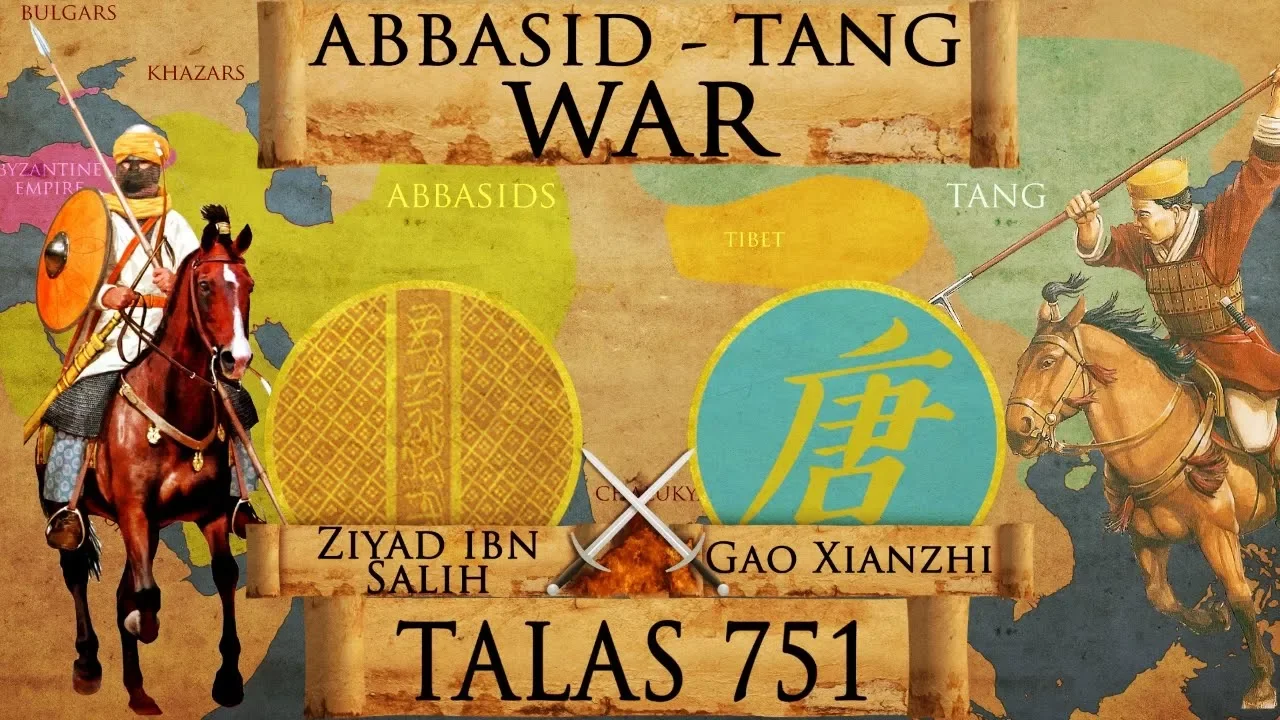
9:06
Battle of Talas 751: Abbasid-Tang War Explained
@KingsandGenerals
1.5M views•2018-02-18

33:02
The Great Schism of 1054: Causes and Consequences
@SacredCathedrals
113.5K views•2026-02-19

15:08
The Evolution of Elevators: From Ancient Lifts to Skyscrapers
@TheHistoryGuyChannel
436.7K views•2020-01-08
17:05
Understanding the Cold War: Superpower Conflicts and the Road to Détente
@OverSimplified
46.1M views•2019-01-24
Related Study Plans & Knowledge Roadmaps
Structured learning paths in History
history
Byzantine Iconoclasm: Theology, Art & Politics
01Foundations of Byzantium and Early Christian Images
02The First Iconoclasm: Leo III and the Crisis of Images
03Empress Irene, Nicaea II, and the Second Iconoclasm
+ 2 more learning modules
9h5 modules
Explore Roadmap
history
Iranian Revolution (Causes, Events & Legacy)
01The Pahlavi Dynasty and the Roots of Discontent
02The Spark of Rebellion and the Rise of Khomeini
031979: The Fall of the Shah and the Climax of the Revolution
+ 2 more learning modules
8h5 modules
Explore Roadmap
history
Mali Empire: Mansa Musa, Trade & Timbuktu
01Foundations of the Mali Empire
02The Trans-Saharan Gold and Salt Trade
03The Reign and Pilgrimage of Mansa Musa
+ 1 more learning modules
6h4 modules
Explore Roadmap
history
1947 Partition: Politics, Borders & Legacies
01Foundations of British India and the Divide
02The Political Negotiations and the Mountbatten Plan
03Drawing the Boundary: The Radcliffe Line
+ 2 more learning modules
8h5 modules
Explore Roadmap