





![1254- La crisi dell'esercito musulmano che anticipò la guerra civile [Pillole di Storia]](https://i.ytimg.com/vi/QMq5qDTvxkc/maxresdefault.jpg)

















![[UPDATE] JKDN + Subtitle Full HD](https://i.ytimg.com/vi/82_j16Bsczw/maxresdefault.jpg)

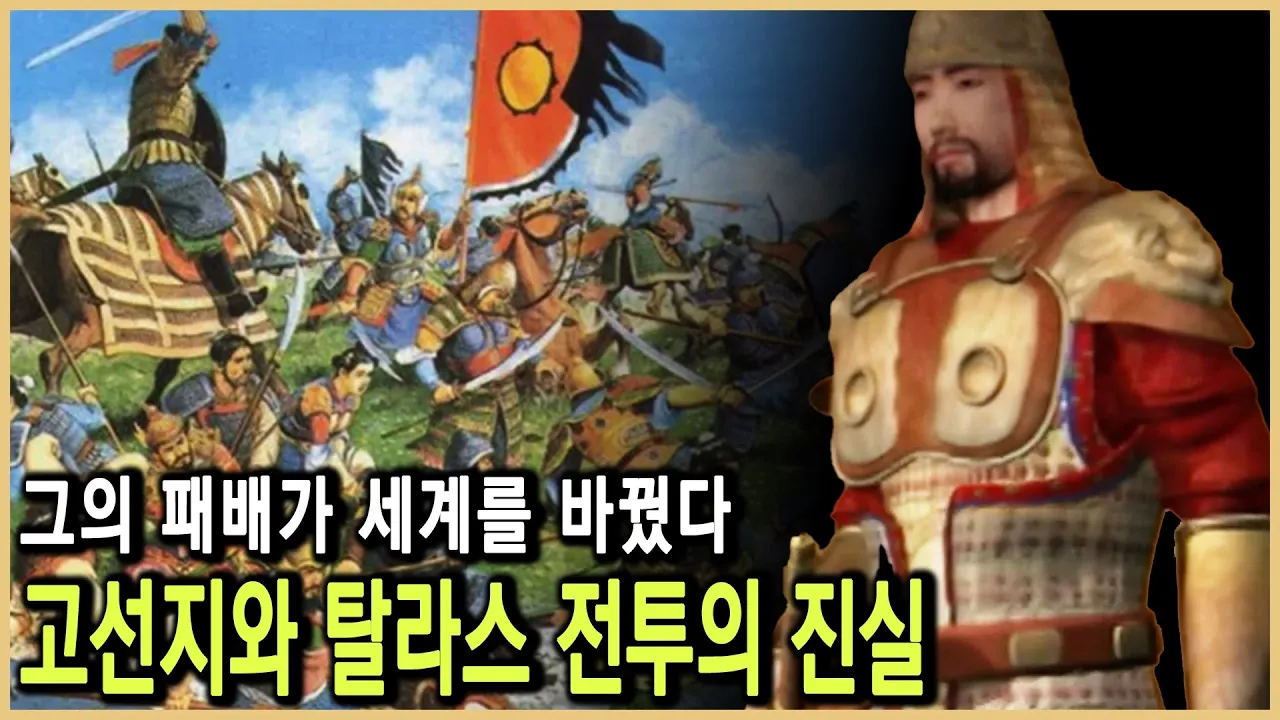
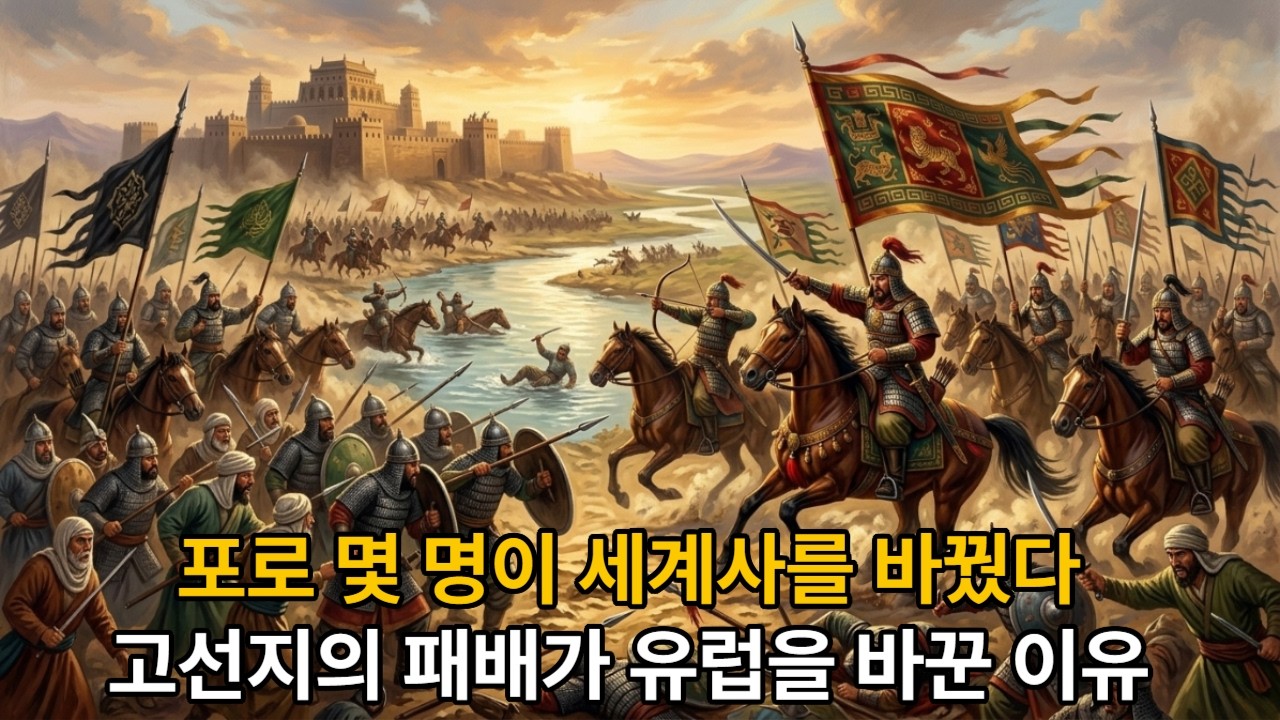
The Battle of Talas in 751 between the Abbasid Caliphate and the Chinese Tang Empire, though militarily inconclusive with the Chinese losing more troops, fundamentally transformed Central Asian history by enabling the spread of Islam among Turkic peoples and facilitating the transfer of Chinese papermaking technology to the Islamic world, which later reached Europe and contributed to the Renaissance.
Battle of Talas 751: Abbasid-Tang War Explained
Added:The expansionist foreign policy of the Tang Dynasty and the establishment of the Anxi Protectorate in Central Asia.
The rise of the Abbasid Caliphate, which overthrew the Umayyad Dynasty in 750 CE, and its subsequent eastern territorial ambitions.
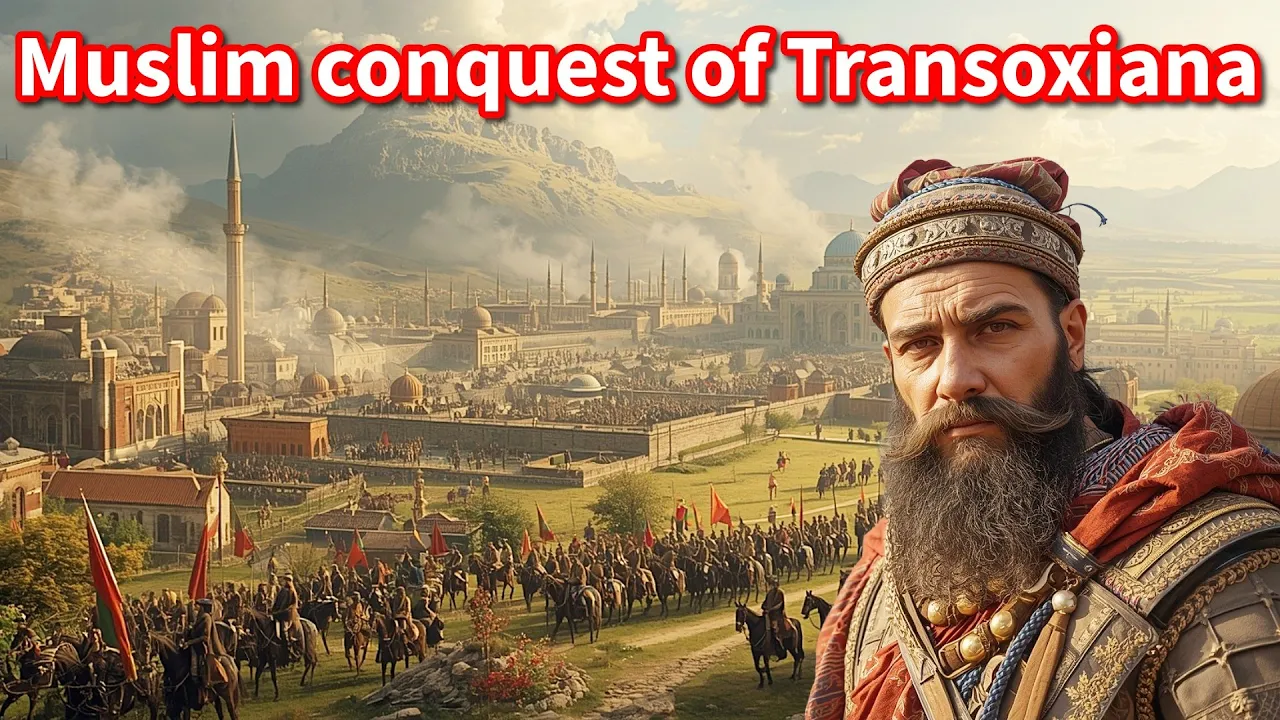
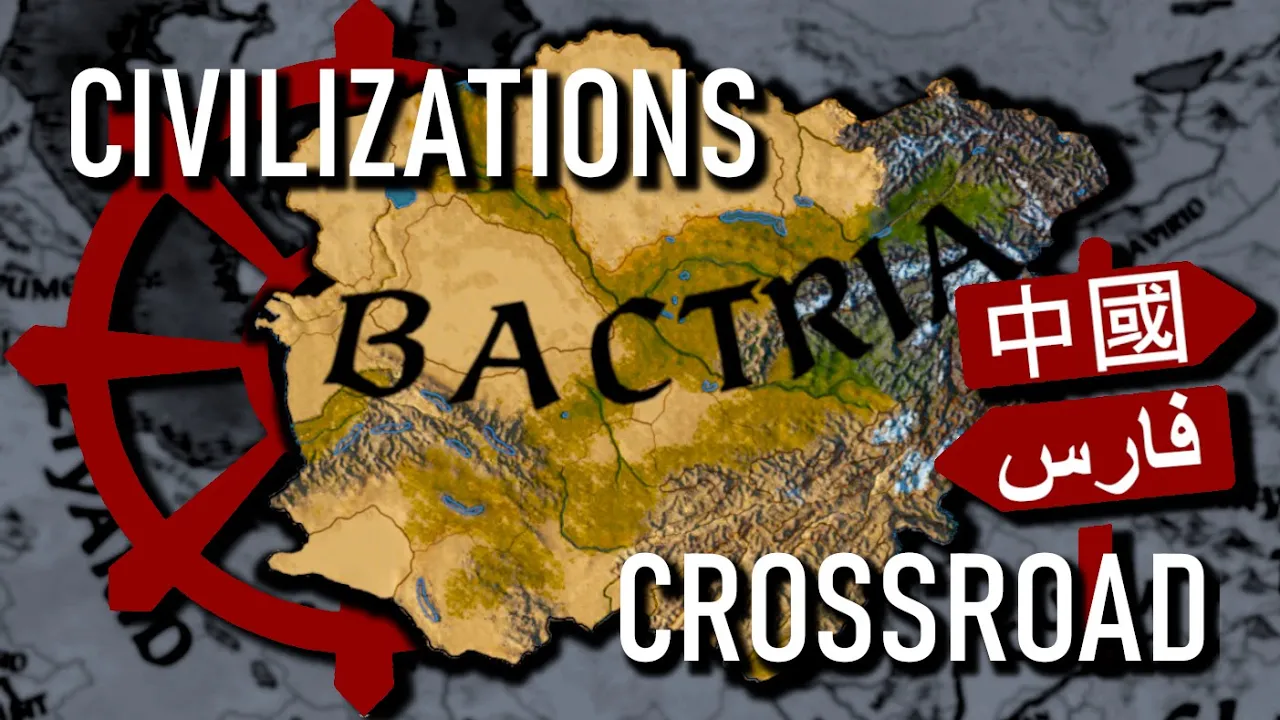
The geopolitical and economic importance of the Silk Road trade networks and the regional powers of Transoxiana.
The technological monopoly of papermaking held by China prior to the mid-8th century.
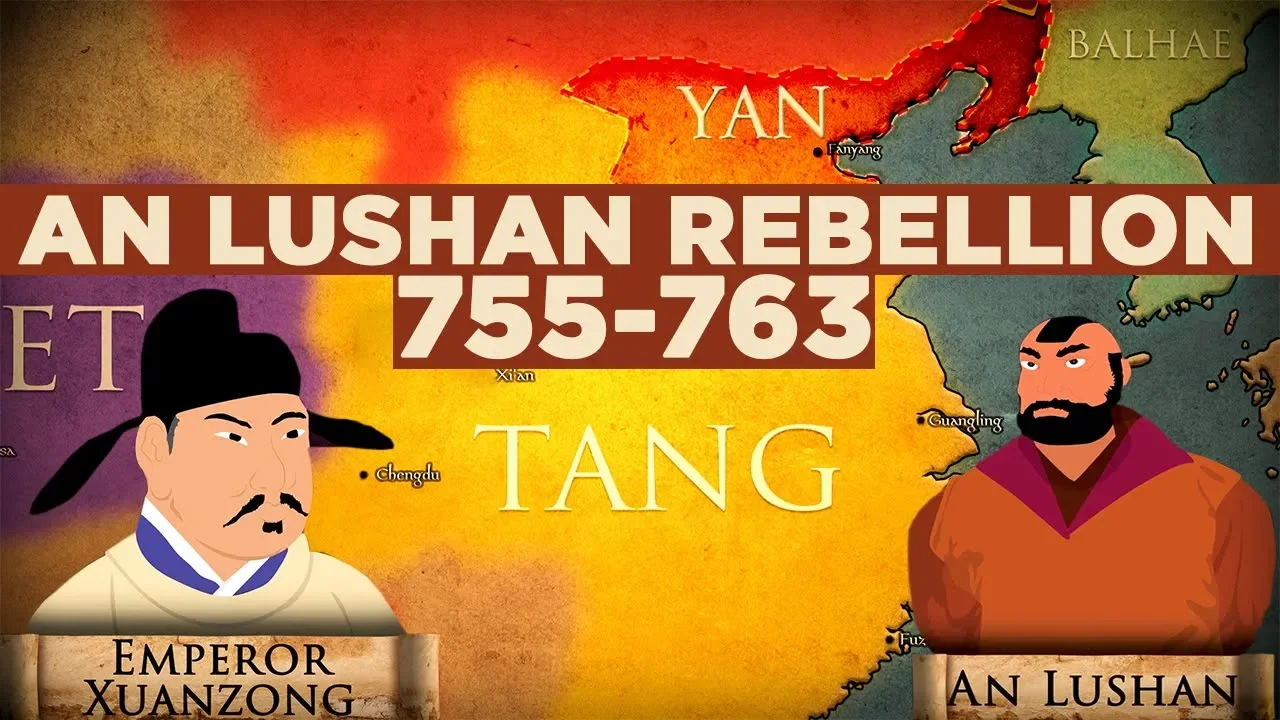
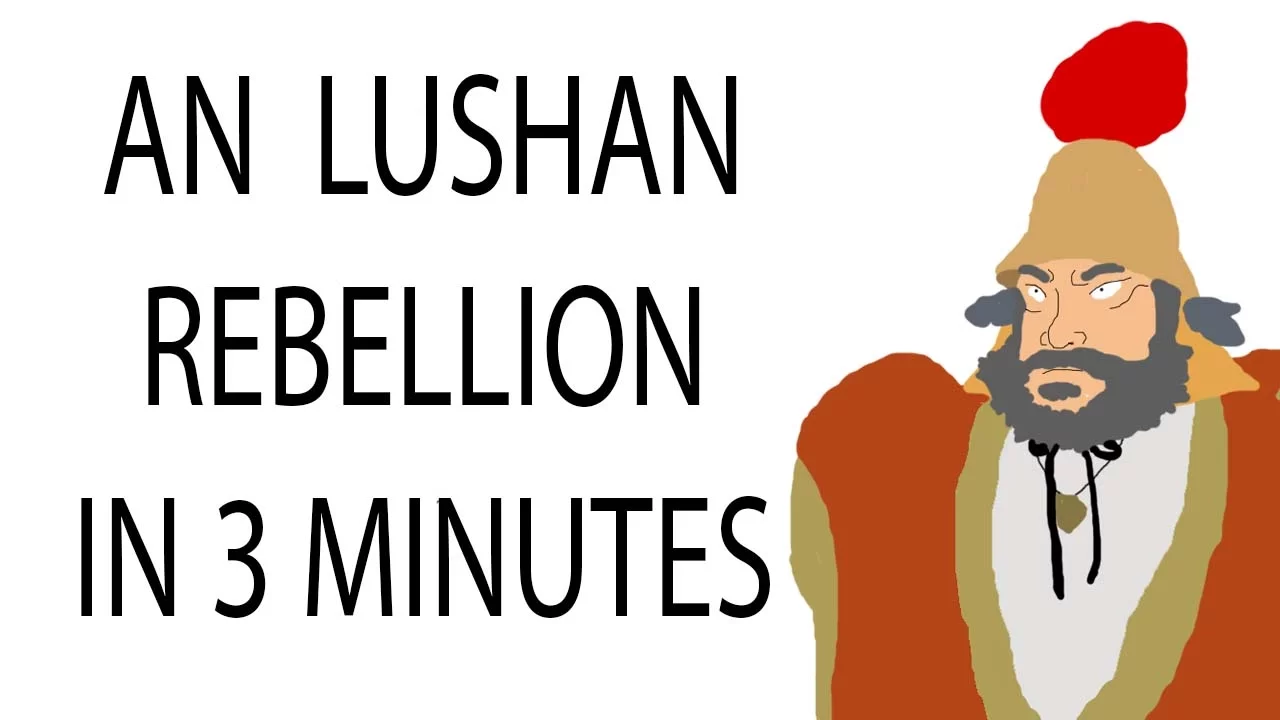
The An Lushan Rebellion (755 CE) and how it forced the Tang Dynasty to permanently withdraw its military forces from Central Asia.
The transmission of papermaking technology from captured Chinese artisans to Samarkand, Baghdad, and eventually Europe, fueling the Islamic Golden Age.
The long-term cultural shift and Islamization of Central Asia, transitioning away from Buddhist, Christian, and Zoroastrian dominance.
The development of post-war diplomatic and trade relations between the Abbasid Caliphate and the Tang Dynasty.
1.5M views32.6Klikes9:06Original Release: 2018-02-18
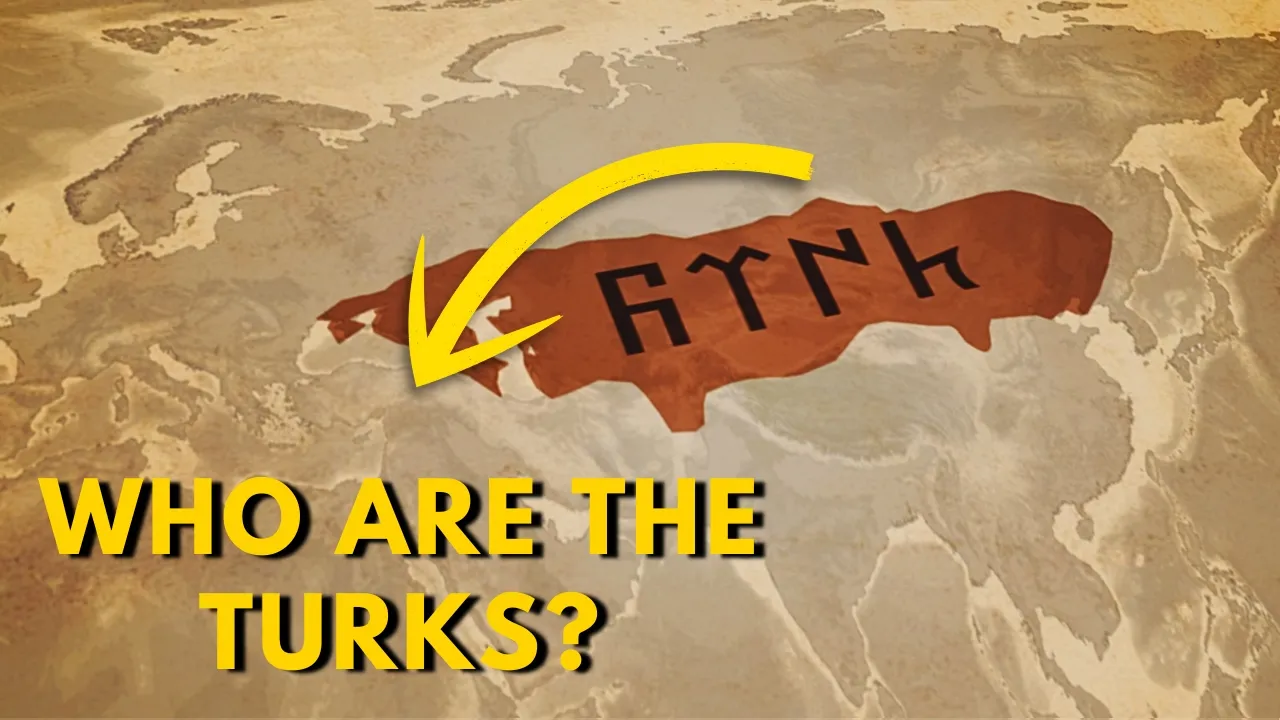
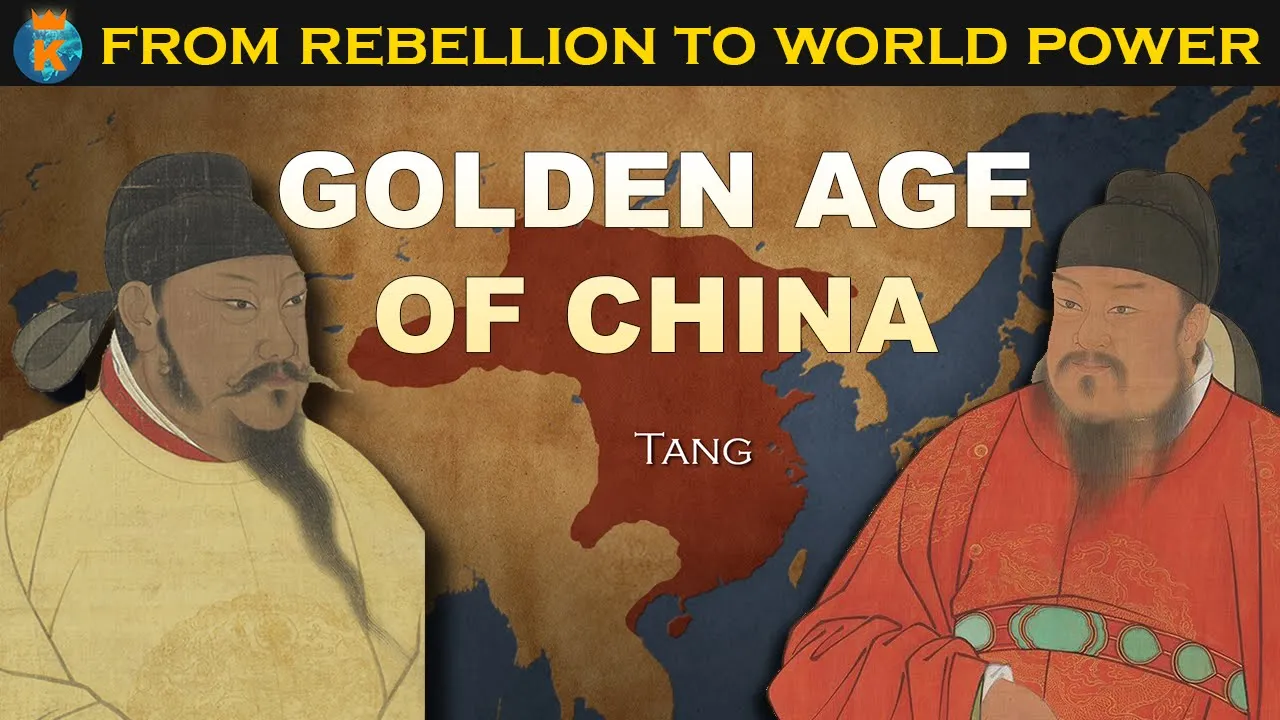
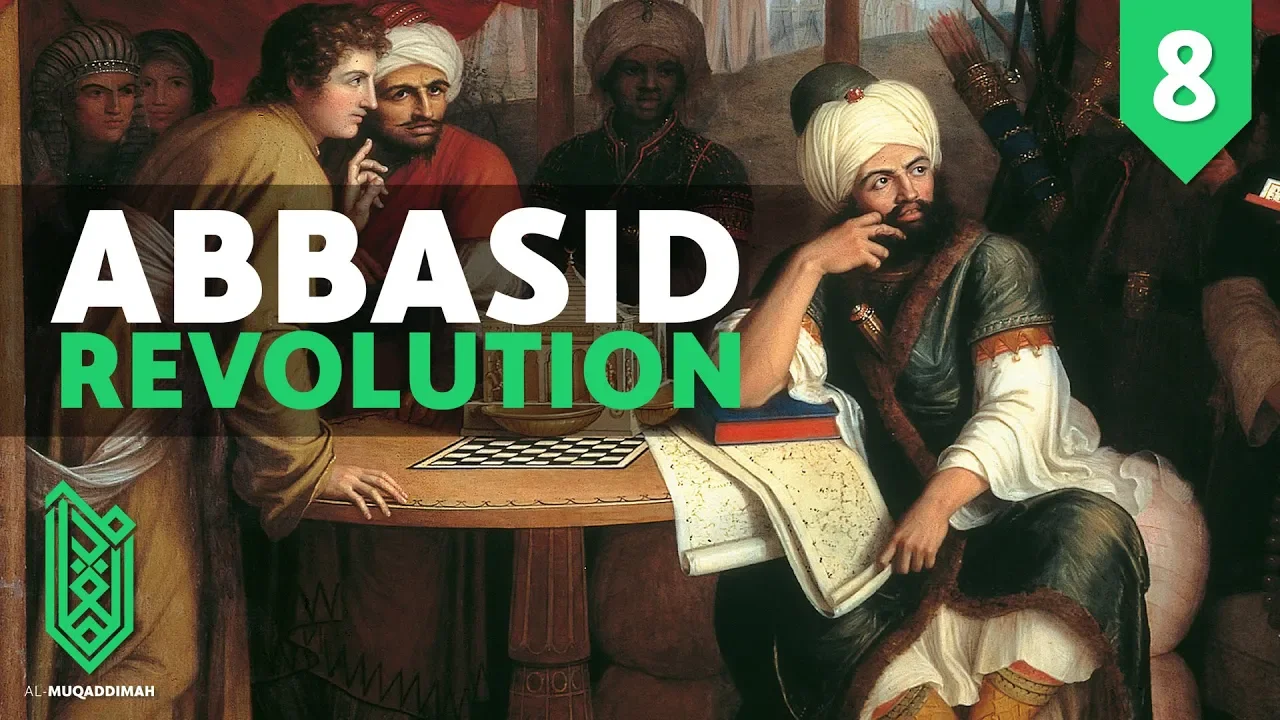
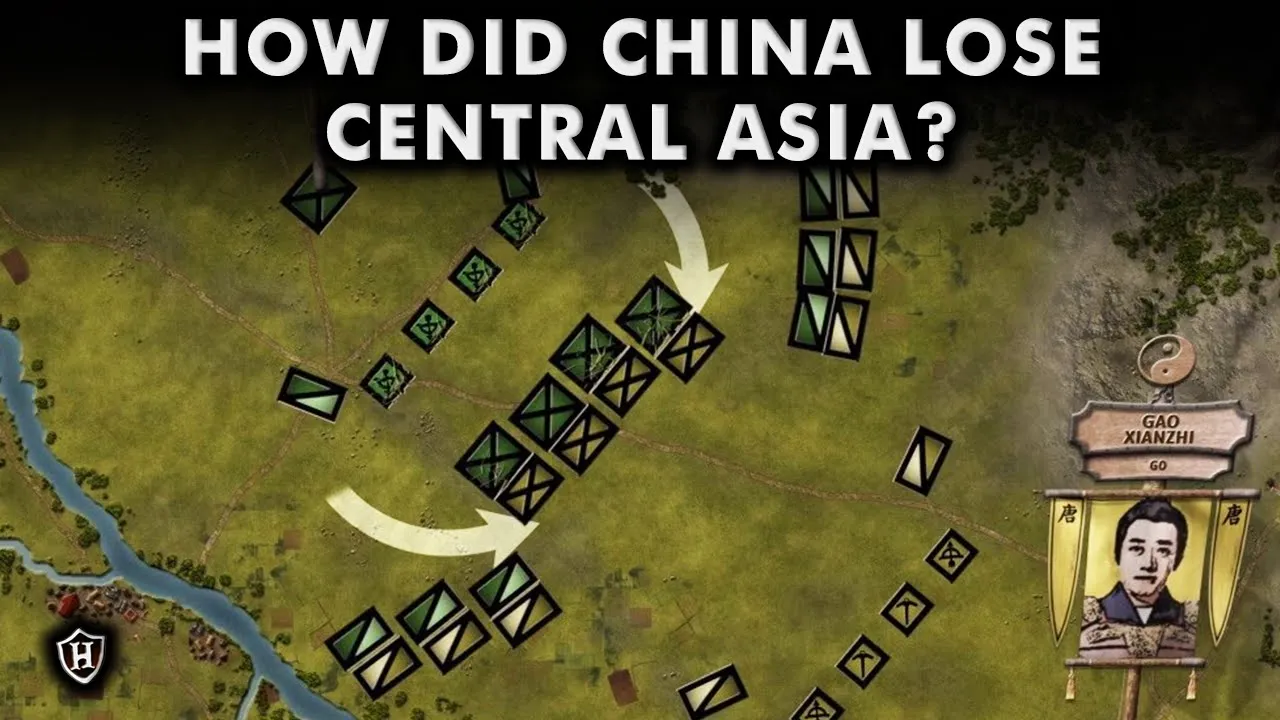
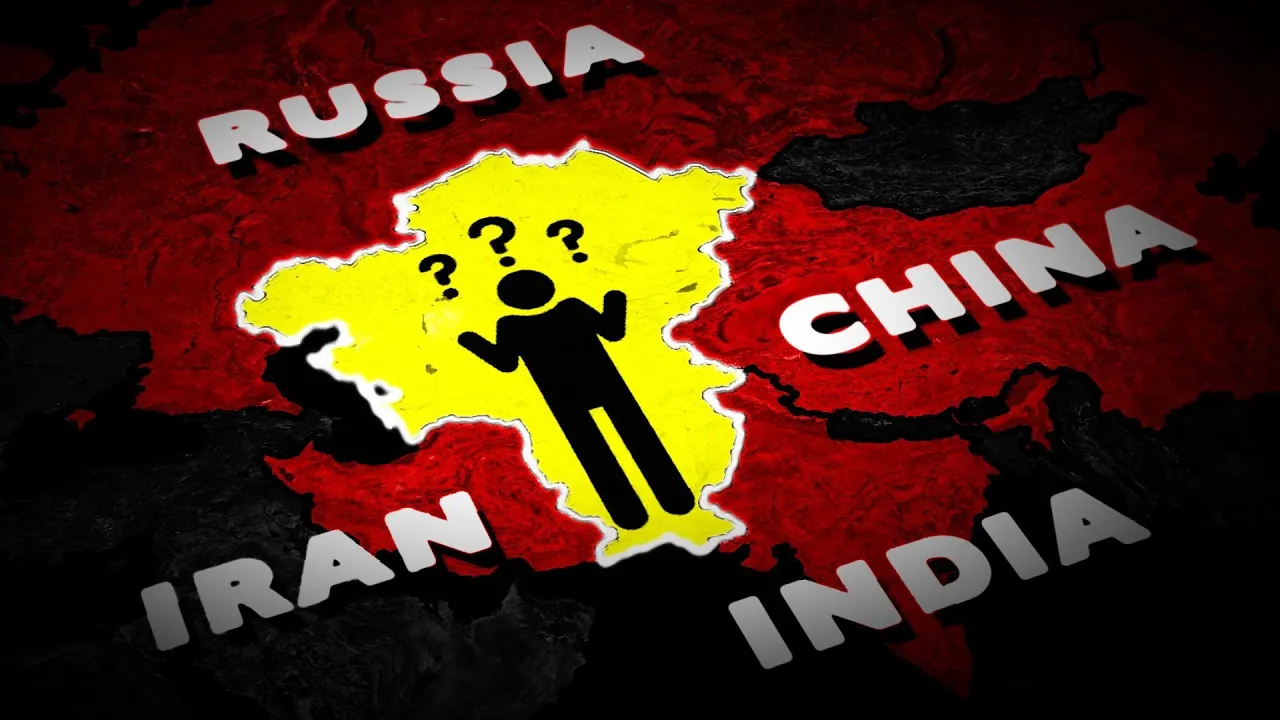
This video was suggested and sponsored by our patreon supporter Fahad Al Mandil Supporting us on patreon is the best way to propose and sponsor a new video Both the Muslim Abbasid Caliphate and the Chinese Tang Dynasty had been expanding their territories towards central asia and their growth finally culminated at the Battle of Talas in 751 This conflict is relatively unknown and its initial results changed very little in the region However the ripples created by this battle would have a number of implications in later centuries and influence the history of the world The Tang Dynasty came to power in China in 618 and started its expansion towards the west By 6:30 the territory of the Eastern Turkic Khaganate was incorporated into the Tang domain and by 657 the Western Turkic Khaganate was decisively defeated Despite the rivalry with be tibetan empire to the south and the second Turkic Khaganate to the north by 715 the Tang Empire became the biggest chinese state since the Han and gained vast influence in Central Asia with many of the smaller states in the region becoming its vassal To the west the Muslim Caliphate managed to defeat both the eastern Roman and the Sassanid empires in the middle of the seventh century and established a vast empire of its own a new Umayyad dynasty controlled territory from Spain to Central Asia and from Arabia to the Caucasus The Caliphate fought a number of local wars against the turkic tribes of Central Asia and by 715 controlled most of transoxiana The two great empires now shared control of the Silk Road a conflict became inevitable The details of the initial clashes are not clear, but we know that the first conflict have heard in the Fergana Valley in 715 And despite Tibetan assistance the Muslims were defeated The same thing happened two years later when the Chinese sent an army of Karluk mercenaries who beat the Arabs and Tibetans Umayyad expansion was also curbed by revolts a number of them failed but finally in 750 a Rebellion led by As-Saffah defeated the Umayyads and the new Abbasid dynasty came to power It seems that the Chinese knew about the internal strife within the Caliphate and attempted to use it to subdue Central Asia in 747 the local Chinese Commander Gao Xiangshi started a campaign against the city-state of gilgit which was allied to the Tibetan Empire His victory in this campaign was Swift He was appointed the governor of the region and forced many petty kingdoms to become town vassals The local states of Fergana and Tashkent were feuding during that period the former asked for the Chinese to help and in the spring of 750 Gao attacked and captured Tashkent the Princes of Tashkent had no other choice, but to cool upon the Arabs The local Muslim force led by Ziad ibn Said left, Samarkand and started marching along the Talas River Gao was slowly retreating to unite with his Karluk allies the two armies finally met in the second half of 751 somewhere along the modern-day border of Kazakhstan and Kyrgyzstan The numbers of participants in the battle are recorded very differently across the Arabic and Chinese sources The former claim that both sides had around 100,000 troops while the latter insists there were about 200,000 Caliphate troops and 30,000 to town warriors However the flow of battle suggests that there was parity between both sides And as the battle took place on the edges of the two empires hundreds of kilometers away from their respective centers with very little prior preparation It is conceivable that both sides had between thirty and fifty thousand Ziad ibn Said's army consisted of Arabic troops with added Contingents from the tibetan empire and the Turkic Turkish Khaganate Gao's forces were predominantly from China with an infusion of local Allied troops from Fergana The sources are not clear on whether the Karluk Turks were with Gao from the beginning of the battle Or didn't join his army at all The Chinese army was more infantry heavy while their counterparts had an equal number of cavalry and infantry units There are two central depictions of the battle and we will present both of them according to the first see a dip and Sally deployed his troops in a standard formation a Line of archers in front and spearmen behind them heavy cavalry in the rear with his guard and the light cavalry in reserve Gao similarly had his crossbowmen and archers in front with his spearmen in the second line his guard and the Fergana Contingent in the third with Karluk turks on his extreme flanks The first three days of the battle were nearly identical The Chinese troops attacked across the front and their archers got the better of their counterparts dealing substantial damage to the enemy missile units The Arab archers had to retreat behind their spearmen and the infantry lines collided as Gao's spearmen had better armor they managed to push the foe back The Muslim general attempted to alleviate the pressure on his infantry by sending his heavy cavalry to attack the lighter column cavalry on the Chinese flanks this attack failed to outflank Gao's units, but the Chinese general had to move his reserves into the fray a similar sequence of events happened on the second and third days but on the fourth day the Karluk turks betrayed the Chinese and attacks their infantry from the flanks while the Arab army made a frontal charge Gao's army collapsed between 10 and 20 thousand Arabs died in this battle while the Chinese Probably lost close to 30,000 The second account of the battle is very different The Chinese and Muslim forces did not dare to attack each other for four straight days While a third army a smaller Karluk force stayed beyond the Talas River not joining either side On the morning of the fifth day the Karluk attacks the Chinese army from the left flank and the Muslim forces Entered the battle and attacked them from the front It is not clear if the Karluks and Arabs planned this but in any case The Chinese army was broken and only a few thousand of the troops close to Gao were able to escape The Tang sends new armies to the area and contained Arabian expansion, but in 755 a great rebellion started in China and the troops operating in Central Asia had to return home The Abbasids also failed to establish stable control over these lands and Turkic influence continued to rise The Battle of Talas had a number of implications the influence of Buddhism in the region was on the decline after it and as China and India were no longer connected by Al and differences between the two branches of Buddhism in these countries became more prominent throughout the centuries Meanwhile the Turks started adopting Islam And that set up the Seljuk conquests in the Middle East the Crusades the fall of Byzantium and the rise of the Ottoman Empire and most importantly of all papermaking technology Which was previously kept secret by the Chinese states was stolen by the abbasids and found its way to the Middle East and Europe Thank you for watching our documentary on the Battle of Talas We would like to express our gratitude to our patreon supporters who make the creation of these videos possible Patreon is the best way to suggest a new video learn about our schedule and so much more This is the kings and Generals Channel, and we will catch you on the next one
Up Next
13:04
Medieval Islamic Science: Crash Course History of Science #7
@crashcourse
1.2M views•2018-05-14

33:02
The Great Schism of 1054: Causes and Consequences
@SacredCathedrals
113.5K views•2026-02-19
19:41
The Great Schism: Catholic-Orthodox Rivalry in Medieval Christianity
@KingsandGenerals
2.6M views•2020-02-06

17:05
Understanding the Cold War: Superpower Conflicts and the Road to Détente
@OverSimplified
46.1M views•2019-01-24
Related Study Plans & Knowledge Roadmaps
Structured learning paths in History
history
Byzantine Iconoclasm: Theology, Art & Politics
01Foundations of Byzantium and Early Christian Images
02The First Iconoclasm: Leo III and the Crisis of Images
03Empress Irene, Nicaea II, and the Second Iconoclasm
+ 2 more learning modules
9h5 modules
Explore Roadmap
history
Iranian Revolution (Causes, Events & Legacy)
01The Pahlavi Dynasty and the Roots of Discontent
02The Spark of Rebellion and the Rise of Khomeini
031979: The Fall of the Shah and the Climax of the Revolution
+ 2 more learning modules
8h5 modules
Explore Roadmap
history
Mali Empire: Mansa Musa, Trade & Timbuktu
01Foundations of the Mali Empire
02The Trans-Saharan Gold and Salt Trade
03The Reign and Pilgrimage of Mansa Musa
+ 1 more learning modules
6h4 modules
Explore Roadmap
history
1947 Partition: Politics, Borders & Legacies
01Foundations of British India and the Divide
02The Political Negotiations and the Mountbatten Plan
03Drawing the Boundary: The Radcliffe Line
+ 2 more learning modules
8h5 modules
Explore Roadmap