














![윤 대통령 경제정책의 근원! [선택할 자유] | 이광수 대표 , 류동민 교수 | 알릴레오 북's 시즌5 2회](https://i.ytimg.com/vi_webp/mKHke3sOYOA/maxresdefault.webp)





![[J_TV] #311. 현대통화이론(M.M.T) 엿보기](https://i.ytimg.com/vi/85DVYAliiOM/maxresdefault.jpg)
This video presents a rap battle between John Maynard Keynes and F.A. Hayek, two influential 20th-century economists, explaining their opposing views on the causes of economic booms and busts; Keynes argues that government intervention through increased spending and aggregate demand management is necessary to combat recessions caused by 'animal spirits' and sticky wages, while Hayek contends that booms are primarily caused by artificially low interest rates set by central banks, which lead to malinvestments and subsequent busts, making market corrections essential for sustainable economic growth.
Keynes vs. Hayek Economics Rap Battle: Boom and Bust Explained
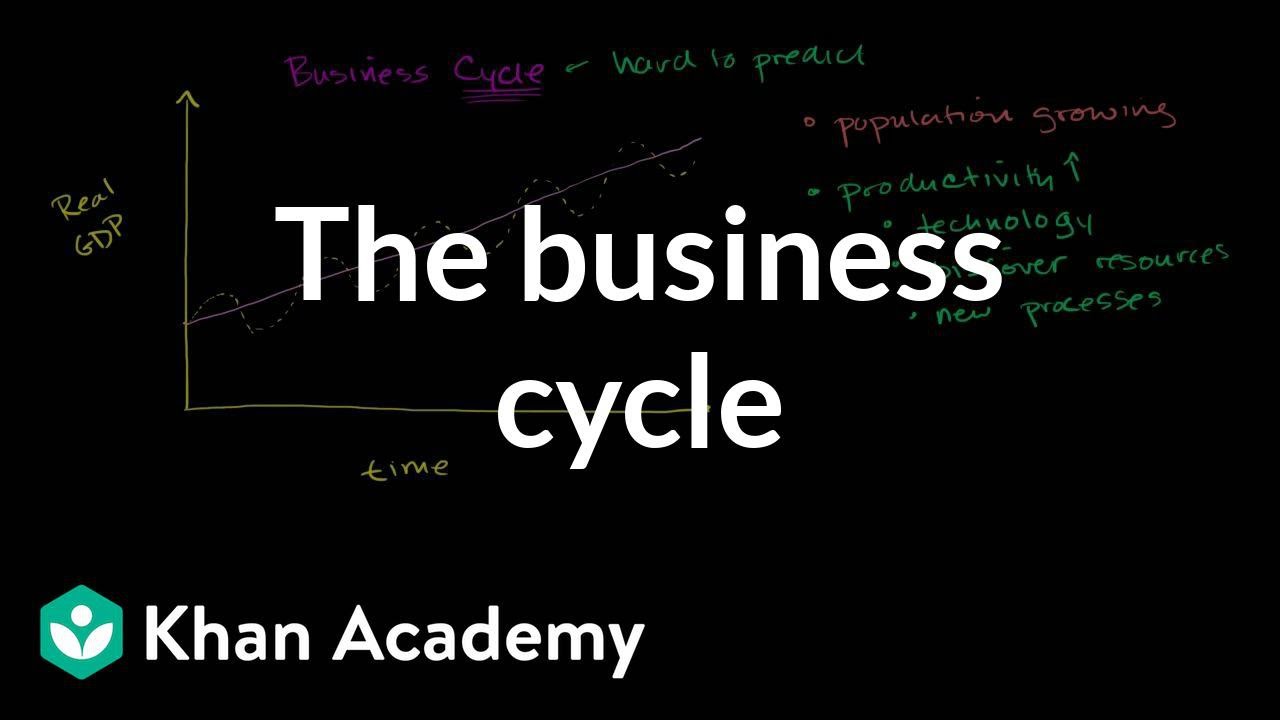
Added:The basic phases of the business cycle, including economic expansions (booms) and recessions (busts).
The fundamental roles of monetary policy (managed by central banks via interest rates) and fiscal policy (managed by governments via spending and taxation).
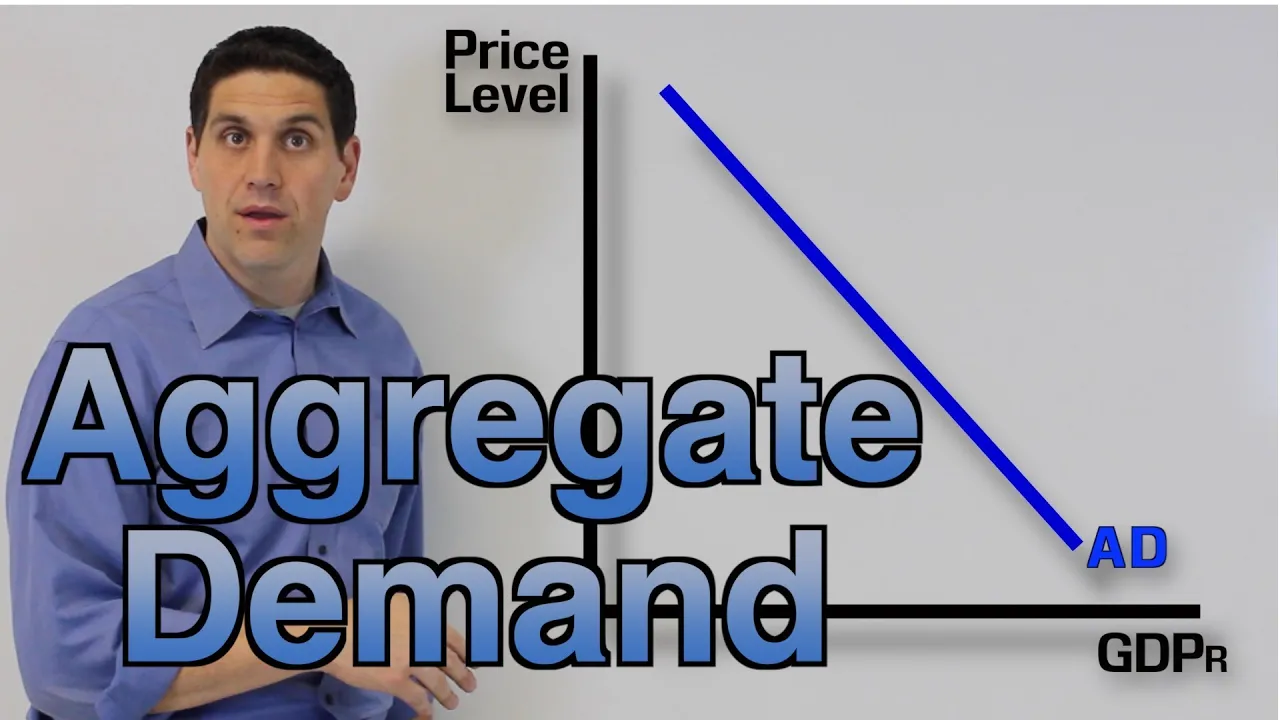
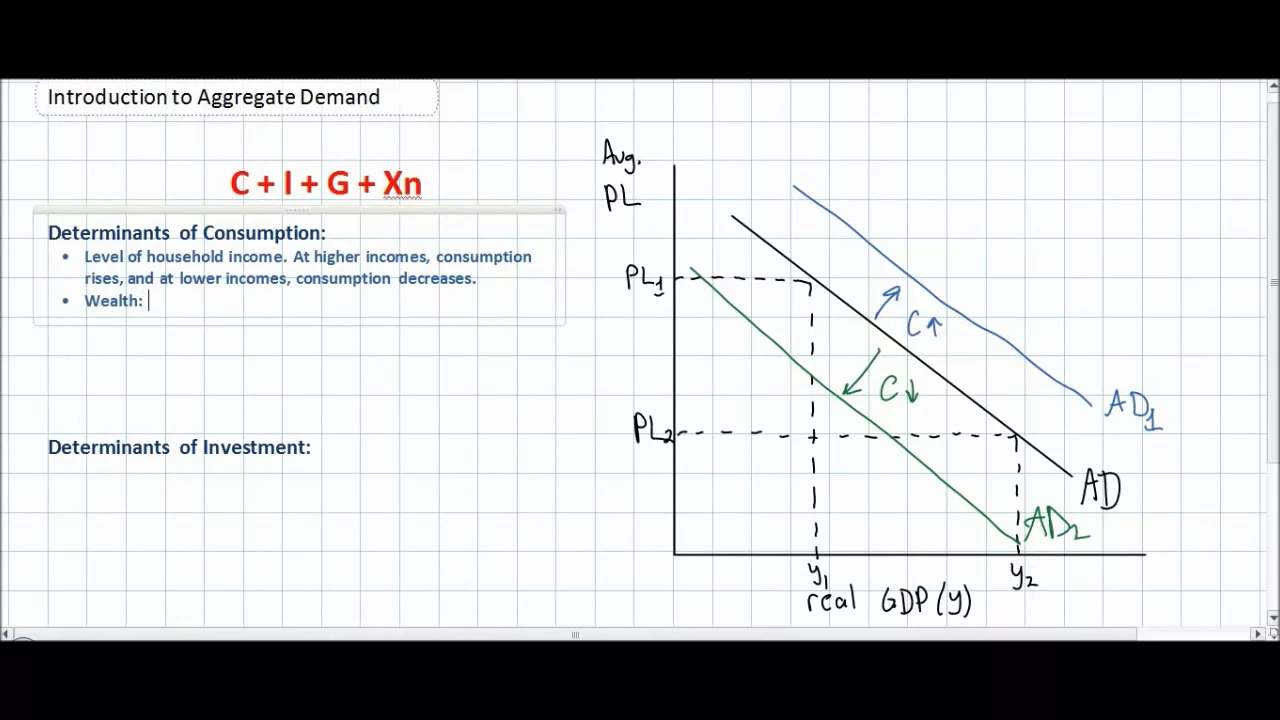
An introductory understanding of aggregate demand and how consumer, business, and government spending drive economic output.
The core philosophical difference between state interventionism (government regulation) and laissez-faire capitalism (free-market self-regulation).
Analyzing real-world economic events, such as the Great Depression, the 1970s stagflation, and the 2008 Financial Crisis, through both Keynesian and Austrian lenses.
The study of Monetarism (associated with Milton Friedman) and how it serves as a bridge or alternative to Keynesian and Austrian theories.
An in-depth look at the mechanics of central banking, quantitative easing, and the potential long-term risks of low-interest-rate environments.
Evaluating modern policy debates, such as austerity versus stimulus packages, and the emergence of Modern Monetary Theory (MMT).
8.8M views84.1Klikes6:18Original Release: 2010-01-24
>> HOTEL CLERK: Lord Keynes! Welcome, sir. It's a pleasure.
>>KEYNES: The pleasure's all mine. >>CLERK: Your agenda-- >>KEYNES: That won't be necessary. I am the agenda. >>CLERK: [laughs] >>KEYNES: Tell them I've arrived-- >>HAYEK: And then tell them I've arrived.
>>CLERK: And, your name is?
>>HAYEK: Hayek. F.A. Hayek. With an "H".
>>KEYNES: Freddy. (yeah) Keynes. Hey, listen, party at the Fed.
>>HAYEK: Already? >>KEYNES: Twenty minutes. Lobby.
John Maynard Keynes. F.A. Hayek.
>>KEYNES: Yeah, we're opposed >>HAYEK: We oppose each other philosophically >>KEYNES: In the same studio We've been going back and forth for a century >>KEYNES: I want to steer markets >>HAYEK: I want them set free There's a boom and bust cycle, and good reason to fear it >>HAYEK: Blame low interest rates >>KEYNES: No... it's the animal spirits John Maynard Keynes wrote the book on modern macro The man you need when the economy's off track Depression, recession, Now your question's in session Have a seat and I'll school you in one simple lesson Boom! 1929: the big crash, We didn't bounce back, economy's in the trash Persistent unemployment, the result of sticky wages, Waiting for recovery? (Seriously?) That's outrageous I had a real plan any fool can understand, The advice real simple: boost aggregate demand!
C, I, G, altogether gets to Y, Keep that total growing, watch the economy fly We've been going back and forth for a century >>KEYNES: I want to steer markets >>HAYEK: I want them set free There's a boom and bust cycle, and good reason to fear it.
>>HAYEK: Blame low interest rates >>KEYNES: No... it's the animal spirits You see it's all about spending, Hear the register cha-ching Circular flow, The dough is everything So if that flow is getting low, It doesn't matter the reason We need more government spending, Now it's stimulus season So forget about saving, Get it straight out of your head Like I said, "In the long run, we're all dead" Savings is destruction, that's the paradox of thrift, Don't keep money in your pocket or that growth will never lift, because Business is driven by the animal spirits, The bull and the bear and there's reasons to fear It's effects on capital investment, income, and growth That's why the state should fill the gap, with stimulus both The monetary and the fiscal, they're equally correct Public works, digging ditches, war has the same effect Even a broken window helps the glass man have some wealth The multiplier driving higher the economy’s health And if the Central Bank’s interest rate policy tanks A liquidity trap, that new money’s stuck in the banks!
Deficits could be the cure, you been looking for Let the spending soar, now that you know the score My General Theory’s made quite an impression [a revolution] I transformed the econ profession You know me, modesty, still I’m taking a bow Say it loud, say it proud, we’re all Keynesians now We’ve been goin’ back and forth for a century >>KEYNES: I want to steer markets, >>HAYEK: I want them set free There’s a boom and bust cycle and good reason to fear it >>KEYNES: I made my case, Freddie H Listen up, Can you hear it?
>>HAYEK: I’ll begin in broad strokes, just like my friend Keynes His theory conceals the mechanics of change That simple equation, too much aggregation Ignores human action and motivation And yet it continues as a justification For bailouts and payoffs by pols with machinations You provide them with cover to sell us a free lunch Then all that we’re left with is debt, and a bunch If you’re living high on that cheap credit hog Don’t look for cure from the hair of the dog Real savings come first if you want to invest The market coordinates time with interest Your focus on spending is pushing on thread In the long run, my friend, it’s your theory that’s dead So sorry there, buddy, if that sounds like invective Prepare to get schooled in my Austrian perspective We’ve been going back and forth for a century >>KEYNES: I want to steer markets, >>HAYEK: I want them set free There’s a boom and bust cycle and good reason to fear it >>HAYEK: Blame low interest rates. >>KEYNES: No… it’s the animal spirits The place you should study isn’t the bust It’s the boom that should make you feel leery, that’s the thrust Of my theory, the capital structure is key. Malinvestments wreck the economy The boom gets started with an expansion of credit The Fed sets rates low, are you starting to get it?
That new money is confused for real loanable funds But it’s just inflation that’s driving the ones Who invest in new projects like housing construction The boom plants the seeds for its future destruction The savings aren’t real, consumption’s up too And the grasping for resources reveals there’s too few So the boom turns to bust as the interest rates rise With the costs of production, price signals were lies The boom was a binge that’s a matter of fact Now its devalued capital that makes up the slack.
Whether it’s the late twenties or two thousand and five Booming bad investments, seems like they’d thrive You must save to invest, don’t use the printing press Or a bust will surely follow, an economy depressed Your so-called “stimulus” will make things even worse It’s just more of the same, more incentives perversed And that credit crunch ain’t a liquidity trap Just a broke banking system, I’m done, that’s a wrap.
We’ve been goin’ back and forth for a century >>KEYNES: I want to steer markets, >>HAYEK: I want them set free There’s a boom and bust cycle and good reason to fear it >>HAYEK: Blame low interest rates. >>KEYNES: No it’s the animal spirits
Up Next

10:10
Keynes vs Hayek: The Fiscal Policy Debate | Economics Rap
@ossian714
110.8K views•2011-04-30
5:07
Impact of Yuan in Indo-Russian Trade Amid Sanctions
@WION
261.9K views•2022-07-01
10:33
Behavioral Economics Explained: Rationality, Nudges, and Risk
@crashcourse
1.1M views•2016-03-12

113:18
The Age of Easy Money: Fed & Inflation | Full Documentary
@frontline
21.2M views•2023-03-15
Related Study Plans & Knowledge Roadmaps
Structured learning paths in Economics
economics
Sovereign Debt: Defaults, IMF & Restructuring
01Introduction to Sovereign Debt & Government Bonds
02Debt Sustainability & Credit Ratings
03Anatomy and History of Debt Crises
+ 2 more learning modules
12h5 modules
Explore Roadmap
economics
Market Design: Matching Theory & Gale-Shapley
01Introduction to Market Design and Price-Free Markets
02Two-Sided Matching & The Gale-Shapley Algorithm
03School Choice Systems and Mechanism Design
+ 2 more learning modules
10h5 modules
Explore Roadmap
economics
Impossible Trinity: Forex, Capital & Policy
01Introduction to Monetary Policy and Central Banking
02Exchange Rates and International Capital Flows
03The Mundell-Fleming Model
+ 2 more learning modules
8h5 modules
Explore Roadmap
economics
Healthcare Economics: Market Failures & Systems
01Introduction to Healthcare Markets and Market Failure
02Asymmetric Information and Adverse Selection
03Moral Hazard and Insurance Design
+ 2 more learning modules
12h5 modules
Explore Roadmap