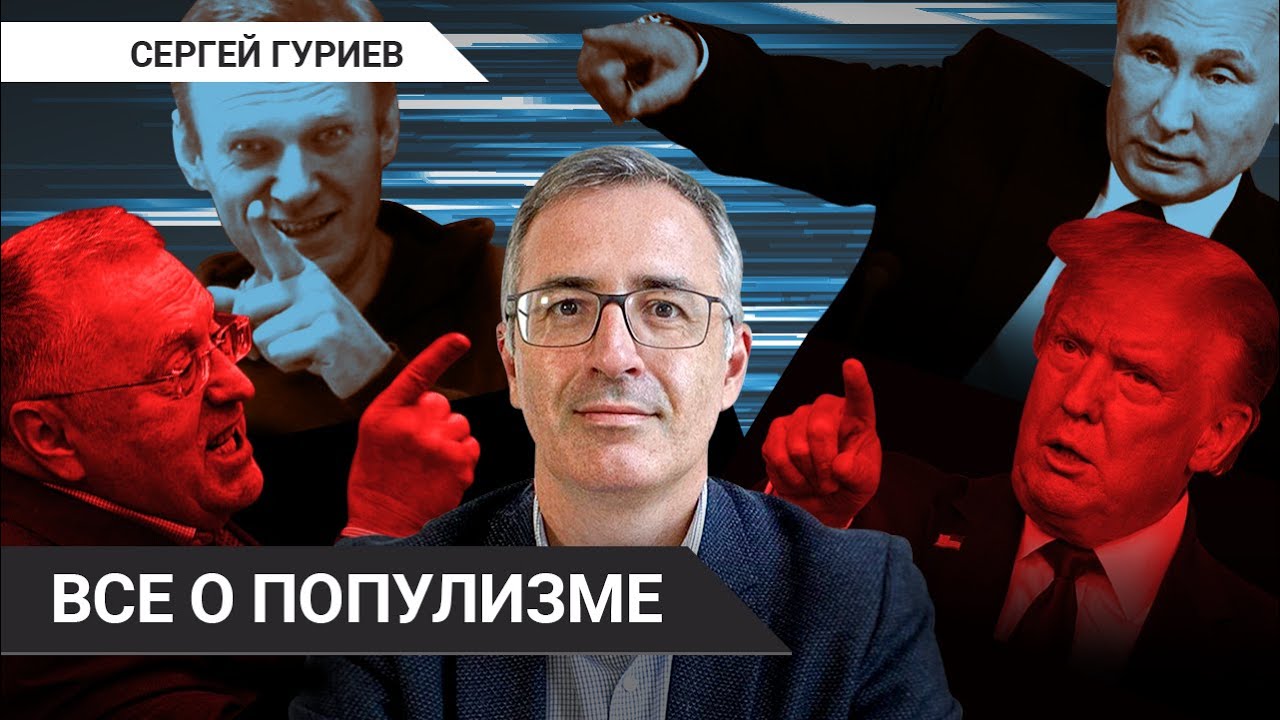





















Throughout history, major media revolutions (printing press, radio, internet) have consistently triggered rises in populism, as new communication technologies enable charismatic leaders to bypass traditional gatekeepers and connect directly with ordinary citizens, exploiting public dissatisfaction with complex institutions; however, unlike previous revolutions which eventually led to reform and enlightenment, the current internet-driven revolution threatens to permanently erode trust in institutions and expertise, requiring society to develop new mechanisms for distinguishing truth from manipulation.
Media Revolutions and the Rise of Populism: Historical Patterns
Added:Understanding the political definition of populism, including its core narrative of 'the pure people' versus 'the corrupt elite'.
Familiarity with major milestones in communication history, specifically the transition from scribal culture to print, broadcast, and digital media.
The concept of media gatekeeping and how traditional media institutions historically filtered and regulated public information.
Basic knowledge of historical eras characterized by rapid socio-political upheaval, such as the Protestant Reformation or the Industrial Revolution.
Analyzing the role of algorithmic curation, echo chambers, and filter bubbles in accelerating modern digital populism.
Examining the global policy and regulatory debates surrounding social media platforms, censorship, and the spread of misinformation.
Conducting comparative case studies of historical populist figures and their specific media strategies, from print pamphleteers to modern-day social media influencers.
Exploring methods of digital discourse analysis to trace and measure populist rhetoric across contemporary online forums and networks.
1.5M views78.2Klikes33:57Original Release: 2024-11-22
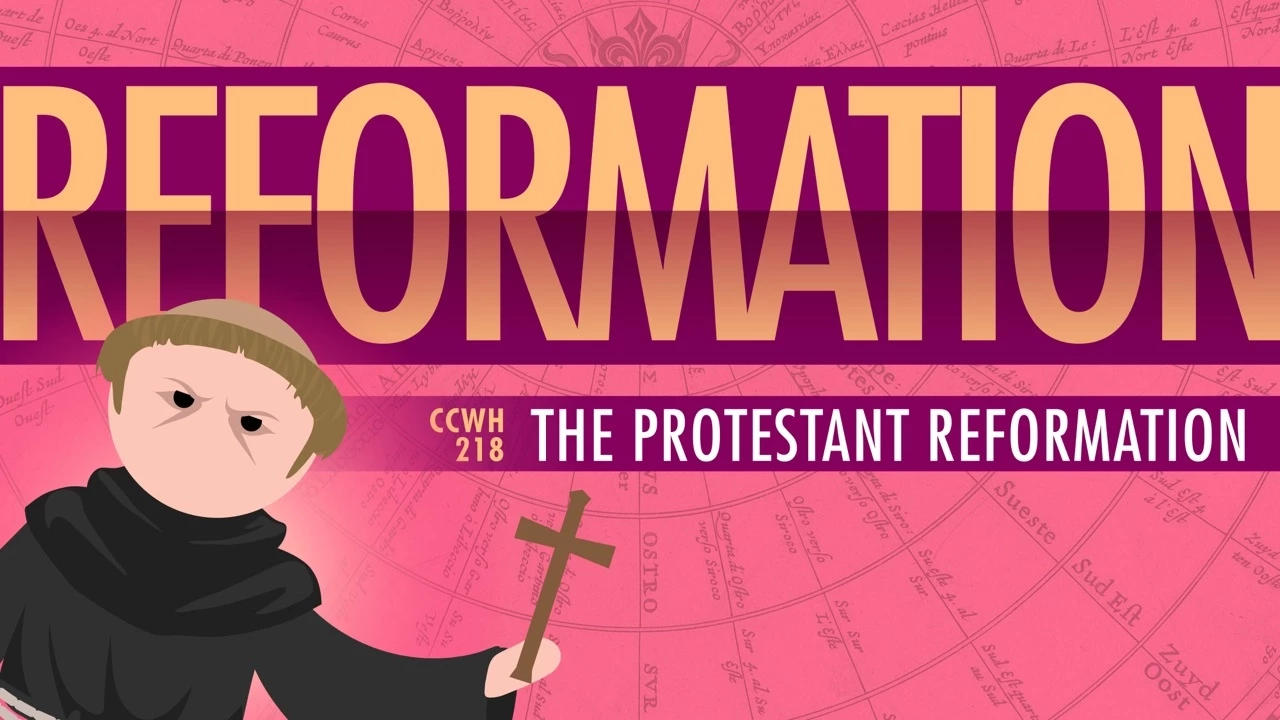
good morning John in this video I would like to try to explain what the hell is going on which I know is a tall order and it's going to be imprecise but we're going to do our best everyone lives through unprecedented times but a thing I keep thinking especially when I'm looking down at an 8-year-old boy who's probably going to be alive in the year 2100 is how weird is this really how weird is his life going to be and John I'd like to make the case that vary like his life is going to be historically weird my son is going to grow up in a world that has been fractured by a set of circumstances that the world has not seen for more than 500 years now media Technologies absolutely do evolve and change and there are new ones all the time but I'd like to start if you will forgive me talking a little bit about radio which I think we think of radio as one of the most boring Communications Technologies there is just a way to get music that we didn't pick interspersed by ads that are at least locally relevant but let's put ourselves into the minds of people back in the early 1900s it's hard to overe exaggerate how powerful radio was when it first hit which was not 500 years ago we're going to get there we're starting with radio radio was invented in the 1890s but it wasn't until the 1920s that lots of people started having radios in their homes and by the 1930s they were cheap and easy to get and I need you to imagine for a moment how extremely weird this technology must have been for most people the radio was the first time in their lives that they heard music without the musician being physically near to them that was the world less than a hundred years ago but more relevant here it was the first time that one person's voice could reach millions of people and it could do that in real time in fact at first it could only do that in real time this was all happening at the same time as the Great Depression people had good reasons to be pretty dissatisfied with their situations and this wasn't just an American thing Europe was also struggling especially Germany which had been hit hard by having to pay reparations to the winners of World War I though how much that contributed to things is apparently debated by historians of which I am not one people were not in great places there was demand for people wanted things to blame their circumstances on and for a few reasons radio was much better at satisfying that demand than newspapers newspapers had been around for a long time they were more expensive you had to pay for them every time you wanted a new one there was also more regulation and structure around them people had built up an understanding that newspapers were sometimes trying to manipulate them so they had some built-in weariness radio on the other hand was brand new it was a one-time investment you didn't need to be literate which many people weren't you didn't need to go into this city to buy a new one every day and more than anything it was magical like I have a hard time imagining how new and weird and wonderful it must have been to like listen to a charismatic person talk to me from thousand miles away and what a spell that must have cast and also to know that people all over my country were hearing the same speech at the same time and that we were all there together experiencing it millions of us there were also in the beginning very few legal regulations on radio and I think just as powerfully if not more powerfully there were no mental regulations there were no Norms people's minds were just open to this to have a person speaking to them you might go and like watch a talk or a debate or something but otherwise the only people people talked to were their friends and this was a new way that strangers powerful charismatic strangers could speak to you for example father Cogan who was one of the first radio preachers and he tapped into specifically this dissatisfaction he connected with and empathized with normal everyday ordinary Americans he spoke about elitist power structures the banks the inequality and not all but certainly some of the Jews atheistic Jews communist Jews millions of people listened to these broadcasts he was an extraordinarily powerful figure in the US and as Hitler Rose to power in Germany in part because he was also super Savvy at using the radio to communicate with the common people of Germany father Cogan spoke about him with great appreciation and interest I'm simplifying a ton here but there's something happening here it is a post media Revolution rise in populism and it happens pretty much every time there's a media Revolution but but populism begins not as the ideology but the marketing I'm seeing people get this wrong all over the place right now populism is uh not an ideology it's a marketing strategy I see your real human problems and I also see who is causing them all the institutions that are impenetrable and imperfect but also the people those institutions are secretly supporting at your expense or controlled by to your detriment and if you listen to me we will solve all the problems with a number number of new policies but sometimes populism actually becomes the policy it goes from being the message to being what we're going to do here are the bad guys the policy is get rid of the bad guys that's what happened with Father Cogan it's what happened with Nazi Germany father kogan actually started to advocate for the US to work with Nazi Germany he was an extremely harsh critic of FDR he began to say very nazil likee things about what Americans should do to Jews but as the tensions between US and Germany rose that became untenable and the public and the government persuaded radio stations to stop carrying his broadcasts even though cogin remained popular FDR basically said no this guy cannot talk to the American people anymore this isn't print it's radio it's new it's a limited public resource it's a spectrum that we can't fit everything on and this is one of the things we can't fit on it and I think this was a fairly clear violation of the freedom of speech father cogin drifted Into Obscurity he became a normal priest again he died the year before I was born so people are thinking probably right now okay so Trump is like the cogin of the internet age or like the Hitler of the internet age and like a little bit like you can see it in there like the alignment with people's legitimate grievances the railing against every institution from public schools to doctors the use of a new somewhat magical unregulated Communications technology to name those threats and label who is responsible for them as the enemy Trump is the product of a post media Revolution rise in populism I don't think anyone would argue with that that does not mean that he is the same guy as cogin or Hitler but it is interesting that he is a product of a phenomenon that we have seen before but also he's not like these other guys in another way because I don't think that radio is the best analogy for the internet radio and TV are centralizing whereas the internet is decentralizing what do I mean well to make a radio station you need advanced technology lots of money you need permission it's very easy to regulate because there are only so many radio frequencies and governments actually had to quite quickly move in and regulate who would have access to them or stations would constantly be overlapping with each other or the most powerful wealthiest person could just take up the whole radio spectrum television has been the same there were only so many channels each tightly regulated they're very expensive to run and in the beginning there was only space for three or four of them this media Revolution because it was so centralizing was a force that actually ended up being quite useful for bringing America and other countries together reducing the number of voices that could be heard thus silencing many marginal perspectives but eventually TV did start to fracture until we got multiple news channels from different perspectives first Fox News with its more right-wing nationalist perspectives then MSNBC with a more Progressive leftwing perspective but even then TV was a relatively centralizing Force because so much of it was available and there were lots of rules and regulations that had built up over the years the Internet isn't like this it is the opposite of this but there has been another media Revolution very much like this the first one the printing press the movable type printing press at least the version used in Europe was invented by a guy named johanes Gutenberg to solve the problem of every book in Europe being written by hand which does seem like a difficult way to do things for a long time after Gutenberg started making Bibles no one really knew what to do with print Technologies books were big and expensive and there just wasn't that much demand for them that demand was mostly soaked up by the most powerful institutions out there which is largely the Catholic Church the only church of note in Europe but then a guy had an idea he like lots of other people did not like how the dominant system was operating and there had been many arguments about that over the years but instead of just talking about it he went to a printer and he said hey print me 105 page pamphlets and that was way easier for the printer than making a whole book it was cheap the printing press was already there all they needed was the paper and the ink this guy's name was Martin Luther and you might know him from one of the things he made uh Lutheranism people could pay just a little bit for a pamphlet like that and you'd actually make quite a lot of money as a printer doing it you could create an economy around that printers in their off time could just print up a bunch of Martin Luther's pamplets and sell them themselves Martin Luther interestingly just like everyone on Twitter didn't actually make any money selling these pamphlets it was the people with the presses who got paid and Luther was just doing it because he wanted to get his message out familiar and again I have to try and get in touch with how weird this must have felt to the people at the time books were big and expensive and for hundreds of years the ideas of a normal person owning one would have been ludicrous and so almost all of the people who were printing anything were really big powerful institutions but now there was this thing that was like a book and it had ideas ideas that weren't the ideas of the powerful people who controlled the books they were new ideas from a guy who wasn't particularly powerful and the powerful people really didn't like these ideas and it seems that Martin Luther realized that the more inflammatory his writing got the more people wanted to buy the pamphlets and the more printers wanted to print them and to be fair the institutions of the time were not undeserving of critique now Martin Luther was not the only person who printed pamphlets like these but he was very good at it I didn't really understand this for the first couple of decades after knowing that Martin Luther existed and that the Reformation was a thing but this guy was a social media influencer and he was also not chill he was a reckless guy you might not be super surprised to hear this but he hated Jews during a peasant Rebellion which was in part actually inspired by his work he called on land owners to just kill the peasants likening them to dogs that needed to be put down somewhere between 100,000 and 300,000 of them were killed he called the Pope the Antichrist he he was not a chill guy with the rhetoric is all I'm saying though it should be said several times the Catholic church in the 16th century was worse just absolutely very bad I I don't I I don't don't feel like I necessarily need to get into it but pretty evil and also in addition to being inflammatory Martin Luther was an exceptional Theologian his arguments were good that's part of the reason why he was so popular back then and indeed remains fairly popular now and again there were at first uh because it was also so new no regulations on this new form of media in law and just as importantly none in the minds of people and there were regulations on uh calling the Pope the Antichrist and Martin Luther was excommunicated but he did manage to survive which is amazing to me like he he lived I need I would love someone to explain to me how how he was not just killed but when you like look at the details of this it is all much more Twitter screaming match than I had first imagined it would be it was very conversational people were mad at each other and they wrote pamphlets back and forth and they hated each other they were just mean arasmus was a friend and also eventual rival of Martin Luther and in his last ever letter to Martin Luther he wrote what distresses me as it distresses all decent people is the fact that because of your arrogant insolent and turbulent personality you cause a fatal dissension that unsettles the whole world you expose good men and lovers of the humanities to the fury of the Pharisees and you arm Wicked and rebellious men for revolution there is a similarity between Martin Luther and father cogin and Donald Trump and many other anti-establishment populists Who Rose to power after media revolutions and it is that they all were if nothing else Reckless as a person who has a fairly significant platform and is often terrified that I will say something that is incorrect or will have an overall negative impact on the world this is like kind of hard for me to understand but Martin Luther did not like that his words had resulted in armed conflict and death but he simply could not stop talking he felt that he was right and of course about many things he was and that was far more important to him than any potential unintended consequences tearing down the corrupt institutions of the Catholic Church resulted in a complete fracturing of their hegemony and there is basically nothing that has happened since in European history that was not influenced by that was the Reformation entirely caughted by the printing press of course not there were many factors that happened all at the same time enough people for example needed to be able to read for it to happen and that took a long time to occur but I don't think anybody's out there arguing that it wasn't an important piece of the puzzle so there is something happening over and over again here and and like weirdly the same way which is that there are big institutions that kind of make Society work and they're always some level of imperfect and when there is a media Revolution really anytime whether it's radio or newspapers or pamphlets there is a rise in populism it helps when there are other problems going on at the same time like for example a bunch of post-pandemic inflation or the Catholic church is maybe overextending its reach a little bit by selling the ability to get into heaven or there's a great depression but the media Revolution plays an important role we got to get it out of our heads and I have this problem too that this somehow aligns with current political ideologies of the left and right in the US but in general there are times when it is more from the left and by which I mean that the enemy that has created all the problems are the wealthy who gathered the power around themselves and use it to control everyone else and then there are times when the populism is more right-wing when the enemy is the group with like an unaligned cultural identity whether that's immigrants or Jews or another race or something like that nationalistic populism or socialistic populism but honestly populism is about marketing so these things blend together populism in America right now is clearly from the right it's from the right-wing political party but it has a sting of socialistic populism where people deserve support as long as they are the right people the people who have built those systems are the cultural Elites not necessarily the wealthy precisely but certainly some of them are wealthy and certainly they are like the high status cast of soft skinned overeducated wine drinkers but it's not like there's nothing to attack there's not like there's no problems anti-establishment populism at this moment was inevitable both because our systems are perfect and people's situations are not great and because of this intense decentralized media Revolution like we need to remember that this shift to authoritarians is not a postco phenomenon this is an internet phenomenon imagine Donald Trump without Twitter you can't I think I mean I know that the bureaucracies of today are better and more transparent than those of the 1930s or especially 1470 but they are imperfect obviously there are real problems in our society whether that's how easy it is to get unhealthy food or how hard it is to get good medical treatment or child care there are lots of real reasons to be pissed off communication is what we do it is the thing that makes us human and when a technology like the social internet hits it's a big deal back when print happened it was the first time any person who did not have a huge amount of power could use a nonverbal form of communication on a lot of other people and then when radio happened it was the first time one person could reach Millions at the same time now we've lowered that print barrier so far that it isn't just like some overeducated priest like Martin Luther who has access it's everybody and it's not just one person who can access Millions it's Millions who can access Millions it's everyone who can access everyone it is entirely unprecedented in the human story and we don't have the tools to deal with it we have this many to many communication and this really intense collaboration between ingenious humans who want to capture attention and recommendation algorithms that reward whoever is doing it the best so things are going to get flipped they get flipped because first we have very few legal regulations and second we have no regulations in our minds we do not have the techniques to deal with the powerful spell that these systems are casting on our brains I don't think the mechanisms here are super opaque but maybe it's worth outlining that if you ask a newspaper reporter to go and tell you some problems with the FDA you're going to need to wait 6 months while they put together a clear cogent story about something that could be better in the world if you ask a traditional bureaucrat to try and fix something at the FDA they're going to come back in four years with a list of things that need to be done and a much longer list of why you can't do that but if you ask RFK Jr to tell you what's wrong with the FDA he's going to do it on YouTube Instagram Facebook Tik Tok and four different podcasts by the end of the day will he have prioritized accuracy or actionable implementation no he will have prioritized getting views on content and he will have achieved that goal because RFK Jr is working in collaboration with recommendation algorithms and he is very good at that and a really good way to do it is to tell individual ordinary people that they are being prayed upon by large powerful institutions there's this period of time after a communication Revolution where our minds are just like open and ready to have these magic spells cast upon them I it's so hard to remember how new this is and how magical it is this ability for everyone to communicate with everyone this is the worst possible example but it's the one coming to mind right now we live in a world where Haw Tu a girl is possible and that that's new and people who see massive problems with the world or like a clear path to power and status or let's be honest probably both are going to use that I know two brothers who have used that just I hope not as recklessly as some and when the system is decentralized and automated and operating at the speed of light and optimized to grab and hold attention like no communication system ever has been in the history of humanity the system is going to select and share the stuff that sticks and when the story doesn't actually need to be true cuz why would it need to be true what who's who's got the time to fact check all this stuff one one very compelling story is this the systems are bad and they are designed by people who are bad to help people who don't deserve it while ignoring the people who do deserve it that is as far as I can tell what's going on here and it is the populist message generally there is demand a lot of demand for that kind of content and as I have often said on today's internet any content that will be consumed will be created before the internet and also right now like a a lot of society is built on trust like we can't this is a complicated world we can't keep all of it in our heads at the same time nobody is going to know everything we have to trust that there are people who understand the way that the roads work people who understand how the voting Works people who understand how clinical trials work and that all those people are worthy of trust because one person can't know all of those things that is the whole thing that has allowed humans to get to where we are is to share that labor John I'm editing this video and I have realized that there are two things that I need to add here the first is that we cannot just trust these things there needs to be some checks there needs to be somebody who's investigating and and pushing back because if you just trust then that trust will be abused and the way that we did that before the internet and we still do is with the Press an institution that has incentives to find problems to discover ways that trust is being abused by systems and the great thing about the Press is that they have that same pressure against them so if they make up a story to sound really inflammatory the whole institution of that organization whether it's like at the newspaper or the TV station or whatever that reputation can get harmed and thus a lot of value can be destroyed by them making big mistakes and so the Press had an incentive to build systems that prevented them from betraying their audience's trust and getting things wrong because otherwise it would be damaging not just to society but to the institution for which they work all of the stuff that you learn in journalism school about ethics and objectivity were are all there because one the Press is attempting to actually provide a true value for society and two because there is a lot of harm that can be done to an institution by a member of that institution getting something wrong but now we are in a world where it is so easy to destroy trust often times that can happen without anything that big getting done incorrectly just like it is easy to destroy trust in anything at this moment it is very easy to destroy trust in the Press which has a compounding effect uh especially when you add that on to the fact that the internet completely destroyed the business model of the press that we have lost a large portion of one of the main institutions that was actually good at helping people understand their world and at uh identifying things when they actually go wrong this is less the case when it's just a bunch of people because if one person loses their credibility that isn't that much value being destroyed and there's always another person ready to take their space very quickly and also it's hard in an environment with just so much information to actually you know you can make a video and I have about how many things Eon musk got wrong in a single day and that's not going to do very much harm to his reputation for whatever reason it just feels like it's a lot easier to destroy people's faith in an institution and like an organization of lots of people than in any individual person that you just might like really Vibe with even if you see them making a lot of mistakes it's like well they of course they make mistakes they're just a person he's just some guy with a podcast of course he's wrong about stuff all the time that's what I like about him he's being a human anyway that was the first thing I felt like I had to include here the second thing is that as I was editing this video I realized that the is named after the Press I don't know if that's just me but that was I was like w and now we can go back to the video as a refresher cuz this was longer than I expected it to be we were talking about trust and how a society is built on trust and how we cannot do things without trust okay continue stories that tell people why their trust is misplaced are extremely compelling they feel as if they could be life-saving even and certainly feeling like you might have been duped or that everyone else is being duped but not you are powerful tools for storytelling and Powerful antitrust forces not like antitrust in terms of monopolies just like degrading of trust but it's really important to realize that that force is not necessarily pointed toward the worst offenders Martin Luther was correct that the Catholic church in the 1500s was corrupt and evil and had lost its way the movement he kicked off is called the Reformation because it caused very needed reforms he had a good Target but at the moment it feels like everything is a Target and the internet is less a machine that devours corruption and more a machine that devours trust trust in each other trust in society in institutions in expertise in Tradition in our ability to do democracy I don't think that's going to stop getting worse soon though please I would love to be proved wrong maybe it's not as bad as I think it is because of course I'm exposed to the worst of it and maybe we can turn it around quicker than I think but in a society we're so much trust has been destroyed people are going to gravitate toward individuals they feel they can trust rather than institutions that actually have the knowledge and ability and those individuals will thus have a great deal of power without a great deal of the ability to use it well and that doesn't tend to be a great recipe for progress I don't however want to learn the wrong lesson here I don't actually know what the lesson is the lesson I hear getting tossed around including from myself is okay well everybody's going to have to do populism now and like yeah but also I don't know like here's the thing I know that I am one of the Elites in question but like sometimes popular things suck right-wing folks hear me out here if you're listening let's start here sometimes when the internet starts piling on to a person we go too far too fast we cancel people when maybe we didn't need to do that and in my mind the word cancel makes so much more sense if we just call it reputational harm because cancel means so many different things so in this case someone's reputation gets badly damaged and maybe that was the right thing to do but maybe it wasn't in the same way I think there are two factors here when it comes to New Media induced populist attacks on expertise and institutions first there is how much does the expert or the institution deserve the harm to its reputation which is not always zero and not always 100 and second how easy is it to do damage to the reputation and those things have a relationship with each other but they are not always tightly connected just like with a person sometimes there's going to be an institution like say whatever is making it so much harder to build new homes in blue States than red states that I think deserves to be named in shame but then there's also going to be some things that are I think are very easy to attack that yet have all available evidence suggesting they don't deserve to be canceled like the measles vaccine or FDA regulations on raw milk and I worry that our systems might be getting cancelled like experiencing tremendous reputational harm in a way is going to be bad for the individual people of the country despite the fact that they didn't do much wrong there's a reason why tons of Institutions are suddenly almost equally under reputational attack the CDC the FDA the EPA Public Schools universities the Press social media companies governments that want to regulate certain social media companies as long as they're owned by Elon Musk Ukraine Europe NATO the UN cities voting machines chemotherapy water fluoridation there's a feedback cycle between creators who make stuff the systems that recommend it and the audiences who watch and share it and I know this because that's my world I spend all of my time in it as a Creator you know what's working and what's not you know what's going to get attention and what's paying your bills the system tells creators what is working and creators do that like it's very hard to not just do the things that succeed just like Martin Luther and his printers but at the speed of light if we aren't better at grabbing and holding attention than the next guy we instantly Fade Into irrelevance and The View ERS accompany the Creator on the trip down the hole starting a little suspicious of powerful and impenetrable systems and ending up certain that every election that doesn't go their way is fraudulent it's important to note here that the group with less alignment to the existing systems is going to be the one that does best in that situation in my group who are more likely to be the ones who literally staff the bureaucracy they're going to be the ones who don't do as well and yeah I am super suspicious of charismatic powerful people who convince others that every system is bad and broken and that they're the only thing that you can trust that often goes bad I think we need to be very wary of that so that's where we're at I think and it's bad but it is not that weird actually and that's why it's happening all over the place at the same time and look I do not know what a political party is supposed to do thank God I am not a politician and do not aspire to be but I do know what I feel like I should do so my job is that I make things to help people understand things and one of the problems is that it's a lot easier to attack systems that are impenetrably complex so I'd like to suggest to folks out there who are who might be able to do this make them less complex and also work to make them better but barring that which is your work not mine we need to continue to develop technologies that explain things well and that help people understand the mechanism at work in society and ideally we need to do that in ways that are not perceived as hyperparadise that the system is quite bad and we need to be honest about that remember there are two parts there's how easy it is to cancel a system and there's how much a system deserves it and there is interplay between those two things sometimes a system is ripe for can ation for bad reasons like that people don't like needles and have a subconscious inclination to believe that having things injected into them is probably bad and sometimes they are susceptible for good reasons like if a college education has been increasing in price for the last 50 years to the point where it's now saddling students with a lifetime of debt and that more than 50% of students with debt never end up with a degree that's bad and we should point at it and we should say this is bad and we let it happen this is our fault and we can't just sit there and not do anything about it I don't know if this all means that adopting populism is the right call for people who want to win elections I'm actually not thinking about elections though I'm thinking can we speedrun this because after the print Revolution there were 200 years of religious wars and for a hundred of them the bestselling book after The Bible was about how to identify and burn witches and I would just love to avoid that yes just like how some populist forces identify Jews and some identify immigrants and identify the wealthy Elites the for a long time it was witches and like hundreds of thousands of them were murdered and now we have forgotten it so much that witches are like an adorable little folksy thing in our culture we move forward in the ways that we do I guess I want to leave you with one last thing about Martin Luther and the Reformation that I find fascinating and important as he critiqued the Catholic church and his pamphlets made money for printers his words were translated from the German that he spoke and wrote in into other European languages meanwhile the church stuck doggedly to its policy of only ever publishing content in the properly authoritative Latin meaning that most people were unable to read them because not only could they not read Latin they couldn't speak Latin it was a language purely of the elites and I mean like good because the Catholic church had become so corrupted deserve what was coming to it but I feel like there's a parallel here to leaders today feeling like they have to stick to the properly authorit of news sources but not the actually accessible Joe Rogan experiences and that's not just a media thing like it's not just a where you go and who you talk to thing it's a you need to be a human thing you need to act like a human and I need to see you less on the stage with Beyonce and more talking to people who people actually think are relevant thinkers to their situations we need people who are good at communicating and also have an allegiance to the truth and that's harder it's harder because there's only one truth while there are infinite lies as you're doing the work to try and get everything right a grifter on reals has run a couple of laps around you so they have that Advantage but they also have a disadvantage which is that the things that they are saying aren't true and as we get better at not letting this New Media cast spells on our brains as we always eventually do the folks with the better information do tend to win out eventually the question is uh how long the space between the ref and the enlightenment was not quick it was more than 150 years it seems important to me that our path here be a lot shorter than that so let's focus on that John I'll see you on Tuesday a bibliography for the end of this video um this was video is heavily inspired by and informed by Jeff Jarvis's Gutenberg parenthesis very interesting and I would suggest it to anyone I also pulled a lot from Wrong by Don gold young uh and invisible r rulers by Renee Desta I would also suggest peripherally this was informed as is everything I do these days by high conflict by Amanda Ripley I think it's probably the most important book that anyone can read if I could make everyone read one book it would be this book similarly how Minds change by David mcran and also going back to the speech stuff cheap speech by Richard Hassen also I I read that a while back uh like two years ago but I feel like a lot of that stayed in the brain certainly there are things in all those books I disagree with they don't Vibe with or think is sort of an overextension of the thesis but um all good works to help understand a moment um if a 30 minute long video isn't enough for you there's uh like 50 more hours of content just there for you if you'd like to listen to audiobooks about stuff like this doesn't make sense to do a bibliography at the end of a video I feel like one like that it does all right goodbye
Up Next

76:48
Media Crisis in America: Lessons for Democracy & Journalism
@MEDIENTAGEMÜNCHEN-q9j
131 views•2025-10-31

24:30
BRICS Pay and de-dollarization: A New Financial Order Emerges? | 55 chars
@DannyHaiphongYT
164.6K views•2024-10-22

7:33
Government Surveillance Methods: 10 Ways You May Be Watched
@BeAmazed
1.6M views•2017-04-09
10:19
Explaining the Saudi-Iranian Proxy Conflict in the Middle East
@Vox
18.2M views•2017-07-17
Related Study Plans & Knowledge Roadmaps
Structured learning paths in Political Science
political-science
Economic Statecraft: Sanctions & Chokepoints
01Foundations of Geoeconomics and Economic Statecraft
02The Mechanics of Weaponized Interdependence
03International Sanctions: Types, Implementation, and Efficacy
+ 2 more learning modules
12h5 modules
Explore Roadmap
political-science
Central Bank Independence: Politics & Policy
01Foundations of Central Banking and Monetary Policy
02The Time Inconsistency Problem & Inflation Bias
03The Delegation Model and Designing Independence
+ 2 more learning modules
12h5 modules
Explore Roadmap
political-science
Consociationalism: Power-Sharing & Stability
01Democratic Dilemmas in Divided Societies
02Introduction to Consociational Democracy
03The Four Pillars of Consociational Design
+ 2 more learning modules
12h5 modules
Explore Roadmap
political-science
Rebel Governance: Legitimacy, Economy & State
01Foundations of Rebel Governance and Statehood
02Establishing Political Legitimacy and the Rebel Social Contract
03Wartime Economies and Rebel Resource Management
+ 2 more learning modules
14h5 modules
Explore Roadmap