![[광복절특집] 광복 38년 연속 실록기획 | 잃어버린 이산 40년 | 19830817 KBS방송](https://i.ytimg.com/vi/qBvNMtFpXiY/maxresdefault.jpg)
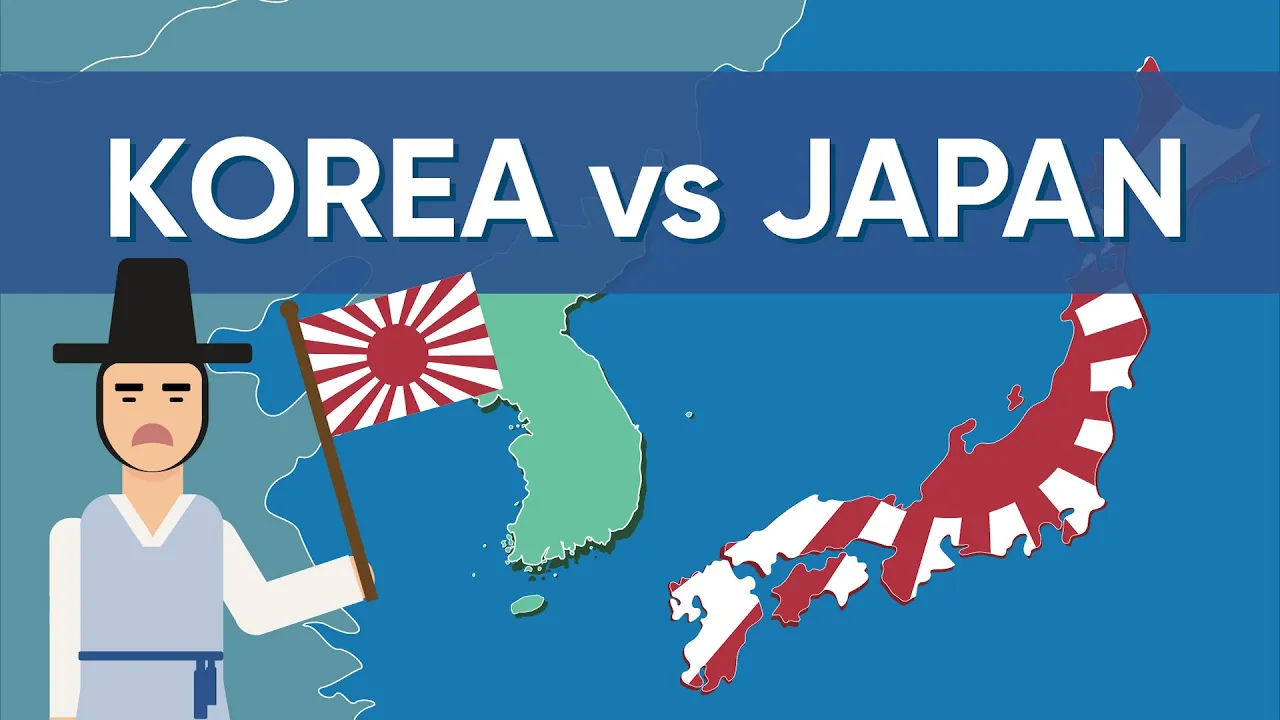

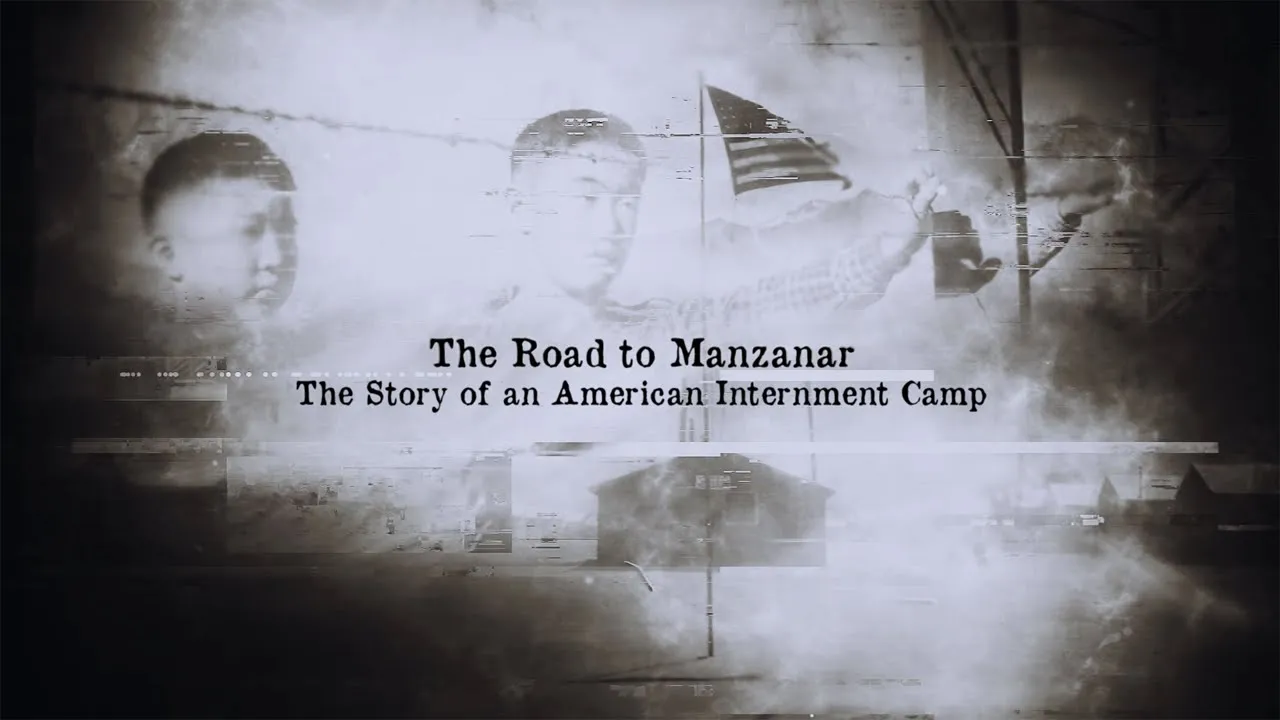



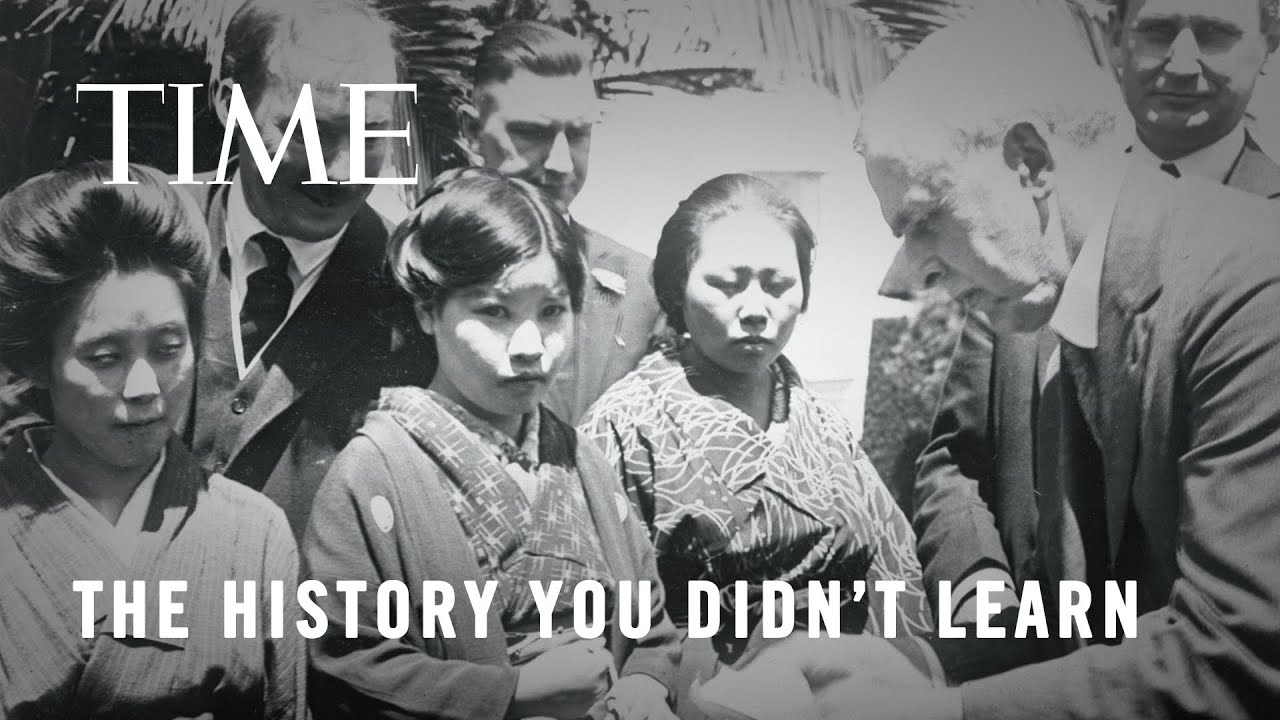



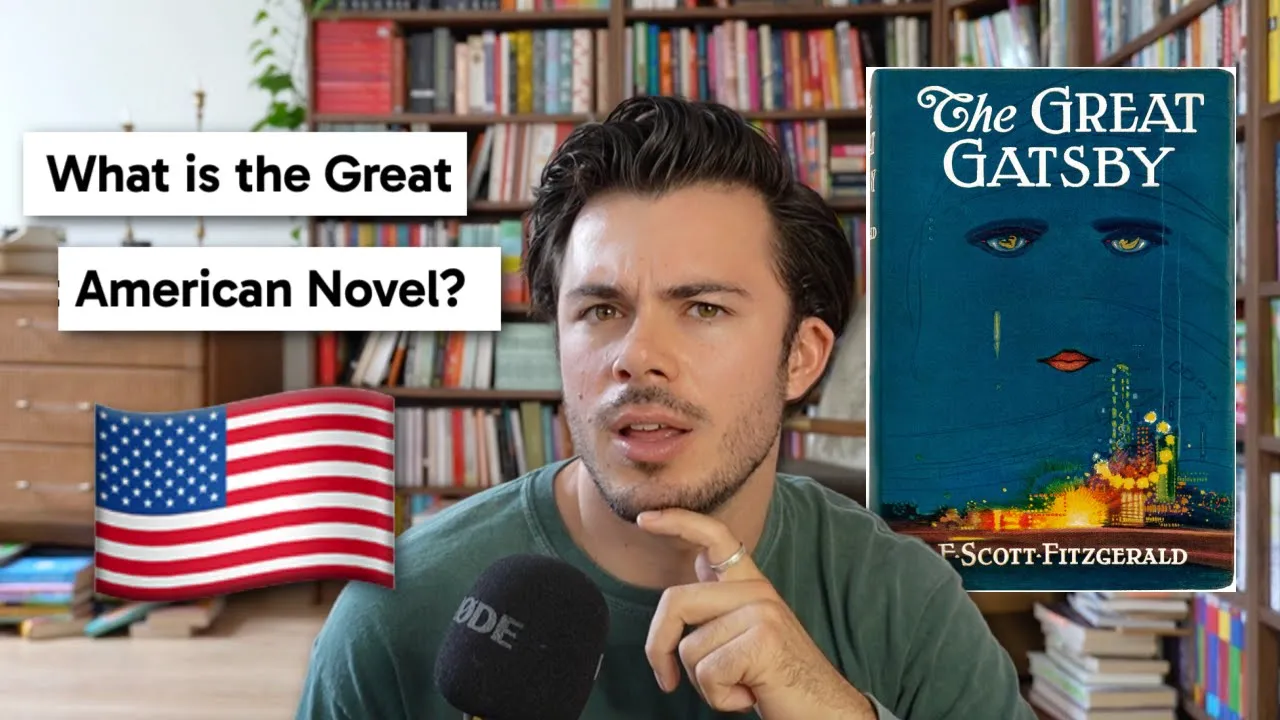



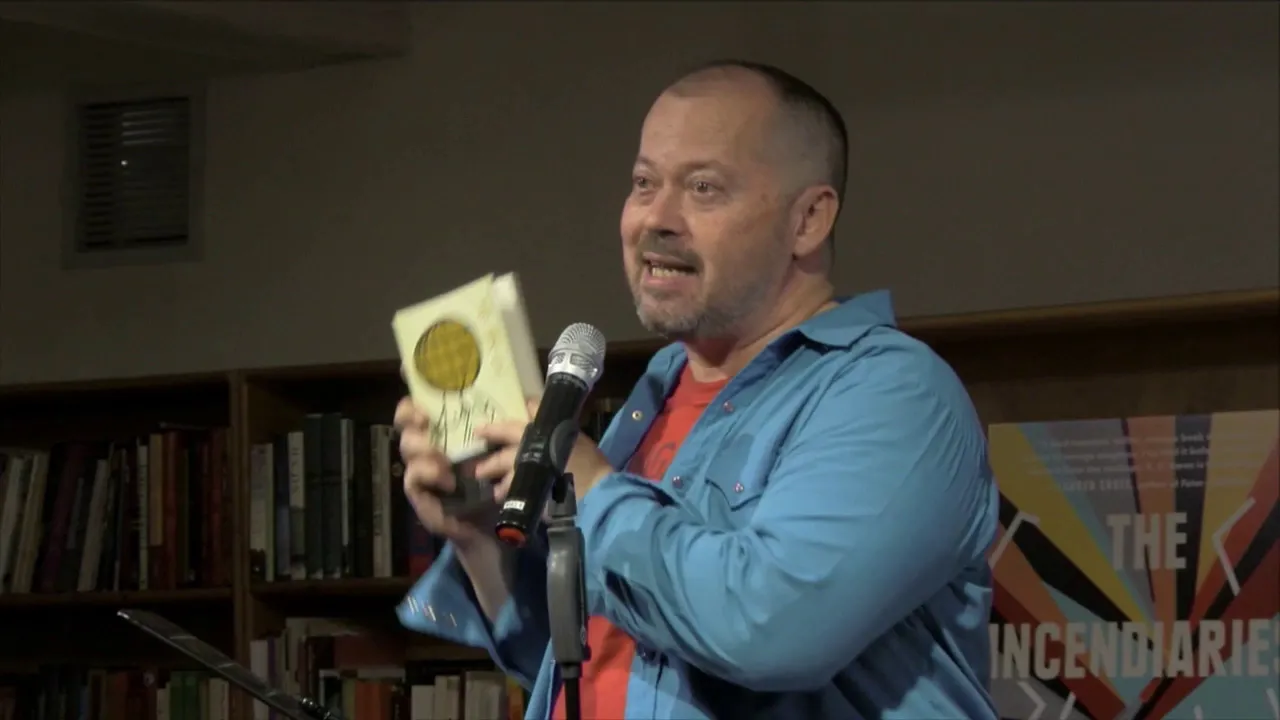

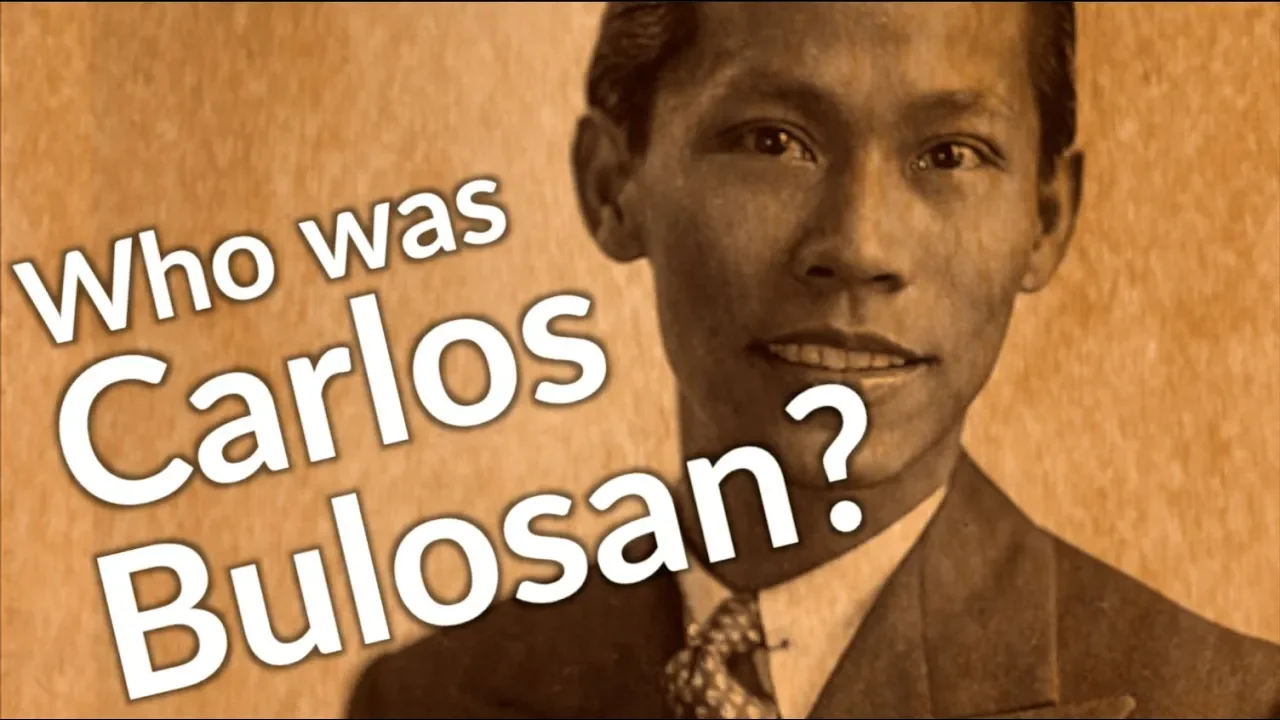








Young Kang (1903-1972), the first Korean-American novelist, authored autobiographical novels 'The Grass Roof' (1931) and 'East Goes West' (1937) that documented his immigrant experience and Korean independence struggles; despite critical acclaim and commercial success in the 1930s, Kang and his works were largely forgotten for decades until their reissue by Talia Press in 1997 and Penguin Classics in 2019, revealing his profound influence on subsequent Asian American writers like Carlos Bulosan and establishing him as a foundational figure in Asian American literature whose exploration of exile, identity, and belonging continues to resonate with contemporary discussions of diasporic experience.
Younghill Kang: Pioneer of Korean American Literature | East Goes West
Added:The historical context of the Japanese occupation of Korea (1910–1945) and its role in driving the early Korean diaspora to the West.
The history of early Asian immigration to the United States, including the exclusionary immigration laws of the early-to-mid 20th century (such as the Immigration Act of 1924).
The core conventions of the 'immigrant novel' and assimilation narratives in American literature.
Basic familiarity with literary Modernism and its themes of alienation, displacement, and the search for identity.
A comparative literary analysis between Younghill Kang's 'East Goes West' and Carlos Bulosan's 'America Is in the Heart' to explore diverse early Asian American perspectives.
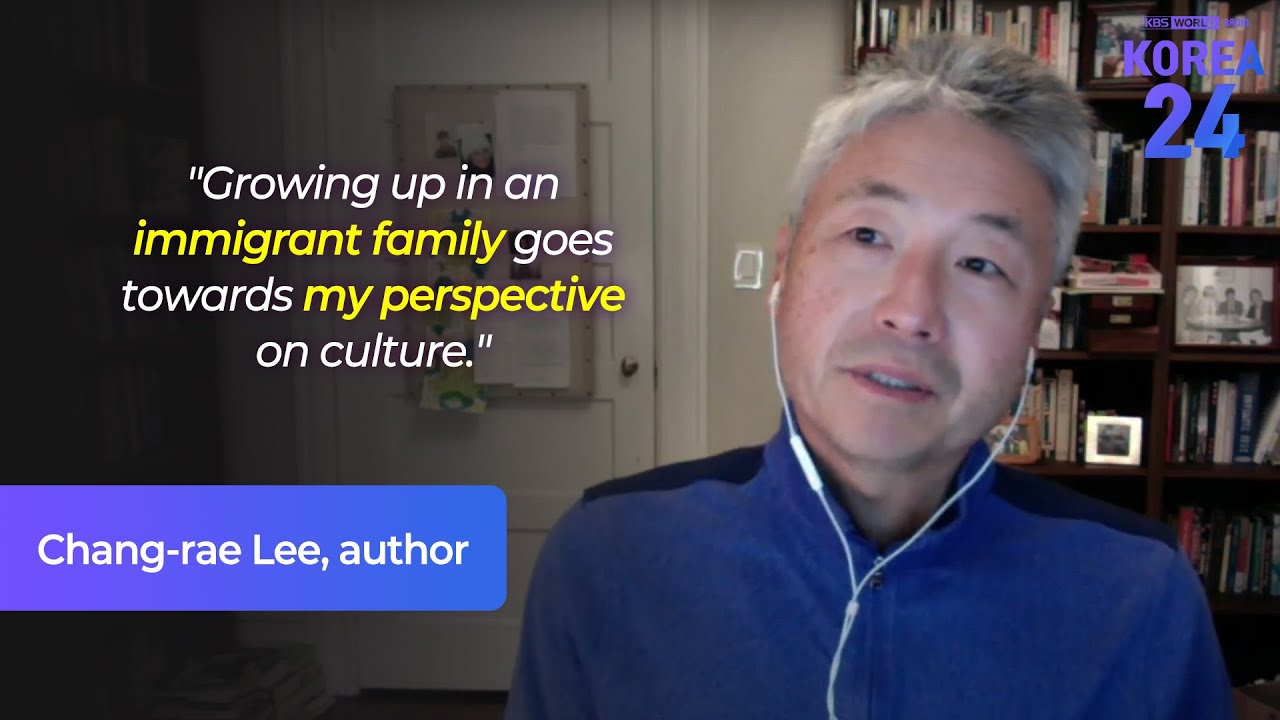
The evolution of Korean American literature from early pioneer writers to contemporary authors such as Chang-rae Lee, Min Jin Lee, and Alexander Chee.
The archival and recovery efforts in Asian American studies that help reclaim and canonize out-of-print or forgotten literary works.
The critical study of how race, class, and intellectual identity intersect in pre-World War II American society as depicted in early ethnic literature.
1.7K views37likes1:05:00Original Release: 2020-09-17
welcome to the korea society's arts and culture live webcast east goes west yong ho kong his life and works with alexander chi and ed park i'm tom byrne president of the korea society today young sorry is rightfully recognized as the first korean-american novelist and a pioneer of asian-american literature his autobiographical novels the grassroots and east goes west guarded much critical acclaim and commercial success when first published in the 1930s however the writer and his incandescent novels were largely forgotten by the general public for decades until the reissue of east goes west first by talia press in 1997 and then by penguin classics in 2019 fortunately for us the rediscovery by the two publishing houses brought his life and work back to the minds of scholars and readers alexander chi who provided the insightful forward to the penguin classics edition is one of our two speakers this evening mr chi is the best-selling author of the novels the queen of the night and edinburgh and the essay collection how to write an autobiographical novel the winner of many literary awards including a whiting he is an associate professor of english and creative writing at dartmouth college also joining us tonight is ed park his article on east goes west appeared in the new york review of books mr pock is the author of the novel personal days and his short fiction has appeared in the new yorker he is a founding editor of the believer and was executive editor at penguin press it is our honor to host these two distinguished guests to talk about the emergence of korean american literature and yong hu kang's life and legacy i am especially eager to hear what alexander and ed have to say about east coast west on a personal note the picaresque adventure is one of my favorite genres and i'll turn the screen over to senior director of our arts and culture program j.o who has brought to us tonight another program at least for me will further broaden my literary and cultural horizons jay the screen is yours thank you tom for your introduction welcome to the korea society alexander and ed a quick reminder to our viewers you can send your questions via email arts and culture at koreasociety.org or twitter at korea society art so before we start talking about his books i thought i would give a short sort of a summary of jung hogan's life um in case some people are not really familiar with his life um young kang was born in 1903 in a small village in hamgyong province with in what is now known as north korea he was educated in korea in japan and participated in the march 1 first independence movement of 1919 after which he was imprisoned and brutally tortured kang immigrated to the u.s in 1921 with help of american missionaries he attended a university in canada first and then he studied in boston at boston university and harvard then he began to write and published articles in the new york times in the nation the saturday review of literature and encyclo britannica among others he worked at the metropolitan museum of art and taught english at new york university and that is where he became friends with his fellow professor thomas wolfe who introduced him to scrivener's legendary editor maxwell perkins kang's first book edited by maxwell um perkins the grass roof was published by scriptner in 1931 a children's book based on this book um entitled the happy grove was published in 1933 and east coast west was released in 1937. kang was a recipient of numerous awards and honors including two guggenheim fellowships i believe he was the first asian to ever receive the guggenheim fellowship and he lived in long island with his family for many years before he passed away in 1972 at his home in florida and i think if you have read east goes west you may have noticed many similarities in the life of young kang and that of the main protagonist and narrator of his two novels um alex and ed um before we delve into east goes west ed can you tell us a little bit about his first novel the grass roof sure um just hold up a copy this is a copy of the reprint in 1966.
uh but it first came out in 1931 when he met maxwell perkins through thomas wolfe um he apparently gave him uh wolf brought perkins some of the pages and perkins cut him a check for i think 500 which he said was like the most money he'd ever seen um far more than he you know made teaching um uh and he finished the book it came out to great acclaim uh perhaps its biggest champion was rebecca west who um famous famous british uh novelist and journalist who um wrote the the most kind of glowing incandescent review for it um it actually turns up it's repurposed as the introduction to this to this reprint but it um concludes what a writer what a man exclamation point and you know it one thing about the grass roof is it's um you know it's a story of his the upbringing of somebody you know who's whose life is congruent to his own um it's a life of wanderlust beginning as a as a pretty young precocious kid he knows he needs a better education than he can get in his small village um he undertakes this several hundred mile journey to seoul at a at a tender age um i can't remember exactly what it is but it's it's like he's 12 or something or 11.
right right um and then you know even seoul is not good enough and he needs to go to japan so it's quite exciting there's a lot of uh there's a lot of stuff going on a lot of movement um the early chapters are a very kind of tender almost edenic um representation of the you know the village where he's from and the family ties and his he has these various uncles uh some of them are very eccentric um in short i think this is you know for an american reader uh or an anglophone reader this is this is something they probably had never seen before and so this comes out in 31 uh japan you know has taken over korea and this is really a creed o curved you know desperately um you know trying to state korea's case right and one of the the main climax like you said is at the march first demonstration in 1919 and he actually in the book there's a full translation of the declaration of independence that is read in the various town squares in korea um and i think uh this is a different topic but that translation kind of gets repurposed i've seen it pop up in other places without like attribution to him um and it you know i'm not spoiling anything but it is the story of how he finally just has to leave and and uh it's it's quite exciting there are couple attempts to leave and he gets caught there's like um people he thinks are spies uh it's i would say a different book though it's a different book than east goes west though they share the same narrator the same protagonist um there are some um modernist touches i just i don't know if people can see there's one point where he talks about a kind um uh woman at a sort of boarding house who's looking after him and her voice is so musical that he represents it as uh the words almost like musical notes it's just you know he i think what it shares with east goes west is this kind of like life force right um and then maybe this i'll stop talking about the grass roof but you know when we get into east goes west the first couple pages he's describing how korea is gone it's like destroyed he really describes it as a as a planet that's been destroyed um and you know there's no there's no future for him there so that's why he that's why he comes to america and that's where um east coast west begins um alex in your forward to the penguins classic penguin classics edition of east goes west you wrote that and i'm quoting you here there is a seismic line to draw in asian autobiographical novels by asian american writers into the present online i'll draw all the way to myself um how did you find out about this book east goes west and what were your thoughts when you first read the book i had become friendly with the kaya press folks and uh i believe they are the ones who sent me a copy when it was being reissued and i uh i was i was pretty startled to to discover that um that he existed that no one had ever told me about him um i had already written my and published my first book by that and so uh it was you know the influence that i can say that i feel he had on me is one of those influences that comes with a writer where they've made an impact on the culture such that even if you have not read them you are in a sense uh working in the shadow of their work you know so you know for example the way that uh carlos bulasan was influenced by uh by him and wrote america is the heart the way that that book went on to become influential to the writers that i ended up uh reading and learning from later uh that's that's what i mean about that that seismic line um you know i think that uh the the difficulty with difficulty with writing autobiographical fiction from that point of view comes in part because uh there's a truth that you come into possession of uh through the circumstances of your life and in a sense operating in some kind of purely fictional mode uh requires you to give that up and not make use of it um uh and so you know autobiographical fiction has some of the qualities uh of a you know of a of an expose it's a way of uh a way of revealing uh conditions that uh perhaps aren't being reported on in the news for example like the even just the things that are described in the grass roof for example are the kinds of stories that the japanese occupying government censored heavily at the time that uh that it was written and so you know the the novel that he wrote was in a sense uh a way of getting the news out about what was happening in korea at the time um uh a way that no one else was going to probably provide at that scale i did a little math quickly uh on his advance it would have been about ten thousand dollars at that time that he did um which is a it's a lot of money to leave someone's office with when you don't expect it uh and it's also i suppose notable that this was happening during the depression right the depression era launch your career i would also just add i mean not to dwell on i mean i think the wolf his relationship with thomas wolves is very interesting i know i'm not really quite sure how close they were like you can tell from his quotes like they they worked together and they were quite congenial um you know were they were they best friends probably not but you know wolf thought enough of uh the pages that kong had to you know to pass it on to perkins and that was obviously the key thing like how what kind of chain of coincidences would lead to that a writer of his talents coming coming to the us getting a job teaching english composition meeting thomas wolfe meeting max perkins what's what's interesting and what alex was talking about just about like what's not reported like i just find it interesting that sort of the authoritative biography of of maxwell perkins there's no mention of kong it's like he didn't exist and i it just sort of breaks my heart because um you know for for us for people who read him or are rediscovering him uh it's just kind of like as alex was saying like to discover that such a person existed is kind of mind-blowing um anyway but i'm happy that uh east coast is in print now and that we're having this talk because i just think it's it's kind of one of the best things i've read in years and uh and it really feels i'm sure we'll say this again over the course of this discussion it just feels uh timeless in the best ways it feels very alive and enjoyable there's a real fearlessness uh in the writing and uh a feeling of freedom uh that he seems to have that um that is enviable you know and i and i wondered about uh about whether that was simply the result of the poetic tradition that he grew up with uh that he describes in in the grass roof as well as in uh east coast west i mean one one thing that i love about east coast west is just how it's like asian american or asian immigrant poets wandering around the u.s but especially in new york which is certainly like you know a familiar enough experience but it is kind of great to see that you know and he's talking about the 20s and just to have that mental picture of of these uh you know asian-american korean-american um writers and poets kind of going around uh doing their things is pretty is pretty fun to see i have to say and there are so many episodes in the book and i don't mean that say i'm not saying that the book is episodic in any way it actually it's not but there are so many interesting characters and there are so many interesting episodes that happens and and they really makes a very strong impression it really gives us the sense of time and place as well um a lot of the people so i i'm just just in case if no one has for those who have not read the books so the book starts with chung pahan who is that was the young boy in the grassroots he arrives in new york um with four dollars which he promptly spends on his haircut um and then um basically really starts at the very bottom of the new york city's urban life you know basically staying at homeless shelters and just always just trying to figure out a way to connect with somebody so he can move on to the next step and that next four steps is actually quite elaborate because then he goes to college in canada then he comes back to united states he works in philadelphia and baltimore so all these events happens um was there any particular first of all i wanted to talk a little bit about the koreans in his book um the koreans that he described obviously his friends um what do you think he was because i always got the feeling that he's slightly different from that and obviously every single koreans are different but um he always viewed himself slightly different from the other koreans who are in the book and there aren't that many people there are only handful of them and they all seem to kind of know each other or they find each other in the book um can you give us a sense of what it was like what it must have been like for somebody like chunka to come to new york in 1920s and find that group of people and how you read that sort of um that scene of all these koreans getting together and trying to try to figure out a way to live in the united states um how about you alex do you have any impression on that i mean uh there's a he has the he has a very uh friendly first landing that he's trying to make in new york city that is very amusing this guy who um who sort of introduces him to [Music] uh some of the some of the grooming needs of being an american so it's a very kind of uh very kind of funny sort of um comic sweet there's a lot there's a lot of sweetness i think part of what i loved about it was uh things like when he runs out of money almost immediately uh he finds himself at a chinese restaurant and he tries to pay for his dinner with a poem that he writes on the spot which is like such a romantic uh an endearing scenario that it's it's almost impossible to imagine someone being that that green in new york city um and yet there he is and the restaurant tour to his credit uh treats him very kindly uh and and thus do we learn that at the time chinese restaurants in new york often made shift meals that were larger than uh larger than what they needed to make for the people working for them so they could feed people who are hungry which is uh which is very moving to me and reminds me of like some of the chinatown mutual aid efforts that are happening even right now um i think in other words that it probably wasn't so very different uh you know i'm my own father for example when we moved to maine in the 1970s he created something called the korean american friendship association of maine which was an organization that uh helped mainstream uh korean immigrants back then who were arriving uh teaching them like this is where you go to get a bank account this is where you go to uh to get a driver's license these are the documents you need that that kind of uh the kinds of experiences he has were not entirely unfamiliar to me uh and it just was a question of like how much farther back it went than i than i thought it did right right i'm reminded of there's um as alex was speaking there's a the chinese restaurant scene is just great it's just great it's just beautiful um and you know throughout there's this kind of kinship with um with with chinese people in in in america uh in new york and in other cities um but there's also something called the korea institute on 23rd street like i love the the specificity of the addresses in this book um and so i'll just read a couple sentences the korean institute was in the chelsea district a grammy old-fashioned brick building that had seen better days this section was very dirty the section was very dirty noisy and plebeian but the house inside was quiet and dignified the most attractive feature was the community dining room in the basement where real korean food was prepared and served so you can imagine like how great this would be for someone who hasn't you know has hasn't had korean food in months um uh it was a center for all kinds bad atheists like george who is his roommate good methodists like oak communists capitalists and all other categories rich and poor of the rich of course not many koreans were generally ruined by this time by the japanese occupation besides those counted as richmond in korea were poor men in new york where incomes dwindled to one-third by the exchange um it goes on and on but there's also he you so you meet at this place a bunch of koreans um all guys at this point um there's some talk of a couple of korean women that they like there's somebody from hawaii that somebody has met but you don't they're not they're pretty much off screen um but there was there was there's one person the reverend jp oak uh and then his his uh academic degrees follow um over there you see the reverend j p oak a b b d am stm sometime to be if god helps phd um the people here in the institute call him doctor because he is hoping to get that title soon but i just just in a in a very short paragraph almost satirizing the sort of um overachieving nature which i think probably a lot of people um back then and even still had to you know immigrants um have to kind of find it within themselves i'm reminded of uh you know sing manree who in like you know eight years got a ba and a phd all you know from george washington harvard and princeton um you know how how i mean that's what that's what he did but i don't know if i don't know if at this point um in the 30s uh kong is is gently satirizing him but it's it's definitely possible but um but it's also he also talks about speaking of the chinese restaurant i think he comes a little later he also talks about how all the waiters basically has phds yes um uh chinese waiters and one of them is an md right and um also his experience with i believe it was in boston with i feel like we are giving away way too many plot points but you know when he was yeah this isn't even the plot this is just like the extra step yeah but he meets this african-american man who is working um as an elevator boy basically but he also is i believe you know it's kind of implied that he worked he's uh he's studying at harvard and he just kind of says what kind of job can i have other than yes jobs i mean that's exactly like sort of his words so this and chungpa han um also has this series of jobs everything from waiter to door-to-door encyclopedia salesman even though he's not even quite sure that's what he's doing um he works as a department store clerk he works as a assistant to like a evangelical sort of minister um so he has all these different jobs and in a sense i think that is sort of such a prototypical thing that many immigrants go through no matter where they come from um no matter what their background is and no matter what their education level is when they first come they really seem to go through this do you think he was very much aware of it and was he writing about the immigrant experience it's just how unstable and um transient you can be um or what what do you think he was trying to show when as um tom mentioned earlier so you know some people describe this novel as picaresque because there are all these different places that he goes to and different experiences that he has but what do you think um i know i shouldn't say this that i shouldn't say what was the writer's intention but i think what was he trying to show by showing all these different type of experiences that tong pahan has throughout you know actually very short period of time actually uh it's it's saying that it's an immigrant experience sort of like uh neglects the fact that what he's actually showing is the absurdity of how america deals with immigrants at the time and still does um by not acknowledging their credentials and their value and so being left to do all of these odd jobs you know being a phd who's also a waiter for example like that's that's part of the ridiculousness that um that comes when uh you go through that sort of dehumanizing experience um so it was really uh it was really for me more a picture of the united states that i saw than as much as i saw you know the experience of immigrants yeah i i think that's correct um i mean it's many things i mean what i love about this book is that it is um you know on some level an immigrant story a korean story um but it's also you know just you know you mentioned before jay he starts at the bottom right he's he's homeless basically his second day in new york and um i would also say he realizes pretty soon that just being able to quote english poetry to people is not going to cut it in america like he he tries at a lunch counter and they're like what are you talking you know what are you talking about so it's sort of like and he's very poetical to the point of maybe even being slightly annoying in the grass roof like every couple pages he's you know there's more more poems and and um what i think is so cool about east goes west is that he even without reading the grass roof he you know this is his character and he's he's coming here with with all these lofty um ideas about about literature but also about the west right and then day two he's homeless and he's got to get by on his wits he's got to get by on you know his good nature and his connections and he's sort of it's it's a survival story in that way um but also to alex's point it's it's not just about the immigrants and the koreans it's the way he um captures um you know non uh how should i say caucasian americans who you know who he meets some of whom are very good to him others are not um uh he's he's a house boy for like a one miserable week and out in long island he has all these you know some jobs that are that are kind of horrendous but he gives you so many characters like it's even hard to count how many characters vivid um really amazingly captured characters that there are in this book um at one point uh a senator picks him up while he's hitchhiking and kind of i feel like he this guy his name is senator kirby and he has such a good time talking to uh chungpa that he's like um okay okay let me just go yes young man i can see you have come to america to stay and i'm proud and glad now you must definitely make up your mind to be american don't say i'm a korean when you're asked say i'm an american and then chungpa says but in oriental has a hard time in america he is not welcomed much and then kirby just like talks over him there shouldn't be any ifs ands or buts like he's sort of one of the great things that kong does in this book is he knows when when to hold back uh in terms of trungpa's point of view and just let other characters talk i think this is such a this is one of the reasons i think i i actually love this book whereas with the grass roof i kind of it's it's very interesting and and i'm glad to have read it but there's a little bit too much chunk on that one and here he's sort of he's sort of taking it all in and he's really capturing these voices um you know i don't i won't keep going on and on but there are just some wonderful uh characters and a lot of really great comic characters he's just very very funny and and humor you know humor from the 30s reflecting the 20s has no right to really hold up now but it really does it's very entertaining in many ways yeah there's also a point to make about the picaresque as a form which is that it's not just a kind of whimsical flight of fancy uh it's a picaresque uh means to show the layers of a society and it's a kind of tour through those layers uh a kind of uh adventure among the social classes if you will by moving across them so you know we see him yes broke and uh in a chinese restaurant trying to write a poem to pay for his dinner we see him in a a very expensive car with a center who is getting a huge kick out of him while he's hitchhiking so it's you know it's this uh and in a way you know the picaresto as a literary form does sort of play to some of the uh to the fancies of the you know the american reveal of class mobility but uh but at the same time by having chungpa also like argue that as he puts it it's not so easy uh for an oriental um we see how that how like we see how that works to create friction within that narrative and i think one of the most um striking part at least for me was um there was an indian character renza i believe or something like that his name and they were this is the time when they're in philadelphia and he's a very sort of the strident nationalist who is arguing for um indian independence and he kind of defused the situation during sort of that very tense moment between him and um and the the party which is mostly caucasians um by basically making it into turning it on to him he talks about well you know korea is suffering too under japanese japanese and it was such an interesting way i mean it's only recently we talked about the word code switch and how sometimes we have you know all you know if you're a non-white person you always kind of take out on certain characters for others and you're kind of performing and it was really like that was kind of a moment when i just felt like he was doing it without realizing that that's what he was doing and throughout the book there are so many instances there where i just went even though this is written almost 80 years ago some of them a lot of the instant incidents in the book that could have happened today and we our response may be not that different from how he reacted to it so the um subtitle of the this book is making of an oriental yankee and which is not oriental is not necessarily the word we use a lot these days but do you think did he really have a real sense of how he can really become an american um even though and i i think there was a strong sense that he really chose to come to the united states he really wanted to be in the united states um do you think there was a really sense of him how he could really truly be an american or was he always do you think he was always struggling with that idea do you mean the do you mean kang or do you mean the character at least in the in the book yeah i think in the book chongpi seems to be much more optimistic at least um or um i think yeah i mean i see what you're saying and i think there there is this optimism like you're talking about that that anecdote that you mentioned with with the indian student i've forgotten about it it's a great scene and he's kind of like you know defusing it um i think there are also examples of that korean concept of nunchi in this book where he kind of like reads the room and and um you know the way he deals and interacts with strangers is really is really fascinating um i guess i would say [Music] he is not you know as funny as this book can be and um and it is very funny he you know there are so many scenes where it's clear sort of what the what the uh injustices are right and it's not even all you know and you know people who are have some racist feelings towards asians it's just kind of at all levels um i would also add that i believe east goes west and the subtitle were both the making of an oriental yankee those were kind of both um sort of imposed by the publisher if i'm if i'm not mistaken um death of an exile or death that i think was his working title which is a far more like uh serious very serious um kind of gives it a different note and and i think alex you mentioned in your introduction or maybe it's also in sun young's afterward um sun young lee of kaya um that uh you know originally they wanted it to be uh maxwell perkins wanted to have um have chong pao kind of get the girl right in in real life uh young hill kong uh mary is a the the description is always like a wellesley graduate but he marries a a white american woman and so why can't this happen in the book as well and there is there is this moment actually i don't want to give too much away there there is a moment in the book where you think it's that's going to be the way it goes but it's far more ambiguous and i think far more um ambivalent uh actually about about how to how to be a a yankee or an oriental yankee i don't know people can see this but i have a first edition here and it's dedicated to his wife francis keeley yeah it says uh dedicated to francis keeley who has saved my life from the fate of exile and collaborated in the making of this book um i think you know the the real uh young hill kang uh if i remember this correctly um came to the us as the he was assisting in the translation of paul bunyan from uh english into korea his uh his evangelical uh i think it might have been john bunyan sorry the religious writer yeah [Music] they helped him get uh into the country but i'm pretty sure he crossed the border from canada uh without papers and when he applied for his guggenheim he applied as a stateless person um he he had both the total belief that korea had been destroyed and also in some ways some [Music] some allegiance to the country and culture that he also would not surrender which is really interesting to uh to think about in especially in these times um the novel is not particularly optimistic about whether or not chungpa han can become an american even if young hill kang eventually did and that's really worth uh thinking about in the difference um in arguing for the book as he wrote it with his editor he you know he was arguing for an artistic vision that he wanted to portray of the difficulties that he saw even if they weren't difficulties that he himself was experiencing he was writing in solidarity with the experiences of others who were less fortunate than he was and then there's that question you just mentioned that he's working that was a death of an exile and there is a line in the book um talks about the sort of the difference between being on an exile versus transplanted um do you think so do you think the book is trying trying to say that i guess do you think that book is trying to say that you have to choose to be transplanted instead of because there are characters in the book and they always talk about how much they miss korea and there's always when they meet other immigrants they always talk about are you gonna go back um you know are you just here for a while or and then are you gonna go back there's always that question of are you really here or are you gonna are you just here for a little bit i think i remember the line you're talking about where he says the koreans i think he might have been talking about the men at the korea institute um which i would be interested in just learning more about like what exactly was this place but um that they were exile in body only right so their minds are they're they're here physically in america in new york but their their minds and their spirits are still kind of um in in korea and you know i think you you put your finger on it like i think the book is trying to make sense of it i mean it is a 350 page debate kind of about what what that what that would even mean to to be here as um to be american um and sort of the conditions of of exile um i was gonna i was gonna say something else on this point um all right it's escaped me but i'll but i'll come back to it but yeah i think this is this is kind of the central essential question it has to be acknowledged that uh you know at the time uh they they were considered citizens of japan right left the u.s more than they were considered koreans in certain official capacities that like part of the reason for his rejection of for his claiming statelessness when he applied for the guggenheim that he didn't want to apply as a citizen in japan and so it's a you know it's a particular the japanese occupation is not obviously as much of a character as it is in in the grass roof inescapably but but it is the background and it is also the condition under which many of the koreans who are there are there um it's it's interesting like you that's like you know it the japanese occupation is you know that's the dominating force in the grassroots but you're right like once he gets here you know there i believe he you know he meets some at least one japanese person and then there's a he meets this korean patriot who is who stabs like a a korean who thinks is in in cahoots with the japanese like they're kind of it's kind of like beyond his ex like outside of his experience now and i think that is actually one kind of positive thing in a way that it's not that he's rejected his creativeness but he is he is free from what he from the destroyed planet right that was the setting of uh of the grass roof um and if i'm not mistaken i think that the whole what alex what you're saying about not wanting to travel with the japanese as a japanese citizen like that sort of comes into play uh you know in the later parts of the grass roof um oh i remember what i was going to say just about exile um without giving away the plot uh as to the degree that there is a plot the we should just mention that there are there's chiang pahan who's our narrator but there are also two koreans in new york who have been here a bit longer one of them uh is he has some connection to like he he has a letter of introduction uh this guy named george jones who's just like a very um he's kind of embraced you know the jazz age or whatever you want to call it like he's going out with showgirls he's like there's just a great scene at the beginning where uh alex mentioned this too you know he he finally um shows up at his apartment on west 72nd street and invites trungpa to stay and he has his first shower there and he says it felt like being inside a flower like just you know so much time spent on like uh grooming as alex put it um so that's one character and then we have the older character who's been uh been in i believe in new york but definitely in america for 16 years tohon kim who lives in the village who is very artistic very cultured but there's something about him that has sort of given up on korea and yet you know without saying too much like is definitely he's not kind of um assimilated to the degree that george is there's if george is kind of the sunnier character this guy is definitely you know plunged in melancholy and um you know so it's it's i just as a novelist i think this is brilliant of kong to have these two two extremes and i don't think those two ever really meet so it's sort of like he'll visit one visit the other and um kind of we get we we kind of get the idea from the way he interacts with both of them and how he comes you know he comes away from those meetings with with thoughts about you know exile and so forth there's uh there's a beaut there's a beautiful passage uh in uh in the first section of the book where he's talking about how much he loves new york that i think is something that i also really connected to which is whatever he felt about america he loved new york you know um he says uh just a couple of lines here um from an old wild korean city some thousand years old seoul famous for poets and scholars to new york he did not come directly but almost a large steamer from the orient let me in vancouver canada and i traveled over 3000 miles across the american continent to journey more than half as far from yokohama to vancouver at halifax straight away i took another liner and this time for new york it was in new york i felt i was destined really quote to come out from the boat the beginning of my new existence must be founded here in korea to come out from the boat is an idiom meaning to be born as the word pie for womb is the same as pie for both and there's a story of a korean humorist who had no money who needed to get across a river uh and then he goes on to tell the story of the humorist and uh but it's essentially like you know he feels reborn in new york you're born through arriving here so yeah it's just like just like so many other artists and writers before him and after him right um his description of new york is priceless but we should also point out that as kang um gained so much success with both novels it's also true that he did come to new york uh come to the u.s right before the ban on asian immigrants were imposed and he re it took him a long time even though he married an american woman um it took him a long time to actually become an american citizen um i believe there's all these stories of um there was there was there was actually a senator who tried to pass a bill in congress to make him in uh make him uh an exception for him and um all these people obviously including his friends and you know supporters like max perkins wrote this document and tried to um you know try to having the citizenship granted and it was never really successful and he didn't really become the u.s citizen until much later um and his wife also lost her citizenship for a while right yeah for marrying him for marrying him yeah which is extreme and and also we have to after this brilliant book um and we should also point out that the grass roof was a critical not only a critical success but it was also commercially successful and after the east goes west he never um published his own book um he didn't write another novel maybe he wrote something but he never published and you know what happened to him after this book came out becomes very sort of fuzzy and we get little anecdotes here and there so and again we don't want to make any conjectures whatsoever but what do you think happened um he obviously he was this brilliant um writer he had so many um ideas and you know he definitely had the skills to do it um and he had his team it seemed like he had a support system um so what do you think happened i know that's a very it's a slippery you know this penguin edition aside from alex's introduction you know it also has this really um in-depth uh afterward which i found eye-opening as well and um you know there's a suggestion that the korean war even though he was in the he was in the in america as it was leading up to it like kind of broke him but why why what happened before that like that is until that doesn't start um until 1950 until 1950 but also you know even there's that you know kind of post-war period like what's happening in in the early 40s and i don't i don't really know i i have some conjectures and i that i'm just thinking about now but one might be that he's written about the most exciting parts of his life not that he is only an autobiographical author by any means um we've seen how he's you know he's as a novelist he's tremendously skilled and putting these in really kind of transmuting this experience into really compelling fictional form but after like you know a harrowing escape uh from his homeland and after you know uh serial comic you know journey across uh across america and you know what is what is left and maybe what's left is a domestic novel that nobody wants to read maybe um maybe the climate uh going into the 40s um particularly after uh japan um you know the us enters the war against japan and you know i think one of the one of one of the ironies in the book is like people are forever mistaking him for chinese or for japanese and the latter kind of really really gets his goat for obvious reasons but i don't know i mean this is all just i'm just speculating but i wonder if the appetite um for this kind of book about asia kind of um lessons as we get into the 40s and get into world war ii um i i don't know that's that's just speculation but also his ability to write a novel as a of that kind since he has effectively whether you consider him having emigrated or um or living here as a kind of a refugee um he you know that like you said that experience might not have been what publishers wanted to see from him i'd be very curious about uh what papers are in his archives he obviously when you look at the timeline of his of his life he continues to work with a scholar he also does a certain amount of advising to the american government on different different capacities you know travels to korea as chief of publications for the american military government's office of public information that's 1946-1947 for example um that must have been incredible to go back uh i did look for i recently was writing about the end of the japanese occupation i was trying very hard to find if young hill kang had written anything about the end of the occupation because i can only imagine that it must have been so incredibly emotional for him um and what it was like for him to hear the news uh you know there's a there's a quote here uh from something uh where he discusses how the 38th parallel is korea's deadline uh um korea's life and blood circulation is stopped on that line and could not flow from either direction um so it's his relative silence it's hard to know whether it's uh whether it's his of his own making or of the markets you know that was also alex you've you've you've uh you're an ibaka fan and you've mentioned the nabokovian uh you know nature of his writing and i just i kind of think of mubarakov as like another model of exile right and he he actually lived in the u.s far for a far briefer time than um than kang and you know his success took a different trajectory but i often wonder you know i know toward the end of his life kong applies i think he applies for another guggenheim and he wants to write about like the hit cultural history of artistic history of korea and north uh northeast asia and i just wonder if you know if he he could have con maybe he couldn't conceive of himself as a different kind of writer but someone who and i'm being very reductive but like nabakov kind of goes he's in it he's as exiled as they come right he's he's booted from russia he's booted he loses everything booted from europe uh escape you know escaping sort of um the german events but then you know he turns that material into um this kind of magical like interior uh somewhat fantastical fiction and i don't know i maybe this is something you know if i'm thinking of like what would a possible route what what might it have been for kong i mean now i'm just just now thinking like what if he had done that um maybe there would still be no audience and maybe it maybe there is something about some kind of like you know it very well could be some kind of structural or unconscious bias in in in the reading public or you know in in publishing houses that uh was denying him or it could just he could have just dried up i mean we don't we don't quite know he was definitely working a lot as alex mentioned um [Music] and you know he had a kind of a career as a as a lecturer kind of a freelance lecturer as we get into the um 50s and 60s but uh you know what what happened to his actual fiction writing um is i think it's a bit of a mystery there's something he seems possibly you know it's possible that he was he became consumed with his anti-japanese efforts inside of the united states um like many korean americans who were in the u.s did um it's also true that you know there's like something that i would have loved to hear him write about in some ways would have been something that actually because of his actual positions he might not have written something that i would want to read but it's essentially like you know koreans who were in america when the japanese were put into the camps often were at pains to distinguish themselves from the japanese lack of solidarity yeah that sense you know which is in retrospect both understandable and also difficult to reconcile because of the exceptional personal cost of japanese americans at the time who paid a terrible price for being japanese-american in america and uh so him writing about interesting yeah like that would have been potentially i think quite interesting but he was also writing things like the japanese mind is sick when the japs march in like he had suffered pretty terribly uh during the occupation so it's it's probably asking him a lot they have reconciled that but still it has to be thought of uh in this case and all those positions would have been um not like not so legible to an american reading public yeah so i wanted to end actually with one of the viewers question um the viewer asks um how did kang's voice a korean voice encountering america nearly a century ago impact your sense of being korean in america today um alex do you want to start sure i think you know uh as i say in my introduction um i had been made to feel for so long like i was some kind of uncanny object in the united states you know it took me so long to realize that not everyone was asked so how did your parents meet um and i actually knew the story so i would tell the story and people would nod along and of course the the less polite version of that story is what are you um you know uh kang's experience of being misidentified uh in the united states is i mean one thing that i have that i have said before is that i do feel like one of the few experiences that asian americans have in common is misidentification being mistaken for another another ethnicity than than your own um uh so it was yeah it was powerful to realize that um that i had in a sense a literary ancestor who was such a incredible uh writer who um who wrote was one of the few uh non-black american writers to write about uh harlem in the jazz age um and to include black characters in his fiction seriously um you know these are the kinds of things that uh that were still solidarities that we're still trying to nurture uh to this day so it was powerful how about you ed that's a great answer i'm i guess i would say um you know i've known about kong for for a while uh actually you know sun young lee akaya we're friends from college and she had sent me east coast west way back when and i couldn't you know the i was i'm still kind of like this the first few pages didn't get me like and they are you know even returning to them today they're they're quite dense and kind of like what is going on so i kind of put it aside and i didn't really read it till this reissue um the penguin classics one but um what can i say it feels like this book shouldn't exist and it feels like kind of a minor miracle that it's it's in print so that we can read it but also that it was written at all um and you know for a lot of the reasons that that we've been discussing that alex just pointed out um i'll just say it it's you know as a as a novelist i'm tremendously inspired by it there's something about it that just like it's all over the place like he's gonna do it all um uh both in terms of you know the characters and the humor and the tragedy and and writing about not just you know koreans and whites but other people of you know people of color to use that overused term it's it's really thrilling um i'm also just uh you know kind of in awe of his um of his technique and his way of um you know setting up scenes make making things pay off his jokes and his humor like all of that is tremendously inspiring just to just to kind of i feel like we've been given this gift you know to to be able to read this now and as i'm you know just on a personal note as i'm sort of finishing up a novel of my own like it on these in this last kind of stretch like ever since i read it last year it's really just been if i can say this without sounding immodest like it just you know i just kind of look at this book and think well look at what look what he did like let's let's let's do it let's try a little harder um and you know i'm very i'm very grateful that he lived and wrote and i'm grateful that we can we can all read it again well i think we can go on and on and talk about this book obviously because there's so much to talk about but that's all we have for now so i just want to say thank you again to alexander chi and ed park for joining us today we wish you all the best and stay healthy and we can't wait to read what you will write but mostly we wanted you to read this book too that's what this program was all about you can order east goes west uh from wherever you order your books so go to our website if you want more information special thanks to peter rit director for making this live webcast a possibility and our interns gia and hiju for getting all the questions and doing social media postings and um doing the email outreach and of course our thanks to you our members and viewers um we hope you'll join us again next week check out what's coming up on our website koreasociety.org where you can sign up to receive our emails or join us as a member and make sure you subscribe to our youtube channel and happy reading so good night thank you everyone
Up Next
57:32
Life on Mars: NASA Astrobiology & Geology Explained
@andrespulido8
124 views•2022-05-28

12:54
Triumph of Orthodoxy Icon: Byzantine Art & History Explained
@BenCallan
2.1K views•2024-08-06

9:49
FastAPI vs Flask vs Django: Choosing the Right Python Web Framework
@TechWithTim
302.5K views•2024-05-26

1:42
Game of Thrones Opening Credits: A Cinematic Analysis
@gameofthrones
46.3M views•2011-04-18
Related Study Plans & Knowledge Roadmaps
Structured learning paths in General & Interdisciplinary Studies
general-studies
Elevator Engineering: History, Physics & Cities
01From Hoists to Safety Brakes: The Dawn of Vertical Lift
02Hydraulic vs. Traction: The Engineering Physics of Elevators
03Modern Speed, Safety, and Algorithms
+ 2 more learning modules
12h5 modules
Explore Roadmap
general-studies
Rubber: Material Science, History & Geopolitics
01Origins of Natural Rubber & Mesoamerican History
02The Chemistry of Natural Rubber & Vulcanization
03The Geopolitics of the Rubber Boom & Colonization
+ 2 more learning modules
12h5 modules
Explore Roadmap
general-studies
Containerization: Evolution, Logistics & Trade
01Ancient Trade & Bulk Cargo: Amphorae to Barrels
02The Industrial Revolution & Cardboard Packaging
03The Containerization Revolution: Malcom McLean
+ 2 more learning modules
12h5 modules
Explore Roadmap
general-studies
Textile Tech: Evolution, Labor & Global Impact
01Pre-Industrial Textiles: Handloom & Cottage Industry
02Mechanization: The Spinning Jenny to the Power Loom
03The Factory System & Global Labor Transformation
+ 2 more learning modules
10h5 modules
Explore Roadmap