![Shanty singers' favourite shanty man! [Shanty Show E7: Jim Mageean]](https://i.ytimg.com/vi/1MdUELzx_9g/sddefault.jpg?v=617ee8bd)

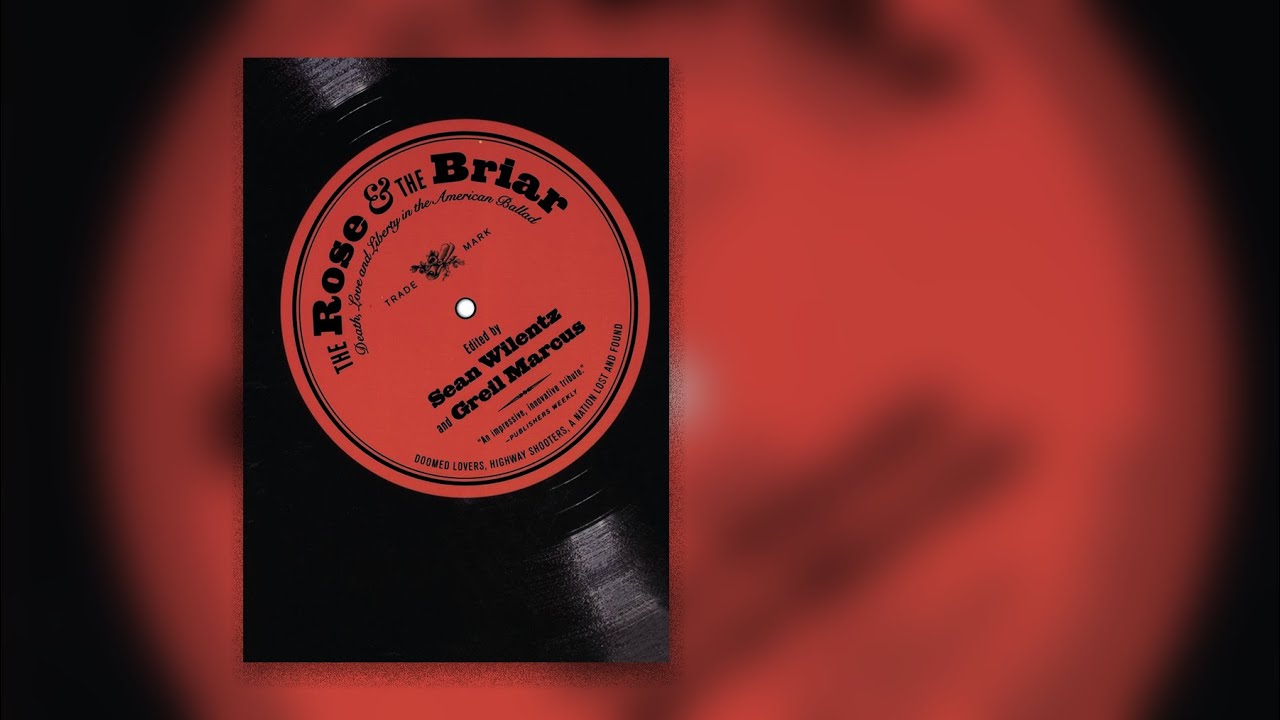








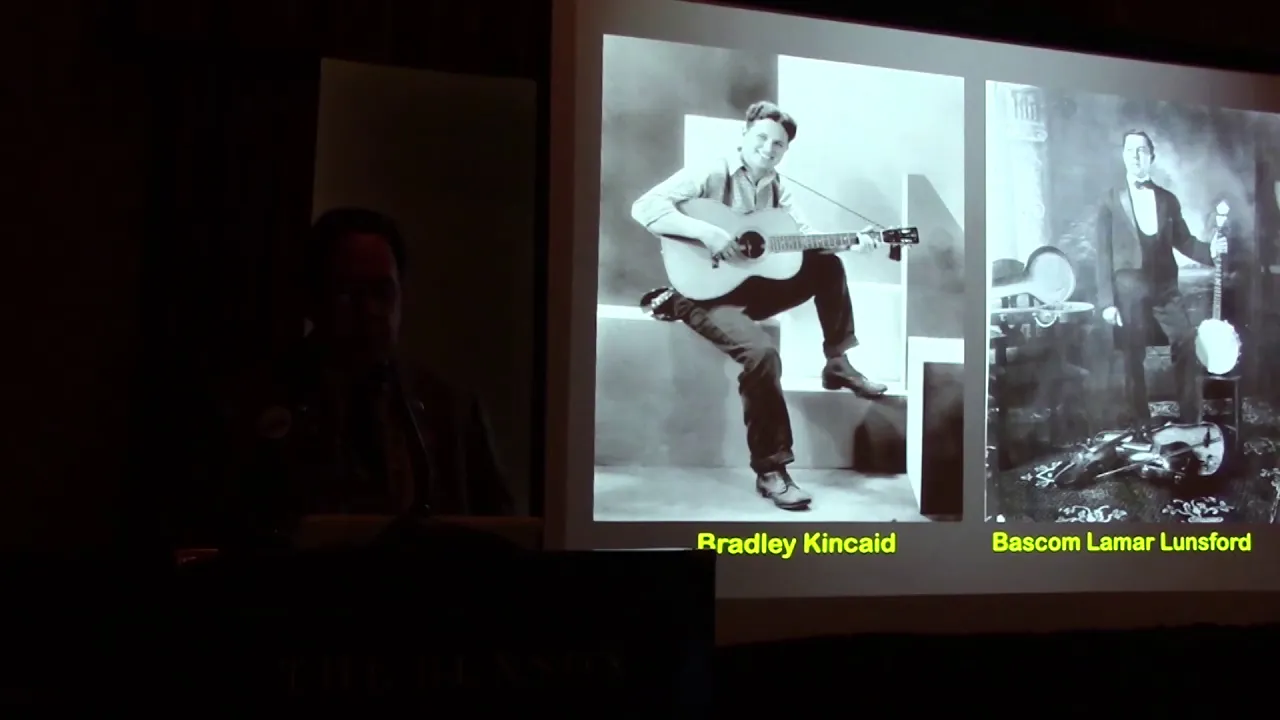
















The House of the Rising Sun was originally recorded by Alan Lomax in 1934 when he overheard a 16-year-old girl singing it in Kentucky; he recorded both her version and a male version by Bert Martin, but didn't publish it until 1941, and it wasn't until The Animals covered it in 1964 that it became a global hit, illustrating how folk songs can evolve from simple regional ballads into international classics.
The True Story of House of the Rising Sun | Music History
Added:Understanding the nature of oral tradition and folk ballads, specifically how songs mutate, adapt, and travel across generations without a single definitive author.
The historical context of African-American spirituals and slave work songs, which served as foundational elements for American folk and blues.
A basic familiarity with the mid-20th century American folk music revival, which popularised regional traditional music for mainstream audiences.
Analyzing how the British Invasion (e.g., The Animals) reinterpreted traditional American folk and blues music, translating it into a global rock context.
Exploring the legal and ethical complexities of copyright, ownership, and royalties regarding traditional public-domain folk music.
Investigating the field of ethnomusicology, particularly the archival work of figures like Alan and John Lomax in documenting oral music histories.
Conducting a comparative analysis of the diverse musical arrangements and lyrical variations of 'House of the Rising Sun' across different genres (e.g., blues, folk, rock, and jazz).
284.8K views13.2Klikes25:57Original Release: 2025-02-13
[Music] welcome back to Roots Music history on this podcast we talk about the stories behind songs and legends as well as moments in history and history in the making recently a viewer requested I cover the House of the Rising Sun and this comment got me pretty excited because I have actually read quite a bit about the history of this song and I'm actually surprised I've never covered it I had to search to be sure I never did and I never have so I'm very excited about this episode it is currently raining and very gloomy in Nashville Tennessee and I'm sure the odds or the probability that it is snowing where you are are probably quite high so go ahead and grab a blanket grab a cup of tea because this is a really cool story a very unexpected story this is the story behind the song The House of the Rising son it was September 23rd 1867 in Goodman Mississippi when a man was born who would have an influence over the music scene in ways no one ever had nor ever would his name was John LX no I'm not talking about his son Allan not yet at least if you know where the story is going I want to talk about John LX senior because John lmax was born in Goodman Mississippi to James Avery LX and Susan Francis LX technically there are three John lomax's John LX senior had a senior senior named James John John lmax Senior is who I am going to refer to as Allen's Father John LX senior Allen's father attended the University of Texas and he became a registar for the university in 1897 he ended up holding the position of registar for about 6 years it was in 1897 where he met a woman named Shirley green the two of them dated for about 4 years at the University but Shirley just would not commit to John and it always bothered him Shirley ended up introducing John to one of her friends named Bess in about 1902 she revealed to JN the reason she was hesitant to commit to him was because she knew she was terminally ill with tuberculosis one year after explaining this to John it was 1903 when Shirley succumbed to her illness and passed away now Bess and John were both overwhelmed with grief Bess was Shirley's best friend JN had obviously been dating her for 4 years and through this grief Bess and John sparked a romance in 1904 the two of them were officially married and together they had a daughter in 1905 named sherley can you guess who she was named after and then in 1907 a son whom they named John Avery LX Jr technically the second jior and then after John Avery Lomax Jr came Allan LX in 1915 Allan becomes very imperative to this story John and Bess moved from Mississippi to West 26's Street in the Austin Ward 4 of Travis Texas which was just about 1 hour away from where John grew up himself John LX was always heavily involved in education his father was a farmer and for John getting an education was his way out of the farming industry he studied at multiple different colleges and universities in his late 20s before he landed at the University of Texas now one of the institutions John really wanted to study at was Vanderbilt in Nashville Tennessee but he actually could never get in to Vanderbilt and the timing also just never seemed right for it but he always wanted to come in 1906 with a new wife and a one-year-old in Texas John received an opportunity to attend Harvard University for his graduate degree and although this wasn't Vanderbilt he was still very excited and jumped on this chance by September of 1906 he Bess and their baby girl Shirley moved to Cambridge Massachusetts and John embarked on his Endeavors Harvard at the time was the center of American folklore Studies by the way this specific study was primarily driven by two scholars in particular named Barrett Wendell and George kitridge both Scholars were passionate about preserving old Scottish and English folk songs for future Generations John LX started to study beneath these two Scholars and the scholars obviously encouraged John lmax to do the same in his own scholarly Endeavors John had kind of dabbled with collecting old songs before but it really wasn't until he met met Barrett Wendell and George kitridge that his love and Fascination for preserving old folk songs and old cowboy songs really took off now not only were Barrett Wendell and George kitridge mentors to John LX during the years he studied at Harvard they also became really good family friends so much so that when John lamax returned to Texas after finishing his graduate degree in 1907 these two professors not only kept in touch with JN and his wife best but actually came down to Texas to spend time with him and his family and his newborn at the time John Jr and they even attended Sunday church services with him and his family and suppers John was teaching at the time a full-time position at A&M University while he was collecting all of these Cowboy ballads in his free time but John fully anticipated to monetize off of this hobby at some point and publish all of these songs that he had collected one year later in 19 8 a student strike hit A&M University and all classes were put on hold John not being able to teach now had the free time he had aspired for to publish all of his old cowboy songs and that's exactly what he did in 1910 he published his very first collection called cowboy songs and other Frontier ballads this included several iconic songs Like Home on the Range which later became the official state song of Kansas and Jesse James John made sure when working on this collection that the songs were recorded by real working Cowboys or ranchers or real Frontier settlers because he wanted to ensure that their authentic dialects were preserved and accurately reflected in these cowboy songs and this quickly became like I said much more than a passion project or side hustle for John LX by the time his third child Allan was born John LX had been officially elected as the president of the American folklore Society with drum roll please his old Professor George kitridge elected as the VP by the time Alan was born he had also already published multiple other Collections and pieces of work all in the name of preserving old folk and cowboy songs Allan being born in 1915 was born into the height of John LX folklore projects and we're about to get to my favorite part of the story because it's just proof that everything happens for a reason and even the most terrible circumstances in our life are truly proof of God working for the greater good because in 1917 John LX was very dramatically fired from the University now his firing was purely political he was fired amongst many other staff members and this was all a result of a big fight between the governor at the time and the university President John Lomax took his family and 2-year-old Allan at the time and decided to move to Chicago from Texas he decided to go in a totally different direction and took a job selling bonds at a brokerage firm he really only got this job because his other old friend and old Professor Barrett Wendell ran that brokerage firm in Chicago and knew John was out of work and brought him in and gave him this job just a few months into this new position the political tension and fight that caused all of those staff members to be fired including John LX ended up sorting itself out when the governor was impeached and everyone who had been fired because of this issue was brought back on board and back onto the University payroll but John was so grateful to Barrett Wendell for getting him this job in Chicago so quickly he felt like it would just be inappropriate to leave after a few months and take his old job back so he decided to stick it out in Chicago for 18 months paying his dues to this brokerage firm and it's a good thing he did because during this time in Chicago John lmax met a very famous poet you might have heard of him Carl Samberg Carl Samberg refers to John lmax multiple times in his book American song bag which he says was heavily inspired by John lomax's 1919 publication songs of the Cattle Trail and Cow Camp Carl Samberg was also a huge advocate for preserving and promoting old American folk songs and he thought that John lak's work was quote groundbreaking American song bag by the way was a huge influence for Woody Guthrie Pete Seager Bob Dylan and many more artists it wasn't just a little song book that nobody really read now all of this is happening for John LX while Alan Lomax his youngest son is in his first 10 years of life he's just a kid but he's observing his father and is being immersed in this folk music and this drive to preserve this kind of music after John felt enough time had passed in Chicago he returned to Texas and joined as the secretary to a board of directors called the Texas ex's which essentially was formed to avoid future employees from being fired due to any political tensions in the future he did this for a couple years but then that dirty scoundrel of a governor who had been impeached decided to use a little loophole and have his wife run for governor since he couldn't so Mrs Miriam Ferguson runs for governor and wins and then fires John lilax and everybody else all over again so after being fired twice thanks to the Fergusons John Lomax decided to go back into the finance industry this time taking a job at the Republic Bank of Dallas in 1925 and obviously this ended up being very poor timing due to the economic crash that would occur in 1929 things really went downhill for John Lomax after 1929 obviously the crash took a really big toll on his personal Investments putting him into debt and making him unemployed but then just 2 years after the 1929 crash John's wife Bess tragically died at the age age of 50 Alan was just 16 years old at the time the combination of the crash being in debt being unemployed with four children two of which are School AED and being widowed threw John lamax into a terrible depression his oldest son John junor encouraged his dad during this time to find Joy again in music they decided to go on a trip together a road trip if you will where they would drive around and John lmax would give speeches and lectures to small audiences throughout the country about the history and significance of folk and cowboy songs he really had a passion for spreading the word on how important it was not just to continue to sing these songs but to continue to tell the stories behind them this was a topic he was incredibly passionate about and a topic that truly brought him what little Joy he had left in this world John junr Alan and John Senior were the three men who went on this road trip John Jr and Alan both Switched Off driving while their father would prepare his scripts and lectures in the passenger seats to save money they would never stay at a hotel or a motel but would rather camp out on the side of the road by June of 1932 they had driven all the way from Texas to New York City and decided to stop at the publishing company that had published John's 1919 collection songs of the Cattle Trail and Cow Camp that piece of work that had been so inspirational to Carl Samberg this time John wanted to publish something that would honor African-American music specifically and the publisher loved that idea so their next stop on this adventure was to go to Washington DC and visit the Library of Congress for research once arriving there though JN and his sons were grossly disappointed by The Archives that existed in the Library of Congress and the Library of Congress knew and acknowledged that their phonograph recordings from previous fieldwork were not really up to par the man responsible for obtaining these recordings admitted he only had a portable disc recorder at the time and didn't have the quote time nor the resources for significant field workor John immediately recognized an opportunity here and mind you even though he had been accepted by this publisher to do another piece of work he was still in debt and still without a job so he had the time just not really the resources cuz he didn't have the equipment to continue this fieldwork so John made a deal with the Library of Congress that if the library was willing to give him the equipment needed to make these recordings he would go out and travel the country and obtain better work and not just better recordings but also a larger sample of recordings and not just of American folk songs and not just of cowboy songs but also of all of these africanamerican songs that had been sung for decades and had never been transcribed and of course he could use all of that for his next publication with the publisher in New York City for the next couple years that that's exactly what he did and Not only was John Jr by his side through all of this so was his youngest son Allan by 1934 John LX was named honorary consultant and curator of the archive of American folk songs a title he held for the remainder of his life John Jor was definitely a huge help in all of this but Allan specifically was growing into this role and fascination with folk music in ways John Jr did but not to the extent that Allan was by the time John Senior was given this title at the Library of Congress Allan was 19 years old Allan made it clear to his dad he was passionate about this work and he did not want to stop taking these field trips when Allan was about 20 he and his father together visited the Rio Grande border recording old Spanish ballads and then went to Southern Louisiana speaking French with the cunes and recording their authentic songs it was also in 1934 John Senior remarried he remarried a woman named Ruby who was a professor of Classics very fittingly 1934 was kind of a big year this was also a year where Allan recorded three very famous songs one actually was technically in 1933 Black Betty was recorded in 1933 later of course made famous by Ram Jam in 1977 but it was actually originally recorded by Alan LX in a Texas prison and then in 1934 two other songs were recorded by Alan Rock Island line and good Night Irene oh he also recorded Midnight Special which other than House of the Rising Sun was arguably one of his most famous songs that song was later covered by Credence clearw Revival Van Morrison and Johnny Cash by the end of 1934 the entire lmax family was involved in music in some way or another but Alan like I said was the one who accompanied his father on these field trips and seemed to be the most passionate about specifically archiving folk songs Allan became so heavily involved that he officially made the library of Congress payroll himself from 1937 to 1942 now I've read that his official title was assistant in charge next to his father but I have also found several newspaper clippings that refer to him as the quote head archist which could be more accurate it was in the same year Allan officially joined the Library of Congress payroll he overheard a song that would catapult Within the Music Industry for decades to come he was on a trip with his father in Middlesboro Kentucky when he over heard a young 16-year-old singing an old folk song she'd likely just learned or heard from her Elders a song that like many other folk ballads was traditional to her region and likely had its roots in an old Scottish ballad Allan was captivated by this little 16-year-old singing this likely was not the first time alen had heard the song himself in 1933 Clarence Ashley and Gwen Foster recorded Rising Sun Blues which was essentially the exact same song one of the earliest versions of House of the Rising [Music] Sun and then in 1934 the Callahan Brothers released a version titled rounders luck but again it was essentially this song the only thing that around w a suitcase and a trunk and the only time he's satisfied when he's on hearing the song sung by a female like Georgia Turner brought on a whole new [Music] perspective me girl me hearing the song sung by a young female had people wondering if the song was actually about the downfall of a woman who possibly found herself in a brothel lifestyle in New Orleans or a woman's prison or a gambling house so Alan recorded this version by Georgia Turner but he also recorded another version around the exact same time a version by a man named Bert Martin Bert Martin was another folk singer in Kentucky and hearing it from a man's perspective right right next to George's version opens up this whole Pandora's box of possibilities of what this song means for Generations people have interpreted the song differently which really just speaks to its Mystique what's fascinating about this song is that it actually wasn't published by Allan right away it was archived right away because obviously he had a job and a contract with the Library of Congress and part of that meant he had to send his recordings back to the Library of Congress pretty much as soon as he got them but but he didn't actually formally publish this song Until 1941 in fact you'd think he had forgotten about this recording entirely he very well may have after recording it he just went on with his trip and seemed to just go on with other songs Roy Acuff however noticed something special in the song right away there is a house in New Orleans they call the R in he covered his cover Rising Sun in 1934 one of the first people to do so in 1939 newspapers everywhere started gawking about how Alan lmax was set to play his songs for very high-profile people like President Teddy Roosevelt and even the king and queen but if you read all of these articles from like 1938 through 1941 they're always specifying alen is going to be singing songs like bring me a little water and I'm all down and out and wo back buuck and gby lamb like none of the songs mentioned in the newspapers mention House of the Rising Sun which is why I say it seems like maybe he just kind of put it in his back pocket for a while but Roy Acuff covers it and then Allan decides to publish House of the Rising Sun nearly 4 years later after it had been recorded in 1941 in the same Year Ellen officially publishes it Woody Guthrie releases a cover of his own Now by 1941 Allan had just one more year left with his work at the Library of Congress it almost seems like he knew his time was coming to an end and thought I'm just going to publish everything that I've ever recorded or I'm just going to publish as much as I can before I leave so that I know that I've gotten everything in that I possibly can which included Publishing House of the Rising Sun but I actually do want to just insert and I actually meant to mention this earlier but there's a 1905 version if you go on to the Library of Congress archives you can see it for yourself it's a book by I know I'm going to butcher the names it's like foreign German names and it's called House of the Rising Sun there are also multiple hyms throughout the early 1900s called him to the Rising Sun or himym of the Rising Sun different iterations like that so it's very clear this song adapted from earlier versions likely as mentioned old 16th 17th century even Scottish ballads in 1941 Alan publishes Georgia Turner's rendition of House of the Rising Sun in his book our singing country and this publication was co-authored by his father John another key individual in this project was a woman named Ruth Crawford Seager she helped transcribe many of the songs and arrange the instrumentals Ruth Seager was one of the first female musicologists to work extensively in American folk music and she was also married to a man named Charles Seager who was also a musicologist and a composer and who had a son named Pete making Ruth Seager Pete seager's stepmother to put things in perspective Pete Seager was 2 years older than Alan LX at the time so it's probable Ruth and Alan's Father John knew each other well and Alan and Pete met through their parents friendship and their parents connection throughout Allen's time working with these archives and doing this fieldwork he was also working very closely with concert organizers in New York and elsewhere bringing folk music to big stages one of these concerts included the stage debut of Pete Seager Allen left the Library of Congress the following year in 1942 and he went to work for the office of War information and the Armed Forces Radio Service during the war his role was to produce folk music and programming to lift the spirits of the militia and American citizens during this difficult time one of his programs was called the Martins and the KO which was a radio play that featured Woody Guthrie Burl IES and Pete Pete Seager he and Pete remained really good friends which ultimately LED Allan actually into some very uncomfortable circumstances especially when his association with far-left organizations and connection with Seager who was a suspected communist well confirmed communist ultimately blacklisted Allan from work in America it became so difficult for him to find work in the 1950s in lie of all of this he ended up leaving America altogether and moving to England he did end up coming back to the Us in 1958 trying to pick up where he left off although it wasn't the same energy and it wasn't the same success that he saw prior to all of this communist talk in the same year Allan moved back to America in 1958 Pete Seager recorded his cover of House of the Rising Sun on folkways records and this would of course be followed by Bob Dylan in 1961 and the Animals rendition which made it a global hit in 1964 Parton also went on to record a cover of the song In [Music] 1980 and I would be curious to know if anyone prefers Dolly's version over the others of this specific dy I have a whole Roots documentary by the way on Dolly Parton and her song I Will Always Love You if you are curious of the full story behind that song you can go ahead and click for that episode in the corner or in the description down below but despite who covers this song House of the Rising Sun it seems to have made an indelible mark on music history it's one of the few songs that evolved from a simple folk ballad to an allout rock and roll classic its haunting Melody and mysterious lyrics have been reinterpreted by almost every genre musician from Blues to folk to rock the song is absolutely a testament to music's ability to tell stories of hardship Redemption and to touch on The Human Experience so universally I personally can't wait to see what the future holds for The House of the Rising Sun and the next time you hear the song House of the Rising Sun by The Animals or anyone else for that matter I hope you remember the lowmax family and their passion for not only preserving these songs but preserving the stories behind them if you like this type of content please don't forget to hit the Subscribe button and give the video a thumbs up you have no idea how much it helps just to have one extra subscriber and one extra thumbs up you also have the option to give me a super thanks a super thanks is a button at the bottom of the play bar that allows you to donate any amount of money that you would like to the channel and your donations really are imperative to the production and the research that goes into these episodes I also like to joke that you can directly help me with the research of these episodes by buying me a coffee my buy me a coffee link is in the description down below as well and I joke that it is a direct help to the research because it caffeinator grateful to anyone who has donated in any way to this Channel and of course I will see you on the next roots rockumentary oh and thank you to the person who requested this song because you got me really excited and I hope you enjoyed the story as much as I do hry the road thirsty for Adventure on my youth chasing all my freedoms down Liberty Avenue [Music]
Up Next

11:38
World's Most Important Archives: A Global History Review
@ToptenzNettop10
81.5K views•2021-12-03

33:02
The Great Schism of 1054: Causes and Consequences
@SacredCathedrals
113.5K views•2026-02-19

91:57
The Geopolitics of the Ukraine War and the Rise of Global Autocracy
@JordanHarbingerShow
468K views•2025-04-19

17:05
Understanding the Cold War: Superpower Conflicts and the Road to Détente
@OverSimplified
46.1M views•2019-01-24
Related Study Plans & Knowledge Roadmaps
Structured learning paths in History
history
Byzantine Iconoclasm: Theology, Art & Politics
01Foundations of Byzantium and Early Christian Images
02The First Iconoclasm: Leo III and the Crisis of Images
03Empress Irene, Nicaea II, and the Second Iconoclasm
+ 2 more learning modules
9h5 modules
Explore Roadmap
history
Iranian Revolution (Causes, Events & Legacy)
01The Pahlavi Dynasty and the Roots of Discontent
02The Spark of Rebellion and the Rise of Khomeini
031979: The Fall of the Shah and the Climax of the Revolution
+ 2 more learning modules
8h5 modules
Explore Roadmap
history
Mali Empire: Mansa Musa, Trade & Timbuktu
01Foundations of the Mali Empire
02The Trans-Saharan Gold and Salt Trade
03The Reign and Pilgrimage of Mansa Musa
+ 1 more learning modules
6h4 modules
Explore Roadmap
history
1947 Partition: Politics, Borders & Legacies
01Foundations of British India and the Divide
02The Political Negotiations and the Mountbatten Plan
03Drawing the Boundary: The Radcliffe Line
+ 2 more learning modules
8h5 modules
Explore Roadmap