







![[고1 통합과학] 4단원(환경과 에너지) 핵심정리(39분) + 교재](https://i.ytimg.com/vi_webp/3ZG-xpnizjk/maxresdefault.webp)







Bioelectrochemical processes, particularly microbial fuel cells, can simultaneously treat wastewater and generate renewable energy by utilizing anaerobic bacteria to oxidize organic matter in wastewater, releasing electrons that flow through external circuits while protons pass through specialized membranes to the cathode where they combine with oxygen to form water; this technology offers a sustainable solution for addressing both energy and water management challenges in urban areas.
Bioelectrochemical Process: Sustainable Energy & Wastewater Treatment
Added:Fundamentals of electrochemistry, including redox (reduction-oxidation) reactions, anode/cathode dynamics, and electron flow.
Basic microbial metabolism and respiration, specifically how bacteria break down organic substrates and generate metabolic byproducts.
The chemistry of wastewater, including metrics like Chemical Oxygen Demand (COD) and traditional biological treatment methods.
Standard fuel cell principles, particularly how chemical energy is directly converted into electrical energy.
Microbial Electrolysis Cells (MECs) and their application in generating bio-hydrogen or other value-added chemicals instead of electricity.
Engineering and design challenges in scaling up microbial fuel cells (MFCs) from benchtop laboratory scale to municipal wastewater treatment facilities.
Advanced electrode materials and surface modifications, such as the use of carbon nanomaterials to optimize extracellular electron transfer.
Resource recovery techniques within bioelectrochemical systems, focusing on the extraction of nutrients like nitrogen and phosphorus alongside energy generation.
136 views9likes55:01Original Release: 2022-08-02
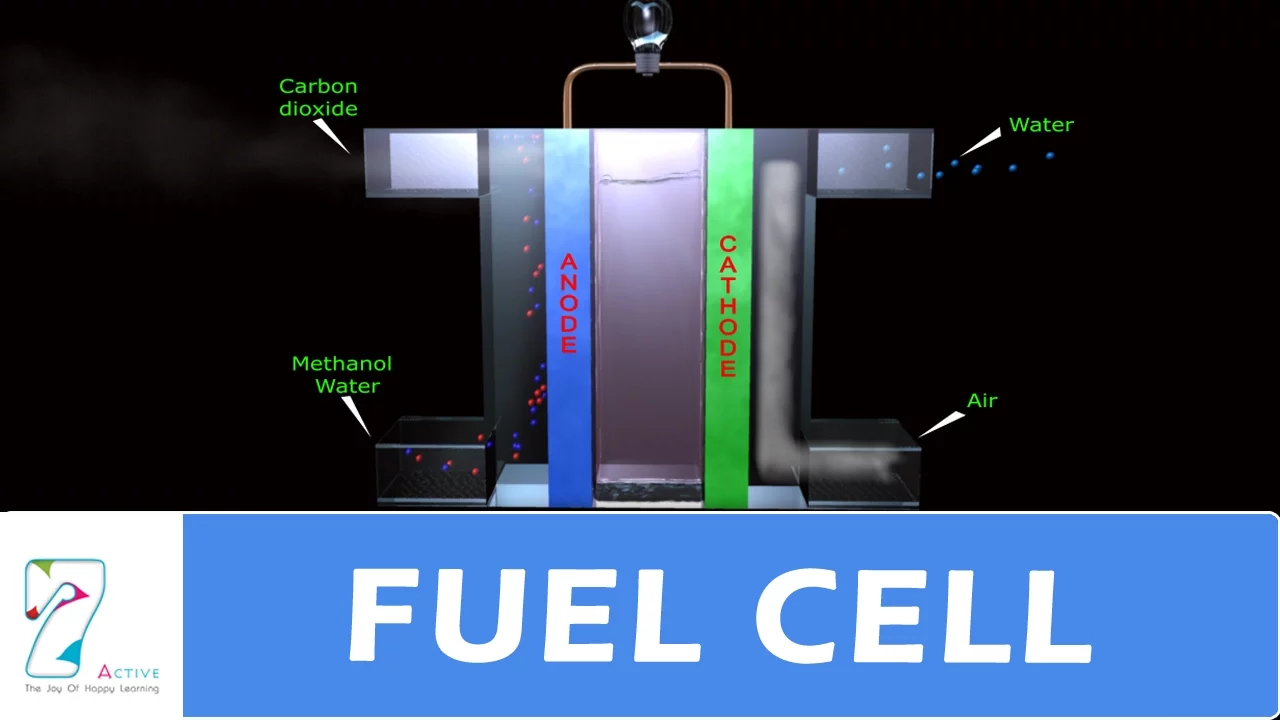
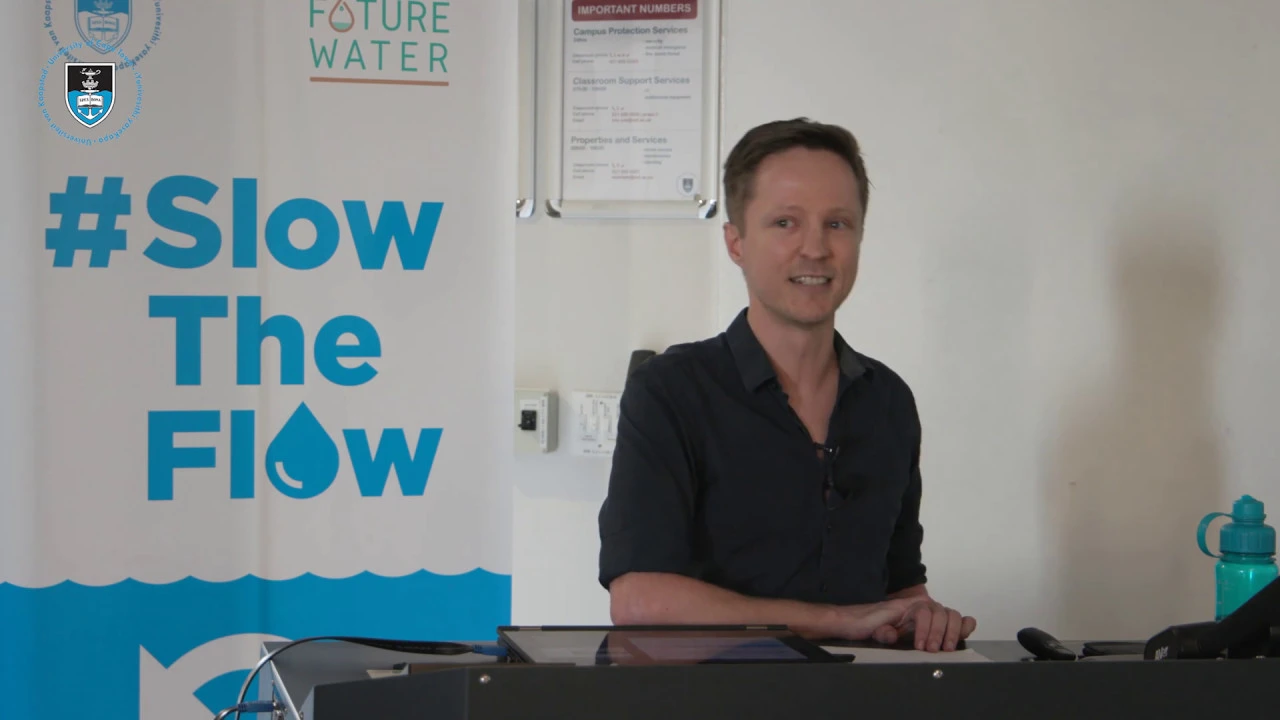
[Music] the path-breaking research done by our resource person for today's program shimuke sharma along with his resource guide professor mihir kumar purkit from the department of chemical engineering of indian institute of technology guahati has been extensively covered by different national as well as regional print media let us see what the media tells us about sri sharma's new invention [Music] so [Music] only the print media c mukesh thermal new device which can turn waste water into energy is also covered by different electronic media india science tv channel a 24x7 satellite channel dedicated to science and technology under the department of science and technology of government of india also covered it beautifully in its kind the monitor program let us watch what india's science channel sees about the research [Applause] researchers from the indian institute of technology guwahati have developed a technology to generate green energy during waste water treatment the new technology offers the dual benefit of bioelectricity generation and wastewater treatment developed under a program supported by the department of science and technology government of india this innovation can be helpful in solving the problem of water and power management in india which has a rapidly growing urban population here is a science monitor report a growing population and rapid urbanization bring the twin problem of an exponential increase in energy demand and the need for better wastewater management to add to this there is the increased environmental impact too keeping this in mind several measures are being undertaken including the development of renewable and sustainable energy generation technologies along with several renewable energy sources the sustainable energy sources also include the blue energy sources of energy harvesting these sources of energy generation have no negative impact on the environment and energy is generated from various wastes such as sewage waste and food industries wastes in a big step towards using blue energy sources researchers from the department of chemical engineering indian institute of technology guwahati have developed a bioelectrochemical device this device called the microbial fuel cell treats waste water and produces green energy developed under a research program funded by the department of science and technology government of india this technology can provide dual benefits of renewable energy generation and an efficient wastewater management system one of my religious students uh mr appreciated myself certainly worked with some phd projects and this is a generation of energy from fresh waters so this energy is a blue energy and we have developed that bio electrochemical devices which you can visit the microbial cluster and that can generate green energy by treating wastewater which is simultaneous wastewater treatment as well as generation of energy the microbial fuel cell developed by indian researchers is a bioelectrochemical reactor system that uses electrons liberated during the biochemical oxidation of organic substrates induced by microbes that is anaerobic bacteria that lived in the absence of oxygen to convert them into electrical energy the device consists of an anaerobic biotic anode chamber and aerobic biotic or abiotic cathode chamber and a separator such as proton exchange membrane the focus of the present research was on the development of cost effective and high performance membranes for application in mfcs for this the researchers used sugarcane waste to reduce the cost of proton exchange membranes [Music] specialized membrane designed by our team is based over here what is the property of the brain is it allows only it essentially allows protons to pass through the anode to the cathode what happens the protons which are produced by anaerobic oxidation functions matter it passes from anode to cathode via this membrane and the electrons they flow to the external circuit as we can see clearly the current has been produced in the anodic chamber active biocatalysts oxidize the organic matter present in the waste water to produce electrons and protons protons are brought into the cathodic orbital through the proton exchange membrane while an electrical circuit is made by conducting electrons through an external circuit at the cathode these electrons and protons react in the presence of oxygen which turns into water following this success work is on to develop a pilot plant on a large scale this technology development has provided an excellent sustainable energy source along with a more efficient wastewater treatment system it can be utilized in municipalities and other public spaces [Music] on his achievement thank you thank you [Music] so good morning everyone respected principal uh teachers and my dear students uh i'm very thankful to serve for inviting me here and to present my work especially thankful to dancer and i have been so so so much connected to this place uh de brugard i was here uh in 2012 and one year that i spent that was spectacular and in fact i am so much you know happy to be here and present my work over here okay so uh today i'll be presenting my work the topic of which will be towards sustainable energy generation and wastewater treatment using bioelectrochemical process the progress and prospects i'll be discussing on so uh this is a you know the outline of my presentation what we can see here the prime objective of my research was to use the waste and waste and waste the idea was as we can see in this this is the organic matter so the idea was to use the organic matter to prepare a specialized membrane we call it proton exchange membrane and the property of the membrane i'll discuss this later in detail but still i'll tell you it preferentially allows protons only exclusively protons to pass from one side of the reactor to the other side of the reactor and not just that i have used the wastewater here i have focused on using the municipal wastewater because of the time constraints that we have during the phd period so i've used the municipal wastewater i have treated it and apparently i have generated green energy but when we say green energy we mean it is having absolutely as for now the research says there is no harm to the environment at all so let us start with the introduction now you will be surprised to know that the current scenario the sanitation scenario in india is for the rural india still 70 percent lack the lettering facilities and 19 of which are practicing defecation outside open now the urban area 67 percent lacked later in facilities and 12 percent practice defecation outside looks very bad right now we have an example a toilet no uh recently the government has been promoting okay you please do it in a proper way and make things more organized so they are providing funds and all those things but we are indians right will not improve so easily so we can see here uh dr suresh kumar rohila he just was no he was doing one project and there he visited a number of you know projects which indian government you know was funded and then see this is the situation the funds are there everything is there but no this is for a different person and the defecation will be in the open only anyway so what is the harmful effects of these things so first thing is it poses health hazards definitely waterborne disease will be there it reaches environmental concerns and then it leads to water contamination now to you know to cure this i'll secure because i'll tell you in details i design it's not design it is a development basically a setup which we say microbial fuel cell so the basics of this is we have an oxygen poor we say anaerobic this anode and then this is the electrode this is the cathode which is rich with oxygen right and what happens here we have this membrane proton exchange membrane and whatever the sewage or what you can say the municipal waste whatever you want to say it is now given to this chamber it decomposes here the proton exchange membrane it takes the protons passes from anode to the cathode and then the electrons move through the external circuit and then it is energy is generated now with this basics the first and the foremost key player of this complete process is the bacteria so what happens basically i'll talk about here the municipal wastewater to you know limit the the spreading so we have this mr clean we say sevanella i'm not from the biology background but tell you what this is the most beautiful thing the organic no the bacteria itself decomposes we know one very basic thing nature has everything right we only should know how to take it so this bacteria what it does it decomposes and during so it generates electricity now how does it do the electron transform mechanism there are three ways of transferring electrons first is diet transfer second electron shuttling and third is the nanowire this is [Music] so this bacteria what happens this bacteria itself it anyway it no sticks to this anode and it forms a biofilm right and then when it starts decomposing then it no while decomposing anaerobically it releases electrons protons carbon dioxide and several other resources which will not be talking here now this is how the electrons transfer mechanism takes place the substrate when it oxidizes anaerobically then h plus is released electrons and the co2 carbon dioxide gas now the electrons they pass through this anode chamber whereas the proton they start and indu there they get induced by the protonation membrane to follow the hopping mechanism now this is the hopping mechanism to understand this hopping mechanism let me tell you is very simple what happens we have a proton then say this is the so3 minus what happens h is also attached to it what does protonation membrane does it takes the h from here as we can see it takes the edge from here then passes it to the next then again it follows and follows and follows until the proton reaches the protonation membrane via which it reaches to the cathode chamber now this is an animated you know image of this process as we can see the influent the wastewater now this is i'm showing the cyclic process there are two types of assemblies that we follow first is the best mode setup and second is the cyclic process here i'm explaining the cyclic process so that you understand it properly what we actually want to do when inferent is given to this anodic chamber the level of this rises and then the excess of which passes and then it circulates like this now this complete setup including this is completely packed no air is been allowed to pass through now what happens that cathode chamber is open there are several assemblies including air cathode then we have water cathode i'll be explaining later so here lots of oxygen is there what happens this h plus ions as we can see which are produced they pass through from anode to cathode via this protonation membrane and this electron as we can see they pass through the external circuit and hence we get this electricity so now there are wide range of applications for this process including streams then municipal this is what i have done then wastewater then farmland mars and undersea now when we talk about types of mfcs see our motive is to provide oxygen to the cathode depending on the application we do it in a different way for example for double chambered we can see air cathode mfc we can also use here single chambered air cathode mf3 there is no big deal why because our motive is to provide oxygen or air to this cathode so what happens here in the other we can see single chambered mfc here there is no x um extra you know camber so this is what i'm going to display here and this is the other type of mfc without protonic chain membrane so it's not like protonation membrane is essential it is required but we can also do it without protonation membrane anyway so there are different types of nfcs including multi-electrode mfc upflow mfc downflow vertical flow horizontal mediator pure culture and stacked mfcs each kind of assembly is having some drawbacks and some you know advantage so this multi electrode mfc is simple to design and it is popular for scale up nfcs and produces enhanced power density power recovery the same thing now pure culture in case of pure culture the problem is maintaining the pure culture in field scale is very difficult sorry instead mfc's managing voltage reversal is the major challenge so let us move to the separator that is the membrane now what is the main purpose of the membrane in microbial fuel cell as we can see the anaerobicity in the anodic chamber is to be maintained and this is the prime purpose of the protonic chain membrane the motive is to know keep that anodic chamber free of air now the second thing is it has to restrict the mixing of the anaerobic analyte and aerobic catholic finally the important purpose it is to efficient it is for efficient transport of protons and restricting oxygen diffusion from cathode to anode there are range of you know membranes available commercially but the problem is the membranes like nafion 117 they cost around thousand usd per meter square now here is what i decided to focus on my research now if you are planning to make something more fruitful you have to make it more i plan to design a membrane which performs equally to the nfl 107 and is much cheaper to the nephi and 117 memory so i designed a proton exchange membrane let us know what is the basic of the protonation membrane a protonation membrane isolates the anode and cathode to avoid direct contact between them then it incorporates several proton conductive functional group right and performs the essential function of conducting protons and rejecting the electron simultaneously now the qualities of good protonation membrane includes high proton conductivity sufficient mechanical strength it should be able to resist chemicals and higher temperature and different harsh condition right and it should be low cost it should be thin film formality and then it should be compatible now for making my membranes there are no two steps first as we have discussed we need functional group only then we can attract protons only then we can repel electron to make this possible i have made modifiers two modifiers i prepared first cellulose acetate second graphene oxide so as to make my membrane cheaper as possible i made cellulose estate from okay let us think about something i went through the you know literature and then i found i can make cello just it from it so i made cellulose estate from the sugar cane big essay then i made graphene oxide using tools method i have mentioned your tools method but to be honest uh it is still under review those method although it consumes very less sulfuric acid as compared to the uh modified hummus method i have developed this method further to reduce the cost and to reduce the you know the extent of the exothermic reaction taking place because when we whenever we prepare graphene oxide we use huge amount of sulfuric acid so this is how i have prepared cello's acetate i'll just go and brief initially the acid treatment was done followed by the alkaline treatment of this uh cellulose sorry sugarcane magazine then bleaching was done and lastly the glacial as acid was used to treat it further to form it to the cellulose acetate nanofiber you can see this is the final product it works better than the cellulose acetate now this this prepared cellulose estate was sorry characterized using ftis spectrum then fpsm raman shift and xrd analysis here i have compared the commercially available cellulose estate and the prepared sellers estate and we can see clearly the peaks are more prominent in my case that means the nanofiber the cellular has a tender fiber that i prepared it is more effective than the commercially available cellulosic state now the second modifier that was graphene oxide i have mentioned here uh a method uh modified hummus method because uh you know the two the my method is still under reviews i haven't prepared it here sorry mentioned it here so this method also can be used to prepare graphene oxide and initially what we do we take 2 gram of synthetic graphite and 1 gram of nano 3 then we add s2 we can see here 50 ml of 98 percent concentrated s2so4 slowly and then we stayed prop again continuously for 15 minutes then 6 gram of potassium per magnet is added further the temperature is maintained to sorry 20 degree celsius then the mixture is removed from the you know water ice bath and allowed to the temperatures allowed to rise to 35 degree celsius maintaining temperature here is the key only then proper exfoliation of this synthetic graphite to graphene oxide will take place now this mixture is you know turned to dark brown then the com the process is followed cleaning process is followed and then finally we get this graphene oxide it is like a dark coffee ground coffee brown kind of a fine powder anyway so the characterization of this graphene oxide is done using uh xrd and fps this is two that i have shown here there are lots of but just to make it confirm that graphene oxide is formed uh this is the main thing including this raman that is also done so graphene oxide is prepared using this process and then the membranes that are been prepared here they are prepared using phase inversion process i'm sorry what we do basically we use polymer that we have prepared that the cellulose acetate then we use a base polymer which is comparatively hydrophobic because we all know that cellulose acid strengthening so to make it no more to make the membrane more stronger i have used here a base polymer which is hydrophobic and better in strength that is a pvdf so the phase inversion process has been followed now here the wide range of membranes i have prepared i'll just show two three best of my membranes cellulose acid based graphene oxide dope protonation membrane this membrane has no other polymer just to initially i want to check that what is the strength of this membrane so that i can modify it accordingly for strength and other things so what i observed that prepared proton exchange membrane has proton conductivity of 0.273 siemens per centimeter an ion exchange capacity of 1.08 millimole per gram and this is at room temperature 30 degree celsius now the developed membrane was 101 usd per square meter which is very cheap plus yes we cannot directly compare to the nephilim 117 membrane in terms of mechanical strength and resistance to the chemicals so what i did i added pvdf to it so i added pvdf in small amount keeping in mind the cost should not go very high because pvdf is a little costly of material so this membrane was prepared doping it with reduced graphene oxide graphene oxide kobi reduction sulfonation then the proton conductivity of point four siemens plus centimeter was achieved and the cost as you can see was only 434 usd per meter square from 1000 of nafion 117 i took it to 434 usd per meter square the next membrane was made up of psf based initially i use pvdf here i use psn again geo and graphene oxide and ca was impregnated then proton conductivity of 0.31 siemens per centimeter was there i was obtained and you can see here the price has reduced further only 262 usd per square meter which is very good because this is the proton conductive propane 117 membrane is actually lower than this sorry now this is the membrane that i made using sugarcane big assay so here we can see the proton the proton conductivity increased now this is 0.42 and the cost is 475.
here i found that this membrane can yes it can be directly compared to the nephilim 117 membranes and this is what the patent we are looking for now all these membranes was used for studying the microbial fuel cell operation now this sorry so this was uh no this was you know telecasted in no uh any rc north east research conflict one of the biggest countries that we have in assam north is completely anyway so let's move further the prepared proton exchange membranes when used for the microbial fuel cell using municipal wastewater where not just cost effective but they were also very not just very good i would say you can just compare nafion117 using platinum as a catalyst could only produce 47.6 milliwatt per meter square of the power density whereas my membrane produce 150.22 millivolt per meter square power density and the cost of this was 472 usd per meter square which is more than half cheaper and all the membranes that i have prepared i cannot compare this one sorry i cannot compare this one but surely all other membranes can be compared so what happens every process has some advantage and disadvantage but initially i discussed that my process has none it is only having advantages no disadvantages what happens post process whatever residue is left even that is a gold how let's see the sludge that is managed important factor behind okay sorry the sludge that is managed in this generation uh in this power generation process in such a way that it is either used as a manual right or the amount of sludge is so much small that we can you know effectively neglected initially and then after some time the bacteria itself decomposes it further and further and further even this is dissolved and then it is gone so now what is the future as i have said that this process is not just for power generation this process is not just for wastewater treatment it is about extracting so many things from the waste when we talk about waste we do not mean only the municipal waste we mean waste from several industrial sources too now this could be no petroleum or then it can be used so i'll tell you leather industry sugar industry right and various other industries including in fact i would tell you the research is going on to treat industrial wastewater from uh tata steel we have obtained that wastewater from tata steel and we are working on that and uh till now whatever results that i have seen with my setup it is awesome but i cannot discuss that in much detail over here because that is an un published work in fact but anyway so so many things can be generated at the cathode out as the cathode output including electricity which i have done hydrogen methane hydrogen peroxide valuable organics including loh scl struvite algae biomass and clean water now along with this desalination can also be done when we say desalination then we mean such a big thing why as we all know that there's two there are two major crisis for the future energy and water if we could successfully desalinate the sea water the ocean water let's not talk about ocean that will be a very big space if we can desolate sea water even that could be a very big thing if even if we can make that water in such a way we can consume it that is a very big thing because we all know the consumable water that we have in the earth is very small so using this process desalination can also be done that is why i have paste here x because here i have used macrobial fuel cell it can also be microbial electrolysis cell it can also be microbial desalination cell so what is the main thing main thing is i i can use micro for so many things there is a range of application that can be done using this not just this anode input just see this there is a range of inputs that we can provide to it including ammonia ferrous iron sulfide biofuel root excudates and residues and petrol sediment wastewater and so many other which is still under study show a setup which has two chambers anode and cathode but as i have already discussed here we can have a different mode of you know assembly so the simplest mode that i will show you here is this setup you could see here this is just the anode human waste please keep in mind when we say bacteria then keep it on when we say bacteria then there is a range of bacteria for different purpose for wastewater treatment we have different bacteria for power generation we have different bacteria or wastewater treatment maybe so foreign we can attach platinum to bb still research is going on to you know make a greener approach to extract or you can say platinum banana green approach your cost effective but still it is having a lot of time i believe apart from this uh platinum studies are also going for no morph so3 so as sir asked here sir uh your question again my background is not biology right so i just uh followed several no literatures i focus on only you know as a single category of bacteria right geobacter primarily then mr clean so many a process several researchers followed a single process right to to suppress all other microorganisms all of the bacteria they inoculated it using chloroform so what basically we do we take for example a kilogram of this i have wastewater in the big jar i put three to four i just boil it for a boil mist i heat it for uh five to ten degrees celsius above the room temperature and then i pour two three drops of chloroform and i keep it for overnight minimum and then that's done then we can simply take that from syringe and then that's it so yes yes main thing is sir the more we complicate the process right the more we require technology let us make it simple only then it will be approachable if we want to know develop this technology we should work on the catalyst we should work on the separators memory because manage your microbial fuel cell in terms of power density in terms of wastewater treatment so we need membranes we need catalyst and that is only two you know things that we we are at this stage focusing on definitely sir definitely it is one of the factors but sir to be honest what happens we are following the cyclic process right so the bacteria that we have cultured in anodic chamber eight times so my aim is to make this technology you know using those that toilet then simultaneously he will generate energy so that at least two to three led bulbs can be you know lighted and then at least one to two dc motor fan can work and that is the biggest achievement we can have there are lots of people the majority of the population i would say foreign right so my purpose is to solve that problem using that motive i'm going through this answer yes yes sir it would i'll tell us a simple thing we follow gravity right sir so whenever this waste will come it's not a complete liquid right it is a concentrated sludge in any case it will settle down right sir so when it will settle down only then it will form biofilm it is important i'll go into more and inside it is very important i'll show you one thing sir so this is the membrane cell right this is the active layer and this is the passive layer so we place this active layer this this is very important we want to restrict the flow of any kind of not transport of anything from anode to cathode except protons right so we will be placing here the active site but when we make a larger setup we try to expose the maximum membrane to the anode right so we want sludge concentrated we want that to you know settle down for some time get decomposed form a biofilm over here only then mr clean and geobacter will function properly right yes i just say they have foreign for that reason we are making it like this not like this the initially during my presentation i told you for a proton exchange membrane to be efficient and effective it is important to have good strength in terms of mechanical chemical temperature so many things then it should have high proton conductivity then it should have high ionization capacity it should have high water uptake update conflicting keys yeah yeah yeah yeah that is the reason there are two reasons for using hydrophobic polymer a strength b i want a little i'm not a hydrophobicity also secondly if you use uh just a poly cell phone used all reduced means sulfonate groups here so already right here [Applause] felicity right so this is the main thing any other question i am expecting question from the student the amount of suppose you are putting one liter of wastewater okay so how much it is generated how you can make it more efficient very good is your membrane that you have talked about that would be more efficient well i'll tell you see here if you talk about now final say this setup this is a small setup right why belly but we we will need to scale up the setup right when we need to scale up the setup and make it to the commercial level you're talking about for that we need you know your membranes proper assembly design and so many things in that so that we can control the flow of current right only then you can follow me and then you can see the results in this paper right but that is the last thing that we have but i've shown it that we can do it yeah it will take some time more in-depth research will be there but i hope within five to six years this will be there right thank you any more questions sir uh we are actually uh we are having projects in collaboration with taiwan yeah indo taiwan project and recently my professor professor purkit he has now been assigned as secretary or some uh supreme court of this judgement mission for this assam reason so we are also with that project that we have we are working on this technology so so so many persons are going for this but at this stage uh yeah uh i think it will still take one or two good years because the main thing is uh sorry you see this setup otherwise he will say that no no no we don't have expertise people in our lab and we don't have setup we don't have instruments once i did this in three months i got good results then i shown to such sir this is the result okay very good very good write it in the form of paper so unless you have the results your research is useless and if you can't put your science to application then your you know every study is just paper mailing a research paper published a science name of that this is what i believe making it into a practical form is the actual science thank you thank you thank you everyone so now we should wind up the program uh i'd like to thank our principal sir for allowing us to organize this program thank you very much i thank uh mukesh sharma for his beautiful presentation he take the pain to come up with i thank all our esteemed faculty members for present for me present here and i also thank all the students for listening to the presentation very carefully and also interacting with the resource person i'd like to thank our officing staff especially deeper because for events thank you once again thank you
Up Next

6:35
How to Build a Microbial Fuel Cell: Salt Bridge & Mud Sampling
@MicrobialFuelCell
6.9K views•2009-12-31

12:54
Triumph of Orthodoxy Icon: Byzantine Art & History Explained
@BenCallan
2.1K views•2024-08-06

9:49
FastAPI vs Flask vs Django: Choosing the Right Python Web Framework
@TechWithTim
302.5K views•2024-05-26

1:42
Game of Thrones Opening Credits: A Cinematic Analysis
@gameofthrones
46.3M views•2011-04-18
Related Study Plans & Knowledge Roadmaps
Structured learning paths in General & Interdisciplinary Studies
general-studies
Elevator Engineering: History, Physics & Cities
01From Hoists to Safety Brakes: The Dawn of Vertical Lift
02Hydraulic vs. Traction: The Engineering Physics of Elevators
03Modern Speed, Safety, and Algorithms
+ 2 more learning modules
12h5 modules
Explore Roadmap
general-studies
Rubber: Material Science, History & Geopolitics
01Origins of Natural Rubber & Mesoamerican History
02The Chemistry of Natural Rubber & Vulcanization
03The Geopolitics of the Rubber Boom & Colonization
+ 2 more learning modules
12h5 modules
Explore Roadmap
general-studies
Containerization: Evolution, Logistics & Trade
01Ancient Trade & Bulk Cargo: Amphorae to Barrels
02The Industrial Revolution & Cardboard Packaging
03The Containerization Revolution: Malcom McLean
+ 2 more learning modules
12h5 modules
Explore Roadmap
general-studies
Textile Tech: Evolution, Labor & Global Impact
01Pre-Industrial Textiles: Handloom & Cottage Industry
02Mechanization: The Spinning Jenny to the Power Loom
03The Factory System & Global Labor Transformation
+ 2 more learning modules
10h5 modules
Explore Roadmap