

























![[TALK 8] Biosensor Technologies: SPR, BLI and DNA Nanolevers - Stephen McLaughlin](https://i.ytimg.com/vi/xGhChdQhbQA/maxresdefault.jpg)
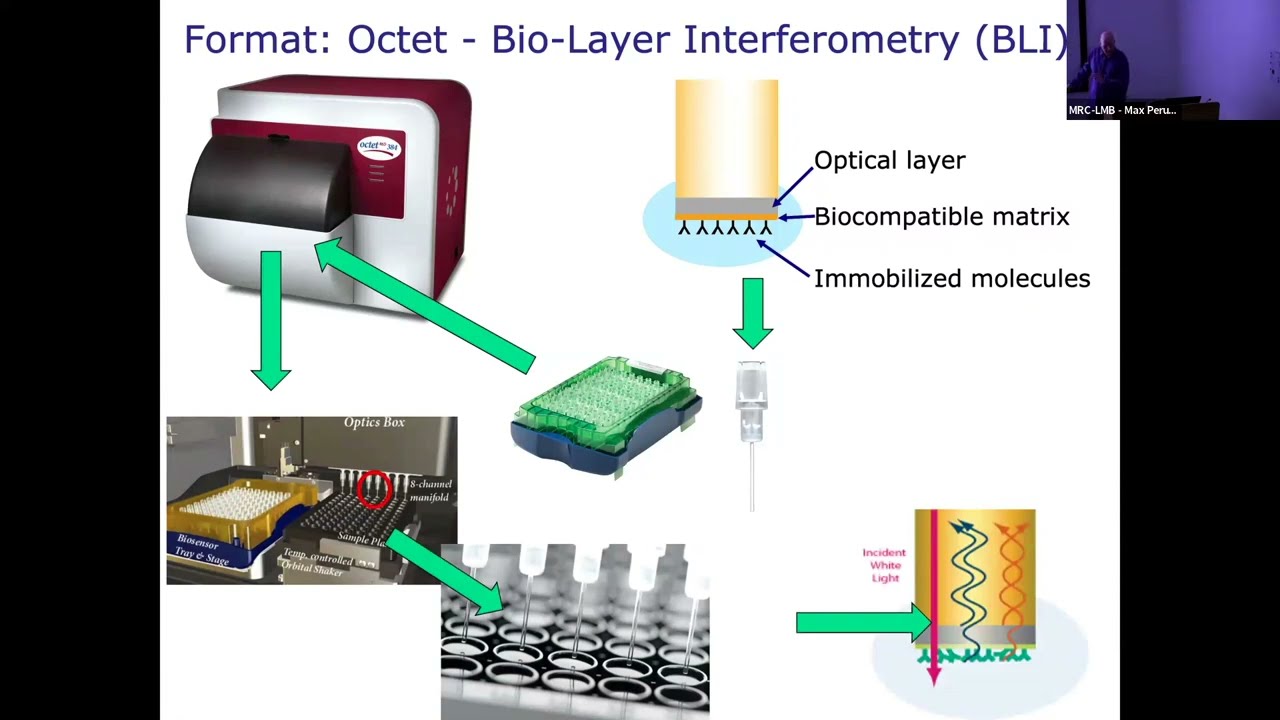


Electrochemical biosensors are analytical devices that combine biological recognition elements (such as antibodies or enzymes) with electrochemical transducers to detect and quantify specific biomolecules by measuring electrical signals generated during biological reactions; they work by having the recognition element bind to target analytes, which then triggers a measurable electrochemical response (current, voltage, or impedance change), making them valuable tools for cancer diagnosis due to their high sensitivity, specificity, rapid detection capabilities, and potential for non-invasive sample collection.
Electrochemical Biosensors Explained: Principles and Applications
Added:Fundamental principles of electrochemistry, including redox (reduction-oxidation) reactions, electron transfer, and the function of working, reference, and counter electrodes.
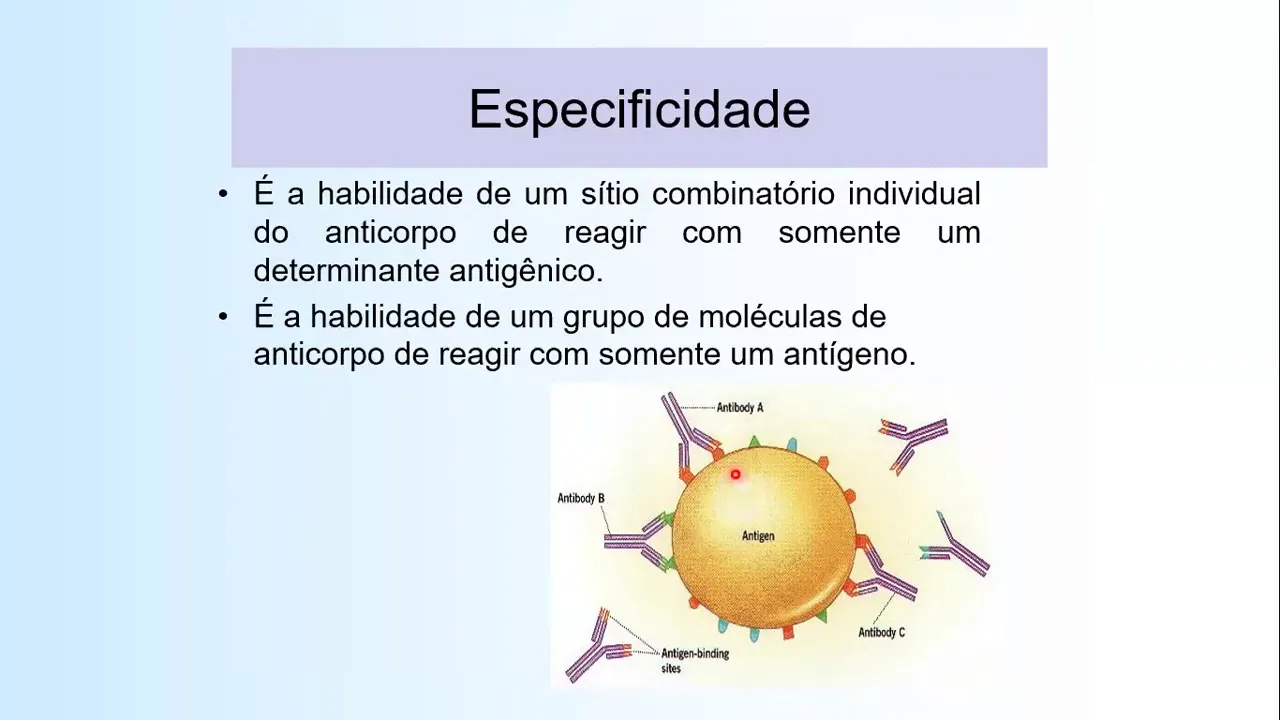
Basic biochemistry of biorecognition elements, such as antigen-antibody binding affinity, enzyme-substrate kinetics, and nucleic acid hybridization.
The concept of clinical biomarkers, specifically how specific proteins, nucleic acids, or cells indicate the presence and progression of cancer.
General sensor physics, particularly the concept of transduction—how a biological binding event is converted into a measurable electrical signal.
Advanced electrochemical characterization techniques, including Cyclic Voltammetry (CV), Electrochemical Impedance Spectroscopy (EIS), and Differential Pulse Voltammetry (DPV).
The integration of nanomaterials, such as graphene, carbon nanotubes, and gold nanoparticles, to amplify biosensor signals and lower detection limits.
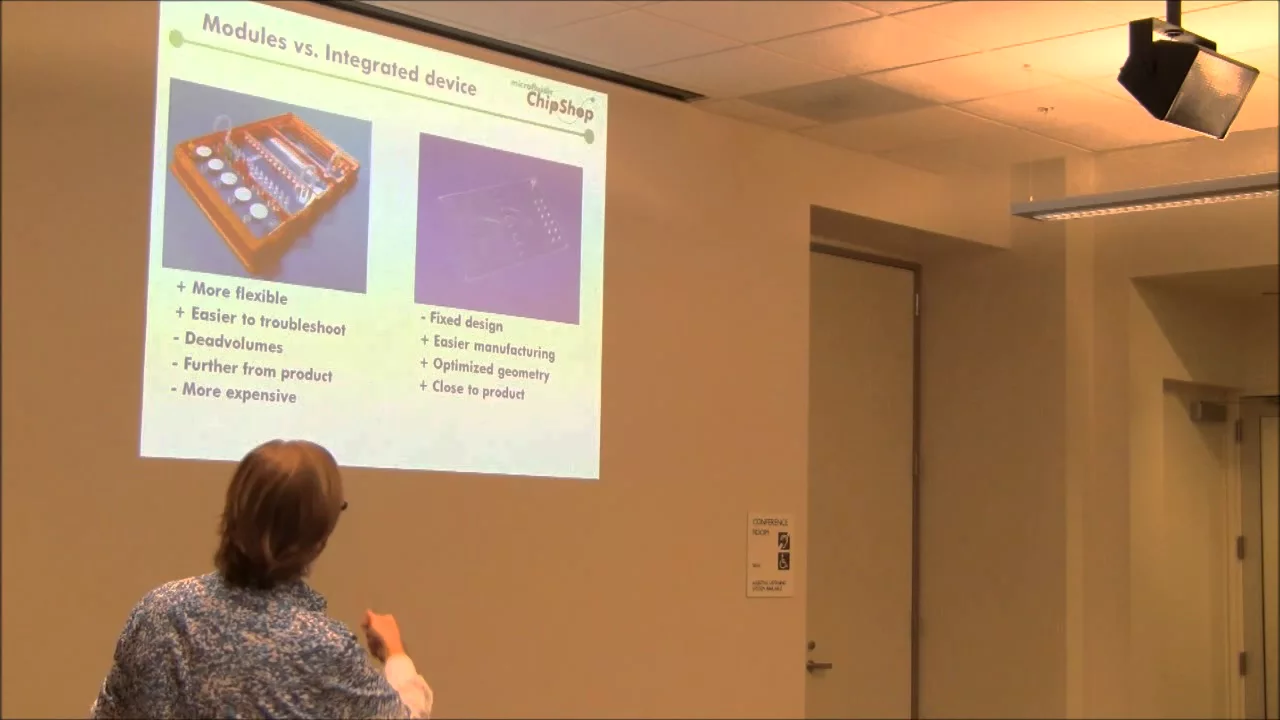
Microfluidics and Lab-on-a-Chip (LOC) technologies for automated sample preparation and point-of-care (POC) diagnostic devices.
Strategies to overcome biofouling and non-specific binding in complex biological matrices like whole blood, serum, or saliva.
20.8K views412likes13:18Original Release: 2023-10-30
welcome to this video on electrochemical biosensors in this video we'll explore what electrochemical biosensors are how they work and their application in detecting cancer biomarkers we'll also discuss some of the advantages of electrochemical biosensors and the current state of the field so let's get started before we dive into this topic let's clarify some terminologies on electrochemical methods and biosensors electrochemical methods in clinical chemistry refer to the use of electrochemistry to detect and measure certain analytics or biomarkers in biological samples these methods rely on the interaction between an electrode and the analyte of Interest the interaction will generate a signal that can be detected and Quantified in clinical chemistry biosensors are commonly used for the rapid and sensitive detection of disease biomarkers such as glucose cholesterol and various proteins the electrochemical biosensors that we discuss today are devices that will use electrochemical principles to detect biological molecules or analytes they're composed of three main components a bi ological recognition element a tranducer and a signal processor the biological recognition element is a molecule such as an antibody enzyme or DNA probe that is specific to the analyte of Interest the tranducer converts the recognition event into a measurable signal such as an electrical current voltage or impedence the signal processor amplifies filters and analyzes the electrical signal generated by the tranducer to provide a quantitative measurement of the analyte of interest there are several types of electrochemical biosensors we use in our clinical Diagnostics like amperometric potentiometric and impedometric biosensors amperometric biosensors measure the current produced by a Redux reduction oxidation reaction between the Target analyte and an electrode while potentiometric biosensors measure the potential difference between two electrodes in the presence of the analyte impeded metric biosensors measure the change in impedence or resistance caused by The Binding of the analyte to the recognition element let's take a closer look at how electrochemical biosensors work imagine that we want to detect a cancer biomarker in a biological sample such as blood or urine we would design an electrochemical biosensor with a recognition element such as an antibody that is specific to the cancer biomarker when we add the biological sample to the biosensor the cancer biomarker in the sample will bind the recognition element on the biosensor surface this binding event causes a change in the electrochemical signal which can be measured and Quantified so as we can see by measuring this change in signal we can determine the concentration of the cancer biomarker in the sample this is a powerful tool for cancer diagnosis and treatment monitoring as it enables us to detect cancer biomarkers in complex biological samples with high accuracy now let's take a look at a specific example of using electrochemical biosensors to detect cancer biomarkers electrochemical biosensors for detecting prostate specific antigen or PSA have been developed as an alternative or complimentary method to Conventional PSA detection techniques such as enzymelinked immunoabsorbent assays or elisas in the case of a PSA amperometric biosensor the working principle can be explained as follows the immobilization of anti-psa antibody or aptamer the first step involves immobilizing a specific anti-psa antibody or timer onto the surface of a working electrode which is usually made of material such as gold platinum or carbon the immobilization can be achieved through various methods such as calent bonding physical absorption or self assembled monolayers or Sams this immobilization ensures that the bi biological recognition element the anti-psa antibody or aptamer is selectively and staely attached to the electrode surface next is the introduction of the sample when a sample containing PSA for example blood serum is introduced to the biosensor the PSA molecules in the sample bind selectively to the immobilized anti-psa antibody or aptamer on on the electrode surface this binding event is specific and selective ensuring that only PSA molecules interact with the biological recognition element next is Redux reaction and current Generation The Binding event between PSA and the immobilized anti-psa antibody or timer triggers a Redux reaction at the electrode surface this Redux reaction often involves an electron mediator such as ferine or other Redux active molecules which facilitates the transfer of electrons between the electrode and the biological recognition element as a result an electrical signal is generated which is proportional to the amount of PSA bound to the electrode surface fourth is amperometric detection the generated current is measured using an ampermeter which records the current as a function of time or applied potential the magnitude of the current signal is directly proportional to the concentration of PSA in the sample the size of the signal produced by an electrochemical biosensor in response to PSA depends on several factors including the sensitivity and selectivity of the biosensor the concentration of PSA in the sample and the experimental conditions generally a higher concentration of PSA in the sample will result in a larger signal from the biosensor but the specific threshold for detection may vary depending on the specific biosensor and assay design the signal produced by the biosensor is typically Quantified by comparing it to a calibration curve generated from known concentrations of PSA electrochemical biosensors have several applications in detecting cancer biomarkers let's explore some of these applications in more detail one example is the detection of cancer biomarker ca125 in ovarian cancer ca15 is a protein that is overexpressed in ovarian cancer making it a useful biomarker for early detection and monitoring of the disease an electrochemi luminescent amuno aay such as an Alexus ca25 to amuno aay can be used to detect ca25 in human serum or plasma with high sensitivity and specificity another example is the detection of mutations associated with certain types of cancer such as the BF v600e mutation in melanoma electrochemical biosensor-based kits such as the BF v600e detection kit can be used to detect this mutation in tumor samples with high accuracy in addition to these examples there are many other applications of electrochemical biosensors in detecting cancer biomarkers for for instance the enamine diagnosis Target test is an invitro diagnostic test that uses electrochemical biosensors to detect multiple cancer biomarkers simultaneously in form Malin fixed paraffin embedded tumor tissue this test has been approved by the FDA for use in certain types of cancer another example is the exodx prostate intelliscore epit test which is an electrochemical biosensor based test that measures multiple RNA biomarkers in urine to provide a non-invasive assessment of prostate cancer risk this test has been showed to have high sensitivity and specificity and has the potential to improve prostate cancer screening and diagnosis overall electrochemical biosensors offer a highly selective and specific method for detecting cancer biomarkers in biological samples this technology has the potential to revolutionize cancer diagnosis and treatment monitoring by enabling early detection and personalized treatment approaches electrochemical biosensors offer a lot of advantages in detecting cancer biomarkers first they are high sensitivity and specificity electrochemical biosensors can detect very low concentrations of cancer biomarkers in biological samples with high accuracy and specificity making them an excellent tool for early cancer detection secondly electrochemical biosensors can provide rapid detection of cancer biomarkers allowing for timely clinical decisions and interventions thirdly some electrochemical biosensors can detect cancer biomarkers in non-invasive samples such as urine or breath reducing patient discomfort and improving compliance also electrochemical biosensors can detect specific biomarkers associated with different cancer stages and types eniz personalized treatment approaches lastly some electrochemical biosensors are small and portable allowing for on-site or point of care testing in remote or resource limited settings in conclusion electrochemical biosensors offer a promising technology for the detection and monitoring of cancer biomarkers with the potential to improve cancer diagnosis treat treatment and patient outcomes the field of electrochemical biosensors for detecting cancer biomarkers is rapidly evolving with ongoing research and development focused on improving sensitivity specificity and accuracy there are currently several electrochemical biosensor based diagnostic tests approved by Regulatory Agencies such as the FDA for use in detecting cancer biomarkers including the Alexis CA 1252 amuno aay for ovarian cancer and enamine DX Target test for multiple cancer types researchers are also exploring new electrochemical biosensor Technologies such as nanobiosensors to further enhance the performance of these devices in addition there is ongoing work to develop multiplexed electrochemical biosensors that can detect multiple cancer biomarkers simultaneously enable in more comprehensive cancer diagnosis and monitoring another area of research is the development of wearable electrochemical biosensors these biosensors can be worn on the body and can continuously monitor anal light such as glucose lactate or cortisol in real time this technology has the potential to revolutionize personalized Medicine by enabling realtime monitoring of health conditions and personalized treat treatment approaches in conclusion electrochemical biosensors are powerful tools for detecting cancer biomarkers and other analytes in biological samples they offer High sensitivity and specificity as well as rapid realtime detection with continued research and development electrochemical biosensors have the potential to improve cancer diagnosis and treatment monitoring as well as a wide range of other applications in clinical Diagnostics environmental monitoring and food safety testing thank you for [Music] watching
Up Next
9:02
Microbial Fuel Cells: Principles & Waste-to-Energy Explained
@fch2edu659
16.7K views•2019-11-21
14:12
Quantitative Real-Time PCR (qPCR): Principle, Method & Data Analysis
@animatedbiologywitharpan
129.2K views•2023-09-06

23:33
Microbial Degradation of Plastics: Biodegradation Pathways & Sustainability
@majeedhammad
2.9K views•2021-04-11

16:04
CRISPR and Genetic Engineering: How Gene Editing Works and Why It Matters
@kurzgesagt
30.5M views•2016-08-10
Related Study Plans & Knowledge Roadmaps
Structured learning paths in Biotechnology
biotechnology
AAV Production: Transfection, Prep & qPCR
01Introduction to Gene Therapy and AAV Biology
02Mammalian Cell Culture: Suspension HEK293 Cells
03Upstream Bioprocessing: Triple-Transfection Optimization
+ 2 more learning modules
18h5 modules
Explore Roadmap
biotechnology
Building Gut-on-a-Chip: PDMS, Cells & TEER
01Foundations of Microfluidics and Gut Anatomy
02Cleanroom Fabrication & PDMS Soft Lithography
03Epithelial Cell Culture and On-Chip Seeding
+ 2 more learning modules
26h5 modules
Explore Roadmap
biotechnology
Optimizing CFPS: E. coli Extract & Yield
01Fundamentals of Molecular Biology and Translation
02Introduction to Cell-Free Protein Synthesis (CFPS)
03Preparing E. coli Crude Lysate (The Extract)
+ 2 more learning modules
19h5 modules
Explore Roadmap
biotechnology
Haematococcus PBR: Design, Stress & Astaxanthin
01Biology and Life Cycle of Haematococcus pluvialis
02Bench-Scale Photobioreactor (PBR) Design and Engineering
03Culture Media Formulation and Inoculation
+ 2 more learning modules
15h5 modules
Explore Roadmap