





















![[MFC Review] From Fundamentals to Applications: Design, Major Elements, and Scalability](https://i.ytimg.com/vi_webp/4te_AV8LnQg/maxresdefault.webp)


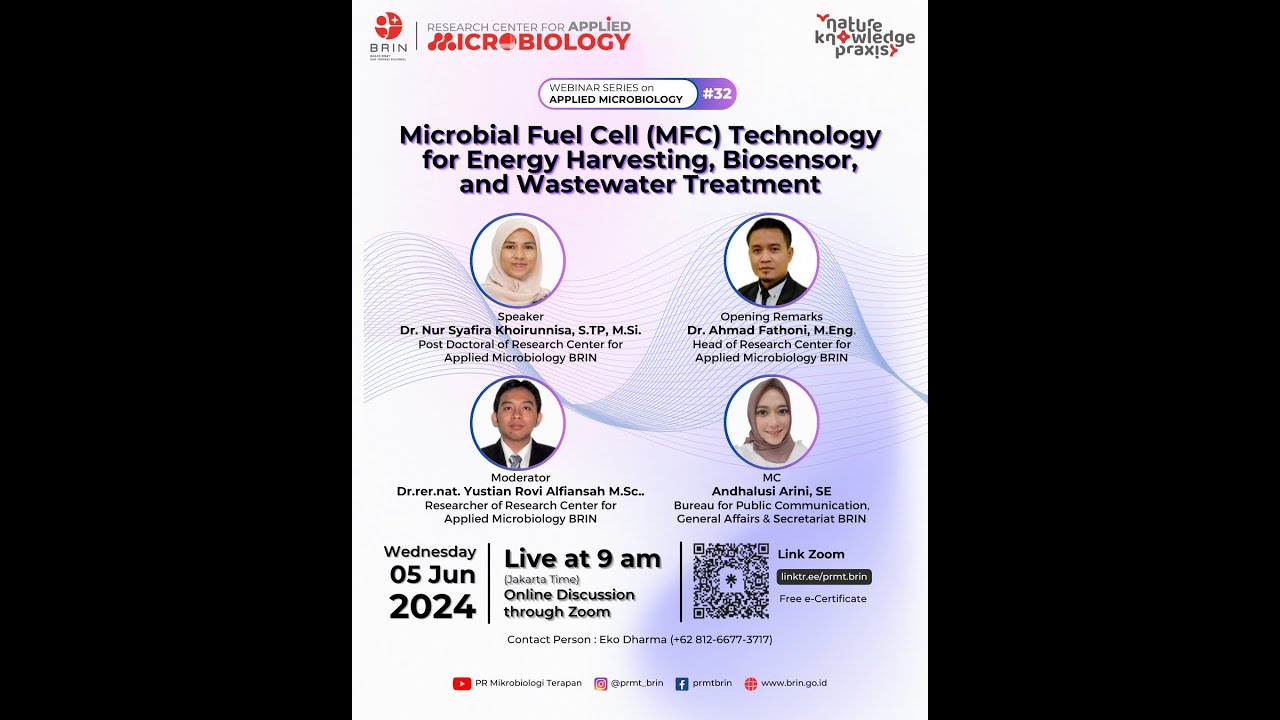






Microbial fuel cells are innovative devices that simultaneously generate electricity and treat organic waste through the bio-catalytic activity of electrochemically active bacteria. The system consists of an anode chamber containing organic substrates (such as wastewater, sewage sludge, or sediments) where bacteria transfer electrons externally to the anode, and a cathode chamber where oxygen accepts these electrons to produce water. The bacteria complete their metabolic processes outside their bodies, supplying electrons to the anode to activate the electrochemical process. This technology operates under mild conditions (around 24°C and pH 7) and offers a dual benefit of energy production and waste stabilization, though it currently has lower power density (0.2-0.3 kW/m³) compared to conventional fuel cells.
Microbial Fuel Cells: Principles & Waste-to-Energy Explained
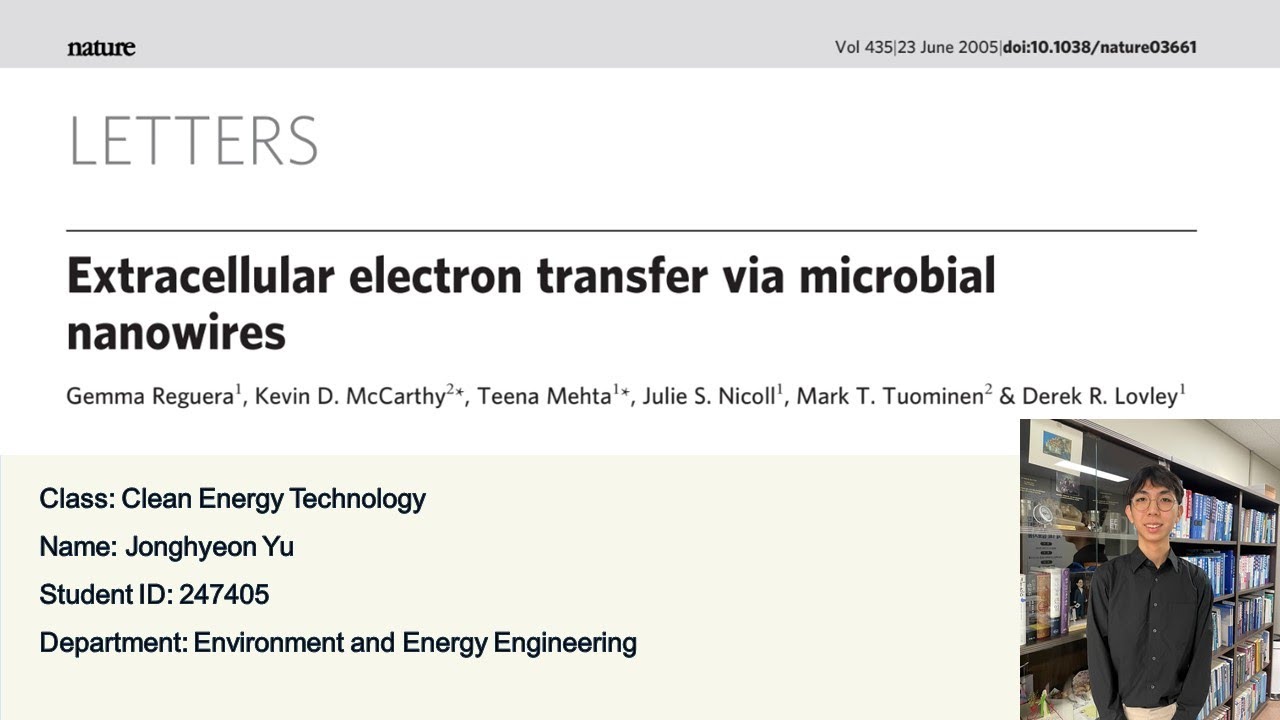
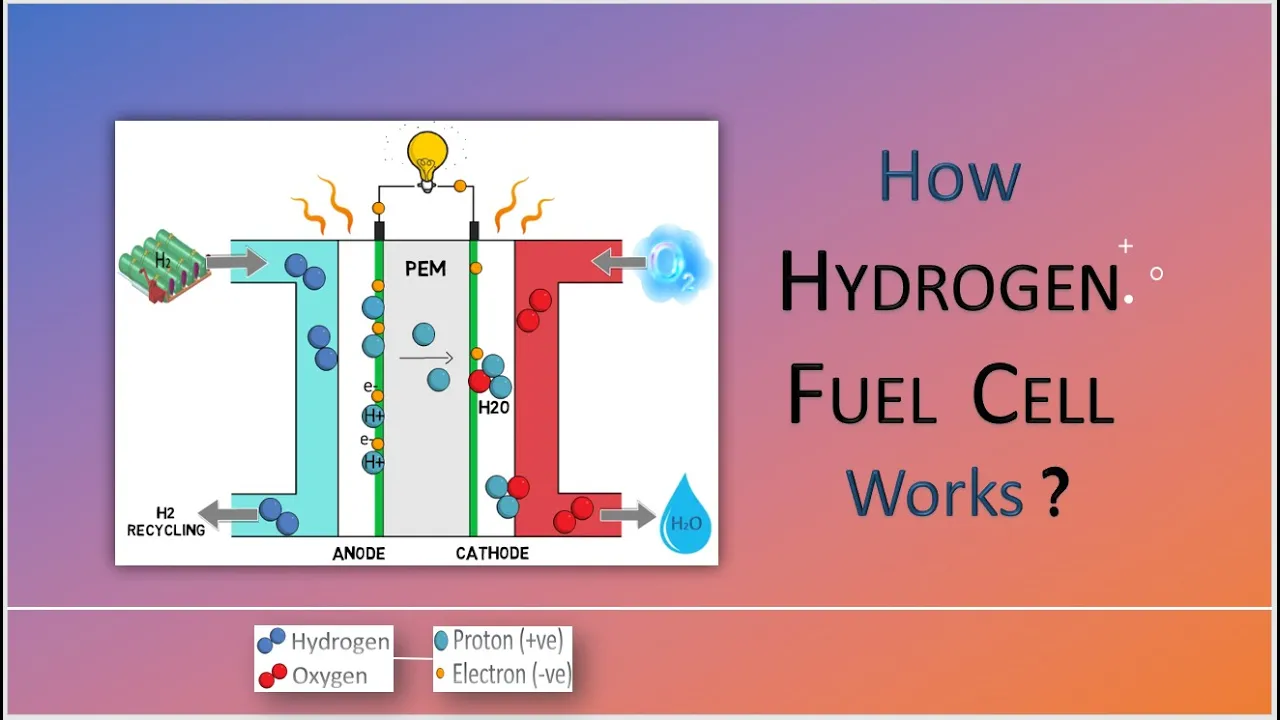
Added:welcome to this section dedicated to microbio for cells this is a pretty new type of fool cells it's really interesting because it allows at the same time produce electricity and to stabilize by waste or any biologic product in the tail organic substrate are usually treated by microbial fuel cells thanks to the bio catalytic activity of microorganism so we have a double effect in the one side we have a treatment of biodegradable products and the stabilization and at the other side of course we have a direct generation of electricity like all kind of food cells without exactly a microbial fuel cell works it's similar to the other food cells so we have three layers we have an anon big chamber and an end and the cathode they're placed in two different number and there is membrane that surprised separates that is a proton exchange membrane so materials are similar for the membranes of polymer electrolyte fuel cell of course there is a silky texture note that goes into a load to produce electricity for user what its peculiarity is that in the anomic anodic chamber what it is present it is soil or sediments on any organic matter that can be what is could be considered the fuel of the fuel cell so we can have sediment waste water sewage sludge activators large usually is waste material that needs to be stabilized so that we can have double effect of energy production and stabilization of a waste inside the anaerobic chamber we always also place electrochemical active bacteria this kind of bacteria when placed in a an aerobic atmosphere they became EXO electrons it means that they complete their biologic process externally supplying electrons to the anode that so and to activate the electro chemical process outside the bacteria themselves so we can supply electrons to the circuit and on the other side we need to complete the process and we usually supply an oxidant mainly oxygen or usually what is air that's why it's an Arabic chamber we can also supply different kind of acceptors like peroxide permanganate but of course these materials need to be substituted while of course with oxygen is much easier because we can just blow air to the chamber to renew the present of the oxidant what is the product on the cathode is water and we have a carbon dioxide of course as a process of the degradation of the organic matter and it's also the product of bacterial expiration this process usually happens in pretty mild operating condition that's for sure a big advantage because it allows a very simple thermal treatment so we usually have a temperature that is around 24 T cells degree and pH close to 7 or in the range of 7 what kind of reaction really of course that's a it depends on the waste on the organic substrate for example we can consider glucose that is the main component that may be treated by this microorganism and this direction of course is the composition of the water to produce electrons to feed the electrical circuit and the ions and protons that are in the in the chamber and flow to the through the membrane to the cathode or acetic acid is another possible fool that as a senior reaction producing again electrons to the secret and ions to the to go to reach the cathode regarding the oxygen reduction we have a standard reaction typical of oxygen so we have electrons and I and protons that react with oxygen to produce water that is the main product of the capsid regarding the performances we usually have very low performances comfort compared to other kind of fuel cells so we have power range density in the world of 0.2 0.3 kilowatt 4 cubic meters and that are pretty far from other kind of ourselves but ears again is important to underline that this kind of technology as a double effect so we don't need to only produce electricity but we need to stabilize and usually the organic matters and this is usually this process is an energy intensive and energy progressing so we have an in this case an active process compared to a passive process that is the one that usually is used for this function what kind of bacteria we use the interesting aspect is bacteria are microorganisms that are constituted by different enzyme pathways that's it's pretty interesting because doesn't necessary connect one specific bacteria to the organic waste but it's a sort of variety that can be all treated by bacteria different kind of substrates can be used and treated as of at the same time bacteria are usually present in communities and this is ability to be selective selective about adapt to microbial fuel cell environment and also to regenerate it means that a community can continue and we don't need to replace bacteria with new ones but we have a continuous process finally bacteria usually need a time for communication and this usually it becomes a sort of stabilization time before the food cells really start activating and in operation going a little bit more deep on the process that produces electrons we can usually divided into time two electron transfer the direct one we can have a direct physical content with the membrane associated to sit across it means that bacteria are physically in contact with the energy so the electrons reach the end through a physical contact or sometimes these communities build water sorters Phillie a microbial nanowires that allows it's a sort of connection physical connection between the anode and the community of bacteria another solution is to have a mediated action transfer in this case red curves mediators are organic macular Li molecules with low molecular weight that are able to activate a redox process that transfer with their activity the electrons from the bacteria directly to the anode and main properties of these mediators are they need to of course fast kinetics EC cells penetration but also on not be s orbital and or bacterial surface it means they they have to keep an intermediate position between the anode and the bacteria and of course they have to be chemical stable thank you you you
Up Next
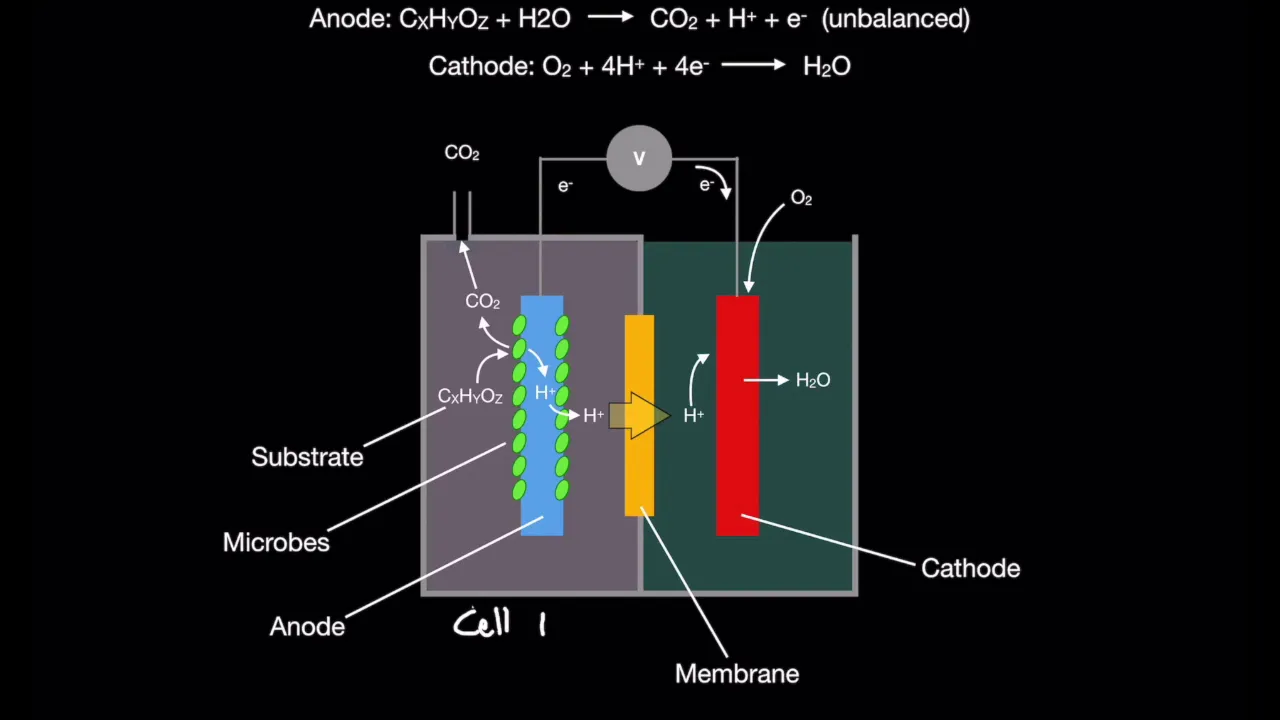
Microbial Fuel Cells Explained: How Bacteria Convert Biomass to Electricity
@lowtechengineer3243
79.1K views•2020-11-09

Quantitative Real-Time PCR (qPCR): Principle, Method & Data Analysis
@animatedbiologywitharpan
129.2K views•2023-09-06

Microbial Degradation of Plastics: Biodegradation Pathways & Sustainability
@majeedhammad
2.9K views•2021-04-11

CRISPR and Genetic Engineering: How Gene Editing Works and Why It Matters
@kurzgesagt
30.5M views•2016-08-10
Related Study Plans & Knowledge Roadmaps
Structured learning paths in Biotechnology