




![[ BIOLOGIA FREE ] - RESPIRACIÓN CELULAR ANAERÓBICA / FERMENTACIÓN 👉😍🌿](https://i.ytimg.com/vi/EBAgyV3wNY8/hqdefault.jpg)










![[MFC Review] From Fundamentals to Applications: Design, Major Elements, and Scalability](https://i.ytimg.com/vi_webp/4te_AV8LnQg/maxresdefault.webp)

![[융합탐구 321체] 7팀 - 폐수 재활용을 위한 대장균 기반 미생물 연료 전지(MFC, Microbial Fuel Cell)제작에 대한 탐구](https://i.ytimg.com/vi/bYTdrd0tOUM/maxresdefault.jpg)





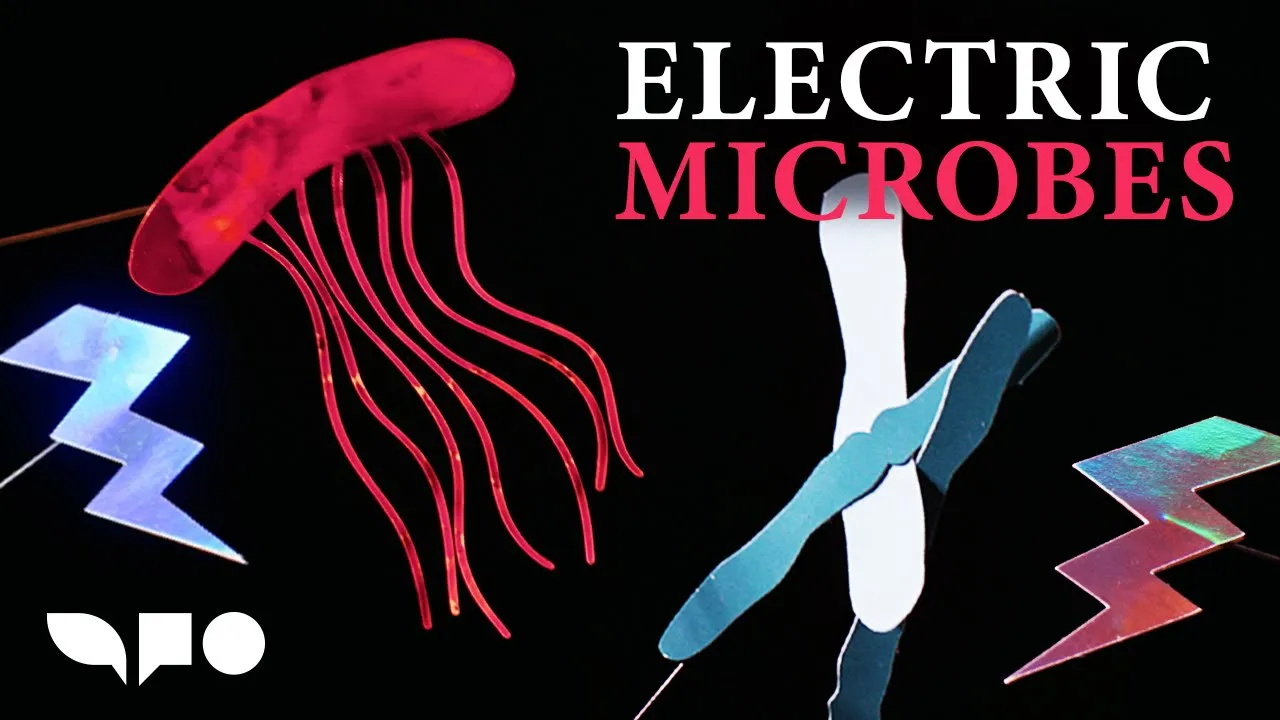

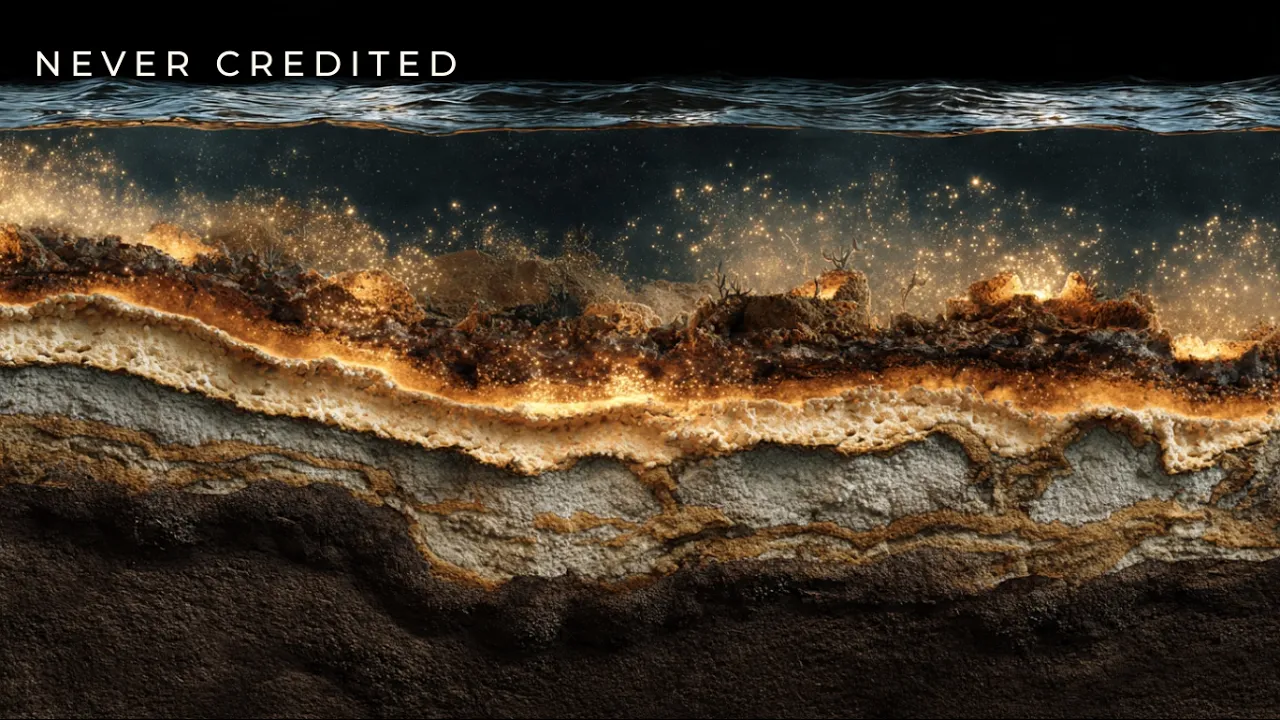
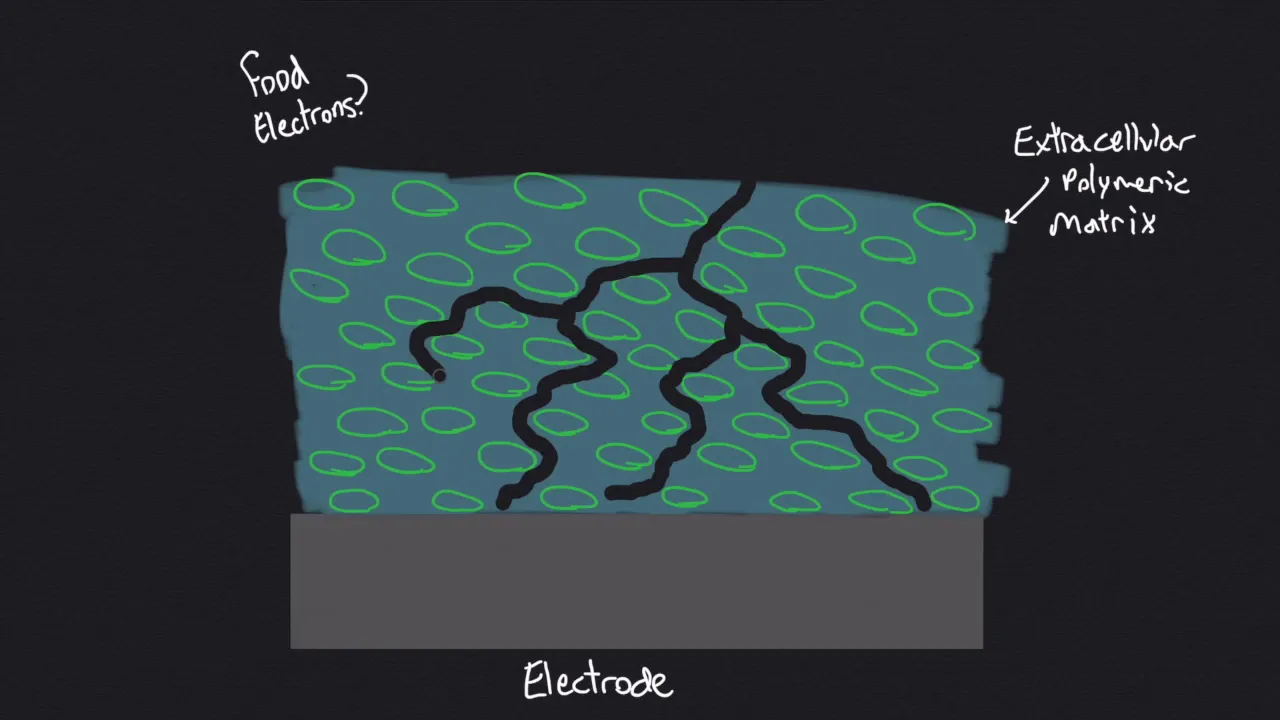
Microbial fuel cells are devices that convert biomass into electricity by using bacteria to break down organic matter, producing hydrogen ions and electrons that generate electrical current when separated by a membrane; unlike traditional biomass energy which requires combustion, MFCs directly harness bacterial metabolism to transform sugars and other organic substrates into usable electrical energy through anaerobic decomposition processes.
Microbial Fuel Cells Explained: How Bacteria Convert Biomass to Electricity
Added:Basic principles of electrochemistry, including redox (reduction-oxidation) reactions, anodes, cathodes, and electron flow.
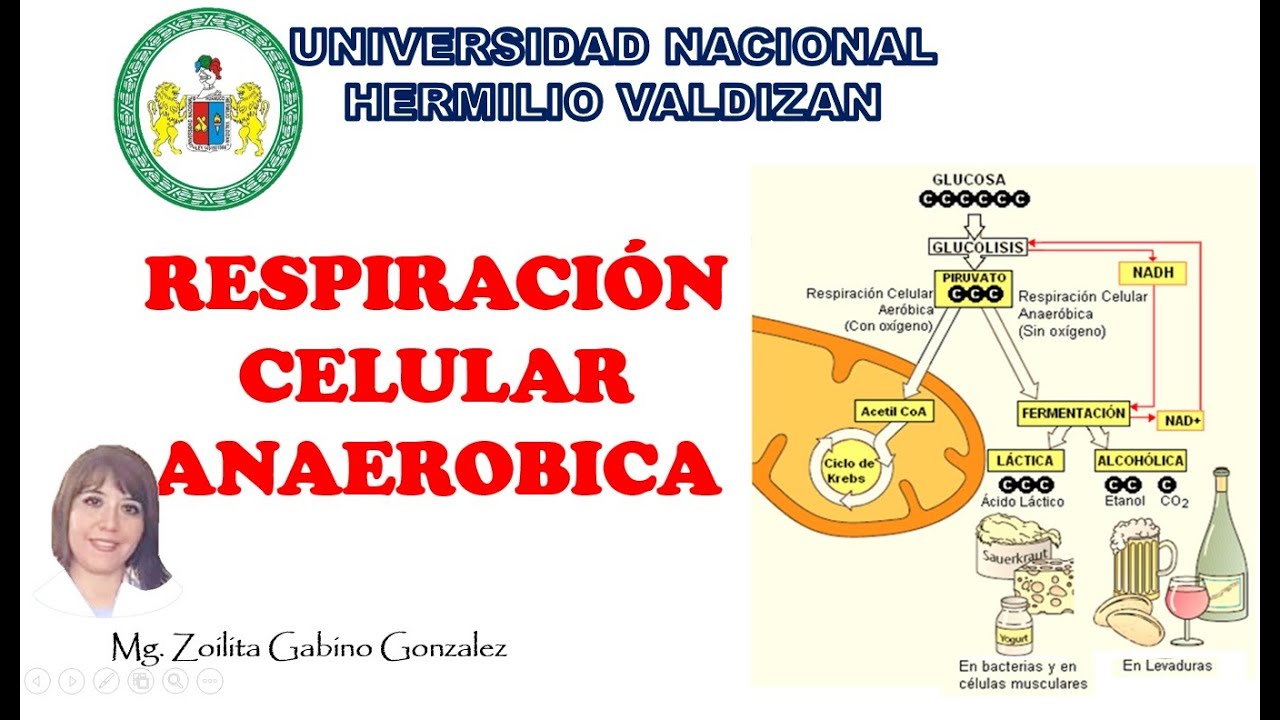
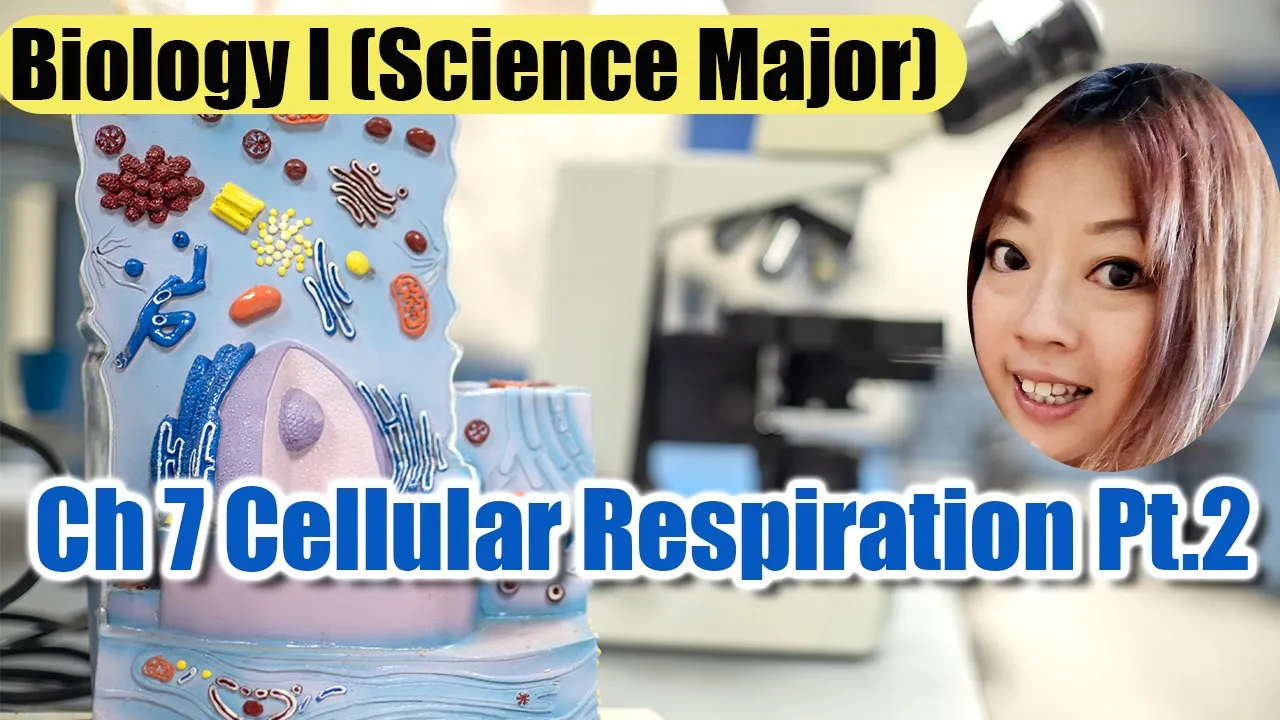
Fundamentals of cellular respiration, specifically anaerobic respiration and how bacteria metabolize organic substrates without oxygen.
The concept of biomass and organic waste as chemical energy sources.
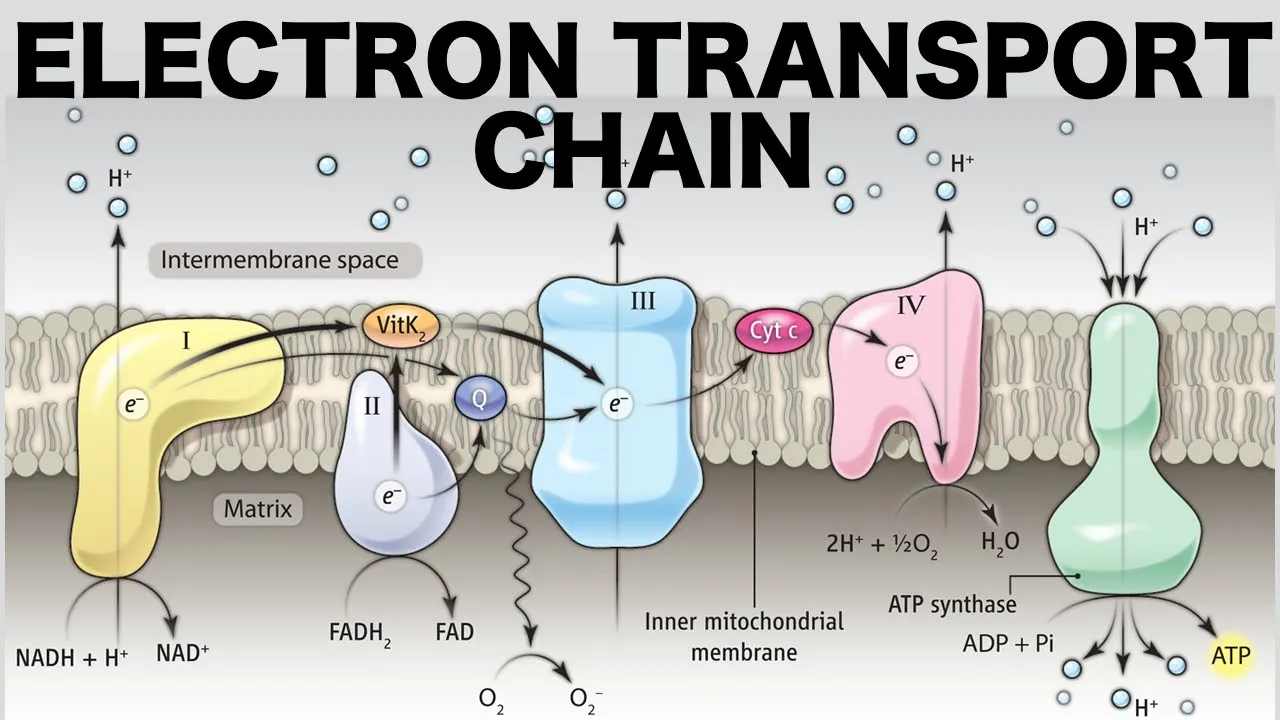
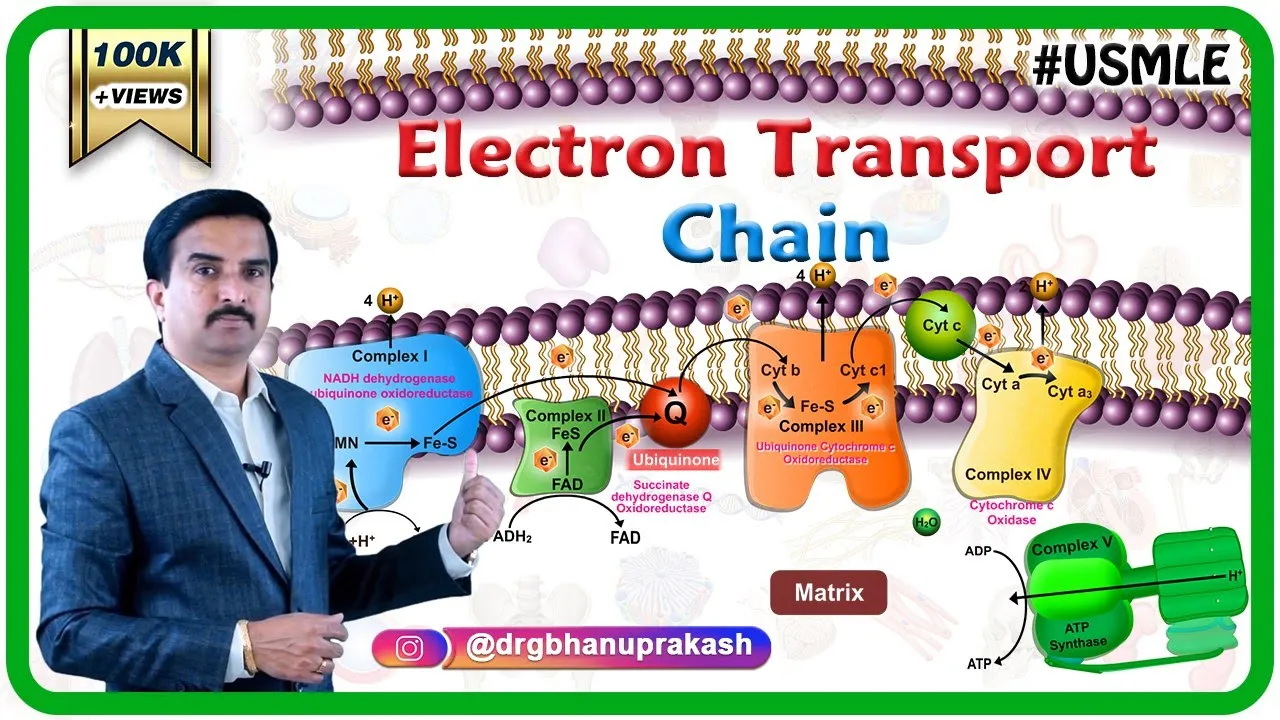
An understanding of the biological electron transport chain (ETC) and how microorganisms transfer electrons during metabolic processes.
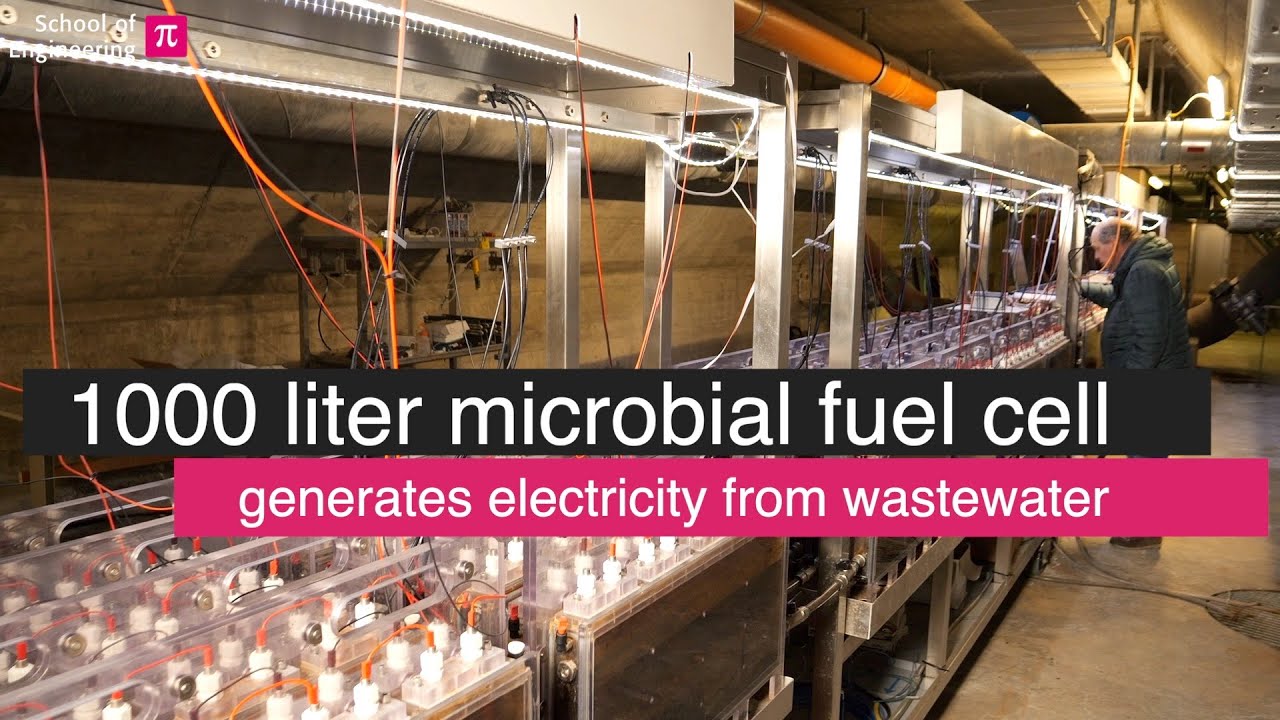
Scaling up microbial fuel cells for practical wastewater treatment and bioremediation applications.
Advanced designs in MFCs, such as mediator-less versus mediator-assisted systems and single-chamber versus double-chamber configurations.
Materials science optimizations, focusing on proton exchange membranes (PEM) and electrode surface modifications to increase power density.
Alternative bio-electrochemical systems, including Microbial Electrolysis Cells (MECs) for hydrogen gas production and Microbial Desalination Cells (MDCs).
Genetic engineering of exoelectrogenic bacterial strains (such as Geobacter or Shewanella) to enhance extracellular electron transfer efficiency.
79.1K views1.6Klikes4:35Original Release: 2020-11-09
today i'm going to be talking about the microbial fuel cell a fuel cell is a device which uses fuel to make electricity through a chemical reaction the most common type of fuel cell is a hydrogen fuel cell which uses hydrogen to produce electricity the microbial fuel cell uses biomass such as sugars to produce electricity using bacteria whereas traditional biomass energy comes from burning the biomass to make heat which is then used to produce electricity microbial fuel cells can convert biomass directly to electricity biomass breaks down into carbon dioxide and water when exposed to oxygen this process releases energy and can be facilitated by combustion or by bacteria when there is no oxygen present biomass cannot be fully decomposed into carbon dioxide and water however bacteria can still partially break down biomass without oxygen these types of bacteria are called anaerobic bacteria some anaerobic bacteria called electrogens can break down biomass and produce carbon dioxide hydrogen ions and electrons in a microbial fuel cell these electrons can be harnessed to make electricity in order to generate an electric current and complete the reaction the hydrogen ions and electrons combine with oxygen in a separated area to form water oxygen must be kept separate from the bacteria region so that it cannot harm the bacteria or combine with the hydrogen ions and electrons without them entering the circuit a microbial fuel cell consists of two half cells immersed in water in the first half cell bacteria feed on biomass often called the substrate and produce hydrogen ions and electrons the bacteria live on the surface of an electrode and this electrode is called the anode because electrons flow out of it the hydrogen ions migrate through the cell and pass through a membrane into the other half cell the electrons are unable to migrate through the water and must travel through the electrode and into a wire connecting them to an electric load such as a light bulb the overall reaction for the anode is shown above after passing through the load the electrons come to the other half of the cell and enter an electrode this electrode is called the cathode because electrons flow into it this half cell is exposed to air so that oxygen can enter the cell once the oxygen enters it combines with the hydrogen ion and electron to produce water the overall reaction for the cathode is shown above let's look at an example reaction here we have graphics of water oxygen co2 and sugar as an example substrate the bacteria will produce positively charged hydrogen ions and negatively charged electrons here oxygen is black hydrogen is red carbon is green and electrons are blue the chemical formula for sugar is c6h12o6 and next we have an animation of this reaction the membrane is a very important part of this system the membrane is semi-permeable meaning that some molecules can pass through it and some cannot in this case the hydrogen ions can easily pass through the membrane while oxygen molecules cannot this is crucial for keeping oxygen out of the left cell while allowing hydrogen ions to migrate to the right cell not all microbial fuel cells need membranes but there always has to be a way to keep oxygen away from the microbes and also away from the electrons before they reach the cathode the microbial fuel cell is unique in that it can generate electricity directly from biomass in this video we addressed how they work but there are still several questions to explore what are the biological mechanisms of electrogens how can we improve the design of microbial fuel cells what are the limitations of microbial fuel cells and finally what are the applications of microbial fuel cells
Up Next
50:41
Cross-Linking Methods Overview: Photo-Reactive Approaches in Biochemistry
@mitocw
7.9K views•2019-08-01
14:12
Quantitative Real-Time PCR (qPCR): Principle, Method & Data Analysis
@animatedbiologywitharpan
129.2K views•2023-09-06
23:33
Microbial Degradation of Plastics: Biodegradation Pathways & Sustainability
@majeedhammad
2.9K views•2021-04-11
16:04
CRISPR and Genetic Engineering: How Gene Editing Works and Why It Matters
@kurzgesagt
30.5M views•2016-08-10
Related Study Plans & Knowledge Roadmaps
Structured learning paths in Biotechnology
biotechnology
AAV Production: Transfection, Prep & qPCR
01Introduction to Gene Therapy and AAV Biology
02Mammalian Cell Culture: Suspension HEK293 Cells
03Upstream Bioprocessing: Triple-Transfection Optimization
+ 2 more learning modules
18h5 modules
Explore Roadmap
biotechnology
Building Gut-on-a-Chip: PDMS, Cells & TEER
01Foundations of Microfluidics and Gut Anatomy
02Cleanroom Fabrication & PDMS Soft Lithography
03Epithelial Cell Culture and On-Chip Seeding
+ 2 more learning modules
26h5 modules
Explore Roadmap
biotechnology
Optimizing CFPS: E. coli Extract & Yield
01Fundamentals of Molecular Biology and Translation
02Introduction to Cell-Free Protein Synthesis (CFPS)
03Preparing E. coli Crude Lysate (The Extract)
+ 2 more learning modules
19h5 modules
Explore Roadmap
biotechnology
Haematococcus PBR: Design, Stress & Astaxanthin
01Biology and Life Cycle of Haematococcus pluvialis
02Bench-Scale Photobioreactor (PBR) Design and Engineering
03Culture Media Formulation and Inoculation
+ 2 more learning modules
15h5 modules
Explore Roadmap