










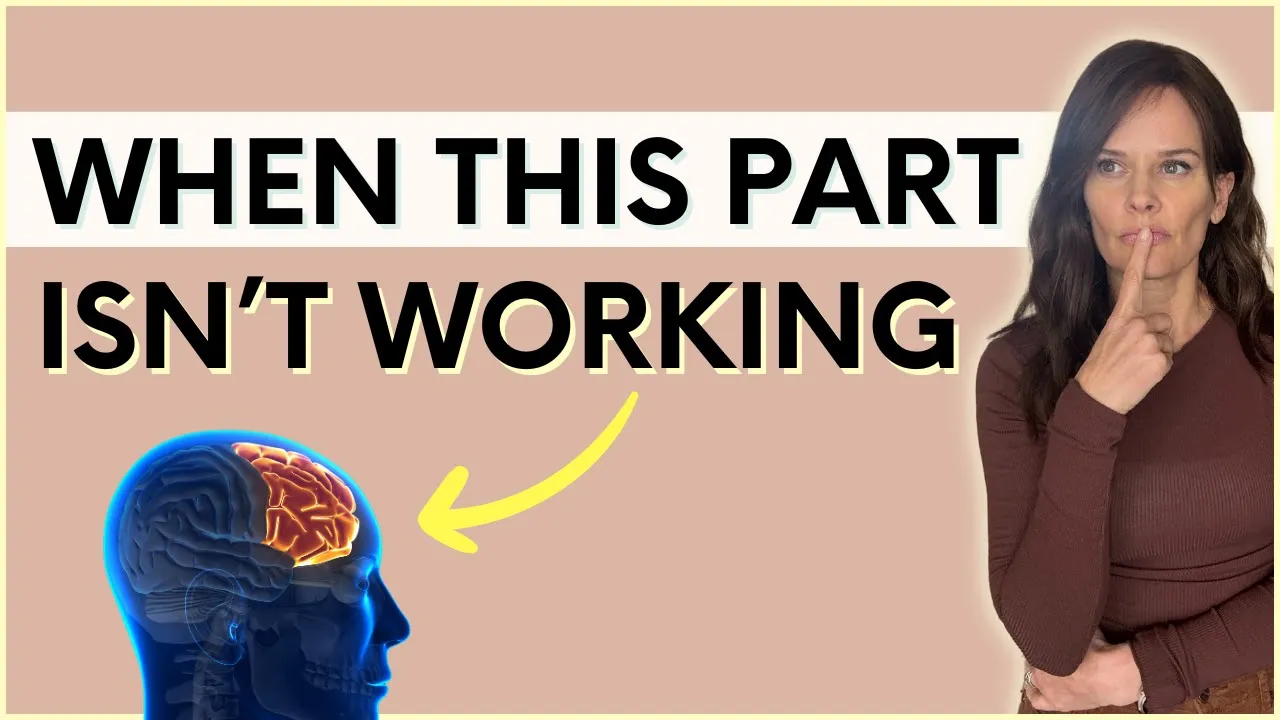
















Working memory is the cognitive ability to hold and manipulate multiple pieces of information simultaneously, and individuals with ADHD struggle with this because their prefrontal cortex has difficulty playing with and manipulating information internally; therefore, externalizing information through writing, printing, or using physical objects like index cards significantly reduces cognitive load and improves task performance.
ADHD Working Memory: Strategies for Externalizing Information
Added:Basic understanding of ADHD (Attention Deficit Hyperactivity Disorder) as a neurodevelopmental condition affecting executive function.
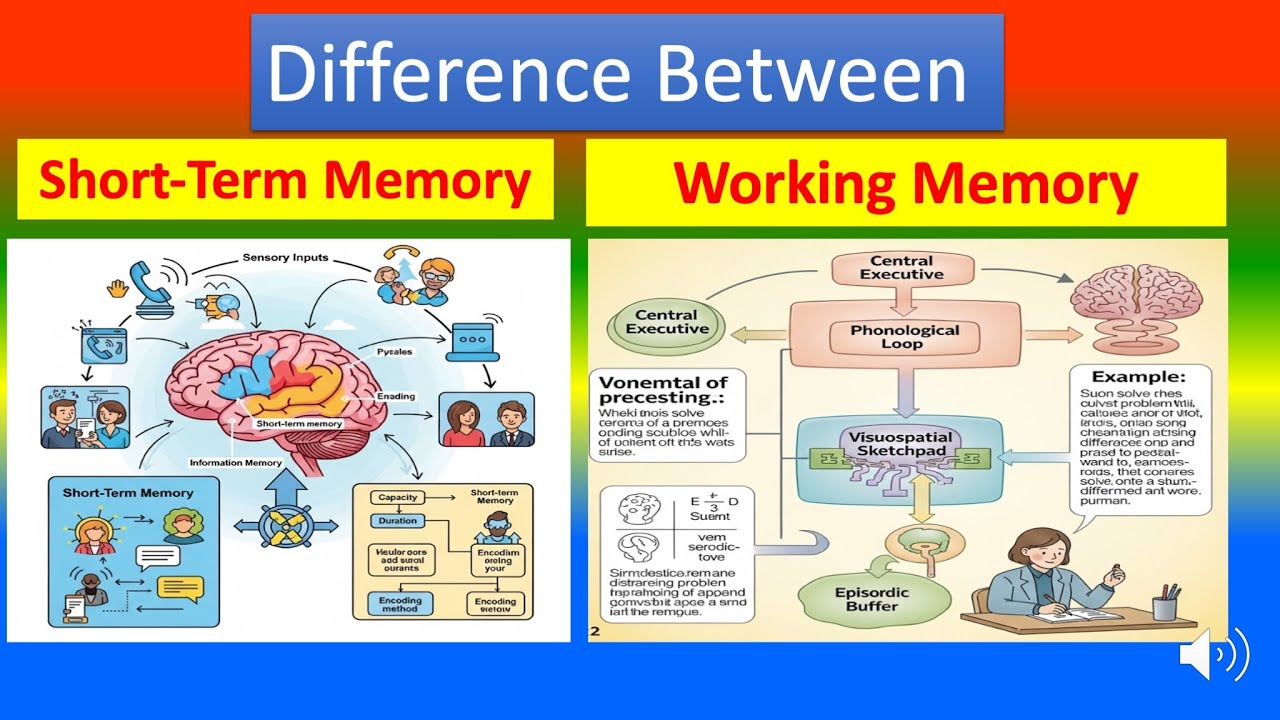
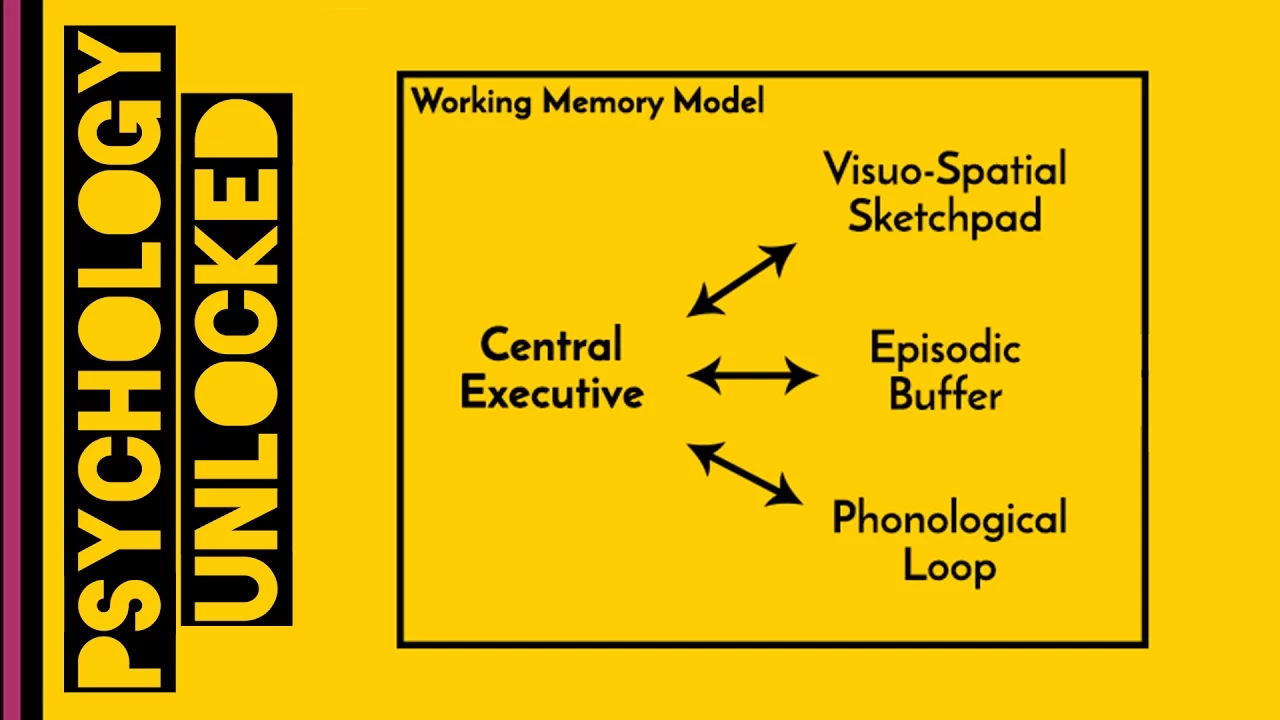
The cognitive psychological definition of 'working memory' and how it differs from short-term and long-term memory.
The concept of 'cognitive load' and how mental overload impacts focus, decision-making, and emotional regulation.
An introductory awareness of executive dysfunction symptoms, such as chronic forgetfulness and difficulty sequencing tasks.
Advanced externalization frameworks and productivity systems tailored for ADHD, such as the Bullet Journal method or the 'Second Brain' concept.
The selection and customization of digital assistive technologies (e.g., text-to-speech, visual timers, and digital mind-mapping tools) to support working memory.
The concept of 'body doubling' and other environmental/social scaffolds designed to assist with task initiation and persistence.
Cognitive Behavioral Therapy (CBT) techniques aimed at managing the frustration and anxiety stemming from working memory deficits.
Designing low-friction physical and digital workspaces to proactively minimize cognitive load and distractions.
16K views359likes5:03Original Release: 2015-03-30
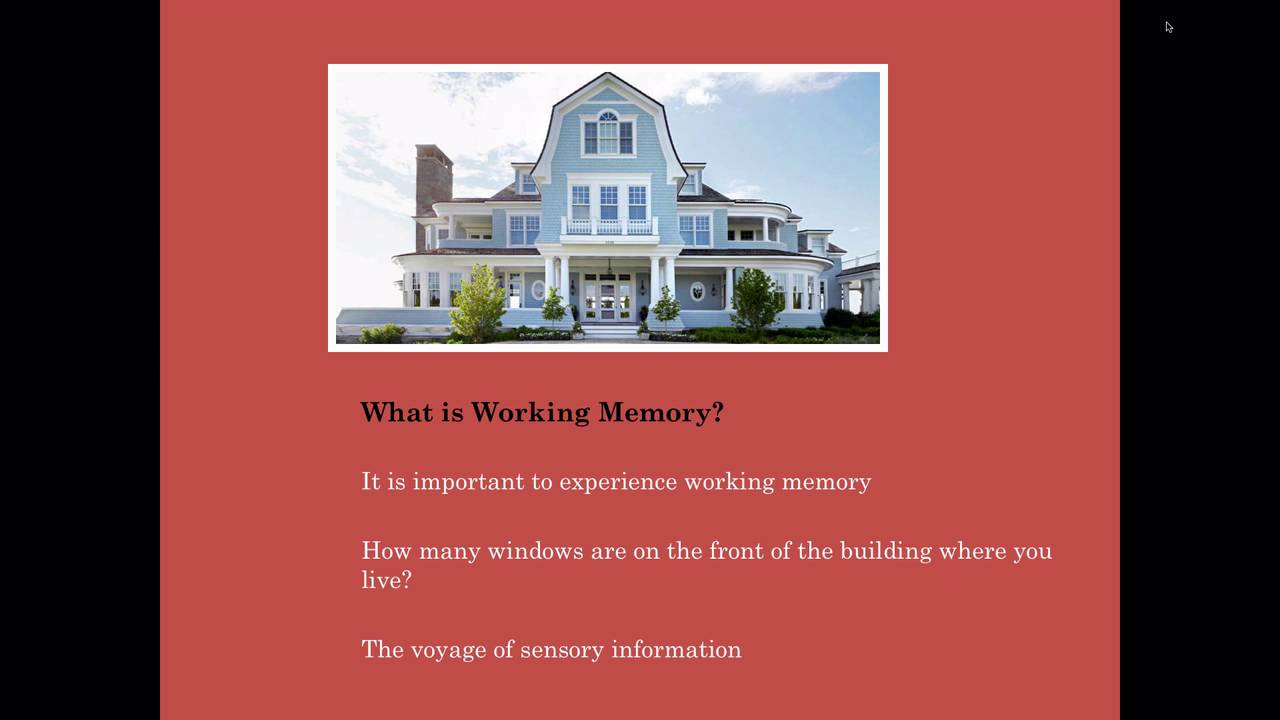
welcome everybody to this edition of attention talk video I'm your host ADHD and attention coach Jeff Kapur and I'm here today to talk to you about ADHD and working memory a lot is said about this but really what I would like to do is understand what working memory is understand ADHD and then talk about how this relates to what might work for those with ADHD and not and so an exercise that I like to do and I do this very frequently with many of people that coaches I'm gonna say I want to tell you five words I don't want you to write them down I don't want you to repeat them but I want you to listen to the five words and I want you to remember them and then what I want you to do is reorder them in alphabetical order and then repeat them back now this is a video so you're gonna repeat it into the kind of camera if you get it right that's great but that's really the point of the exercise is actually different witness what working memory is all about so again I'm going to give you five words now they're not going to be words like a B C D and E they're going to be a matter of fact there won't be any I'll give you that that much they're gonna be different areas but the idea is to repeat them back in alpha order so again ready here we go the words are kangaroo Jill teach beat and heart now notice you've got to take those five words and you've got to hold them in your memory then you've got to take a look at each word that you can think of individually and kind of hold that and rearrange it so you've got like one list you're going through that and you're trying to figure out what that other list is if you're successful you can repeat it back and it would be beat heart Jill kangaroo and teach but when I find for those with a badd and the general population sometimes is that they'll hold those five words if they can remember them and many times they'll get beat correct and maybe heart but after that they will have forgotten the the rest of the words because as they they hold their attention on each one of those individually they can't hold everything else all the other words and their working memory to remember that and so that can be very very problematic when you're trying to solve problems now realize is that if you wrote it now on index cards like so you can actually write them all out and very simply rearrange them very very quickly and have them in the correct order so what does all this have to do with a TD and why is this important well those are the ATD back part of brain is about knowledge it's about retaining that and the front part of the brain the prefrontal cortex is taking that knowledge and executing planet and manipulating it's that working memory of pulling that stuff together now as children we learn to play it's very very important because it's it's like playing with the index cards but has become older that play outside our brain becomes privatized it moves into our prefrontal cortex those with a DD struggle with playing with information on their minds in their head so it's very important that we get it out and that its externalized by putting down the cards so practically let's take this into the everyday environment the world is going to this digital means and if you can just imagine sitting in the computer where you're doing some research and you've got four or five screens open at a time whether they're web browsers and stuff like that and you're trying to hold information from here over here or maybe it's in the same spreadsheet or a word document but you've got to scroll up and down you see something you got to hold that in your working memory and you got to scroll and make reference to something something something somewhere else that's using your working memory and because it's very difficult for those with EBD very often what I suggest is print it all out so that you can see it lay it out so that you can just move your eyes back and forth as opposed to to hold in it or write things down etc so a lot of those that I work with a DD what we try to do is we try to limit the working memory we try to externalize the play the manipulation of information the planning the timing the sequence and so I hope that gives you some tips on what works your day and I hope that you get the sense of what working memory is it's the the exercise that we just did you can do it with other people do you have them gain an idea of what that's really all about but that's the challenge is that our hand and so often solutions can be found by taking the or reducing the amount of information that you're manipulating in your mind and you're playing with and externalizing it so with that I hope you enjoyed this tip and I hope you enjoyed this edition of attention talking video take care
Up Next
28:21
ADHD Emotional Dysregulation: Neuroscience & 9 Coping Skills
@TherapyinaNutshell
204.9K views•2026-01-15

33:24
Peptide Neurotoxin Probes of Ion Channel Function
@ciartech
324 views•2010-09-12

4:10
Vagus Nerve (CN X): Anatomy, Nuclei & Functions Explained
@Alilamedicalmedia
305.2K views•2022-10-31
13:03
How Exercise Benefits Your Brain: Science Explained
@TED
11.4M views•2018-03-21
Related Study Plans & Knowledge Roadmaps
Structured learning paths in Neuroscience
neuroscience
Appetite Regulation: Brain Circuits & Hormones
01Foundations of Endocrinology and Brain Anatomy
02Introduction to Energy Homeostasis
03Peripheral Signals: Leptin, Ghrelin, and Insulin
+ 2 more learning modules
14h5 modules
Explore Roadmap
neuroscience
Neuroeconomics: Value, Risk & Brain Mechanisms
01Foundations of Neuroscience and Brain Anatomy
02Introduction to Neuroeconomics and Subjective Value
03Dopaminergic Prediction Errors & Reinforcement Learning
+ 3 more learning modules
18h6 modules
Explore Roadmap
neuroscience
Spatial Navigation: Cells, Grids & Brain Maps
01Foundations of Brain Anatomy and Memory
02Place Cells and Head-Direction Cells
03Grid Cells: The Brain's Coordinate System
+ 2 more learning modules
12h5 modules
Explore Roadmap
neuroscience
BCIs: Neural Decoding & Prosthetic Control
01Neuroscience Foundations: How the Brain Signals Intent
02Signal Acquisition: Recording the Brain's Activity
03Neural Decoding: Translating Brain Waves into Data
+ 2 more learning modules
25h5 modules
Explore Roadmap