







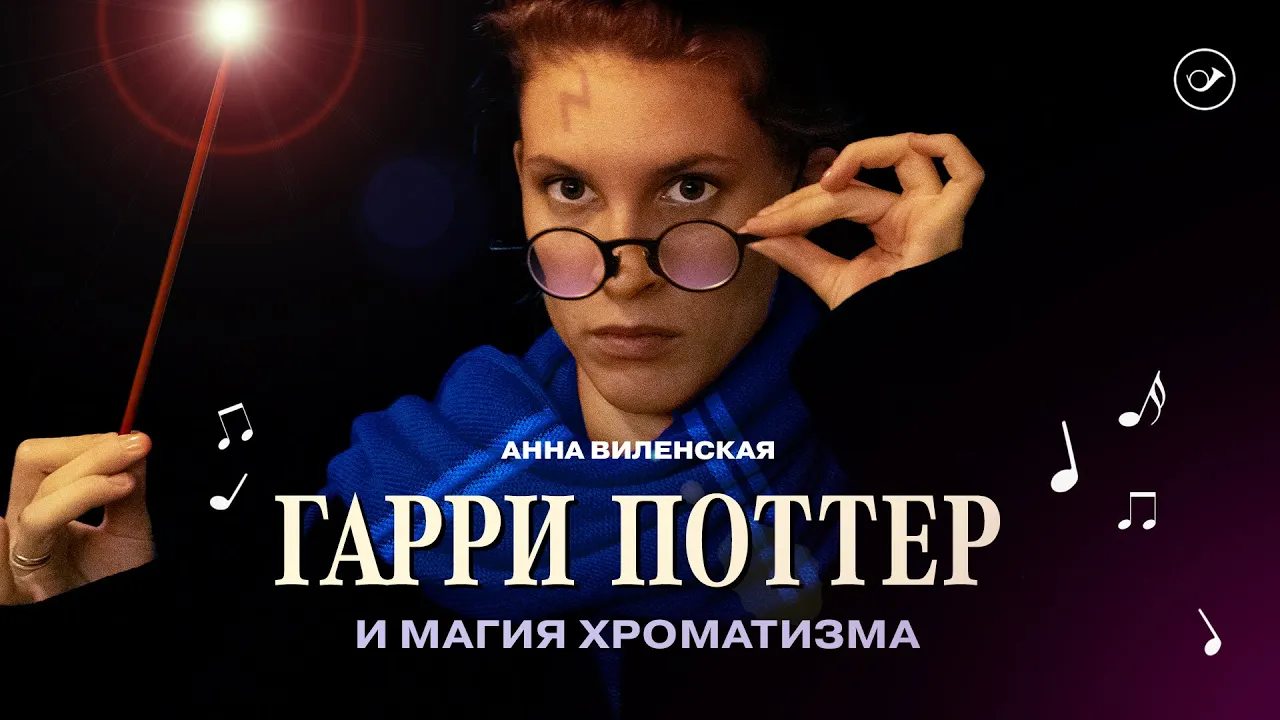











Film composers use specific orchestral instruments to represent character traits and narrative elements, such as using the celesta for Hedwig's ethereal flight and the contrabassoon for Fluffy's ominous presence, creating a musical narrative that enhances storytelling.
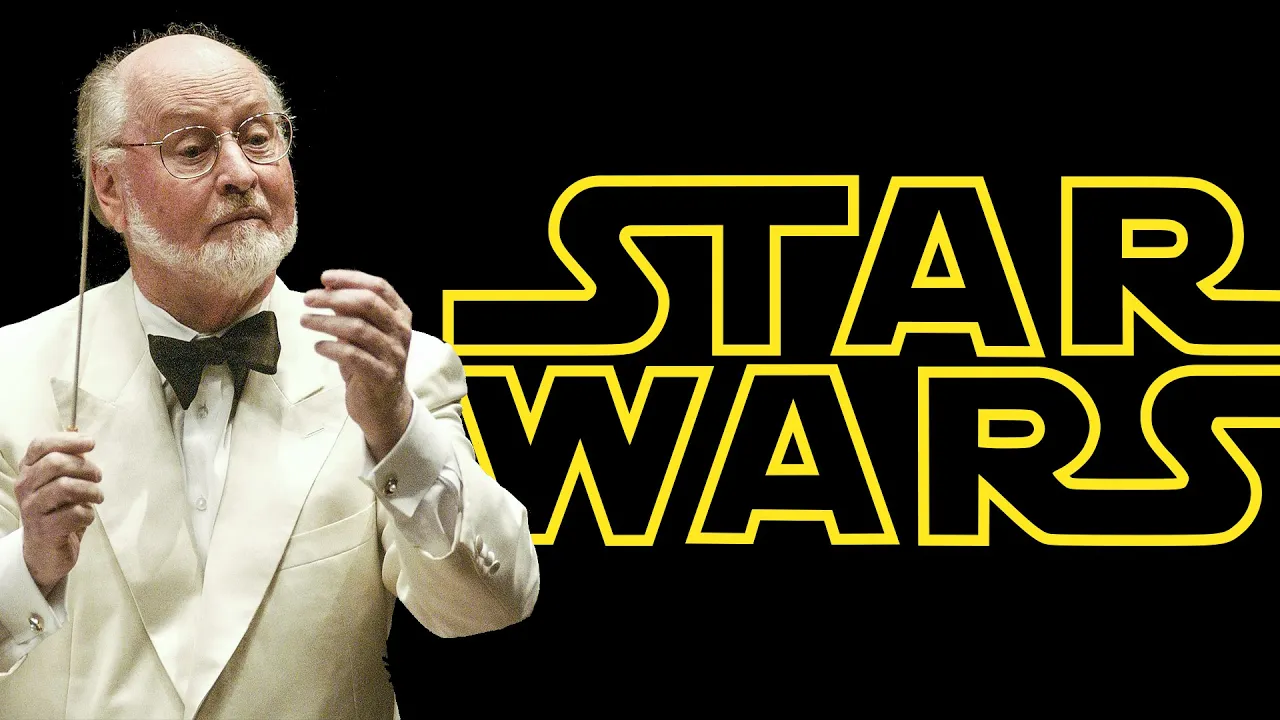
Harry Potter Suite: John Williams & Boston Pops Performance
Added:The concept of 'leitmotif' (a recurring musical theme associated with a specific character, place, or idea) and its historical roots in Wagnerian opera.
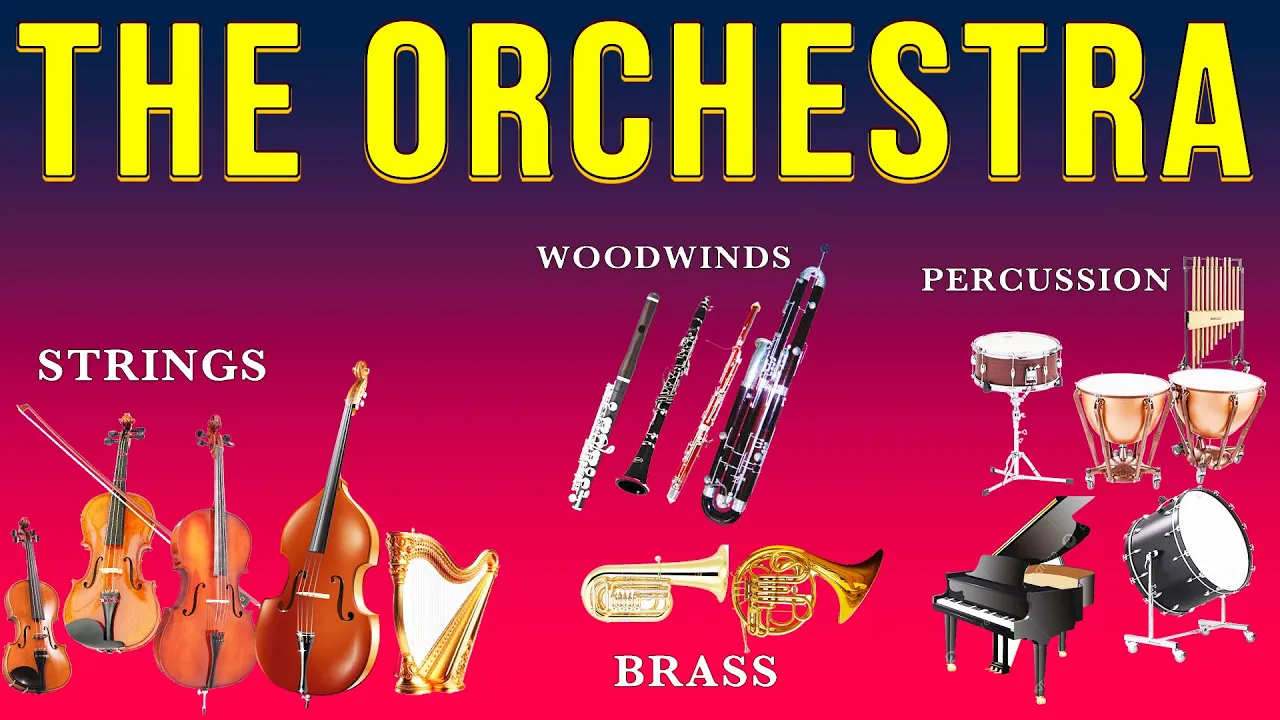
The basic layout and instrumentation of a modern symphony orchestra, including the distinct roles and timbres of strings, woodwinds, brass, and percussion.
The fundamentals of film scoring and how music is utilized in cinema to support visual narrative, establish atmosphere, and evoke emotion.
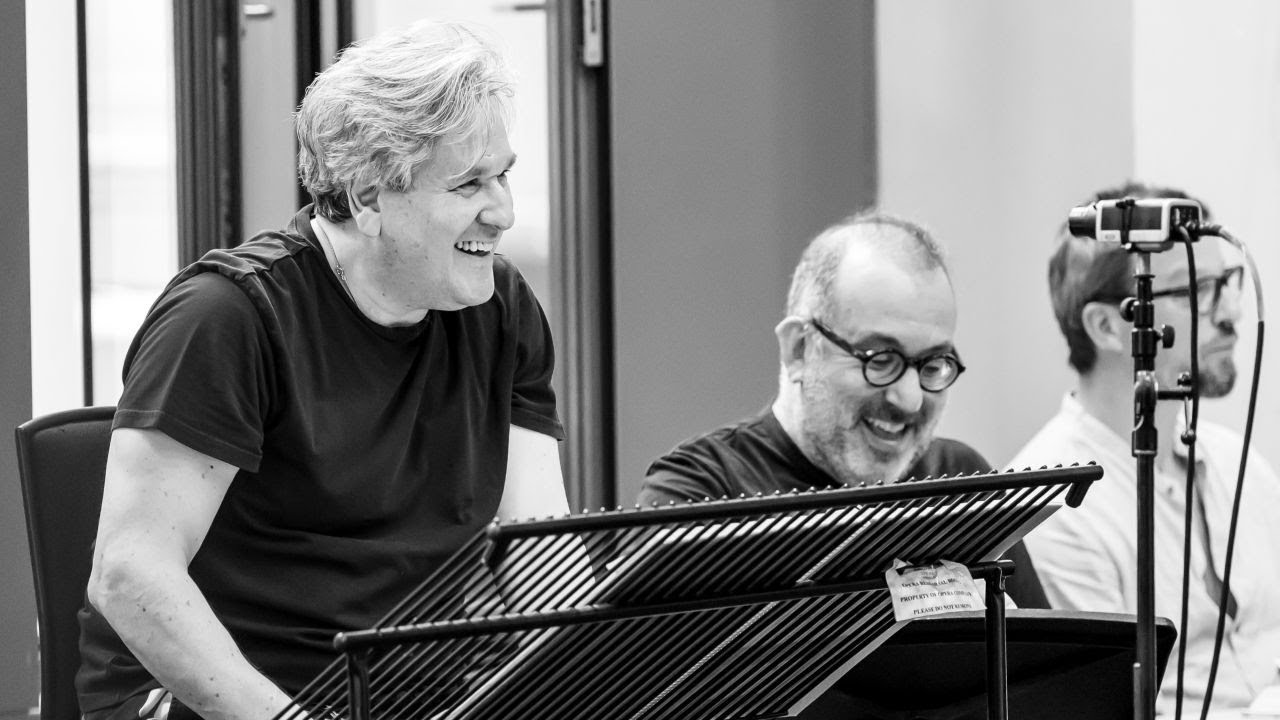
The primary role and techniques of an orchestral conductor, including managing tempo, guiding dynamics, and expressive interpretation.
Advanced analysis of orchestration techniques, specifically the use of specialty instruments like the celesta to create 'magical' timbres.
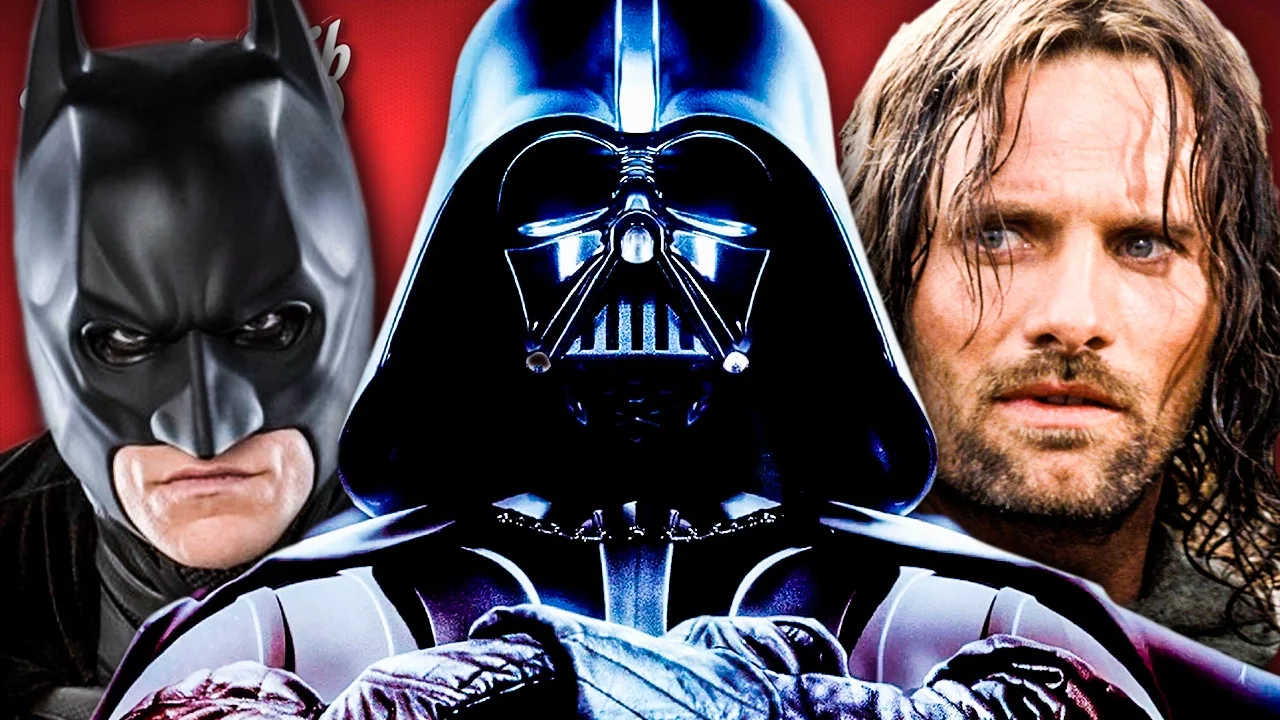
Comparative study of John Williams' compositional style alongside other influential film composers, such as Hans Zimmer, Howard Shore, and Bernard Herrmann.
The process of adapting an extensive, non-linear film score into a condensed, cohesive 'concert suite' for live performance.
An exploration of classical music influences on contemporary film scores, comparing the Harry Potter motifs to the romantic works of Pyotr Ilyich Tchaikovsky and Gustav Holst.
257.5K views2.9Klikes10:17Original Release: 2010-09-05
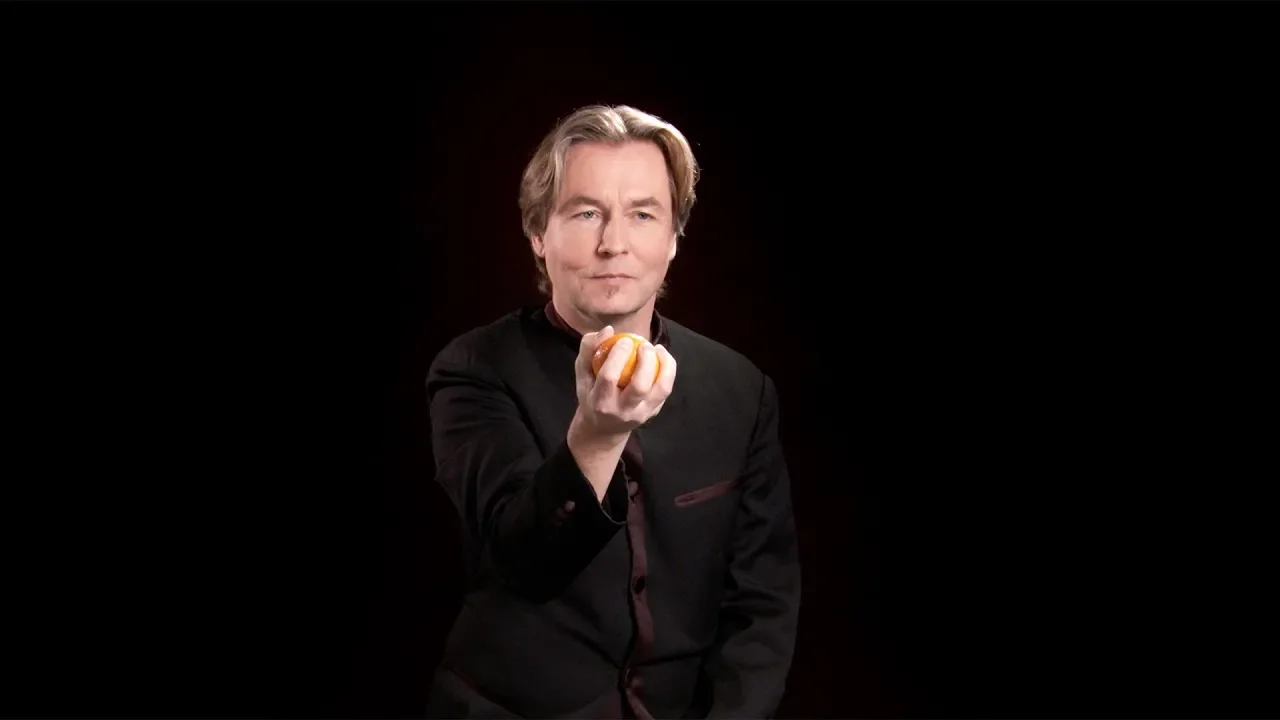
the first little piece in this Suite is called hedwick flight and people who know the book in the film will know that hedwick is that wonderfully beautiful white owl so he hedwick needed some music that was gossamer light and so I thought cheste which is the little keyboard instrument it's like a Mini piano and each note on it you play it like a piano but each note is kind of like a bell it has a pedal like a piano so if you play five quick notes and put the pedal on you get this beautiful little blur it's kind of like a bird feather that just would float oh there's there's a three-headed dog who guards a a CH a secret chamber and of course when he's awake nobody can get past the sleeping dog the dog is called fluffy incidentally and there's a magic Harp that kept fluffy asleep as long as the harp music was playing we were safe to go into the chamber because the guard dog the three-headed guard dog would be asleep hence the music of the magic Harp played by the harp itself of course and fluffy the three-headed guard dog who's big and and threatening and ominous characterized by the Contra bassoon which has the lowest pitches of all the orchestra and putting these two unlikely instruments together in in a sort of somnambulant duet the a oh there's a game that the that the houses of the school compete in each year called quiddit with towers of flags and all this atmosphere of crowd and celebration so for music nothing's better to characterize all of this than the herald trumpets and the brass section of the orchestra which brings all the all the heraldry and the color of this kind of Celebration and contest a Diagon Alley is the place in the story where the Wizards go Harry Potter goes to Diagon Alley with his mentor Hagrid who takes him there to equip him to get him his equipment for for his life as a wizard and particularly he has to pick out his magic wand and get his broomstick as Nimbus 2000 and you see other Wizards buying the magic potions and getting their witches hats and all their gear in this fantastic uh Cornucopia if you like of of of color and activity and sights and sounds well I thought right away of forming a little small Wizards Orchestra if you like uh to portray what just I imagined would be the Musical part of this mange or collection of sounds that that make up the atmosphere that you can almost taste n w n there are a collection of themes musical themes that that the wonderful opportunity of the book and the film gave me to to write and at the end of the film I was able to put several of these together in a kind of not a suite exactly but an orchestrated finale where all the themes from the picture many of them were brought together in a in a kind of Medley at the end of the film and I just call that Harry's wondrous work
Up Next

32:00
Hi-5 Season 7 Episode 27 | Colors, Dance & Animal Adventures
@Hi5World
230.6K views•2016-03-28

26:22
Walking in the City: Urban Rituals and the Flâneur in Contemporary India
@PSBTIndia
1.9K views•2016-08-02

9:49
FastAPI vs Flask vs Django: Choosing the Right Python Web Framework
@TechWithTim
302.5K views•2024-05-26

1:42
Game of Thrones Opening Credits: A Cinematic Analysis
@gameofthrones
46.3M views•2011-04-18
Related Study Plans & Knowledge Roadmaps
Structured learning paths in General & Interdisciplinary Studies
general-studies
Artificial Light: History, Tech & Human Impact
01The Pre-Electric Era: Fire, Oil, and Gas Lighting
02The Incandescent Revolution and Grid Electrification
03Gas Discharge and Fluorescent Illumination
+ 3 more learning modules
14h6 modules
Explore Roadmap
general-studies
Elevator Engineering: History, Physics & Cities
01From Hoists to Safety Brakes: The Dawn of Vertical Lift
02Hydraulic vs. Traction: The Engineering Physics of Elevators
03Modern Speed, Safety, and Algorithms
+ 2 more learning modules
12h5 modules
Explore Roadmap
general-studies
Rubber: Material Science, History & Geopolitics
01Origins of Natural Rubber & Mesoamerican History
02The Chemistry of Natural Rubber & Vulcanization
03The Geopolitics of the Rubber Boom & Colonization
+ 2 more learning modules
12h5 modules
Explore Roadmap
general-studies
Containerization: Evolution, Logistics & Trade
01Ancient Trade & Bulk Cargo: Amphorae to Barrels
02The Industrial Revolution & Cardboard Packaging
03The Containerization Revolution: Malcom McLean
+ 2 more learning modules
12h5 modules
Explore Roadmap