![WAVE NATURE AND SPECTRUM OF EMR : ATOMIC STRUCTURE [2] | JEE MAIN + ADVANCED | #PRATIGYA](https://i.ytimg.com/vi/HDxn57ONfq8/maxresdefault.jpg)

















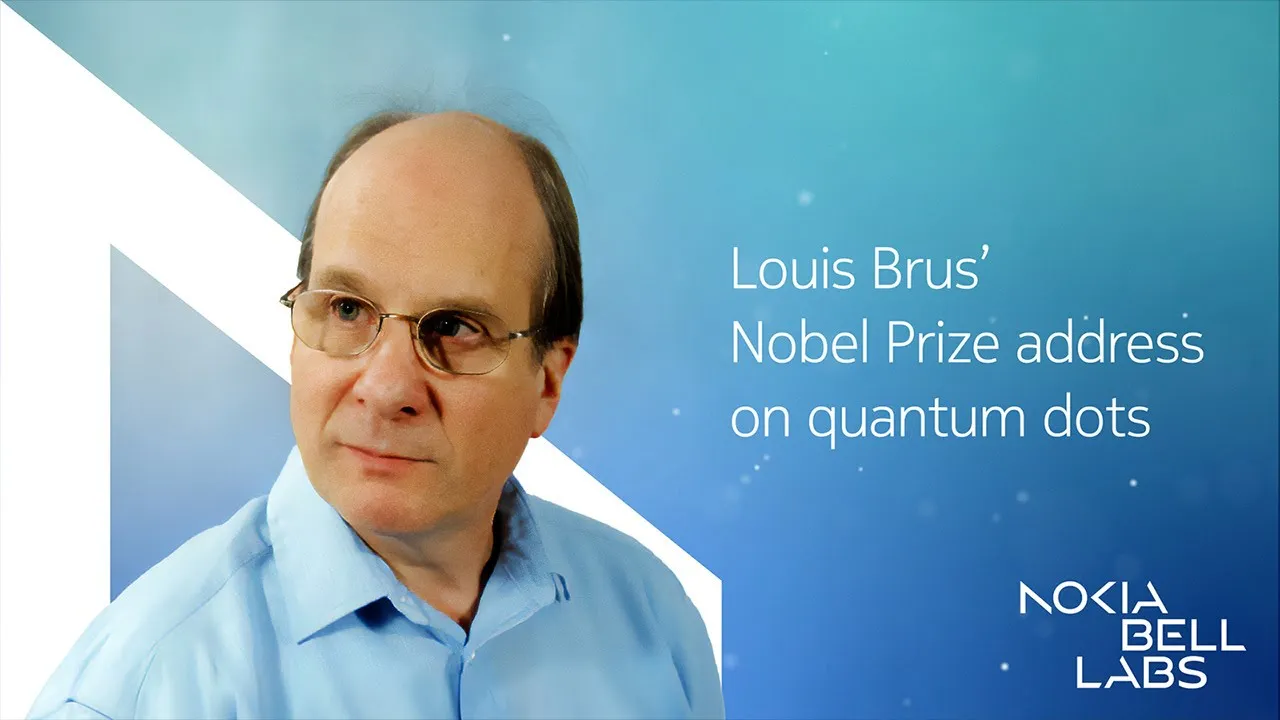





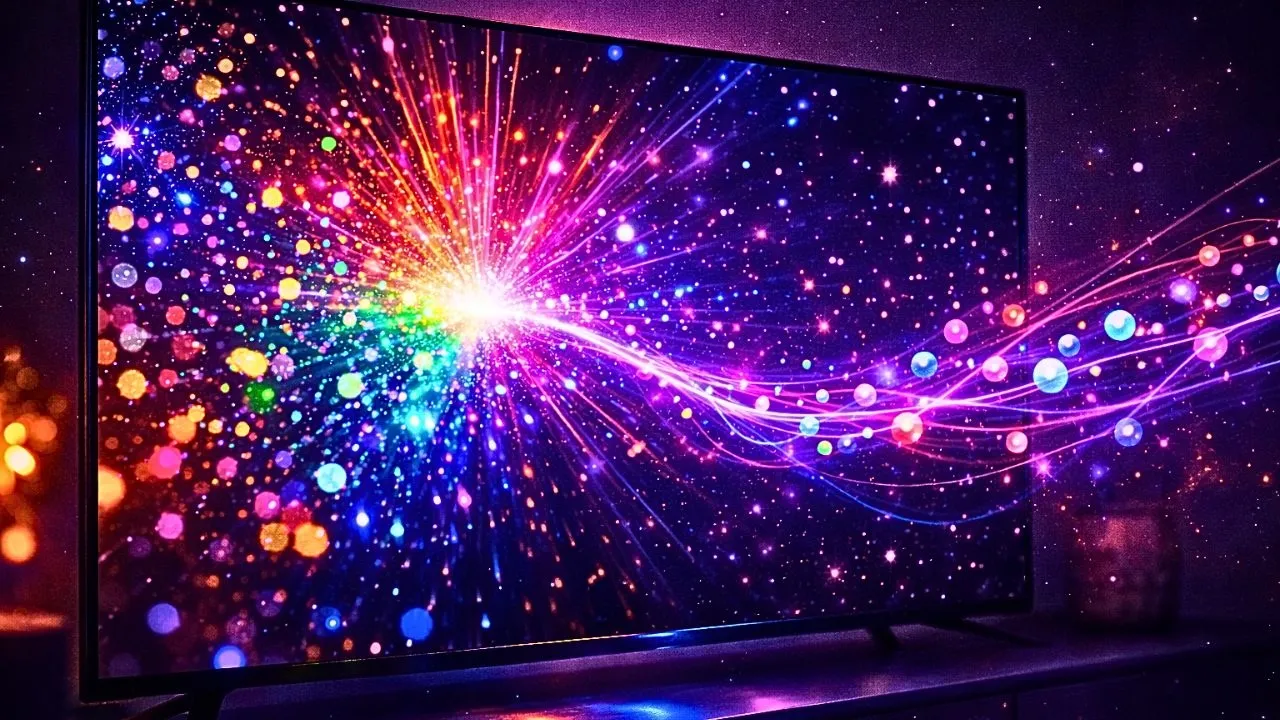




Quantum dots are microscopic semiconductor crystals whose emitted light color can be precisely controlled by adjusting their size; smaller quantum dots have larger energy band gaps that produce shorter wavelength (blue/violet) light, while larger dots have smaller band gaps that produce longer wavelength (yellow/red) light, enabling more accurate and efficient color reproduction in displays and other applications compared to traditional LEDs.
Quantum Dots: How Size Controls Emitted Light Color
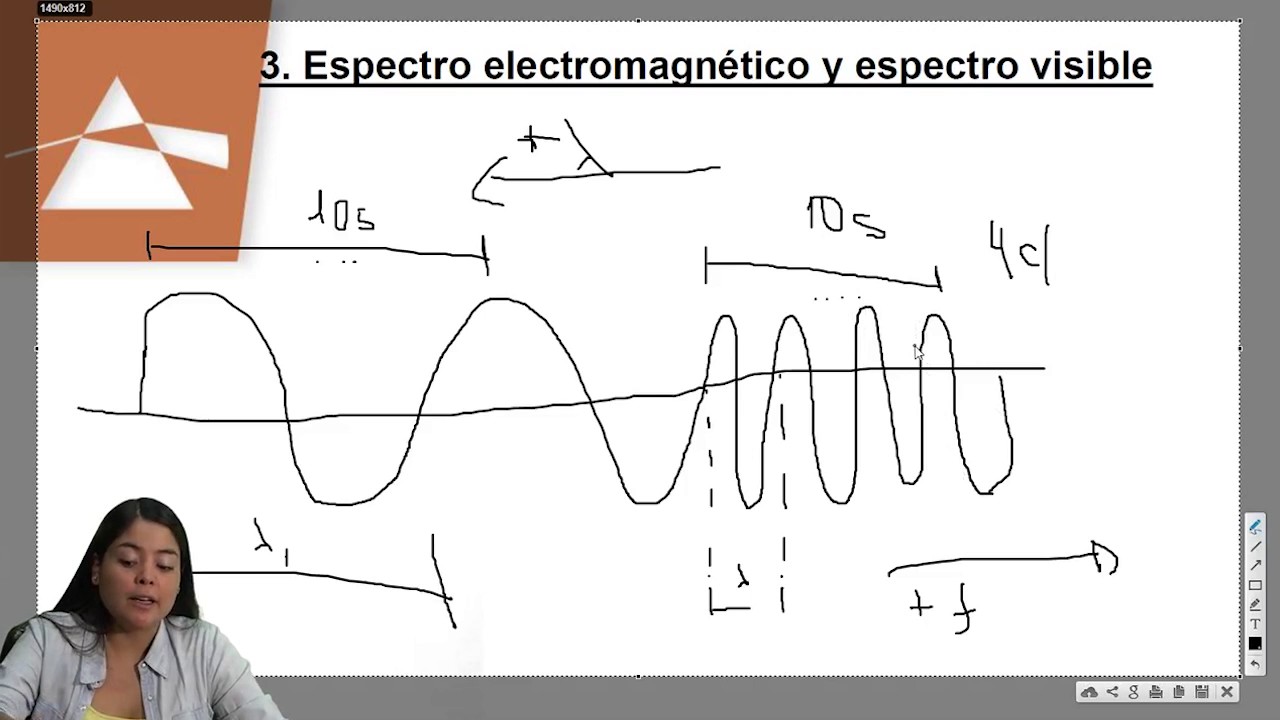
Added:The electromagnetic spectrum and the relationship between light wavelength, frequency, and color.
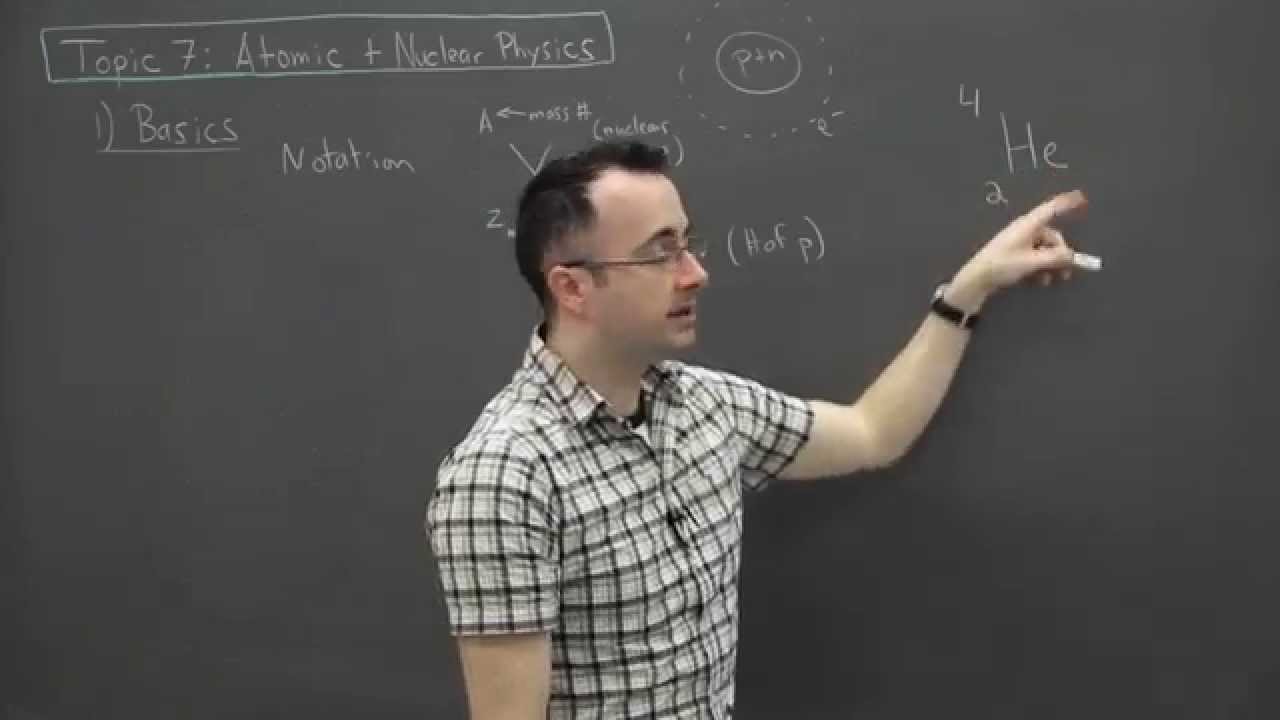
Basic atomic structure, electron energy levels, and the concept of photon emission during electronic transitions.
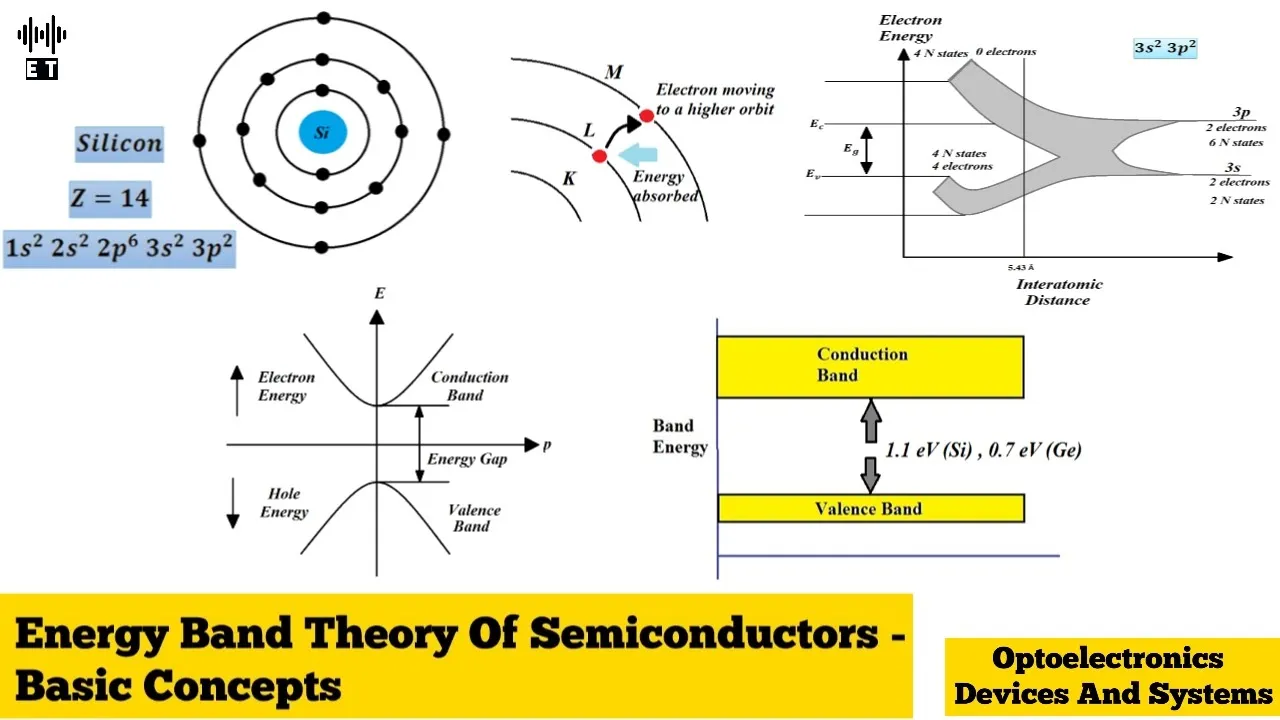
Fundamental semiconductor physics, specifically the concept of the valence band, conduction band, and the band gap.
An introductory understanding of the nanoscale and how physical properties can change at the scale of nanometers.
The physics of Quantum Confinement and the 'particle in a box' quantum mechanical model.
Chemical synthesis of colloidal quantum dots, including core-shell structures used to enhance photoluminescence efficiency.
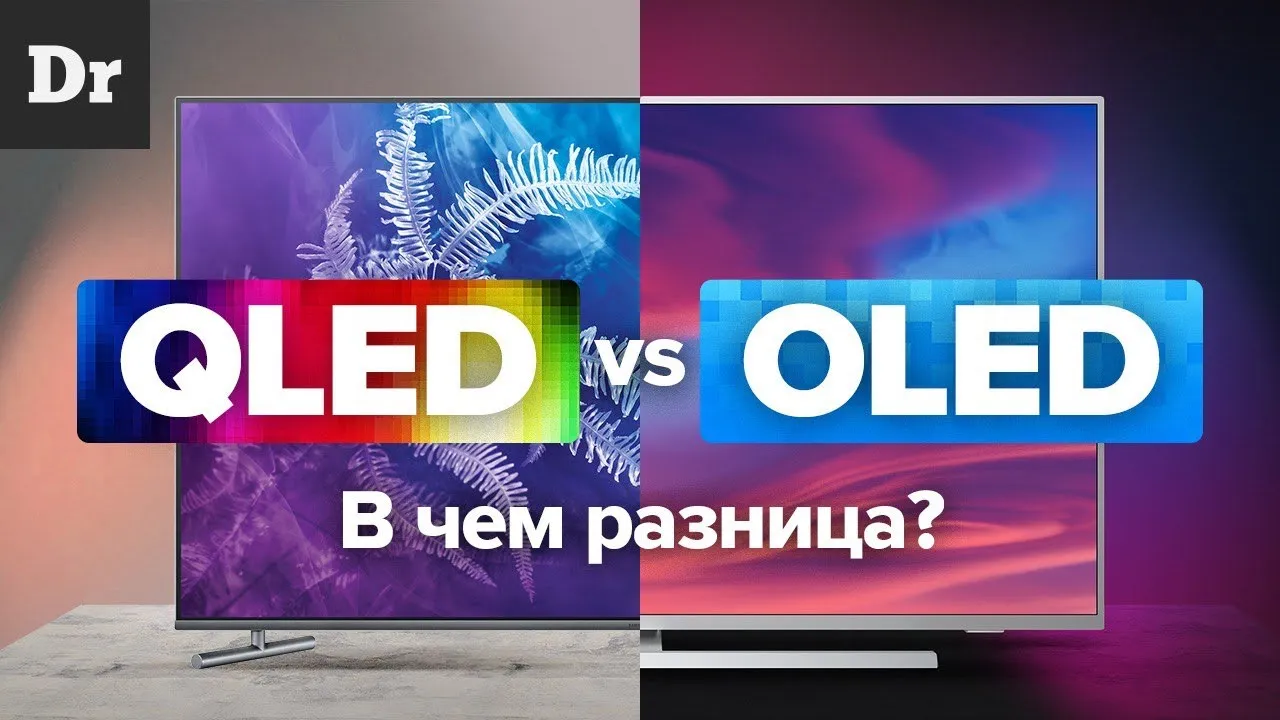
The integration of quantum dots in display technology (QLED) and how they compare to OLED and traditional LCDs.
Advanced biomedical applications of quantum dots as highly stable, tunable fluorescent biomarkers for cellular imaging.
The role of quantum dots in next-generation photovoltaics, including multi-junction solar cells and multi-exciton generation.
36.6K views728likes4:03Original Release: 2018-06-29
Why do we see leaves as green and fire trucks as red? When we look at most objects, they appear colored because radiation from the Sun bounces off them in light waves called photons. Photons scatter off objects and are received by our eyes. But when you watch TV, where do the colors come from? Today, colors on most TV screens come from a series of tiny lamps called light-emitting diodes or LEDs.
These LEDs emit three basic colors: red green, and blue. In order to make other colors, the LEDs combine these three colors in various proportions.
Since LEDs emit three colors with broad color profiles, they can struggle to represent colors with high-precision.
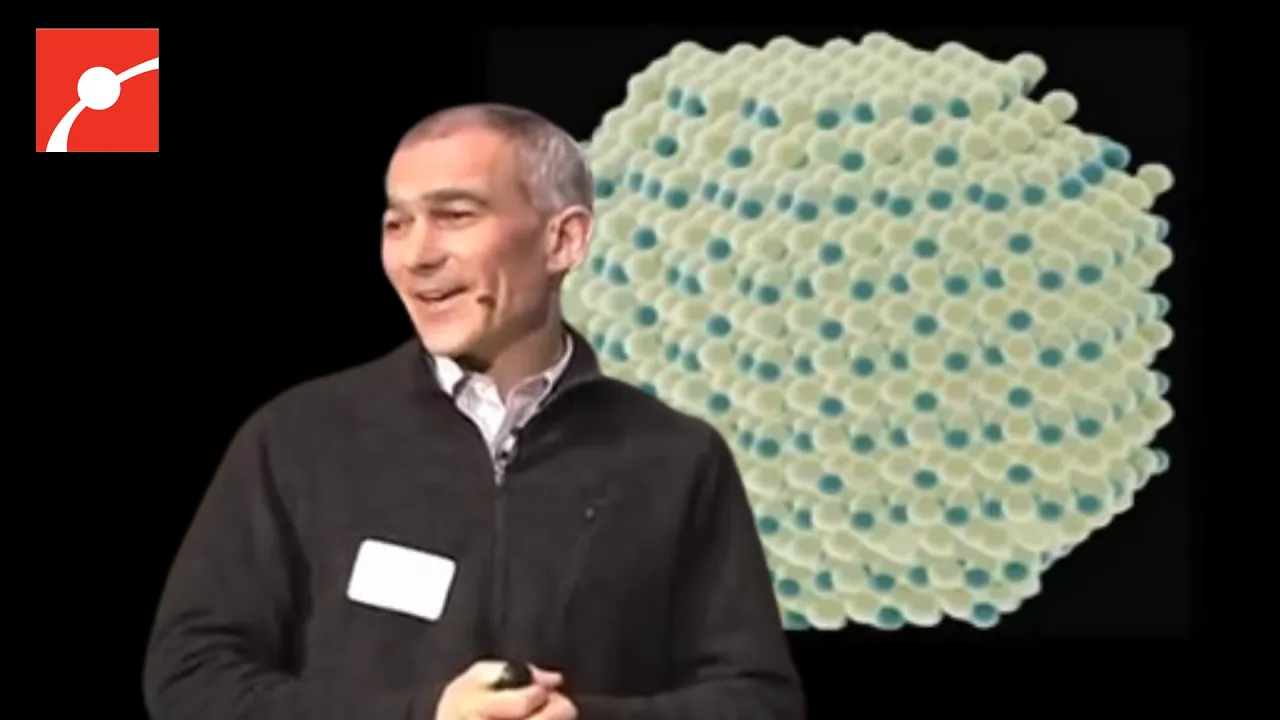
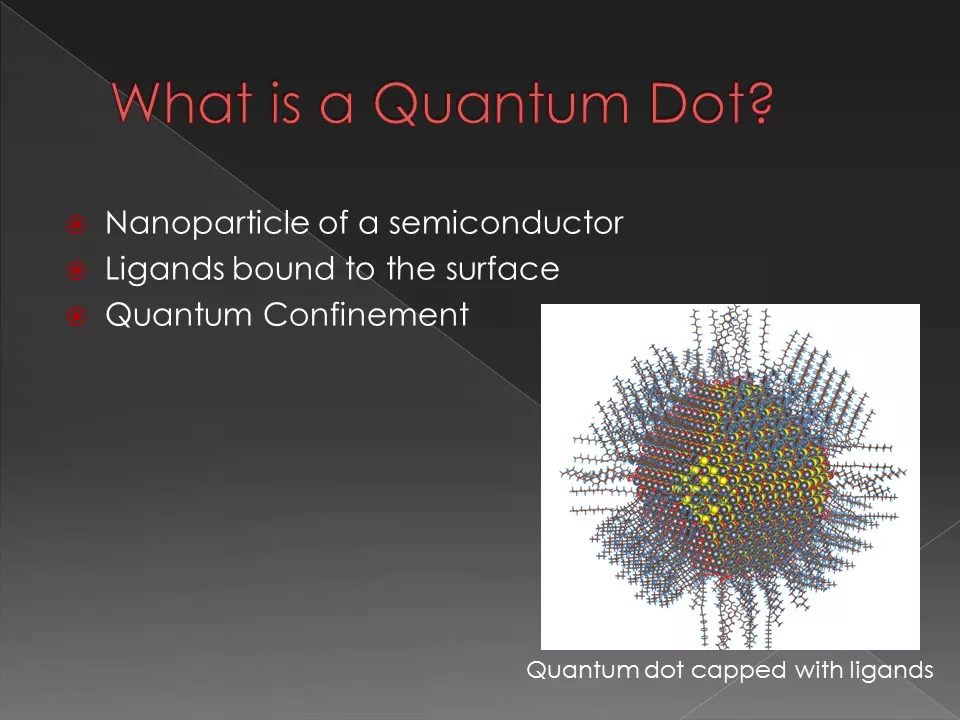
Quantum dots, on the other hand, are a new technology capable of emitting colors much more accurately. Scientists hope to fine tune the distribution of colors so that the blue becomes bluer, the green becomes greener and the red becomes redder! Quantum dots are microscopic: the size of a quantum dot relative to a human is like the size of a human relative to the Sun! They are made from materials called semiconductors which have special properties.
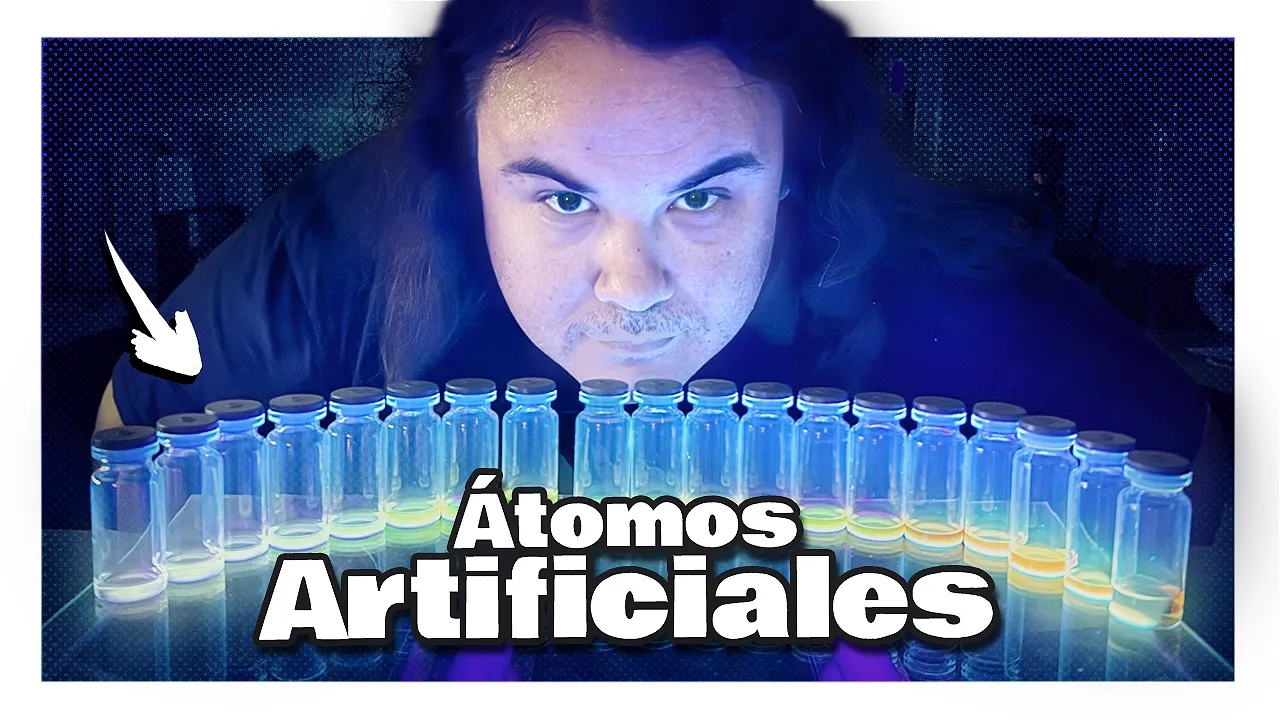
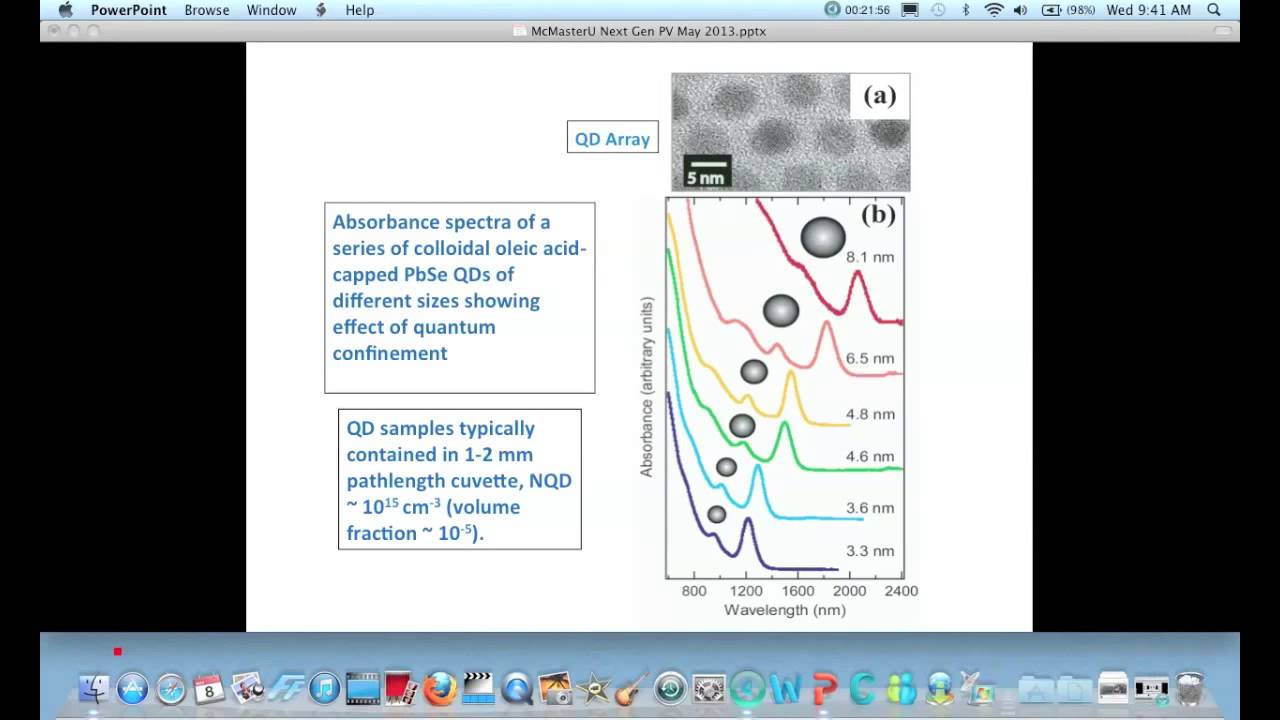
Semiconductors have energy bands that electrons can move between. When a photon hits an electron, the electron absorbs the photon's energy and jumps to a higher energy band. To relax to a lower energy band, the electron can release a photon that matches the energy difference. This means the difference between the two energy levels determines the energy of the photon released, which is related to the color of the light. Scientists can alter the size of the quantum dots to fine-tune the energy difference between the two bands and change the color of the light emitted by the dot. Smaller dots actually have a larger energy difference between energy bands. To get all the way back down to the lower energy band, electrons must emit a photon with high energy, creating colors with short wavelengths, like blue or violet.
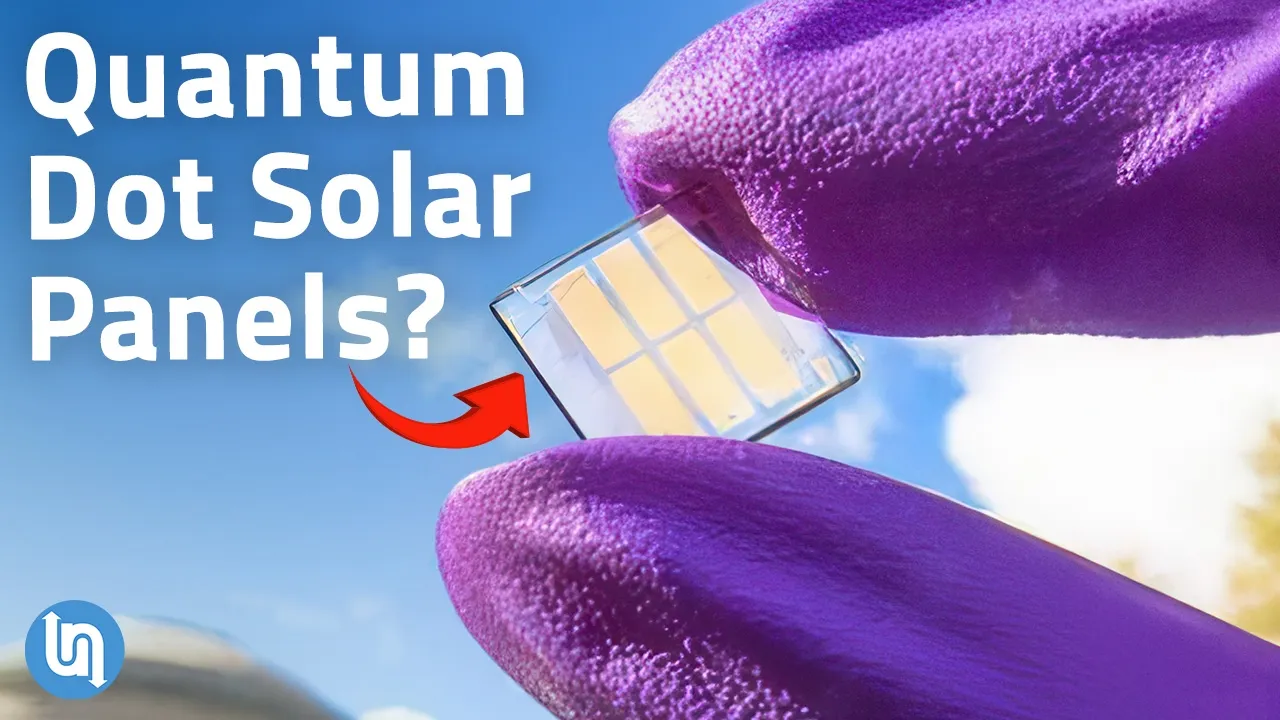
Larger dots have smaller energy differences between bands. These large dots give off a lower energy light with longer wavelengths, creating hues of yellow or red. Scientists have been working hard to create quantum dots with high efficiency. For every photon these quantum dots absorb, several photons of the quantum dot's specific color come back out. Many newer TVs today use quantum dots because they produce more pure color in a more energy-efficient way than LEDs used in conventional TVs. However, quantum dots could be used in much more than just TV screens! With more precise colors, astronomers could collect more accurate data about the spectra of light coming from distant stars, giving more exact readings of the object's age and composition. In addition, quantum dots can be used to harvest sunlight and convert it into electricity. Scientists are also using quantum dots to develop better methods of medical imaging. Quantum dots could improve on the current technology of using dyes or other imaging agents to visualize cancer tumors by providing a better delineation between cancerous tissues and other tissues. Surgeons could operate with greater precision, helping preserve a patient's healthy tissue.
However, more research needs to be done to determine if quantum dots are safe to use in humans. One advantage of using quantum dots as their small size, which allows them to be dispersed in liquids.
Therefore, many liquid processing techniques, such as inkjet printing and spin-coating, can be applied when using quantum dots. This allows quantum dots to be integrated into products quickly, easily and at a low cost. Quantum dots are a new microscopic technology for emitting colored light. These tiny lights excite scientists because they are designed to emit highly specific colors in a very efficient way paving the way, paving the way for more vivid, lifelike displays. In the near future, there's a good chance your cellphone screen could be made from quantum dots! Soon quantum dot technology will color our lives!
Up Next

15:29
Band Structure of Graphene: Dirac Points & Semi-Metal Physics
@patsperovskites4733
32.9K views•2021-02-19

12:53
21cm Hyperfine Transition in Neutral Hydrogen: Radio Astronomy Basics
@AaronRobertParsons
12.4K views•2011-10-13

32:32
NMR Spin Physics I: Zeeman Effect, Resonance Condition & Larmor Frequency
@nptel-indianinstituteofsci8064
2.3K views•2024-01-17

27:14
Entropy and the Second Law of Thermodynamics Explained
@veritasium
27.5M views•2023-07-01
Related Study Plans & Knowledge Roadmaps
Structured learning paths in Physics
physics
Nuclear Physics (Decay, Fission & Reactors)
01Atomic Structure and the Binding Force
02Radioactive Decay and Half-Life
03Nuclear Fission Mechanics and Chain Reactions
+ 2 more learning modules
12h5 modules
Explore Roadmap
physics
Soft Matter (Polymers, Colloids & Rheology)
01Foundations of Soft Matter & Thermal Forces
02Polymer Physics and Macromolecules
03Colloids, Surfactants, and Self-Assembly
+ 2 more learning modules
38h5 modules
Explore Roadmap
physics
Analytical Mechanics: Lagrangian & Hamiltonian
01Mathematical Foundations: Calculus of Variations
02From Newtonian Mechanics to Constraint Dynamics
03The Principle of Least Action & Lagrangian Mechanics
+ 3 more learning modules
28h6 modules
Explore Roadmap
physics
General Relativity (Spacetime & Cosmology)
01Foundations of Relativity: Special Relativity
02The Geometry of Spacetime: Equivalence Principle & Curvature
03Einstein's Field Equations: The Mathematics of Gravity
+ 2 more learning modules
55h5 modules
Explore Roadmap